
6082 Marine Aluminum Round Tubes
6082 marine aluminum round tubes are high-strength structural sections designed for demanding marine environments. Produced from an aluminum-magnesium-silicon alloy, they combine low weight, dependable mechanical performance, good machinability, and practical corrosion resistance. These qualities make 6082 tubes a preferred choice where a vessel needs rigid framing without the mass penalty associated with steel.
Round tube geometry distributes load efficiently around its circumference. It is especially suitable for rails, T-tops, canopy frames, davits, mast supports, equipment guards, deck fittings, seating structures, and lightweight framework on workboats, yachts, patrol craft, and offshore service vessels. Compared with flat bars or open sections, a round tube provides excellent torsional stiffness while maintaining a clean, streamlined appearance.
Why 6082 Is Chosen for Marine Tube Structures
Alloy 6082 belongs to the 6xxx series and develops strength through heat treatment. In the commonly specified T6 temper, it offers substantially higher strength than decorative-grade 6063 tubing and is often selected for load-bearing fabrications. The alloy is particularly valued in marine engineering for its balance of strength, weldability, and service life.
For applications exposed to salt spray, wash-down water, humidity, and intermittent seawater contact, surface preparation and proper design remain important. 6082 is not normally used as the primary hull plate alloy in the same way as 5083, but it performs very well in above-water structural tubing, gangways, towers, rails, equipment frames, and fabricated assemblies when galvanic corrosion is controlled.
| Property | Typical Characteristic | Marine Value |
|---|---|---|
| Alloy family | Al-Mg-Si | Heat-treatable structural aluminum |
| Density | Approximately 2.70 g/cm³ | Lowers vessel weight and improves payload potential |
| Common temper | T6, T6511 | High strength and stable dimensions |
| Tensile strength, T6 | Approximately 290-340 MPa | Supports rigid tubular structures |
| Yield strength, T6 | Approximately 240-300 MPa | Resists permanent deformation under design loads |
| Elastic modulus | Approximately 69 GPa | Predictable deflection behavior |
| Melting range | Approximately 555-650°C | Suitable for conventional aluminum fabrication processes |
| Thermal conductivity | Approximately 170 W/m·K | Helps dissipate heat around mounted equipment |
Actual properties vary with tube dimensions, production route, temper, testing standard, and wall thickness. Material certification should be specified for safety-critical or class-controlled marine work.
Chemical Composition and Its Effect on Performance
The composition of 6082 is engineered to create a strong, heat-treatable microstructure. Magnesium and silicon form magnesium silicide precipitates during artificial aging, which gives T6 material its high strength. Manganese contributes to grain structure control and supports resistance to deformation during forming and welding.
| Element | Typical Specification Range, % by Weight | Function in the Alloy |
|---|---|---|
| Silicon, Si | 0.70-1.30 | Supports precipitation hardening and strength |
| Iron, Fe | 0.00-0.50 | Controlled residual element |
| Copper, Cu | 0.00-0.10 | Kept low to support corrosion behavior |
| Manganese, Mn | 0.40-1.00 | Improves structural stability and grain control |
| Magnesium, Mg | 0.60-1.20 | Works with silicon to develop strength |
| Chromium, Cr | 0.00-0.25 | Supports corrosion resistance and grain structure |
| Zinc, Zn | 0.00-0.20 | Restricted residual element |
| Titanium, Ti | 0.00-0.10 | Grain refinement contribution |
| Aluminum, Al | Balance | Base metal |
This chemistry gives 6082 a more structural character than softer architectural tubing alloys. It machines cleanly, handles drilling and tapping well, and accepts protective finishes such as powder coating, painting, or anodizing when the correct pretreatment process is used.
Tube Forms, Dimensions, and Supply Options
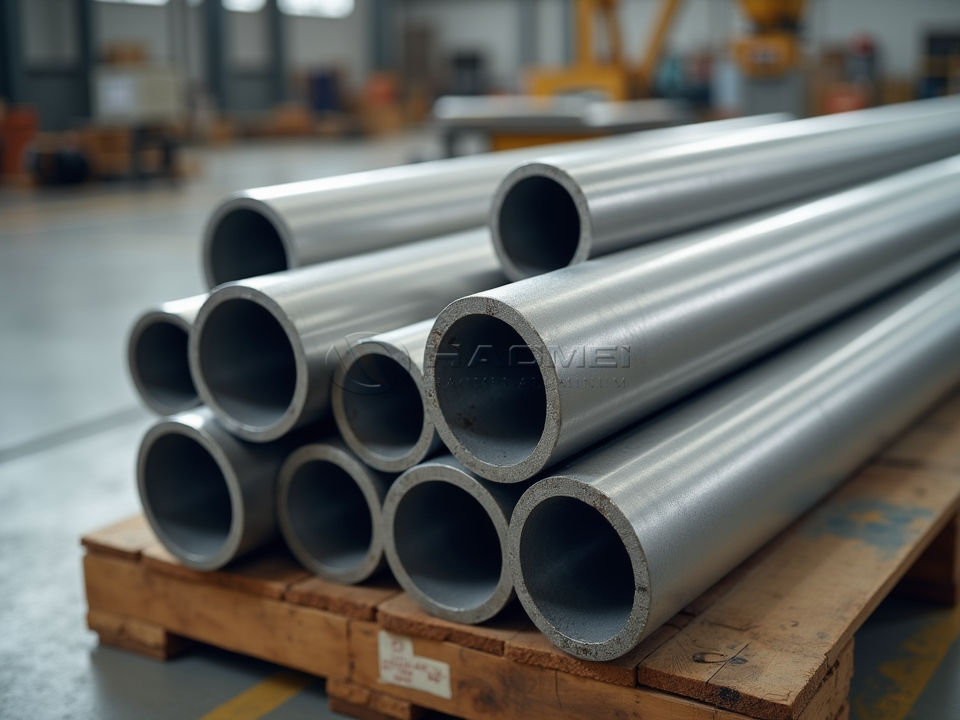
6082 marine aluminum round tubes can be supplied as seamless tubes, extruded tubes, or drawn precision tubes. The best option depends on pressure requirements, appearance needs, wall consistency, mechanical loading, and fabrication method. Seamless tube is often favored where reliability and uniform wall structure are important, while extruded tube is an economical choice for many framework applications.
| Supply Feature | Common Requirement |
|---|---|
| Outside diameter | Small handrail sizes through large structural diameters |
| Wall thickness | Light gauge for covers and rails; heavier walls for load-bearing frames |
| Length | Random mill lengths, fixed cut lengths, or project-specific lengths |
| Temper | T6, T6511, or softer tempers where forming is required |
| Surface | Mill finish, brushed, polished, anodized, or coated |
| Cutting | Saw-cut, deburred, chamfered, or precision length tolerance |
| Documentation | Chemical analysis, mechanical test certificate, and traceability on request |
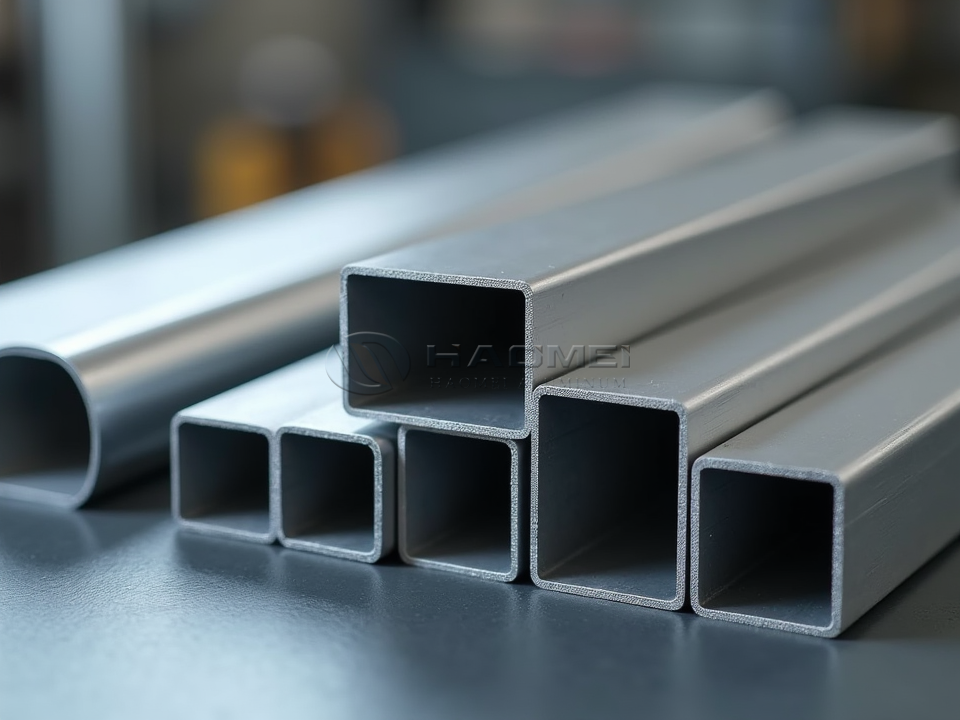
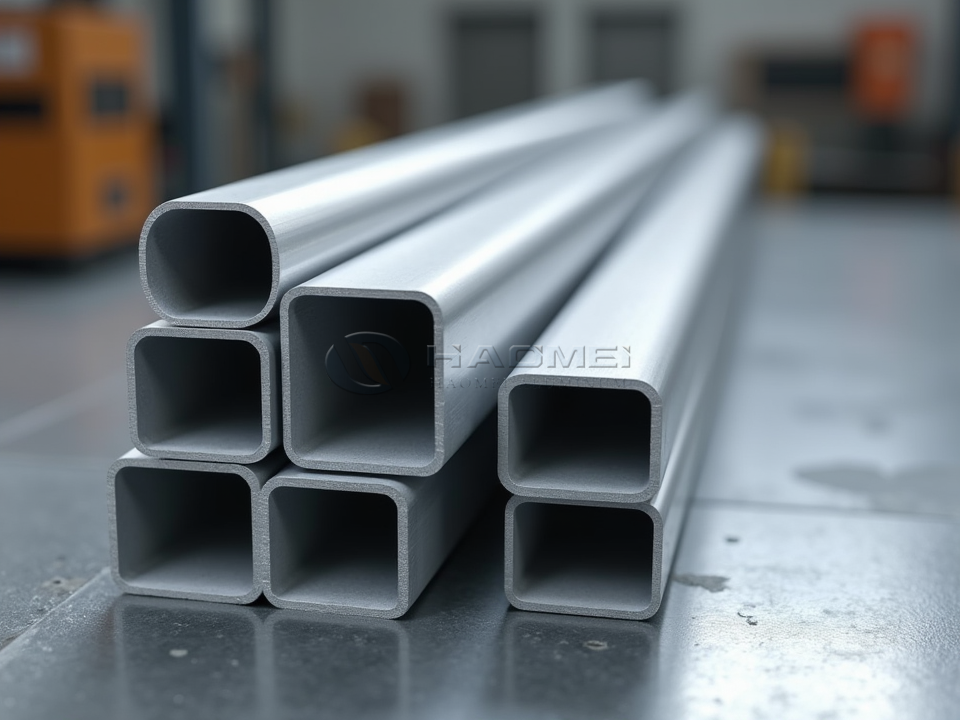
For designs requiring square or rectangular geometry, Marine aluminum square tubes can provide convenient flat faces for panels, brackets, and bolted connections. Round tubes remain the better option where smooth handling, reduced wind resistance, and multi-directional stiffness are priorities.
Marine Applications That Benefit From 6082 Tube
On recreational boats, 6082 round tube is widely used for Bimini frames, radar arches, handrails, ladders, grab bars, tender davits, solar-panel supports, and cockpit structures. Its low mass helps preserve balance and reduces the effort required during installation or servicing.
Commercial vessels use the alloy for wheelhouse supports, work platforms, safety rails, antenna mounts, pipe racks, access structures, fish-farm equipment, and lightweight deck assemblies. Offshore and port-service projects may also use 6082 tubing in modular equipment frames where corrosion protection and frequent inspection are part of the maintenance plan.
The material is also a practical choice for transportable marine accessories. Boarding ramps, dock gangways, lifting frames, trailer components, and removable deck equipment gain useful stiffness without becoming cumbersome for operators. For broader size and alloy selection, Marine Grade Aluminum Tubing provides compatible tube options for different structural and corrosion requirements.
Welding, Fabrication, and Corrosion Care
6082 can be welded successfully using suitable aluminum welding procedures. Common filler alloys include 5356 and 5183, selected according to strength needs, service environment, and compatibility with connected materials. Welding affects the heat-treated condition adjacent to the weld, reducing strength in the heat-affected zone. Fabricated designs should therefore account for localized softening rather than relying only on parent-metal T6 values.
TIG and MIG welding are both widely used. Clean joints are essential: remove oxide film, oil, moisture, and shop contamination before welding. A dedicated stainless-steel brush for aluminum helps avoid iron contamination. Smooth weld transitions, adequate drainage, and avoidance of crevices all contribute to better marine durability.
Corrosion performance depends greatly on the complete assembly. Avoid direct contact with carbon steel, copper alloys, and dissimilar metals in wet conditions unless isolation is provided. Nonconductive pads, sealants, washers, sleeves, and correctly selected fasteners reduce galvanic attack. Where powder coating or painting is specified, edges, welds, cut ends, and fastener penetrations need careful preparation because these areas receive the greatest exposure.
Practical Selection Guidance
Choose a wall thickness based on bending span, point loads, expected impact, attachment method, and allowable deflection. A thin-wall tube may look adequate but can dent near clamps, deform around bolt holes, or fatigue under cyclic vibration. Heavier walls provide stronger attachment zones and greater resistance to damage, especially on working vessels.
For polished handrails and visible yacht fittings, specify a surface quality appropriate for finishing. For painted structures, a consistent mill finish with proper conversion coating may be more economical. When the tube will be bent, verify the minimum bend radius, temper, and tooling approach before production, since T6 material is less forgiving than softer tempers.
6082 marine aluminum round tubes provide a durable, lightweight route to stronger marine structures. With suitable tube dimensions, correct joining practice, and disciplined corrosion control, they deliver dependable performance from elegant yacht rails to hardworking commercial-vessel frameworks.

Related Products
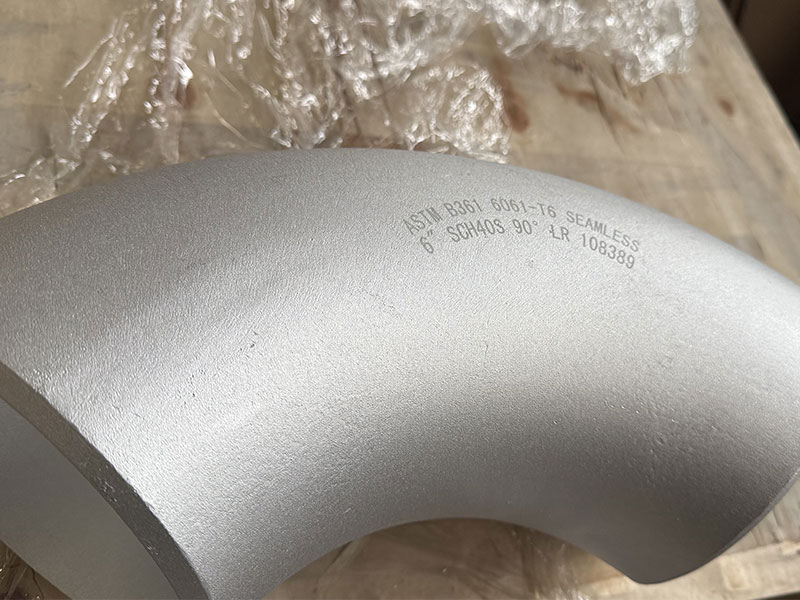
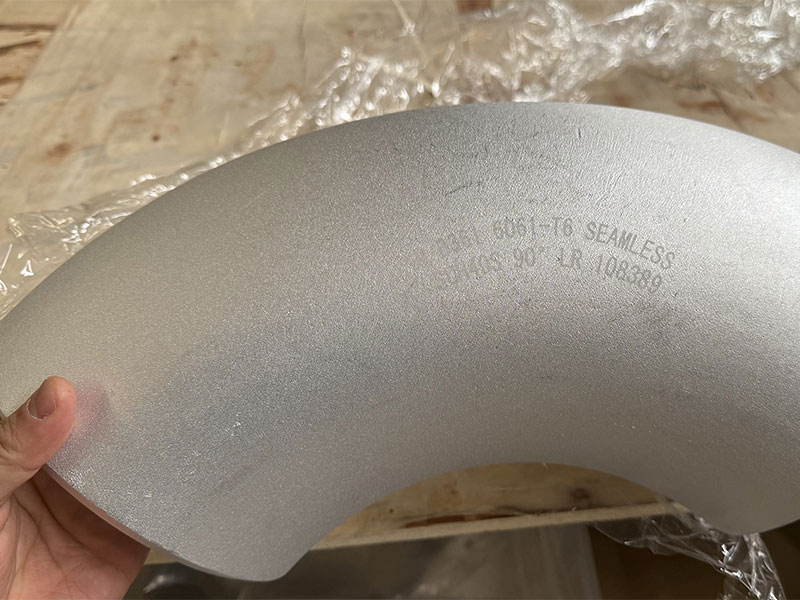
6061-T6 90-Degree Marine Aluminum Pipe Elbow
Manufactured from premium 6061-T6 marine-grade aluminum alloy, this elbow fitting is engineered to provide reliable and efficient pipe direction changes within shipbuilding, offshore platforms, and marine infrastructure systems.
View Details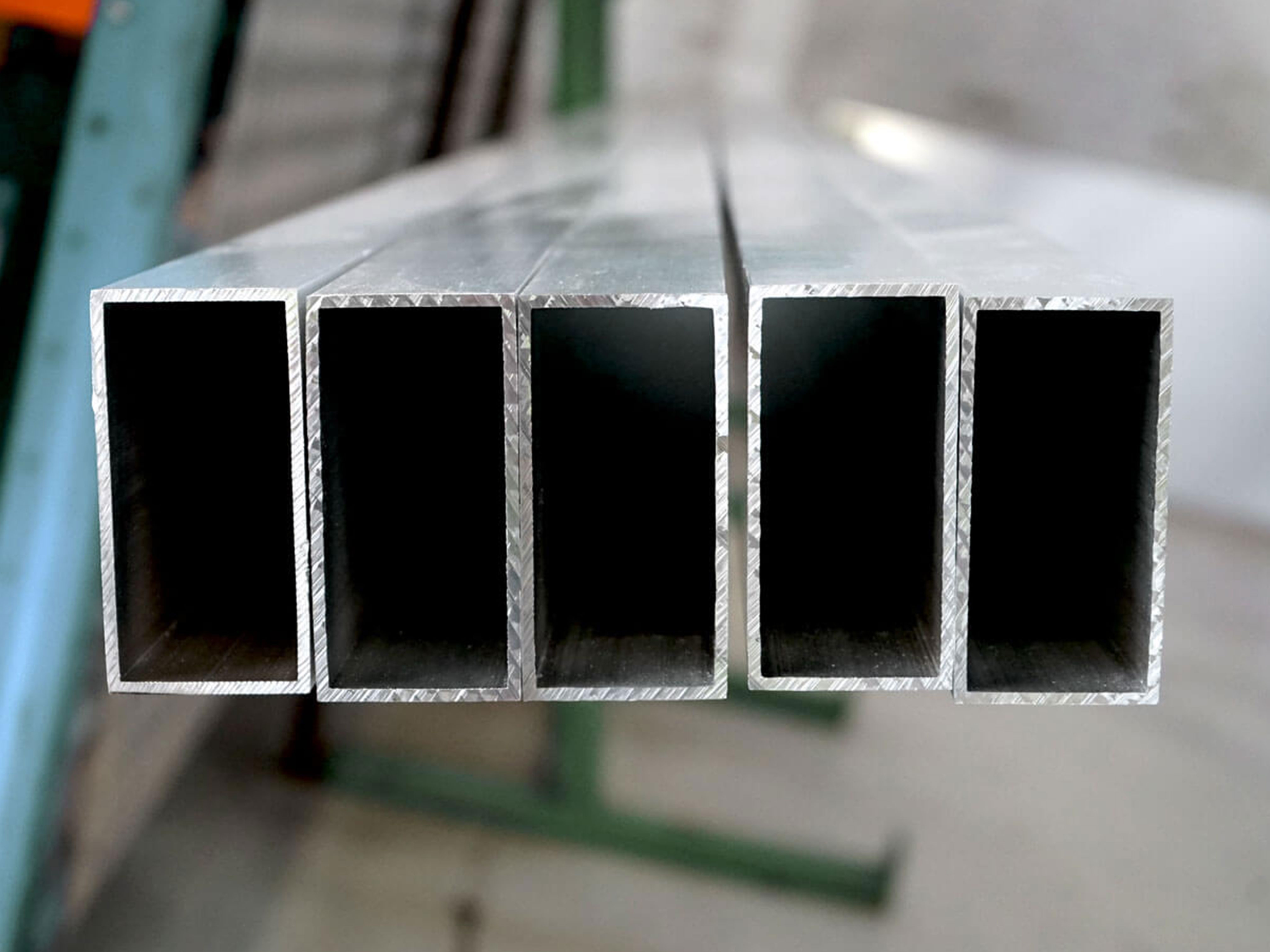
Marine aluminum rectangular tubes
Marine Grade Aluminum Rectangular Tubes are made from high-performance alloys such as 5083, 5052, 6061, and 6082. These alloys are renowned for their ability to resist corrosive seawater and marine atmospheres while providing excellent mechanical strength and toughness.
View Details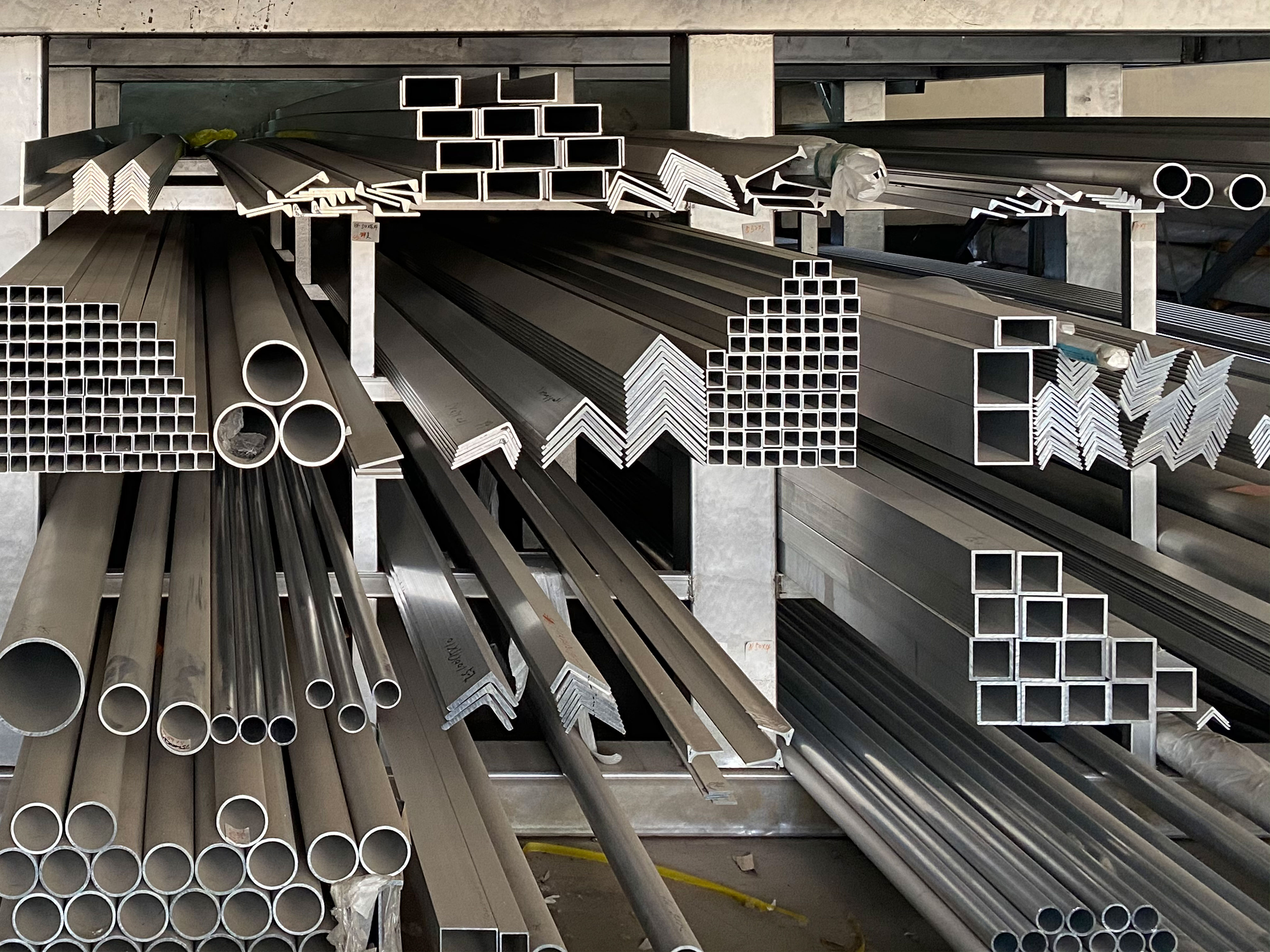
Custom marine aluminum profile tubes
Custom Marine Grade Aluminum Profile Tubes are manufactured from premium marine aluminum alloys such as 5083, 5052, 6061, and 6082.
View Details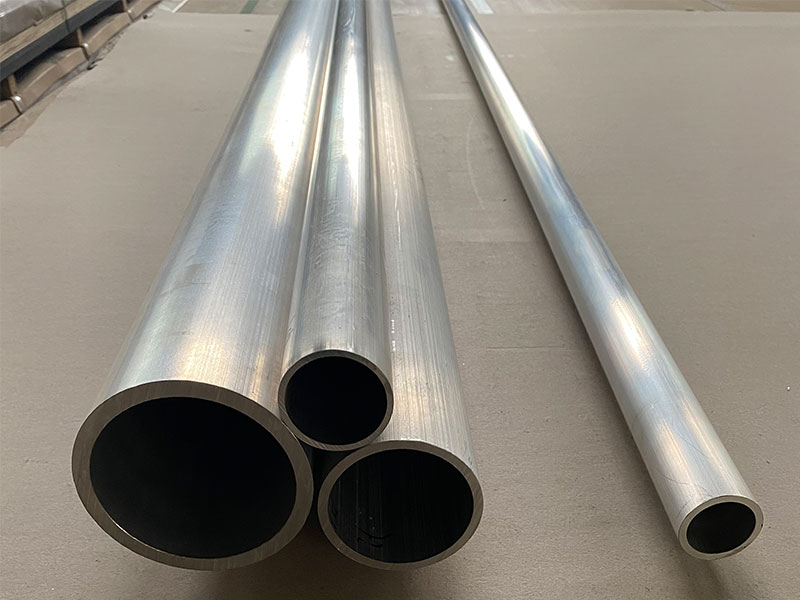
Marine aluminum round tubes
Marine Grade Aluminum Round Tubes are manufactured from premium marine alloys such as 5083, 5052, 6061, and 6082, all selected for their proven resistance to seawater corrosion and marine atmosphere degradation.
View Details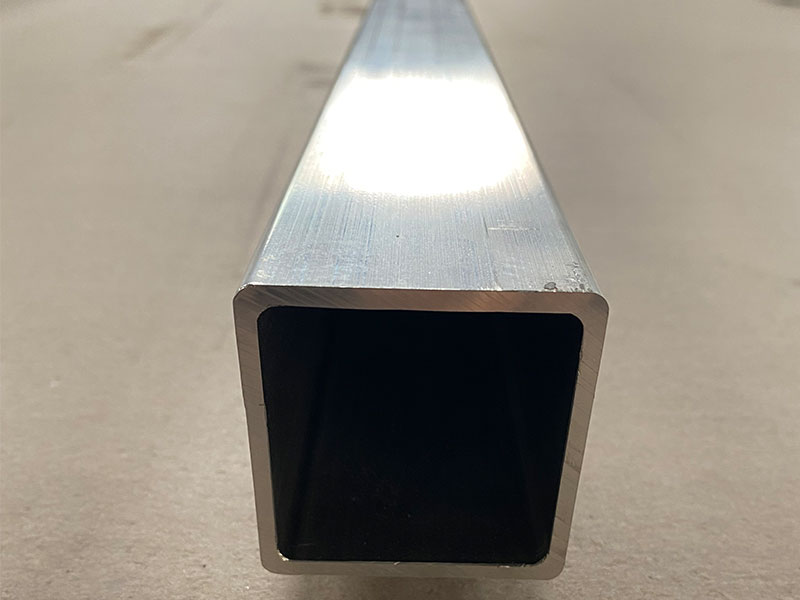
Marine aluminum square tubes
Marine Grade Aluminum Square Tubes are typically constructed from marine-grade alloys such as 5083, 5052, 6061, and 6082—well-known for their ability to withstand the aggressive effects of saltwater and marine atmospheres.
View DetailsRelated Blog
5083 Marine Aluminum Tubes for Offshore Marine Project Fabrication
Offshore structures demand materials that can survive saltwater exposure, variable loads, vibration, and long service cycles with minimal maintenance.
View Details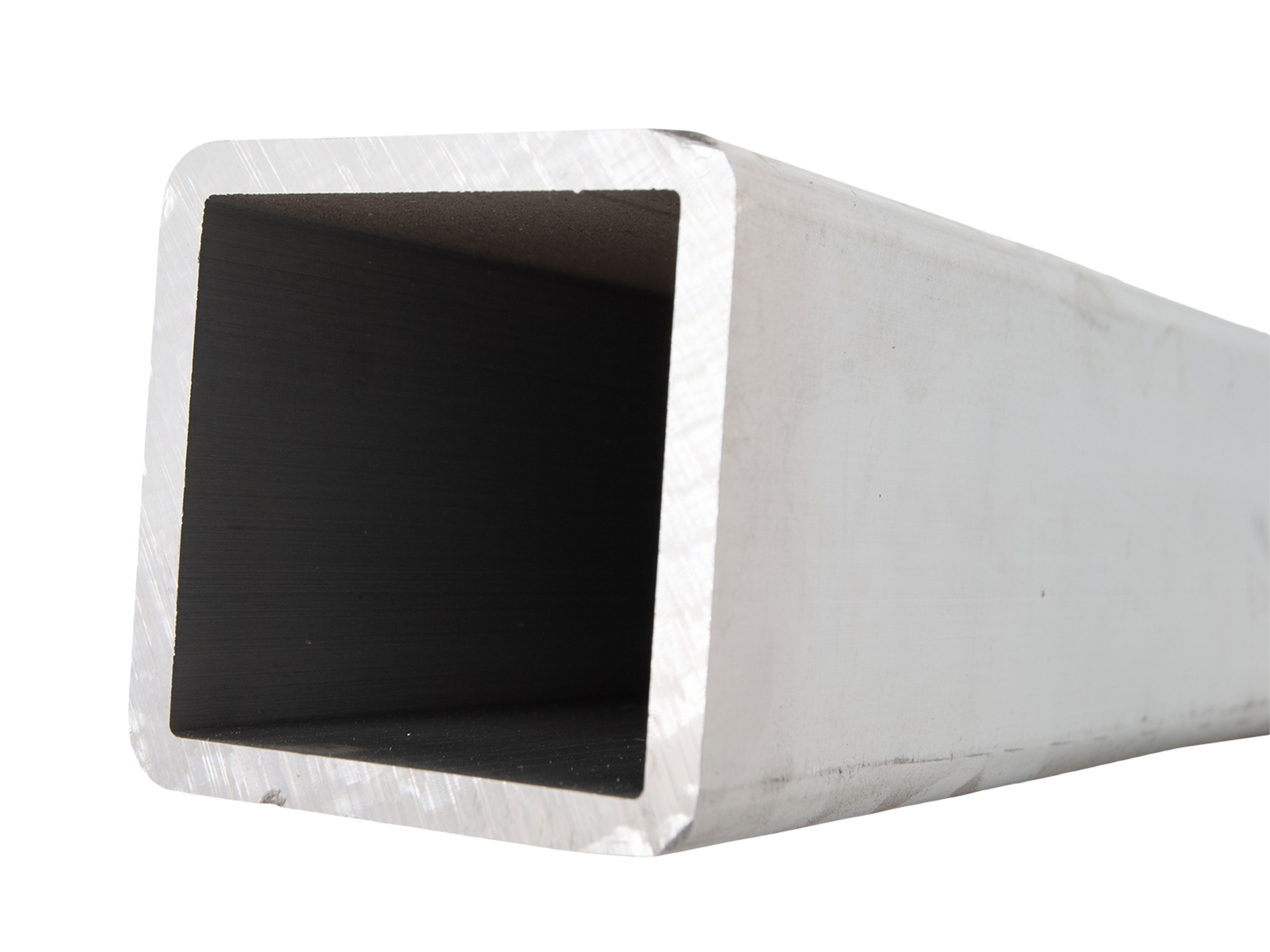
6082 Marine Aluminum Tubes for Saltwater Tolerant Marine Parts
6082 Marine Aluminum Tubes for Saltwater‑Tolerant Marine PartsA structural engineer’s perspective on choosing the “workhorse” alloy for modern boats and offshore equipmentWhen designers talk about marine alloys for direct saltwater exposure, 6082.
View Details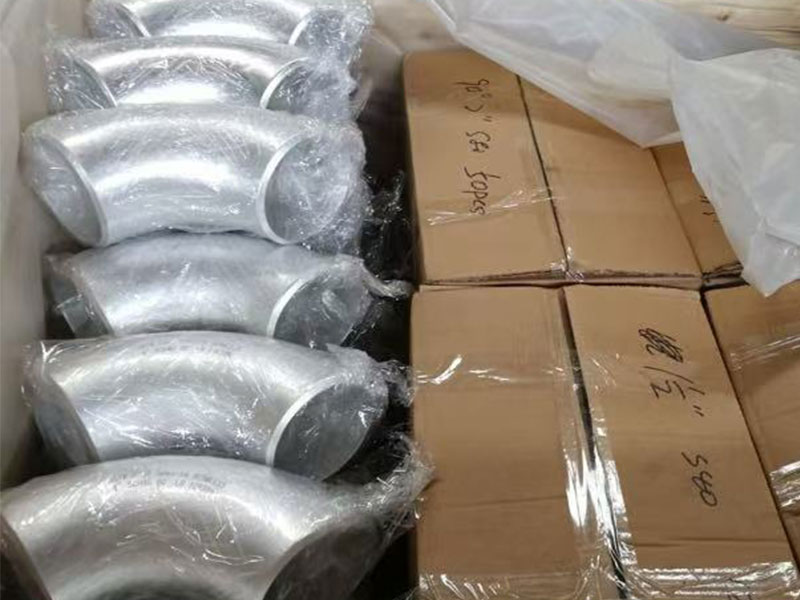
5052 Marine Aluminum Tubes for Boat Frame Design and Fabrication
5052 marine aluminum tubes are a practical, corrosion-resistant solution for boat frame design, deck structures, railings, T-tops, canopies, support members, and other marine fabrication projects.
View Details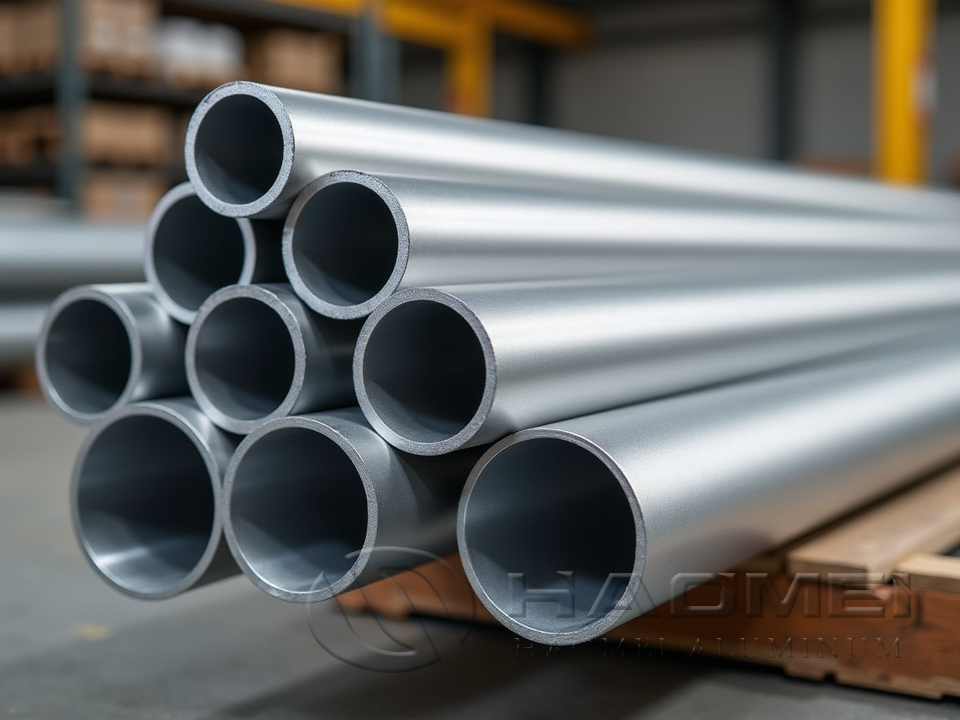
Marine Aluminum Elbow for Waste Gas Venting on Offshore Rigs
Marine aluminum elbow for offshore rig waste gas venting, covering functions, alloys, standards, specs, corrosion resistance, and installation data.
View Details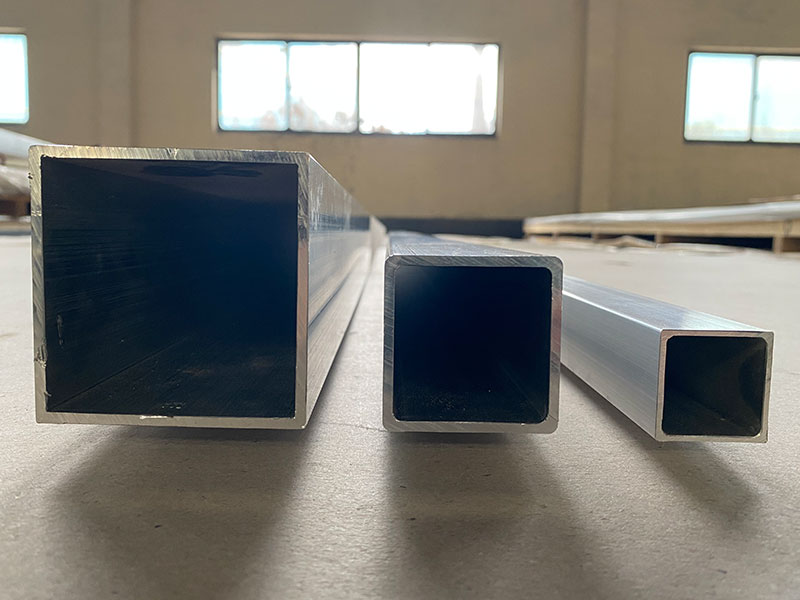
5083 Marine Aluminum Tubes for Commercial Marine Parts
When it comes to commercial marine parts, durability, corrosion resistance, and strength are non-negotiable. Among various materials used in the marine industry, 5083 marine aluminum tubes is know as a premium choice.
View Details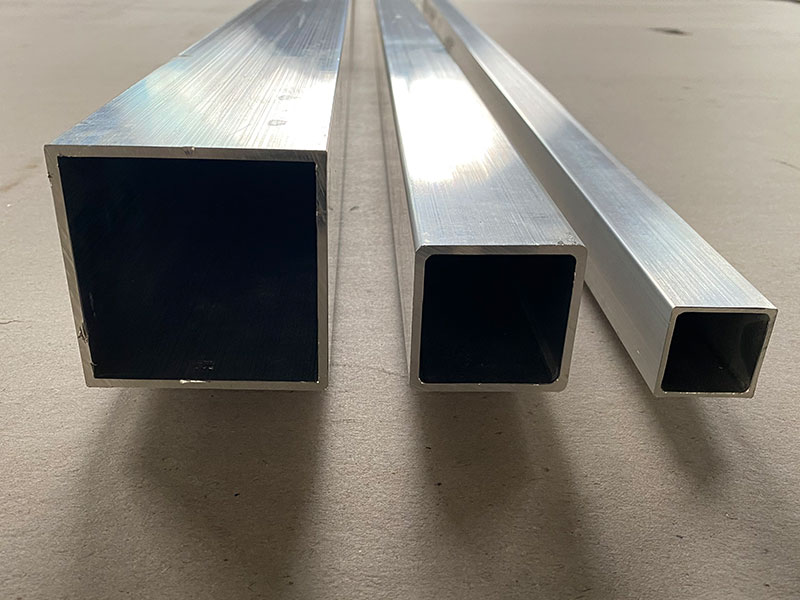
6061 Marine Aluminum Square Tubes for Yacht Construction
In the realm of yacht construction, materials play a pivotal role in defining vessel performance, durability, and aesthetics.
View Details
Leave a Message