
Marine Aluminum Square Tubes
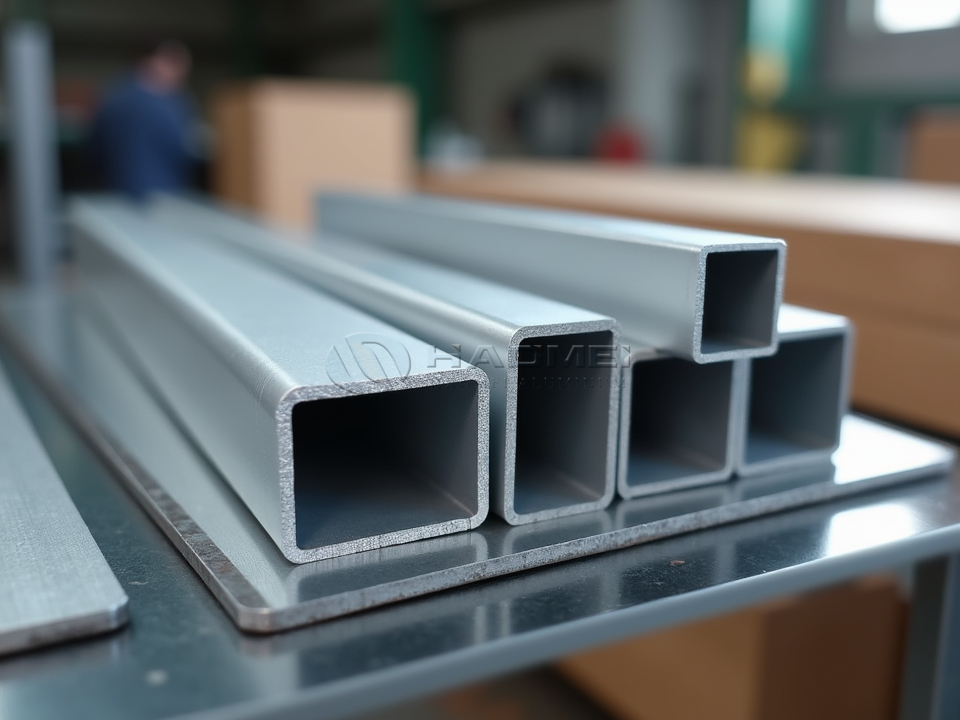
Marine aluminum square tubes are often selected for a reason that is easy to see but harder to quantify: their shape makes fabrication more predictable. While round tubing performs well in handrails and fluid systems, square tubing creates flat contact surfaces, clean corners, and stable alignment for frames, decks, cabins, equipment racks, and support assemblies.
In marine construction, a square tube is more than hollow aluminum. It is a lightweight structural member that distributes loads through four straight walls while providing convenient surfaces for welding, bolting, clamping, and panel attachment. For builders who need a framework that stays orderly from the workshop to the water, Marine aluminum square tubes offer an efficient foundation.
Why the Square Profile Works at Sea
A square tube resists bending in multiple directions and provides more usable mounting faces than a round tube of similar size. This matters on boats, docks, work platforms, and offshore equipment where brackets, composite panels, cable trays, hinges, and protective covers must be positioned accurately.
The closed hollow section also offers a strong stiffness-to-weight ratio. Aluminum is roughly one-third the density of steel, so a properly designed square tube framework can reduce vessel weight without sacrificing the practical strength needed for everyday service. Less structural weight can support improved payload capacity, lower fuel consumption, easier handling, and a more balanced vessel.
Marine exposure places another demand on the tube: it must tolerate humidity, salt spray, intermittent immersion, and crevice-prone joints. Aluminum naturally forms an oxide film. In suitable marine alloys and properly detailed assemblies, this film provides valuable protection. Material selection, welding practice, drainage, isolation from dissimilar metals, and coating choice still determine long-term results.
Common Functions and Applications
Marine aluminum square tubes are widely used where a structure needs straight geometry and practical attachment points. Typical uses include:
- Boat T-tops, canopy frames, radar supports, and electronics mounts
- Cabin framing, deck enclosures, storage modules, and console supports
- Pontoon boat reinforcement and accessory frameworks
- Gangways, dock ladders, floating-platform frames, and marina fixtures
- Equipment guards, battery enclosures, seating frames, and fishing stations
- Workboat racks, utility boxes, trailer components, and service platforms
For railings and curved structures, round products may be the better choice. In contrast, square sections simplify the assembly of rectangular frames. Builders can pair them with Marine aluminum rectangular tubes when a frame needs greater stiffness along one direction than the other.
Alloys and Temper Conditions
6061 is the most familiar structural alloy for marine aluminum square tubing. It combines good strength, machining performance, weldability, and reasonable corrosion resistance. Temper T6 is frequently specified because solution heat treatment and artificial aging provide high mechanical strength.
6063 is commonly chosen for architectural and appearance-sensitive extrusions. It has excellent extrudability, a smoother surface finish, and good anodizing response. T5 and T6 tempers are widely available. Although 6063 generally has lower strength than 6061-T6, it is a practical choice for lighter rail frames, trim systems, and decorative marine structures.
6082-T6 is another high-strength 6xxx-series option, particularly useful where greater mechanical performance is required. Its availability varies by tube shape and market. For highly corrosive environments, 5xxx-series alloys such as 5052, 5083, and 5086 are respected for seawater resistance. However, complex hollow square extrusions are more commonly produced in 6xxx alloys because they extrude efficiently and maintain precise geometry.
| Alloy | Common Temper | Main Strength Character | Marine Use Consideration |
|---|---|---|---|
| 6061 | T6, T651 | High structural strength | Excellent for frames, supports, and machined fittings |
| 6063 | T5, T6 | Moderate strength, smooth finish | Suitable for light frames, trim, and anodized parts |
| 6082 | T6 | High strength | Used for demanding structural applications where available |
| 5052 | H32, H34 | Good formability and corrosion resistance | More common in sheet and formed components |
| 5083 | H111, H116 | Excellent seawater corrosion resistance | Preferred for hull plate and heavy welded marine fabrications |
A practical point for welded structures is often missed: welding can reduce the strength of heat-treated 6xxx alloys in the heat-affected zone. A 6061-T6 tube does not retain full T6 properties immediately beside a weld. Designers should account for this condition through section sizing, joint layout, weld procedure control, or post-weld treatment where appropriate.
Typical Parameters for Marine Aluminum Square Tubes
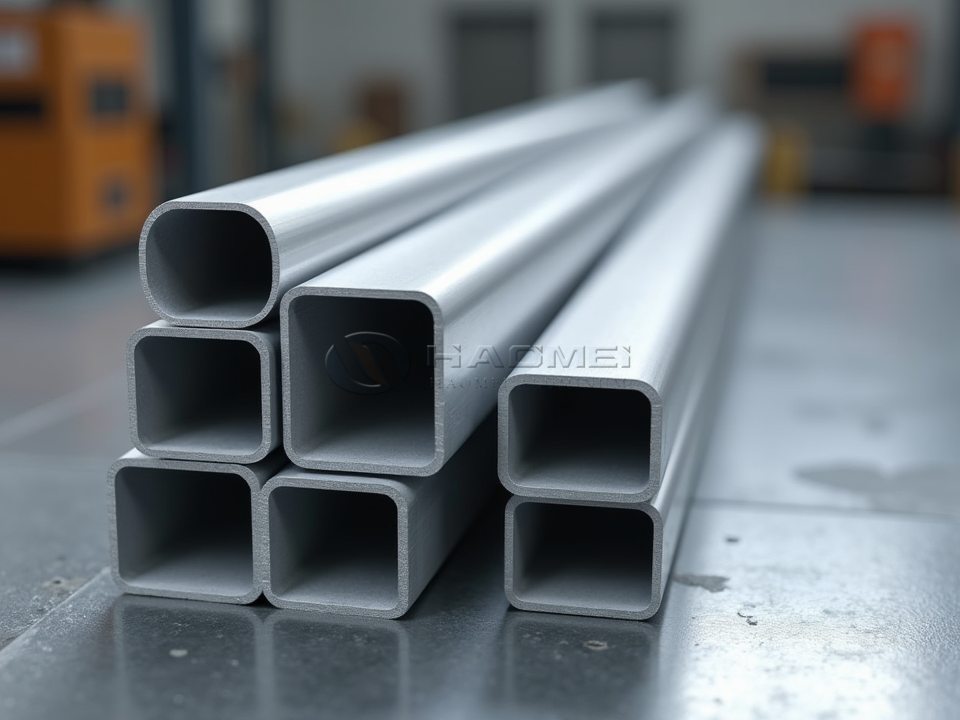
Square tube dimensions should be selected according to load direction, span, joint design, and corrosion allowance rather than appearance alone. Common specifications include outside width, wall thickness, inside corner radius, straightness, length, alloy, temper, surface condition, and dimensional tolerance.
| Parameter | Typical Range or Option |
|---|---|
| Outside width | 12 mm to 150 mm, with larger custom sizes available |
| Wall thickness | 1.0 mm to 8.0 mm or heavier for structural designs |
| Standard length | 3 m, 5.8 m, 6 m, or cut-to-length service |
| Alloy | 6061, 6063, 6082, 5052, 5083, 5086 |
| Temper | T5, T6, T651, H32, H34, H111, H116 |
| Surface | Mill finish, brushed, polished, anodized, powder coated |
| Fabrication | Saw cutting, drilling, CNC machining, bending, welding |
Wall thickness is especially important in a marine build. Thin-wall tube saves weight but can deform near bolted connections or welds. Heavier wall tubing improves local bearing strength and may reduce the need for internal sleeves or reinforcement plates. The best selection is rarely the largest tube; it is the tube that meets the intended load case with efficient material use.
Chemical Composition of Common Marine Alloys
The following table shows typical composition limits in weight percent. Exact values should be confirmed against the applicable material certificate and purchasing specification.
| Alloy | Mg | Si | Mn | Fe | Cu | Cr | Zn | Al |
|---|---|---|---|---|---|---|---|---|
| 6061 | 0.80-1.20 | 0.40-0.80 | 0.15 max | 0.70 max | 0.15-0.40 | 0.04-0.35 | 0.25 max | Balance |
| 6063 | 0.45-0.90 | 0.20-0.60 | 0.10 max | 0.35 max | 0.10 max | 0.10 max | 0.10 max | Balance |
| 6082 | 0.60-1.20 | 0.70-1.30 | 0.40-1.00 | 0.50 max | 0.10 max | 0.25 max | 0.20 max | Balance |
| 5052 | 2.20-2.80 | 0.25 max | 0.10 max | 0.40 max | 0.10 max | 0.15-0.35 | 0.10 max | Balance |
| 5083 | 4.00-4.90 | 0.40 max | 0.40-1.00 | 0.40 max | 0.10 max | 0.05-0.25 | 0.25 max | Balance |
Magnesium improves corrosion resistance and strength in 5xxx alloys, while magnesium and silicon together create the heat-treatable Mg2Si strengthening system in 6xxx alloys. This difference helps explain why 6061-T6 is favored for rigid extruded frameworks and why 5083 is widely trusted for seawater-exposed plate structures.
Standards, Inspection, and Installation Details
Marine aluminum square tubes may be supplied to standards such as ASTM B221 for aluminum-alloy extruded bars, rods, wire, profiles, and tubes. EN 755 is commonly referenced for extruded aluminum products in European projects. Marine vessel work may also require compliance with customer drawings, class society requirements, or project-specific inspection plans.
Quality checks commonly cover alloy certification, temper verification, outside dimensions, wall thickness, straightness, twist, surface defects, and cut length. For welded frames, visual weld inspection and corrosion-conscious joint detailing are equally important.
Avoid trapping saltwater inside closed sections. Seal tube ends properly or provide controlled drainage and ventilation where the design permits. Separate aluminum from stainless steel, carbon steel, copper alloys, and wet timber using compatible isolators, coatings, or sealants. These details protect the tube from galvanic corrosion and often have more influence on service life than a small increase in wall thickness.
Marine aluminum square tubes bring order to marine fabrication: straight lines for accurate assembly, hollow walls for efficient strength, and aluminum durability for demanding waterfront service. With the correct alloy, temper, dimensions, and installation method, they become dependable structural components from small recreational boats to hard-working commercial platforms.

Related Products
Marine aluminum rectangular tubes
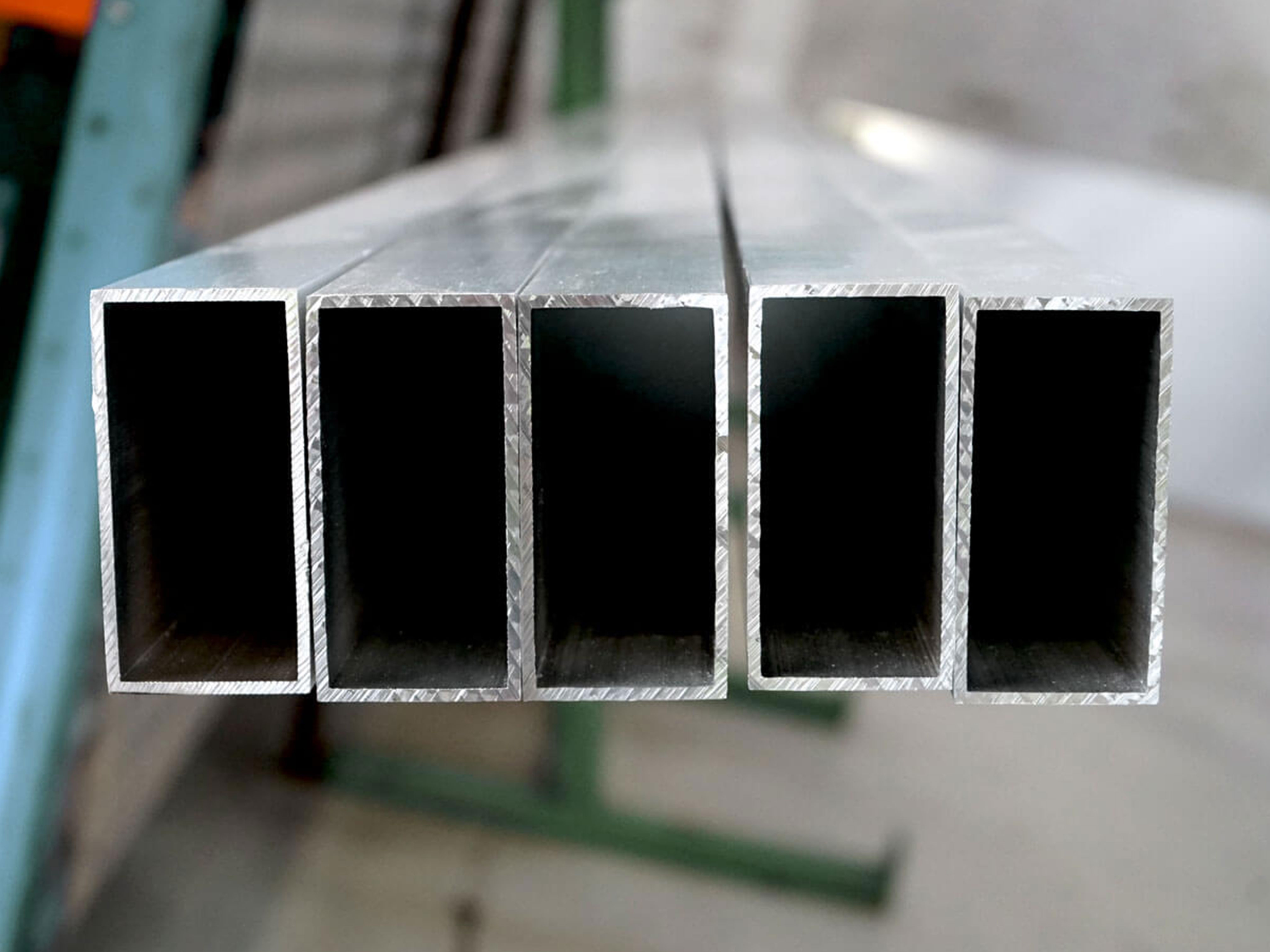
Marine Grade Aluminum Rectangular Tubes are made from high-performance alloys such as 5083, 5052, 6061, and 6082. These alloys are renowned for their ability to resist corrosive seawater and marine atmospheres while providing excellent mechanical strength and toughness.
View Details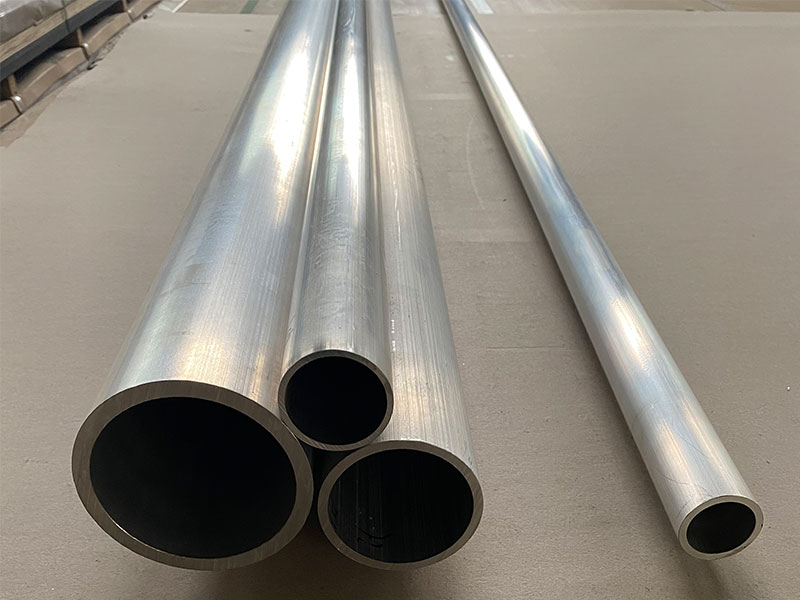
Marine aluminum round tubes
Marine Grade Aluminum Round Tubes are manufactured from premium marine alloys such as 5083, 5052, 6061, and 6082, all selected for their proven resistance to seawater corrosion and marine atmosphere degradation.
View Details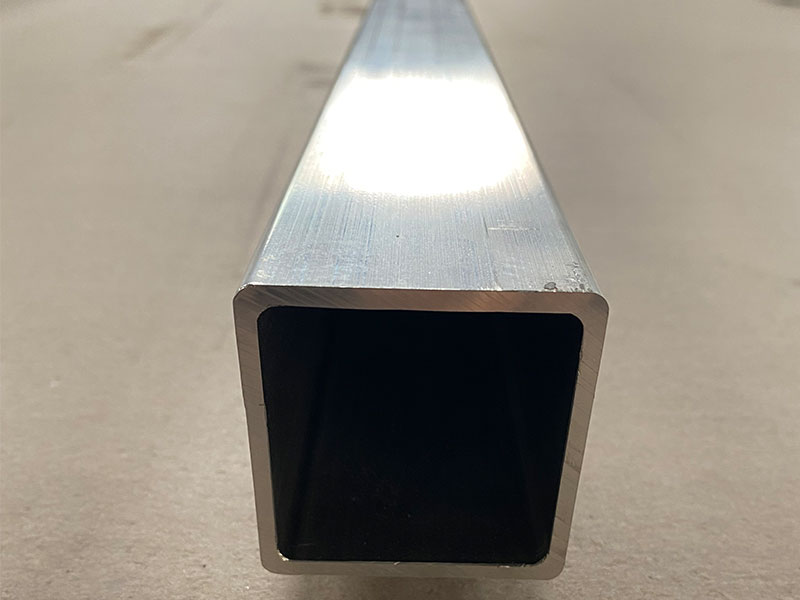
Marine aluminum square tubes
Marine Grade Aluminum Square Tubes are typically constructed from marine-grade alloys such as 5083, 5052, 6061, and 6082—well-known for their ability to withstand the aggressive effects of saltwater and marine atmospheres.
View Details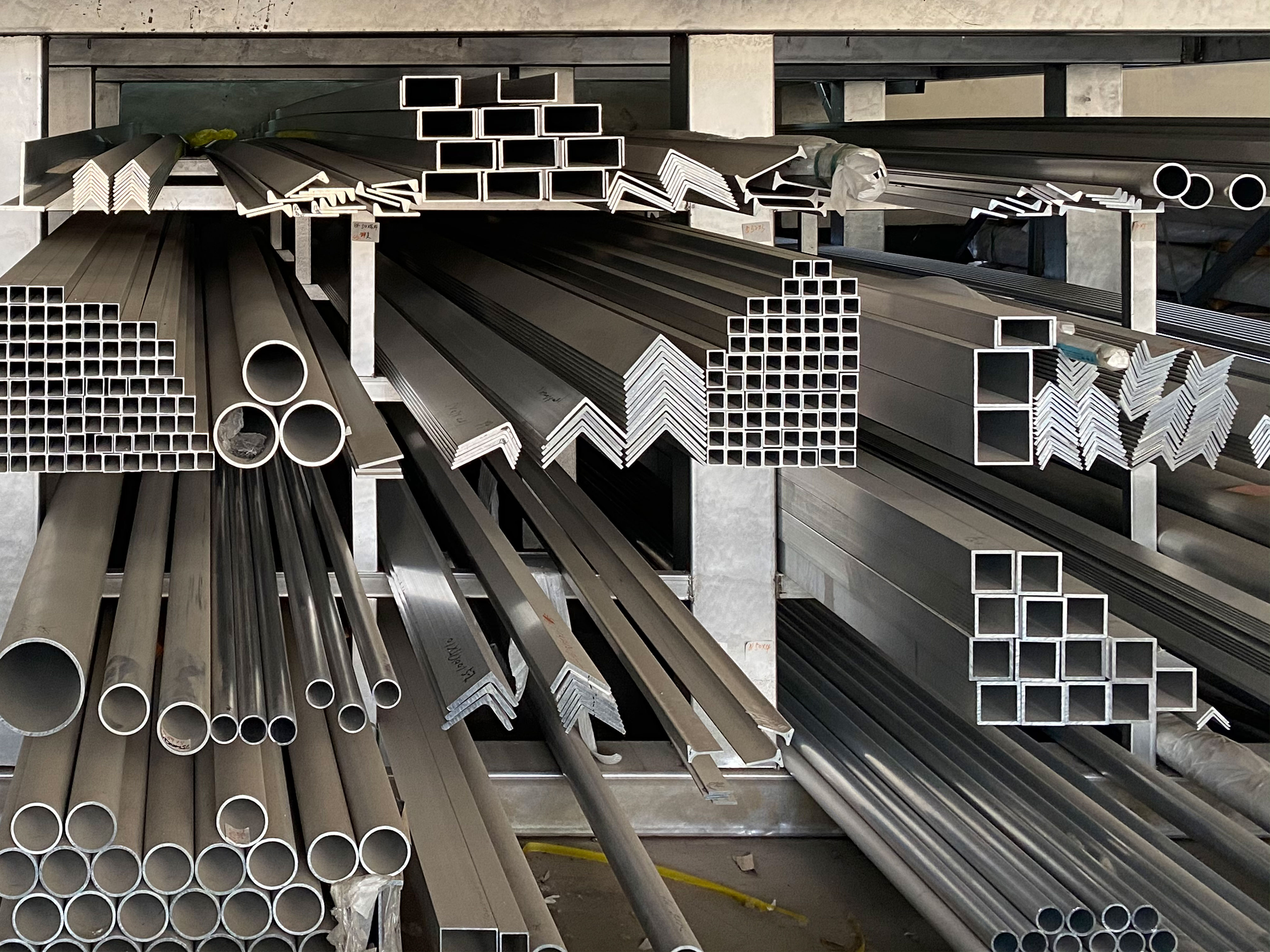
Custom marine aluminum profile tubes
Custom Marine Grade Aluminum Profile Tubes are manufactured from premium marine aluminum alloys such as 5083, 5052, 6061, and 6082.
View Details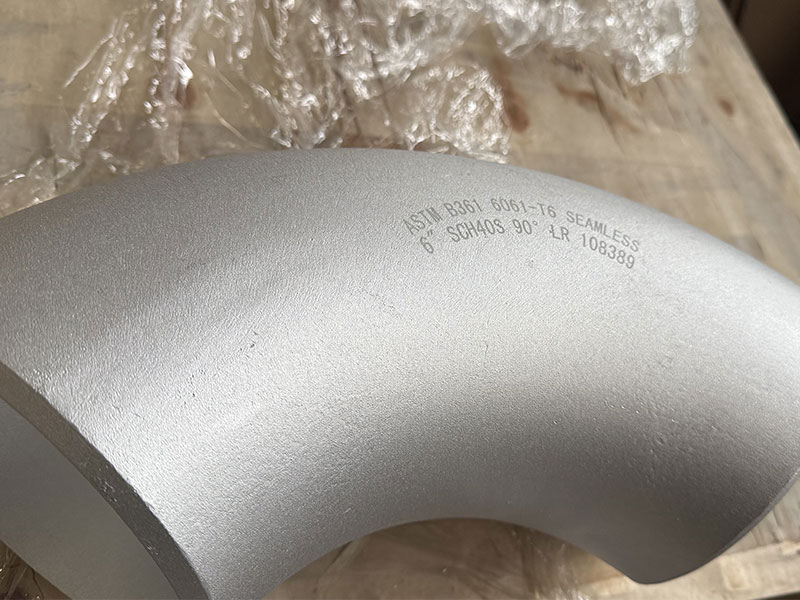
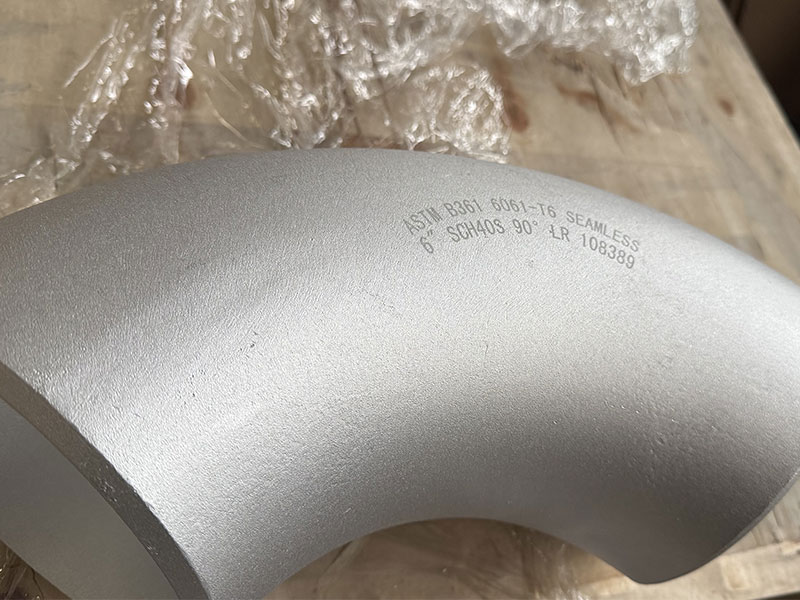
6061-T6 90-Degree Marine Aluminum Pipe Elbow
Manufactured from premium 6061-T6 marine-grade aluminum alloy, this elbow fitting is engineered to provide reliable and efficient pipe direction changes within shipbuilding, offshore platforms, and marine infrastructure systems.
View DetailsRelated Blog
6061 Marine Aluminum Tubes for Custom Marine Equipment Frames
6061 Marine Aluminum Tubes for Custom Marine Equipment Frames: The "Invisible Structure" That Keeps Gear WorkingIn custom marine equipment, the frame is rarely the star.
View Details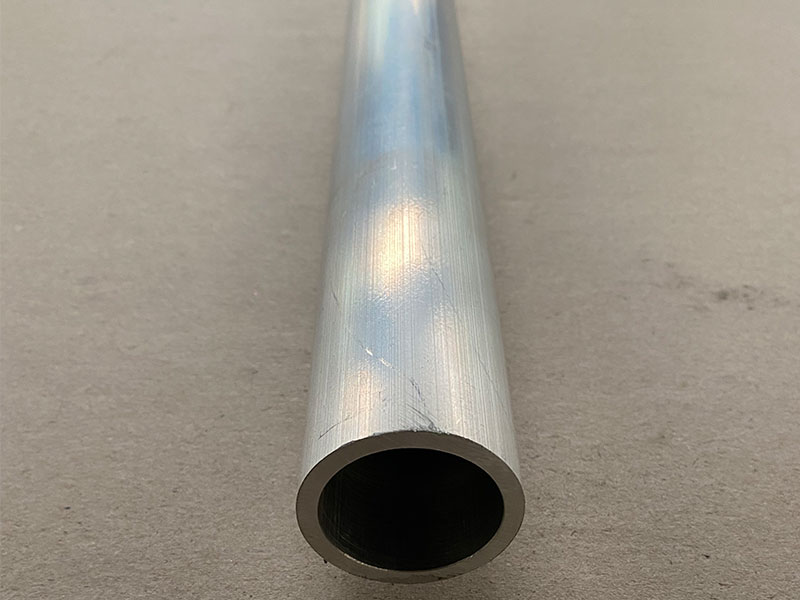
5052 Marine Aluminum Tubes for High Performance Boat Structures
When it comes to high-performance boat structures, the strength, weight, and durability of materials matter enormously. One of the most favored materials in the marine industry is **5052 Marine Aluminum Tubes.
View Details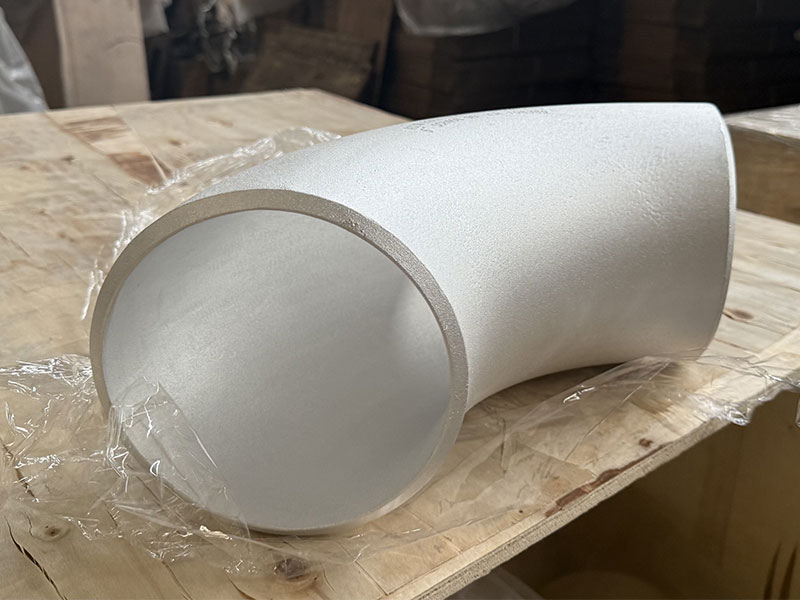
Heavy Duty Aluminum Elbow for Marine Piping Systems
In marine environments, robustness and reliability of piping systems are non-negotiable. The Heavy Duty Aluminum Elbow ($90^{\circ}, 45^{\circ}$ angles or customized) emerges as a critical junction component in marine piping installations.
View Details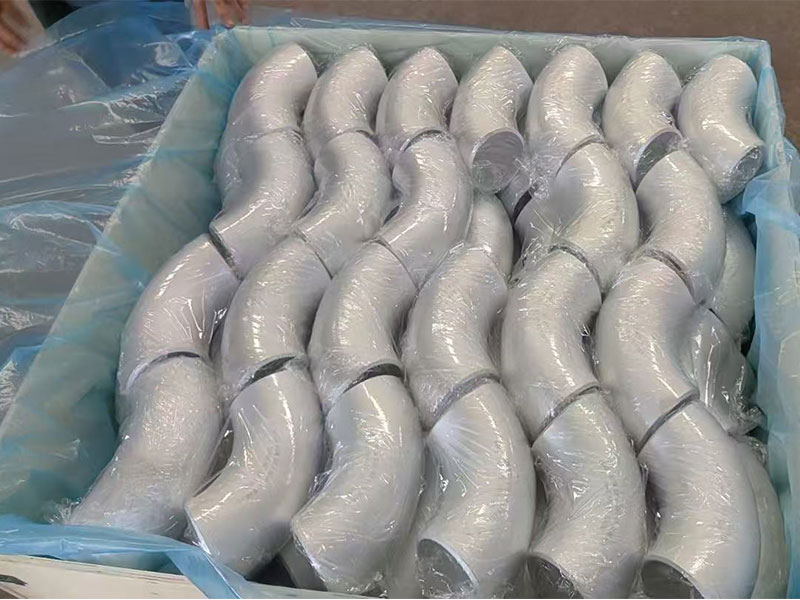
High Quality Marine Aluminum Elbow for Boat Exhausts
High Quality Marine Aluminum Elbow for Boat Exhausts: Functions, Applications and Technical Insight Marine exhaust systems work in one of the harshest environments on a vessel.
View Details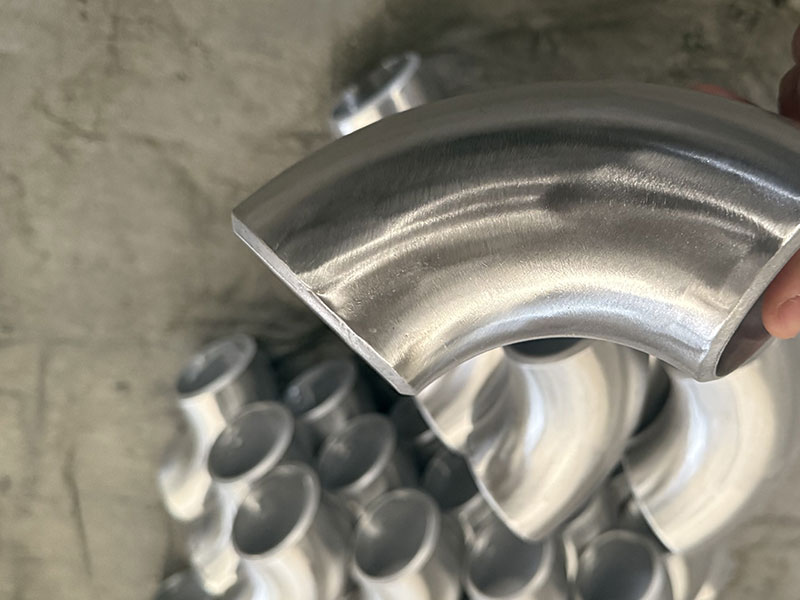
Marine Aluminum Elbow for Offshore Gas Storage Facilities
Offshore gas storage facilities represent some of the most challenging engineering arenas where materials must exhibit reliability, strength, and corrosion resistance under extreme marine conditions.
View Details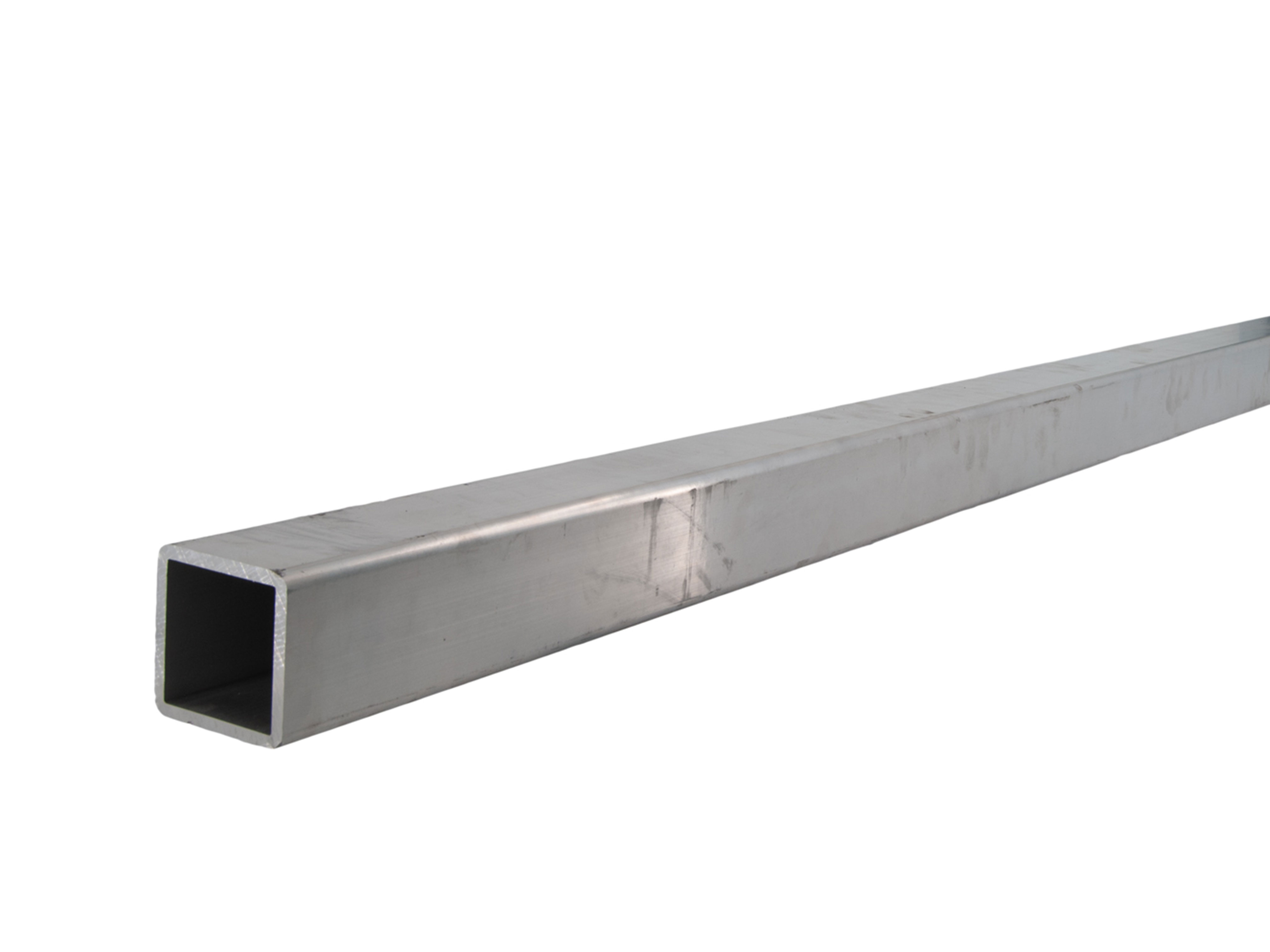
5052 Marine Aluminum Tubes for Marine Vessel Hull Construction
When it comes to building resilient marine vessels, selecting the right materials is crucial. One outstanding option is 5052 Marine Aluminum, widely recognized for its excellent corrosion resistance and structural integrity.
View Details
Leave a Message