
Marine Aluminum Elbow for Waste Treatment and Disposal on Ships
The Small Bend That Protects a Ship's Waste System
A ship's waste treatment and disposal system is not usually the first place people look when they think about marine engineering. Yet this hidden network affects hygiene, crew comfort, port compliance, odor control, and long-term maintenance cost. In that network, the marine aluminum elbow often does more work than its size suggests.
An elbow is not simply a curved connector. In a shipboard waste line, it is the point where flow changes direction, where solids may slow down, where cleaning access becomes important, and where corrosion can begin if the wrong material is used. When designed well, a marine aluminum elbow helps waste move smoothly through crowded engine rooms, accommodation decks, treatment units, and discharge routes without adding unnecessary weight.
Why Waste Piping Needs a Different Way of Thinking
Waste treatment piping on ships handles a difficult mix: black water, grey water, cleaning chemicals, warm moisture, biological activity, suspended solids, and sometimes disinfectants. The pipework may also pass near bilge areas, machinery spaces, or salt-laden air. This is not the same service condition as a decorative rail, a freshwater line, or a general ventilation duct.
The elbow becomes a stress point because it changes direction. Flow entering a bend creates turbulence, and turbulence can hold debris against the wall. If the elbow has rough internal welds, sharp transitions, or poor alignment, the system can experience clogging, odor pockets, pressure loss, and more frequent flushing. For ship operators, that means downtime and unpleasant maintenance work.
Marine aluminum brings value because it combines low weight with good corrosion behavior when the alloy and surface treatment are chosen correctly. In vessels where every kilogram matters, replacing heavier components with suitable aluminum elbows can reduce total piping load, especially across long waste-routing systems.
The Bend as a Flow Manager
In waste treatment and disposal, the best elbow is often the one the crew never notices. It should guide liquid and suspended waste through the turn without sudden restriction. A 90-degree elbow may be necessary in tight spaces, but its radius, wall thickness, internal finish, and end connection should match the operating condition.
A short-radius elbow saves room but creates a more aggressive directional change. A long-radius elbow requires more space but usually supports smoother movement and lower pressure loss. On passenger vessels, workboats, ferries, offshore service vessels, and crewed yachts, the choice often depends on the available installation envelope and the level of solids in the waste stream.
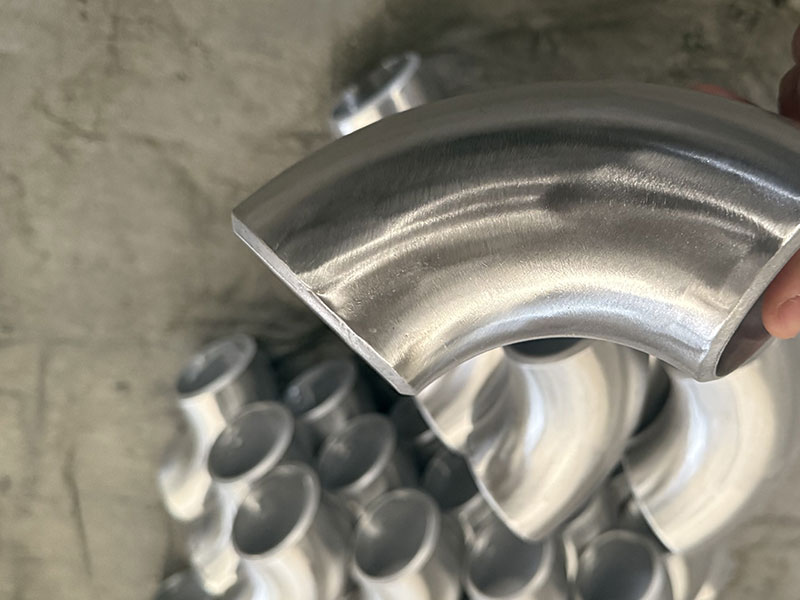
For tight layouts, a 6061-T6 90-Degree Marine Aluminum Pipe Elbow can be a practical option when strength, dimensional stability, and reliable forming quality are needed. The decision should still consider the conveyed medium, connection method, and any coating or isolation requirements.
Alloy Selection Is Not Just a Material Label
Customers often ask whether 5052, 5086, 6061, or 6063 is better for marine waste applications. The answer depends on the balance between corrosion resistance, strength, weldability, forming method, and the rest of the piping system.
5052 aluminum is well known for good corrosion resistance and formability. It can suit many marine fluid-handling components where moderate strength is acceptable. 5086 is also respected in marine environments, especially where higher corrosion resistance and welded performance are valued. 6061-T6 offers stronger mechanical properties and good machinability, making it useful for elbows that need dimensional accuracy or connection strength. 6063 is commonly associated with extruded profiles and a clean surface finish, though its role in waste systems depends on actual load and corrosion demands.
The material must be matched with the environment inside and outside the elbow. Wastewater chemistry can vary widely. Some cleaning agents may be alkaline or acidic, and biological treatment systems can create localized conditions that challenge metal surfaces. For that reason, customers should not select an elbow by alloy name alone. Wall thickness, temper, weld quality, surface condition, and joining details are just as important.
Weight Savings with Maintenance in Mind
Ship designers appreciate aluminum because it helps control weight, but crews appreciate parts that are easy to handle. During repair or refit, a lighter elbow can be removed, cleaned, inspected, or replaced with less labor. This is especially valuable in narrow service spaces where lifting equipment cannot reach.
However, lighter does not mean thinner at any cost. Waste treatment systems may experience vibration, pump pulses, thermal changes, and occasional blockage pressure. A good marine aluminum elbow should keep enough wall thickness for service life and allow safe welding or mechanical joining. If the elbow is too thin, it may deform during installation or suffer early wear at the outer curve of the bend.
This is where compatible pipe selection matters. Pairing elbows with correctly specified Marine Grade Aluminum Tubing helps maintain consistent strength, corrosion performance, and fit-up across the full system.
Corrosion Control Starts at the Connection
Many aluminum piping problems begin not in the middle of a tube, but at the joint. Waste systems on ships may connect aluminum elbows to pumps, valves, tanks, treatment units, steel brackets, stainless fasteners, or composite sections. If dissimilar metals are joined without proper isolation, galvanic corrosion can appear, especially in damp salt-air areas.
Good practice includes compatible gaskets, non-conductive sleeves where needed, correct fastener selection, drainage-friendly supports, and careful coating repair after installation. If the elbow is welded, the heat-affected zone should be inspected and protected according to the vessel's service condition. If the elbow uses flanges or clamps, sealing surfaces should be smooth and accessible for periodic inspection.
Inside the elbow, roughness is another concern. Waste residue clings more easily to scratches, weld beads, and abrupt steps. A clean internal transition reduces buildup and makes flushing more effective. For systems carrying higher solids content, the inner radius and bore consistency become even more important.
Installation Space: The Real Shipboard Challenge
On paper, waste piping can look simple. On board, it must travel around frames, tanks, cable trays, ventilation ducts, bulkheads, and machinery. The marine aluminum elbow earns its place by helping the designer route the line without adding excessive bends or awkward service points.
A thoughtful layout avoids placing elbows where access is impossible. Even a high-quality elbow may need inspection after years of operation. Placing cleanouts near directional changes can reduce maintenance time. Supporting the pipe before and after the bend also helps prevent vibration fatigue and joint movement.
For new builds, the elbow should be selected during the piping design stage, not after the route is already crowded. For refits, measuring the actual onboard space is critical. Ship structures move, old drawings may not match reality, and small dimensional errors can create installation delays.
Surface Protection and Cleanability
Marine aluminum naturally forms an oxide layer, but ship waste environments may require additional protection. Depending on the application, elbows may be anodized, coated, painted, or left with a controlled mill finish. The right approach depends on whether the surface is exposed to seawater atmosphere, cleaning chemicals, heat, abrasion, or direct wastewater contact.
For external surfaces, coatings can improve durability and make visual inspection easier. For internal surfaces, protection must be selected carefully so it does not peel, contaminate the system, or create rough spots. Smoothness matters because a clean bore supports better flow and reduces odor-causing deposits.
Customers should also consider how the elbow will be cleaned. If the system uses chemical flushing, the elbow material and any coating must tolerate the cleaning schedule. If mechanical cleaning may be required, the bend radius should allow practical access without damaging the pipe wall.
What Buyers Should Confirm Before Ordering
A marine aluminum elbow for waste treatment and disposal should be specified with more than diameter and angle. Buyers should confirm alloy, temper, outside diameter, wall thickness, bend radius, end type, welding requirements, pressure or vacuum condition, expected waste chemistry, surface finish, and installation position.
It is also wise to confirm whether the elbow will be used before treatment, after treatment, in grey water, in black water, near a macerator pump, or close to a discharge outlet. Each position may expose the elbow to different solids, chemicals, pressure pulses, and maintenance routines.
Documentation can be valuable for shipyards and owners. Material certificates, dimensional reports, welding records, or coating details may be required depending on vessel class and project requirements. Even when classification approval is not mandatory, clear documentation helps future maintenance teams identify replacement parts quickly.
A Practical Part with Long-Term Value
The marine aluminum elbow is a modest component, but in ship waste treatment and disposal it can influence flow stability, hygiene, installation speed, and repair cost. The best choice is not always the heaviest part or the most polished surface. It is the elbow that matches the waste stream, the vessel layout, the joining method, and the maintenance plan.
For customers, the practical goal is simple: choose an elbow that fits the ship, respects the chemistry, supports smooth flow, and remains serviceable after years at sea. When this small bend is specified with care, the whole waste system becomes cleaner, lighter, and easier to trust.

Related Products
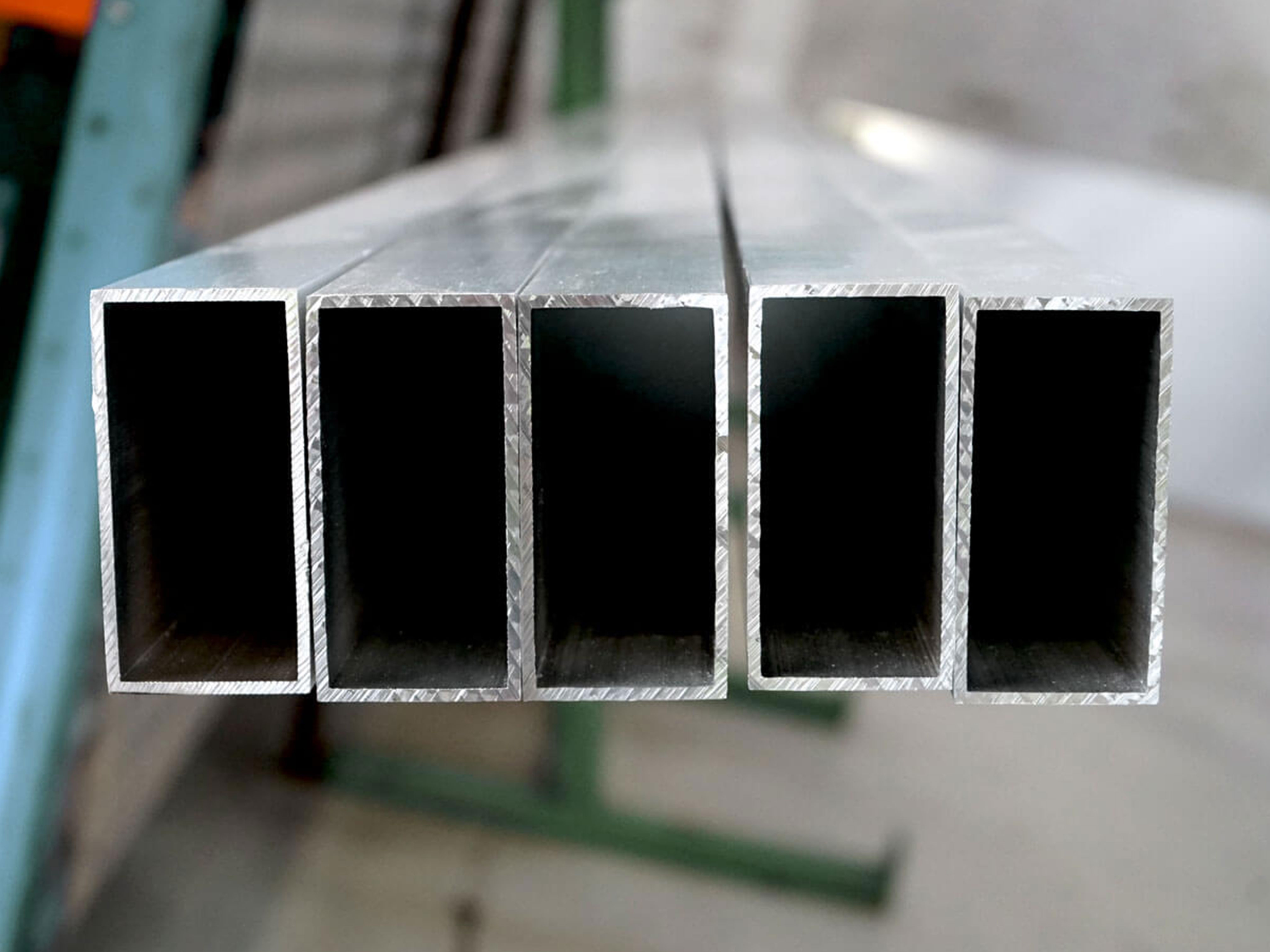
Marine aluminum rectangular tubes
Marine Grade Aluminum Rectangular Tubes are made from high-performance alloys such as 5083, 5052, 6061, and 6082. These alloys are renowned for their ability to resist corrosive seawater and marine atmospheres while providing excellent mechanical strength and toughness.
View Details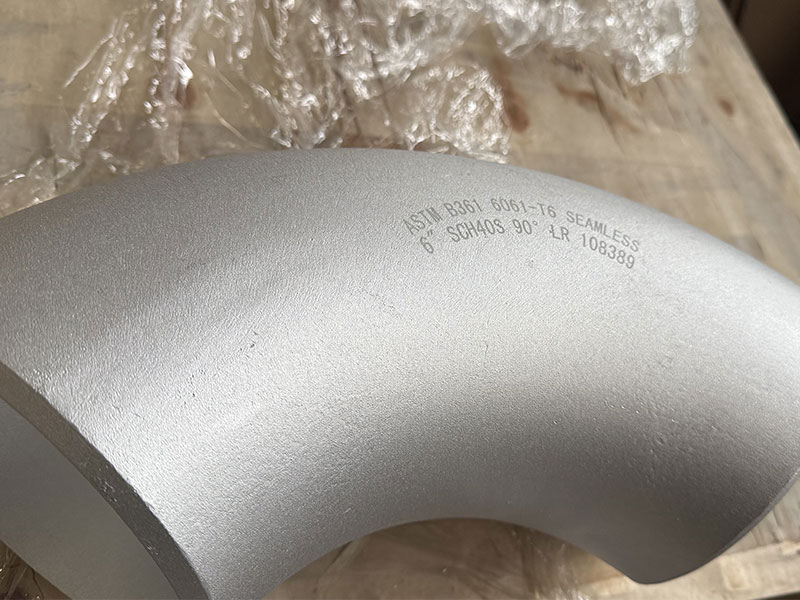
6061-T6 90-Degree Marine Aluminum Pipe Elbow
Manufactured from premium 6061-T6 marine-grade aluminum alloy, this elbow fitting is engineered to provide reliable and efficient pipe direction changes within shipbuilding, offshore platforms, and marine infrastructure systems.
View Details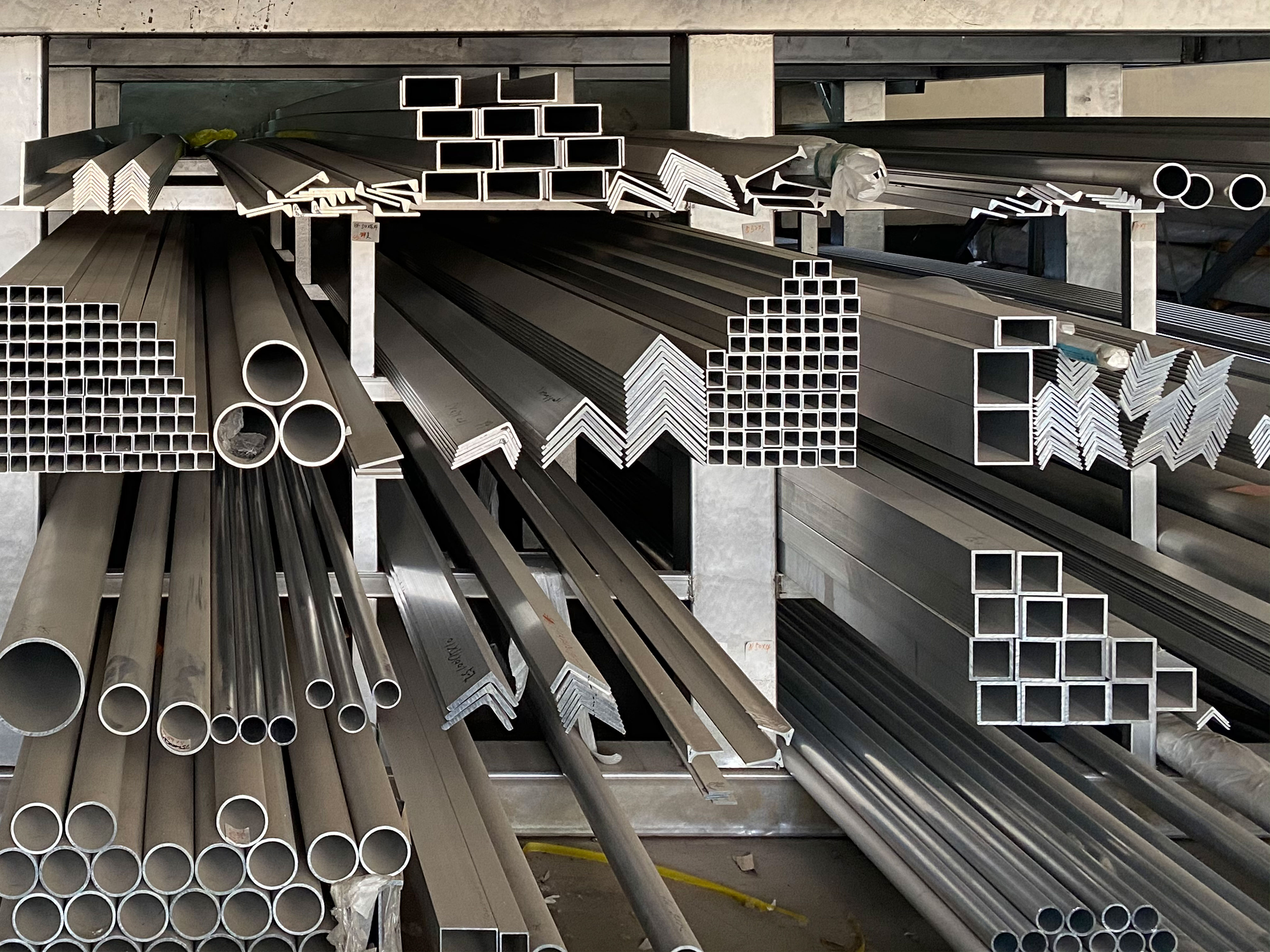
Custom marine aluminum profile tubes
Custom Marine Grade Aluminum Profile Tubes are manufactured from premium marine aluminum alloys such as 5083, 5052, 6061, and 6082.
View Details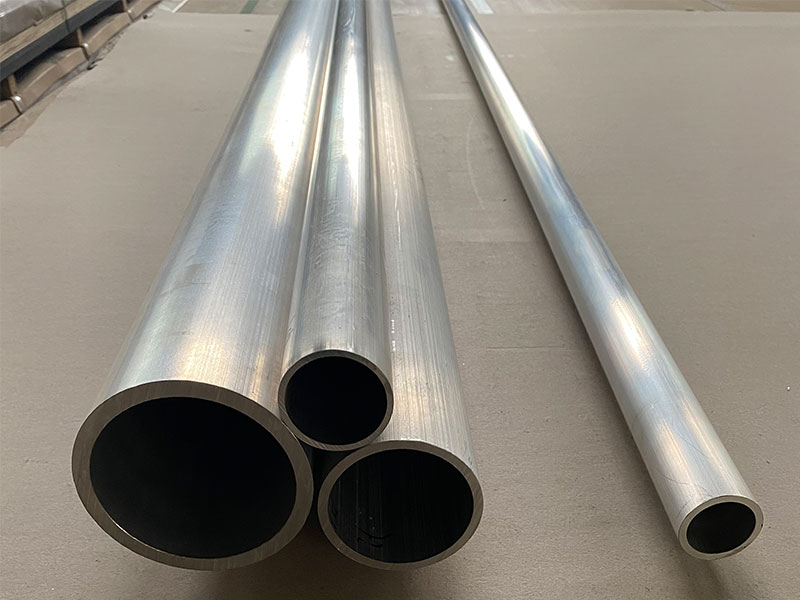
Marine aluminum round tubes
Marine Grade Aluminum Round Tubes are manufactured from premium marine alloys such as 5083, 5052, 6061, and 6082, all selected for their proven resistance to seawater corrosion and marine atmosphere degradation.
View Details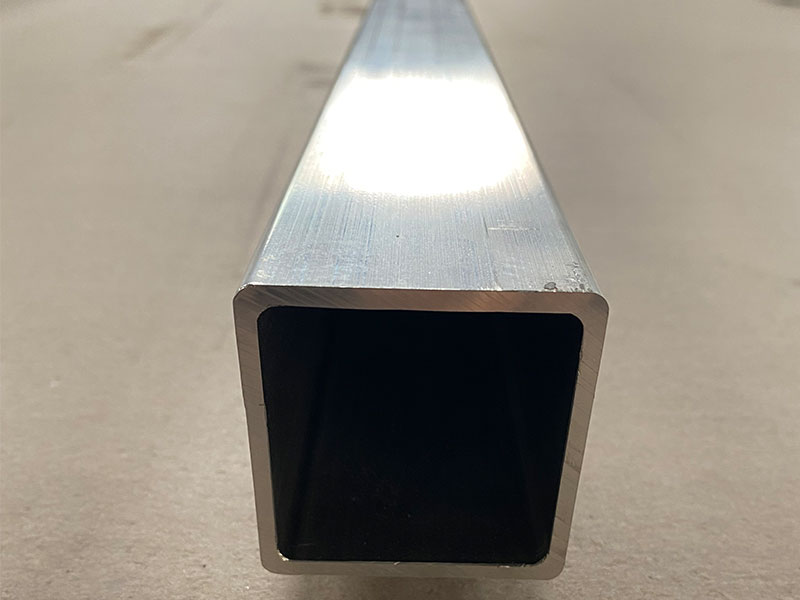
Marine aluminum square tubes
Marine Grade Aluminum Square Tubes are typically constructed from marine-grade alloys such as 5083, 5052, 6061, and 6082—well-known for their ability to withstand the aggressive effects of saltwater and marine atmospheres.
View DetailsRelated Blog
Aluminum Elbow for High Pressure Saltwater Pipelines on Ships
In modern shipbuilding and marine engineering, the integrity and durability of high pressure saltwater pipelines stand as a critical priority.
View Details
Marine Aluminum Elbow for Dual Water/Fuel Transfer Pipelines
The Marine Aluminum Elbow designed for dual water/fuel transfer pipelines is a critical component in the maritime and offshore industries. Engineered specifically for vessels and offshore platforms.
View Details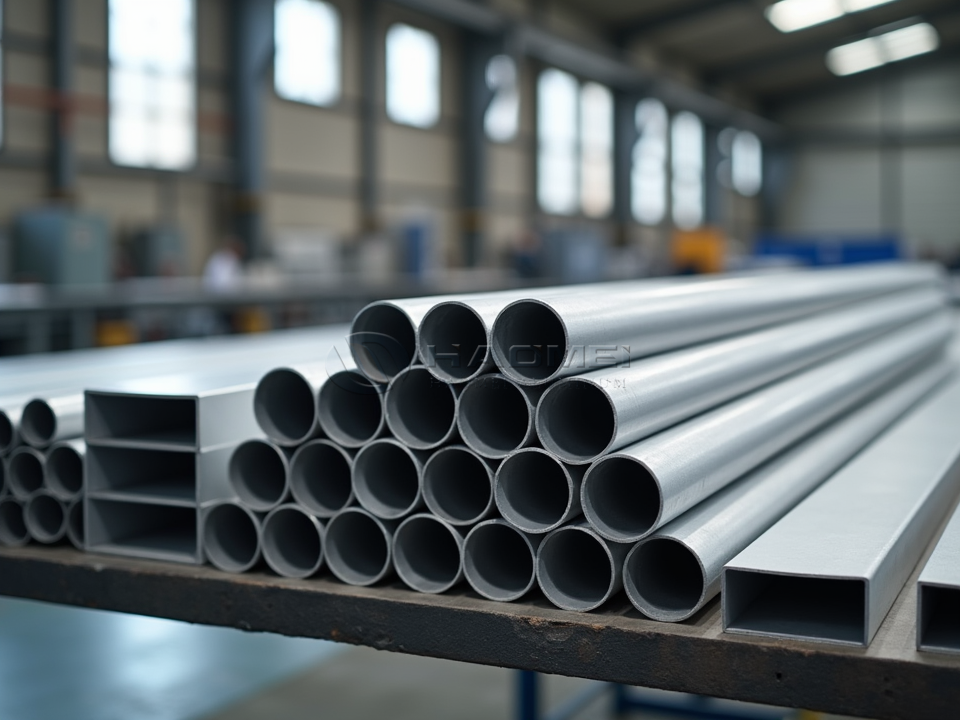
Marine Aluminum Elbow for Fuel Line and Power System Piping on Vessels
Marine aluminum elbow for vessel fuel, cooling, and power piping, with alloy data, pressure ranges, corrosion benefits, and fabrication guidance for yards.
View Details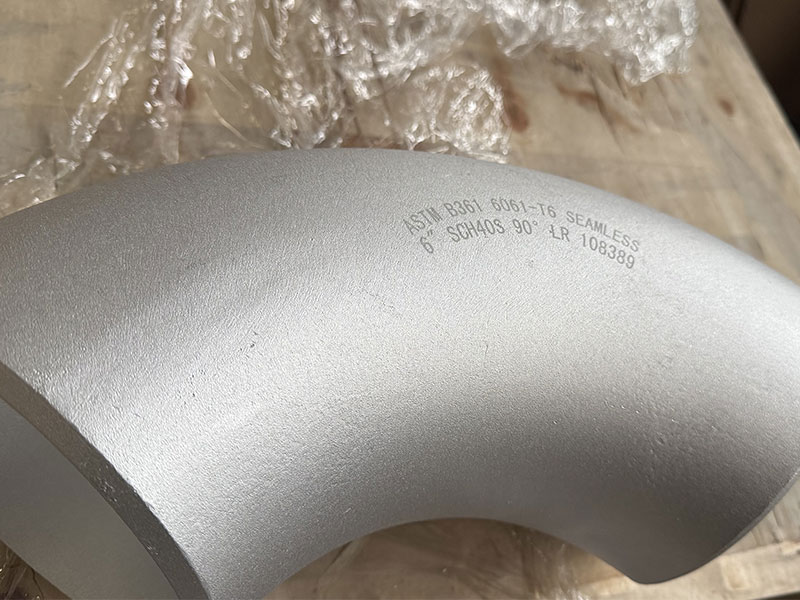
High Strength Aluminum Pipe Elbow for Marine Vessels
High Strength Aluminum Pipe Elbows for Marine Vessels are precision-engineered components designed to join and redirect piping systems in demanding shipboard environments.
View Details
Aluminum Pipe Elbow for Marine Waste Water Systems
Aluminum Pipe Elbow for Marine Waste Water Systems: A Focused Technical Guide In modern shipbuilding and offshore platforms, the humble aluminum pipe elbow is doing a lot more work than most people realize—especially in marine waste water systems.
View Details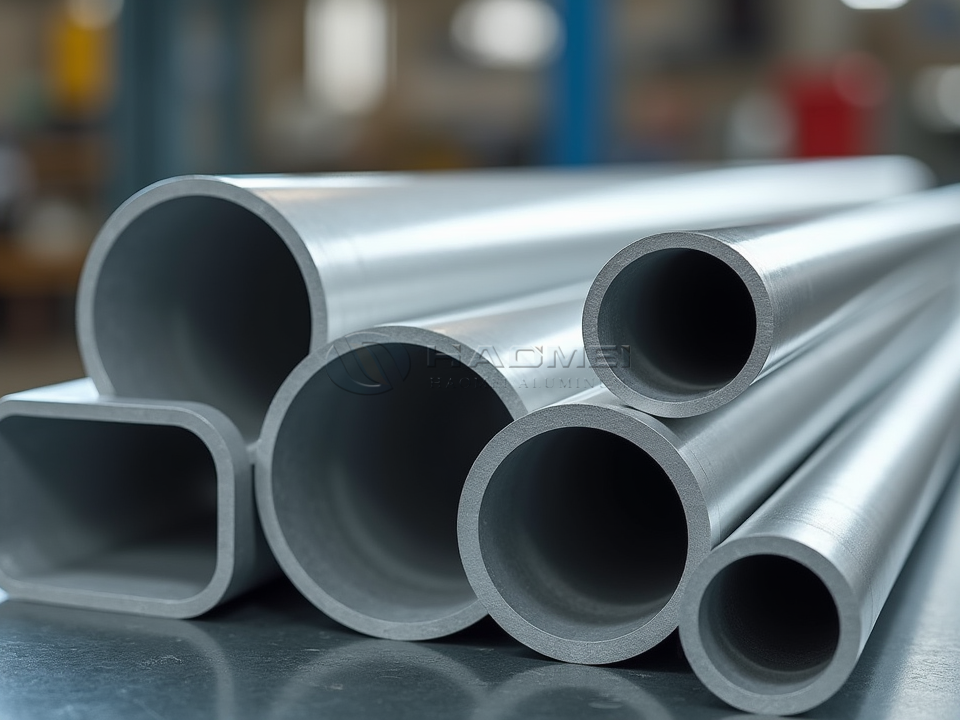
Aluminum Elbow for High Pressure Water Systems in Marine Applications
High pressure marine aluminum elbows guide water flow, reduce weight, resist corrosion, and connect pumps, manifolds, fire lines, and deck water systems.
View Details
Leave a Message