
Aluminum Elbow for Offshore Water Injection and Supply Systems
On an offshore platform, a pipe elbow is rarely noticed until flow becomes unstable, corrosion appears at a bend, or maintenance crews struggle with heavy replacement parts in a narrow module. The aluminum elbow for offshore water injection and supply systems solves a practical problem: it changes water direction while keeping weight low, installation fast, and corrosion control manageable in a salt-rich environment.
In water injection and supply networks, elbows are used around pumps, filtration skids, risers, cooling water loops, utility water lines, firewater support routes, and deck-level distribution piping. Where operating pressure, temperature, fluid chemistry, and class approval allow aluminum, a well-designed marine aluminum elbow can reduce structural load and simplify fabrication compared with heavier metallic alternatives.
Why aluminum elbows make sense offshore
Offshore piping is not only about pressure rating. Every kilogram added to a topside module affects lifting, support brackets, vibration control, and long-term fatigue. Aluminum has about one-third the density of carbon steel, which makes it attractive for water supply circuits, low-to-medium pressure injection support lines, and auxiliary seawater systems.
The bend itself deserves attention. At an elbow, water changes momentum. If the radius is too tight, turbulence increases and suspended solids may accelerate erosion. If the alloy is poorly selected, chloride-rich water may attack the surface. If welding is not controlled, the heat-affected zone may lose strength. A dependable aluminum elbow is therefore not just a curved pipe; it is a balance of alloy, temper, forming method, wall thickness, surface finish, and joining practice.
For buyers already using Marine Grade Aluminum Tubing, elbows should be matched with the same alloy family or a compatible welding system to avoid galvanic and mechanical mismatch across the pipeline.
Common alloy and temper choices
Marine aluminum elbows are often produced from 5xxx and 6xxx series alloys. The 5xxx series, such as 5083 and 5086, is valued for seawater corrosion resistance and good weldability. The 6xxx series, such as 6061 and 6082, offers higher strength after heat treatment and good machinability, making it suitable for many fabricated fittings and structural-piping interfaces.
6061-T6 is widely specified when strength, dimensional stability, and availability are important. 6082-T6 offers strong mechanical performance and is commonly used in marine engineering. 5083-H116 or 5086-H112 is often selected where seawater exposure dominates the design concern. For elbows that will be welded, final mechanical properties should consider strength reduction in the heat-affected zone, especially with T6 tempers.
The 6061-T6 90-Degree Marine Aluminum Pipe Elbow is a typical choice for compact offshore layouts where a clean directional change and reliable dimensional control are required.
Technical parameters for project evaluation
| Parameter | Typical Range or Option | Design Note |
|---|---|---|
| Elbow angle | 45 degree, 60 degree, 90 degree, 180 degree | 90 degree elbows are most common in skid and deck piping |
| Bend radius | Short radius, long radius, custom radius | Long radius reduces turbulence and pressure drop |
| Outside diameter | 25 mm to 300 mm or custom | Larger sizes require pressure and fatigue review |
| Wall thickness | 2 mm to 20 mm or project specified | Must match pressure, erosion allowance, and welding method |
| Alloy options | 5083, 5086, 5052, 6061, 6082 | Selection depends on seawater exposure and strength demand |
| Temper options | H112, H116, O, T5, T6 | T6 offers strength; H116 improves marine corrosion performance |
| Connection type | Butt weld, flange, threaded adapter, grooved end | Butt weld and flange ends are common offshore |
| Surface finish | Mill finish, anodized, coated, passivated after fabrication | Coating helps in splash zones and mixed-metal assemblies |
| Working medium | Seawater, treated water, filtered injection water, utility water | Fluid chemistry must be confirmed before ordering |
| Typical inspection | Dimensional check, visual inspection, pressure test, PMI if required | Class projects may require third-party witnessing |
Chemical composition reference
Chemical composition affects corrosion behavior, weld response, and final strength. The values shown are general reference ranges from common aluminum standards; project specifications may require tighter control.
| Alloy | Si | Fe | Cu | Mn | Mg | Cr | Zn | Ti | Al |
|---|---|---|---|---|---|---|---|---|---|
| 5052 | 0.25 max | 0.40 max | 0.10 max | 0.10 max | 2.2-2.8 | 0.15-0.35 | 0.10 max | - | Balance |
| 5083 | 0.40 max | 0.40 max | 0.10 max | 0.40-1.0 | 4.0-4.9 | 0.05-0.25 | 0.25 max | 0.15 max | Balance |
| 5086 | 0.40 max | 0.50 max | 0.10 max | 0.20-0.7 | 3.5-4.5 | 0.05-0.25 | 0.25 max | 0.15 max | Balance |
| 6061 | 0.40-0.8 | 0.70 max | 0.15-0.40 | 0.15 max | 0.8-1.2 | 0.04-0.35 | 0.25 max | 0.15 max | Balance |
| 6082 | 0.70-1.3 | 0.50 max | 0.10 max | 0.40-1.0 | 0.6-1.2 | 0.25 max | 0.20 max | 0.10 max | Balance |
Standards and acceptance conditions
Offshore buyers usually purchase aluminum elbows under a combined standard package rather than a single document. Material may be specified according to ASTM B221, ASTM B241, EN 755, EN 573, or EN 485, depending on whether the elbow is formed from extruded tube, seamless pipe, or plate-based fabrication. Dimensional expectations can reference ASME B16.9 principles for butt-welding fittings where applicable, although aluminum project drawings often define exact tolerances.
Welding procedures are commonly qualified to AWS D1.2, ISO 15614-2, or EN ISO 9606-2 for welder qualification. Offshore class projects may require DNV, ABS, LR, BV, or CCS review. Pressure testing can be hydrostatic or pneumatic depending on line service, safety rules, and client specification. For seawater service, coating systems may follow ISO 12944 concepts, while galvanic isolation details should be defined wherever aluminum connects to stainless steel, copper alloys, carbon steel, or titanium.
The most important acceptance conditions include smooth inner curvature, no harmful cracks, controlled ovality, clean weld preparation, traceable heat number, and surface free from deep scratches or embedded iron contamination. In offshore practice, small defects at a bend can become large maintenance events because elbows experience both flow disturbance and vibration.
Manufacturing viewpoint: the bend is a stress translator
A straight pipe carries load in a predictable way. An elbow translates pressure, water hammer, pump vibration, and thermal movement into local stress. That is why radius control and wall thinning control matter. Mandrel bending helps preserve the inner bore and reduce wrinkling. Hot forming may be used for certain sizes and wall thicknesses. Welded elbows can be economical for larger diameters, but weld placement and inspection become more important.
For 6061-T6 and 6082-T6 elbows, heat input during welding must be controlled because the T6 temper can soften near the weld. Designers often compensate by using suitable wall thickness, post-fabrication inspection, or conservative allowable stress values. For 5083 and 5086 alloys, corrosion resistance in marine atmospheres is excellent, but correct filler selection remains essential. Common filler metals include 5356, 5183, and 5556, selected according to base alloy, strength requirements, and service temperature.
Offshore service conditions to confirm before purchase
Before ordering, customers should confirm pressure class, design temperature, water composition, chloride level, oxygen content, flow velocity, sand or solids content, pump pulsation, and whether the line is continuously wet or intermittently drained. Aluminum performs best when the system design avoids stagnant crevices, severe galvanic contact, and excessive abrasive particles.
For supply systems carrying filtered seawater or treated fresh water, aluminum elbows can provide long service with proper design. For very high-pressure injection lines, the material decision must be checked carefully by the engineering authority, since many such systems use duplex stainless steel, clad steel, or other high-pressure materials. Aluminum may still be suitable in associated supply sections, chemical dosing frames, low-pressure feed lines, and lightweight auxiliary water circuits.
Practical purchasing guidance
A good quotation for an aluminum elbow should include alloy and temper, outside diameter, wall thickness, bend angle, bend radius, end preparation, applicable standard, test requirement, surface treatment, and documentation level. If the elbow will be welded into a larger spool, ask for compatible pipe material, filler recommendation, and tolerance control at the ends.
For offshore projects, the best aluminum elbow is not simply the lightest one. It is the fitting that keeps flow stable, resists the actual water chemistry, fits the installation space, satisfies inspection rules, and reduces maintenance burden over years of service. When those details are aligned, a small curved component becomes a quiet contributor to safer, lighter, and more efficient marine water systems.

Related Products
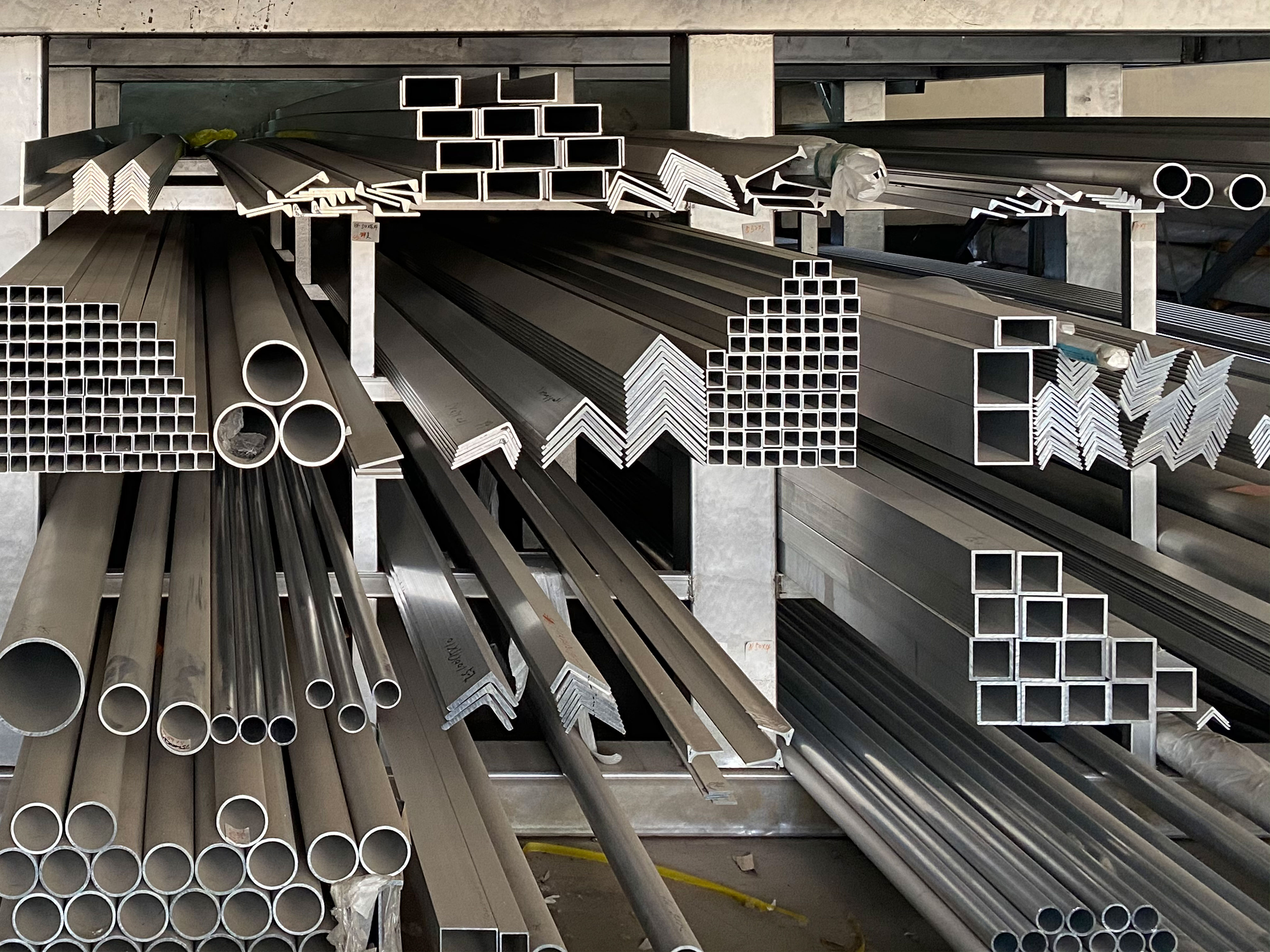
Custom marine aluminum profile tubes
Custom Marine Grade Aluminum Profile Tubes are manufactured from premium marine aluminum alloys such as 5083, 5052, 6061, and 6082.
View Details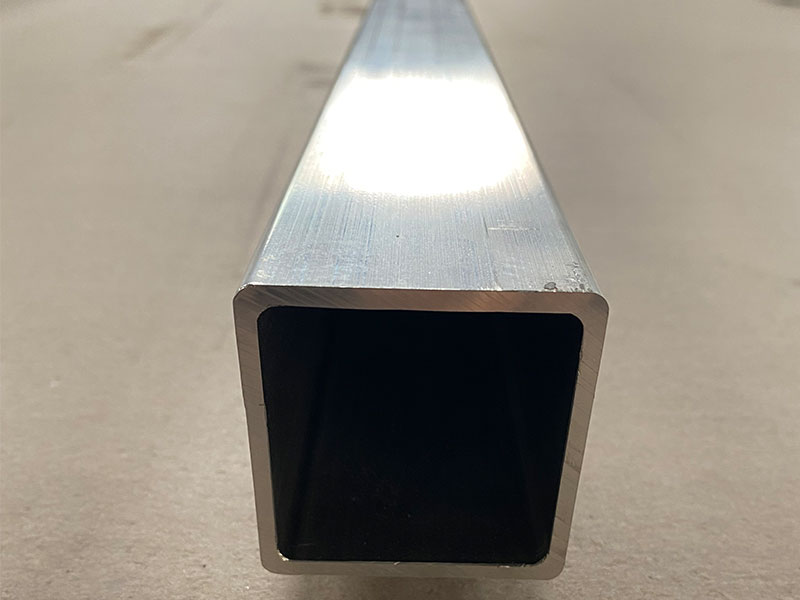
Marine aluminum square tubes
Marine Grade Aluminum Square Tubes are typically constructed from marine-grade alloys such as 5083, 5052, 6061, and 6082—well-known for their ability to withstand the aggressive effects of saltwater and marine atmospheres.
View Details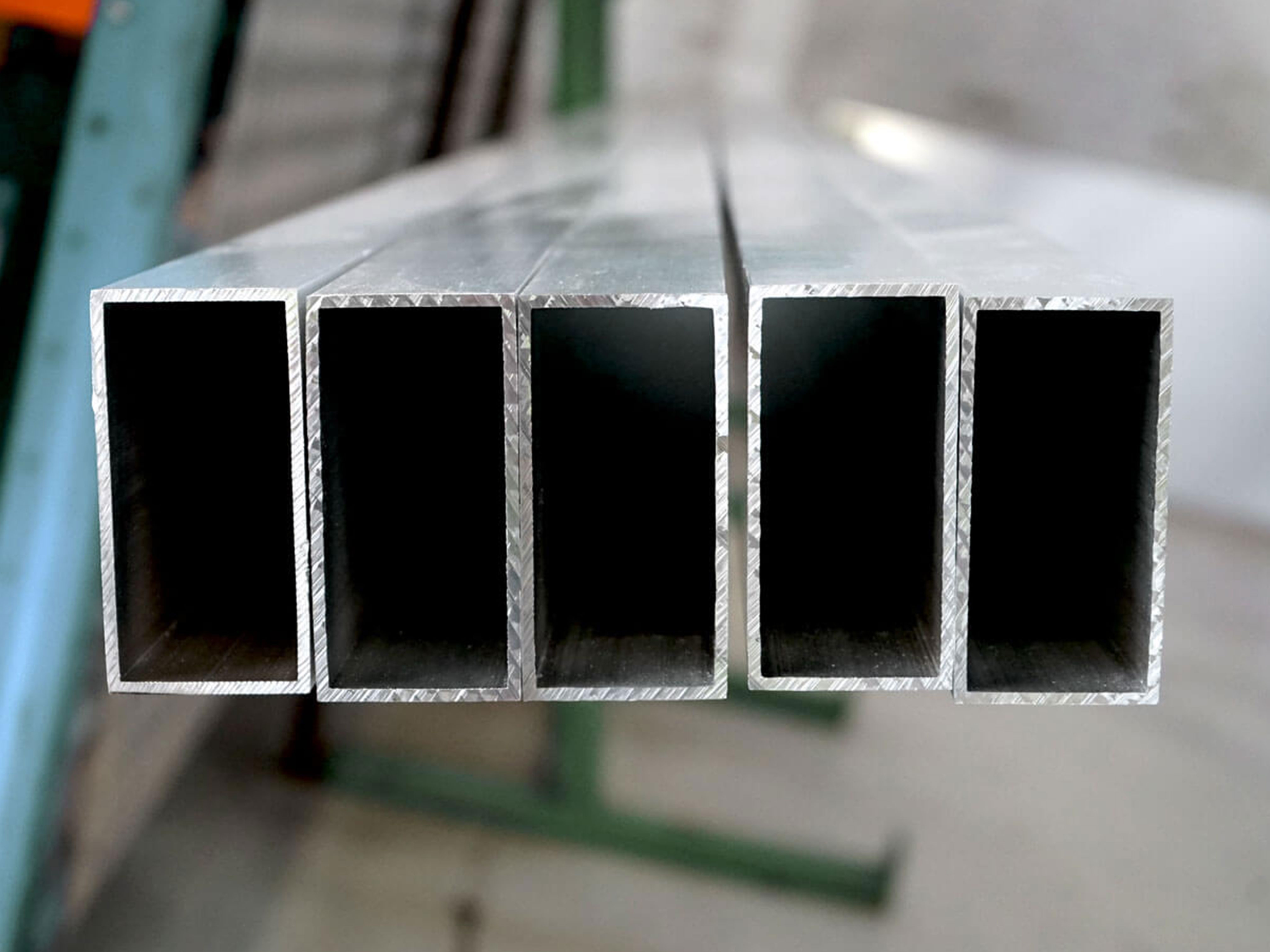
Marine aluminum rectangular tubes
Marine Grade Aluminum Rectangular Tubes are made from high-performance alloys such as 5083, 5052, 6061, and 6082. These alloys are renowned for their ability to resist corrosive seawater and marine atmospheres while providing excellent mechanical strength and toughness.
View Details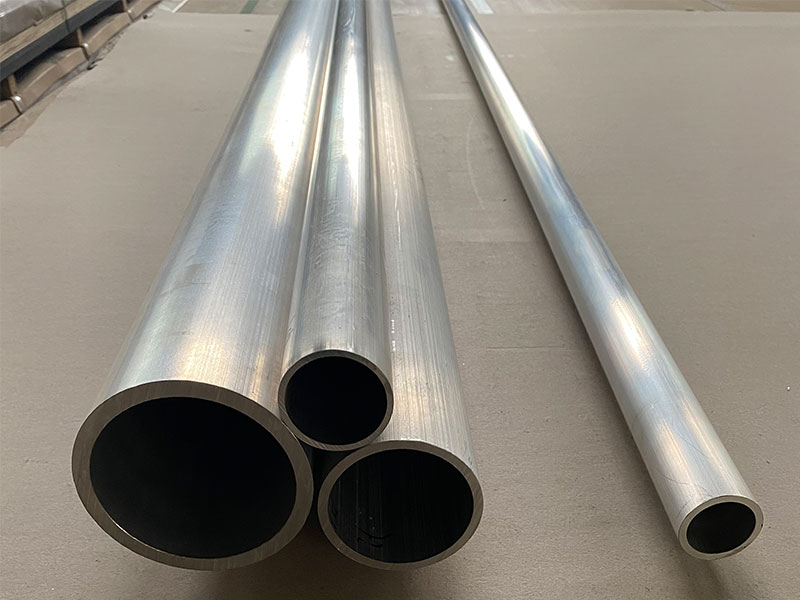
Marine aluminum round tubes
Marine Grade Aluminum Round Tubes are manufactured from premium marine alloys such as 5083, 5052, 6061, and 6082, all selected for their proven resistance to seawater corrosion and marine atmosphere degradation.
View Details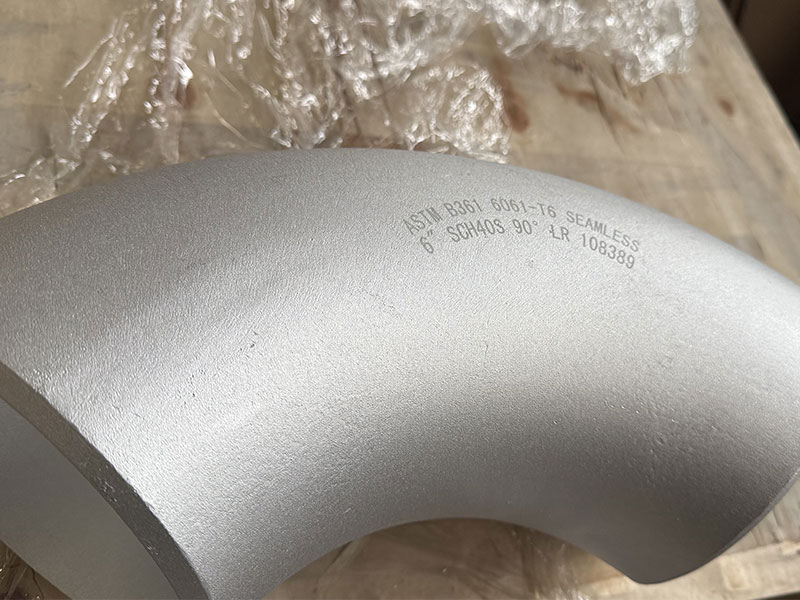
6061-T6 90-Degree Marine Aluminum Pipe Elbow
Manufactured from premium 6061-T6 marine-grade aluminum alloy, this elbow fitting is engineered to provide reliable and efficient pipe direction changes within shipbuilding, offshore platforms, and marine infrastructure systems.
View DetailsRelated Blog
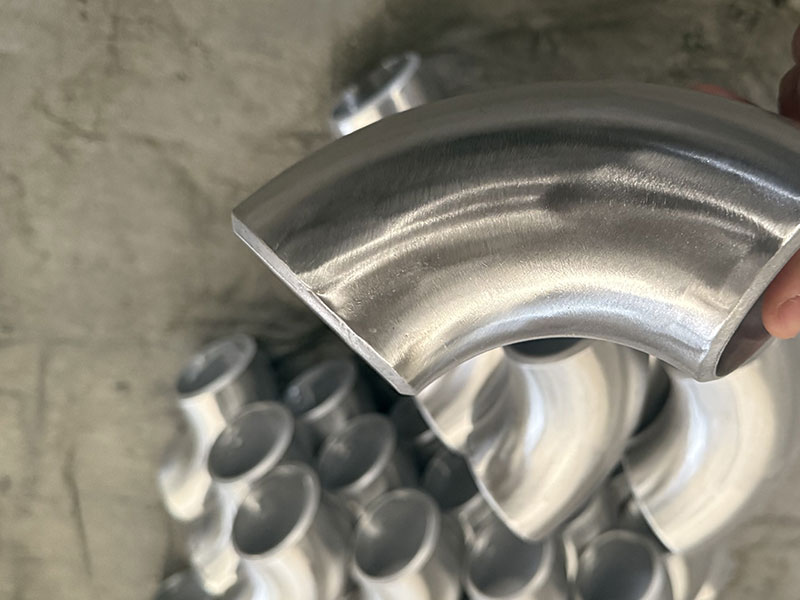
Aluminum Elbow for Saltwater Inlet and Outlet Systems
Aluminum elbows play a critical role in saltwater inlet and outlet systems used in marine, industrial, and desalination applications. Manufactured from high-quality aluminum alloys, these fittings are engineered to provide robust, corrosion-resistant.
View Details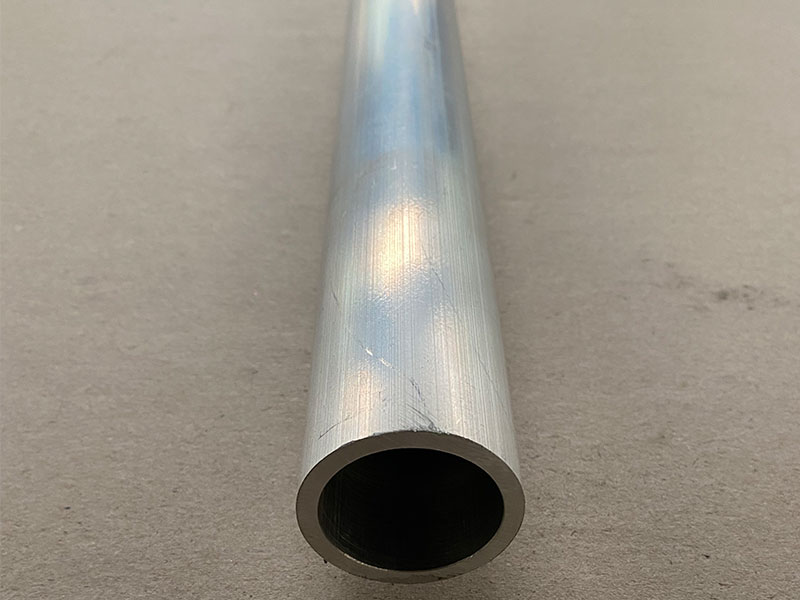
5052 Marine Aluminum Tubes for Shipbuilding Engineering Parts
In the demanding world of shipbuilding engineering, materials are constantly put to the test by harsh marine environments. Among the myriad of metals options, 5052 Marine Aluminum Tubes is know for their remarkable balance of strength.
View Details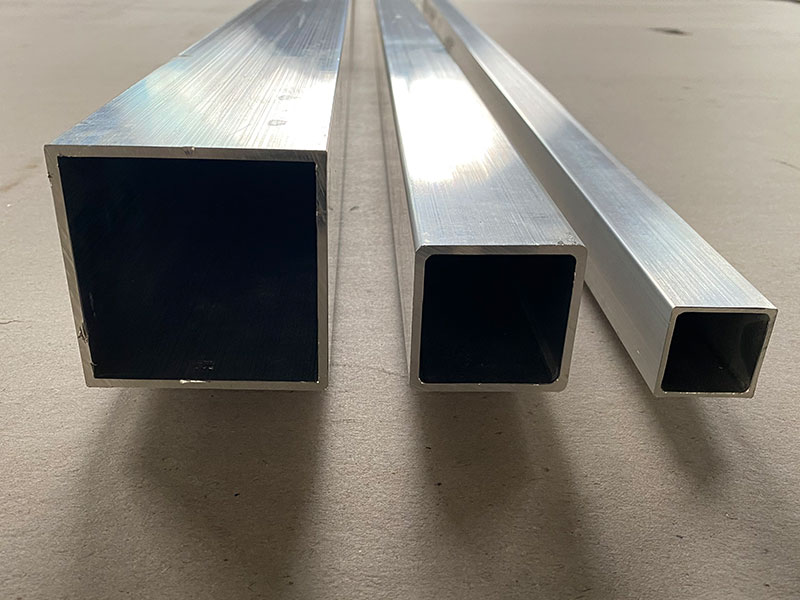
6082 Marine Aluminum Square Tubes for Saltwater Resistant Applications
When marine structures meet saltwater, materials face a relentless mix of chloride attack, wet–dry cycling, abrasion, and galvanic exposure to dissimilar metals.
View Details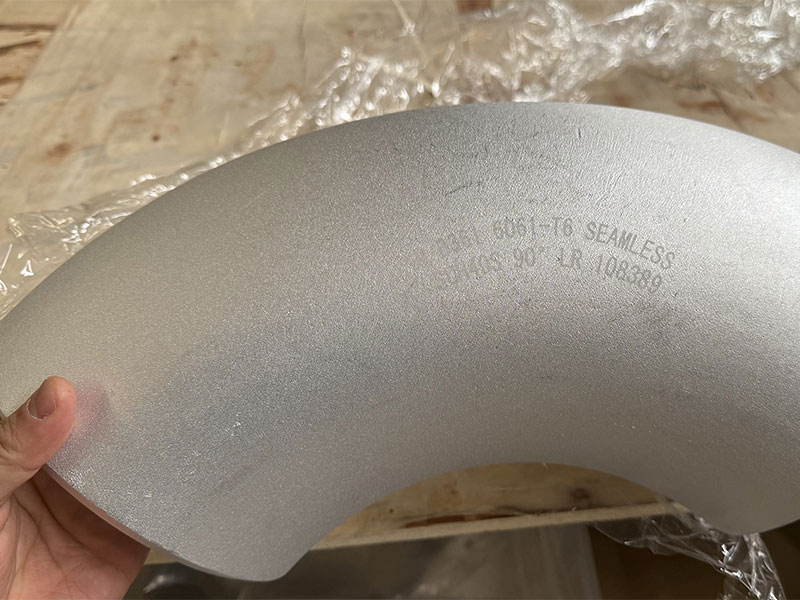
Marine Aluminum Elbow for Exhaust Ventilation Systems
Marine aluminum elbows are precision-formed duct components designed specifically for exhaust and ventilation systems aboard commercial ships, yachts, offshore platforms, and other marine environments.
View Details
6082 Marine Aluminum Square Tubes for Corrosion Resistant Projects
When it comes to constructing structures that demand impeccable resistance to corrosion in harsh marine environments, 6082 marine aluminum square tubes is know as an industry favorite.
View Details
6061 Marine Aluminum Tubes for Marine Machinery Support Systems
6061 Marine Aluminum Tubes: Essential for Marine Machinery Support SystemsIn the complex machinery and construction of the marine industry, the materials crafted for durability and management play a pivotal role.
View Details
Leave a Message