
Marine Aluminum I Beams
A marine aluminum I beam is often judged by its size: height, flange width, web thickness, and weight per meter. That is useful, but it is not the best starting point. On a boat, dock, ferry ramp, work platform, or floating structure, the better question is: where does the load want to go?
Think of the beam as a route for force. Foot traffic, engines, deck cargo, wave slap, lifting points, fuel tanks, and vibration all enter the structure from different directions. A good I beam does not simply resist them; it guides them safely toward supports, frames, bulkheads, or piles. When customers view the beam this way, selection becomes clearer and fewer expensive mistakes happen.
Why the I shape works so well at sea
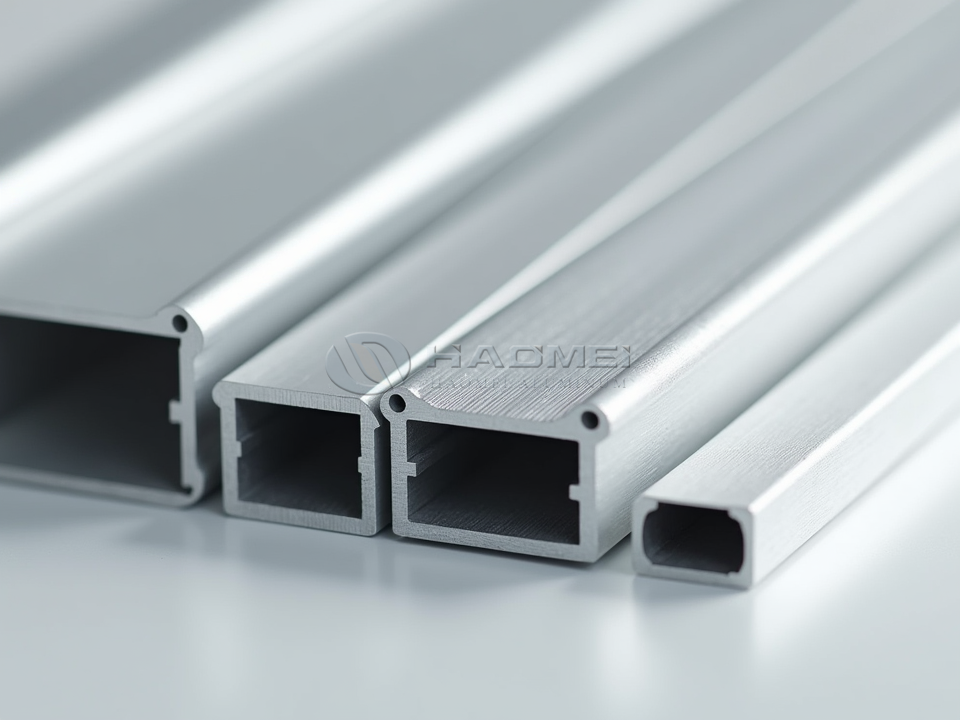
The I shape is efficient because most bending stress lives far from the centerline. The top and bottom flanges do the heavy bending work, while the vertical web holds them apart and carries shear. This is why an I beam can be light yet stiff. In marine projects, that weight saving matters. Every kilogram removed from a vessel can improve payload, fuel use, trim, or handling.
But water adds a special twist. A building beam may face steady loads; a marine beam faces moving, pulsing, uneven loads. A deck beam under a passenger walkway may feel light duty at the dock, then become highly stressed when the hull twists in chop. A dock beam may carry a cart one moment and a mooring shock the next. This is why marine aluminum I beams should be chosen for stiffness, fatigue behavior, and connection design, not just static load capacity.
Alloy choice is a service decision, not just a catalog line
Common marine aluminum beam choices include 6061-T6 and 6082-T6 for stronger structural use, with 6063 often selected for profiles where surface finish, anodizing response, or moderate strength is enough. For highly corrosive hull plate environments, 5083 is well known, though I beams are more often supplied as extruded structural shapes in heat-treatable alloys.
6061-T6 is popular because it offers a practical balance of strength, machinability, weldability, and availability. 6082-T6 can provide strong mechanical performance and is often used in demanding structural fabrication. 6063 is easier to extrude into smooth, attractive profiles and can be suitable for rails, frames, supports, and lighter structural members.
The right alloy depends on the working scene. A hidden engine-room support may value strength and weld behavior. A visible deck frame may need clean finish and anodizing. A floating dock beam may prioritize corrosion control and long service life with repeated wet-dry exposure. This is where product families such as Marine Grade Aluminum Extrusions help customers match profile shape, alloy, temper, and finish to the job rather than treating all aluminum as the same material.
The web tells the truth about shear
Customers often focus on flange size because flanges look strong. In bending, that instinct is partly right. Yet in short spans, concentrated loads, ramp supports, davit bases, and deck openings, the web can become the part that decides whether the beam feels solid or nervous.
A thin web may be fine for a long, lightly loaded deck beam, but it can buckle, distort, or vibrate when a point load is applied near midspan or near a cutout. If holes must be drilled for cables, drains, or fasteners, their location should be planned away from high-shear zones whenever possible. Large holes in the web may need reinforcement collars or local plates.
This is a practical habit used by experienced marine fabricators: before cutting, imagine the load crossing the web. If the cut interrupts that path, the beam may need help.
Stiffness is often more important than ultimate strength
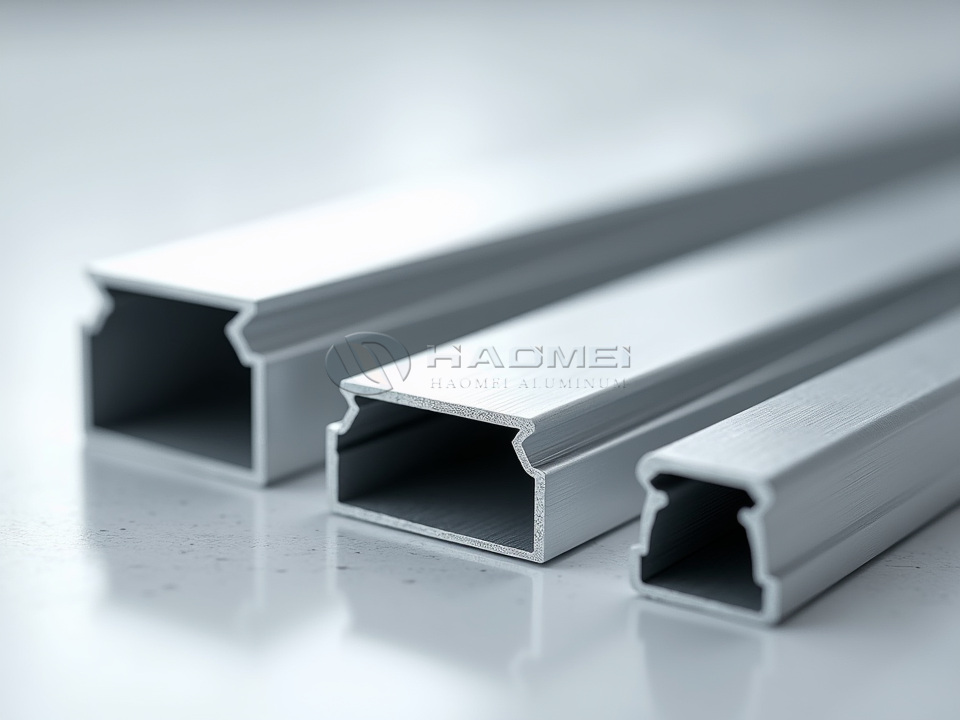
Many marine aluminum I beams never fail by breaking. They disappoint by deflecting too much, bouncing under footsteps, vibrating under machinery, or causing deck panels to loosen. Aluminum has about one-third the elastic modulus of steel, so an aluminum beam with similar strength may still deflect more if the section is not sized correctly.
This does not mean aluminum is weak. It means beam depth matters. A deeper I beam can greatly improve stiffness without adding excessive weight. When space allows, increasing beam height is often more effective than simply making every wall thicker.
For passenger decks, gangways, swim platforms, hatch frames, and service walkways, comfort can be the real design limit. A beam that is technically strong enough may still feel flexible. Customers should share span, support spacing, expected live load, vibration sources, and deflection expectations before ordering. Good beam selection starts with how the structure should feel in use.
Connections can make or waste the beam
An excellent beam can perform poorly if the connection is careless. Marine aluminum I beams are commonly bolted, welded, or combined with plates, brackets, angles, and channels. Each method changes the load path.
Bolting is clean and serviceable, but fastener material, isolation washers, hole edge distance, and bearing area need attention. Stainless steel bolts are common, yet stainless and aluminum can create galvanic corrosion when saltwater is present. Isolation compounds, sleeves, sealants, and proper drainage reduce that risk.
Welding gives strong continuity, but heat affects the temper of heat-treated aluminum near the weld. In 6061-T6, the heat-affected zone can lose strength compared with the parent metal. Design should account for this, especially around high-load brackets or lifting areas. A larger connection plate may be better than a small heavy weld that concentrates stress.
Where beams meet transverse frames, using Marine aluminum I-beams together with compatible marine sections helps maintain consistent material behavior and simplifies finishing, fabrication, and corrosion protection.
Corrosion usually begins in the quiet places
Marine aluminum forms a protective oxide layer, but saltwater is patient. Corrosion often starts where water sits without oxygen flow: under overlapping plates, inside unsealed joints, around trapped debris, beneath rubber pads, or at mixed-metal contact points.
The beam surface may look fine while corrosion develops in a crevice. For this reason, drainage and inspection access are as important as coating. Avoid creating pockets that hold saltwater. Seal faying surfaces where appropriate. Use compatible filler metals. Keep copper-based materials away from aluminum. If the beam will be anodized or powder coated, make sure cut ends and drilled holes are treated after fabrication.
A neat finish is not only cosmetic. On a marine beam, finish quality influences cleaning, salt retention, and long-term inspection.
When a standard beam is enough, and when customization pays
Standard marine aluminum I beams are suitable for many deck frames, dock structures, platforms, ladder supports, and equipment bases. They are faster to source, easier to replace, and often more economical.
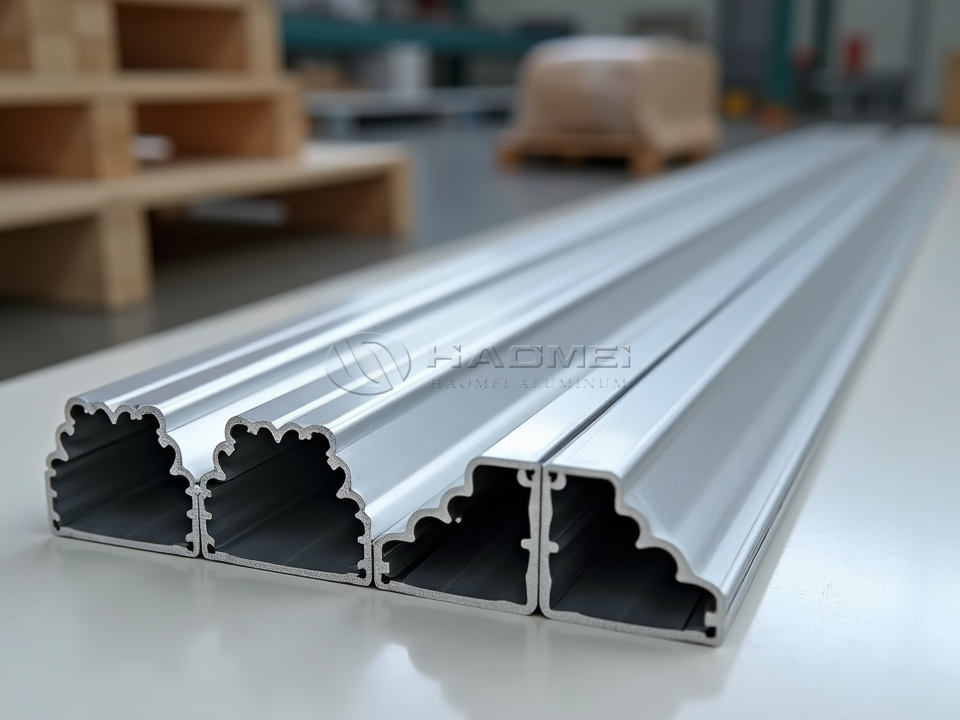
Custom extrusion becomes attractive when the beam must do more than carry load. A profile can include grooves for panels, rounded edges for safer handling, slots for fasteners, drainage features, cable routes, or mating surfaces for other components. In production boats or modular dock systems, these details reduce labor and improve repeatability.
The decision is not only about beam price. If a custom profile removes secondary welding, drilling, grinding, sealing, or alignment work, it may lower total project cost. For repeat builds, a well-designed extrusion can also reduce assembly errors.
What customers should prepare before requesting a beam
A useful inquiry does not need to be complicated. The most helpful information includes span, support points, load type, working environment, alloy preference, surface finish, fabrication method, and whether the beam will be welded or bolted. Drawings are ideal, but even a hand sketch with dimensions can prevent misunderstanding.
Also mention the real use. A beam for a calm inland dock is not the same as one for a commercial vessel exposed to impact, vibration, and daily washdown. A beam carrying a fuel tank needs different thinking from one supporting a removable seat base. The more honestly the working conditions are described, the better the recommendation.
A beam is a promise of movement controlled
Marine aluminum I beams are not just metal shapes. They are quiet structural agreements between weight, stiffness, corrosion resistance, fabrication, and service life. The best beam is not always the heaviest one. It is the one that carries force cleanly, drains water properly, connects without hidden weakness, and remains inspectable after years of spray, sun, vibration, and load cycles.
For customers, the smart approach is simple: follow the load, respect the environment, and treat every hole, weld, bracket, and finish as part of the beam's performance. When selected with that mindset, marine aluminum I beams become lighter than steel, stronger than their appearance suggests, and dependable where land-based materials often struggle.

Related Products
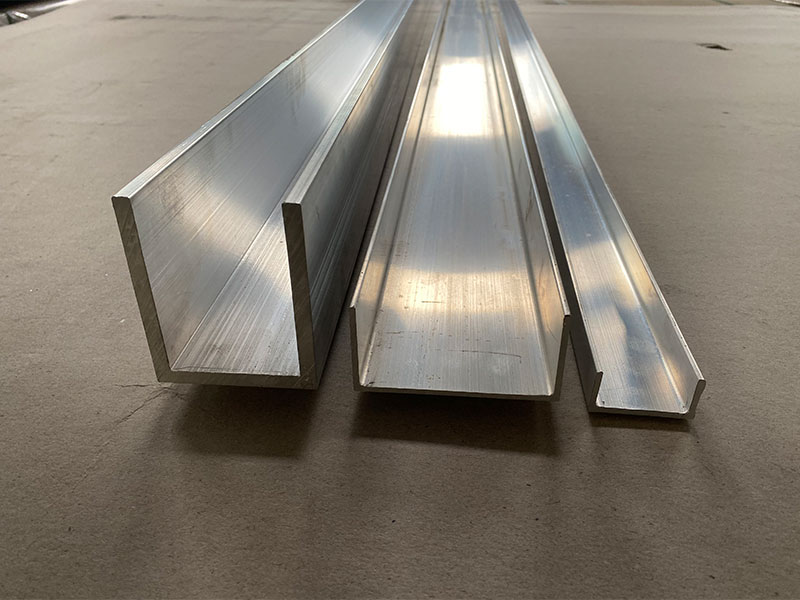
Marine aluminum channels
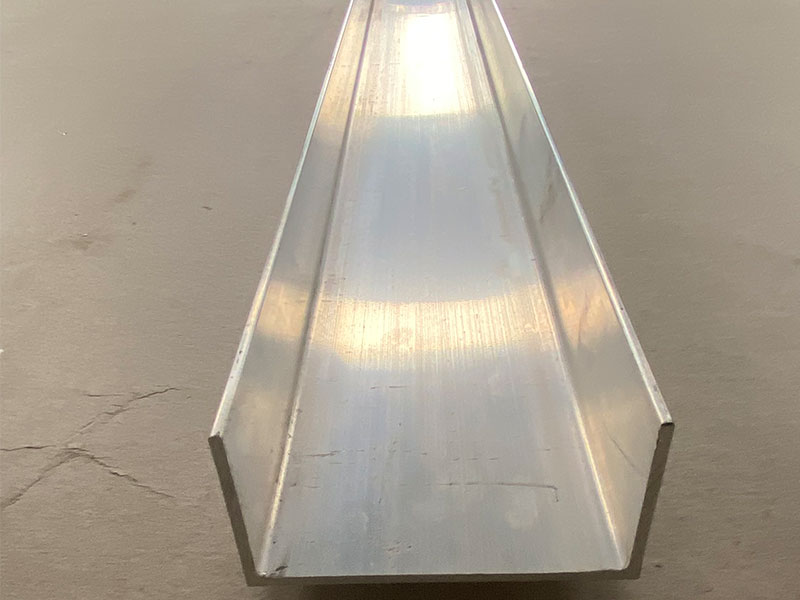
Marine Aluminum Channels are U-shaped aluminum profiles produced from alloys such as 5083, 5052, and 6061, known for their excellent marine corrosion resistance and superior mechanical strength.
View Details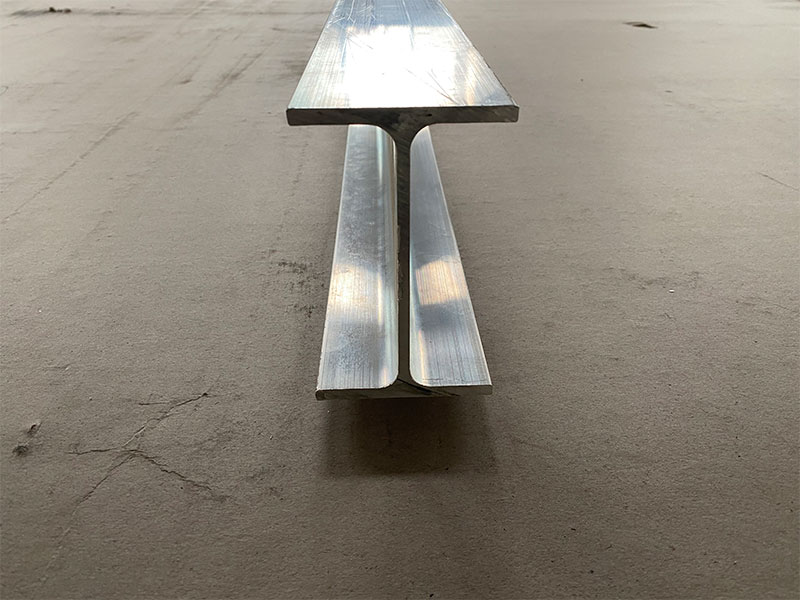
Marine aluminum Z-shaped sections
Marine Aluminum Z-shaped Sections are fabricated from premium marine-grade aluminum alloys such as 5083, 5052, and 6061. These alloys are well-regarded for their superior corrosion resistance in seawater and marine atmospheres, along with good mechanical strength and excellent weldability.
View Details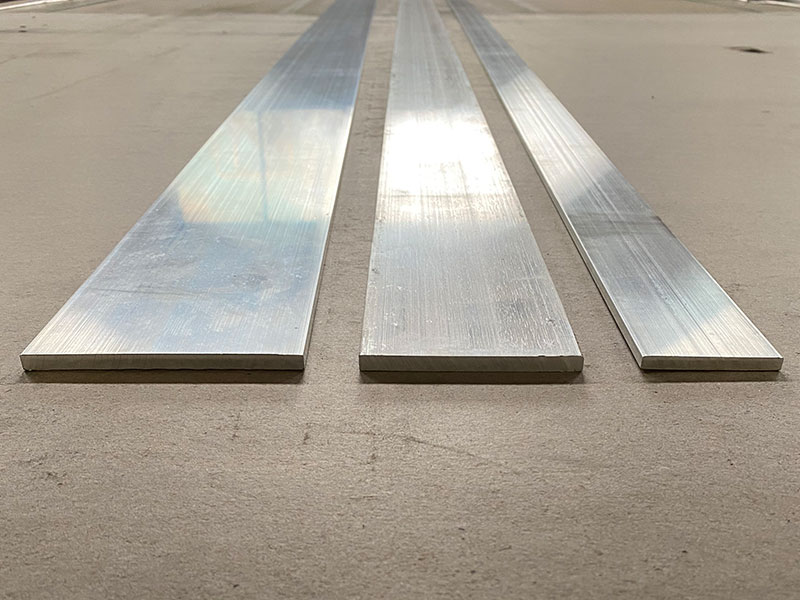
6061 T6 marine aluminum flat bar
6061 aluminum is classified as a heat-treatable 6xxx series alloy, alloyed primarily with magnesium and silicon. The T6 temper designation indicates that the flat bar has been solution heat-treated and artificially aged to achieve optimum strength and hardness.
View Details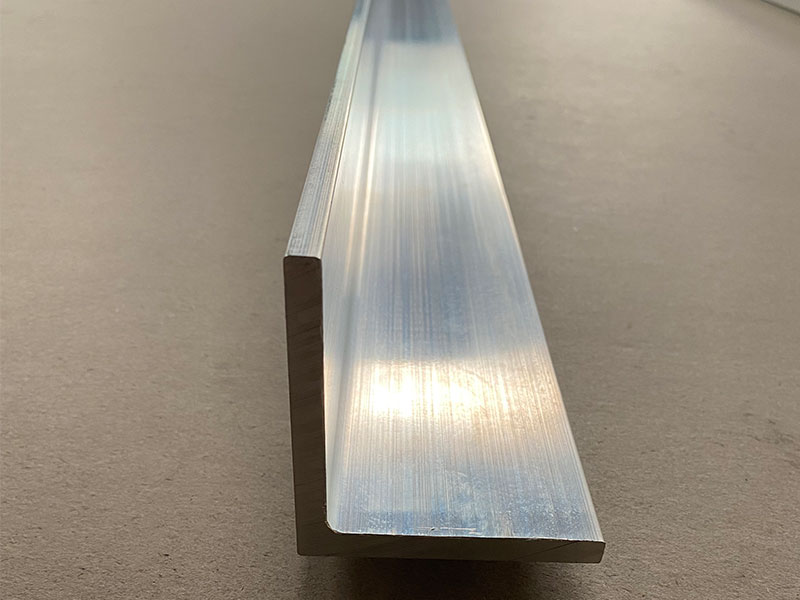
Marine aluminum angles
Marine Aluminum Angles are L-shaped cross-sectional aluminum profiles produced from marine-grade aluminum alloys such as 5083, 5052, and 6061.
View Details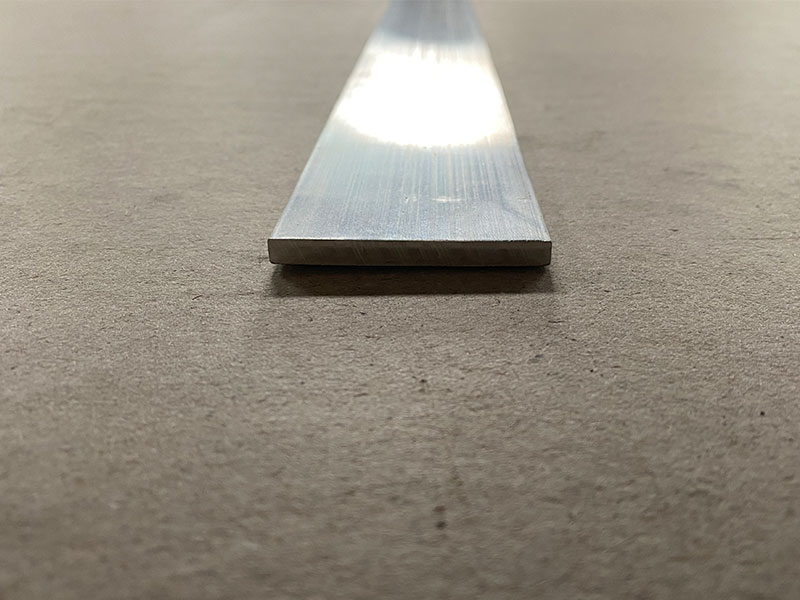
5083 marine aluminum flat bar
5083 aluminum flat bars belong to the 5xxx series of aluminum-magnesium alloys, known primarily for their superior resistance to seawater corrosion and salt spray.
View Details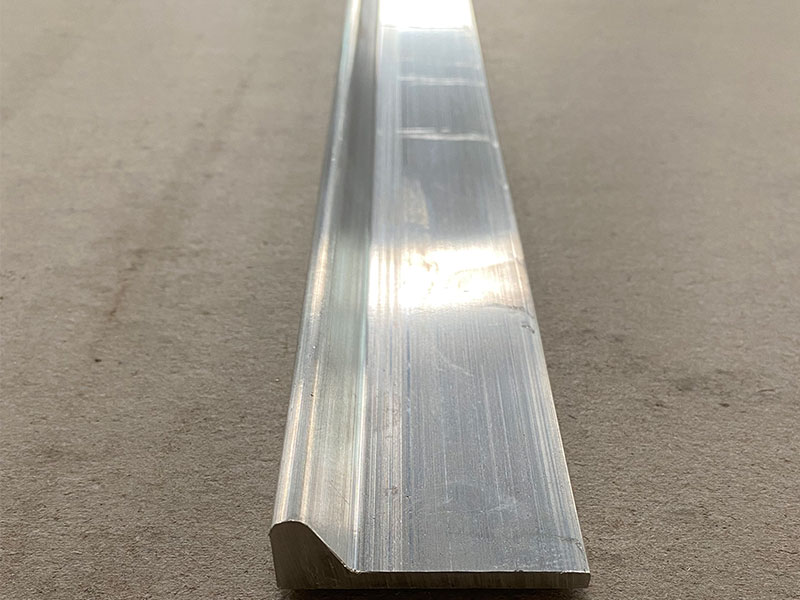
Marine aluminum I-beams
Marine Aluminum I-Beams feature the traditional “I” cross-sectional profile fabricated from marine-grade aluminum alloys like 5083, 5086, and 6061. These alloys are renowned for their outstanding corrosion resistance, especially in saltwater and marine atmospheres, making them ideal for offshore and naval construction.
View DetailsRelated Blog
5052 Marine Aluminum Angles for Custom Coastal Engineering
In the dynamic field of coastal engineering, material selection plays an indispensable role in the longevity, reliability, and safety of offshore and shoreline structures.
View Details
6061 Marine Aluminum Round Bar for Custom Marine Vessel Parts
When it comes to marine vessel construction and maintenance, the materials chosen play an integral part in their functionality, longevity, and structural integrity.
View Details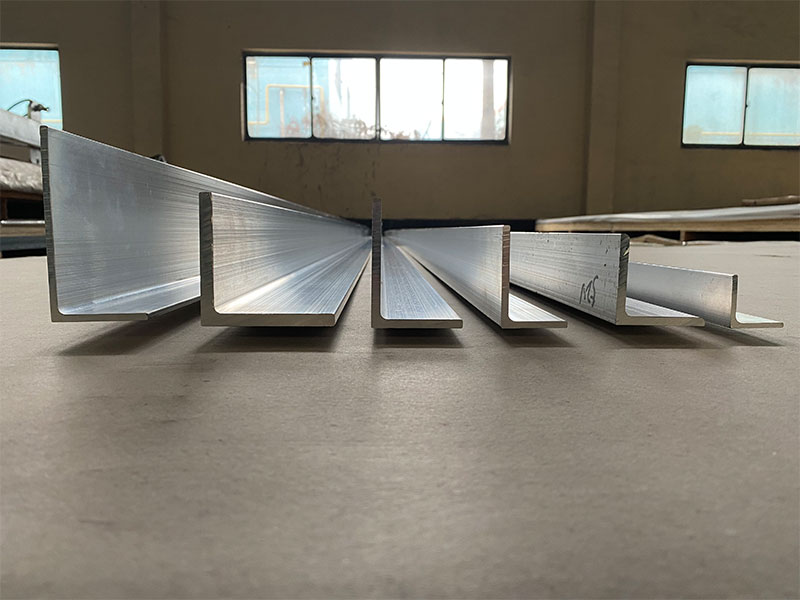
Marine Aluminum Rod & Bar for High Performance Boat Construction
In the demanding field of high performance boat construction, material selection is critical to achieving the perfect balance of strength, weight, corrosion resistance, and durability.
View Details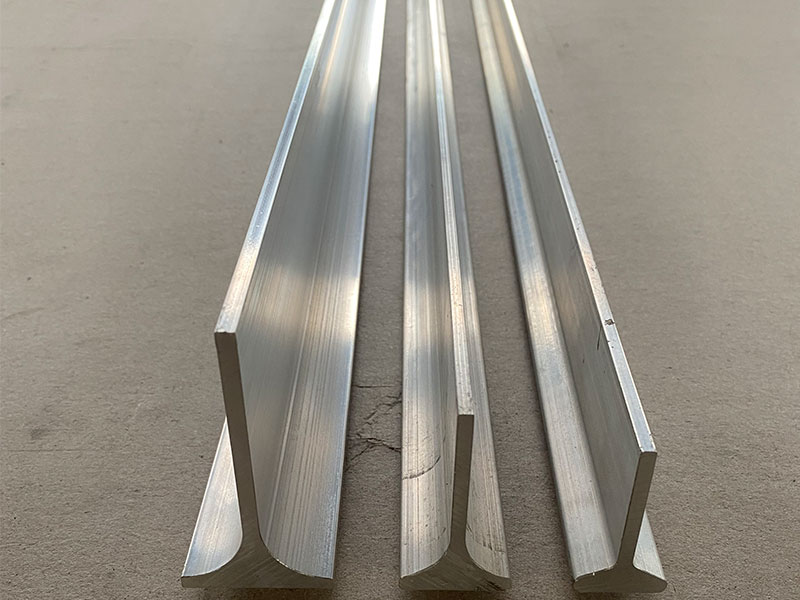
5083 Marine Aluminum Z Shaped Sections for Durable Marine Deck Design
5083 marine aluminum Z-shaped sections are characterized by their high-strength properties, exceptional corrosion resistance, and light-weight nature, making them ideal for a range of marine applications, particularly in deck design.
View Details
6061 Marine Aluminum Round Bar for Lightweight Coastal Shipbuilding
Superior strength, corrosion resistance, and versatility of 6061 marine aluminum round bars, expertly crafted for lightweight coastal shipbuilding applications. Explore detailed specifications, tempering options, and chemical properties tailored for marit
View Details
Marine Aluminum Angles for Custom Marine Vessel Deck Parts
In the demanding maritime environment, the structural integrity and durability of vessel deck parts are paramount. Marine aluminum angles have emerged as a critical solution in the customization and reinforcement of these components.
View Details
Leave a Message