
Aluminum Sheet 5000 Series Marine Grade 5052 5054
5000 Series marine-grade aluminum sheet, especially alloys 5052 and 5054, provides a practical balance of saltwater corrosion resistance, formability, weldability, and moderate strength. These non-heat-treatable aluminum-magnesium alloys are widely selected for lightweight marine structures, vessel interiors, deck equipment, fuel tanks, offshore accessories, and transport components exposed to humid or saline conditions.
5052 is the more commonly specified option for marine sheet applications. It offers dependable forming performance and a clean surface suitable for fabrication, bending, polishing, painting, or anodizing. Alloy 5054 has a related aluminum-magnesium chemistry and is useful where corrosion resistance and workability are required in sheet-metal assemblies.
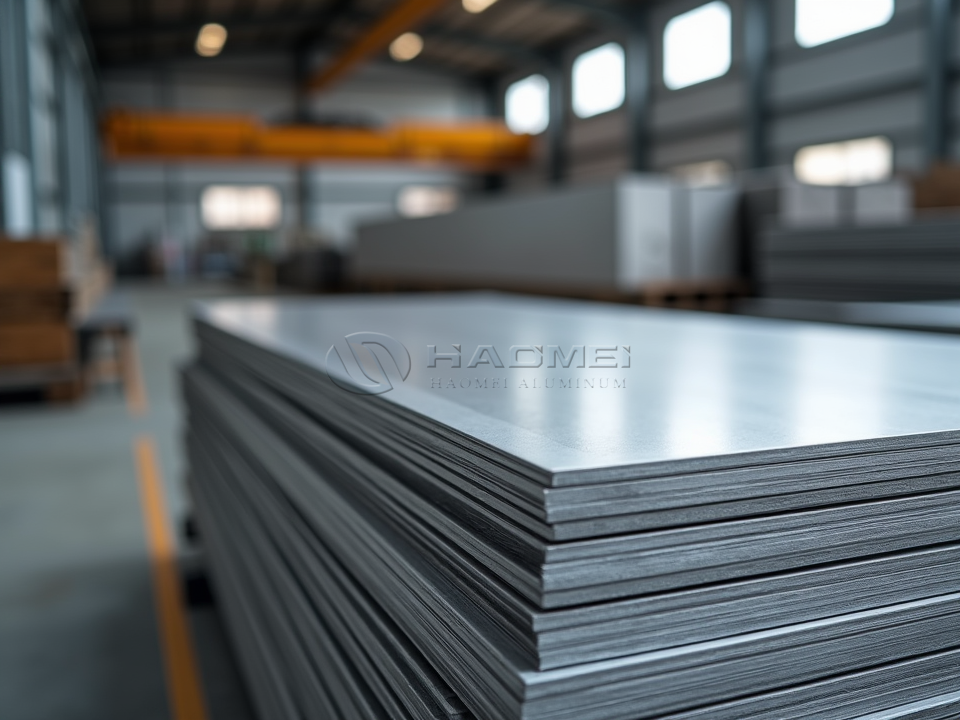
Why 5052 and 5054 Perform Well in Marine Service
The magnesium content in 5052 and 5054 contributes to improved strength compared with commercially pure aluminum while maintaining excellent resistance to atmospheric and seawater exposure. When exposed to oxygen, the sheet naturally develops a tightly bonded oxide film. This passive film helps protect the metal surface from further attack in normal marine environments.
These alloys are particularly effective for fabricated parts that require rolling, pressing, folding, stamping, or moderate-depth drawing. Their stable performance after welding also makes them suitable for aluminum structures assembled by MIG or TIG welding. Compared with steel, marine aluminum reduces dead weight, assists fuel efficiency, and requires no heavy corrosion coating system for many applications.
| Performance characteristic | 5052 aluminum sheet | 5054 aluminum sheet | Marine value |
|---|---|---|---|
| Alloy family | Al-Mg | Al-Mg | Strong corrosion resistance in wet environments |
| Heat treatment response | Non-heat-treatable | Non-heat-treatable | Strength obtained mainly through cold work |
| Seawater corrosion resistance | Excellent | Excellent | Suitable for splash zones and marine atmosphere |
| Formability | Excellent | Very good | Supports bending, pressing, and fabrication |
| Weldability | Excellent | Excellent | Compatible with common aluminum welding methods |
| Typical sheet use | Hull fittings, tanks, panels | Formed marine and industrial panels | Lightweight fabricated components |
Chemical Composition
The following values are typical composition limits by weight for commonly supplied 5052 and 5054 aluminum sheet. Material certificates should be reviewed when a project requires a specific standard, class approval, or restricted impurity level.
| Element, % | 5052 | 5054 |
|---|---|---|
| Silicon, Si | 0.25 max | 0.25 max |
| Iron, Fe | 0.40 max | 0.40 max |
| Copper, Cu | 0.10 max | 0.10 max |
| Manganese, Mn | 0.10 max | 0.05-0.20 |
| Magnesium, Mg | 2.20-2.80 | 1.70-2.40 |
| Chromium, Cr | 0.15-0.35 | 0.05-0.20 |
| Zinc, Zn | 0.10 max | 0.10 max |
| Titanium, Ti | - | 0.20 max |
| Other elements, each | 0.05 max | 0.05 max |
| Other elements, total | 0.15 max | 0.15 max |
| Aluminum, Al | Balance | Balance |
Magnesium is the principal strengthening addition. Chromium improves resistance to stress-corrosion effects and supports grain structure control. Low copper content is especially valuable in saltwater environments because excessive copper can reduce corrosion resistance.
Common Tempers and Mechanical Properties
Since 5052 and 5054 do not gain strength through solution heat treatment and artificial aging, their tempers reflect annealing and strain-hardening conditions. O temper is fully annealed for maximum ductility. H32 and H34 are strain-hardened and stabilized tempers often chosen where higher sheet strength is needed without losing practical formability.
| Alloy and temper | Tensile strength, MPa | Yield strength, MPa | Elongation, % | Typical fabrication role |
|---|---|---|---|---|
| 5052-O | 170-215 | 65 min | 20-25 | Deep forming, curved panels, complex bending |
| 5052-H32 | 210-260 | 160 min | 10-12 | General marine sheet, cabinets, tanks, covers |
| 5052-H34 | 230-280 | 190 min | 8-10 | Stiffer panels and formed structural accessories |
| 5054-O | 165-220 | 70 min | 18-24 | Pressed and drawn components |
| 5054-H32 | 210-255 | 150 min | 10-12 | Corrosion-resistant fabricated sheet parts |
Mechanical values are representative and can vary with thickness, governing specification, test direction, and mill production practice.
Dimensions and Physical Data
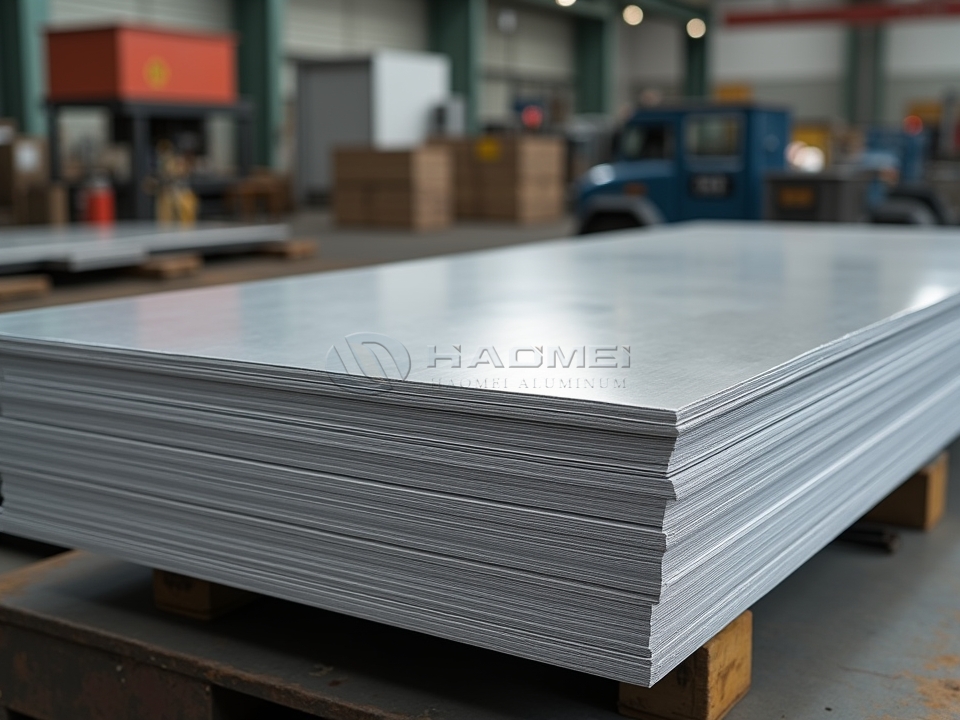
Marine aluminum sheet can be produced in coils, cut sheets, or custom plates according to fabrication requirements. Thickness selection depends on panel span, imposed load, welding layout, stiffener spacing, and classification-society requirements.
| Parameter | Typical value or range |
|---|---|
| Density | 2.68 g/cm³ |
| Melting range | Approximately 605-655°C |
| Thermal conductivity | Approximately 138 W/m·K for 5052 |
| Electrical conductivity | Approximately 35% IACS for 5052 |
| Sheet thickness | 0.5-6.0 mm commonly available |
| Plate thickness | 6.0 mm and above, subject to mill capability |
| Standard sheet width | 1,000 mm, 1,220 mm, 1,500 mm, 2,000 mm |
| Standard sheet length | 2,000 mm, 2,440 mm, 3,000 mm, 6,000 mm |
| Surface options | Mill finish, brushed, PVC-protected, anodized-ready |
For applications requiring better slip resistance, drainage, or walking safety, fabricated platforms may be paired with Marine Aluminum Tread Sheets in compatible 5000 Series alloys.
Marine and Industrial Applications
5052 marine aluminum sheet is frequently used where appearance, bendability, and long-term corrosion performance must work together. It is a favored material for yacht fittings, small craft panels, interior partitions, locker doors, consoles, instrument housings, ventilation ducts, galley equipment, and fuel or oil tanks.
5054 aluminum sheet is also suitable for fabricated marine components, particularly pressed panels, protective covers, enclosures, trailer bodies, and transport equipment operating in corrosive or humid climates. For heavily loaded hull plating, naval structures, or high-strength welded vessel sections, engineers may instead specify higher-magnesium alloys such as 5083, 5086, or 5456.
| Application | Recommended alloy/temper | Selection reason |
|---|---|---|
| Boat interior panels | 5052-H32 | Clean finish, good stiffness, easy fabrication |
| Fuel tanks and liquid containers | 5052-H32 or O | Weldable and corrosion resistant |
| Curved covers and formed housings | 5052-O or 5054-O | High ductility for shaping |
| Deck cabinets and lockers | 5052-H34 | Added rigidity and dent resistance |
| Marine HVAC ducting | 5052-H32 | Low weight and good corrosion behavior |
| Pressed equipment panels | 5054-H32 | Formable, durable sheet construction |
| Coastal transport bodies | 5052-H32 or 5054-H32 | Resistance to wet, salty atmosphere |
Standards, Inspection, and Supply Conditions
A marine-grade designation should be supported by traceable material documentation rather than alloy name alone. Purchase specifications commonly identify the alloy, temper, dimensions, applicable standard, surface condition, tolerances, and inspection documentation.
| Standard or document | Relevance to 5052 and 5054 sheet |
|---|---|
| ASTM B209 / B209M | Aluminum and aluminum-alloy sheet and plate requirements |
| EN 485-1 | Technical conditions for inspection and delivery |
| EN 485-2 | Mechanical property requirements for sheet and plate |
| EN 485-4 | Dimensional and shape tolerances for rolled products |
| EN 573-3 | Chemical composition and alloy designation limits |
| ASTM B928 / B928M | Marine-grade 5xxx plate requirements, mainly for specified plate alloys and tempers |
| Mill Test Certificate, MTC | Confirms chemical composition, mechanical properties, heat number, and traceability |
| Classification documentation | May be required for vessel projects governed by ABS, DNV, Lloyd's Register, or similar rules |
Fabrication Guidance
Clean cutting tools and aluminum-dedicated brushes should be used to avoid iron contamination on the surface. MIG welding commonly uses 5356 filler metal for 5052 assemblies, while filler selection must always follow joint design, service temperature, and welding procedure requirements. Heat input should be controlled because the heat-affected zone of strain-hardened material loses some cold-work strength.
For marine exposure, avoid direct contact between aluminum and copper-bearing alloys, bare carbon steel, or stainless steel in wet crevices. Insulating washers, sealants, coatings, and proper drainage reduce galvanic-corrosion risk. After fabrication, remove weld residue and embedded contaminants before coating or service.
5052 and 5054 aluminum sheets offer an efficient material solution where corrosion resistance, lower vessel weight, and reliable fabrication are priorities. Selecting the correct temper, thickness, and certification level helps ensure that each panel performs consistently from workshop fabrication to long-term saltwater operation.

Related Products
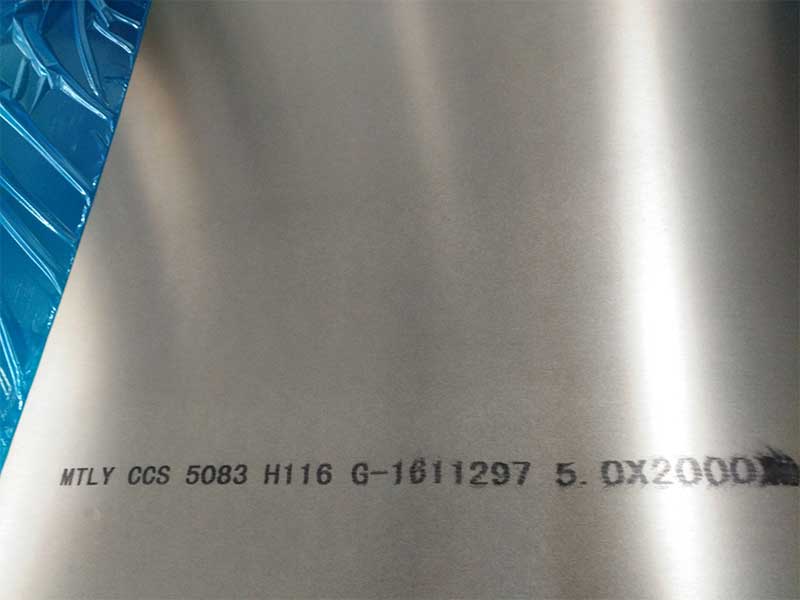
Marine 5083 aluminum sheet
Aluminum alloy 5083 is a non-heat-treatable alloy primarily composed of magnesium and trace elements that deliver outstanding protection against corrosion, particularly in seawater and saline atmospheres.
View Details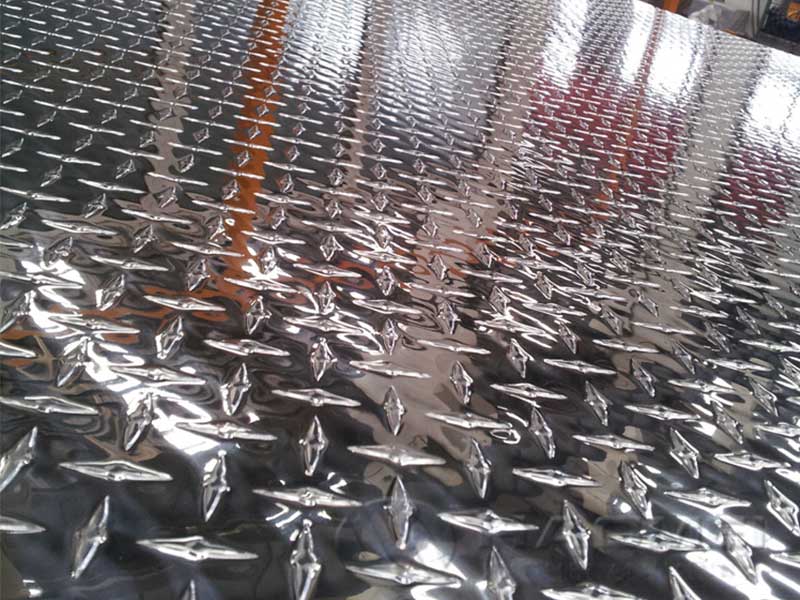
Marine Aluminum Tread Sheets
Marine Aluminum Tread Sheets are aluminum alloy plates featuring a raised surface pattern, commonly referred to as a tread design or diamond plate.
View Details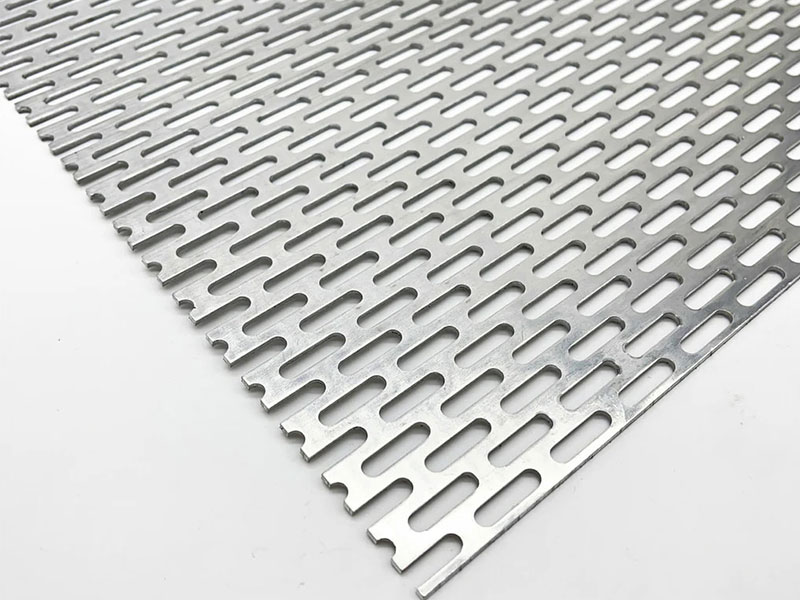
Marine perforated aluminum sheets
Marine Perforated Aluminum Sheets feature a series of uniform holes or shapes punched through the aluminum surface. These perforations can vary in size, pattern, and open area to tailor the sheets for specific applications.
View Details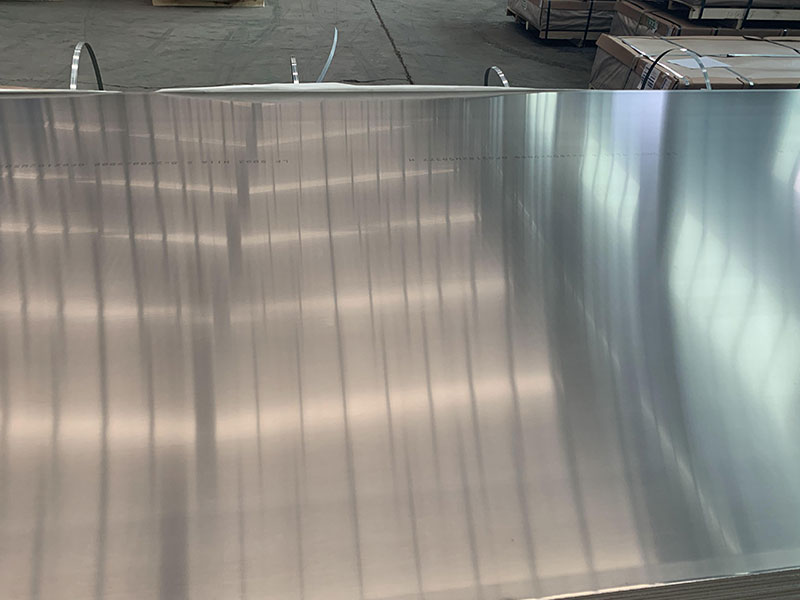
Marine 5383 aluminum sheet
5383 aluminum is a strain-hardened, non-heat-treatable alloy from the 5xxx series primarily alloyed with magnesium. It exhibits a unique balance of corrosion resistance and mechanical properties particularly suited for marine applications.
View Details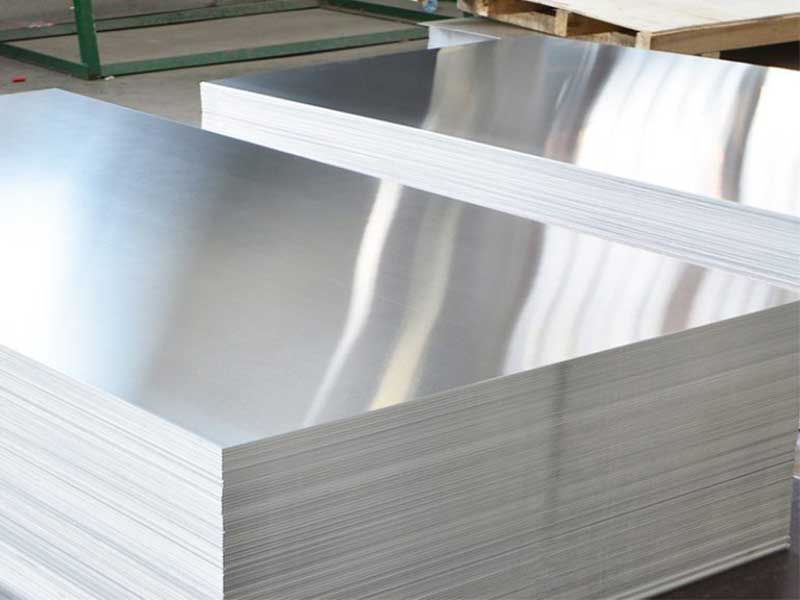
Marine anodized aluminum sheets
Marine Anodized Aluminum Sheets start with premium marine-grade aluminum alloys such as 5000 and 6000 series (typically 5083, 5052, and 6061).
View Details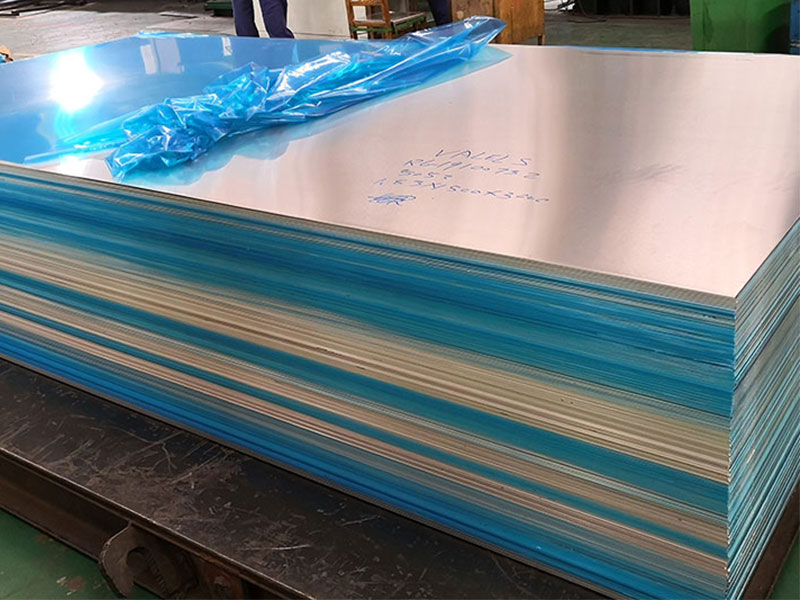
Marine 5059 aluminum sheet
5059 aluminum alloy is a strain-hardened material with a unique addition of magnesium and chromium, which provides outstanding resistance to localized corrosion like pitting and stress corrosion cracking.
View DetailsRelated Blog
5754 Aluminum Sheet for Shipping Construction
5754 Aluminum Sheet for Shipping Construction: The "Quiet Workhorse" Behind Durable, Efficient VesselsIn modern shipping construction, the most valuable materials are not always the most famous-they're the ones that perform reliably under salt spray.
View Details
Aluminium sheet 8mm alloy 5052 h112 for boat
When selecting materials for marine applications, especially in boat building, the balance between strength, corrosion resistance, and workability is crucial. Aluminium sheet 8mm thick made from alloy 5052 in temper H112 epitomizes this balance.
View Details
Ship Building Aluminum Plate 5083 H116 For Boat
5083 H116 ship building aluminum plate for boat hulls, covering standards, temper, properties, chemical composition, sizes, welding, corrosion and use.
View Details
Marine Grade 0.2mm 6mm 5052 h46 Color Coated Aluminum Sheet
The Marine Grade 0.2mm-6mm 5052 H46 Color Coated Aluminum Sheet is a premium aluminum product designed specifically for marine and harsh environmental applications.
View Details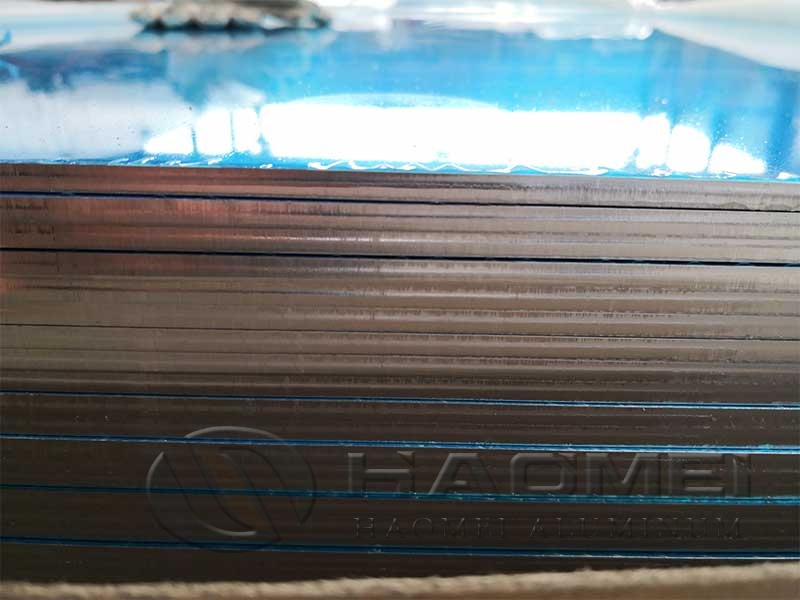
Marine 5059 Aluminum Plate
Marine 5059 aluminum plate offers high strength, seawater corrosion resistance, weldability, and certified performance for hulls and naval structures.
View Details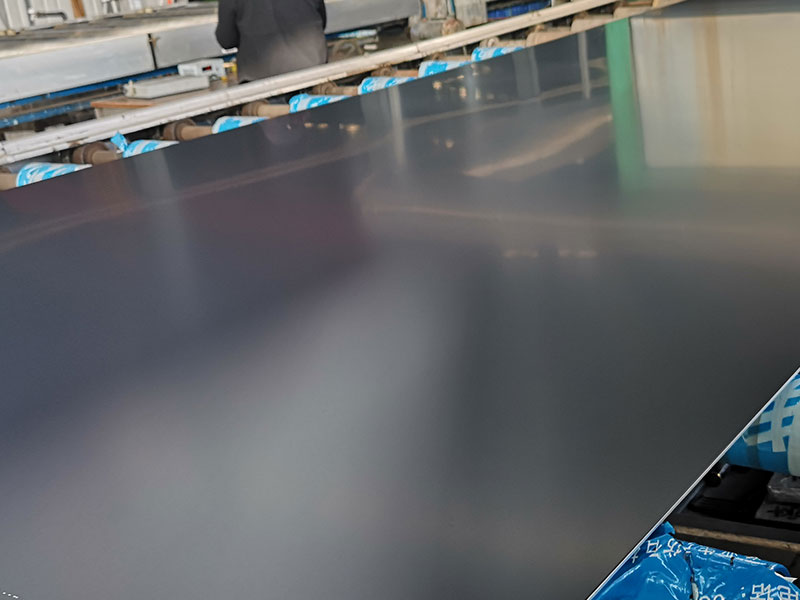
Aluminium Coil Or Sheet For Boat
When it comes to maritime design and construction, selecting materials that balance strength, weight, and corrosion resistance is critical.
View Details
Leave a Message