
Aluminium Plate for Boat Builders
Aluminium plate for boat builders is a structural material engineered for low weight, high strength and dependable seawater corrosion resistance. It is widely used in fishing boats, workboats, patrol vessels, ferries, yachts, landing craft and recreational hulls. Compared with steel, marine aluminium reduces displacement significantly, helping boats achieve improved payload capacity, fuel efficiency and acceleration.
The most widely specified marine grades are magnesium-containing 5xxx series alloys, especially 5052, 5083 and 5086. These non-heat-treatable alloys retain strong corrosion performance after welding and are suitable for fabricated hull structures exposed to salt spray, bilge water and changing temperatures.
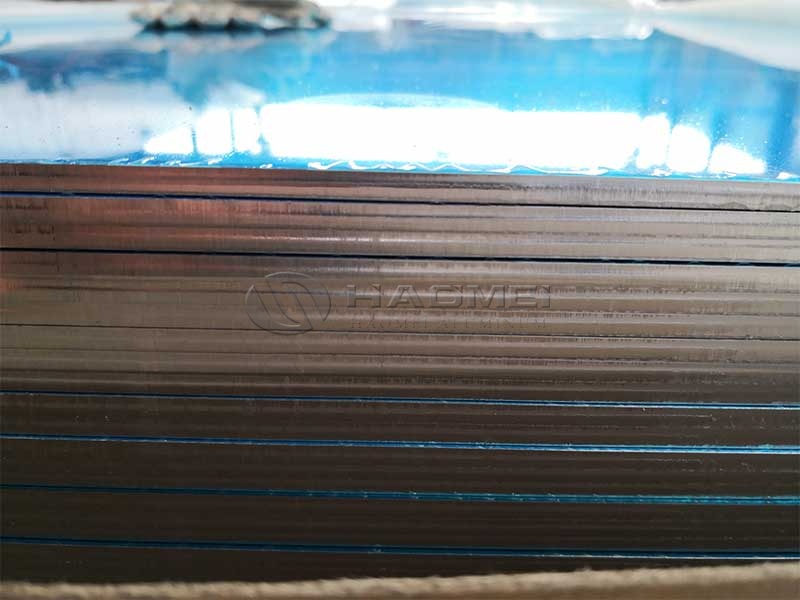
Why Marine Aluminium Plate Performs Well in Boat Construction
Marine plate develops a stable natural oxide film that shields the substrate from atmospheric and marine exposure. Magnesium is the primary alloying element in 5xxx series materials, increasing strength while preserving formability and weldability. For hull plating, this balance is essential: the material must tolerate rolling, bending, cutting, welding and repeated wave-loading without becoming excessively brittle.
| Property | Typical Marine Benefit |
|---|---|
| Density: approximately 2.66-2.68 g/cm³ | Reduces hull weight compared with steel construction |
| Non-magnetic material | Suitable for vessels with sensitive navigation or detection equipment |
| High corrosion resistance | Supports long-term service in coastal and saltwater conditions |
| Excellent weldability | Enables efficient MIG and TIG fabrication of hull assemblies |
| Good low-temperature toughness | Suitable for cold-water and offshore service |
| Recyclability | Supports material recovery at the end of vessel life |
A lighter hull can also permit smaller propulsion equipment or increased carrying capacity. In practical fabrication, aluminium plate is commonly combined with extrusions, angles, flat bars and stiffeners to create a rigid yet lightweight vessel structure.
Marine Alloy Choices for Hulls and Structures
Selection depends on vessel type, plate thickness, design stresses and forming requirements. 5083 and 5086 are frequent choices for welded hull plating because of their higher strength and good resistance to exfoliation and stress-corrosion effects in marine service. 5052 is more often selected for interior panels, tanks, cabinetry, decks and lightly loaded sheet-metal components.
| Alloy | Principal Characteristics | Common Boatbuilding Uses |
|---|---|---|
| 5052 | Good formability, corrosion resistance and moderate strength | Interior linings, fuel tanks, consoles, deck panels, trim |
| 5083 | High strength, excellent seawater resistance, strong welded performance | Hulls, bottoms, side plating, bulkheads, superstructures |
| 5086 | High corrosion resistance and weldability with robust structural strength | Hull plating, workboats, decks, tanks, structural panels |
| 5454 | Good forming performance and moderate-to-high strength | Formed compartments, tanks, selected structural parts |
| 6061 | Heat-treatable alloy with good machinability | Frames, brackets, fittings and machined structural components |
For demanding welded vessels, Marine 5083 aluminum sheet is a proven option for hulls and heavily loaded structural sections. Material selection should always follow the vessel design specification and the applicable classification requirements.
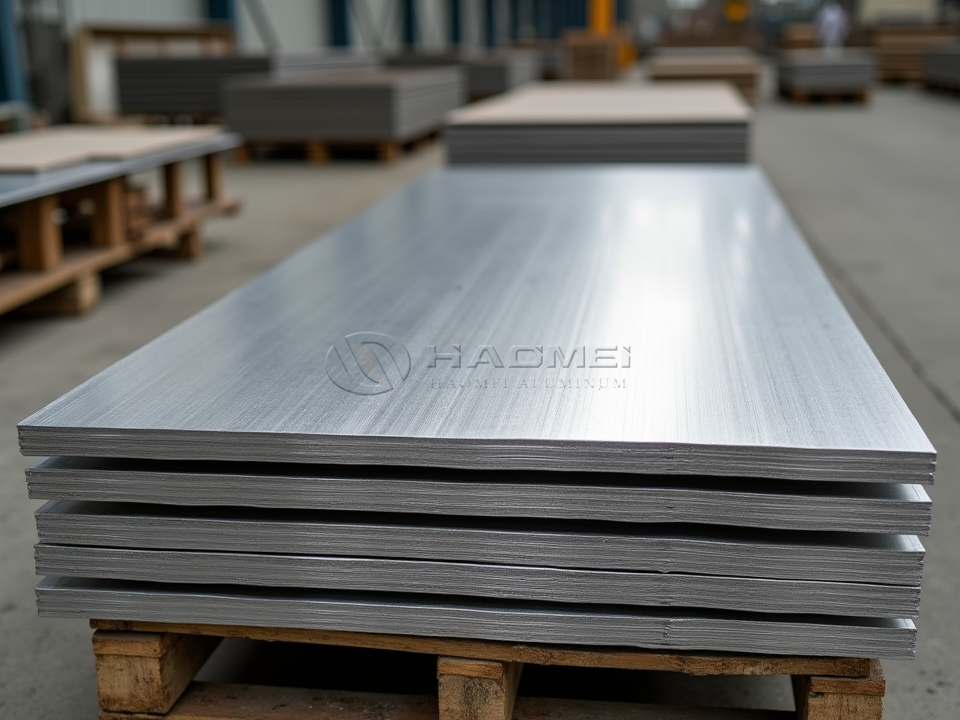
Chemical Composition of Common Marine Alloys
Chemical limits influence corrosion behavior, strength and welding response. Values shown are typical maximum or specified ranges by weight percentage; exact certification requirements should be confirmed before ordering.
| Alloy | Mg | Mn | Cr | Si | Fe | Cu | Zn | Ti | Al |
|---|---|---|---|---|---|---|---|---|---|
| 5052 | 2.2-2.8 | 0.10 max | 0.15-0.35 | 0.25 max | 0.40 max | 0.10 max | 0.10 max | - | Balance |
| 5083 | 4.0-4.9 | 0.40-1.0 | 0.05-0.25 | 0.40 max | 0.40 max | 0.10 max | 0.25 max | 0.15 max | Balance |
| 5086 | 3.5-4.5 | 0.20-0.7 | 0.05-0.25 | 0.40 max | 0.50 max | 0.10 max | 0.25 max | 0.15 max | Balance |
| 5454 | 2.4-3.0 | 0.50-1.0 | 0.05-0.20 | 0.25 max | 0.40 max | 0.10 max | 0.25 max | 0.20 max | Balance |
Higher magnesium content generally contributes to the strength of 5083 and 5086. Controlled levels of manganese and chromium support grain structure and corrosion performance. Copper is kept low because excessive copper can reduce resistance to saltwater corrosion.
Temper Conditions and Mechanical Data
Temper describes the metallurgical condition after rolling, annealing or strain hardening. Choosing the right temper affects forming behavior, stiffness and final fabrication efficiency.
| Temper | Condition | Typical Use in Boatbuilding |
|---|---|---|
| O | Fully annealed, softest condition | Deep forming, curved panels, complex bends |
| H111 | Lightly strain hardened | General plate fabrication where moderate forming is needed |
| H116 | Strain hardened and corrosion-controlled | Marine hull plate requiring strong seawater resistance |
| H321 | Strain hardened and stabilized | Hull plating and structural panels with stable properties |
| H32 | Strain hardened and stabilized to quarter-hard condition | Decks, interior panels, formed components |
| H34 | Strain hardened and stabilized to half-hard condition | Stiffer sheet applications with moderate formability |
| Alloy and Temper | Typical Thickness Range | Tensile Strength, MPa | Yield Strength, MPa | Elongation, % |
|---|---|---|---|---|
| 5052-H32 | 1.5-6.0 mm | 210-260 | 160 min | 10-12 |
| 5083-O | 3.0-50 mm | 275-350 | 125 min | 16 min |
| 5083-H116/H321 | 3.0-50 mm | 305-385 | 215 min | 10 min |
| 5086-H116 | 3.0-50 mm | 275-350 | 205 min | 10 min |
Mechanical values vary with thickness, production route and governing standard. Mill test certificates should state actual chemistry, tensile results, dimensions, temper and inspection status for each supplied lot.
Dimensions, Tolerances and Supply Forms
Boatbuilding plate is available in standard stock sizes or cut-to-length formats that reduce waste during nesting and fabrication. Wide plate is particularly useful for hull sides and bottom panels because it minimizes weld seams.
| Parameter | Typical Supply Range |
|---|---|
| Thickness | 1.0-200 mm |
| Width | 1,000-2,500 mm |
| Length | 2,000-12,000 mm or customized |
| Surface | Mill finish, brushed, PVC-protected or coated on request |
| Edge condition | Mill edge, trimmed edge or cut edge |
| Flatness | Controlled according to ordered standard and thickness |
| Documentation | Mill test certificate, packing list, dimensional report when requested |
Standards and Quality Requirements
Marine aluminium plate should be ordered against recognized material standards and, where required, approved by a vessel classification society. Specifications commonly reference chemical composition, mechanical properties, dimensional tolerance, corrosion testing and ultrasonic inspection.
| Standard or Organization | Relevance to Boatbuilding Plate |
|---|---|
| ASTM B928/B928M | High-magnesium aluminium-alloy plate and sheet for marine service |
| ASTM B209/B209M | General aluminium sheet and plate requirements |
| EN 485 | Mechanical properties and tolerances for aluminium sheet, strip and plate |
| EN 573 | Chemical composition and alloy designation system |
| EN 10204 3.1 | Material inspection certificate format |
| DNV, ABS, Lloyd's Register, BV, CCS | Classification approvals when specified for vessel projects |
For a commercial hull, confirm whether class-approved material is mandatory before procurement. The required approval normally depends on vessel class, operating route, plate location and design authority.
Fabrication Practices for Long Service Life
MIG welding with compatible 5xxx filler alloys, such as 5183 or 5356, is commonly used for structural construction. Welding parameters should limit unnecessary heat input, reduce distortion and preserve corrosion performance around joints. Clean, dry plate surfaces are important; oil, moisture and shop contaminants can cause weld porosity.
Avoid direct, unprotected contact between aluminium and more noble metals such as copper-bearing alloys or stainless steel in wet areas. Use insulating pads, sealants, coatings or correctly designed drainage paths to reduce galvanic corrosion. Edges, penetrations and enclosed compartments should also be designed to avoid trapped saltwater.
Aluminium plate for boat builders delivers a practical combination of strength, weldability, corrosion resistance and reduced vessel weight. Selecting the right alloy, temper, dimensions and certification level gives builders a dependable foundation for marine structures that are efficient to fabricate and built for demanding waterborne service.

Related Products
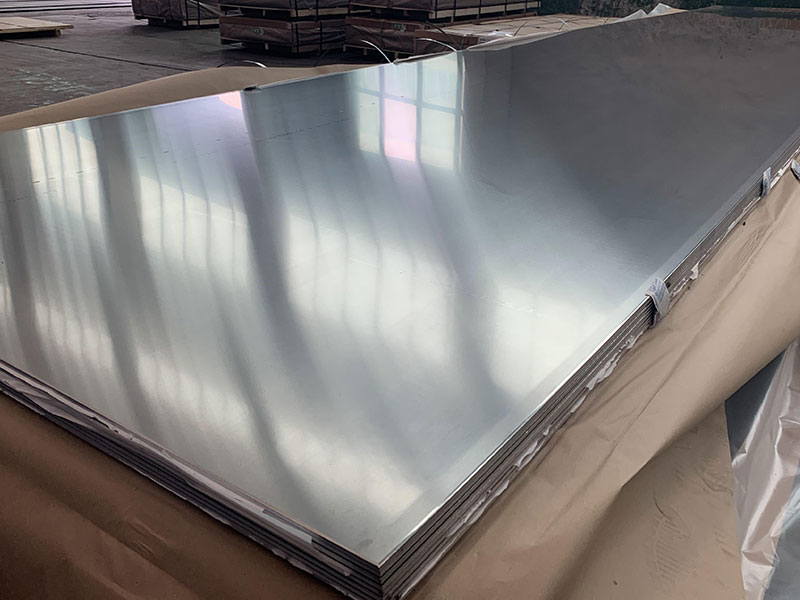
Marine 5086 aluminum sheet
This product article provides an in-depth and comprehensive understanding of Marine 5086 Aluminum Sheets, including their chemical composition, mechanical properties, corrosion resistance, fabrication capabilities, and typical marine applications.
View Details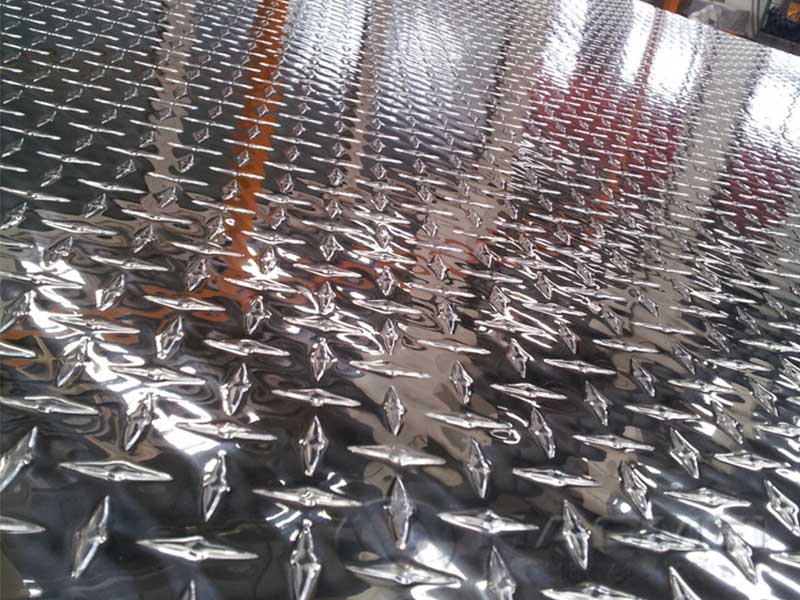
Marine Aluminum Tread Sheets
Marine Aluminum Tread Sheets are aluminum alloy plates featuring a raised surface pattern, commonly referred to as a tread design or diamond plate.
View Details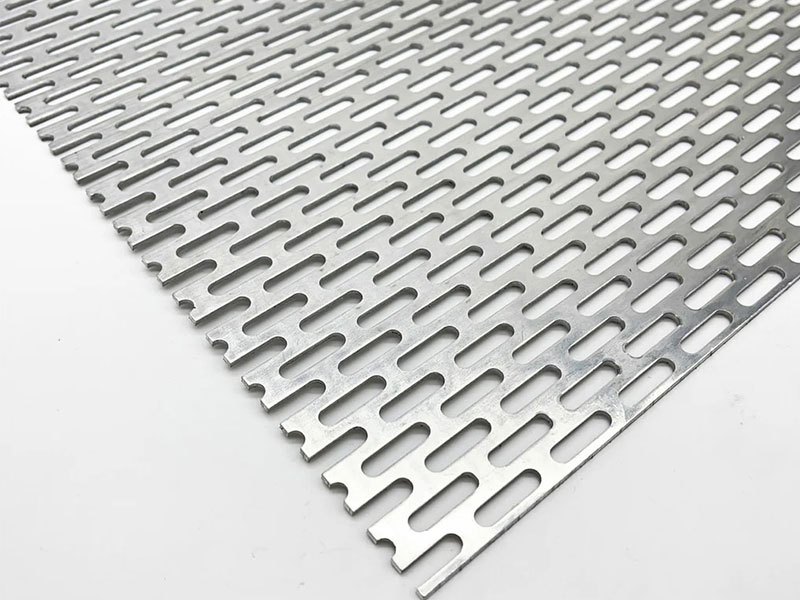
Marine perforated aluminum sheets
Marine Perforated Aluminum Sheets feature a series of uniform holes or shapes punched through the aluminum surface. These perforations can vary in size, pattern, and open area to tailor the sheets for specific applications.
View Details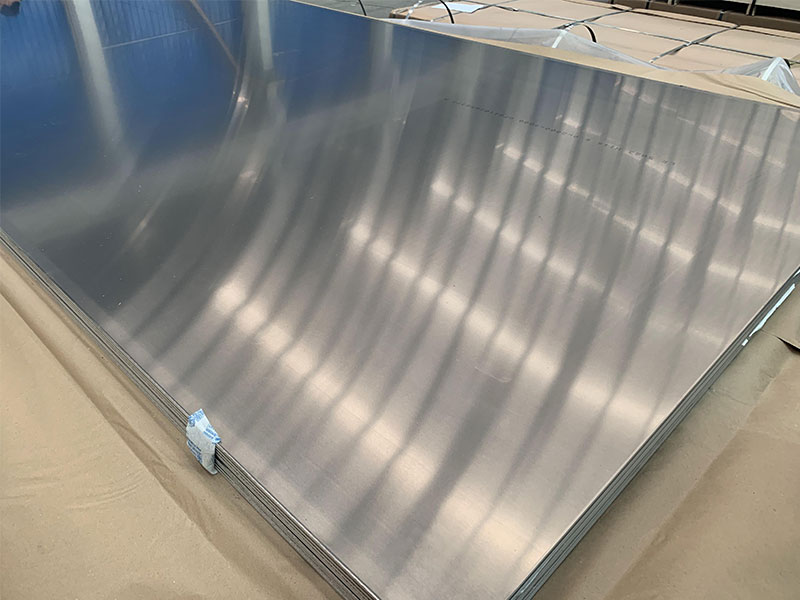
Marine 5052 aluminum sheet
Aluminum alloy 5052 is a non-heat-treatable, strain-hardened alloy with magnesium as the primary alloying element. It is designed to offer superior corrosion resistance in marine and saline environments, making it a dependable choice for components exposed directly to seawater or coastal atmospheric conditions.
View Details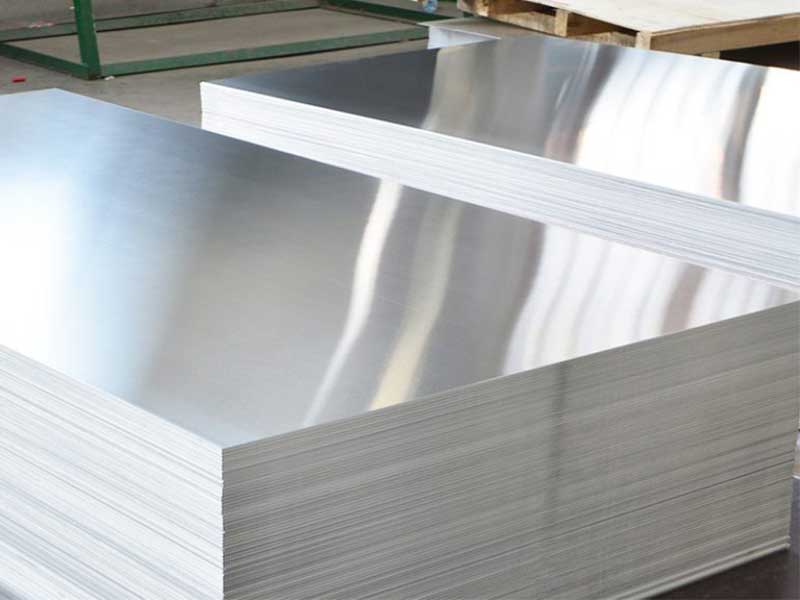
Marine anodized aluminum sheets
Marine Anodized Aluminum Sheets start with premium marine-grade aluminum alloys such as 5000 and 6000 series (typically 5083, 5052, and 6061).
View Details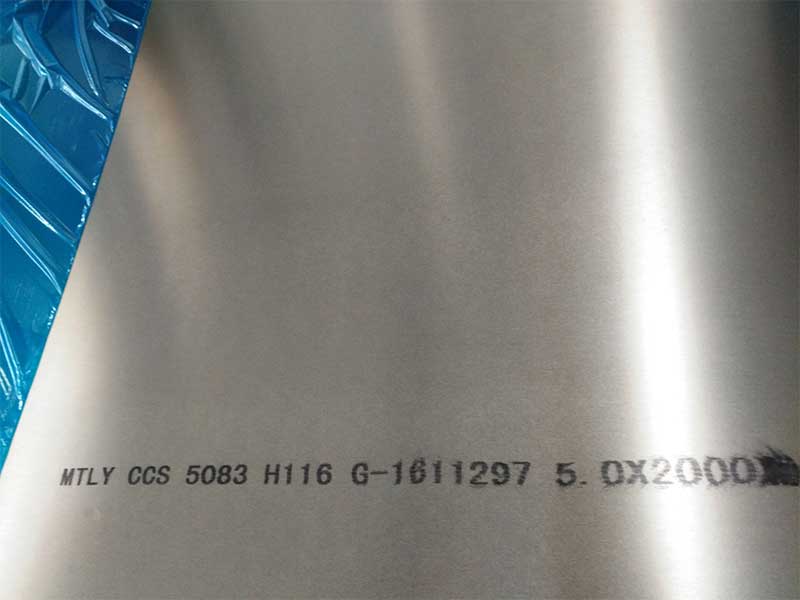
Marine 5083 aluminum sheet
Aluminum alloy 5083 is a non-heat-treatable alloy primarily composed of magnesium and trace elements that deliver outstanding protection against corrosion, particularly in seawater and saline atmospheres.
View DetailsRelated Blog
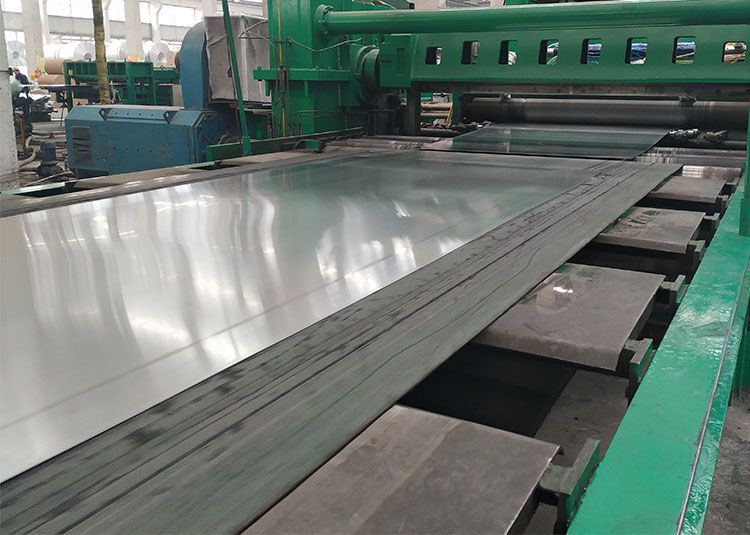
5754 Aluminum Sheet for Shipping Construction
5754 Aluminum Sheet for Shipping Construction: The "Quiet Workhorse" Behind Durable, Efficient VesselsIn modern shipping construction, the most valuable materials are not always the most famous-they're the ones that perform reliably under salt spray.
View Details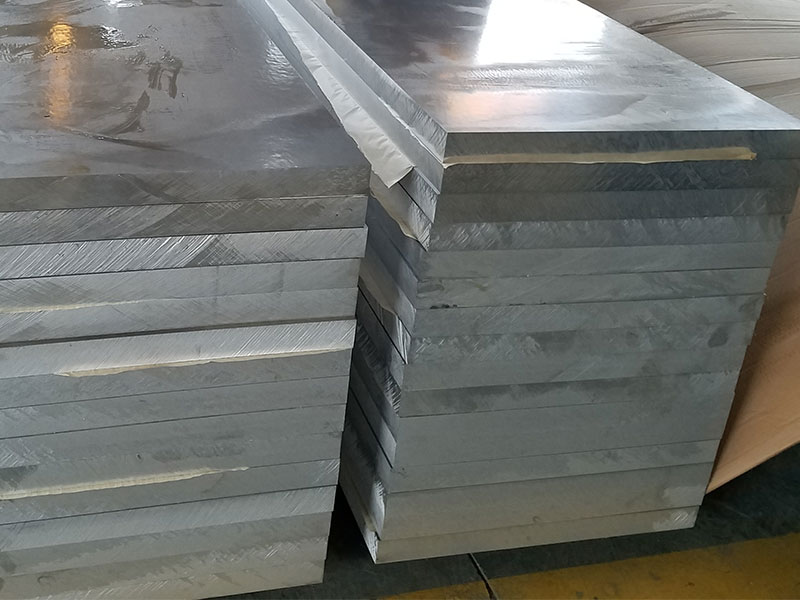
Marine grade 6063 5083 5052 H32 Aluminium Coil Roll
When engineers discuss marine aluminum coil roll, the conversation often starts with strength, corrosion resistance, or weldability. But the ocean does not read datasheets the way people do.
View Details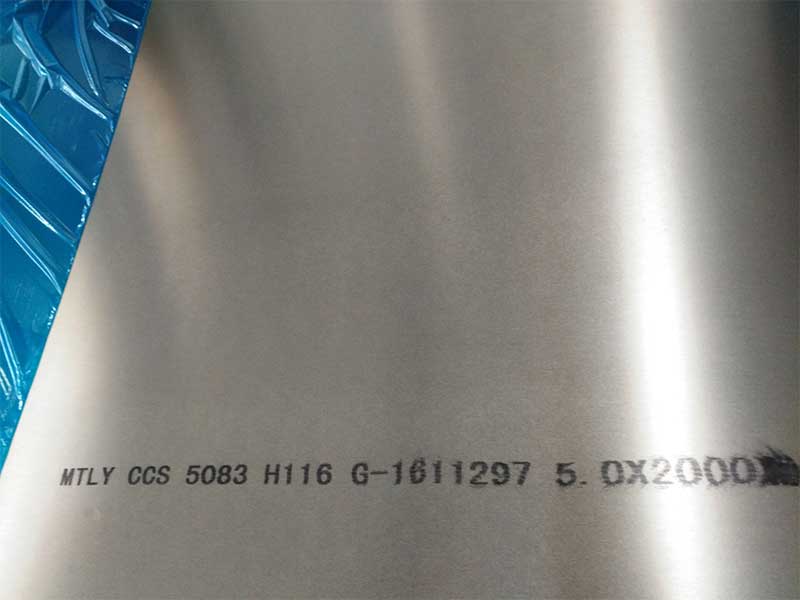
Aluminum sheet tai 6061 alloy metal rolls for boat
Aluminum has long been the favored material in maritime applications due to its unique combination of lightweight characteristics and exceptional resistance to corrosion.
View Details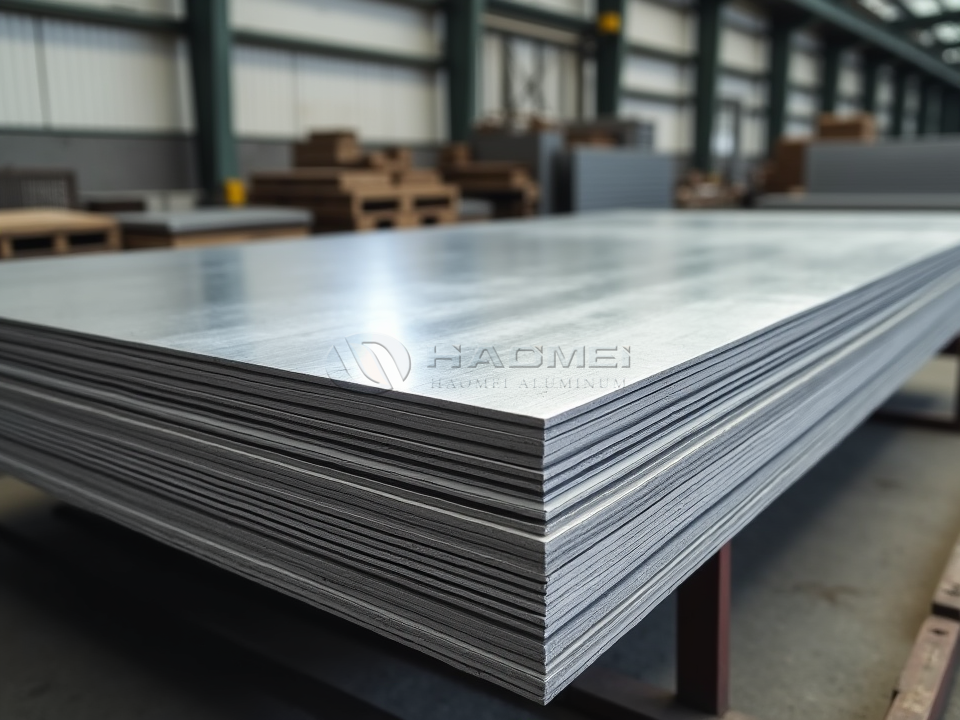
Marine Grade 5083 Aluminum Alloy Sheet Plate With Certificate
Learn how certified marine grade 5083 aluminum sheet plate delivers corrosion resistance, weldability, and dependable hull strength for vessels.
View Details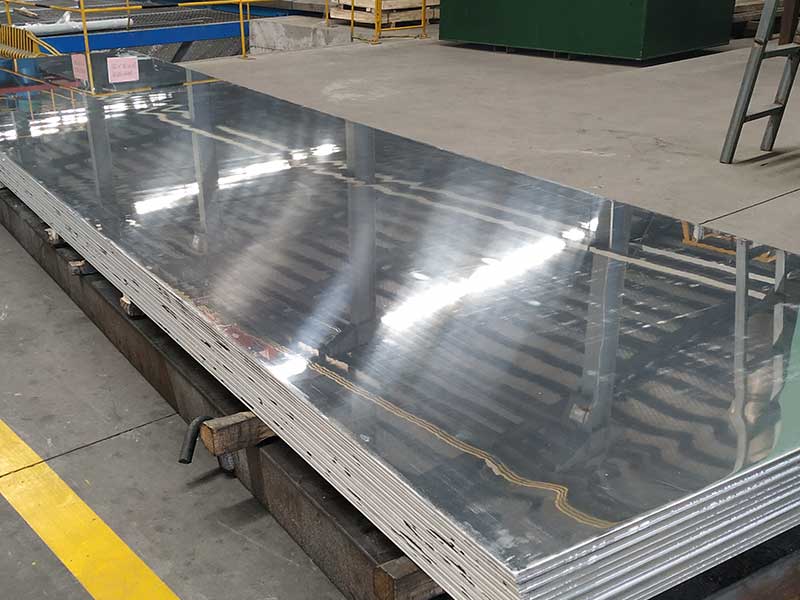
1mm to 8mm thick marine grade aluminum sheet 5083 h116
Marine environments punish materials in ways most industrial settings never will: salt spray, stagnant seawater, cyclic wet/dry exposure, and constant vibration.
View Details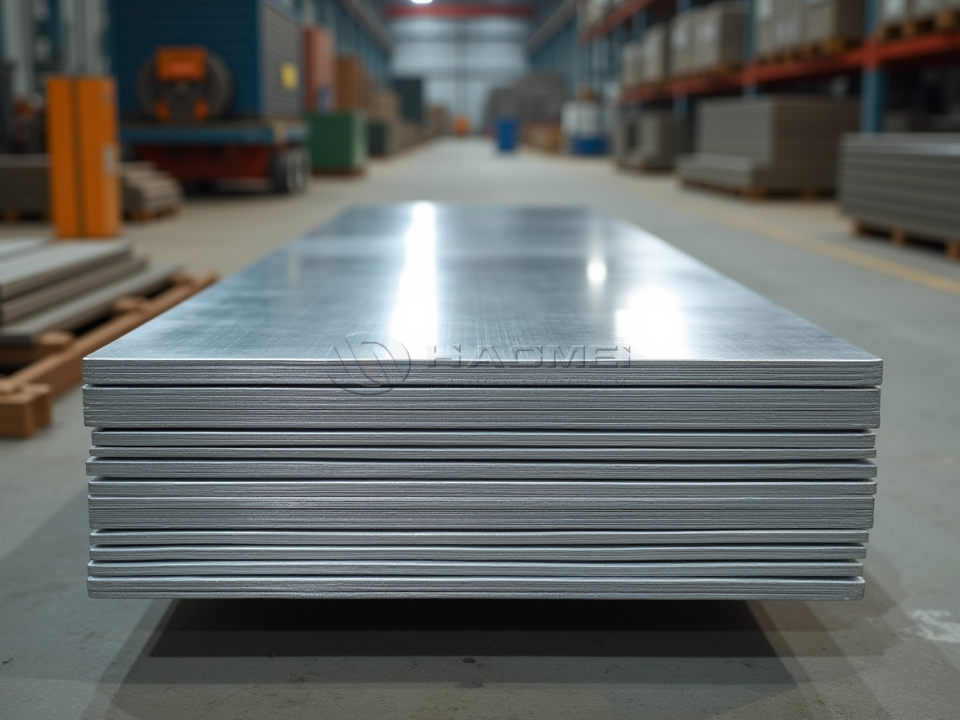
10mm Thickness Aluminum Plate for Boat
Explore 10mm marine aluminum plate for boats, covering 5083 and 5086 alloy data, tempers, standards, fabrication guidance, and demanding hull applications.
View Details
Leave a Message