
Aluminum Plate 5083 Marine Grade Hard Anodized
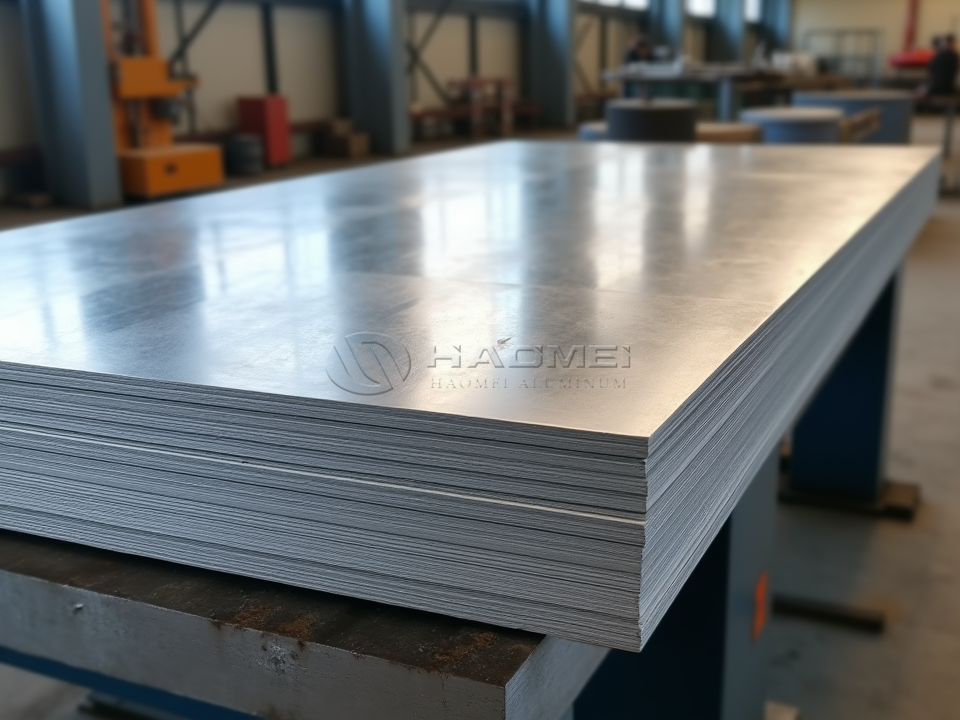
5083 marine grade hard anodized aluminum plate is a high-magnesium aluminum product developed for demanding marine, offshore, and transportation environments. It combines the proven saltwater resistance of 5083 alloy with a dense hard-anodized oxide layer that improves surface wear resistance, electrical insulation, and long-term appearance.
The base alloy is widely specified for welded hull structures, decks, bulkheads, superstructures, tanks, and marine equipment. Hard anodizing creates an integral ceramic-like aluminum oxide coating rather than an applied paint film. The coating is bonded to the substrate, helping the plate withstand abrasion, handling damage, moisture exposure, and repeated cleaning.
Product Advantages
- Excellent resistance to seawater, marine atmosphere, and industrial moisture
- High strength-to-weight ratio for lighter vessels and structural assemblies
- Hard anodized surface for improved scratch, abrasion, and wear resistance
- Good weldability using suitable 5xxx-series filler metals
- Non-magnetic material suited to navigation, defense, and sensitive equipment areas
- Strong resistance to general corrosion without relying on heavy protective coatings
- Available in marine tempers including H116 and H321 for enhanced exfoliation-corrosion performance
- Suitable for machined, fabricated, or cut-to-size marine components
Hard anodized 5083 plate is especially valuable where exposed aluminum surfaces receive frequent foot traffic, cargo contact, equipment movement, or washdown. Typical coating colors range from dark gray to bronze-gray. Color variation can occur because 5083 contains a high magnesium level; this natural variation does not normally reduce coating function.
Alloy Chemistry
5083 is an Al-Mg-Mn alloy. Magnesium provides strength and corrosion resistance, while manganese and chromium help control grain structure and improve durability in marine service.
| Element | Composition, % by Weight |
|---|---|
| Magnesium, Mg | 4.0-4.9 |
| Manganese, Mn | 0.40-1.00 |
| Chromium, Cr | 0.05-0.25 |
| Iron, Fe | 0.40 max |
| Silicon, Si | 0.40 max |
| Copper, Cu | 0.10 max |
| Zinc, Zn | 0.25 max |
| Titanium, Ti | 0.15 max |
| Other elements, each | 0.05 max |
| Other elements, total | 0.15 max |
| Aluminum, Al | Balance |
Chemical limits may be supplied in accordance with EN 573-3, ASTM B928, ASTM B209, or project-specific purchasing requirements.
Technical Specifications
| Item | Typical Supply Range |
|---|---|
| Alloy | AA 5083 / EN AW-5083 / AlMg4.5Mn0.7 |
| Product form | Plate, sheet, cut-to-size blanks |
| Common tempers | H116, H321, H111, H32, O |
| Thickness before anodizing | 2.0-100 mm, subject to mill capability |
| Common plate width | 1,000-2,500 mm |
| Common plate length | 2,000-12,000 mm |
| Hard anodized coating type | Type III or project-specified hard anodic coating |
| Typical coating thickness | 25-50 µm |
| Heavy-duty coating thickness | Up to 75 µm or as agreed |
| Surface appearance | Natural gray, dark gray, bronze-gray, or sealed finish |
| Density | Approximately 2.66 g/cm³ |
| Melting range | Approximately 574-638°C |
| Electrical conductivity | Approximately 29% IACS, base alloy |
| Standards commonly referenced | ASTM B928, ASTM B209, EN 485, EN 573, ISO 7599 |
Hard anodizing grows both into and outward from the aluminum surface. For close-fitting parts, allowance should be made for coating build-up during design. A coating of 50 µm can add approximately 25 µm above the original surface, depending on the process and coating-growth ratio.
Mechanical Properties of Marine Tempers
Mechanical values vary with plate thickness, manufacturing route, and applicable standard. The values shown are typical guidance for flat products and should be confirmed against the ordered specification.
| Temper | Typical Application | Tensile Strength, MPa | Yield Strength, MPa | Elongation, % |
|---|---|---|---|---|
| H116 | Hull plating, decks, offshore structures | 275-350 | 125-240 | 10-16 |
| H321 | Welded structures, high-corrosion exposure | 275-350 | 125-240 | 10-16 |
| H111 | Formed marine parts, general fabrication | 270-350 | 110-200 | 12-18 |
| O | Deep forming and shaped components | 270-350 | 125-145 | 16-22 |
H116 and H321 are preferred when the plate will remain in prolonged contact with seawater or humid salt-laden air. These tempers are processed to provide improved resistance to exfoliation corrosion compared with conventional strain-hardened conditions.
Hard Anodized Surface Performance
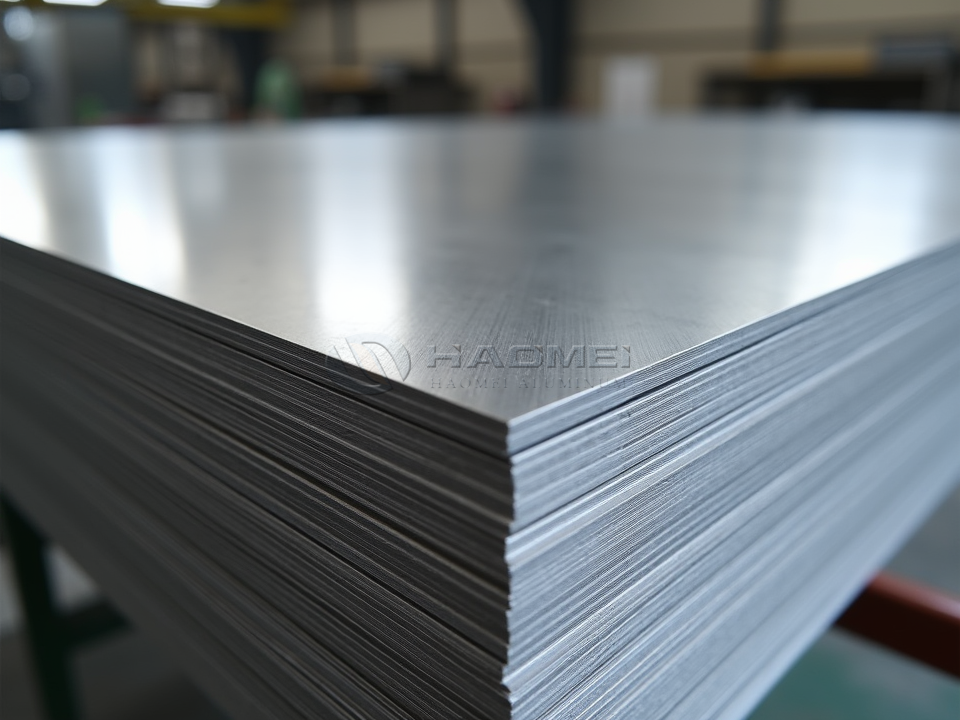
The hard anodic coating is formed by an electrochemical process that converts the outer aluminum surface into aluminum oxide. This oxide is much harder than untreated aluminum and provides a durable protective layer for exposed marine hardware.
| Property | Typical Hard-Anodized Performance |
|---|---|
| Coating hardness | Approximately 300-500 HV, process dependent |
| Coating thickness | Commonly 25-50 µm |
| Abrasion resistance | Significantly higher than mill-finish aluminum |
| Electrical insulation | High surface resistivity after anodizing and sealing |
| Adhesion | Integral conversion layer, not a separate paint film |
| Corrosion behavior | Supports the natural marine corrosion resistance of 5083 |
| Temperature suitability | Coating remains stable in normal marine operating conditions |
Hard anodizing should be performed after cutting, drilling, machining, and welding whenever possible. Welding disrupts the anodic layer near the weld and introduces a heat-affected zone that generally requires local cleaning, coating repair, or an alternative corrosion-protection plan.
Marine and Industrial Applications
5083 hard anodized plate is selected for structures where low weight, seawater durability, and a robust surface are all important.
| Application Area | Typical Components |
|---|---|
| Boatbuilding | Deck panels, consoles, hatch covers, walkways, interior structure |
| Commercial vessels | Workboat fittings, wheelhouse parts, gangways, service platforms |
| Offshore equipment | Access panels, protective covers, skids, equipment housings |
| Port and dock systems | Boarding ramps, platforms, service enclosures, marine access structures |
| Naval and defense equipment | Non-magnetic panels, protected housings, lightweight assemblies |
| Refrigerated transport | Corrosion-resistant wall panels, floors, protective linings |
| Industrial machinery | Wear-resistant guards, machine covers, wet-process equipment |
For standard uncoated stock and alternate marine tempers, Marine 5083 aluminum sheet can be selected where fabrication, welding, or later finishing is required.
Fabrication Guidance
5083 aluminum plate has excellent fabrication characteristics, but hard anodized surfaces need careful handling. Use padded lifting equipment, clean worktables, and non-contaminating tools to prevent scratches and embedded steel particles. Cutting and drilling are practical with conventional aluminum machining methods, provided sharp tooling and suitable coolant are used.
Avoid prolonged contact with carbon steel, copper alloys, or stainless-steel fasteners without suitable isolation. In wet marine conditions, dissimilar-metal contact can create galvanic corrosion. Non-conductive washers, sealants, gaskets, or compatible protective coatings help separate materials and extend service life.
For cosmetic exposed panels, confirm the desired anodized color range through a production sample. High-magnesium marine alloys may show tonal differences between batches, plate faces, and welded areas. Functional hardcoat quality should be evaluated by thickness, adhesion, sealing requirement, and corrosion-test criteria rather than color alone.
Ordering Information
Specify alloy, temper, thickness, width, length, coating thickness, surface finish, and inspection requirements when ordering. Marine projects may also require mill test certificates, chemical analysis, mechanical test results, ultrasonic testing, flatness tolerance, edge condition, protective interleaving, and seawater-corrosion documentation.
5083 marine grade hard anodized aluminum plate delivers an effective balance of structural strength, low mass, seawater resistance, and surface durability. It is a practical choice for vessel builders and marine equipment manufacturers seeking long-lasting aluminum components in harsh saltwater environments.

Related Products
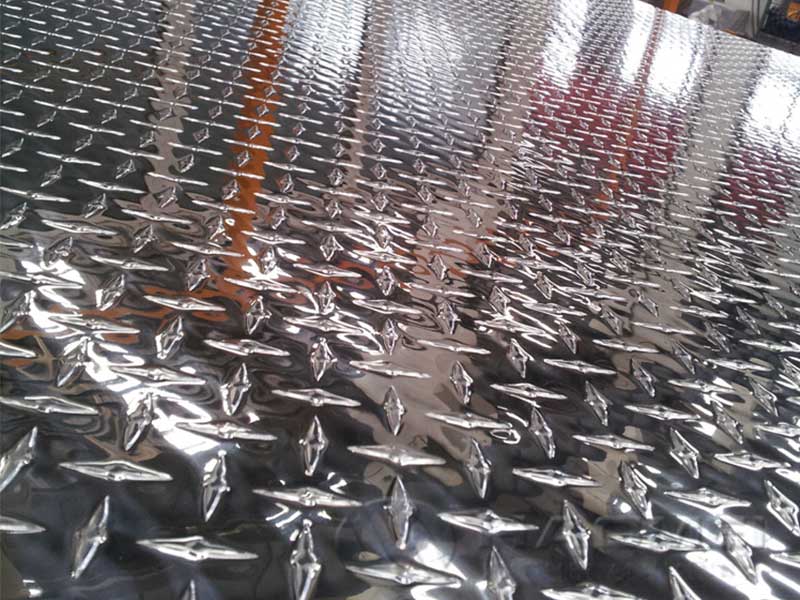
Marine Aluminum Tread Sheets
Marine Aluminum Tread Sheets are aluminum alloy plates featuring a raised surface pattern, commonly referred to as a tread design or diamond plate.
View Details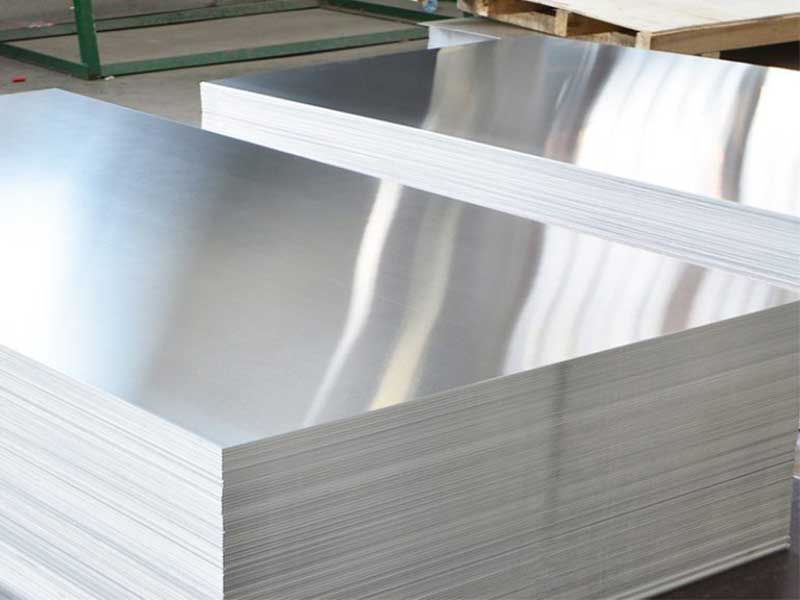
Marine anodized aluminum sheets
Marine Anodized Aluminum Sheets start with premium marine-grade aluminum alloys such as 5000 and 6000 series (typically 5083, 5052, and 6061).
View Details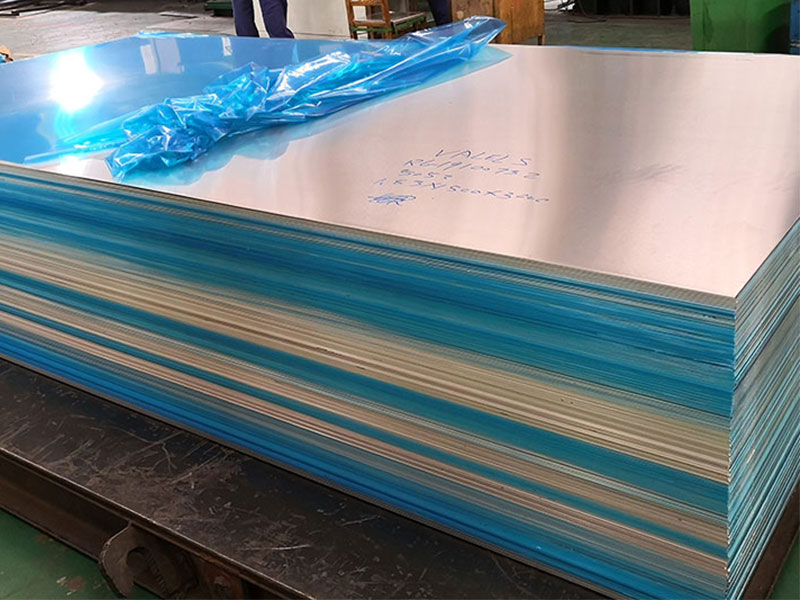
Marine 5059 aluminum sheet
5059 aluminum alloy is a strain-hardened material with a unique addition of magnesium and chromium, which provides outstanding resistance to localized corrosion like pitting and stress corrosion cracking.
View Details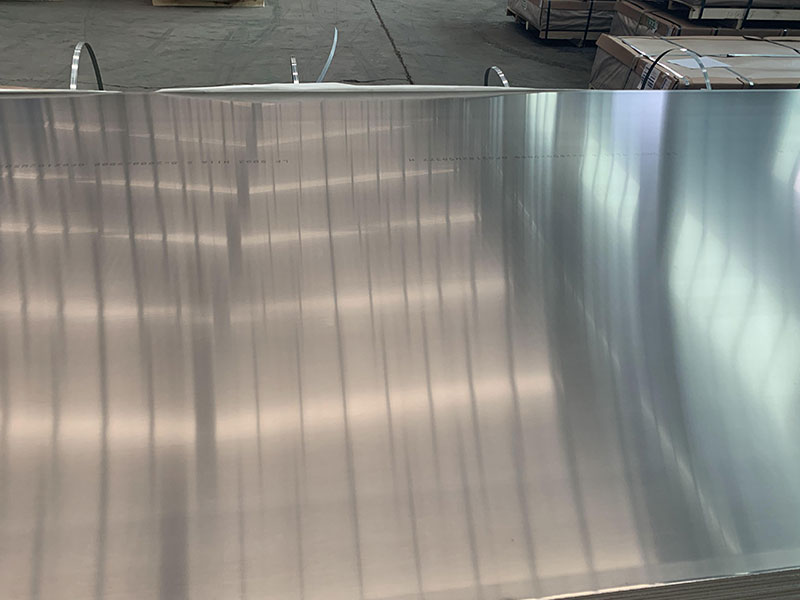
Marine 5383 aluminum sheet
5383 aluminum is a strain-hardened, non-heat-treatable alloy from the 5xxx series primarily alloyed with magnesium. It exhibits a unique balance of corrosion resistance and mechanical properties particularly suited for marine applications.
View Details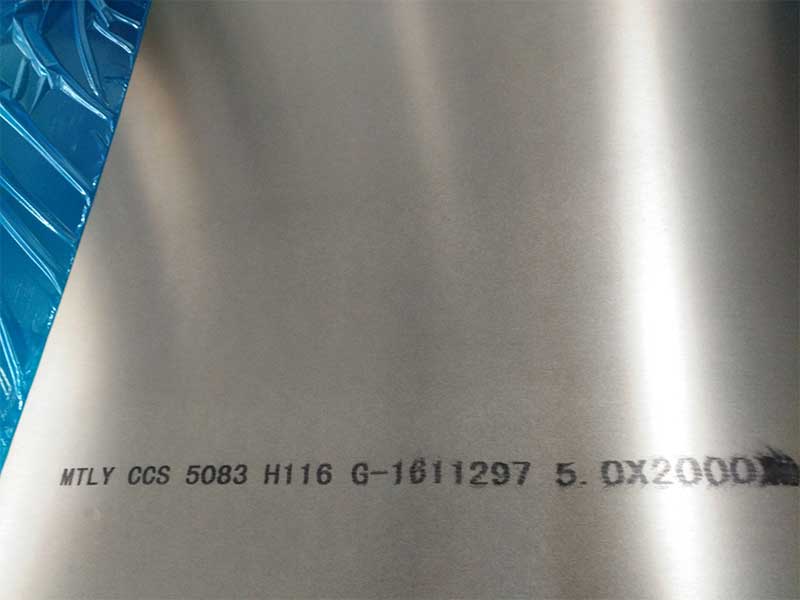
Marine 5083 aluminum sheet
Aluminum alloy 5083 is a non-heat-treatable alloy primarily composed of magnesium and trace elements that deliver outstanding protection against corrosion, particularly in seawater and saline atmospheres.
View Details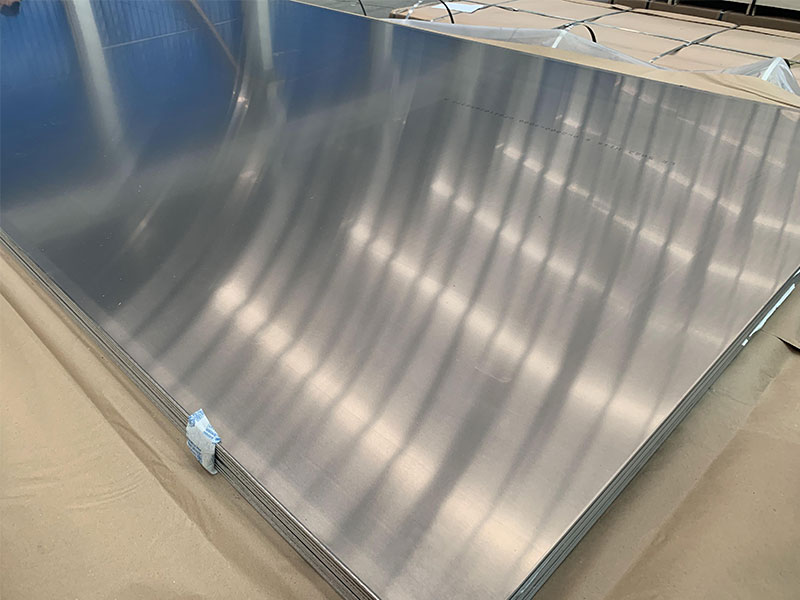
Marine 5052 aluminum sheet
Aluminum alloy 5052 is a non-heat-treatable, strain-hardened alloy with magnesium as the primary alloying element. It is designed to offer superior corrosion resistance in marine and saline environments, making it a dependable choice for components exposed directly to seawater or coastal atmospheric conditions.
View DetailsRelated Blog
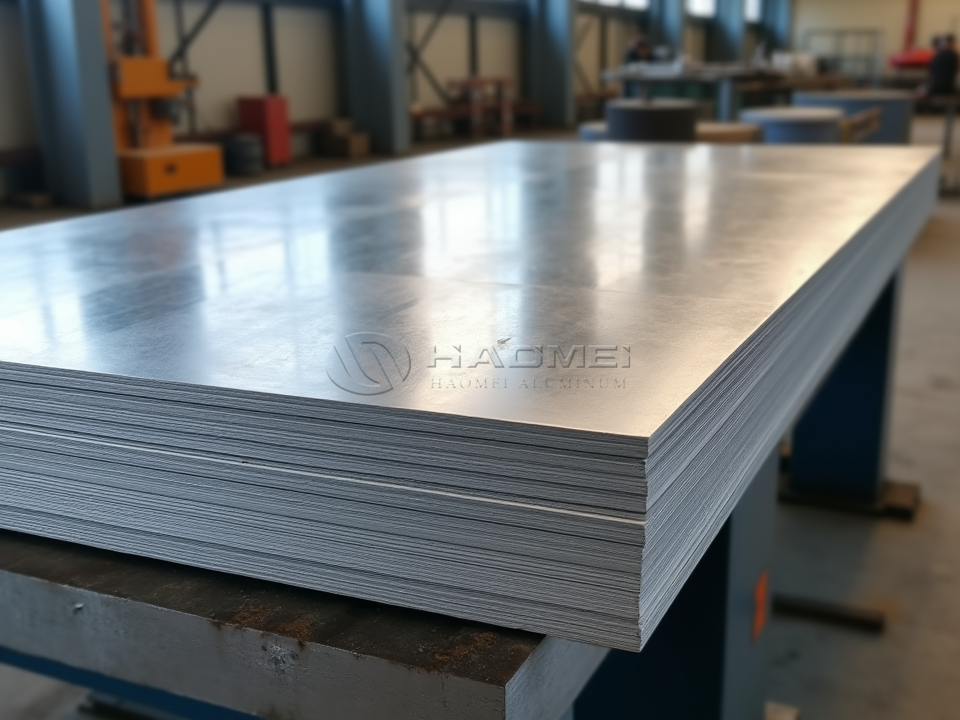
Alloy Aluminium Checkered Plate For Marine
A practical guide to marine alloy aluminium checkered plate, covering alloys, tread patterns, corrosion resistance, specifications, and uses.
View Details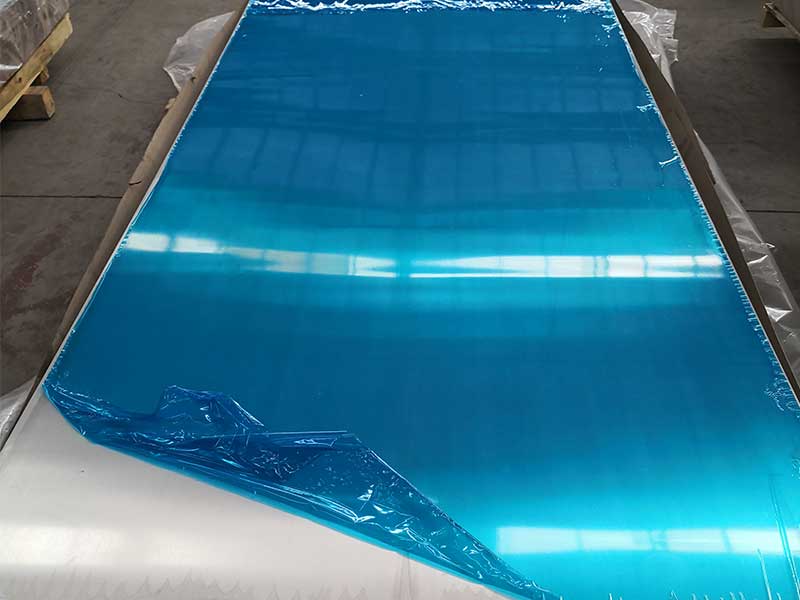
Aluminum Sheets 5052 H32 Ship Building
Aluminum Sheets 5052 H32 are widely used in shipbuilding because they combine excellent corrosion resistance, good strength, light weight, and reliable weldability.
View Details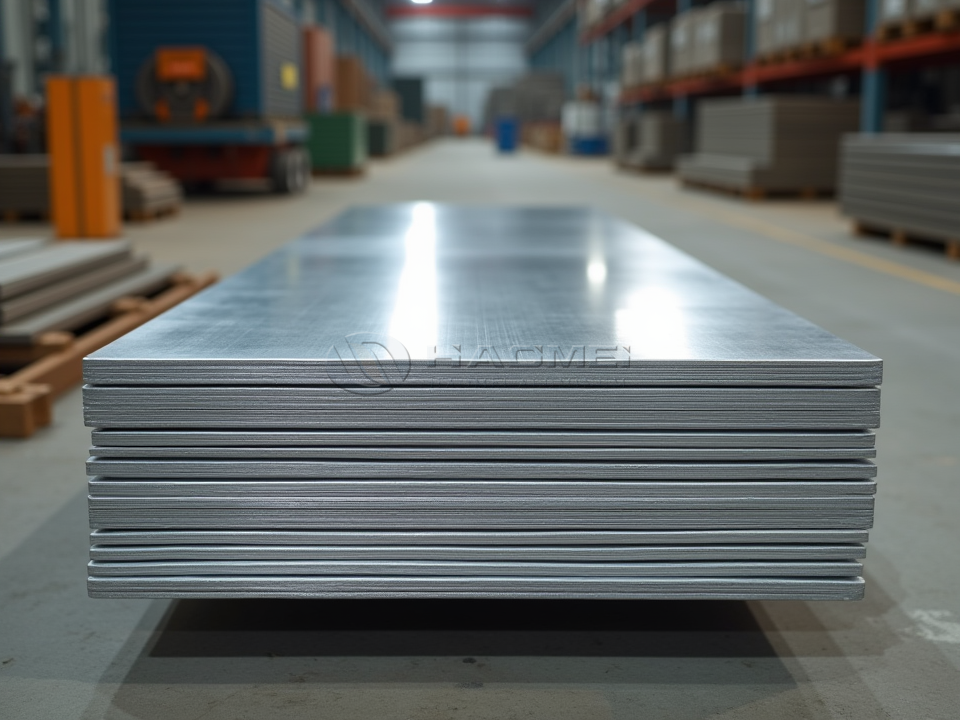
Aluminum Sheet for Boat H116 H321 Marine Aluminum Sheet 5083
5083 H116 and H321 marine aluminum sheet delivers saltwater corrosion resistance, weldable strength, and dependable hull performance for demanding boat construction projects.
View Details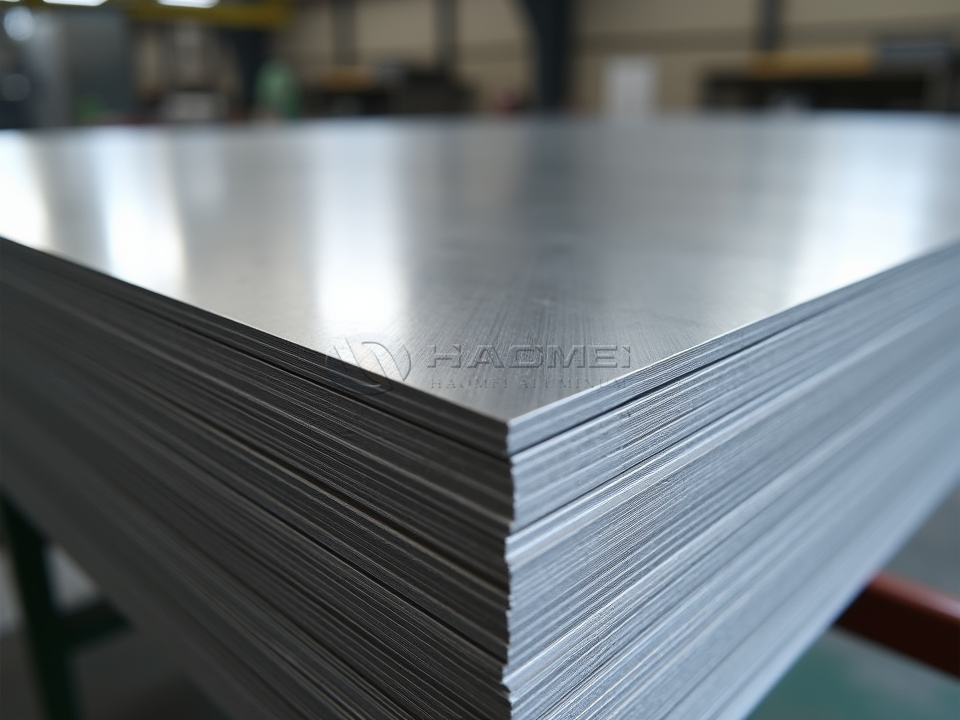
5083 Marine Anodized Aluminum Sheets
5083 marine anodized aluminum sheets combine seawater corrosion resistance, weldability, and durable anodized protection for hulls, decks, and fittings.
View Details
ASTM B209 aluminum sheet 5083 for ship
ASTM B209 Aluminum Sheet 5083 for Shipbuilding: A Functional View from the Waterline Up When ship designers choose materials, they are not just selecting metal; they are choosing how a vessel behaves at sea over decades.
View Details
Marine Aluminum Plate
Marine aluminum plate delivers corrosion resistance, weldability, and lightweight strength for boat hulls, decks, offshore structures, and marine equipment.
View Details
Leave a Message