
Marine Grade Aluminum 5052 5083 6063 H111 H22 H32 H36 Plate
Marine Grade Aluminum 5052 5083 6063 H111 H22 H32 H36 Plate is designed for boats, ship components, coastal structures, and offshore equipment that must stay strong in saltwater while remaining easy to cut, bend, weld, and install. These alloys give builders a practical balance of corrosion resistance, weight reduction, fabrication performance, and long service life.
In marine production, material choice is not only about strength. A plate must resist pitting, stress corrosion, vibration fatigue, and repeated wet-dry exposure. 5052, 5083, and 6063 each serve a different role, allowing yards and fabricators to select the right grade for hull panels, deck plates, cabins, railing systems, fuel tanks, and outfitting parts.
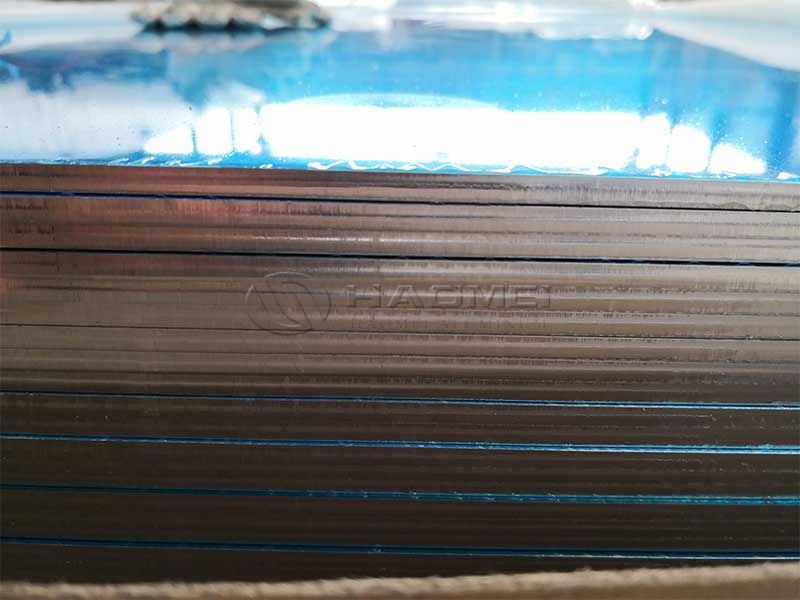
Alloy Characteristics for Marine Service
5052 is a trusted aluminum-magnesium alloy for general marine sheet and plate work. It offers very good corrosion resistance, smooth forming behavior, and reliable weldability. It is often selected for small boats, decks, covers, tanks, cabinets, and interior marine panels. For customers comparing sheet products, Marine 5052 aluminum sheet is especially popular where bending, shaping, and clean surface finish are important.
5083 is the higher-strength marine alloy in this group. With more magnesium than 5052 and excellent seawater resistance, it is widely used in hull structures, workboats, ferries, patrol boats, LNG ship components, and offshore platforms. It performs well after welding, making it suitable for large welded structures where joint strength matters. Customers building demanding hull sections often specify Marine 5083 aluminum sheet for its strength-to-weight ratio and durability in harsh waters.
6063 is commonly known for architectural and extrusion applications, but it also has value in marine fittings, trim, frames, rails, hatch parts, decorative structures, and non-critical plate or profile components. It has a fine surface finish and good anodizing response. Since 6063 is a heat-treatable alloy, T5 or T6 tempers are more common than H tempers. When 6063 is requested together with H111, H22, H32, or H36 wording, the final order should confirm the agreed temper standard, mechanical target, and intended use.
Temper Selection: H111, H22, H32, and H36
Marine aluminum plate temper affects formability, hardness, strength, and stability. H111 is suited to parts requiring forming and welding. H22 and H32 provide moderate strength with controlled work hardening, while H36 gives higher hardness and strength for flatter panels or parts with less severe bending.
| Temper | General Meaning | Main Advantage | Typical Marine Use |
|---|---|---|---|
| H111 | Slightly strain hardened after annealing | Excellent forming and welding response | Hull sections, curved plates, welded assemblies |
| H22 | Strain hardened and partially annealed | Balanced strength and ductility | Deck panels, cabin parts, covers, tanks |
| H32 | Strain hardened and stabilized | Stable strength with good corrosion behavior | Boat panels, fuel tanks, marine sheet structures |
| H36 | Higher strain-hardened condition | Stronger, harder surface | Flat panels, stiff covers, protective structures |
For 5xxx marine alloys, H111 and H32 are especially common because they combine weldability, corrosion resistance, and dependable fabrication. H36 is chosen when additional rigidity is needed, but bend radius and forming direction should be checked before production.
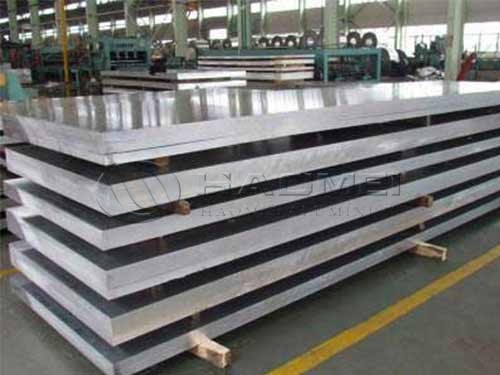
Chemical Composition Reference
The marine performance of these alloys comes largely from magnesium, manganese, silicon, and chromium control. The table gives typical composition ranges for reference. Final values should follow the purchase standard, such as ASTM, EN, GB, or customer specification.
| Alloy | Si | Fe | Cu | Mn | Mg | Cr | Zn | Ti | Al |
|---|---|---|---|---|---|---|---|---|---|
| 5052 | 0.25 max | 0.40 max | 0.10 max | 0.10 max | 2.2-2.8 | 0.15-0.35 | 0.10 max | - | Balance |
| 5083 | 0.40 max | 0.40 max | 0.10 max | 0.40-1.0 | 4.0-4.9 | 0.05-0.25 | 0.25 max | 0.15 max | Balance |
| 6063 | 0.20-0.60 | 0.35 max | 0.10 max | 0.10 max | 0.45-0.90 | 0.10 max | 0.10 max | 0.10 max | Balance |
5052 and 5083 belong to the 5xxx aluminum-magnesium family, which is widely recognized for natural resistance to seawater corrosion. 6063 belongs to the 6xxx aluminum-magnesium-silicon family and is valued for surface appearance, extrusion quality, and anodizing performance.
Typical Mechanical Performance
Mechanical properties vary with thickness, temper, production method, and standard. The following values are general reference ranges used for material discussion and early project selection.
| Alloy and Temper | Tensile Strength | Yield Strength | Elongation | Fabrication Character |
|---|---|---|---|---|
| 5052 H32 | 210-260 MPa | 160-215 MPa | 8-12 percent | Good forming, excellent welding |
| 5052 H36 | 240-290 MPa | 200-250 MPa | 4-8 percent | Higher hardness, moderate forming |
| 5083 H111 | 275-350 MPa | 125-200 MPa | 12-18 percent | Strong welded marine plate |
| 5083 H32 | 305-380 MPa | 215-280 MPa | 8-12 percent | High strength and stable service |
| 6063 plate or profile | Depends on temper | Depends on temper | Depends on temper | Excellent surface and anodizing response |
In welded structures, 5083 is often preferred where strength retention around the weld zone is important. 5052 is easier to form and is suitable for lighter-duty structures. 6063 is chosen where shape, finish, and corrosion resistance matter more than heavy structural loading.
Product Forms and Processing Options
Marine grade aluminum plate can be supplied as flat plate, cut-to-size sheet, coil-derived sheet, or processed blanks. Common operations include shearing, sawing, CNC cutting, bending, drilling, polishing, film protection, and packaging for export. Surface finishes may include mill finish, brushed finish, anodized finish, or coated finish, depending on the end use.
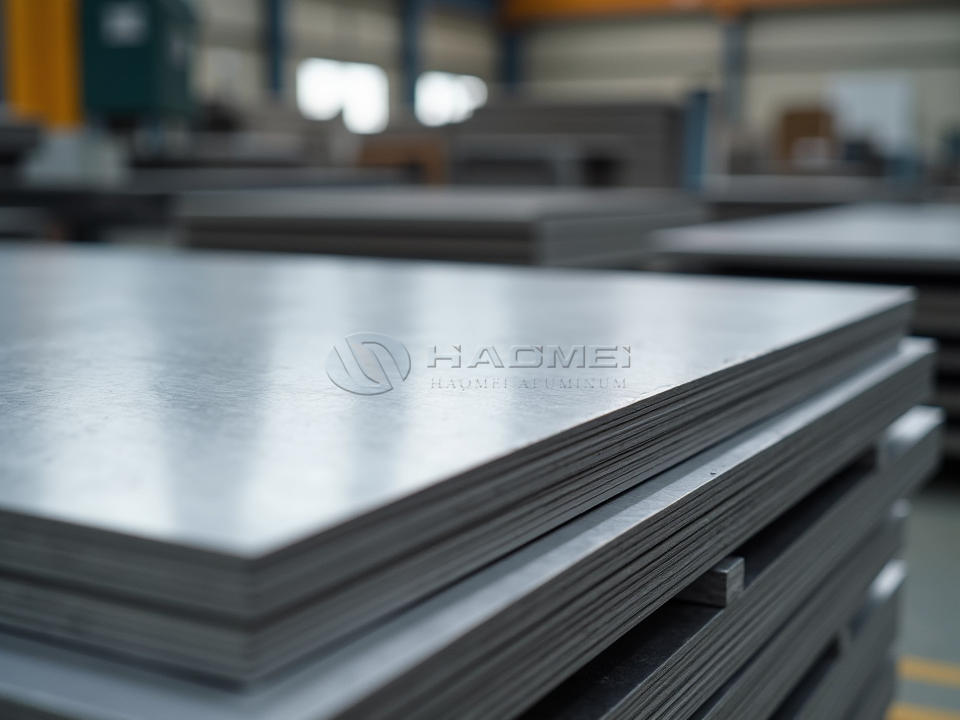
Typical thickness ranges include light sheet for cabins and covers, medium plate for decks and tanks, and heavy plate for hull structures or offshore modules. Width and length can be matched to nesting plans to reduce scrap during cutting. For shipyards, stable flatness and clean edges help improve welding alignment and shorten assembly time.
Applications Across Boats and Marine Equipment
Marine Grade Aluminum 5052 5083 6063 H111 H22 H32 H36 Plate is widely used in fishing boats, yachts, patrol boats, passenger vessels, landing craft, floating docks, and offshore service platforms. 5083 H111 or H32 is frequently selected for hull plating, bulkheads, ribs, transoms, and structural decks. Its combination of strength and corrosion resistance supports long service in rough sea conditions.
5052 H32 and H36 are common for fuel tanks, water tanks, battery boxes, flooring panels, engine room covers, cabin walls, hatch covers, and equipment housings. The alloy is easy to bend and weld, helping fabricators build clean parts with lower tooling difficulty.
6063 is useful for marine window frames, handrails, ladder parts, decorative trims, equipment frames, canopy structures, and anodized accessories. Its smooth surface can be finished attractively, making it suitable for visible components on yachts and passenger vessels.
Why Customers Choose These Marine Aluminum Plates
These plates reduce vessel weight compared with steel, improving fuel efficiency, payload capacity, and handling. They do not require heavy protective coating systems in many applications, which lowers maintenance work over the service cycle. Their welding performance supports efficient fabrication, while their corrosion resistance helps preserve strength and appearance in coastal environments.
For purchasing, the most important details to confirm are alloy, temper, thickness, width, length, surface finish, tolerance, testing requirement, and certification. For structural shipbuilding use, customers may also request class approval, ultrasonic testing, mechanical test reports, and traceable mill certificates.
Marine Grade Aluminum 5052 5083 6063 H111 H22 H32 H36 Plate gives designers and builders a flexible material family for both structural and outfitting work. With the right alloy and temper pairing, it can deliver dependable performance from lightweight boat panels to demanding offshore components.

Related Products
Marine 5052 aluminum sheet
Aluminum alloy 5052 is a non-heat-treatable, strain-hardened alloy with magnesium as the primary alloying element. It is designed to offer superior corrosion resistance in marine and saline environments, making it a dependable choice for components exposed directly to seawater or coastal atmospheric conditions.
View Details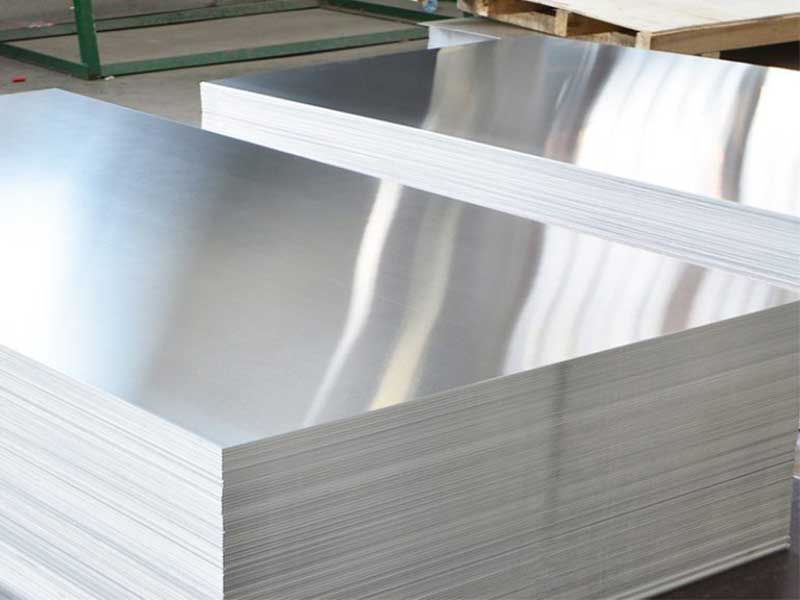
Marine anodized aluminum sheets
Marine Anodized Aluminum Sheets start with premium marine-grade aluminum alloys such as 5000 and 6000 series (typically 5083, 5052, and 6061).
View Details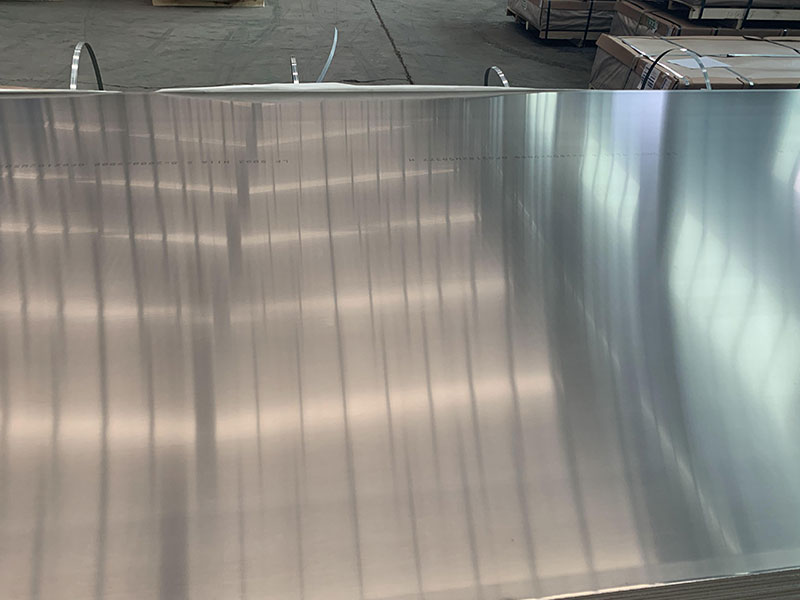
Marine 5383 aluminum sheet
5383 aluminum is a strain-hardened, non-heat-treatable alloy from the 5xxx series primarily alloyed with magnesium. It exhibits a unique balance of corrosion resistance and mechanical properties particularly suited for marine applications.
View Details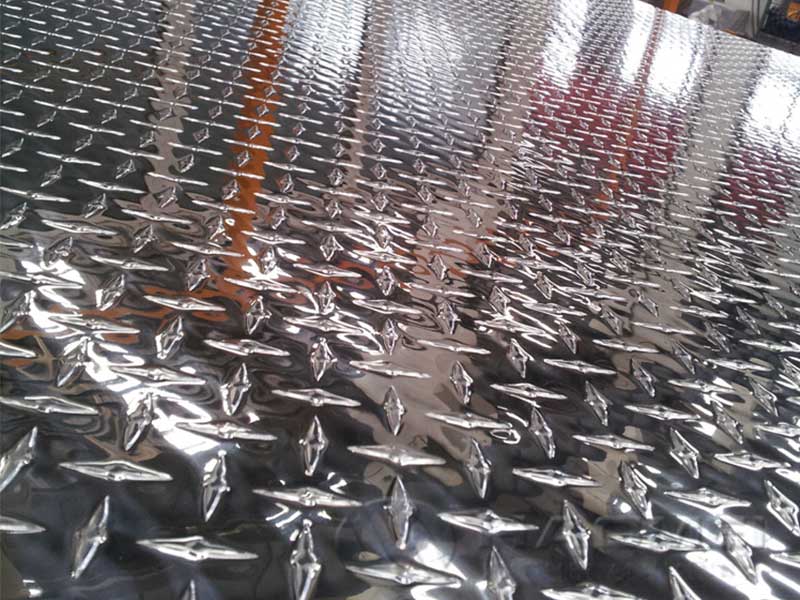
Marine Aluminum Tread Sheets
Marine Aluminum Tread Sheets are aluminum alloy plates featuring a raised surface pattern, commonly referred to as a tread design or diamond plate.
View Details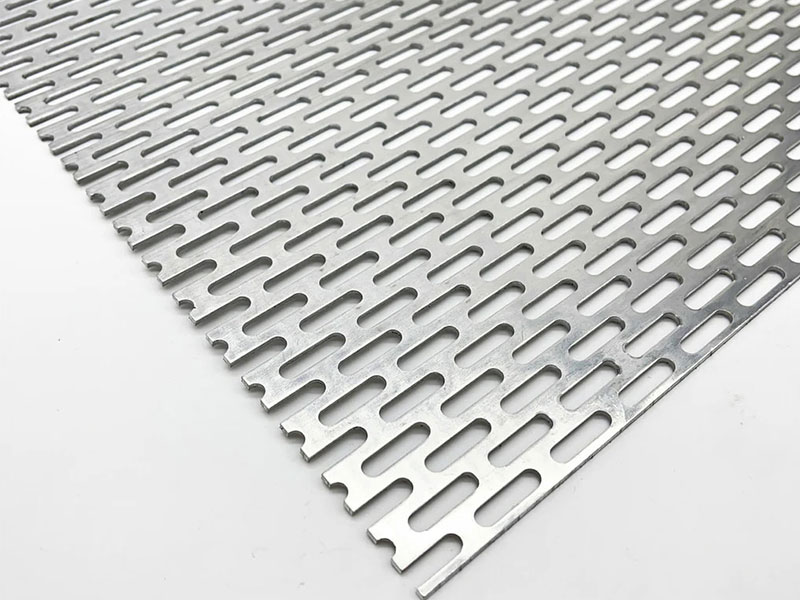
Marine perforated aluminum sheets
Marine Perforated Aluminum Sheets feature a series of uniform holes or shapes punched through the aluminum surface. These perforations can vary in size, pattern, and open area to tailor the sheets for specific applications.
View Details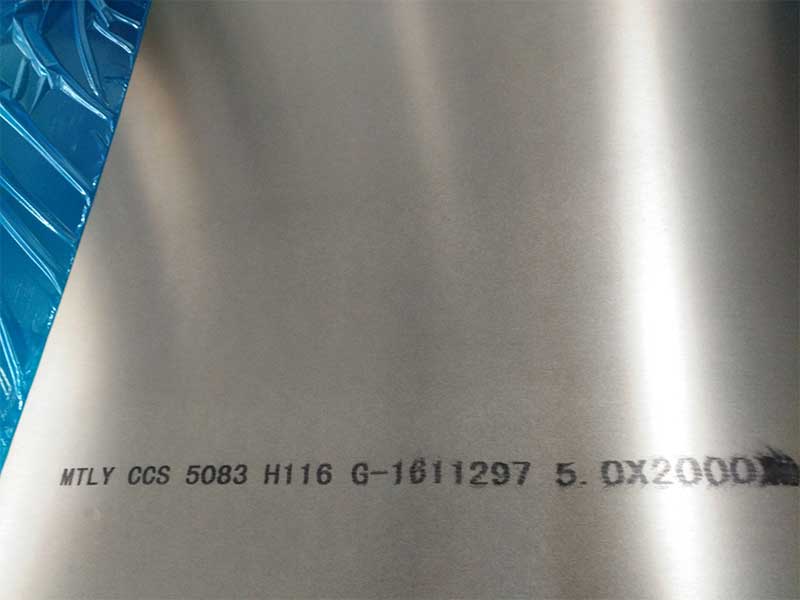
Marine 5083 aluminum sheet
Aluminum alloy 5083 is a non-heat-treatable alloy primarily composed of magnesium and trace elements that deliver outstanding protection against corrosion, particularly in seawater and saline atmospheres.
View DetailsRelated Blog
Aluminium sheet 8mm alloy 5052 h112 for boat
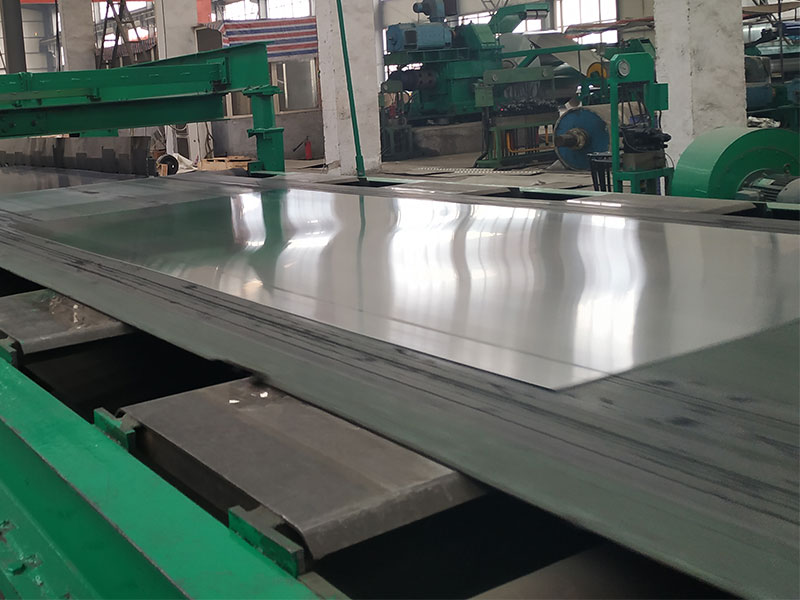
When selecting materials for marine applications, especially in boat building, the balance between strength, corrosion resistance, and workability is crucial. Aluminium sheet 8mm thick made from alloy 5052 in temper H112 epitomizes this balance.
View Details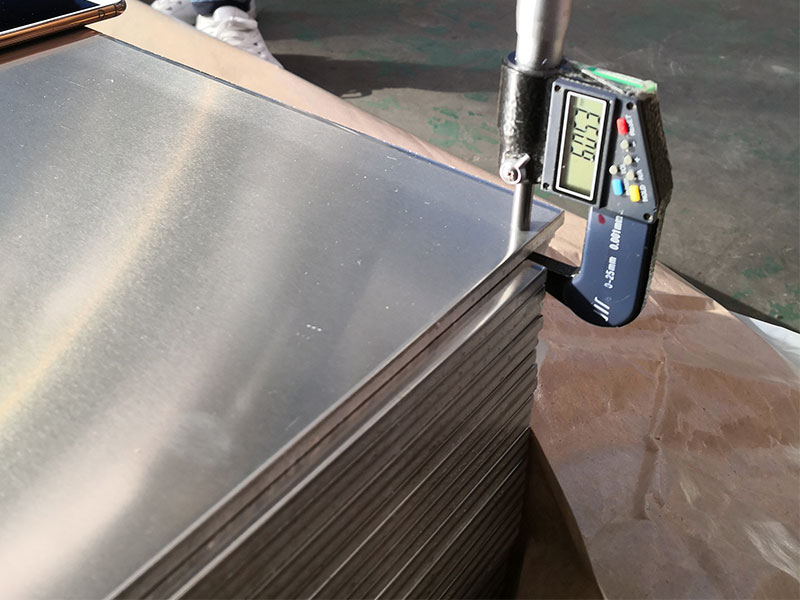
5052 5083 marine grade aluminium sheet for boat
Marine grade aluminium alloys 5052 and 5083 are among the most widely used non-heat-treatable alloys for shipbuilding, small vessels, and marine components. They combine good corrosion resistance in seawater, excellent weldability and formability.
View Details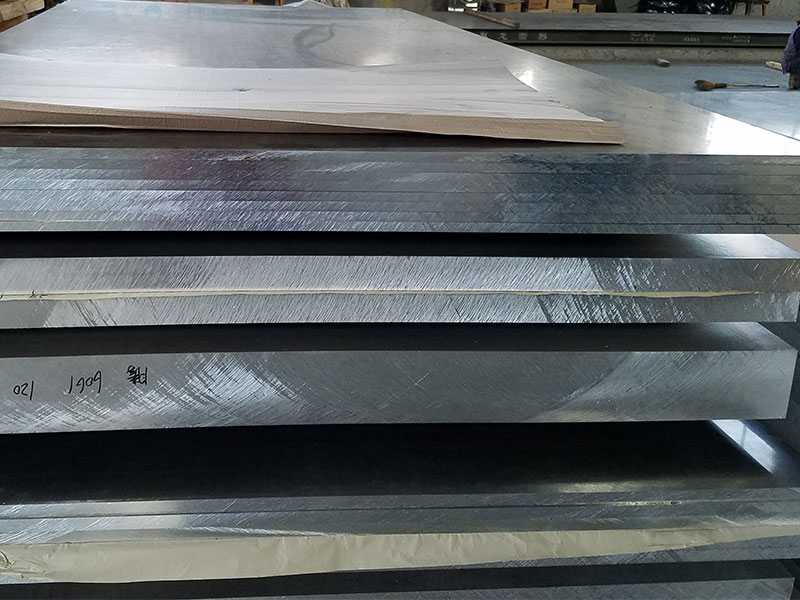
Anti-Corrosion Anodizing 5083 Alloy Aluminum Coil for Electric Boat Construction
Electric boats operate in one of the most demanding corrosion environments on earth: a wet, oxygen-rich, salt-contaminated atmosphere with constant abrasion, vibration, and stray electrical currents.
View Details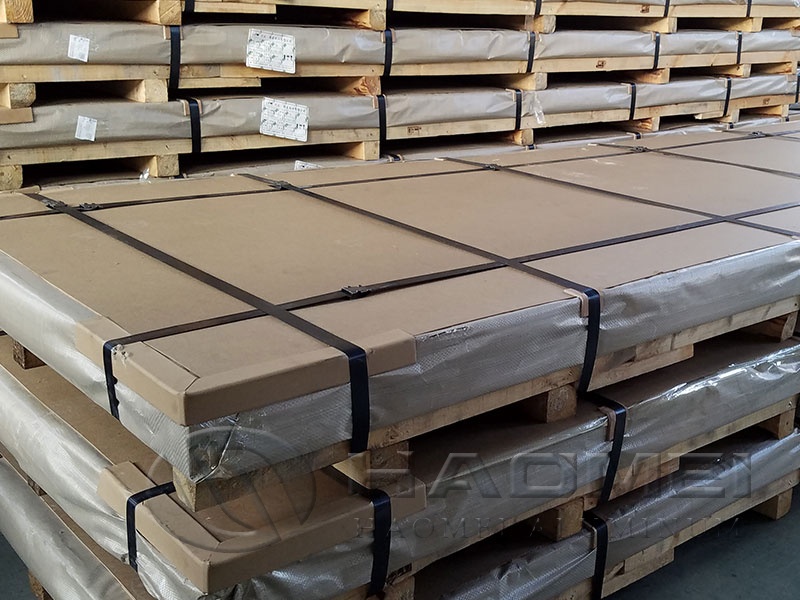
Marine 6061 Aluminum Bar
Marine 6061 aluminum bar offers high strength, excellent machinability, and reliable corrosion resistance for brackets, frames, fittings, and marine hardware.
View Details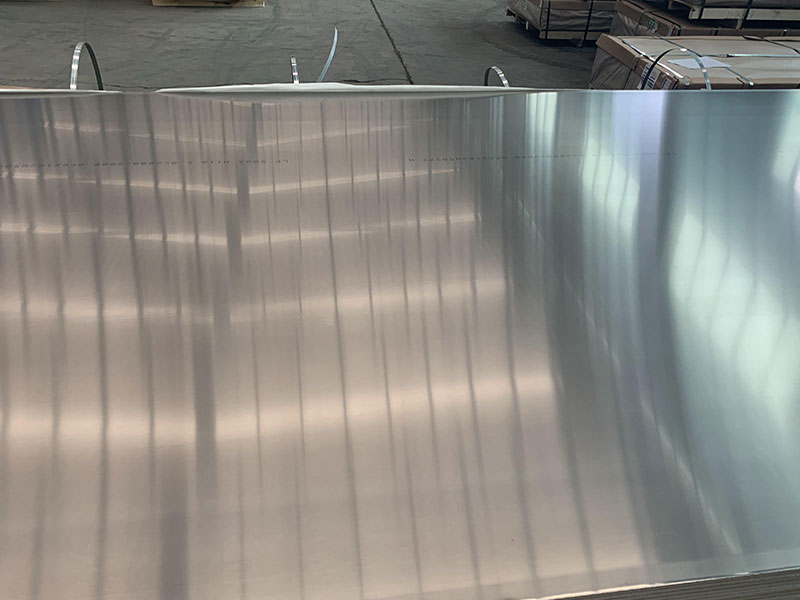
Mill Finish Aluminium Sheet for Ship building
When it comes to shipbuilding, choosing the right materials is pivotal for ensuring both durability and optimal performance. Among various options, mill finish aluminium sheet stands out as a superior choice.
View Details
Marine Uses 5083 Aluminum Sheet for Boat
When the sapphire waves beckon—whether for pleasure, transport, or industry—choosing the right materials for constructing boats and marine vessels becomes pivotal.
View Details
Leave a Message