
Marine Grade Aluminum Round Tubing
Marine grade aluminum round tubing is often chosen for the parts of a boat that must be light enough to improve handling but tough enough to face salt spray, vibration, impact, and years of outdoor exposure. It is used in railings, T-tops, bimini frames, handrails, wake towers, boarding ladders, fishing accessories, davits, consoles, and lightweight structural frames.
The most important idea is that marine performance does not come from aluminum alone. It comes from the relationship between alloy chemistry, temper, tube geometry, fabrication method, finishing, and installation details. A strong tube can still corrode early if it is clamped against stainless steel without insulation, exposed to stagnant seawater, or welded with an unsuitable filler.
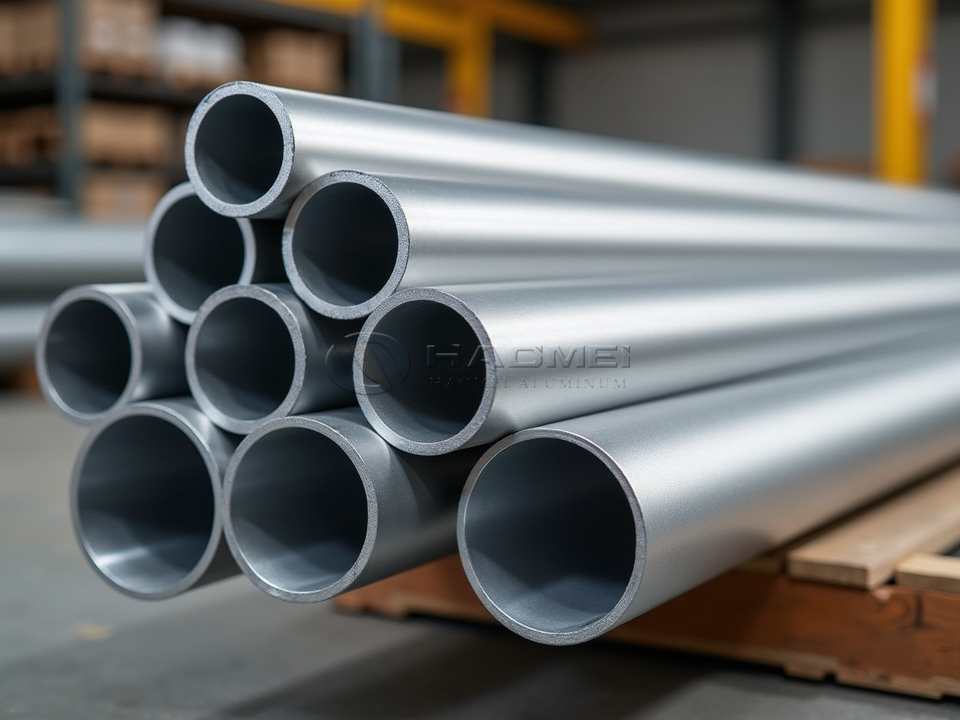
Round tubing is a practical structural shape
A round tube distributes loads evenly around its circumference. This makes it especially effective for bending loads from handrails, overhead frames, and support legs. Compared with a solid bar of the same outside diameter, tubing delivers substantial weight savings while retaining useful stiffness. The hollow center also permits concealed wiring, drainage routing, or the installation of fittings.
For visible boat equipment, round tubing also has a fabrication advantage. It is comfortable to hold, has no sharp corners, and can be polished, brushed, powder coated, or anodized for an attractive marine finish. Where an application needs flat mounting faces or greater resistance in one direction, Marine aluminum square tubes may be a more suitable alternative.
Common parameters for marine aluminum round tubing
Tube selection starts with outside diameter, wall thickness, length, alloy, temper, surface condition, and dimensional tolerance. Standard mill lengths are commonly 3 m, 6 m, or 6.1 m, while cut-to-length supply can reduce fabrication waste. Typical commercially available dimensions include outside diameters from 12 mm to 250 mm, with wall thicknesses from 1 mm to 12 mm or more for heavy-duty sections.
| Parameter | Typical Range or Condition | Why It Matters |
|---|---|---|
| Outside diameter | 12-250 mm | Controls stiffness, fitting compatibility, and appearance |
| Wall thickness | 1-12 mm+ | Determines dent resistance, weld capacity, and load bearing |
| Length | 3 m, 6 m, 6.1 m, cut length | Affects freight efficiency and fabrication yield |
| Straightness | Per agreed ASTM or EN tolerance | Important for rails, canopies, and long frames |
| Surface | Mill finish, polished, brushed, anodized, powder coated | Influences appearance and corrosion protection |
| Manufacturing route | Extruded, seamless extruded, drawn, welded | Affects tolerance, pressure suitability, and mechanical behavior |
For handrails and decorative structures, 6063 tubing is often selected for its smooth extrusion surface and excellent finishing response. For more demanding load-bearing frames, 6061-T6 or 6082-T6 generally provides higher strength. For highly corrosive environments or welded marine components, 5083 and 5086 are frequently preferred because their magnesium-rich chemistry performs well in seawater service.
Alloy chemistry and what it changes at sea
Marine aluminum is not a single grade. The 5xxx family is non-heat-treatable and gains strength mainly through strain hardening. Its magnesium content supports excellent corrosion resistance, particularly in chloride-rich environments. The 6xxx family is heat-treatable; magnesium and silicon form strengthening phases after solution heat treatment and artificial aging.
| Alloy | Si | Fe | Cu | Mn | Mg | Cr | Zn | Main Marine Character |
|---|---|---|---|---|---|---|---|---|
| 5083 | 0.40 max | 0.40 max | 0.10 max | 0.40-1.00 | 4.0-4.9 | 0.05-0.25 | 0.25 max | Excellent seawater resistance and weldability |
| 5086 | 0.40 max | 0.50 max | 0.10 max | 0.20-0.70 | 3.5-4.5 | 0.05-0.25 | 0.25 max | Strong corrosion performance for welded structures |
| 6061 | 0.40-0.80 | 0.70 max | 0.15-0.40 | 0.15 max | 0.80-1.20 | 0.04-0.35 | 0.25 max | High strength and versatile fabrication |
| 6063 | 0.20-0.60 | 0.35 max | 0.10 max | 0.10 max | 0.45-0.90 | 0.10 max | 0.10 max | Fine surface quality and anodizing response |
| 6082 | 0.70-1.30 | 0.50 max | 0.10 max | 0.40-1.00 | 0.60-1.20 | 0.25 max | 0.20 max | High structural strength and good corrosion resistance |
Values are weight percentages and represent common composition limits. Purchase specifications should confirm the applicable product standard and mill test certificate requirements.
Temper selection affects fabrication as much as strength
Temper is the condition created by work hardening or heat treatment. It should be selected before the tube reaches the fabrication floor, not after a design is finalized.
6061-T6 is a popular structural choice. It typically offers tensile strength around 290 MPa and yield strength around 240 MPa in extruded product, although actual values vary with tube dimensions and governing specification. It is well suited to rigid frames, racks, towers, and support members. However, welding locally reduces strength in the heat-affected zone. Structural design should account for this reduced post-weld condition unless a qualified post-weld heat treatment process is used.
6063-T5 and 6063-T6 are widely used for rails, trim, and formed marine equipment. T5 is cooled from the extrusion process and artificially aged, while T6 receives solution heat treatment and artificial aging. 6063 is less strong than 6061 but is often easier to extrude into clean, consistent tube profiles.
5083-H111, 5083-H116, and 5086-H111 are common options for corrosion-focused marine fabrication. H111 indicates a lightly strain-hardened condition, while H116 is associated with marine-service plate and products requiring improved resistance to exfoliation corrosion. Availability for round tubing varies by mill route, so the temper should be confirmed rather than assumed.
Standards and inspection expectations
A purchase order should name the standard that controls chemistry, dimensions, mechanical properties, and inspection. ASTM B221 is widely referenced for extruded aluminum bars, rods, wire, profiles, and tubes. ASTM B241/B241M applies to seamless extruded aluminum pipe and seamless extruded tube. EN 755 covers extruded aluminum products, while EN 573 defines chemical composition and EN 515 designates tempers. For metric tolerances and dimensions, EN 755 requirements may be specified alongside the alloy and temper.
For critical marine use, request a mill test certificate stating alloy, temper, heat number, chemical analysis, tensile properties, and applicable specification. Projects involving pressure service, passenger safety, lifting, or classed vessels may require additional controls, such as nondestructive examination, hydrostatic testing, traceability, or approval from a marine classification body.
Corrosion control is designed into the installation
Even corrosion-resistant aluminum benefits from thoughtful detailing. Avoid crevices that retain saltwater. Provide drain holes in sealed-looking frames. Separate aluminum from stainless steel, copper alloys, and carbon steel with nonconductive pads, sleeves, sealants, or coatings. Use compatible fasteners and avoid copper-containing anti-seize compounds directly on aluminum.
Anodizing is particularly effective for 6063 and can improve surface durability, but damaged areas still need attention. Powder coating offers color and barrier protection when pretreatment is properly controlled. Bare 5xxx tubing may perform well in marine exposure, yet regular freshwater rinsing remains one of the simplest ways to extend service life.
For projects requiring consistent dimensions, corrosion-aware alloy selection, and fabrication-ready stock, Marine aluminum round tubes can be specified by diameter, wall thickness, temper, length, and finish. The best tube is not simply the strongest grade; it is the material condition that remains dependable after bending, welding, fastening, and years of contact with the marine environment.

Related Products
Marine aluminum rectangular tubes
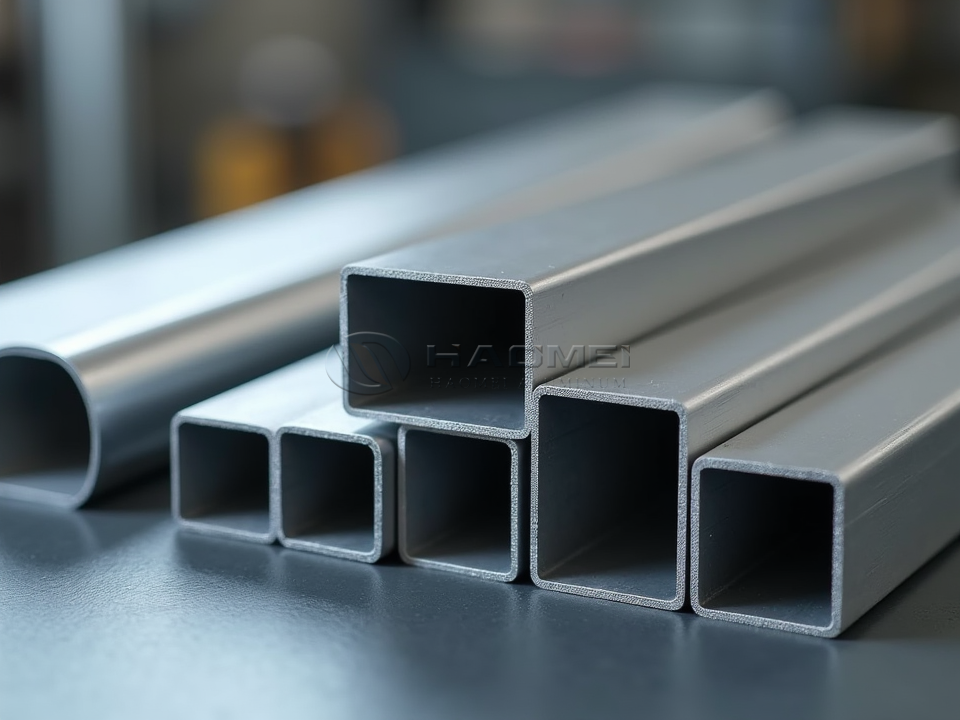
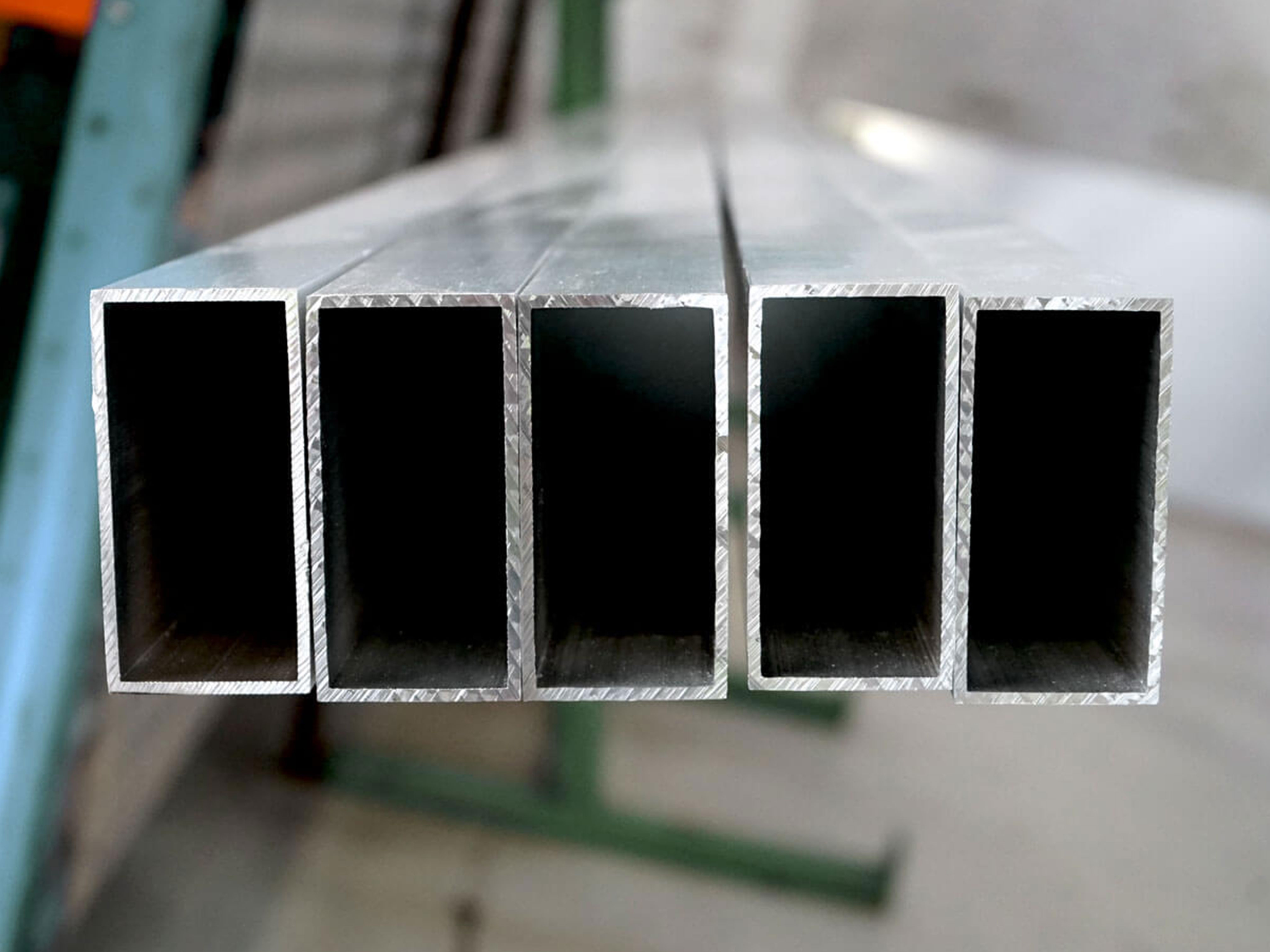
Marine Grade Aluminum Rectangular Tubes are made from high-performance alloys such as 5083, 5052, 6061, and 6082. These alloys are renowned for their ability to resist corrosive seawater and marine atmospheres while providing excellent mechanical strength and toughness.
View Details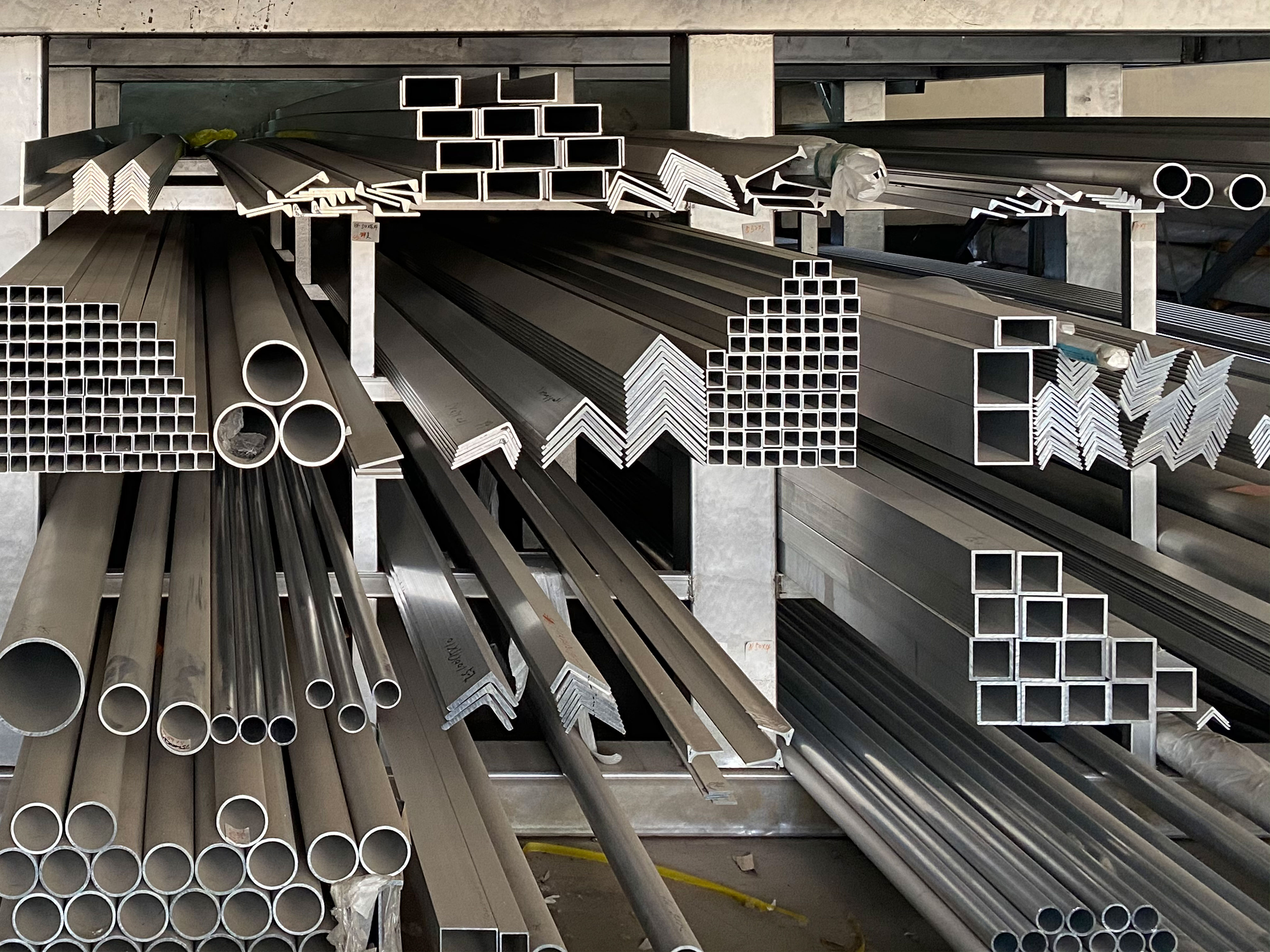
Custom marine aluminum profile tubes
Custom Marine Grade Aluminum Profile Tubes are manufactured from premium marine aluminum alloys such as 5083, 5052, 6061, and 6082.
View Details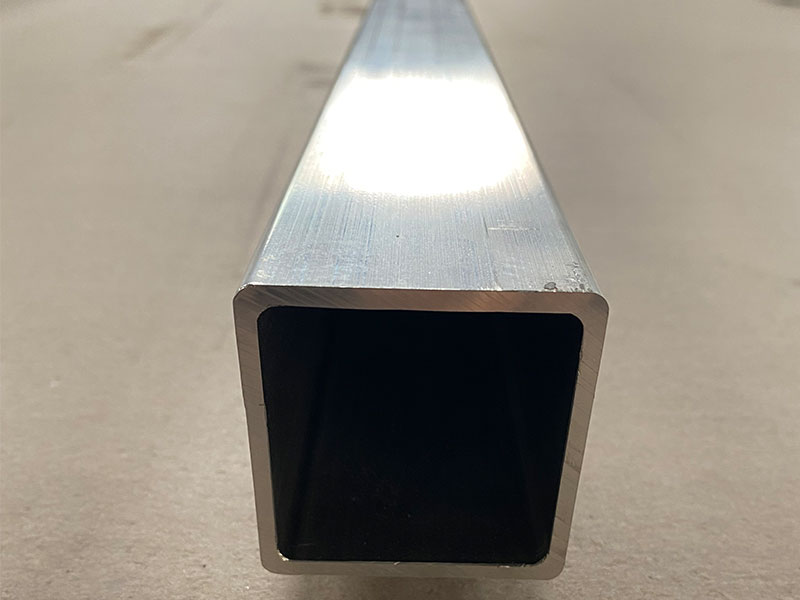
Marine aluminum square tubes
Marine Grade Aluminum Square Tubes are typically constructed from marine-grade alloys such as 5083, 5052, 6061, and 6082—well-known for their ability to withstand the aggressive effects of saltwater and marine atmospheres.
View Details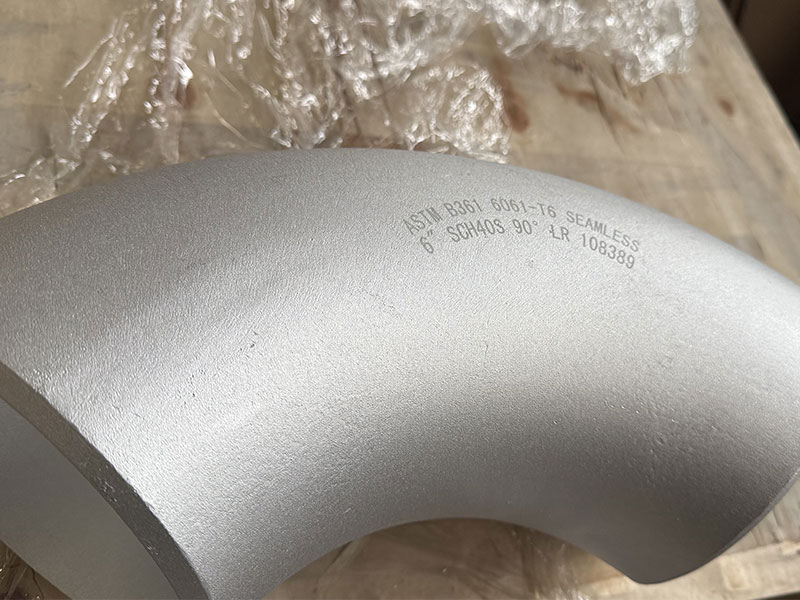
6061-T6 90-Degree Marine Aluminum Pipe Elbow
Manufactured from premium 6061-T6 marine-grade aluminum alloy, this elbow fitting is engineered to provide reliable and efficient pipe direction changes within shipbuilding, offshore platforms, and marine infrastructure systems.
View Details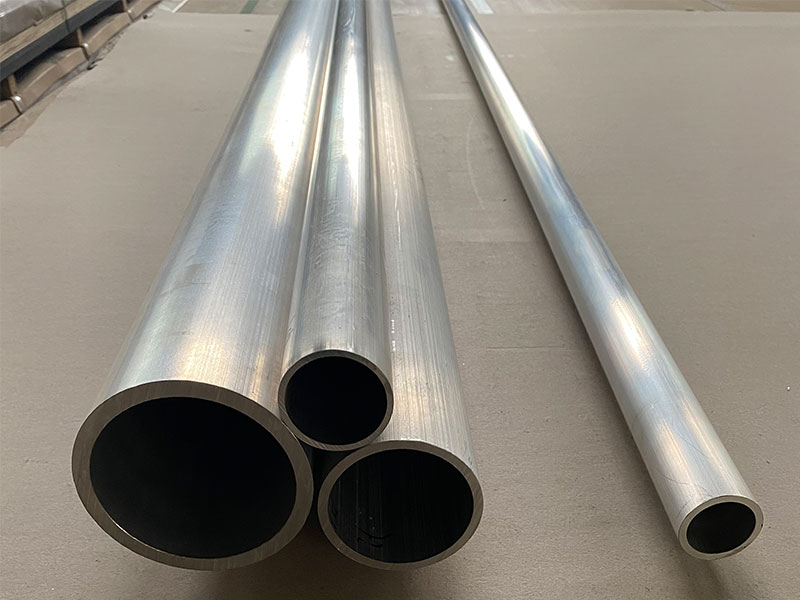
Marine aluminum round tubes
Marine Grade Aluminum Round Tubes are manufactured from premium marine alloys such as 5083, 5052, 6061, and 6082, all selected for their proven resistance to seawater corrosion and marine atmosphere degradation.
View DetailsRelated Blog
Marine Aluminum Elbow for Cooling Systems in Marine Heat Exchangers
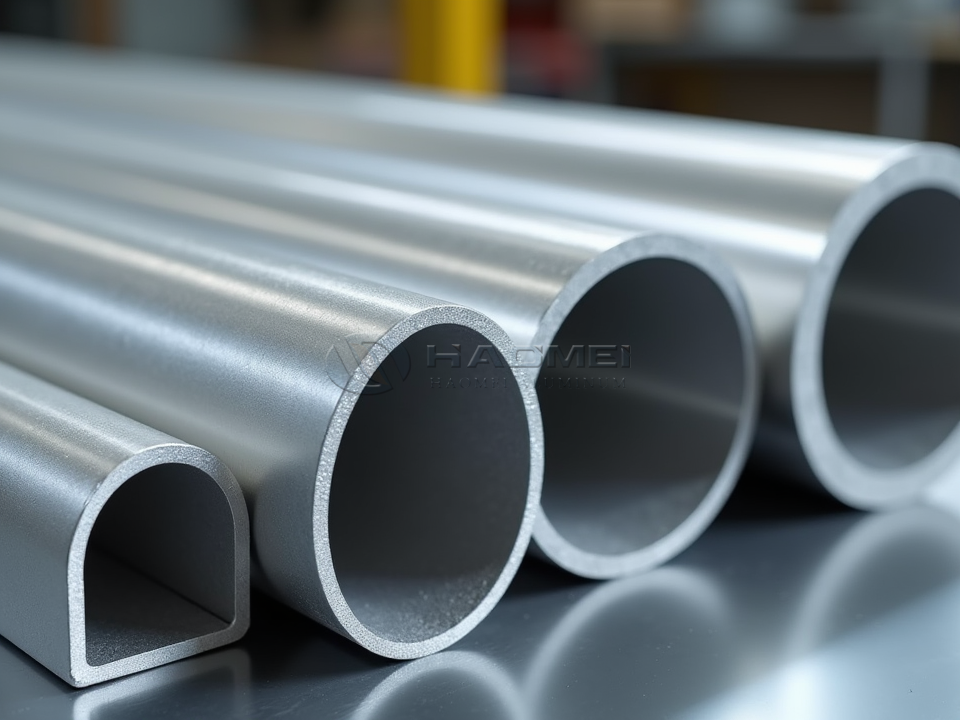
Marine aluminum elbows provide lightweight, corrosion-resistant flow direction changes for protected cooling circuits in marine heat exchanger systems.
View Details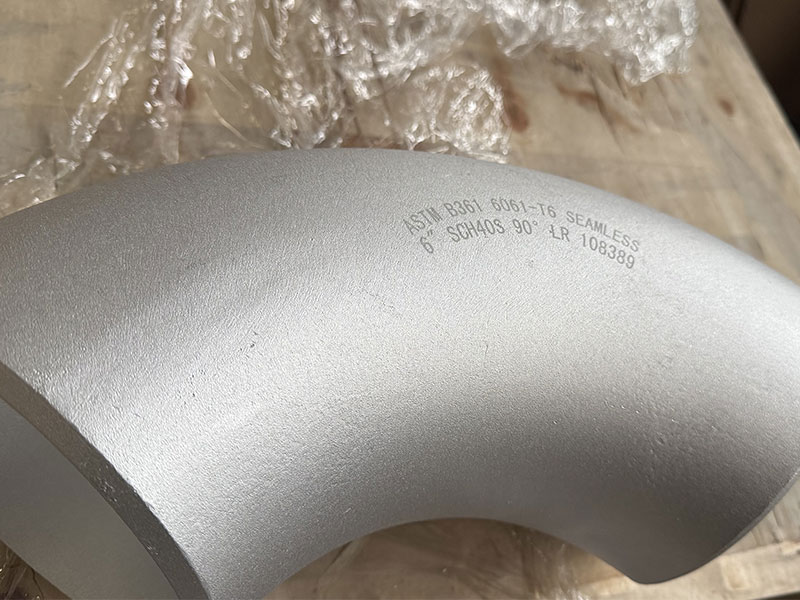
6061 Marine Aluminum Tubes for Custom Marine Equipment Frames
6061 Marine Aluminum Tubes for Custom Marine Equipment Frames: The "Invisible Structure" That Keeps Gear WorkingIn custom marine equipment, the frame is rarely the star.
View Details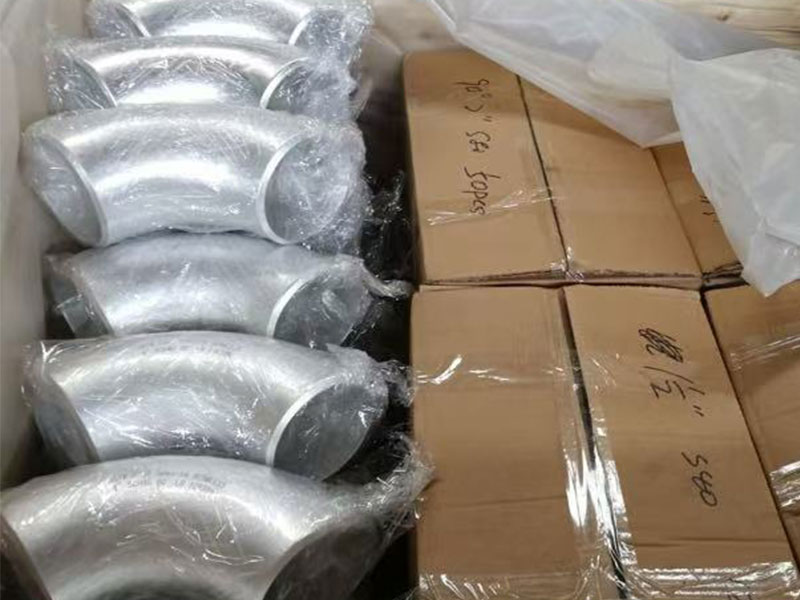
5052 Marine Aluminum Tubes for Boat Frame Design and Fabrication
5052 marine aluminum tubes are a practical, corrosion-resistant solution for boat frame design, deck structures, railings, T-tops, canopies, support members, and other marine fabrication projects.
View Details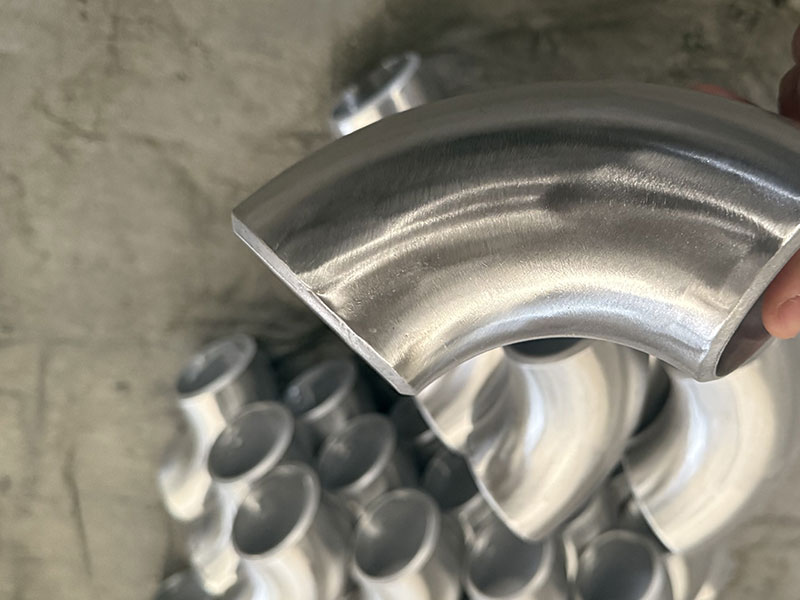
Aluminum Marine Elbow with High Corrosion Resistance
FeaturesHigh corrosion resistance compatible with seawater and brackish environmentsLightweight compared to steel or bronze fittings.
View Details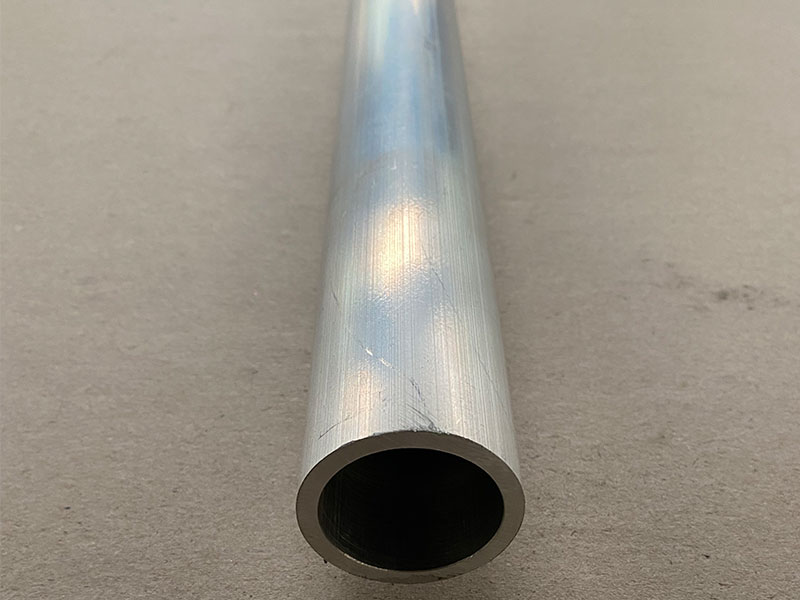
5052 Marine Aluminum Tubes for High Performance Boat Structures
When it comes to high-performance boat structures, the strength, weight, and durability of materials matter enormously. One of the most favored materials in the marine industry is **5052 Marine Aluminum Tubes.
View Details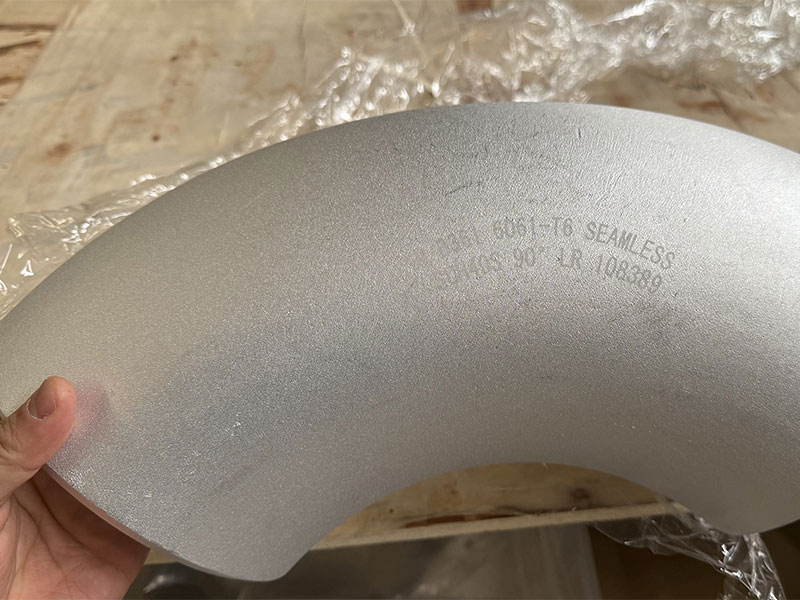
Corrosion Resistant Marine Aluminum Elbow Fittings
When we think of marine infrastructure—ships, offshore rigs, and dockside installations—durability under harsh, corrosive environments is paramount. Among the various components, elbow fittings play a critical role in fluid transport systems, en.
View Details
Leave a Message