
6061 Marine Aluminum Tubes for Custom Marine Equipment Frames
6061 Marine Aluminum Tubes for Custom Marine Equipment Frames: The "Invisible Structure" That Keeps Gear Working
In custom marine equipment, the frame is rarely the star. Customers notice the radar dome, the solar panel, the bait station, the dinghy davit, or the electronics box-yet all of these depend on a structure that must be light, stiff, corrosion-aware, and easy to fabricate. That is where 6061 marine aluminum tubes earn their reputation: they function like an "invisible skeleton" that quietly absorbs vibration, holds alignment, and survives years of salt exposure with practical, predictable performance.
A distinctive way to understand 6061 tubing is to treat it as a system material, not just a metal. A marine frame is a combination of tube, welds, fasteners, coatings, and drainage design. 6061 fits this system well because it balances strength, weldability, machinability, and availability across many tube sizes-making it ideal for one-off custom builds and repeatable production alike.
What 6061 Aluminum Tube Does Best in Marine Frames
Maintaining geometry under load is the first job of a frame. Whether it's a T-top, an instrument arch, a pump stand, or a storage cradle, a tube frame must resist bending and torsion while staying light enough to avoid raising the vessel's center of gravity. 6061 in T6/T651 temper offers a high strength-to-weight ratio, allowing designers to use thinner wall sections than softer alloys while keeping stiffness acceptable.
Handling vibration and fatigue is the second job. Marine frames see cyclic loading from wave impacts and engine vibration. While every aluminum structure must be designed for fatigue, 6061 has a long track record in welded fabrications and is commonly selected when builders want predictable behavior and stable sourcing.
Supporting clean fabrication workflows is the third job. Custom marine equipment often involves cutting, notching, TIG/MIG welding, drilling, tapping, and adding brackets. 6061 tube machines cleanly, accepts common welding processes, and responds well to finishing options like anodizing or marine paint systems (with proper surface prep).
Applications: Where 6061 Marine Aluminum Tubes Show Up Most
Because 6061 tube behaves reliably across many shop operations, it becomes a default choice for frames that mix precision and ruggedness, such as:
- T-top frames, rocket launcher racks, and canopy structures
- Radar arches, antenna masts, light bars, and sensor mounts
- Electronics enclosure frames and shock-mitigating instrument brackets
- Boarding ladders, handrails, grab rails, and deck safety frames
- Davits, small crane booms, dinghy supports, and utility gantries
- Solar panel frames, battery rack structures, and ventilated equipment stands
- Pump skids, filtration frames, and portable deck service equipment
In many of these applications, the real advantage is not "maximum strength"-it's design freedom. 6061 tubes make it practical to prototype, revise, and scale production without switching materials.
Parameters Customers Actually Use When Choosing Tube
Marine customers typically decide quickly once the functional parameters are clear. The following are the most decision-driving specs:
Common tube forms
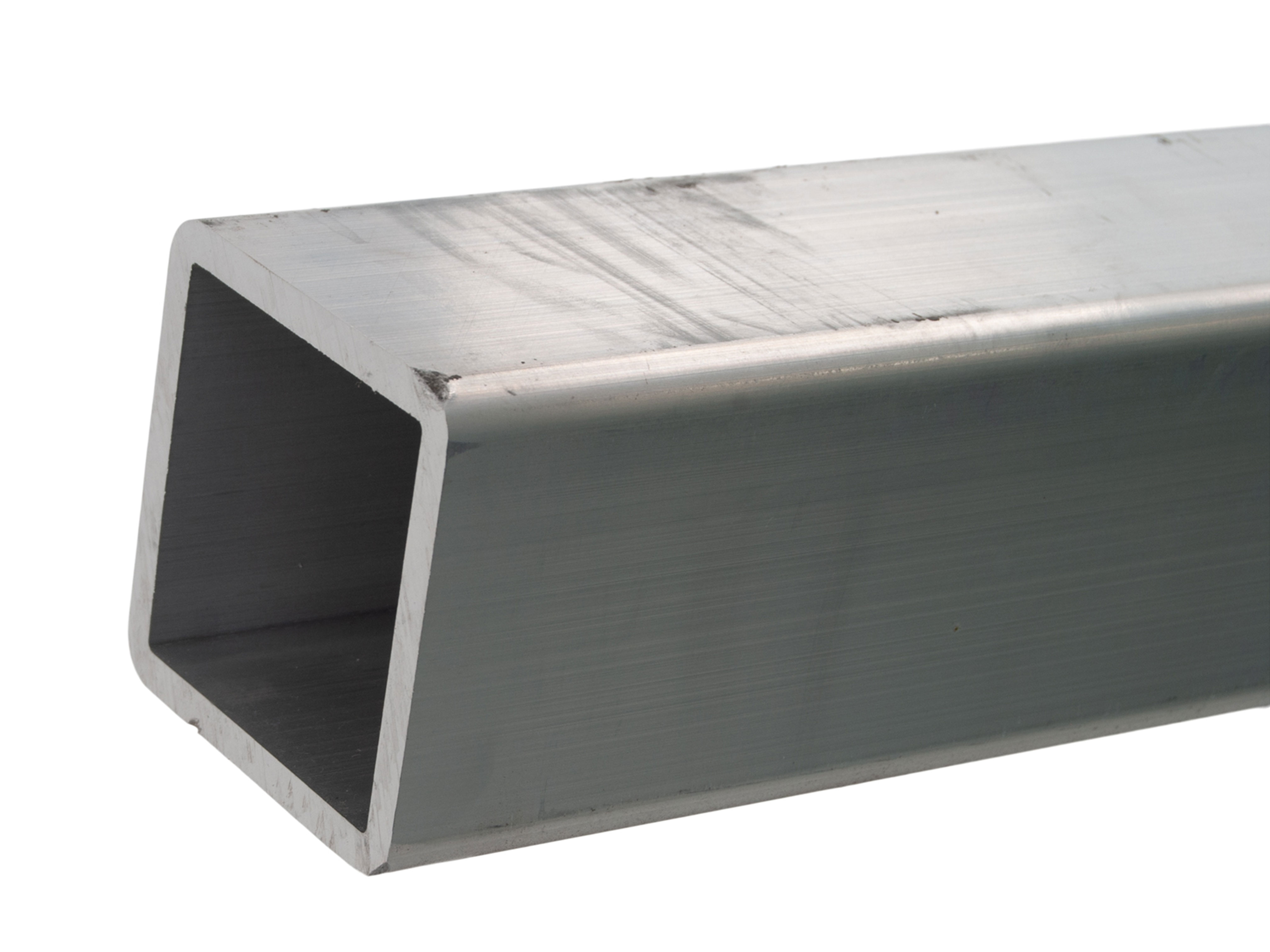
Round tube is common for handholds and arches. Square and rectangular tube are popular for equipment skids, racks, and frames that need flat mounting faces.
Typical size range (customizable by supplier)
Outer diameter or side dimension: about 10 mm to 200+ mm
Wall thickness: about 1.0 mm to 12+ mm
Length: often 3–6 m stock lengths, with custom cutting available
Physical properties (typical for 6061-T6)
Density: about 2.70 g/cm³
Elastic modulus: about 69 GPa
Thermal conductivity: about 167 W/m·K
Electrical conductivity: about 40% IACS (varies with temper and process)
Mechanical properties (typical minimums/typicals vary by standard and product form)
Ultimate tensile strength: around 290 MPa (typical)
Yield strength: around 240 MPa (typical)
Elongation: commonly 8–12% depending on thickness and form
For marine frames, it's helpful to view these numbers as a balance: 6061-T6 is strong enough for many structural frames while still being workable and widely available.
Tempering: Why T6 and T651 Matter (and What Happens After Welding)
Most marine frame tubing is specified in 6061-T6 or 6061-T651.
- T6 means solution heat-treated and artificially aged for high strength.
- T651 adds a stress-relief stretching step, improving dimensional stability and reducing distortion during machining.
A marine-fabrication reality: welding softens the heat-affected zone in 6061. The area near the weld can drop toward a T4-like condition unless the assembly is re-heat-treated (often impractical for large frames). The practical takeaway is that good designers account for the reduced strength near welds by using proper joint design, adequate wall thickness, gussets where needed, and avoiding stress concentrations.
Implementation Standards and Common Specifications
To keep procurement clear and avoid mismatched expectations, 6061 marine aluminum tubes are usually ordered to recognized standards. Commonly referenced specifications include:
- ASTM B221 for aluminum and aluminum-alloy extruded bars, rods, wire, profiles, and tubes
- EN 755 series for aluminum extruded products (Europe)
- GB/T 3191 and GB/T 3190 for chemical composition and extrusion products (China)
- ISO-aligned quality and dimensional practices depending on supplier
In marine projects, it's also common to specify inspection expectations such as dimensional tolerances, straightness, surface quality, and documentation (mill test certificates, chemical composition, mechanical properties).
6061 is frequently used near saltwater, but long life depends on system choices:
- Avoid crevices where saltwater sits; include drainage and ventilation
- Isolate dissimilar metals to reduce galvanic corrosion (use isolating washers, coatings, proper fasteners)
- Choose an appropriate finish: anodizing, powder coating, or marine paint systems with correct pretreatment
- Rinse regimes and maintenance matter in high-salt, high-humidity environments
From a frame-builder's viewpoint, 6061 is valued because it offers a stable base for these protection strategies.
6061 Aluminum Chemical Composition (Typical Limits)
Below is a commonly used composition range for AA 6061 (wt.%). Actual limits may vary slightly by standard; always confirm with the governing spec and mill certificate.
| Element | Composition (wt.%) |
|---|---|
| Silicon (Si) | 0.40–0.80 |
| Iron (Fe) | ≤ 0.70 |
| Copper (Cu) | 0.15–0.40 |
| Manganese (Mn) | ≤ 0.15 |
| Magnesium (Mg) | 0.80–1.20 |
| Chromium (Cr) | 0.04–0.35 |
| Zinc (Zn) | ≤ 0.25 |
| Titanium (Ti) | ≤ 0.15 |
| Others (each) | ≤ 0.05 |
| Others (total) | ≤ 0.15 |
| Aluminum (Al) | Balance |
This chemistry explains the "all-rounder" behavior: magnesium and silicon form Mg₂Si for heat-treatable strength, while chromium helps with structural stability and corrosion performance.
Why Customers Choose 6061 Tubes for Custom Marine Frames
When marine equipment must be customized, delivered quickly, and supported over years of service, 6061 tubing wins by being predictable. It supports tight fabrication cycles, broad finishing options, and a strong mechanical baseline without turning the project into a specialty-material experiment.

Related Products
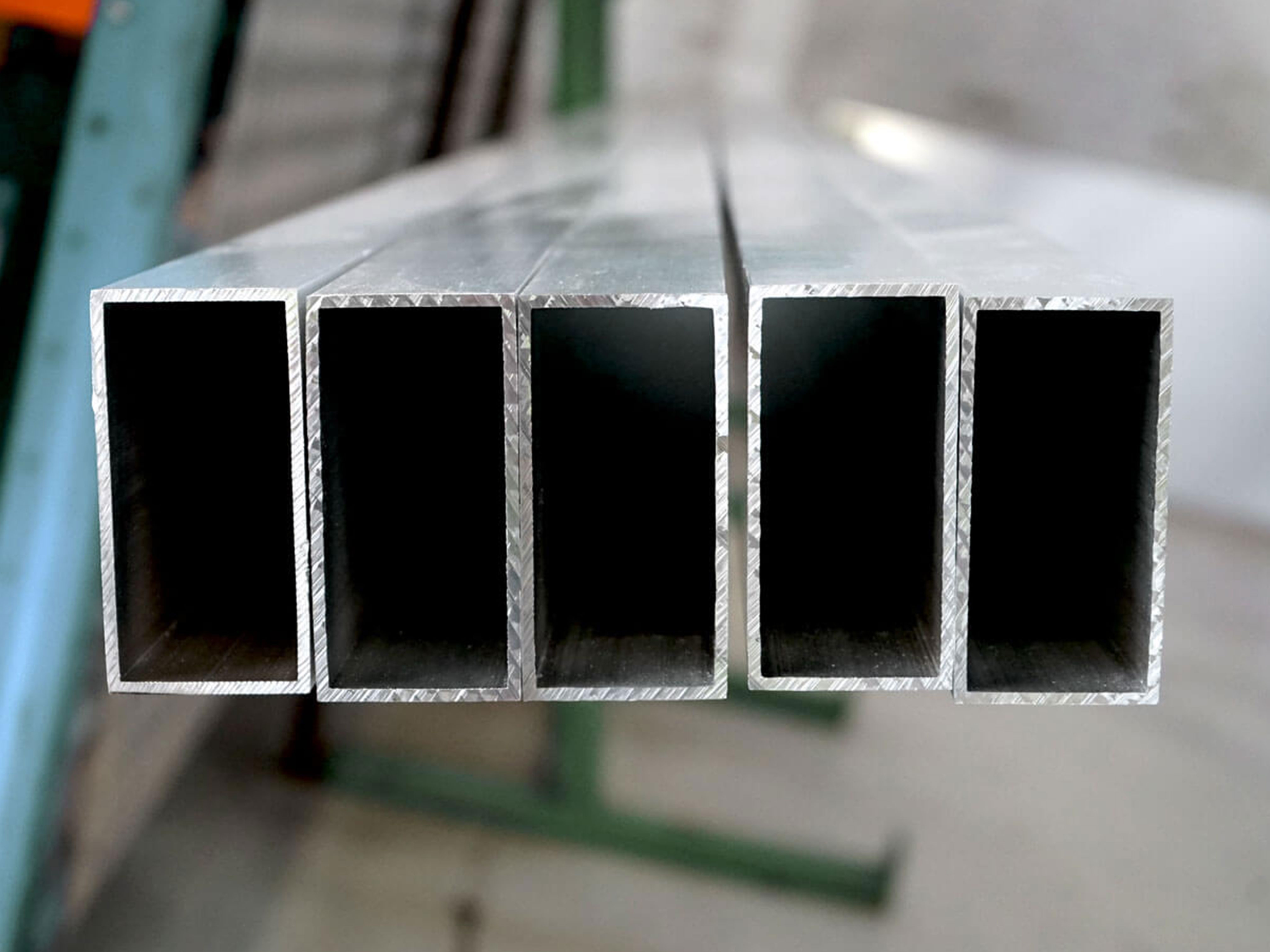
Marine aluminum rectangular tubes
Marine Grade Aluminum Rectangular Tubes are made from high-performance alloys such as 5083, 5052, 6061, and 6082. These alloys are renowned for their ability to resist corrosive seawater and marine atmospheres while providing excellent mechanical strength and toughness.
View Details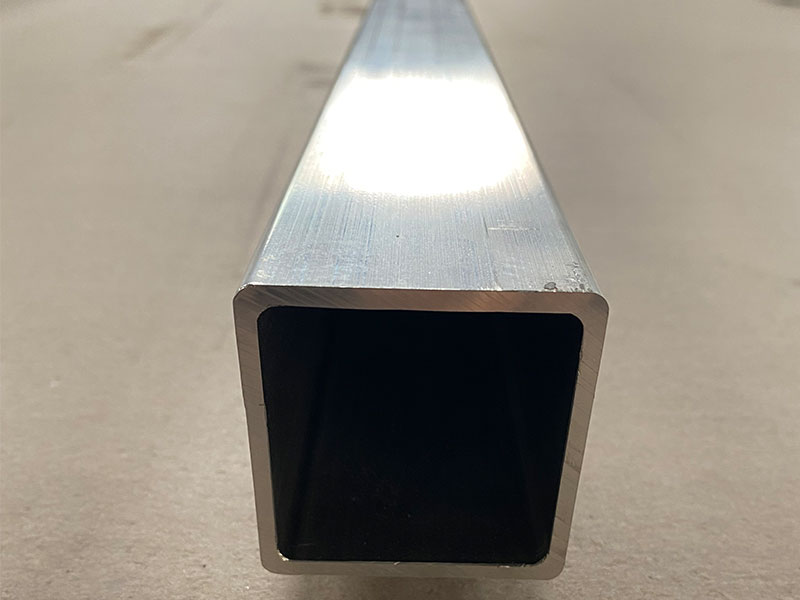
Marine aluminum square tubes
Marine Grade Aluminum Square Tubes are typically constructed from marine-grade alloys such as 5083, 5052, 6061, and 6082—well-known for their ability to withstand the aggressive effects of saltwater and marine atmospheres.
View Details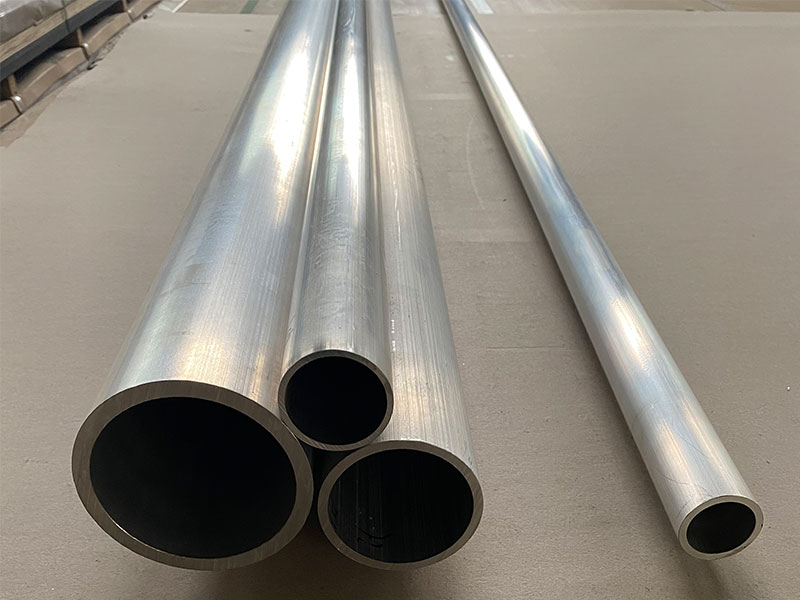
Marine aluminum round tubes
Marine Grade Aluminum Round Tubes are manufactured from premium marine alloys such as 5083, 5052, 6061, and 6082, all selected for their proven resistance to seawater corrosion and marine atmosphere degradation.
View Details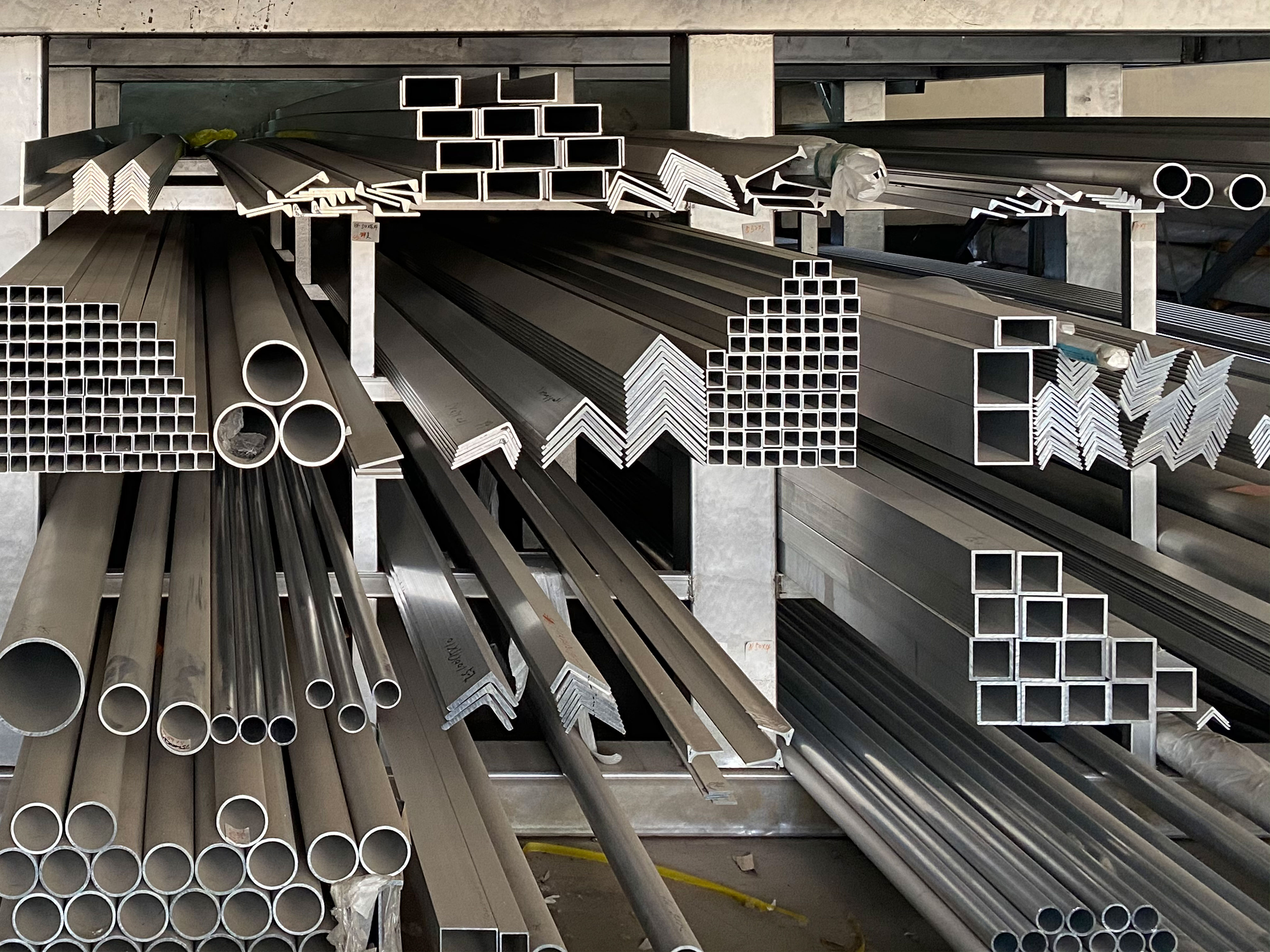
Custom marine aluminum profile tubes
Custom Marine Grade Aluminum Profile Tubes are manufactured from premium marine aluminum alloys such as 5083, 5052, 6061, and 6082.
View Details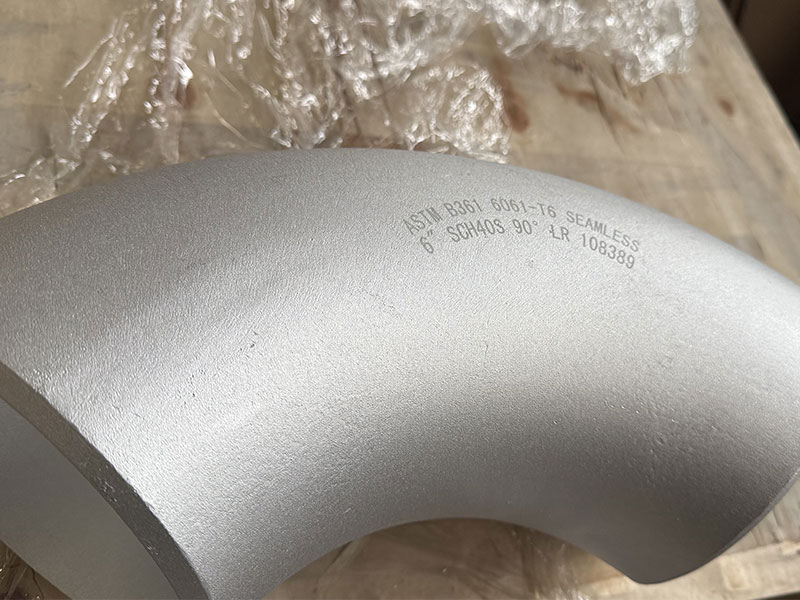
6061-T6 90-Degree Marine Aluminum Pipe Elbow
Manufactured from premium 6061-T6 marine-grade aluminum alloy, this elbow fitting is engineered to provide reliable and efficient pipe direction changes within shipbuilding, offshore platforms, and marine infrastructure systems.
View DetailsRelated Blog
6061 Marine Aluminum Tubes for Custom Marine Construction
When it comes to building robust, lightweight, and corrosion-resistant structures for marine applications, 6061 Marine Aluminum Tubes unquestionably lead the pack.
View Details
6061 Marine Aluminum Tubes for Boat Deck Support Structures
A boat deck rarely gets credit when everything feels right. No squeaks underfoot, no soft spots, no uneasy vibration when the hull meets chop. That sense of confidence is often created by what you don't see: the deck support structure.
View Details
6061 Marine Aluminum Tubes for Marine Engineering Projects
Marine engineering demands materials that combine exceptional strength, corrosion resistance, and versatility for reliable performance in harsh seawater environments.
View Details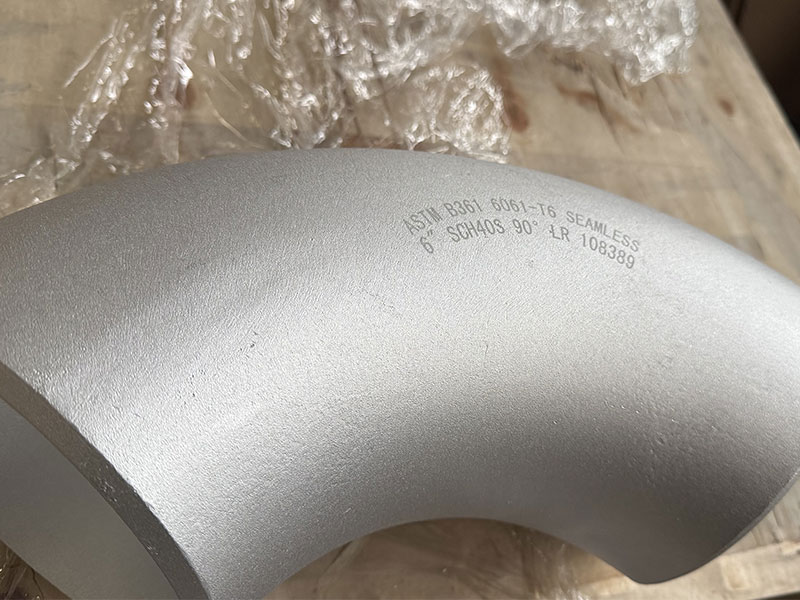
6061 Marine Aluminum Tubes for Custom Marine Equipment Frames
6061 Marine Aluminum Tubes for Custom Marine Equipment Frames: The "Invisible Structure" That Keeps Gear WorkingIn custom marine equipment, the frame is rarely the star.
View Details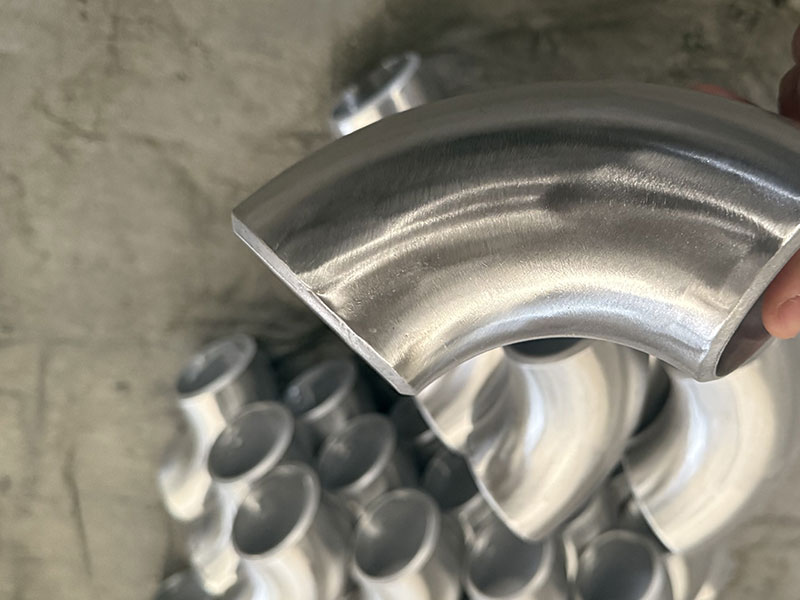
Marine grade aluminum alloy pipe 6061 t6 aluminium square
Marine projects demand materials that stay reliable when salt spray, humidity, vibration, and daily handling all work against them. 6061-T6 aluminium square pipe is a widely trusted choice because it blends high strength.
View Details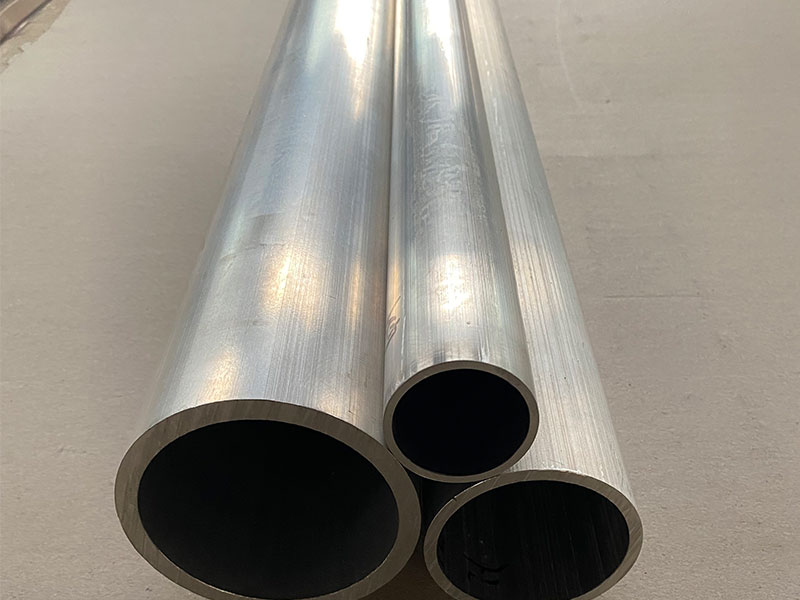
6061 Marine Aluminum Tubes for Offshore Platform Design and Construction
In the harsh environment of offshore platforms, material selection plays a pivotal role in ensuring structural integrity, longevity, and safety. Marine aluminum, especially 6061 marine aluminum tubes.
View Details
Leave a Message