
Marine Aluminum Elbow for Cooling Systems in Marine Heat Exchangers
A marine aluminum elbow is a precision pipe fitting designed to redirect coolant flow through compact, vibration-prone marine heat exchanger installations. Installed at 45°, 90°, or custom angles, it connects cooling pipes where straight routing is impossible or where equipment layouts demand a controlled change in direction. Its low weight, weldability, and strong thermal performance make it a practical solution for vessels ranging from workboats and patrol craft to yachts, fishing vessels, offshore support equipment, and marine generator packages.
In a well-designed cooling circuit, the elbow does much more than join two sections of pipe. It helps preserve flow continuity, reduces unnecessary hose length, supports clean equipment arrangement, and allows service access around pumps, coolers, expansion tanks, and heat exchanger housings. When the fitting material, wall thickness, bend radius, and protective system are matched to the operating environment, marine aluminum elbows can deliver long-term, dependable performance.
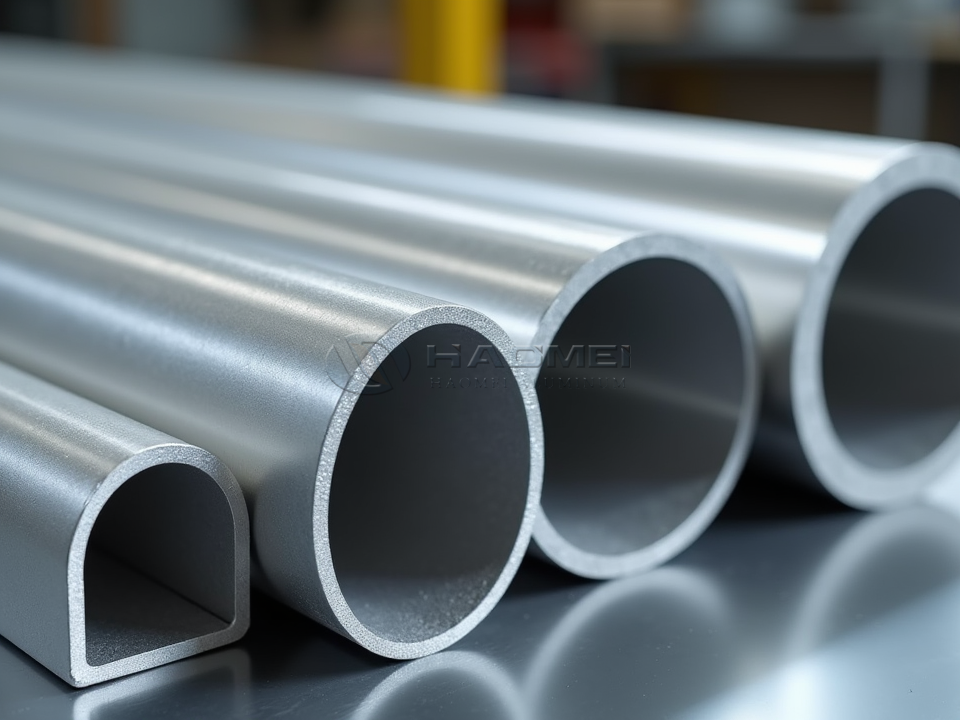
Built for Weight-Sensitive Cooling Installations
Marine vessels benefit from every kilogram removed from onboard machinery systems. Aluminum elbows are substantially lighter than comparable steel or bronze fittings, helping reduce total piping weight without compromising the structural integrity needed for normal cooling-system pressures and vessel vibration.
This advantage is especially valuable in aluminum-hull vessels, fast craft, and marine engine rooms where pipe supports, brackets, and cooling assemblies must remain light yet robust. Aluminum also has excellent thermal conductivity, allowing the fitting body to respond quickly to changing coolant temperatures. While the elbow is not the primary heat-transfer component, its conductive properties support stable thermal behavior within a closed-loop coolant circuit.
A properly formed elbow offers a smooth internal passage. This reduces turbulence caused by abrupt direction changes and helps prevent avoidable pressure loss. Long-radius elbows are often selected for higher-flow circuits, while compact-radius bends can be used where space is limited and system calculations allow the additional resistance.
Common Alloy Choices and Material Characteristics
The most suitable alloy depends on the fluid, temperature, joining method, and exposure conditions. For fabricated elbows in freshwater-glycol cooling loops, 6061-T6 is widely specified because it combines good strength, machinability, and fabrication performance. For applications requiring improved resistance in marine atmospheres or splash-zone conditions, 5083 and 5086 alloys may be considered where design requirements permit.
| Material Option | Typical Temper | Principal Strength | Suitable Cooling-Service Considerations |
|---|---|---|---|
| 6061 aluminum | T6 | High mechanical strength | Common for fabricated elbows, brackets, and protected closed-loop piping |
| 6063 aluminum | T5 or T6 | Good formability and surface finish | Suitable for lighter-duty fabricated pipe assemblies and profile-based routing |
| 5083 aluminum | H111 or H116 | Excellent marine corrosion resistance | Considered for harsh atmospheric exposure and welded marine structures |
| 5086 aluminum | H111 or H116 | Strong corrosion resistance and weldability | Suitable where marine environmental resistance is a major concern |
For direct seawater duty, alloy selection alone is not enough. Warm, oxygenated seawater, stagnant conditions, dissimilar-metal contact, and poor electrical bonding can accelerate localized corrosion. Aluminum elbows are generally most appropriate in protected freshwater, glycol-water, or treated cooling circuits. If seawater is present, the full system must be engineered with compatible materials, coatings, dielectric isolation, drainage, inspection access, and corrosion-control measures.
| Typical Chemical Range, % | 6061 | 5083 | 5086 |
|---|---|---|---|
| Magnesium | 0.8-1.2 | 4.0-4.9 | 3.5-4.5 |
| Silicon | 0.4-0.8 | 0.4 max | 0.4 max |
| Manganese | 0.15 max | 0.4-1.0 | 0.2-0.7 |
| Chromium | 0.04-0.35 | 0.05-0.25 | 0.05-0.25 |
| Copper | 0.15-0.40 | 0.10 max | 0.10 max |
| Aluminum | Balance | Balance | Balance |
Chemical limits can vary by applicable material standard, temper, and customer specification. Mill certificates should be reviewed for projects requiring traceable composition or class approval documentation.
Elbow Geometry That Supports Reliable Flow
Cooling circuits often occupy narrow compartments beside engines, gearbox coolers, plate heat exchangers, keel coolers, and auxiliary machinery. A marine aluminum elbow creates a clean routing path while protecting pipes from sharp bends, unsupported spans, and hose congestion.
Typical supply configurations include:
- 45° and 90° elbows for standard directional changes
- Long-radius and short-radius bends for different installation envelopes
- Equal-diameter elbows and reducing elbows
- Seamless, welded, mandrel-bent, or fabricated constructions
- Plain ends for welding, flared ends, grooved ends, or machined connection ends
- Custom wall thicknesses and centerline radii
The elbow bore should align accurately with the connected pipe. Misalignment, internal weld protrusions, or abrupt diameter transitions can disturb flow and create areas where debris accumulates. For demanding installations, internal surface quality and weld root condition should be agreed before production.
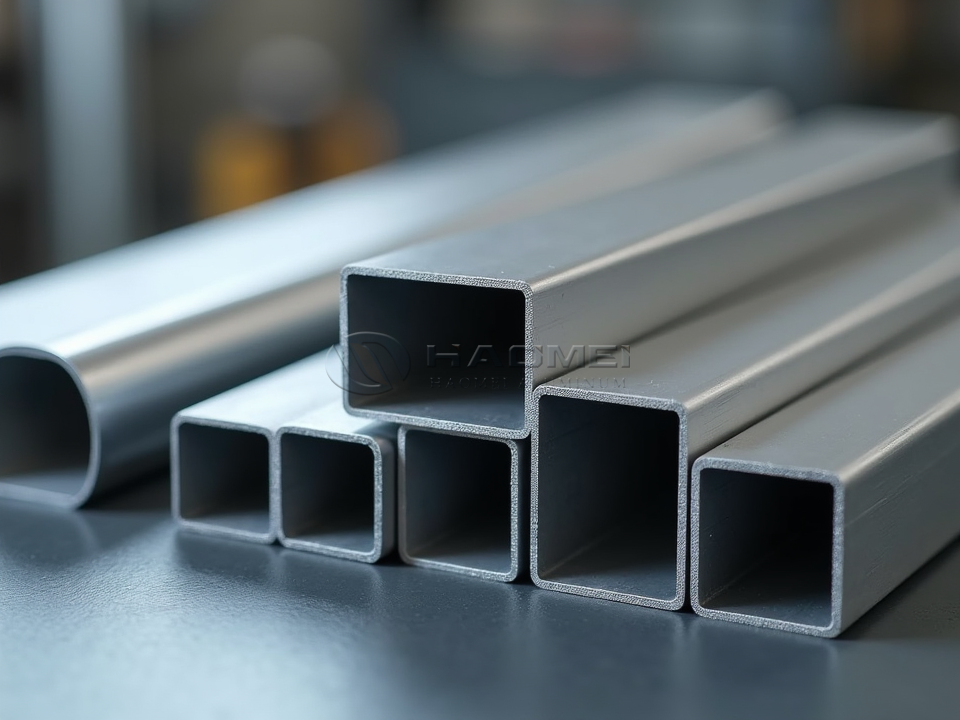
Typical Technical Parameters
| Parameter | Common Specification Range |
|---|---|
| Nominal elbow angle | 45°, 90°, or custom angle |
| Outside diameter | 16 mm to 200 mm, or custom |
| Wall thickness | 1.5 mm to 8 mm, depending on pressure and diameter |
| Bend radius | Short radius, long radius, or drawing-based custom radius |
| Alloy options | 6061, 6063, 5083, 5086, 6082 |
| Temper options | T5, T6, H111, H116, subject to alloy and fabrication route |
| Surface condition | Mill finish, polished, anodized, painted, or marine coating-ready |
| Connection style | Weld end, flange-ready end, hose bead end, or machined end |
| Inspection options | Dimensional inspection, pressure test, dye penetrant inspection, material certification |
Working pressure should never be selected from wall thickness alone. It must be calculated according to the fluid, design temperature, diameter, pipe supports, joining method, pressure surges, and vessel rules. Pump cycling and engine vibration can create dynamic loads that are greater than normal static operating pressure.
Practical Applications in Marine Heat Exchanger Systems
Marine aluminum elbows are frequently used in closed freshwater cooling lines serving diesel engines and auxiliary power units. They can route coolant between an engine jacket-water outlet and a heat exchanger, link expansion tanks to circulation lines, or form compact piping assemblies around charge-air and oil cooler packages.
They are also suited to glycol circuits connected to keel coolers, HVAC chilled-water loops, battery thermal-management modules, hydraulic oil cooling equipment, and refrigerated marine machinery. In these systems, a corrosion-managed aluminum piping assembly can provide excellent weight efficiency and tidy installation geometry.
For matching pipe sections, Marine Grade Aluminum Tubing can be selected with compatible alloy, outside diameter, and wall thickness. Where round cooling lines are required, 6061-T6 90-Degree Marine Aluminum Pipe Elbow options support compact transitions in welded or custom-assembled systems.
Fabrication and Surface Protection Considerations
Welding quality has a direct influence on the service life of an aluminum elbow assembly. TIG and MIG welding are commonly used, with filler metal selected to suit the base alloy and required corrosion performance. Weld areas should be cleaned carefully, protected from contamination, and inspected for incomplete fusion, excessive reinforcement, porosity, or distortion.
After fabrication, surface protection may be applied according to the installation environment. Anodizing can improve surface durability for suitable components, while marine-grade paint systems provide additional protection where external exposure is expected. Any coating system should remain compatible with operating temperature and maintenance practices.
Galvanic corrosion deserves particular attention. Aluminum should be electrically isolated from stainless steel, copper alloys, carbon steel, and other dissimilar metals when electrolyte exposure is possible. Isolation washers, nonconductive gaskets, compatible sealants, controlled bonding arrangements, and dry installation details all help reduce corrosion risk.
Selecting the Right Marine Aluminum Elbow
A successful specification starts with the cooling medium: freshwater, glycol mixture, treated water, seawater exposure risk, and fluid temperature. Designers should then confirm flow rate, allowable pressure drop, nominal pressure, vibration level, available installation space, and preferred joint type.
A marine aluminum elbow performs best as part of a complete engineered piping system rather than as an isolated fitting. Correct support spacing, expansion allowance, drainage provisions, corrosion protection, and access for inspection all contribute to reliable operation. With the proper alloy and disciplined installation practice, this lightweight fitting becomes a durable connection point for efficient marine heat exchanger cooling systems.

Related Products
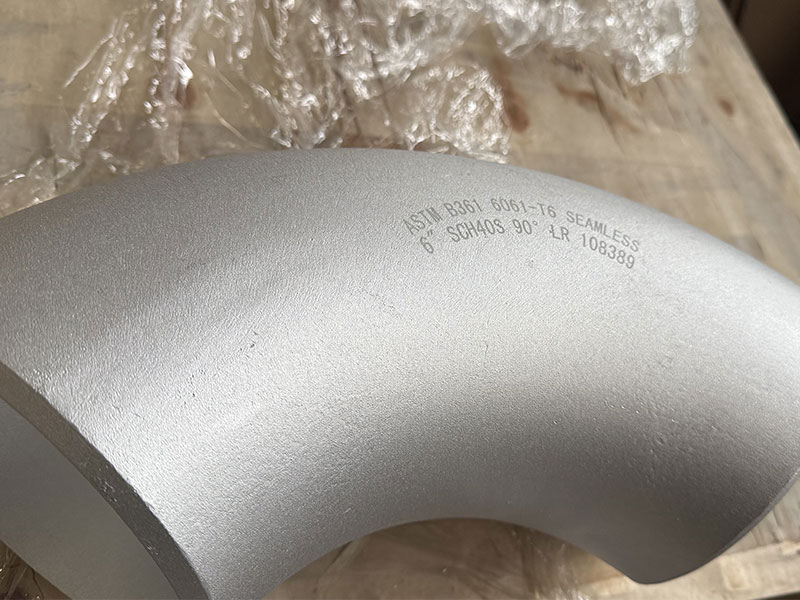
6061-T6 90-Degree Marine Aluminum Pipe Elbow
Manufactured from premium 6061-T6 marine-grade aluminum alloy, this elbow fitting is engineered to provide reliable and efficient pipe direction changes within shipbuilding, offshore platforms, and marine infrastructure systems.
View Details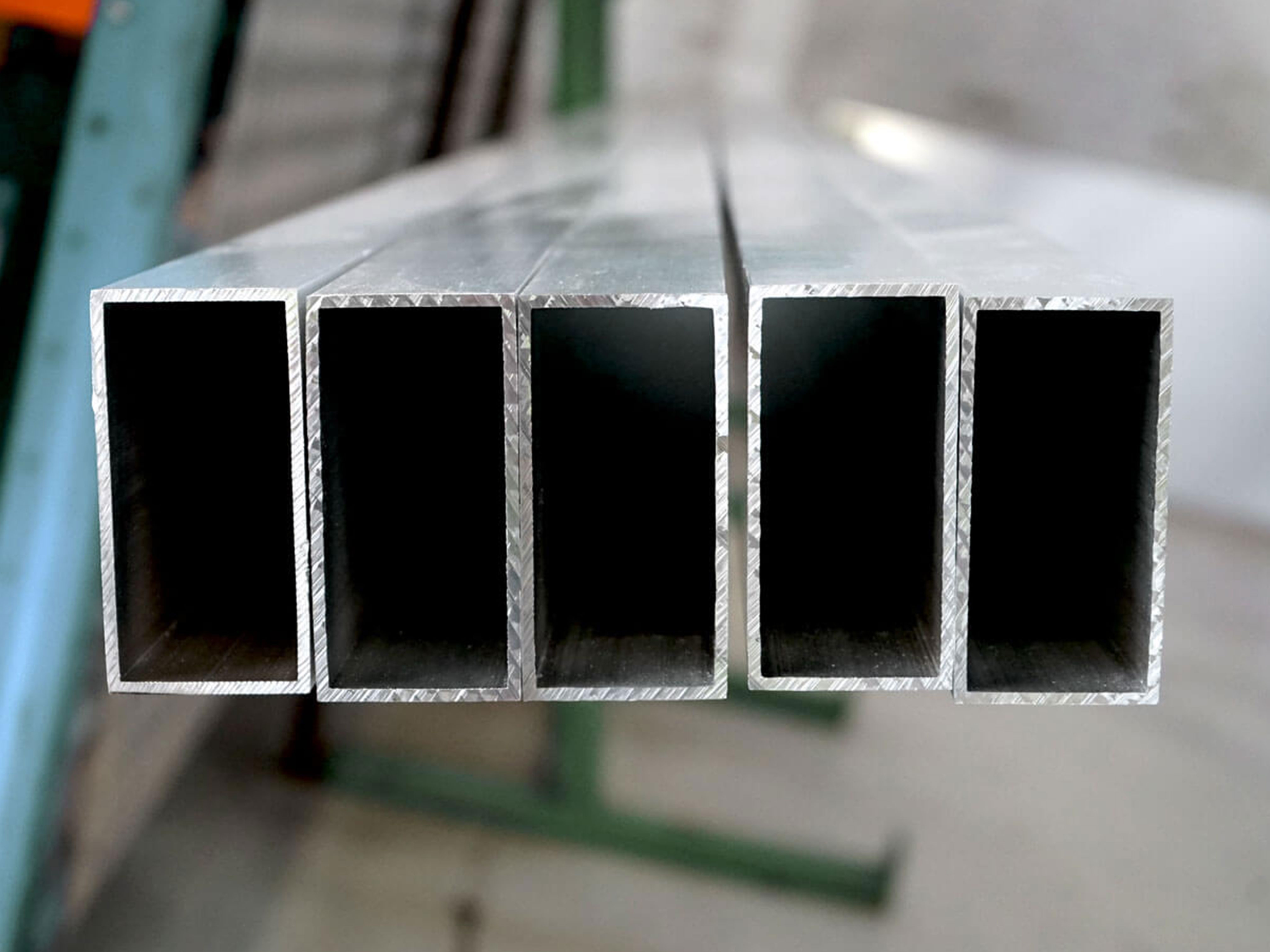
Marine aluminum rectangular tubes
Marine Grade Aluminum Rectangular Tubes are made from high-performance alloys such as 5083, 5052, 6061, and 6082. These alloys are renowned for their ability to resist corrosive seawater and marine atmospheres while providing excellent mechanical strength and toughness.
View Details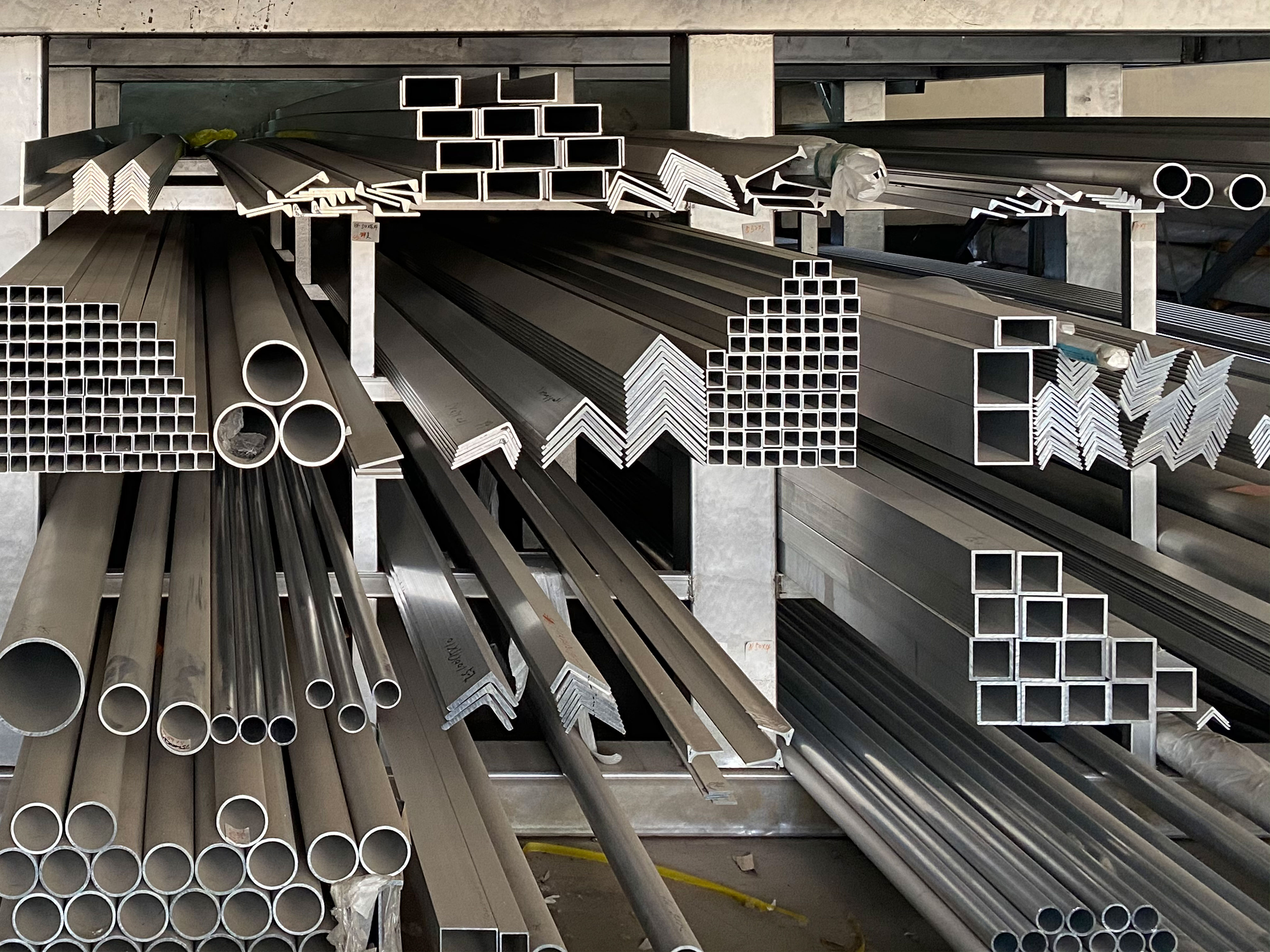
Custom marine aluminum profile tubes
Custom Marine Grade Aluminum Profile Tubes are manufactured from premium marine aluminum alloys such as 5083, 5052, 6061, and 6082.
View Details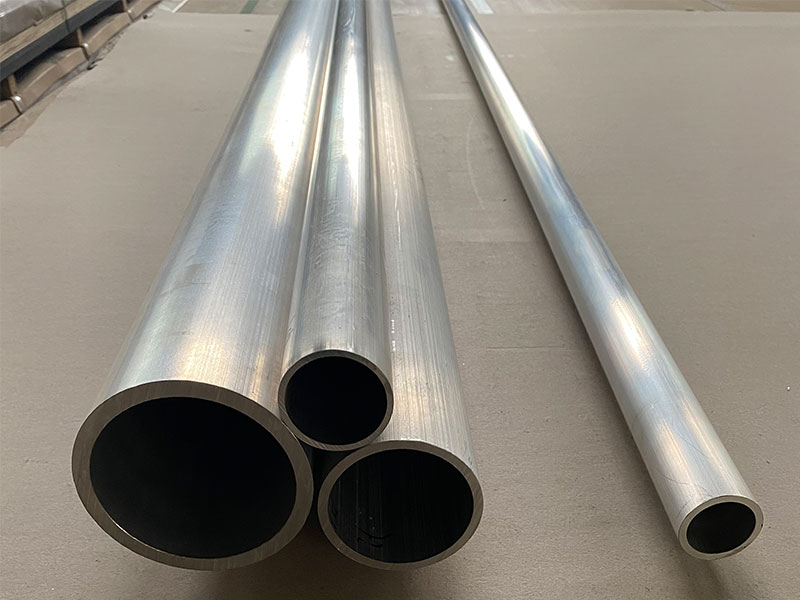
Marine aluminum round tubes
Marine Grade Aluminum Round Tubes are manufactured from premium marine alloys such as 5083, 5052, 6061, and 6082, all selected for their proven resistance to seawater corrosion and marine atmosphere degradation.
View Details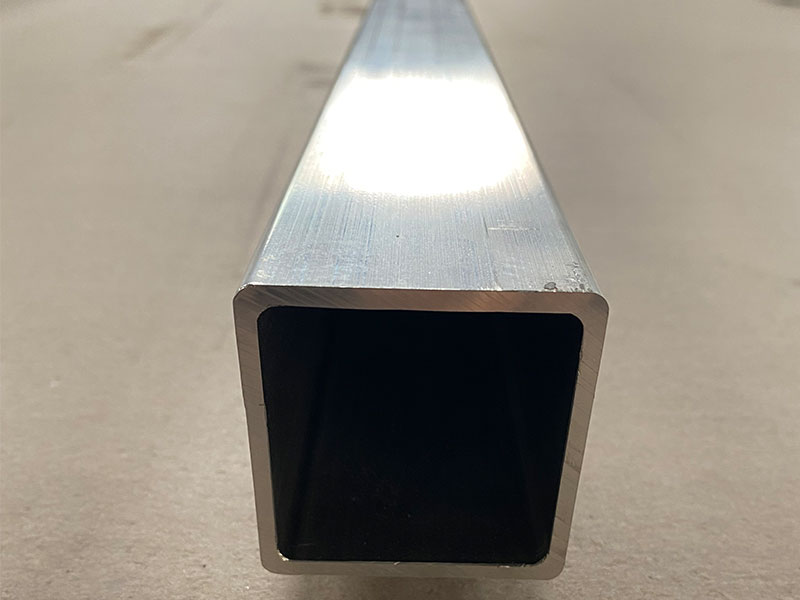
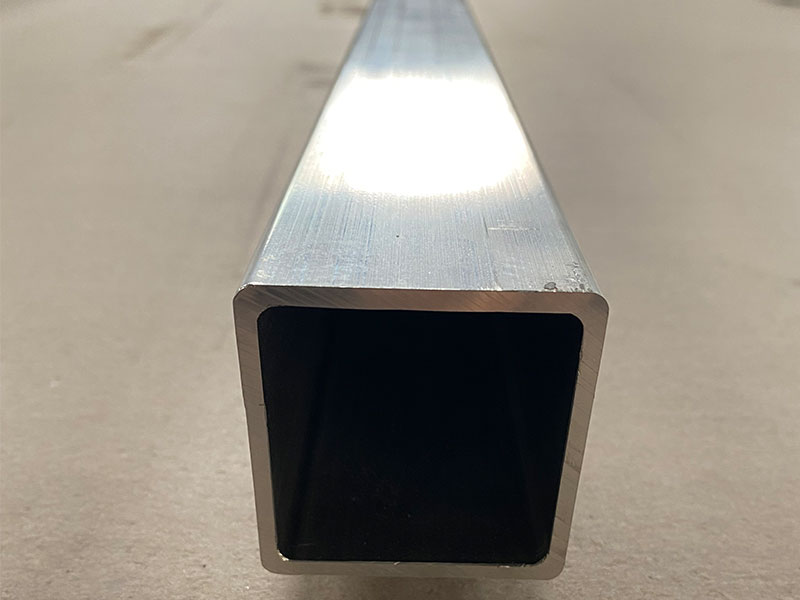
Marine aluminum square tubes
Marine Grade Aluminum Square Tubes are typically constructed from marine-grade alloys such as 5083, 5052, 6061, and 6082—well-known for their ability to withstand the aggressive effects of saltwater and marine atmospheres.
View DetailsRelated Blog
6082 Marine Aluminum Tubes for Boat Hull Fabrication and Support
6082 marine aluminum tubes are a go-to structural choice for boat hull fabrication and internal support frameworks where builders need high strength, dependable corrosion resistance, and clean weldability.
View Details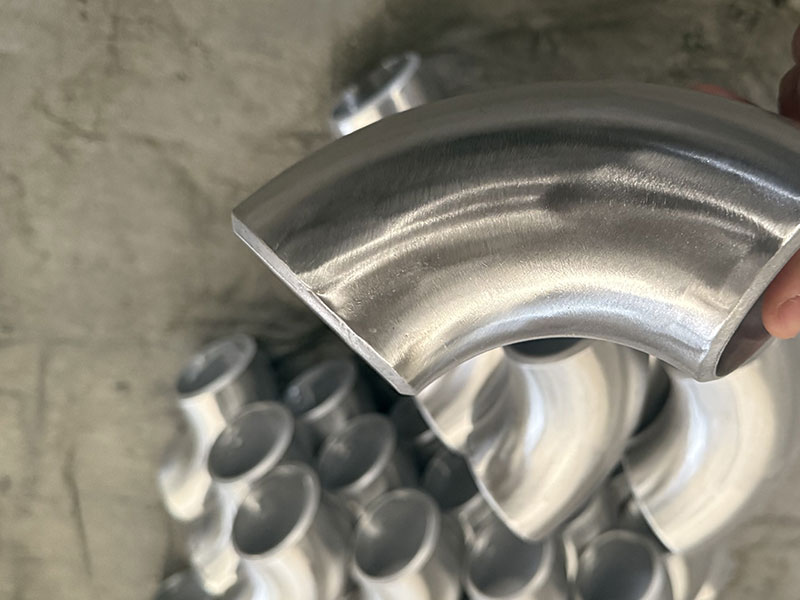
Aluminum Pipe Elbow for Marine Waste Water Systems
Aluminum Pipe Elbow for Marine Waste Water Systems: A Focused Technical Guide In modern shipbuilding and offshore platforms, the humble aluminum pipe elbow is doing a lot more work than most people realize—especially in marine waste water systems.
View Details
Aluminum Elbow for Gas and Liquid Transfer on Marine Vessels
Marine vessels operate amidst some of the most challenging environments, where efficiency, durability, and safety of components in fluid transfer systems are paramount.
View Details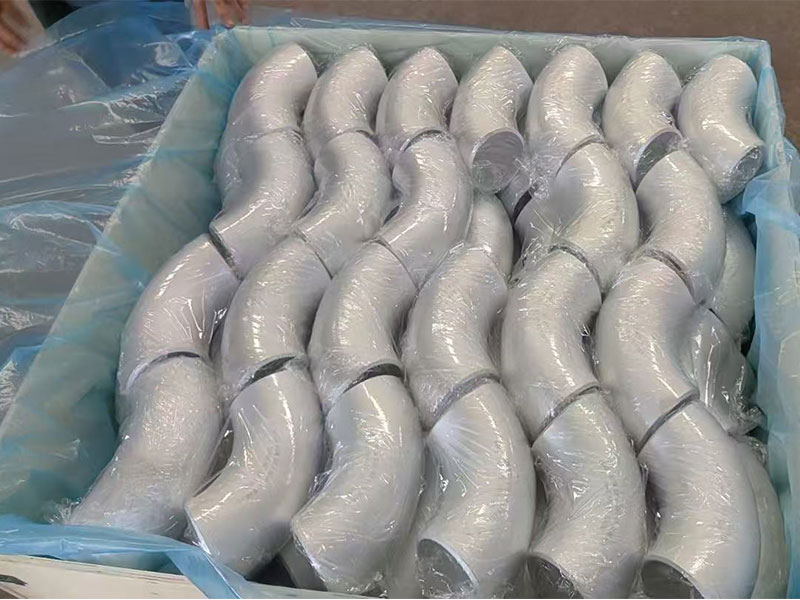
Marine Aluminum Elbow for Pressurized Water Systems on Ships
Explore our high-grade Marine Aluminum Elbow designed specifically for pressurized water systems onboard ships. Engineered for superior corrosion resistance, durability, and compliance with maritime standards, this product ensures reliable fluid dynamics
View Details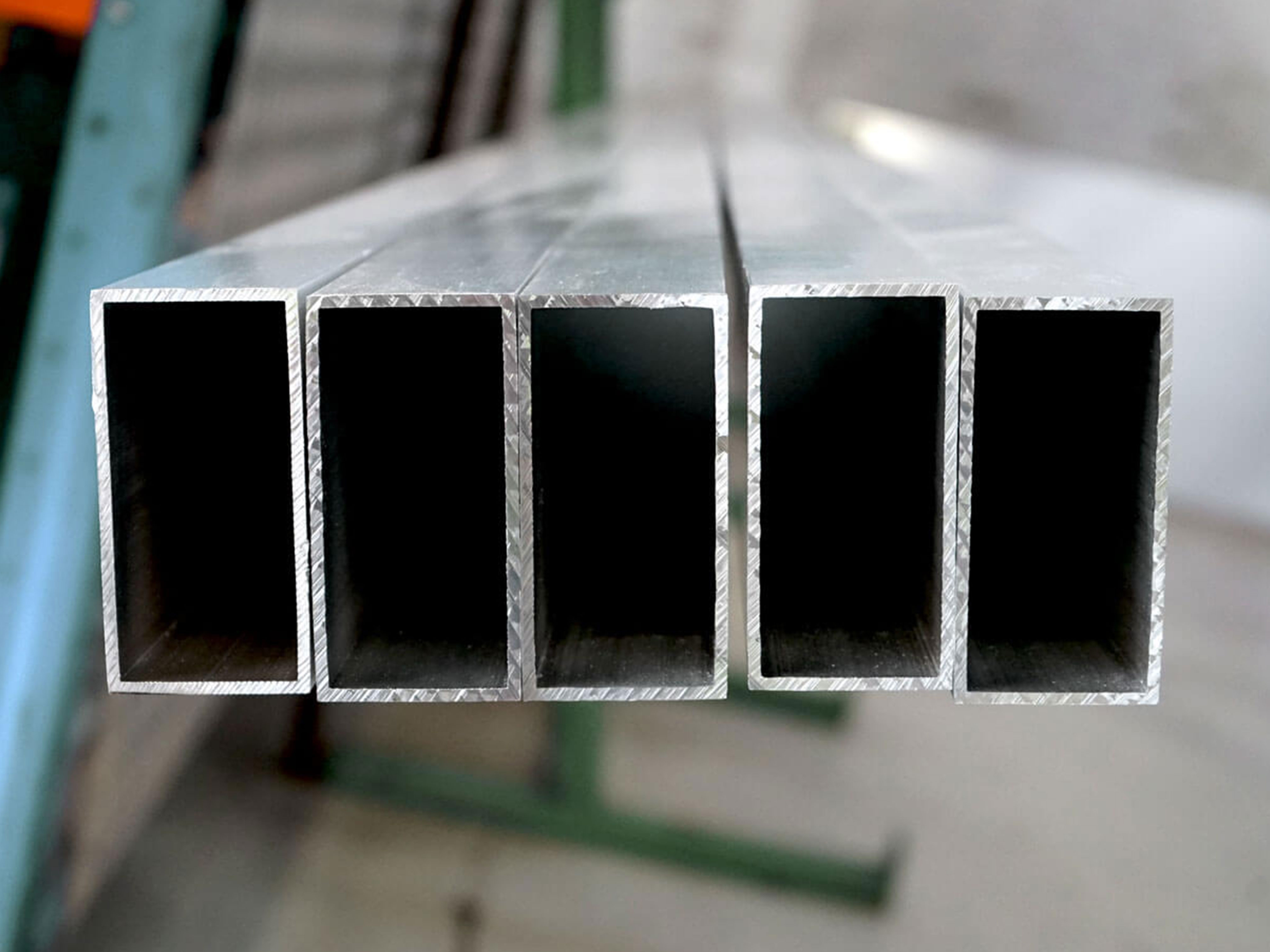
5052 Marine Aluminum Tubes for Marine Construction and Repair
5052 marine aluminum tubes are a go-to choice for builders, repair yards, and fabricators who need reliable corrosion resistance, clean weldability, and consistent forming performance in saltwater environments.
View Details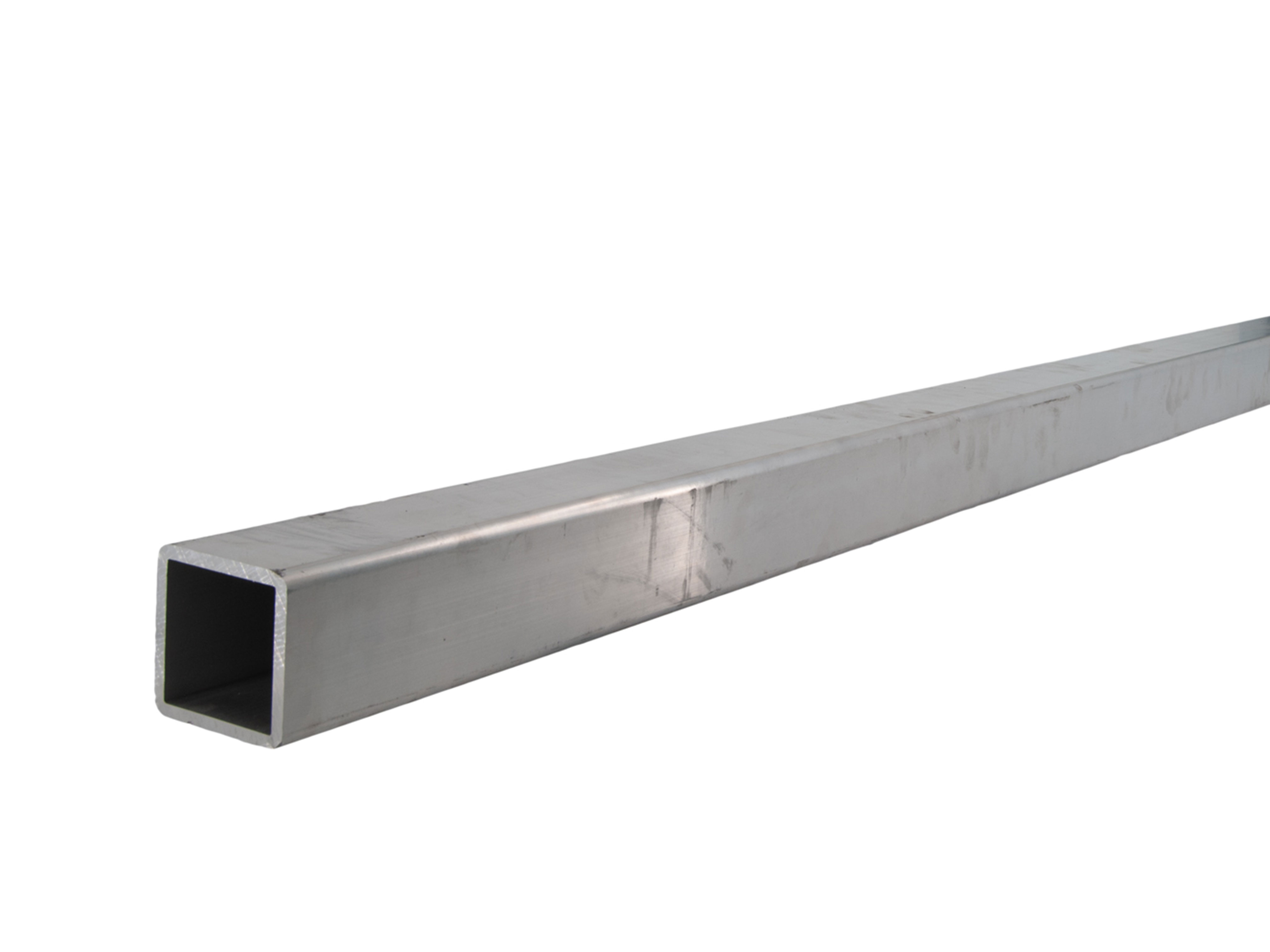
5052 Marine Aluminum Tubes for Marine Vessel Hull Construction
When it comes to building resilient marine vessels, selecting the right materials is crucial. One outstanding option is 5052 Marine Aluminum, widely recognized for its excellent corrosion resistance and structural integrity.
View Details
Leave a Message