
Ship Building Aluminum Plate 5083 H116 For Boat
In a boatyard, material choice is not only a drawing-room decision. It is heard in the sound of cutting, felt during forming, tested at the weld seam, and judged years later when the hull is still clean after exposure to saltwater. Ship building aluminum plate 5083 H116 for boat construction is valued because it sits at the meeting point of strength, corrosion resistance, weldability, and practical fabrication.
5083 aluminum belongs to the Al-Mg series, with magnesium as the main strengthening element. The H116 temper gives the plate controlled strain hardening and stabilization, making it especially suitable for marine service where resistance to exfoliation corrosion and intergranular corrosion matters. For patrol boats, fishing vessels, workboats, ferries, yachts, and offshore structures, this alloy temper is often chosen for hull plates, deck panels, side shells, cabins, bulkheads, and structural members.
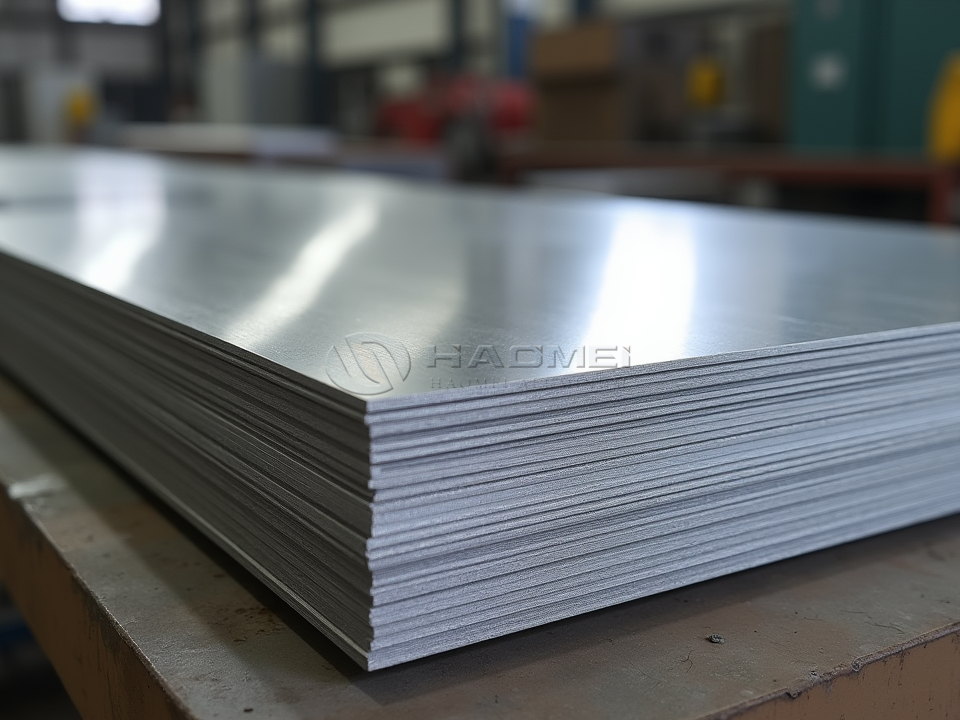
Why 5083 H116 Behaves Well at Sea
Seawater is a patient enemy. It attacks weak alloy design, poor temper control, rough weld practice, and unsuitable surface treatment. 5083 H116 marine aluminum plate resists that attack through a balanced composition rich in magnesium and supported by manganese and chromium. This gives the alloy high strength without relying on heat treatment, so welded areas keep a large portion of their original performance.
Compared with ordinary aluminum sheet, Marine 5083 aluminum sheet is usually produced with tighter control for marine applications, especially when classification society approval is required. The H116 condition is particularly important for hulls because it is designed for long-term exposure in corrosive marine environments.
The plate is also lighter than steel, helping reduce hull weight, fuel consumption, and draft. For vessels where speed, payload, or energy efficiency is important, this weight saving can influence the entire design.
Typical Product Parameters
The exact plate size can be customized according to vessel design and cutting plans, but shipyards usually focus on stable flatness, reliable thickness tolerance, and surface quality suitable for welding and forming.
| Item | Common Range or Requirement |
|---|---|
| Alloy | 5083 |
| Temper | H116 |
| Thickness | 3 mm to 150 mm, with common hull sizes from 4 mm to 30 mm |
| Width | 1000 mm to 2600 mm, wider sizes available by production plan |
| Length | 2000 mm to 12000 mm, cut-to-size available |
| Surface | Mill finish, clean surface, no harmful cracks, corrosion pits, or laminations |
| Density | About 2.66 g/cm3 |
| Delivery Form | Plate, sheet, cut plate, packaged flat plate |
| Main Use | Hull, deck, superstructure, engine room structure, bulkhead, side shell |
For boat builders, the practical value of these parameters is simple: fewer weld joints, better nesting efficiency, lower scrap, and smoother assembly.
Chemical Properties of 5083 Aluminum Plate
The chemical composition of 5083 is the foundation of its marine behavior. Magnesium raises strength and corrosion resistance, manganese supports structure stability, and chromium helps control grain behavior.
| Element | Content, % |
|---|---|
| Si | Max 0.40 |
| Fe | Max 0.40 |
| Cu | Max 0.10 |
| Mn | 0.40-1.00 |
| Mg | 4.00-4.90 |
| Cr | 0.05-0.25 |
| Zn | Max 0.25 |
| Ti | Max 0.15 |
| Others, each | Max 0.05 |
| Others, total | Max 0.15 |
| Al | Balance |
Because 5083 is non-heat-treatable, its strength comes mainly from solid solution strengthening and work hardening. This is why temper control is so important. The same alloy in a different temper may bend, weld, or resist corrosion differently.
Mechanical Performance and Marine Reliability
Typical mechanical properties for 5083 H116 plate are strong enough for demanding boat structures while still allowing fabrication. Values vary by thickness and standard, so final confirmation should follow the purchase specification and class approval requirements.
| Property | Typical Reference Value |
|---|---|
| Tensile Strength | 305-385 MPa |
| Yield Strength | Min 215 MPa |
| Elongation | Usually 10% or higher, depending on thickness |
| Hardness | About 85-100 HB |
| Modulus of Elasticity | About 70 GPa |
| Melting Range | About 570-640°C |
This combination gives designers freedom to reduce weight while still maintaining structural safety. The plate performs well under vibration, wave impact, and repeated service loads when proper design and welding procedures are used.
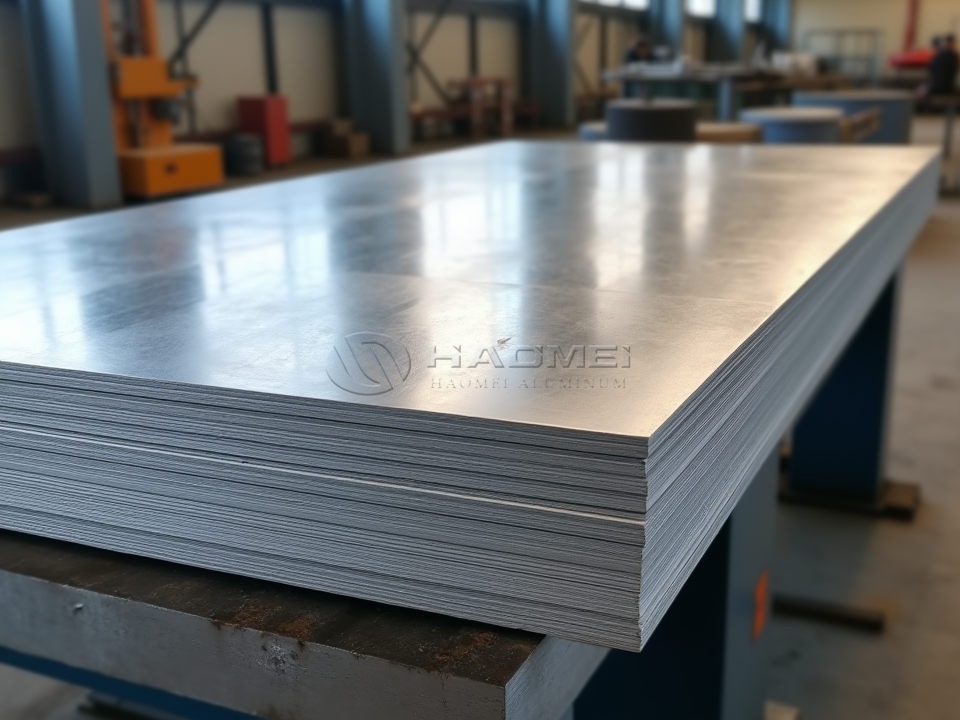
H116 Temper and Other Marine Tempers
H116 is often misunderstood as just another hardness condition. In marine aluminum, it is more specific. It refers to a strain-hardened condition with special control to improve resistance against exfoliation corrosion and stress-corrosion related damage in saltwater service.
Common 5083 tempers used in boat building include:
- O temper for maximum formability and softer bending behavior
- H111 for lightly strain-hardened material with good forming ability
- H112 for hot-worked plate with moderate strength
- H116 for marine corrosion resistance and hull service
- H321 for stabilized marine use with strong corrosion performance
For hull plates exposed directly to seawater, H116 and H321 are often preferred. For parts requiring heavy forming, O or H111 may be selected first, depending on the design. A complete boat may use several tempers in different locations, rather than one material condition everywhere.
Implementation Standards and Classification Approval
Marine aluminum plate is not judged only by chemistry. Shipyards often require documents that prove the material matches international and vessel-class requirements. Common standards and approval references include:
- ASTM B928 for high-magnesium aluminum alloy sheet and plate for marine service
- ASTM B209 for aluminum and aluminum alloy sheet and plate
- EN 485 for aluminum sheet, strip, and plate mechanical properties and tolerances
- EN 573 for aluminum alloy chemical composition
- ABS, DNV, LR, BV, CCS, KR, RINA, and other classification society rules when required
For serious ship building projects, traceability is essential. Mill test certificates should show alloy, temper, heat number, size, mechanical properties, chemical composition, and applicable standard. If the vessel is built under class, the plate may also need inspection stamps or third-party approval.
Welding, Cutting, and Fabrication Notes
5083 H116 aluminum plate welds well using MIG or TIG processes. Common filler metals include 5183, 5356, and 5556, depending on strength needs, corrosion exposure, and welding procedure qualification. Heat input should be controlled to reduce distortion and maintain joint quality.
Plasma cutting, waterjet cutting, sawing, and CNC routing are commonly used. Before welding, oil, oxide, moisture, and shop contamination should be removed from the joint area. Aluminum oxide melts at a much higher temperature than the base metal, so proper cleaning makes welding more stable.
Forming is possible, but bend radius must match plate thickness and temper. H116 is stronger and less soft than O temper, so sharp bending should be avoided unless the process has been tested. For complex curved hull plates, shipyards may select a softer temper for forming and use H116 for flatter structural areas.
Where 5083 H116 Fits in a Boat
The alloy is widely used in areas where strength and seawater resistance must work together. Hull bottoms, side plates, transoms, decks, bulkheads, fuel tank structures, engine foundations, and cabin structures can all use 5083 H116 depending on design rules. For flooring or anti-slip walking areas, builders may combine flat hull plate with Marine Aluminum Tread Sheets to improve traction and safety.
Compared with 5052, 5083 offers higher strength and is more suitable for larger or more demanding hull structures. Compared with 5086, 5083 often provides higher mechanical strength, while 5086 may be chosen for some formed components. The final choice should match vessel size, service area, welding plan, and class requirement.
Buying Considerations for Boat Builders
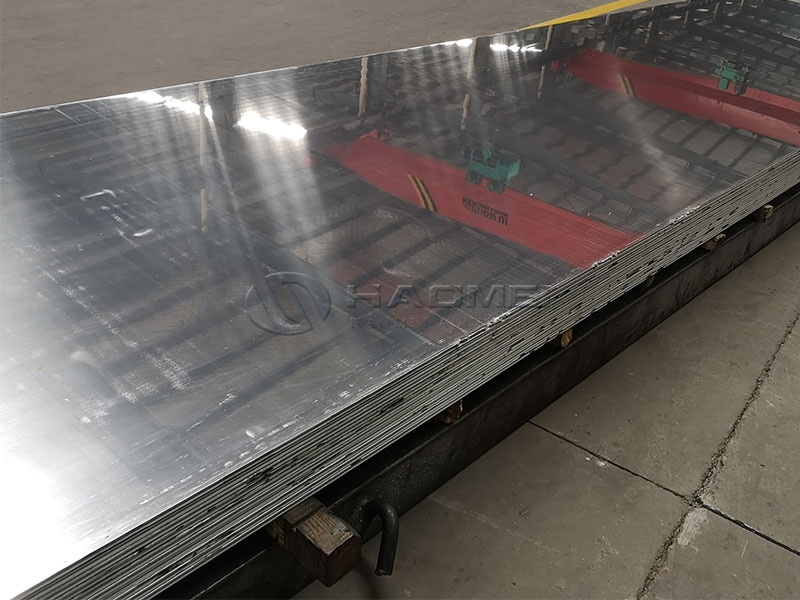
A good purchase specification should mention alloy, temper, thickness, width, length, standard, class approval if needed, surface condition, tolerance, packaging, and testing documents. For marine plate, packaging is not a minor detail. Plates should be protected from moisture, scratches, and direct contact with incompatible materials during transport and storage.
Before production, it is useful to confirm cutting drawings, minimum order size, rolling width, delivery time, certificate type, and whether ultrasonic testing or additional corrosion testing is needed. For export projects, seaworthy packing and clear plate marking can save time when materials arrive at the yard.
Ship building aluminum plate 5083 H116 for boat construction is more than a metal sheet. It is a working material shaped by saltwater, welding arcs, design loads, and years of service. When the correct standard, temper, composition, and production control come together, it becomes a dependable foundation for safer, lighter, and longer-lasting marine structures.

Related Products
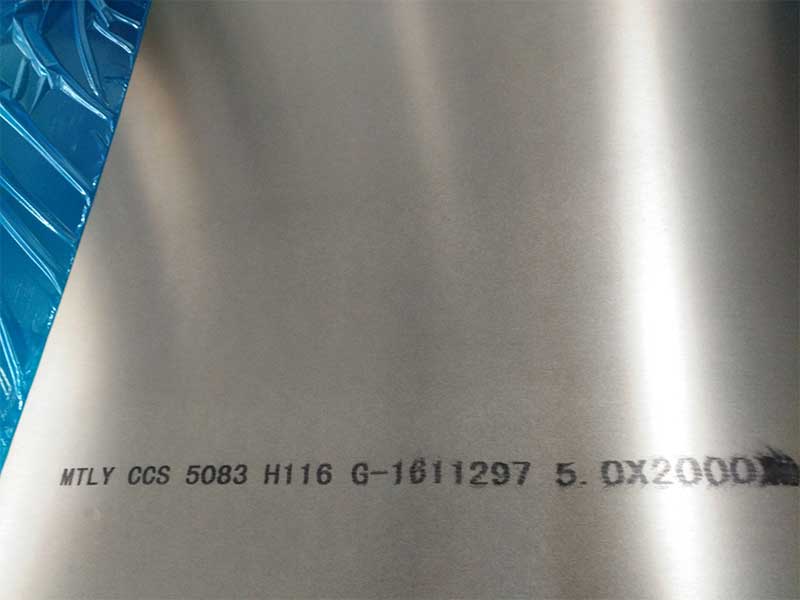
Marine 5083 aluminum sheet
Aluminum alloy 5083 is a non-heat-treatable alloy primarily composed of magnesium and trace elements that deliver outstanding protection against corrosion, particularly in seawater and saline atmospheres.
View Details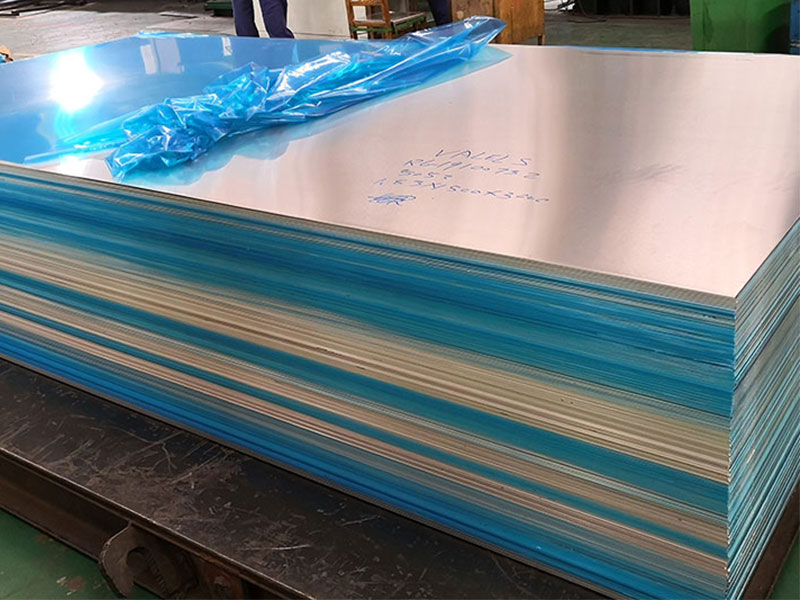
Marine 5059 aluminum sheet
5059 aluminum alloy is a strain-hardened material with a unique addition of magnesium and chromium, which provides outstanding resistance to localized corrosion like pitting and stress corrosion cracking.
View Details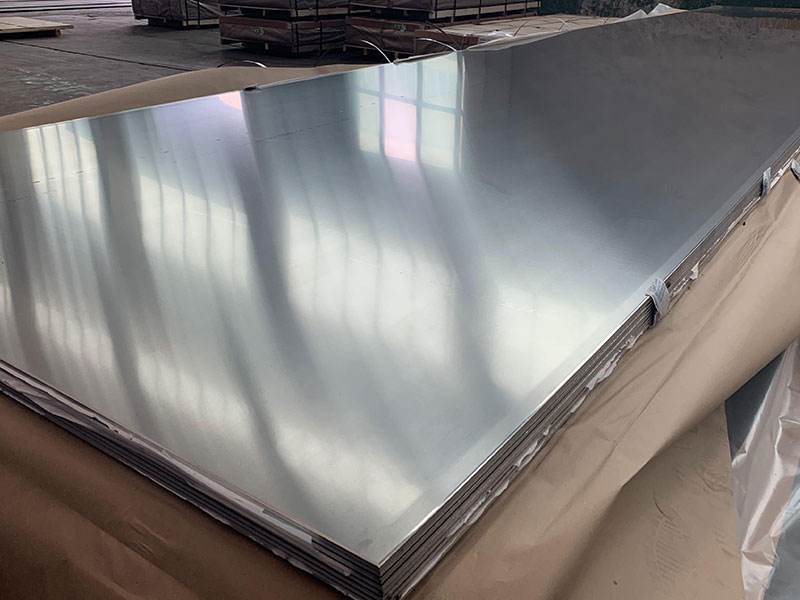
Marine 5086 aluminum sheet
This product article provides an in-depth and comprehensive understanding of Marine 5086 Aluminum Sheets, including their chemical composition, mechanical properties, corrosion resistance, fabrication capabilities, and typical marine applications.
View Details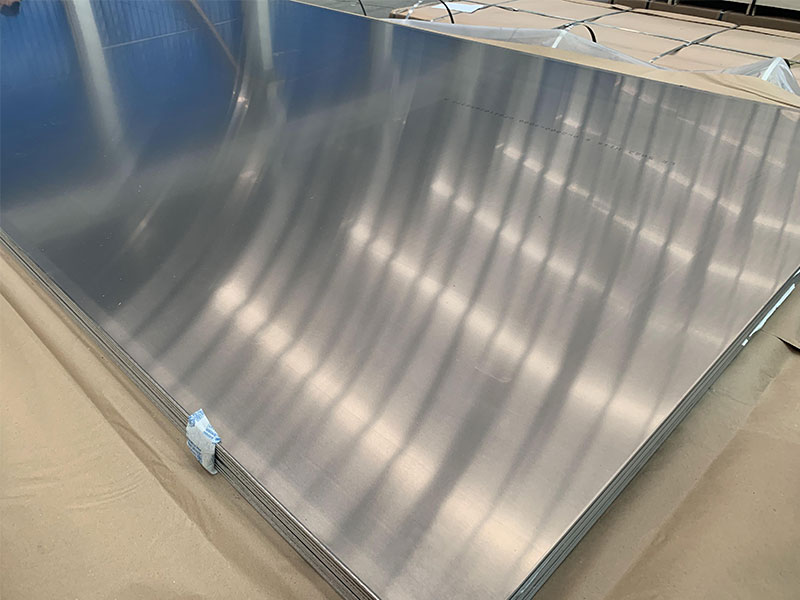
Marine 5052 aluminum sheet
Aluminum alloy 5052 is a non-heat-treatable, strain-hardened alloy with magnesium as the primary alloying element. It is designed to offer superior corrosion resistance in marine and saline environments, making it a dependable choice for components exposed directly to seawater or coastal atmospheric conditions.
View Details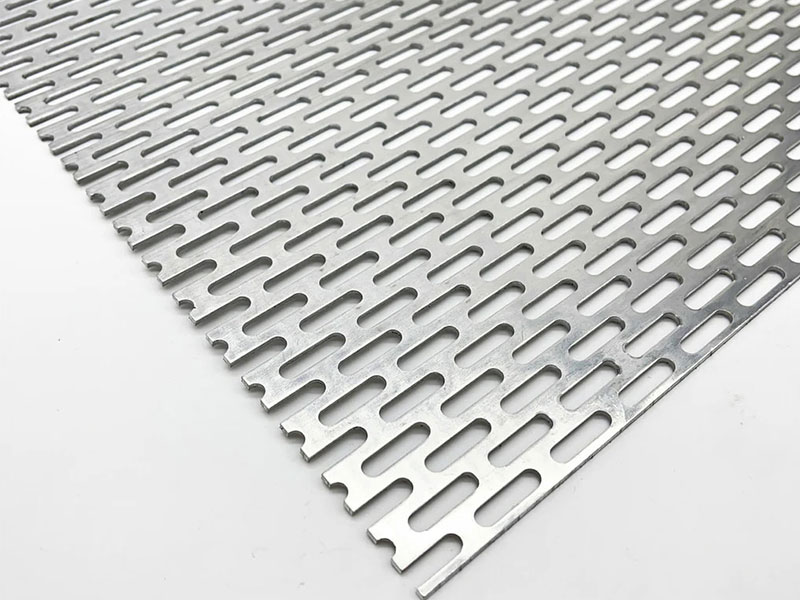
Marine perforated aluminum sheets
Marine Perforated Aluminum Sheets feature a series of uniform holes or shapes punched through the aluminum surface. These perforations can vary in size, pattern, and open area to tailor the sheets for specific applications.
View Details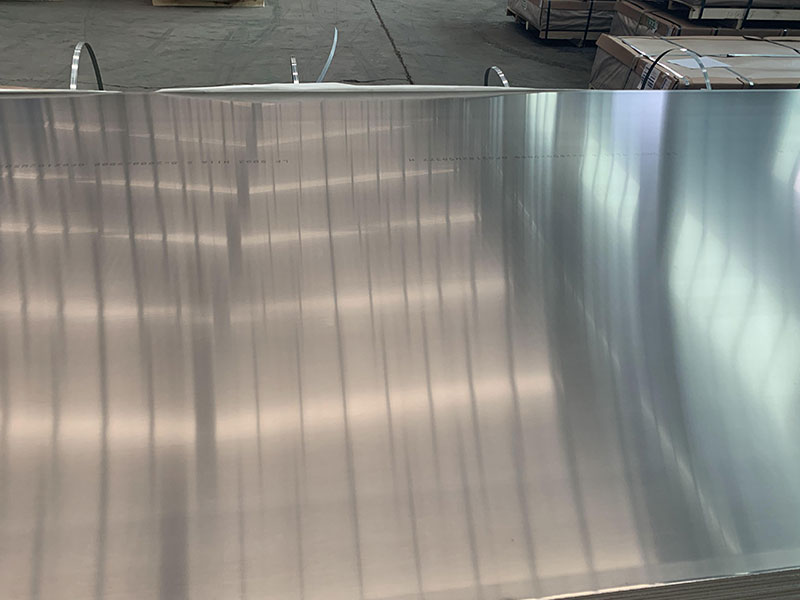
Marine 5383 aluminum sheet
5383 aluminum is a strain-hardened, non-heat-treatable alloy from the 5xxx series primarily alloyed with magnesium. It exhibits a unique balance of corrosion resistance and mechanical properties particularly suited for marine applications.
View DetailsRelated Blog
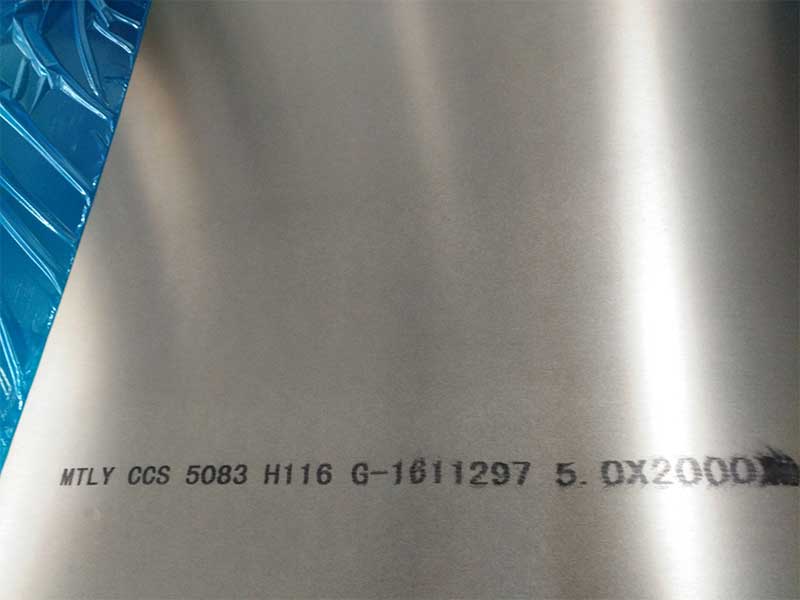
Aluminum sheet 5083 h116 with certificate of CCS for marine
High-performance Aluminum Sheet 5083 H116, certified by CCS for marine use. Explore its chemical properties, mechanical parameters, tempering conditions, and compliance standards making it ideal for marine environments.
View Details
6063 t5 marine 5052 aluminum sheet
When it comes to marine-grade aluminum, the 6063 T5 marine 5052 aluminum sheet stands out as a prime material known for its remarkable corrosion resistance, strength, and versatility in various marine and industrial applications.
View Details
10mm 8mm 6mm Marine Aluminium Sheet
In the demanding maritime environment, material performance can decide the lifespan and safety of vessels and related structures. Marine aluminium sheets, particularly in 10mm, 8mm, and 6mm thicknesses, offer a unique combination of durability.
View Details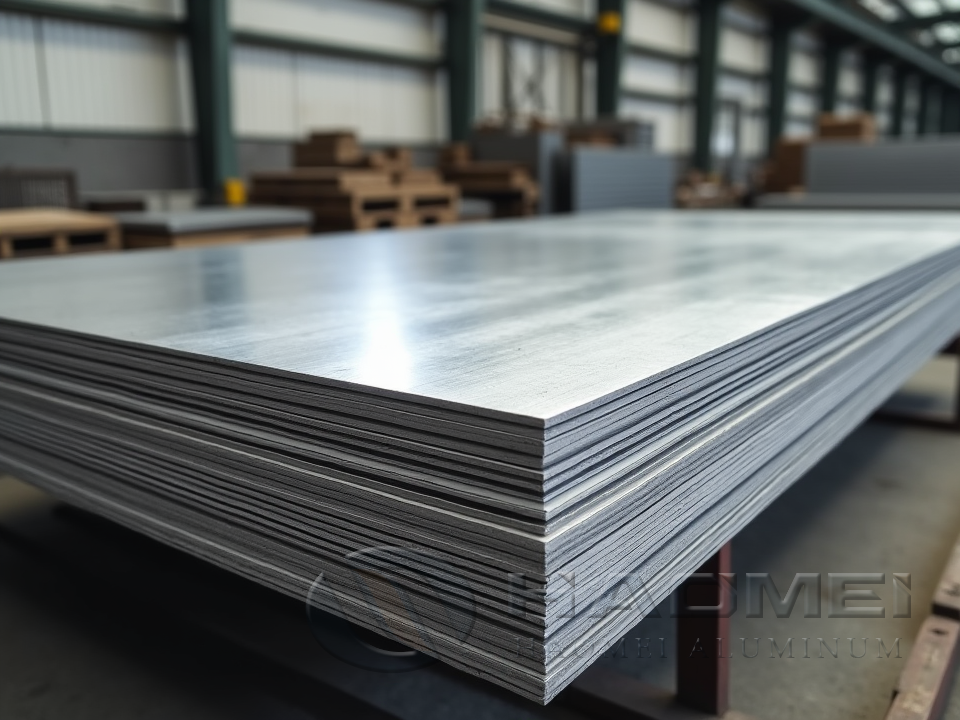
Marine 5383 Aluminum Sheet
Learn 5383 marine aluminum sheet properties, tempers, standards, chemistry, sizes, fabrication notes, and boatbuilding uses in one guide.
View Details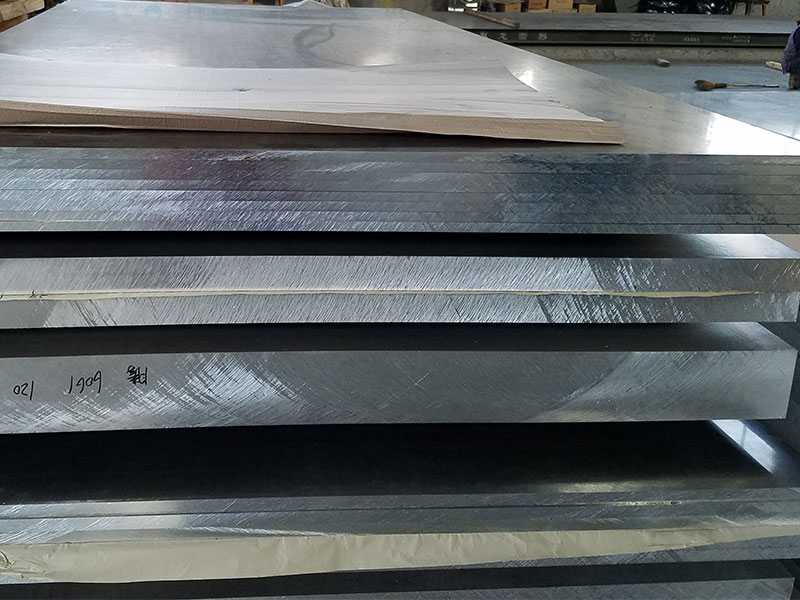
Anti-Corrosion Anodizing 5083 Alloy Aluminum Coil for Electric Boat Construction
Electric boats operate in one of the most demanding corrosion environments on earth: a wet, oxygen-rich, salt-contaminated atmosphere with constant abrasion, vibration, and stray electrical currents.
View Details
Aluminium sheet for boat
Aluminium sheet for boat construction is one of the most widely used materials in modern marine manufacturing. It combines light weight, high strength, excellent corrosion resistance, and good weldability, making it ideal for hulls, decks, cabins.
View Details
Leave a Message