
5000 Series Marine Grade Aluminum Sheet
5000 Series marine grade aluminum sheet is a preferred material for vessels that must remain strong, lightweight, and dependable in saltwater environments. Alloyed primarily with magnesium, this aluminum family offers a practical balance of corrosion resistance, weldability, formability, and structural performance. It is widely used in workboats, fishing vessels, patrol craft, ferries, yachts, offshore structures, and interior marine equipment.
Unlike many high-strength aluminum grades, 5000 Series alloys are non-heat-treatable. Their strength is developed through magnesium content and controlled strain hardening. This makes tempers such as H111, H116, H321, H32, and H34 especially important when selecting material for hull plating, decks, cabins, bulkheads, tanks, and fabricated components.
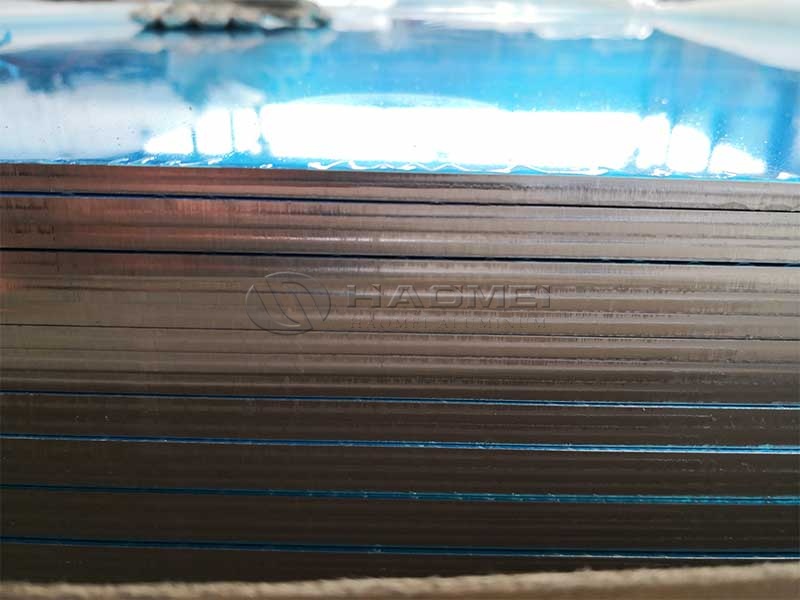
Why 5000 Series Aluminum Performs Well at Sea
The marine environment combines chlorides, moisture, temperature changes, vibration, and mechanical impact. A suitable metal must resist corrosion while remaining easy to fabricate. 5000 Series marine grade aluminum sheet meets these demands through its magnesium-rich composition and stable surface oxide film.
The material develops a naturally protective oxide layer when exposed to air. In seawater service, alloys such as 5083, 5086, 5059, and 5383 provide excellent resistance to general corrosion and pitting when the correct temper, fabrication method, and maintenance practices are used. Their favorable strength-to-weight ratio helps naval architects reduce hull weight without sacrificing structural integrity.
A lighter structure can improve vessel speed, payload capacity, fuel efficiency, and draft control. Aluminum construction also allows large panels to be welded into clean, efficient assemblies, limiting the number of mechanical fasteners and reducing locations where moisture may collect.
| Performance Feature | Marine Value |
|---|---|
| Low density | Reduces vessel weight and supports higher payload or lower fuel consumption |
| Seawater corrosion resistance | Supports long-term use in salt spray, humid harbors, and offshore conditions |
| Excellent weldability | Enables welded hulls, decks, tanks, and superstructures |
| Good formability | Suitable for bending, rolling, pressing, and shaped marine components |
| High recycled content potential | Supports responsible material use and end-of-life recyclability |
| Non-magnetic behavior | Useful near navigation, electronic, and specialized equipment |
Common Alloys for Marine Construction
Not every 5000 Series alloy serves the same purpose. Alloy choice should follow the vessel design, sheet thickness, required strength, forming radius, certification needs, and service exposure. The most frequently specified grades are 5052, 5083, 5086, 5059, and 5383.
| Alloy | Typical Magnesium Content | Common Tempers | Relative Strength | Typical Marine Uses |
|---|---|---|---|---|
| 5052 | 2.2-2.8% | H32, H34, O | Medium | Cabin panels, fuel tanks, lockers, trim, interiors |
| 5083 | 4.0-4.9% | H111, H116, H321, O | High | Hull plating, decks, bulkheads, offshore structures |
| 5086 | 3.5-4.5% | H111, H116, H32 | High | Hulls, welded panels, landing craft, pressure vessels |
| 5059 | 5.0-6.0% | H116, H321 | Very high | High-speed craft, armored and demanding structural sections |
| 5383 | 4.0-5.2% | H116, H321 | Very high | Large vessels, hulls, high-strength welded structures |
For thinner parts requiring smooth bending and a clean finish, Marine 5052 aluminum sheet is frequently selected. It offers dependable corrosion resistance and good workability for non-primary structural components.
For heavily loaded hull and deck structures, Marine 5083 aluminum sheet is one of the industry's most established choices. Its high magnesium content gives it strong performance in marine atmospheres and welded fabrications.
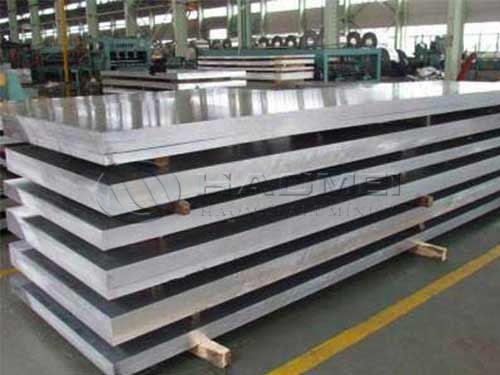
Chemical Composition and Its Effect on Performance
Magnesium is the principal alloying element in 5000 Series marine aluminum. It improves strength and contributes to corrosion resistance. Manganese is often added to control grain structure and support toughness. Chromium may be present in small quantities to improve resistance to stress-corrosion cracking and enhance microstructural stability.
| Element | Typical Function in 5000 Series Marine Aluminum |
|---|---|
| Magnesium, Mg | Raises strength and improves marine corrosion behavior |
| Manganese, Mn | Supports grain refinement, toughness, and strength retention |
| Chromium, Cr | Helps control grain structure and corrosion-related performance |
| Iron, Fe | Kept controlled to limit adverse intermetallic particles |
| Silicon, Si | Maintained at low levels for predictable fabrication behavior |
| Aluminum, Al | Balance; provides low weight, conductivity, and natural oxide protection |
Exact chemistry must comply with the selected alloy standard, such as EN, ASTM, ABS, DNV, LR, or other project-specific marine requirements. Certification should be reviewed before fabrication, particularly for hull plate, pressure-containing structures, and classed vessels.
Temper Selection Matters
Temper affects strength, bending response, and service suitability. H116 and H321 tempers are commonly specified for seawater-facing structural plate because they are designed to provide improved resistance to exfoliation corrosion in marine conditions. H111 is often used where moderate strength and forming ability are required. H32 and H34 are popular for 5052 sheet used in lighter fabricated components.
| Temper | General Characteristics | Suitable Uses |
|---|---|---|
| O | Annealed, soft, highly formable | Deep-formed parts and complex shapes |
| H111 | Lightly strain hardened | General marine fabrication and formed plate |
| H116 | Strain hardened and stabilized for marine exposure | Hulls, decks, side shells, offshore structures |
| H321 | Strain hardened and stabilized with controlled thermal treatment | Structural plate requiring corrosion resistance and strength |
| H32 / H34 | Strain hardened and stabilized sheet tempers | 5052 panels, tanks, enclosures, and cabin work |
Fabrication Advantages for Shipyards
5000 Series marine grade aluminum sheet can be cut by saw, shear, router, waterjet, plasma, or laser methods when parameters are matched to thickness and surface requirements. It can be bent, rolled, stamped, and machined with standard aluminum fabrication practices. Clean tooling and separation from carbon-steel contamination are essential, as embedded ferrous particles can create staining or localized corrosion.
Welding is a major advantage. MIG and TIG welding are widely used for marine structures, typically with filler alloys such as 5183, 5356, or 5556, selected according to the base alloy and service conditions. Welding inevitably softens strain-hardened material in the heat-affected zone, so joint design must account for reduced local strength. Experienced fabricators use appropriate weld sequence, heat control, fit-up, and distortion management to produce reliable assemblies.
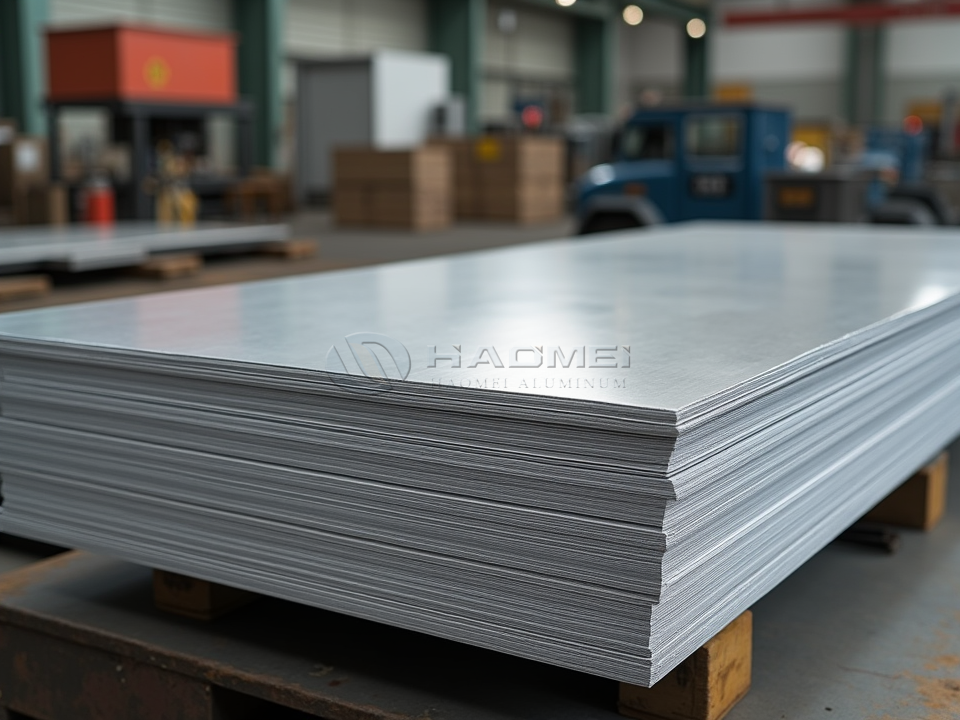
Typical Applications Across Marine Projects
The versatility of 5000 Series aluminum sheet reaches far beyond the outer hull. Thick 5083, 5086, 5059, or 5383 plate is commonly used for hull bottoms, side shells, transoms, deck plating, longitudinal stiffeners, bulkheads, and wheelhouse structures. These grades are especially valuable for vessels exposed to repeated wave loading, impact, and continuous saltwater contact.
5052 sheet is well suited to lighter fabricated parts, including fuel tanks, storage lockers, interior partitions, cabinetry, galley panels, electrical enclosures, ceiling panels, and decorative trim. Its balanced formability helps fabricators produce curved or folded parts without excessive cracking risk.
Marine aluminum also serves in gangways, floating dock components, fish holds, hatch covers, landing craft, passenger ferries, RIB support structures, patrol boats, and offshore service vessels. For walking surfaces where slip resistance is important, tread-pattern aluminum is often chosen for decks, steps, and access platforms.
Purchasing and Quality Considerations
Marine-grade performance depends on more than alloy name. Customers should confirm alloy, temper, thickness tolerance, width, length, flatness, surface condition, ultrasonic testing requirements, and third-party classification documentation where needed. Plates intended for critical hull sections may require class certification from organizations such as ABS, DNV, Lloyd's Register, BV, or CCS.
Proper storage also preserves material quality. Sheets should be kept dry, separated from standing water, protected from abrasive contamination, and handled with clean lifting equipment. If surface finishing, anodizing, painting, or bonding is planned, specify the required surface condition early so the material can be supplied in a suitable mill finish.
5000 Series marine grade aluminum sheet gives shipbuilders a durable platform for modern, efficient vessels. With the correct alloy, temper, fabrication controls, and corrosion-conscious design, it delivers long service life from calm marinas to demanding offshore routes.

Related Products
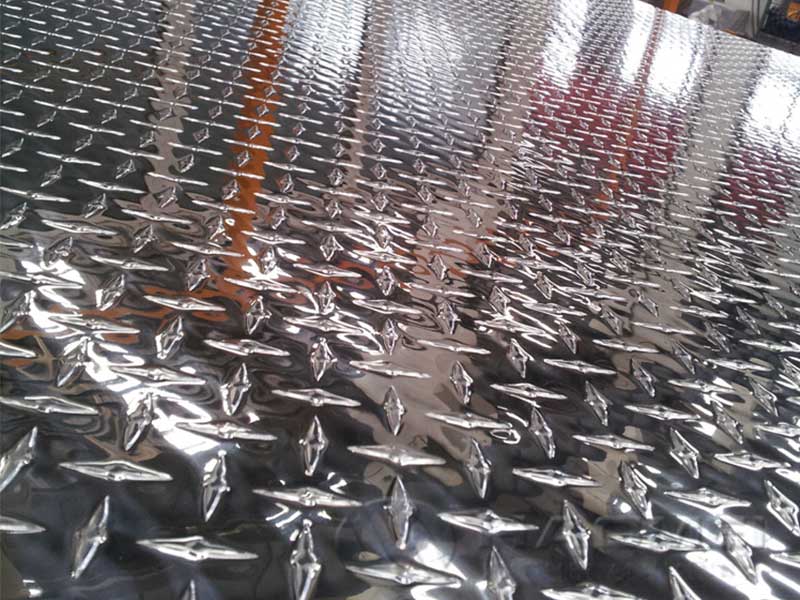
Marine Aluminum Tread Sheets
Marine Aluminum Tread Sheets are aluminum alloy plates featuring a raised surface pattern, commonly referred to as a tread design or diamond plate.
View Details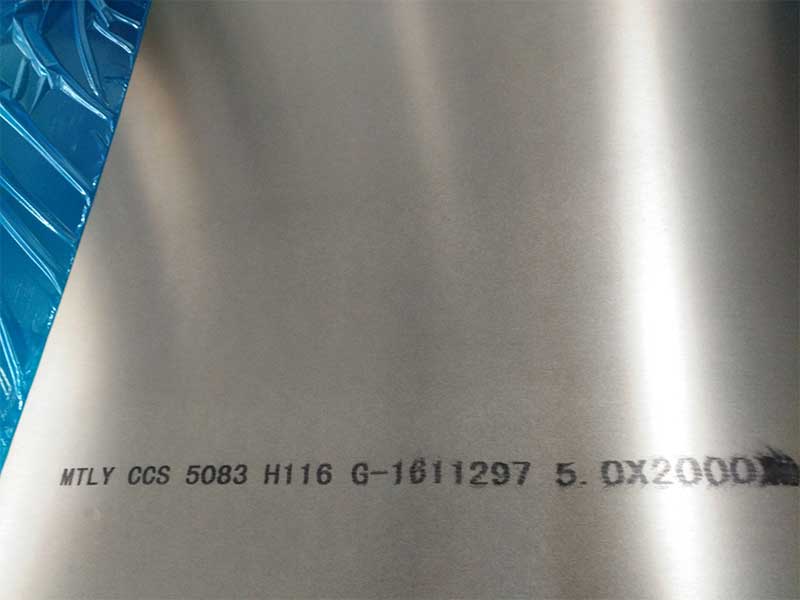
Marine 5083 aluminum sheet
Aluminum alloy 5083 is a non-heat-treatable alloy primarily composed of magnesium and trace elements that deliver outstanding protection against corrosion, particularly in seawater and saline atmospheres.
View Details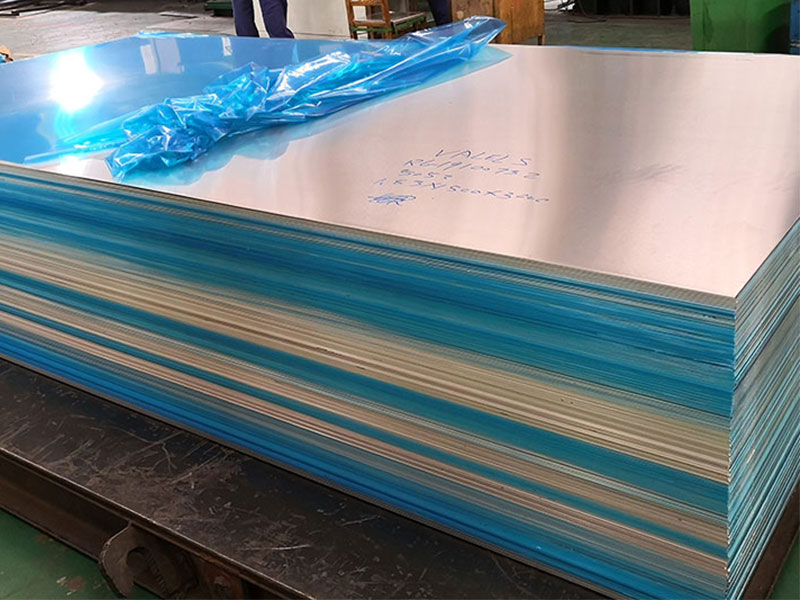
Marine 5059 aluminum sheet
5059 aluminum alloy is a strain-hardened material with a unique addition of magnesium and chromium, which provides outstanding resistance to localized corrosion like pitting and stress corrosion cracking.
View Details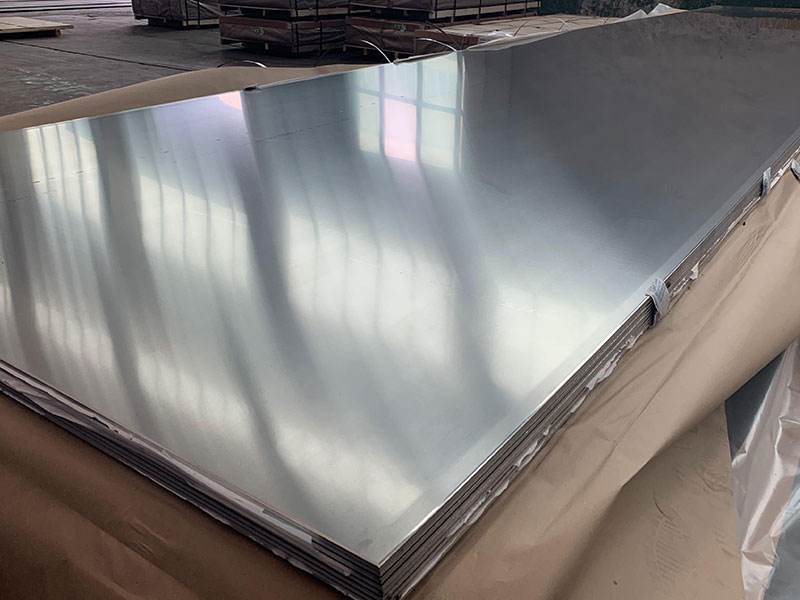
Marine 5086 aluminum sheet
This product article provides an in-depth and comprehensive understanding of Marine 5086 Aluminum Sheets, including their chemical composition, mechanical properties, corrosion resistance, fabrication capabilities, and typical marine applications.
View Details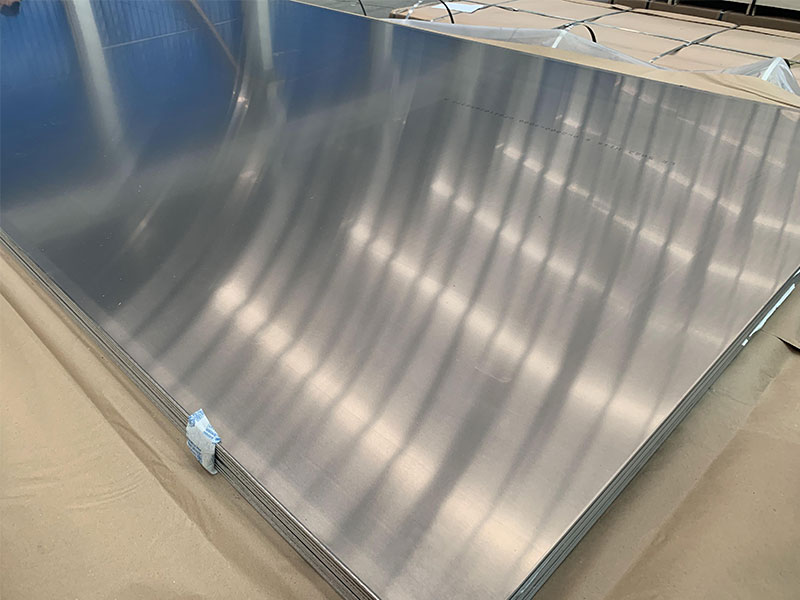
Marine 5052 aluminum sheet
Aluminum alloy 5052 is a non-heat-treatable, strain-hardened alloy with magnesium as the primary alloying element. It is designed to offer superior corrosion resistance in marine and saline environments, making it a dependable choice for components exposed directly to seawater or coastal atmospheric conditions.
View Details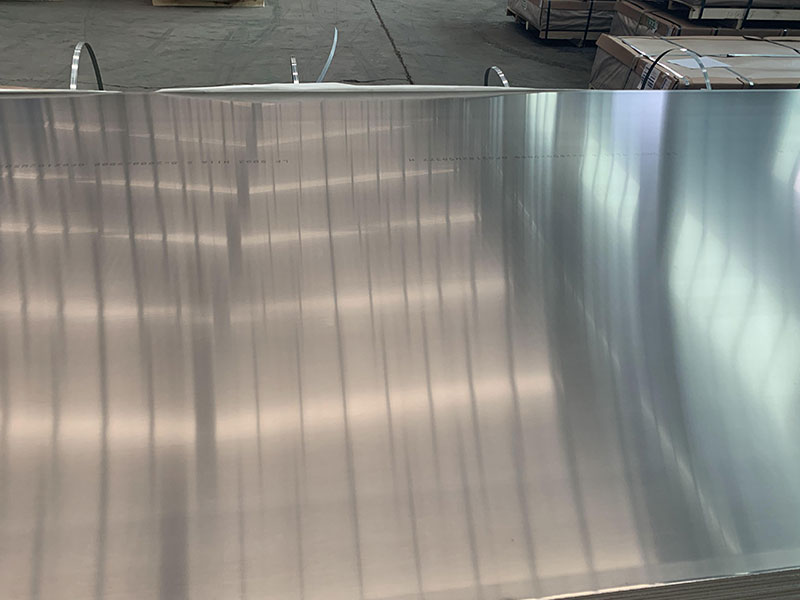
Marine 5383 aluminum sheet
5383 aluminum is a strain-hardened, non-heat-treatable alloy from the 5xxx series primarily alloyed with magnesium. It exhibits a unique balance of corrosion resistance and mechanical properties particularly suited for marine applications.
View DetailsRelated Blog
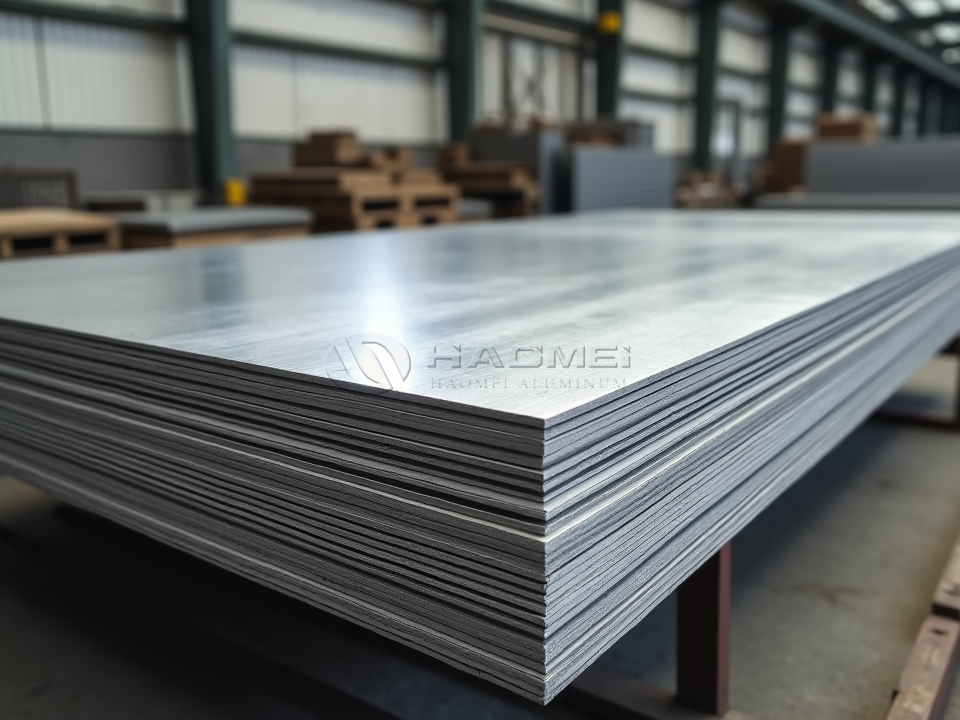
5083 Marine Perforated Aluminum Sheets
5083 marine perforated aluminum sheets bring seawater resistance, strength, drainage, airflow, and custom hole patterns to boat structures.
View Details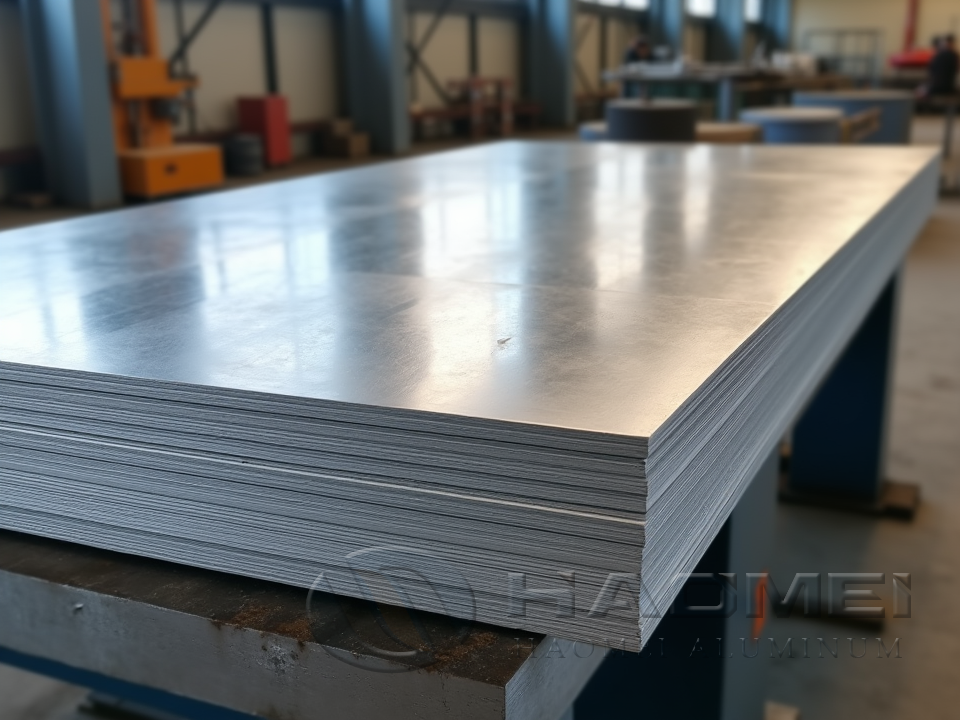
5383 Marine Heavy Duty Aluminum Plate
5383 marine heavy duty aluminum plate delivers strength, seawater corrosion resistance, weldability, and long service for offshore hulls.
View Details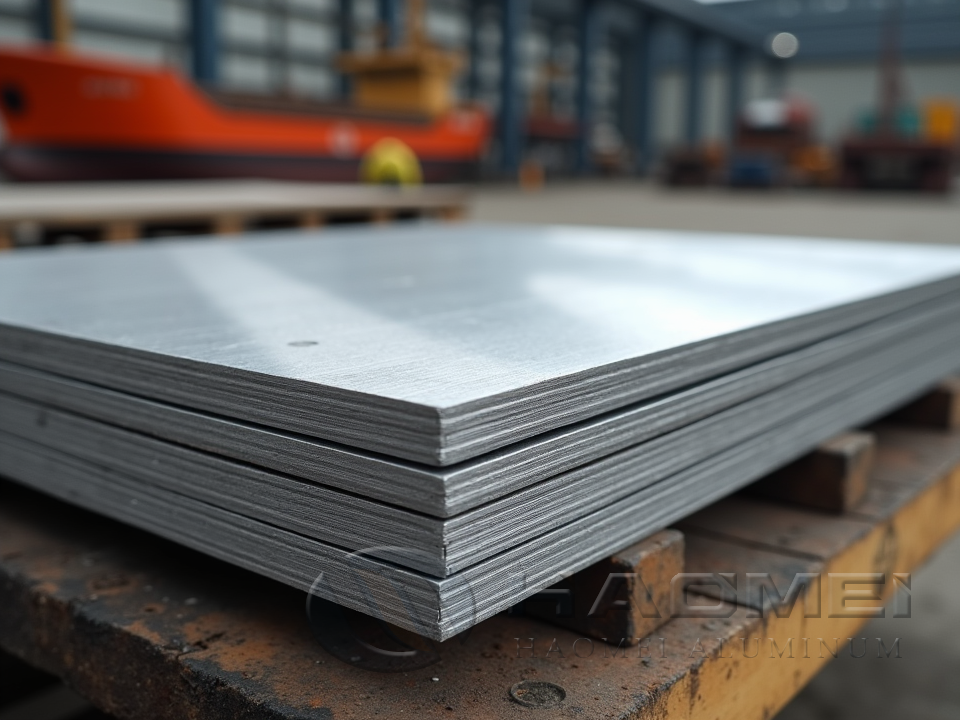
5086 Marine Heavy Duty Aluminum Plate
5086 marine heavy duty aluminum plate delivers seawater corrosion resistance, weldability, strength, and stable service for hulls and offshore structures.
View Details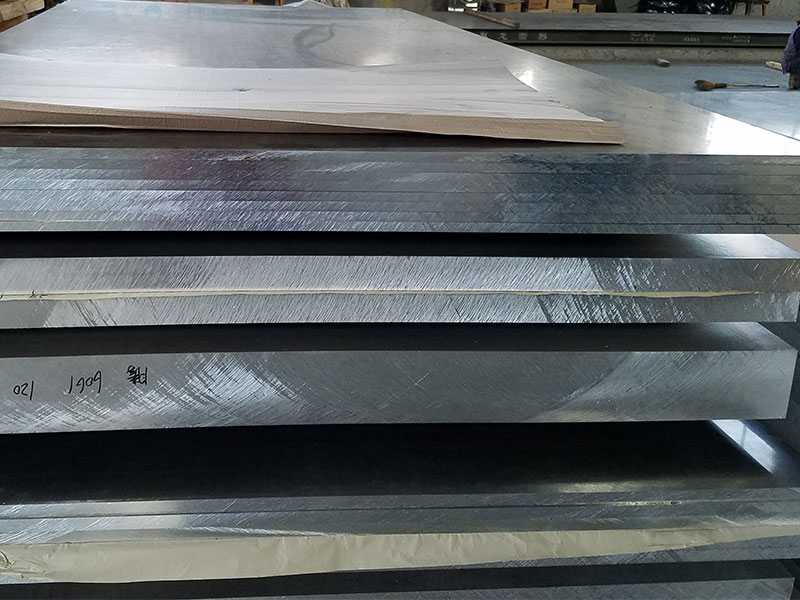
5052 marine grade aluminum
5052 marine grade aluminum is one of the most widely used aluminum alloys for saltwater-exposed structures where corrosion resistance, weldability, and long-term durability matter more than peak strength.
View Details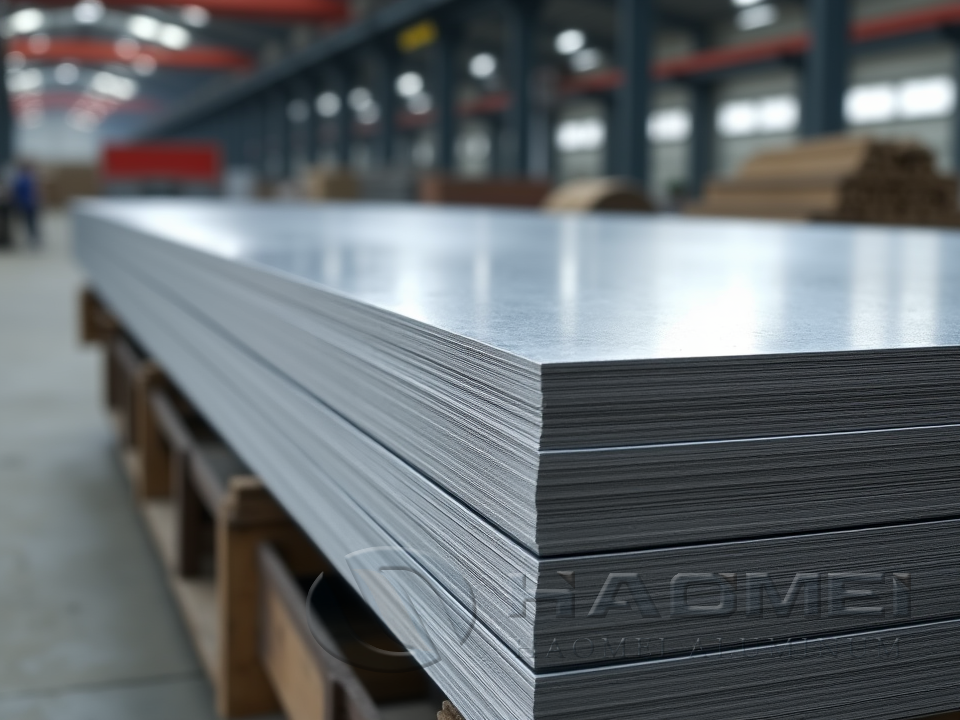
Marine 5086 Aluminum Plate
Marine 5086 aluminum plate offers strong corrosion resistance, weldability, and stable strength for hulls, decks, tanks, and offshore use.
View Details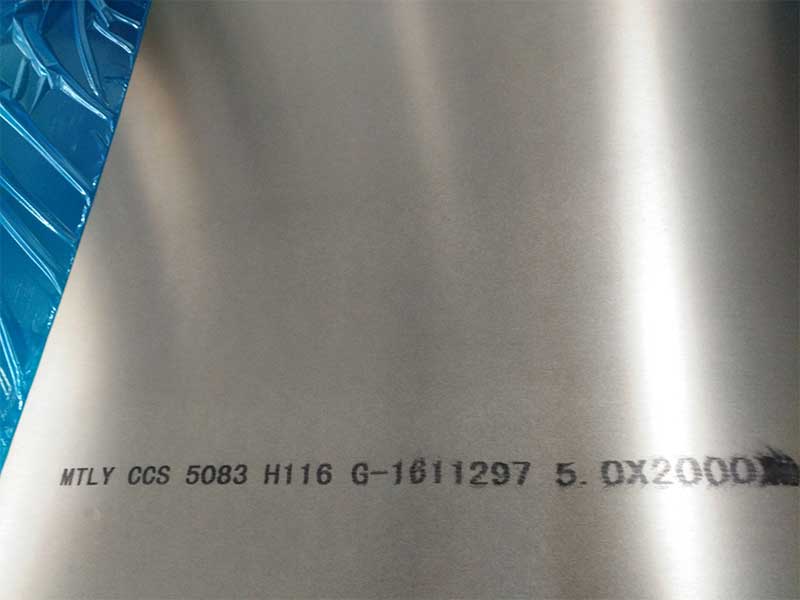
Aluminum perforated sheet for boat
Aluminum perforated sheet is a high-value material choice for boats and marine structures where weight control, corrosion resistance, drainage, airflow, and slip management matter as much as strength.
View Details
Leave a Message