
5052 5058 5083 5086 Aluminum Plate ASTM B209 Marine
Selecting marine aluminum plate is not simply a matter of choosing the strongest alloy. A vessel meets seawater in different ways: the hull is continuously wet and mechanically loaded, decks collect saltwater and foot traffic, tanks may hold liquids for long periods, and cabins need formability more than extreme strength. From this practical "boat-zone" viewpoint, 5052, 5058, 5083, and 5086 aluminum plates serve different purposes even when they are ordered under ASTM B209.
ASTM B209 is an important purchasing foundation for aluminum sheet and plate. It establishes requirements for chemical composition, dimensions, tolerances, temper, mechanical properties, inspection, and identification. Yet ASTM B209 alone does not make a plate ready for every marine location. Buyers should also define thickness, temper, surface condition, corrosion expectations, welding method, and any classification-society or project-specific requirements.
Think Like Seawater, Not Like a Catalog
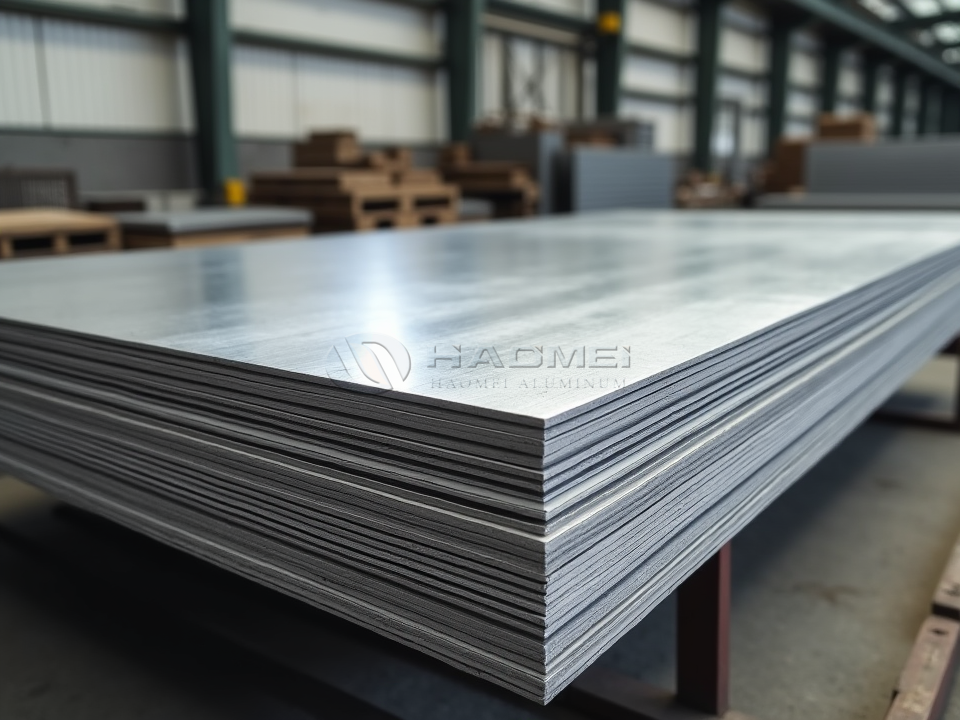
Saltwater does not test every part of a boat equally. The bottom shell, chines, transom, and major hull structure face wave impact, cyclic loading, weld heat, and prolonged chloride exposure. These areas normally favor higher-strength 5xxx alloys designed for marine service, especially 5083 and 5086 in appropriate tempers.
Deckhouses, interior partitions, access covers, fish boxes, tank lids, non-structural panels, and formed components often need good bendability and reliable corrosion resistance at a more economical cost. Here, 5052 can be an excellent fit. The best material decision is therefore usually a material map rather than an attempt to use one alloy everywhere.
5052: The Practical Plate for Formed Marine Components
5052 aluminum plate contains magnesium and chromium, providing very good corrosion resistance and forming performance. It is widely used for marine interiors, deck equipment, lockers, small formed structures, trim panels, tank covers, and light-duty sheet-metal work.
Compared with 5083 and 5086, 5052 generally has lower strength. This does not make it inferior; it makes it suitable for parts where heavy structural loading is not the controlling factor. Its ability to bend, fabricate, and finish cleanly can reduce manufacturing difficulty for complex panels.
For projects using thinner material, H32 and H34 tempers are common choices because they provide a useful balance between strength and workability. Buyers should be cautious when specifying 5052 for highly loaded hull plating or primary structure. If the plate will carry major impact loads or form part of a large welded hull, 5083 or 5086 is usually the more appropriate engineering direction.
For lighter fabricated parts, Marine 5052 aluminum sheet provides a dependable option when corrosion resistance, clean forming, and reasonable strength are the priorities.
5083: Built for Demanding Hull and Structural Service
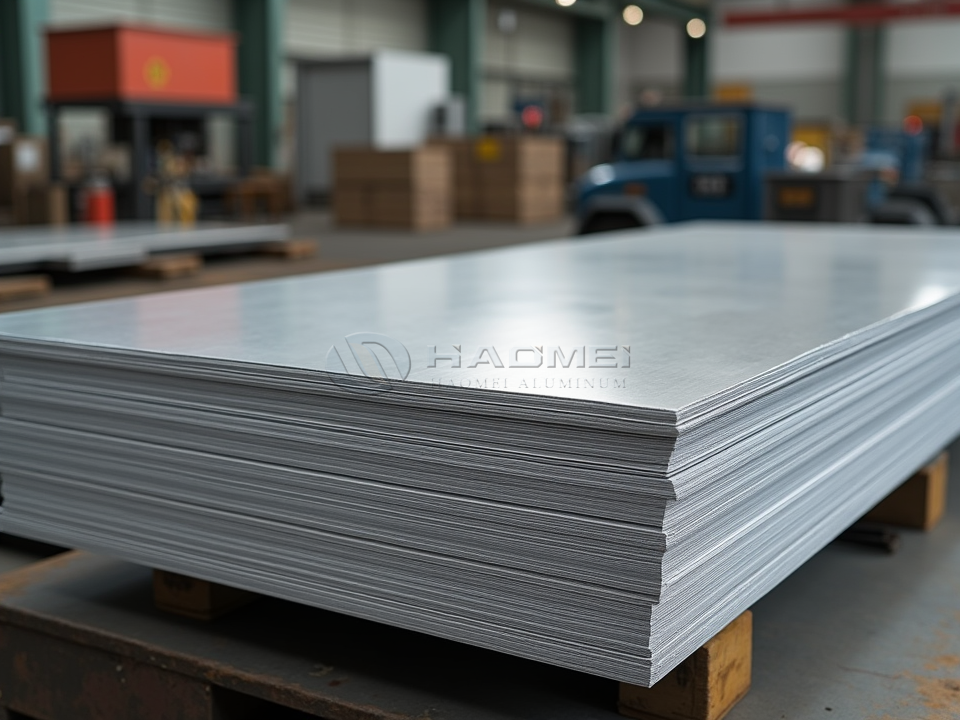
5083 is one of the most recognized marine aluminum alloys because it combines high magnesium content with strong corrosion resistance and higher strength than 5052. It is frequently selected for hull plating, decks, bulkheads, superstructures, pressure-resistant panels, workboats, patrol boats, ferries, and offshore structures.
For welded marine construction, 5083 in H116 or H321 temper is especially familiar. These tempers are associated with improved resistance to exfoliation corrosion in severe marine conditions when the material is properly produced and used. This is particularly valuable for plate exposed to wet service, salt spray, bilge conditions, or long-term coastal operation.
Strength figures depend on thickness and temper, so a purchase order should not rely on the alloy number alone. State the exact temper, such as 5083-H116 or 5083-H321, together with thickness, width, length, ASTM B209 requirement, and requested documentation. If the vessel is subject to class approval, identify the applicable class rules before material is ordered.
5083 also welds well using suitable 5xxx-series filler metals. However, welding changes the local mechanical condition near the joint. Sound design accounts for heat-affected-zone strength, weld sequence, distortion control, and drainage. A strong plate can still become a weak hull detail if water is trapped along a poorly designed weld seam.
Marine 5083 aluminum sheet is commonly specified where high-strength plate and long-term saltwater durability must work together in primary vessel structures.
5086: A Strong Alternative Where Fabrication Matters
5086 is another magnesium-rich marine alloy widely used in boatbuilding. It offers excellent corrosion resistance, good weldability, and strength that is well suited to hulls, decks, bulkheads, tanks, and structural panels. In many fabricating environments, 5086 is valued as a practical alternative to 5083, particularly when the project needs dependable welded performance and good forming behavior.
Like 5083, 5086 is often ordered in H116 or H321 temper for demanding marine exposure. The final choice between these two alloys should not be made from a single strength value. Plate availability, thickness range, forming radius, class rules, approved welding procedures, structural calculations, and fabricator experience can all influence the better option.
A boatyard familiar with 5086 may achieve more consistent results using it throughout an approved design than by changing to another alloy solely because a data sheet shows a slightly different tensile value. Material selection is always connected to production reality.
Where Does 5058 Fit?
5058 aluminum deserves a more careful purchasing conversation. The designation may be requested for specialized applications, but it is less routinely specified in mainstream marine hull construction than 5052, 5083, or 5086. Its availability, temper range, product form, published marine-service history, and inclusion within the requested ASTM B209 scope should be confirmed directly with the mill or qualified material source.
Before accepting 5058 plate for a seawater-facing structure, ask for the mill test certificate, exact chemical composition limits, temper, mechanical-property data for the supplied thickness, corrosion-performance evidence, and weldability guidance. If the application requires class approval, confirm that the alloy and temper are accepted for that location on the vessel.
This verification step prevents a common mistake: treating a similar alloy number as proof of equal marine performance. In marine fabrication, traceable evidence is more valuable than assumptions.
ASTM B209 Documents That Protect the Buyer
A reliable marine plate order should request a mill test certificate showing alloy, temper, heat or lot identification, chemical analysis, mechanical properties, dimensions, and ASTM B209 compliance. For critical hull work, include any additional project standards for ultrasonic testing, flatness, surface quality, grain direction, or classification approval.
Plate surface condition matters as much as paperwork. Inspect incoming material for deep scratches, edge damage, moisture trapped under packaging, contamination from steel contact, and mixed heats. Separate aluminum from carbon-steel grinding dust and avoid storing plate where stagnant water can remain between sheets.
The Best Alloy Is the One That Matches the Exposure
5052 is often the sensible choice for formed, lighter-duty marine components. 5083 is a leading candidate for high-strength hull and structural plate in severe saltwater exposure. 5086 offers a proven marine structural alternative with excellent welding and corrosion performance. 5058 should be selected only after its exact specification and service suitability are verified for the intended boat zone.
When ASTM B209 marine aluminum plate is chosen by exposure, load path, fabrication route, and documentation needs, the result is more than corrosion-resistant metal. It is a vessel structure with a clearer path to safe fabrication, easier inspection, and longer service life.

Related Products
Marine perforated aluminum sheets
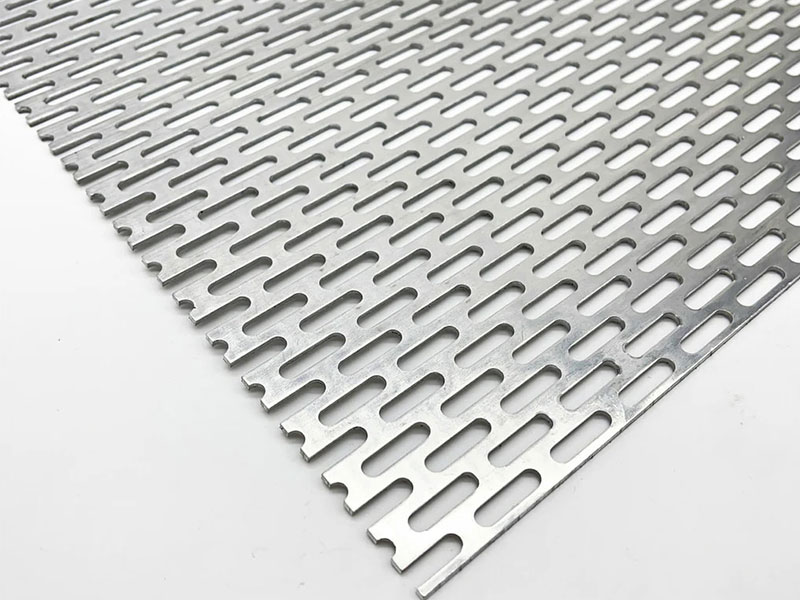
Marine Perforated Aluminum Sheets feature a series of uniform holes or shapes punched through the aluminum surface. These perforations can vary in size, pattern, and open area to tailor the sheets for specific applications.
View Details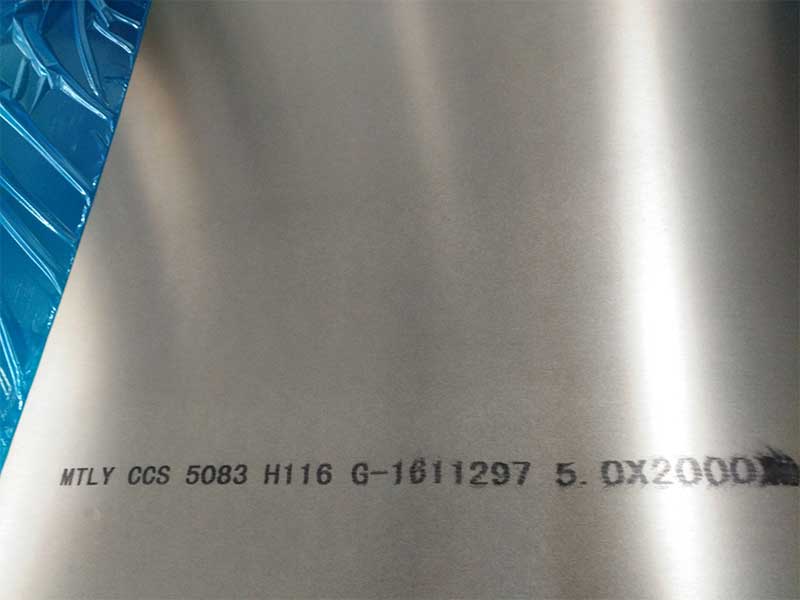
Marine 5083 aluminum sheet
Aluminum alloy 5083 is a non-heat-treatable alloy primarily composed of magnesium and trace elements that deliver outstanding protection against corrosion, particularly in seawater and saline atmospheres.
View Details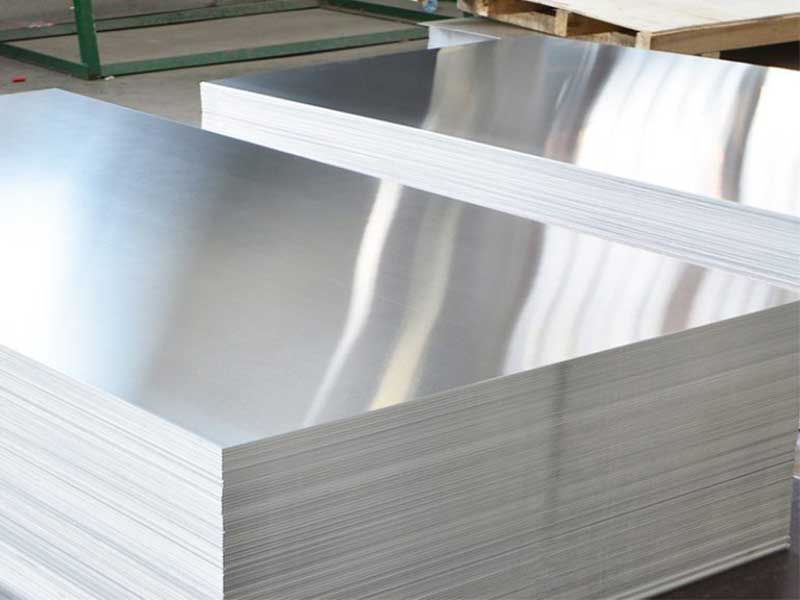
Marine anodized aluminum sheets
Marine Anodized Aluminum Sheets start with premium marine-grade aluminum alloys such as 5000 and 6000 series (typically 5083, 5052, and 6061).
View Details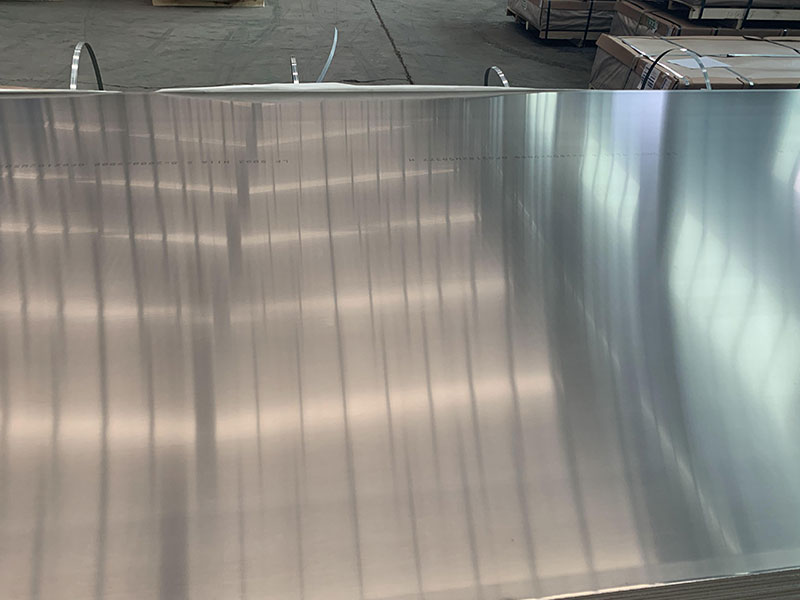
Marine 5383 aluminum sheet
5383 aluminum is a strain-hardened, non-heat-treatable alloy from the 5xxx series primarily alloyed with magnesium. It exhibits a unique balance of corrosion resistance and mechanical properties particularly suited for marine applications.
View Details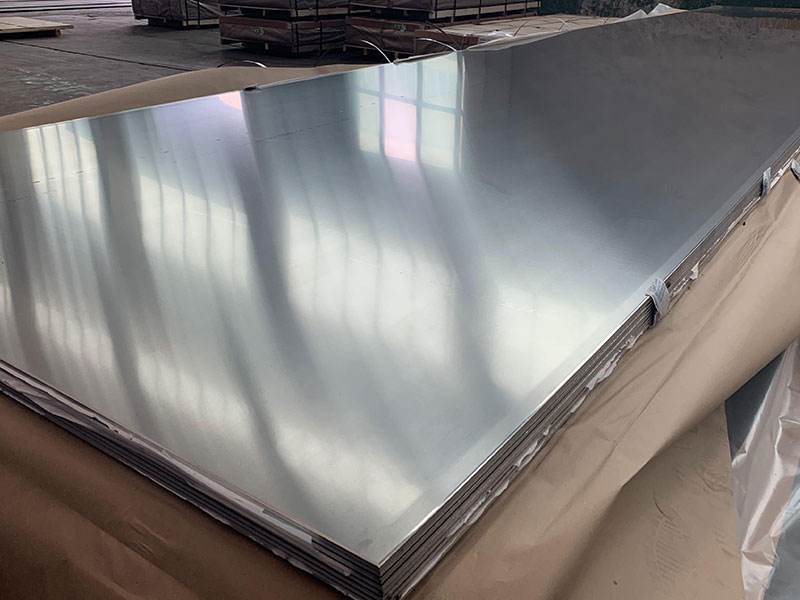
Marine 5086 aluminum sheet
This product article provides an in-depth and comprehensive understanding of Marine 5086 Aluminum Sheets, including their chemical composition, mechanical properties, corrosion resistance, fabrication capabilities, and typical marine applications.
View Details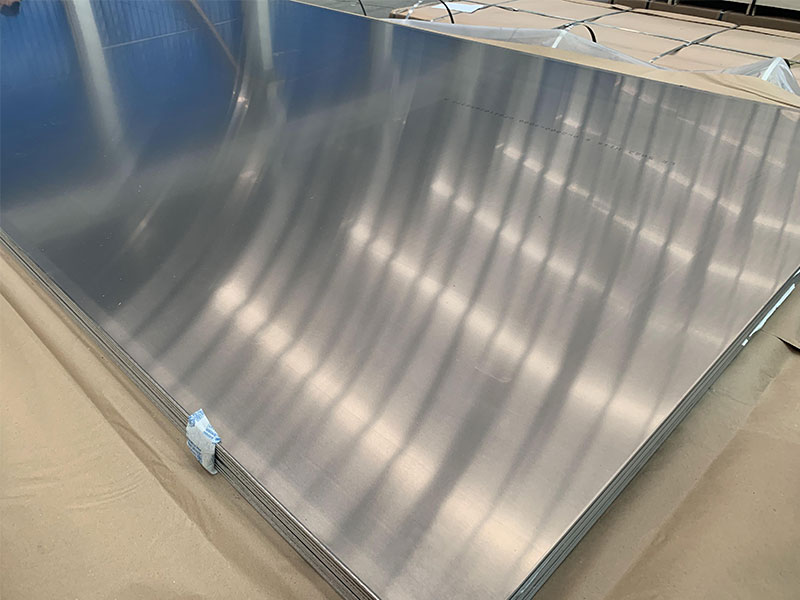
Marine 5052 aluminum sheet
Aluminum alloy 5052 is a non-heat-treatable, strain-hardened alloy with magnesium as the primary alloying element. It is designed to offer superior corrosion resistance in marine and saline environments, making it a dependable choice for components exposed directly to seawater or coastal atmospheric conditions.
View DetailsRelated Blog
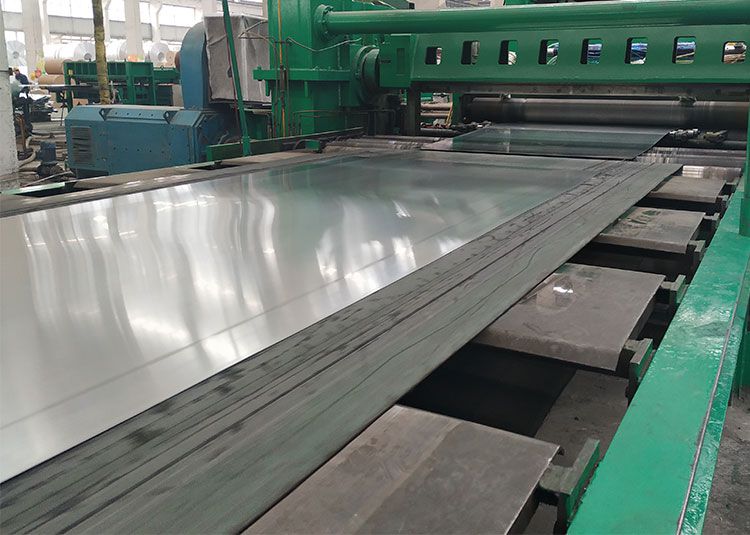
3mm Thickness 8x4 Aluminum Sheet 5083 For Boat
Marine builders choose materials that survive salt spray, wave impact, and years of cyclic loading without becoming a maintenance burden. 3mm thickness 8x4 aluminum sheet 5083 is a proven marine-grade plate/sheet option used worldwide for boat hulls.
View Details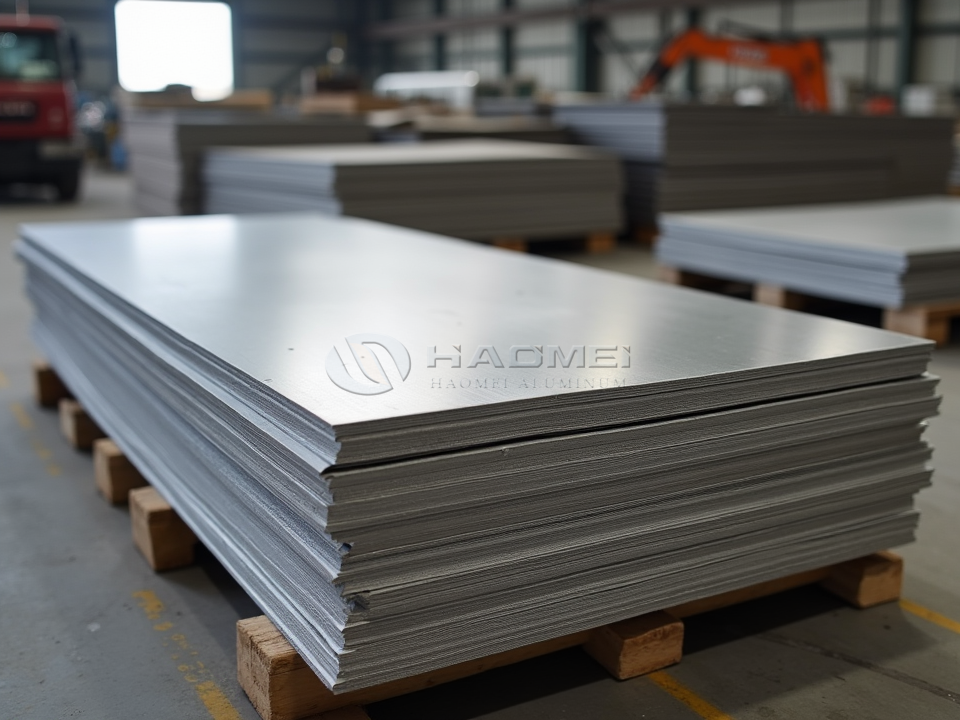
5059 Marine Aluminum Sheet
Learn how 5059 marine aluminum sheet supports lighter hulls, welded structures, corrosion resistance, class-approved fabrication, and long service life.
View Details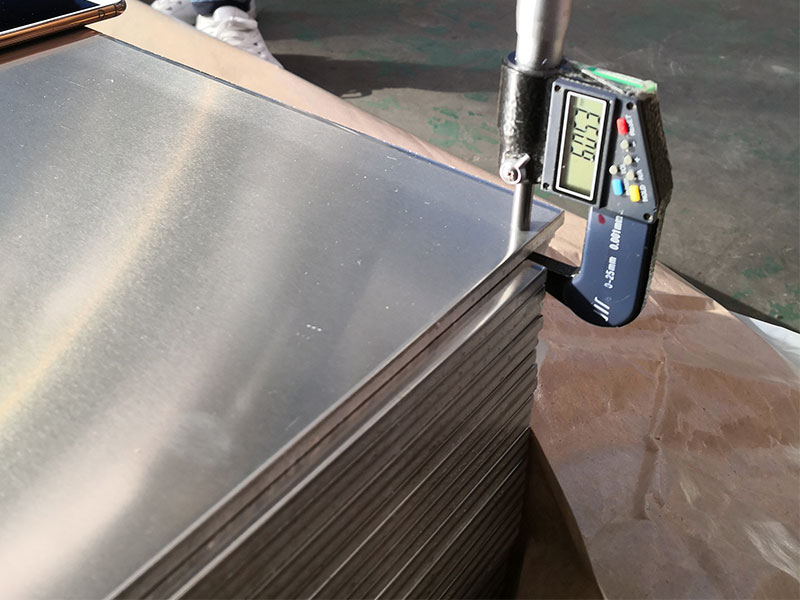
5754 2mm Anodized Aluminum Sheet For Boat Building
High-performance 5754 2mm anodized aluminum sheets designed specifically for boat building. Excellent corrosion resistance, superior strength, and durable finish ensure longevity in marine environments.
View Details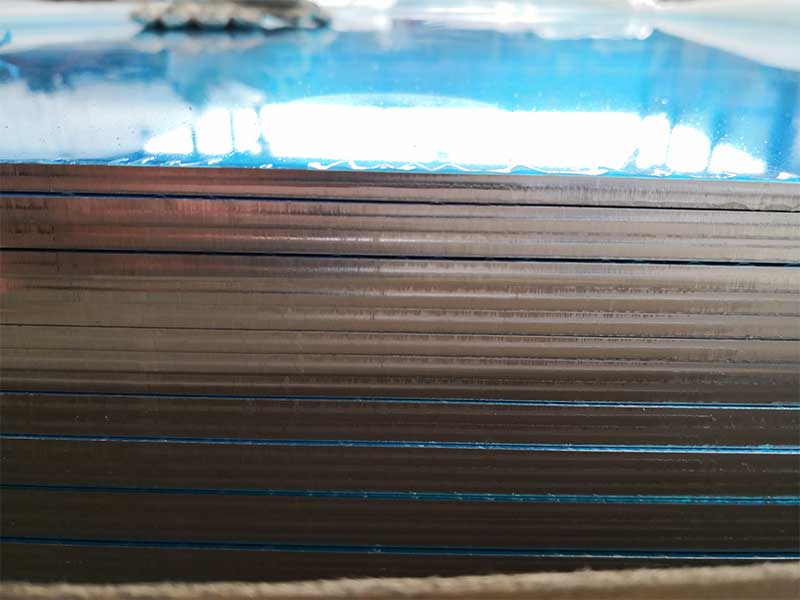
0.3mm 0.4mm 0.5mm 1.6mm Thickness Roll Aluminium Coil Sheet 5052 h32 For Boat
When it comes to marine applications, selecting the right material is crucial for performance, durability, and safety. Enter the 5052 H32 marine aluminum coil sheet, available in thicknesses ranging from 0.
View Details
AntiCorrosion 5083 Aluminum Sheet for Marine
Superior corrosion resistance and high strength of AntiCorrosion 5083 Aluminum Sheets, specifically designed for marine applications. Learn detailed specifications, alloy tempering, mechanical properties, and implementation standards in this comprehensive
View Details
Hot Rolled Alloys Boat Aluminium Sheet Coil Strip 5083
Learn how hot rolled 5083 aluminium sheet, coil, and strip perform in boat hulls, welding, forming, seawater corrosion, and practical buying checks.
View Details
Leave a Message