
5052 Marine Aluminum Angles
5052 marine aluminum angles are widely used in boatbuilding, dock equipment, coastal structures, and ship repair because they combine strong saltwater corrosion resistance with good formability and dependable weldability. As an aluminum-magnesium alloy, 5052 performs especially well in humid, splash-zone, and brackish environments where ordinary structural metals may corrode quickly.
For builders who need lightweight reinforcement without sacrificing durability, 5052 angle profiles offer a practical balance of strength, workability, and long service life. They are commonly supplied in equal-leg or unequal-leg angle forms and can be cut, drilled, welded, or surface-finished to match different marine assembly requirements.
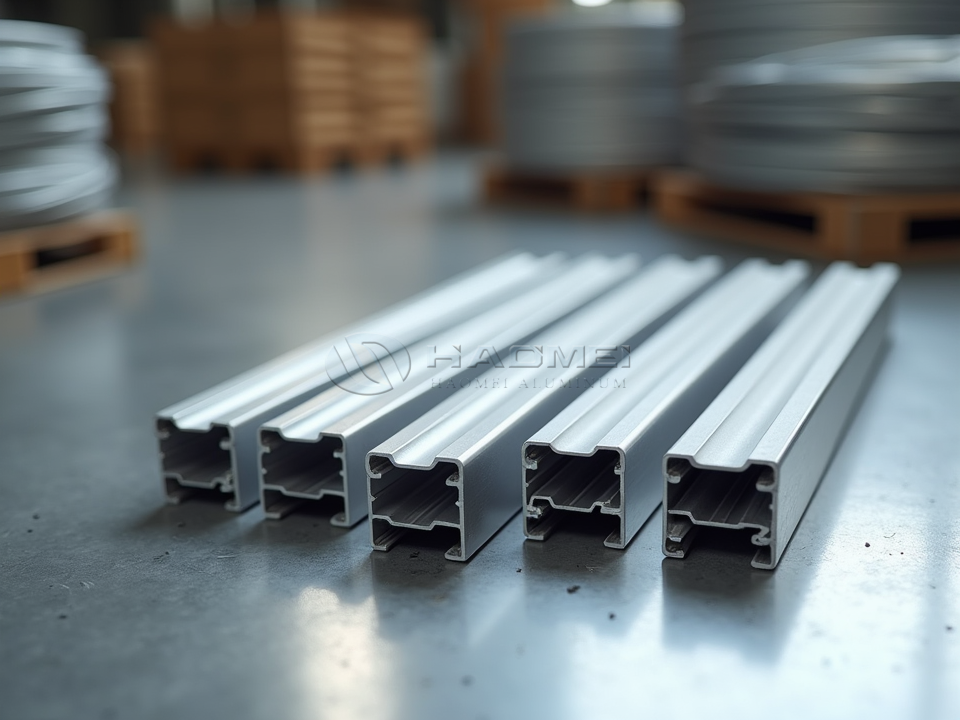
What Makes 5052 Aluminum Suitable for Marine Angles
5052 belongs to the 5xxx aluminum alloy family, where magnesium is the main alloying element. This chemistry gives the material better resistance to seawater and marine atmosphere than many general-purpose aluminum grades. Unlike heat-treatable alloys, 5052 gains strength through strain hardening, making tempers such as H32 and H34 common choices for angle sections.
Compared with heavier materials, 5052 marine aluminum angles reduce structural weight while maintaining enough stiffness for brackets, frames, edging, supports, and reinforcement members. When used together with other Marine Grade Aluminum Extrusions, they help create corrosion-resistant boat structures that are easier to fabricate and maintain.
Chemical Composition
Typical chemical composition is shown for reference. Actual values should be confirmed by mill certificates and applicable standards such as ASTM B221, EN 755, or customer-specific marine requirements.
| Element | Typical Range, % | Function in 5052 Alloy |
|---|---|---|
| Aluminum, Al | Balance | Base metal, low density, corrosion resistance |
| Magnesium, Mg | 2.20-2.80 | Strength, seawater corrosion resistance |
| Chromium, Cr | 0.15-0.35 | Grain control, improved corrosion behavior |
| Iron, Fe | 0.40 max | Controlled impurity |
| Silicon, Si | 0.25 max | Controlled impurity |
| Copper, Cu | 0.10 max | Kept low to support corrosion resistance |
| Manganese, Mn | 0.10 max | Minor strengthening influence |
| Zinc, Zn | 0.10 max | Controlled impurity |
| Other elements | 0.05 each, 0.15 total | Trace elements |
Technical Specifications
5052 marine aluminum angles can be produced in many dimensional combinations. Selection depends on load, span, connection method, finishing, and vessel design.
| Parameter | Common Option |
|---|---|
| Alloy | 5052 |
| Temper | H32, H34, O by request |
| Profile type | Equal angle, unequal angle |
| Leg size | 15 mm-150 mm typical, custom sizes possible |
| Thickness | 1.5 mm-12 mm typical |
| Length | 2 m-6 m standard, cut-to-length available |
| Surface condition | Mill finish, brushed, anodized, powder coated |
| Processing | Cutting, drilling, punching, bending, welding |
| Density | About 2.68 g/cm³ |
| Standard references | ASTM, EN, JIS, or project specification |
Mechanical Performance
Mechanical properties vary by temper, thickness, and production route. The values shown are representative and should be treated as design references only.
| Temper | Tensile Strength, MPa | Yield Strength, MPa | Elongation, % | Typical Use |
|---|---|---|---|---|
| 5052-O | 170-215 | 65-90 | 16-25 | High formability, bending-intensive parts |
| 5052-H32 | 210-260 | 160-195 | 8-12 | General marine frames and supports |
| 5052-H34 | 230-280 | 180-215 | 6-10 | Stiffer brackets and reinforcement angles |
The H32 temper is often preferred where a balanced combination of strength and fabrication ease is needed. H34 offers higher strength but may require more careful forming. For tight bends or heavy forming operations, O temper may be selected before final fabrication.
Performance in Marine Environments
The marine value of 5052 comes from its protective oxide film and magnesium-based chemistry. In salt spray, deck washdown areas, fishery equipment, and coastal hardware, 5052 resists pitting and staining better than many non-marine aluminum alloys.
| Performance Factor | Benefit for Boatbuilding |
|---|---|
| Saltwater corrosion resistance | Longer service life in splash and humid zones |
| Weldability | Suitable for MIG and TIG welded assemblies |
| Formability | Allows cutting, bending, and fitting during fabrication |
| Low density | Reduces vessel weight and improves handling |
| Non-magnetic behavior | Useful near sensitive marine instruments |
| Surface finish compatibility | Can be anodized, painted, or powder coated |
| Maintenance demand | Lower upkeep than carbon steel in marine air |
Typical Applications
5052 angles are frequently used wherever light structural reinforcement and corrosion resistance are required. Their L-shaped geometry gives clean corner support and allows simple bolted, riveted, or welded connections.
| Application Area | Common Function |
|---|---|
| Boat hull interiors | Stringer clips, support brackets, stiffening edges |
| Deck structures | Hatch frames, deck edging, access panel supports |
| Cabin and console work | Corner guards, equipment mounts, light framing |
| Pontoon and small craft | Seat bases, flooring support, rail attachments |
| Docks and gangways | Trim angles, side protection, platform framing |
| Marine equipment | Tool cabinets, tanks, trays, fishery processing fixtures |
| Repair and refit | Replacement brackets, reinforcement patches, edge repairs |
For projects requiring broader section options, Marine aluminum angles can be selected alongside channels, bars, T-sections, and custom extruded profiles to create a complete lightweight structure.
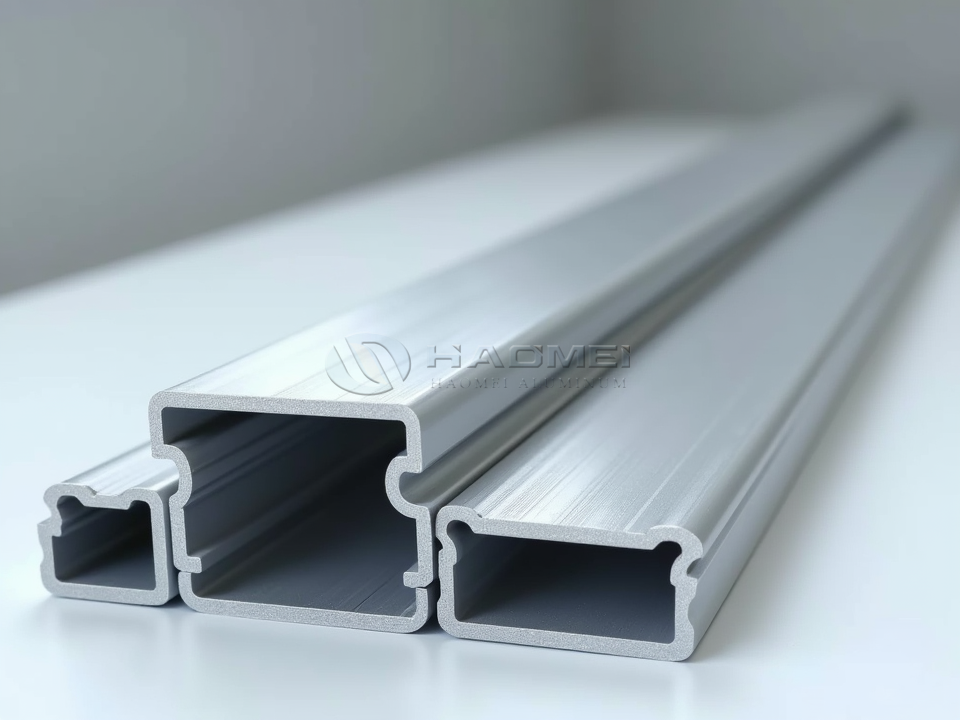
Fabrication Guidance
5052 marine aluminum angles are friendly to workshop fabrication, but correct handling improves final quality. Carbide-tipped saws, sharp drills, and proper chip removal help produce clean edges. During welding, filler alloys such as 5356 are often selected for marine aluminum work due to compatibility with 5xxx alloys.
| Fabrication Step | Practical Recommendation |
|---|---|
| Cutting | Use sharp tooling and stable clamping to reduce burrs |
| Drilling | Apply suitable cutting fluid and avoid excessive heat |
| Bending | Choose O or H32 temper for tighter forming requirements |
| Welding | Clean oxide and contaminants before welding |
| Fastening | Use compatible marine-grade fasteners to limit galvanic corrosion |
| Finishing | Seal cut edges when painted or coated systems are used |
Galvanic corrosion control is important when 5052 is connected to stainless steel, carbon steel, copper alloys, or treated timber. Insulating washers, sealants, coatings, and correct drainage design can greatly extend service life.
Surface Finish Options
Mill finish 5052 is suitable for many internal marine parts, while visible or high-exposure locations may benefit from extra protection. Anodizing improves surface hardness and appearance, while powder coating offers color control and added barrier protection. Painted systems are common for hull-matched components and architectural marine installations.
| Finish | Appearance | Best Fit |
|---|---|---|
| Mill finish | Natural silver-gray | Hidden brackets, internal supports |
| Brushed finish | Directional satin texture | Cabin trim, visible edging |
| Anodized finish | Clean metallic surface | Decorative and moderate wear areas |
| Powder coated | Colored protective layer | Deck trims, dock parts, exposed frames |
| Marine paint | Project-matched coating | Vessel refit and corrosion-control systems |
5052 vs Other Marine Aluminum Choices
5052 is often compared with 5083, 5086, 6061, and 6063. Each alloy has a different strength, extrusion, corrosion, and forming profile. 5052 is especially attractive when formability and corrosion resistance matter more than maximum structural strength.
| Alloy | Main Advantage | Limitation Compared with 5052 |
|---|---|---|
| 5052 | Excellent corrosion resistance and formability | Lower strength than 5083 or 6061-T6 |
| 5083 | Higher strength for heavy marine structures | Less formable for some tight bends |
| 5086 | Good marine plate and structural use | May cost more in some sizes |
| 6061-T6 | High strength and machinability | Lower seawater corrosion resistance than 5xxx alloys |
| 6063 | Smooth extrusion finish | Lower strength for demanding brackets |
Buying Considerations
When selecting 5052 marine aluminum angles, customers should evaluate not only size but also environment, loading, finishing, and assembly method. A thin angle may work well as trim, while a thicker H34 angle may be better for mounting or reinforcement. For welded parts, weld layout and distortion control should be considered early in the design process.
| Selection Factor | Why It Matters |
|---|---|
| Leg dimensions | Determines contact area and support geometry |
| Thickness | Affects stiffness, weight, and weld heat tolerance |
| Temper | Controls strength and formability balance |
| Length tolerance | Influences fit during assembly |
| Surface quality | Important for visible trims and coating adhesion |
| Certification | Confirms alloy, temper, and compliance |
| Packaging | Protects edges and surfaces during transport |
Customer Value
5052 marine aluminum angles deliver a practical mix of corrosion resistance, lightweight handling, fabrication flexibility, and clean appearance. They are easy to integrate into new vessel construction, dock systems, marine interiors, and repair work. For customers seeking dependable angle profiles that perform in salt-rich environments without the weight penalty of steel, 5052 remains one of the most efficient material choices.
With proper alloy certification, suitable temper selection, and good installation practice, 5052 marine aluminum angles can support long-lasting marine structures while reducing maintenance time and improving overall build efficiency.

Related Products
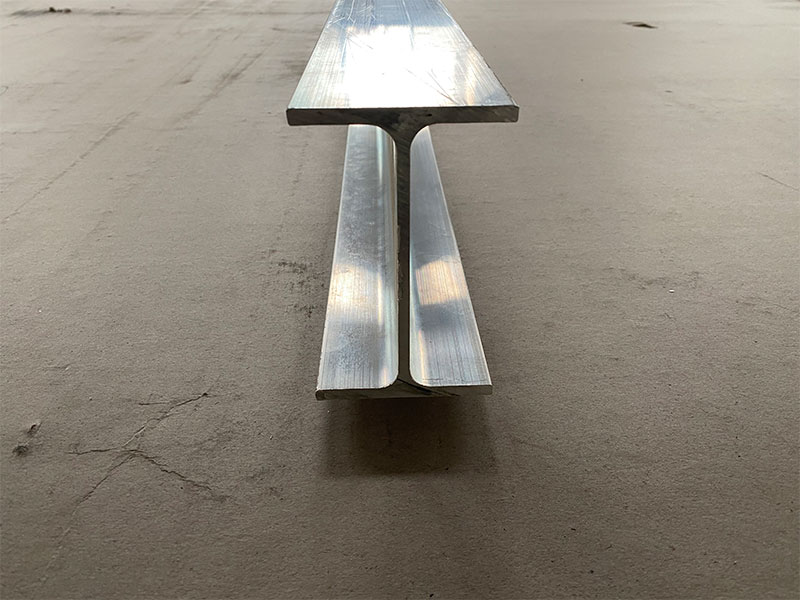
Marine aluminum Z-shaped sections
Marine Aluminum Z-shaped Sections are fabricated from premium marine-grade aluminum alloys such as 5083, 5052, and 6061. These alloys are well-regarded for their superior corrosion resistance in seawater and marine atmospheres, along with good mechanical strength and excellent weldability.
View Details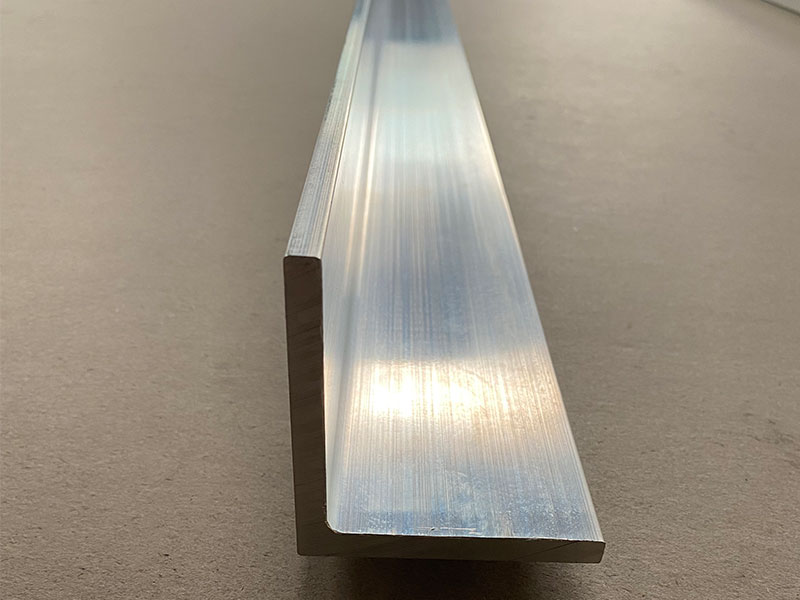
Marine aluminum angles
Marine Aluminum Angles are L-shaped cross-sectional aluminum profiles produced from marine-grade aluminum alloys such as 5083, 5052, and 6061.
View Details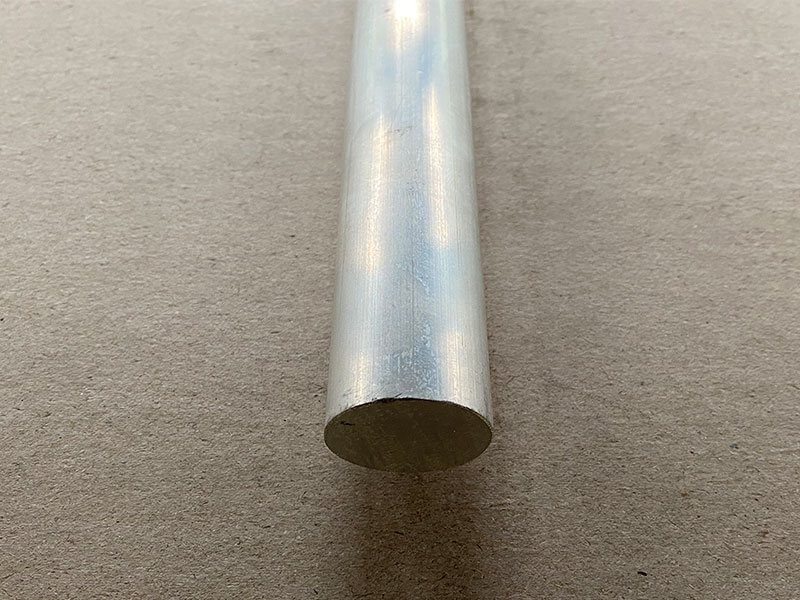
6061 marine aluminum round bar
6061 aluminum belongs to the 6xxx series alloys, alloyed primarily with magnesium and silicon. In the T6 temper, it undergoes solution heat treatment and artificial aging, resulting in enhanced mechanical properties while maintaining excellent corrosion resistance.
View Details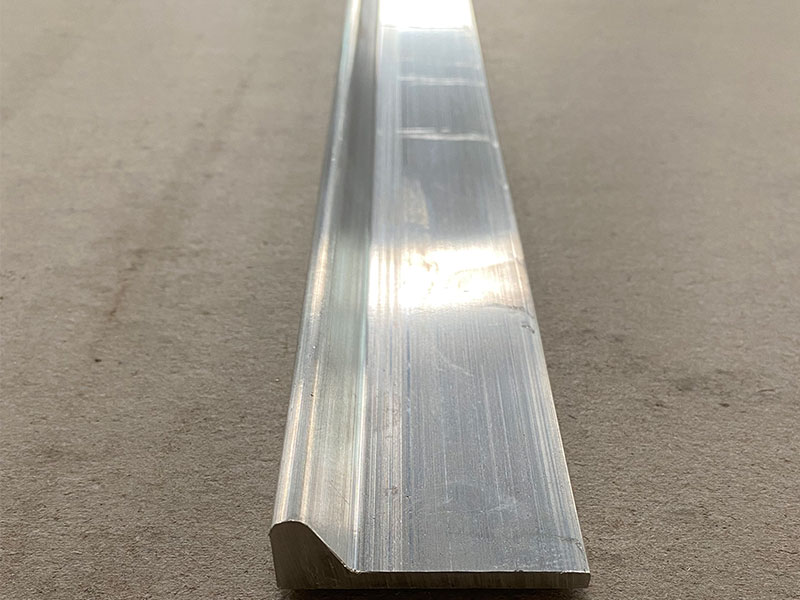
Marine aluminum I-beams
Marine Aluminum I-Beams feature the traditional “I” cross-sectional profile fabricated from marine-grade aluminum alloys like 5083, 5086, and 6061. These alloys are renowned for their outstanding corrosion resistance, especially in saltwater and marine atmospheres, making them ideal for offshore and naval construction.
View Details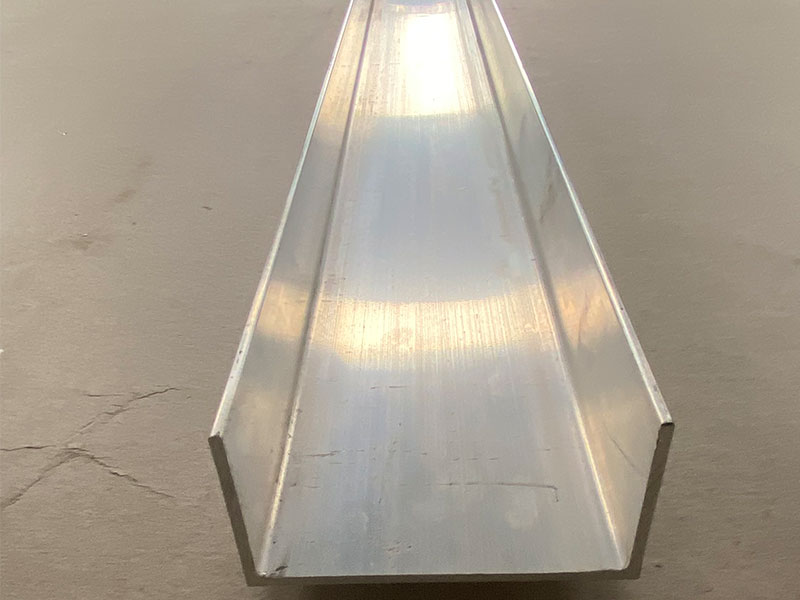
Marine aluminum channels
Marine Aluminum Channels are U-shaped aluminum profiles produced from alloys such as 5083, 5052, and 6061, known for their excellent marine corrosion resistance and superior mechanical strength.
View Details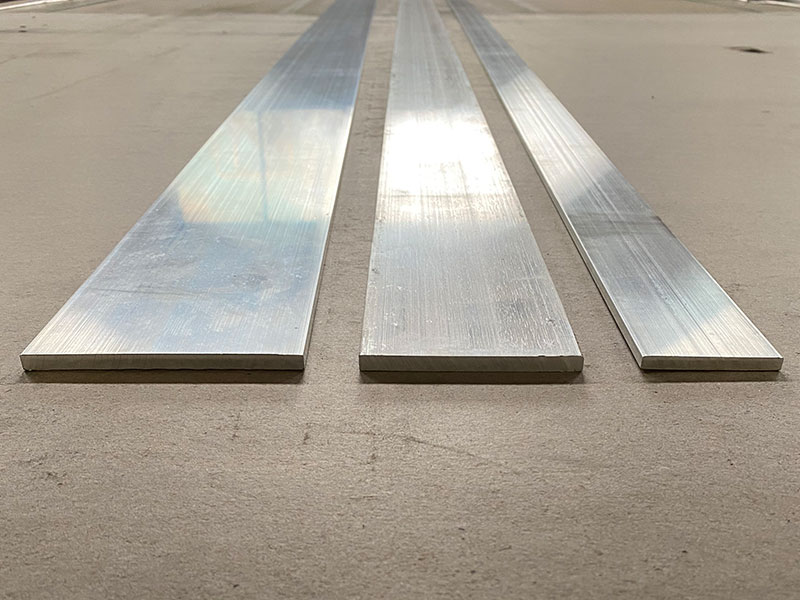
6061 T6 marine aluminum flat bar
6061 aluminum is classified as a heat-treatable 6xxx series alloy, alloyed primarily with magnesium and silicon. The T6 temper designation indicates that the flat bar has been solution heat-treated and artificially aged to achieve optimum strength and hardness.
View DetailsRelated Blog
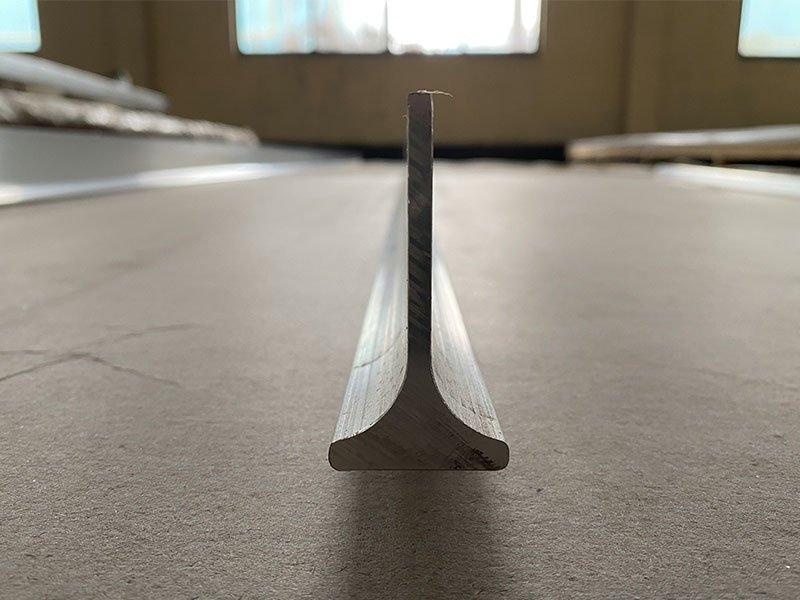
5086 Marine Aluminum I Beams for Offshore Boat Frame Support
5086 Marine Aluminum I Beams are a premium grade structural component extensively used in the offshore marine industry. Renowned for their exceptional combination of high strength, corrosion resistance, and lightweight properties.
View Details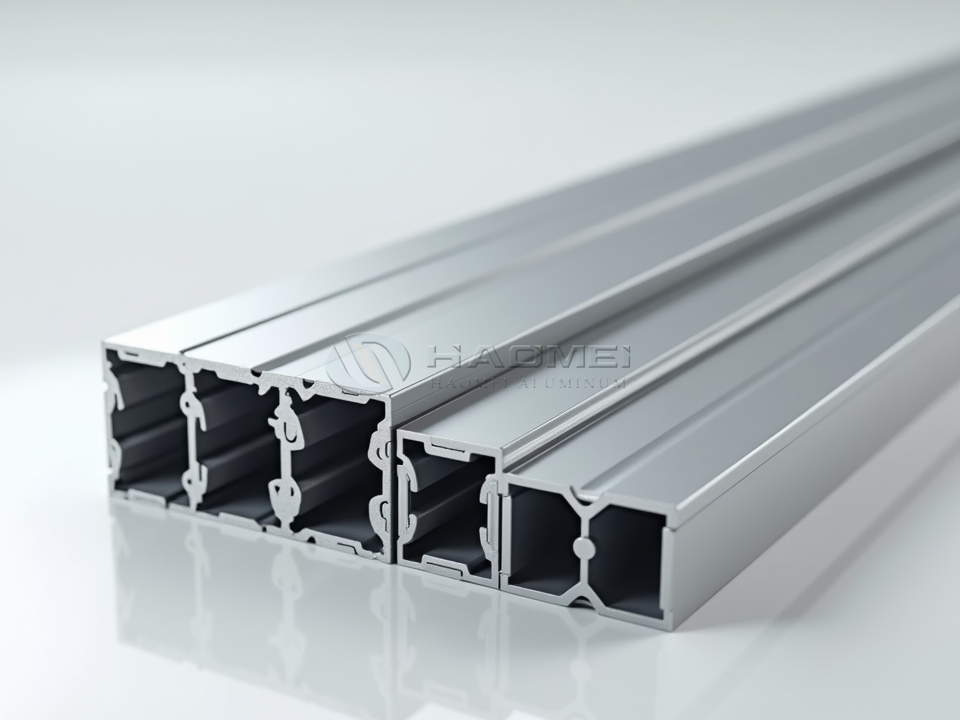
Marine Aluminum Channels
Marine aluminum channels offer lightweight strength, corrosion resistance, and clean installation for boat frames, decks, rails, and fittings.
View Details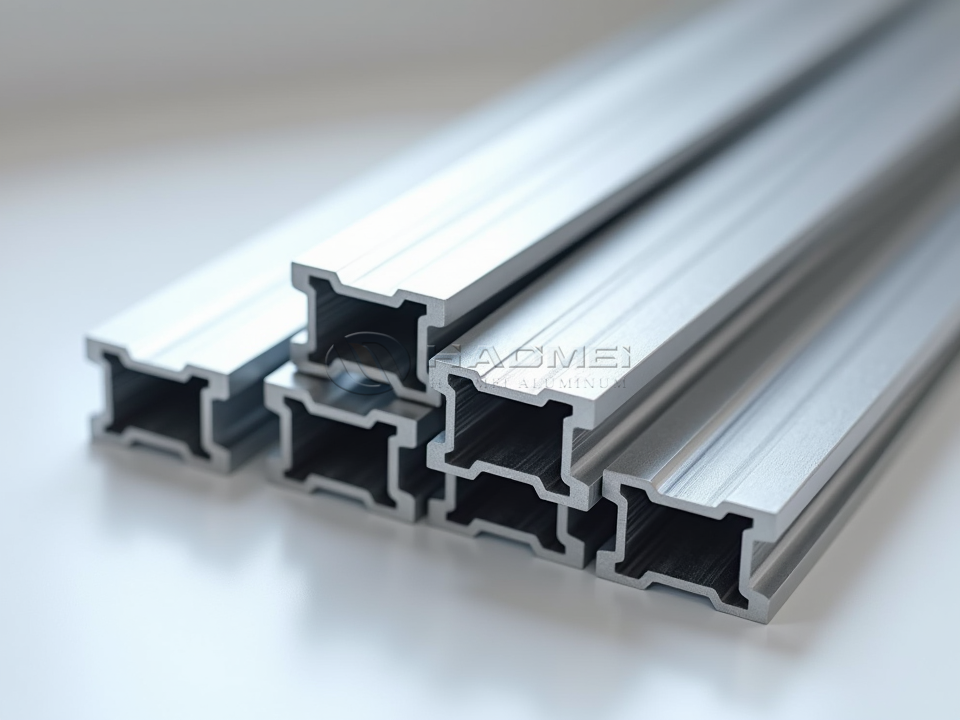
5083 Marine Aluminum I Beams for Heavy Duty Offshore Platform Design
Discover how 5083 marine aluminum I beams deliver corrosion resistance, weldability, and lightweight structural strength for offshore platforms.
View Details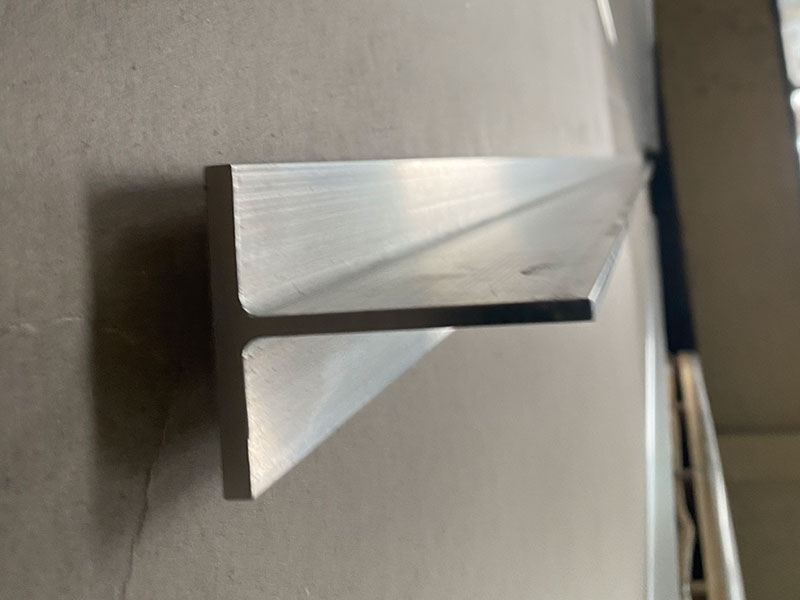
5083 Marine aluminum I beams
When people talk about 5083 marine aluminum I beams, they often focus on a simple promise: strong, corrosion-resistant, and lighter than steel.
View Details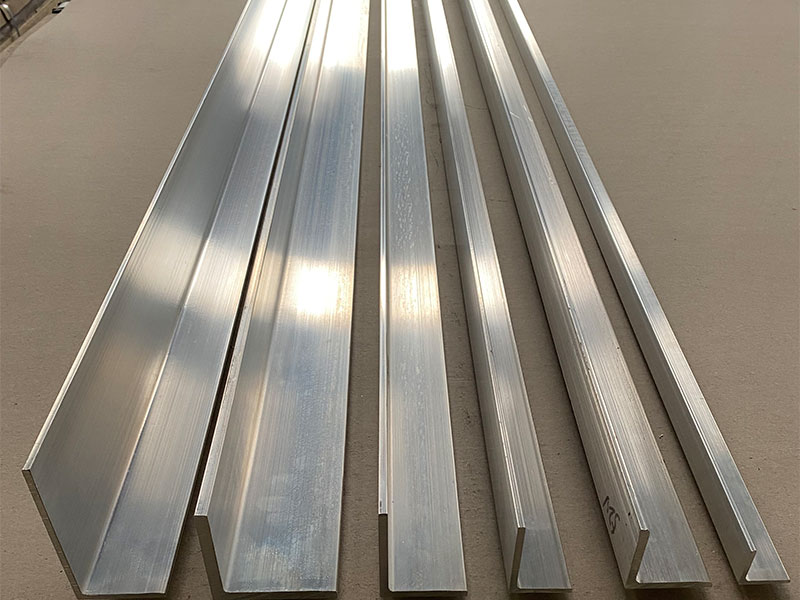
Marine Aluminum Round Bar for Durable Offshore Ship Parts
In the maritime industry, where durability, corrosion resistance, and structural integrity are paramount, choosing the right material for offshore ship parts is critical.
View Details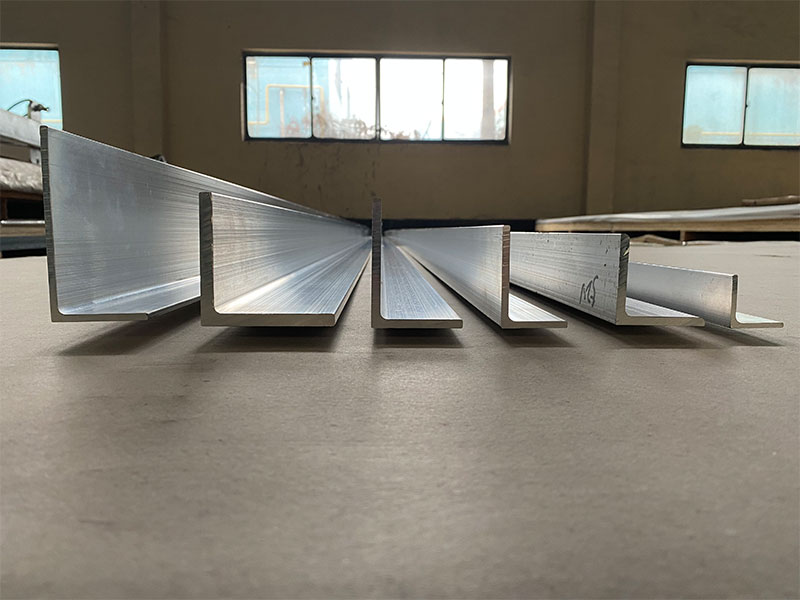
6061 Marine Aluminum Round Bar for Lightweight Coastal Shipbuilding
Superior strength, corrosion resistance, and versatility of 6061 marine aluminum round bars, expertly crafted for lightweight coastal shipbuilding applications. Explore detailed specifications, tempering options, and chemical properties tailored for marit
View Details
Leave a Message