
Marine Aluminum Channels
Marine aluminum channels are practical structural profiles used wherever a boat needs strength without excess weight. Their U-shaped or C-shaped geometry gives them excellent stiffness for edging, framing, guiding, bracing, and mounting. In marine environments, the right alloy and surface finish matter just as much as the shape. Salt spray, vibration, water drainage, fastening pressure, and repeated loading all influence how a channel should be selected.
A well-designed aluminum channel can support deck panels, protect exposed edges, reinforce cabin interiors, guide sliding components, or act as a clean mounting rail for accessories. Compared with steel, marine aluminum is lighter, easier to machine, and naturally protected by a stable oxide film. Compared with plastic or wood, it holds tighter tolerances and maintains shape under changing temperature and moisture conditions.
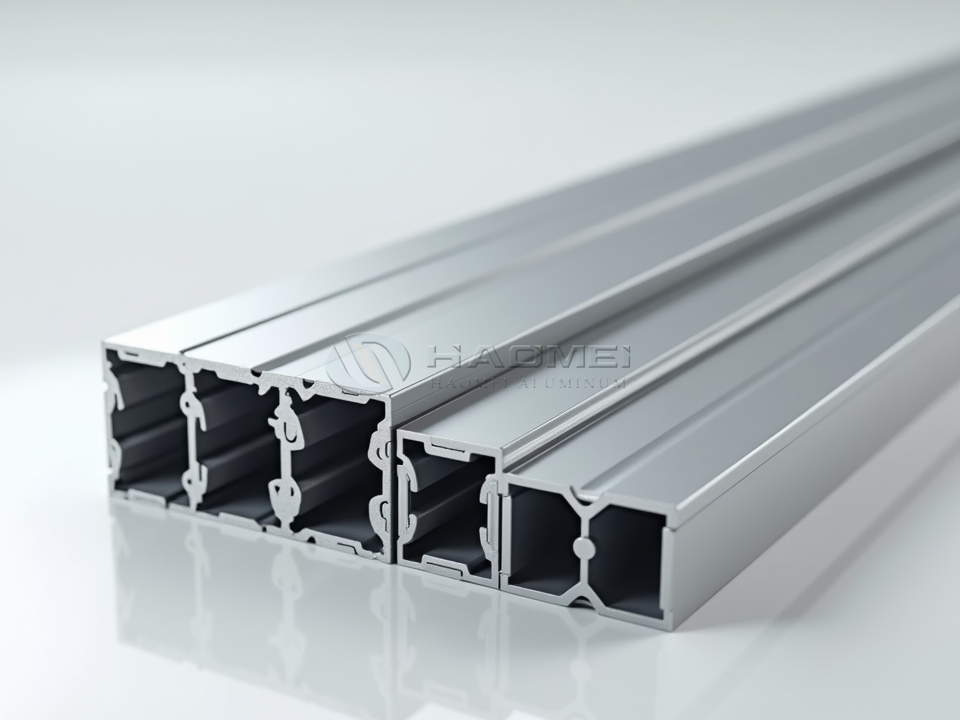
What Makes Marine Aluminum Channels Suitable for Boats
The value of a marine aluminum channel begins with its geometry. The two flanges create edge support, while the web resists bending and helps distribute loads. This makes the profile ideal for long runs where flat strip would flex too easily. Channels can be supplied with equal legs, unequal legs, square corners, rounded internal radii, thick webs, thin walls, or custom slot features depending on the installation.
Marine use demands more than simple strength. The profile must resist pitting, staining, galvanic attack, and fatigue from hull movement. Alloys such as 6061, 6063, and 6082 are widely used for extruded channel profiles because they balance corrosion resistance, extrusion quality, weldability, and mechanical performance. For projects using multiple profile shapes, designers often combine channels with Marine Grade Aluminum Extrusions to create matched framing systems with consistent alloy behavior and finish appearance.
Common Alloys and Temper Conditions
| Alloy | Typical Temper | Main Strength | Marine Use Pattern | Notes |
|---|---|---|---|---|
| 6061 | T6, T6511 | High structural strength | Boat frames, brackets, deck supports, equipment mounts | Strong, machinable, weldable with strength reduction near welds |
| 6063 | T5, T6 | Smooth extrusion finish | Trim channels, rails, light frames, decorative edge protection | Excellent anodizing response and clean surface quality |
| 6082 | T6 | Higher strength than 6061 in many sections | Heavy-duty framing, gangway components, support rails | Good for load-bearing extrusions where available |
| 5083 | H111, H116, H321 | Superior seawater resistance | Fabricated or formed channels, welded marine structures | Often used in plate and formed sections rather than complex extrusion |
6061-T6 is often chosen when the channel must carry meaningful load. It is a strong option for seat bases, battery tray frames, deck structures, and machinery supports. 6063-T5 or 6063-T6 is preferred when appearance is important, especially for anodized trim, cabin detail, hatch edging, and visible rails. 6082-T6 can be used where higher yield strength is requested, subject to profile size and die availability.
Chemical Composition Reference
| Alloy | Si | Mg | Mn | Cu | Cr | Fe | Al |
|---|---|---|---|---|---|---|---|
| 6061 | 0.40-0.80 | 0.80-1.20 | Up to 0.15 | 0.15-0.40 | 0.04-0.35 | Up to 0.70 | Balance |
| 6063 | 0.20-0.60 | 0.45-0.90 | Up to 0.10 | Up to 0.10 | Up to 0.10 | Up to 0.35 | Balance |
| 6082 | 0.70-1.30 | 0.60-1.20 | 0.40-1.00 | Up to 0.10 | Up to 0.25 | Up to 0.50 | Balance |
| 5083 | Up to 0.40 | 4.00-4.90 | 0.40-1.00 | Up to 0.10 | 0.05-0.25 | Up to 0.40 | Balance |
The magnesium and silicon in 6xxx alloys form Mg2Si, allowing heat treatment for improved strength. In 5083, higher magnesium content gives excellent seawater resistance and welded strength, though it is usually selected for plate-based fabrication rather than intricate extruded channels.
Mechanical and Dimensional Factors
| Parameter | Common Range | Customer Benefit |
|---|---|---|
| Outer width | 10-150 mm | Fits trim, panel edges, frame rails, and support members |
| Leg height | 8-100 mm | Controls grip depth and bending stiffness |
| Wall thickness | 1.2-12 mm | Balances weight, screw holding, and load capacity |
| Length | 3-6 m standard, custom cut available | Reduces joints and installation time |
| Surface finish | Mill, anodized, powder coated, brushed | Improves appearance and corrosion performance |
| Tolerance class | Standard or precision extrusion | Supports easier assembly with panels and hardware |
A thicker wall is not always better. For trim and panel retention, a clean fit and corrosion-resistant finish may be more important than maximum strength. For structural beams, web thickness, flange height, alloy temper, and fastening layout should be reviewed together. Drainage is also important. If a channel traps seawater, even a corrosion-resistant alloy may stain over time. Small drain holes, open-end design, and proper sealant selection can greatly improve service life.
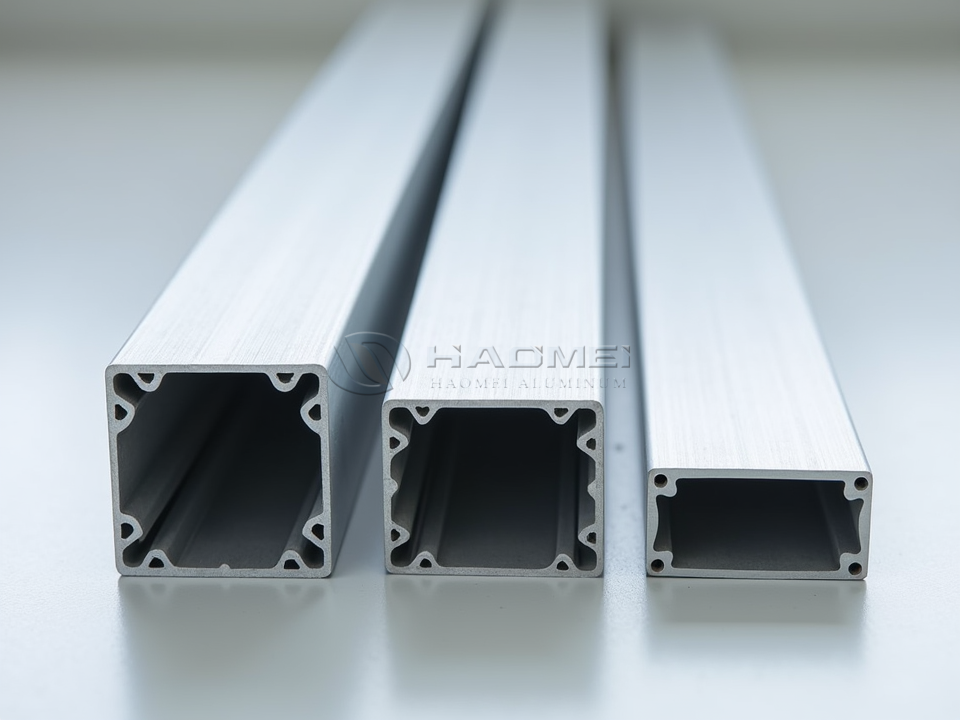
Surface Finishes for Saltwater Service
Mill finish channels are economical and suitable for hidden frames or parts that will be painted after fabrication. Anodizing adds a hard, stable oxide layer and is especially effective for 6063 trim channels where visual quality matters. Clear anodizing gives a clean metallic look, while black or bronze anodizing is common for modern boat interiors and exterior accessories.
Powder coating provides broad color choice and good barrier protection, but edge preparation and pretreatment must be controlled. In areas exposed to abrasion, such as rub zones or sliding tracks, hard anodizing or replaceable wear inserts may be preferred. For mixed-metal assemblies, isolating washers, sealants, and compatible fasteners help reduce galvanic corrosion.
Applications Across Marine Builds
Marine aluminum channels appear in small recreational boats, workboats, pontoons, patrol craft, docks, and yacht interiors. Their shape is simple, but the uses are broad.
- Deck panel frames and floor edge supports
- Hatch surrounds, locker frames, and access panel channels
- Cabin partitions, interior trim, and furniture framing
- Seat track supports and accessory mounting rails
- Transom reinforcement, battery tray edging, and equipment brackets
- Window, screen, and sliding door guide channels
- Pontoon deck structures and lightweight platform framing
- Dock edging, gangway side members, and marine maintenance platforms
For a compact framing system, channels are often paired with angles, flat bars, and Z sections. A channel may hold a deck panel in place while an angle supports the corner, or a flat bar may cap the open side for a boxed reinforcement. When edge direction changes, Marine aluminum angles are frequently used with channels to create strong and tidy transitions.
Fabrication and Installation Notes
Marine aluminum channels can be cut, drilled, countersunk, punched, welded, bent within limits, and CNC machined. Carbide tooling and proper lubrication produce clean edges and reduce burrs. After cutting, exposed edges should be deburred to prevent coating damage and improve safety during installation.
Welding is possible with suitable filler alloys such as 5356 or 4043, depending on the base alloy and service conditions. Heat-affected zones in 6061-T6 and 6063-T6 lose some strength after welding, so designers should allow for this reduction in heavily loaded structures. Mechanical fastening is often used for trim, deck edges, and removable components. Stainless steel fasteners are common, but insulation is recommended where moisture is present.
Sealants should be selected for marine use and should not trap water inside the channel. If the channel is bonded to fiberglass, plywood, or composite panels, surface cleaning and mechanical abrasion may improve adhesion.
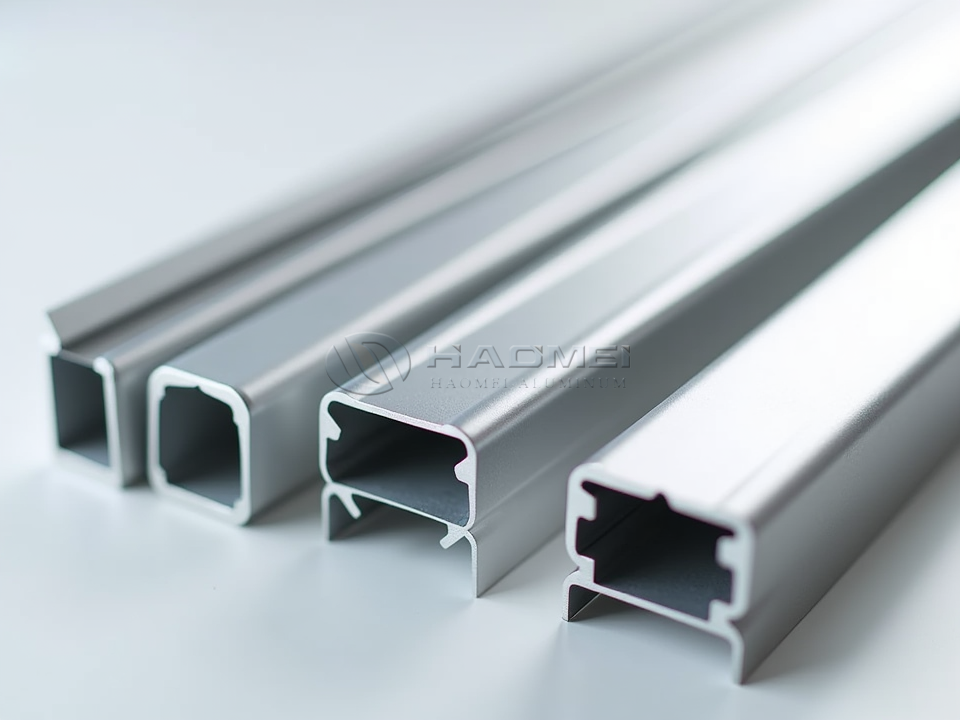
Selecting the Right Channel Profile
A customer can narrow the choice by answering a few practical questions. Is the channel visible or hidden? Will it carry load or only protect an edge? Will it be welded, bolted, bonded, or riveted? Is saltwater exposure continuous or occasional? Does the channel need anodizing, powder coating, or paint?
For visible trim, 6063 with anodizing usually gives the best surface appearance. For load-bearing brackets and frames, 6061-T6 is a dependable choice. For aggressive seawater exposure with welded plate structures, formed 5083 sections may be considered. In all cases, wall thickness, corner radius, straightness, and surface finish should match the real installation rather than only the drawing.
Marine aluminum channels bring together light weight, corrosion resistance, clean design, and dependable structural behavior. With the right alloy, finish, and installation details, they can serve for years in demanding boatbuilding, repair, and marine equipment projects.

Related Products
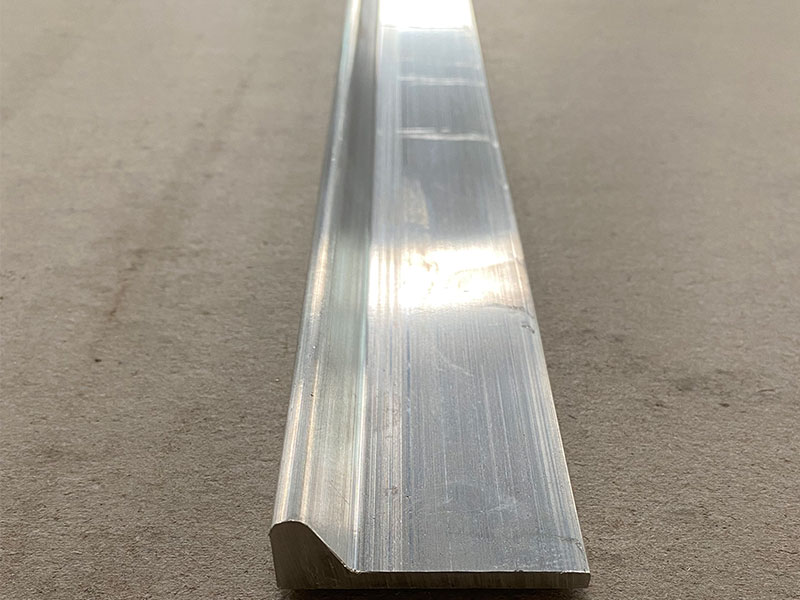
Marine aluminum I-beams
Marine Aluminum I-Beams feature the traditional “I” cross-sectional profile fabricated from marine-grade aluminum alloys like 5083, 5086, and 6061. These alloys are renowned for their outstanding corrosion resistance, especially in saltwater and marine atmospheres, making them ideal for offshore and naval construction.
View Details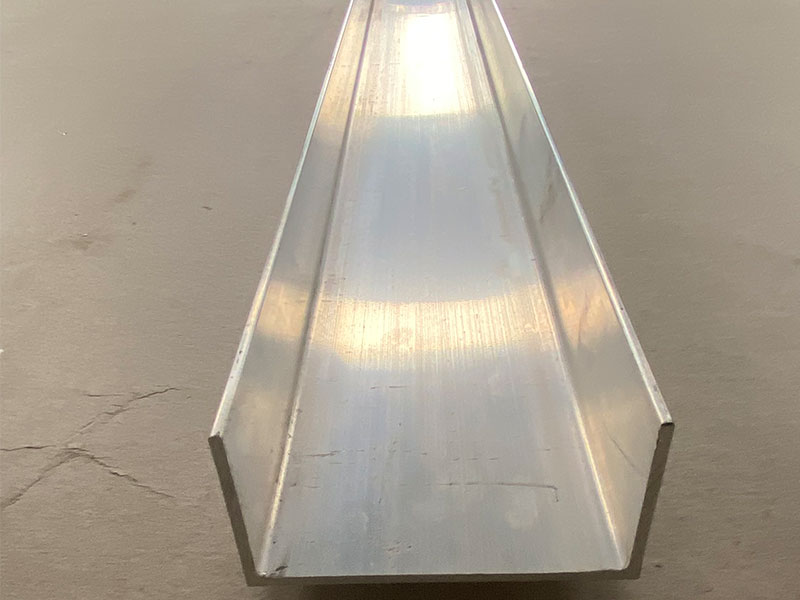
Marine aluminum channels
Marine Aluminum Channels are U-shaped aluminum profiles produced from alloys such as 5083, 5052, and 6061, known for their excellent marine corrosion resistance and superior mechanical strength.
View Details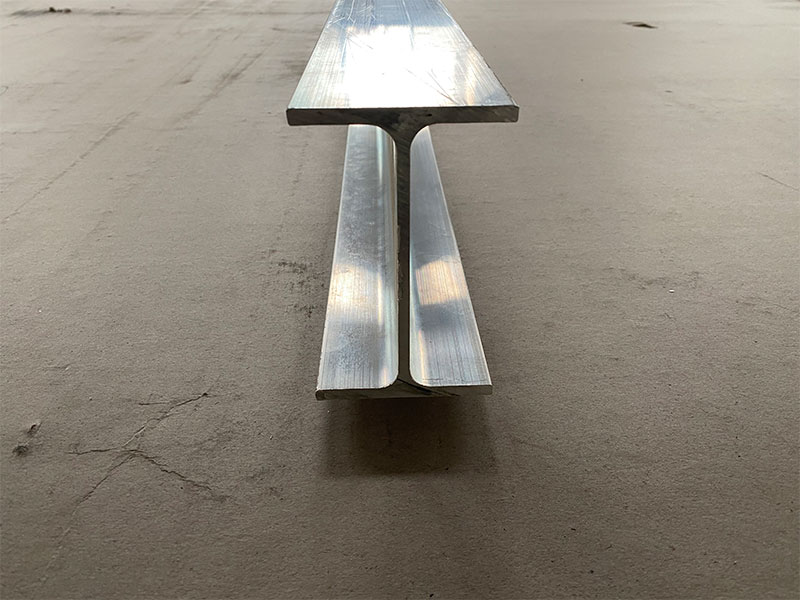
Marine aluminum Z-shaped sections
Marine Aluminum Z-shaped Sections are fabricated from premium marine-grade aluminum alloys such as 5083, 5052, and 6061. These alloys are well-regarded for their superior corrosion resistance in seawater and marine atmospheres, along with good mechanical strength and excellent weldability.
View Details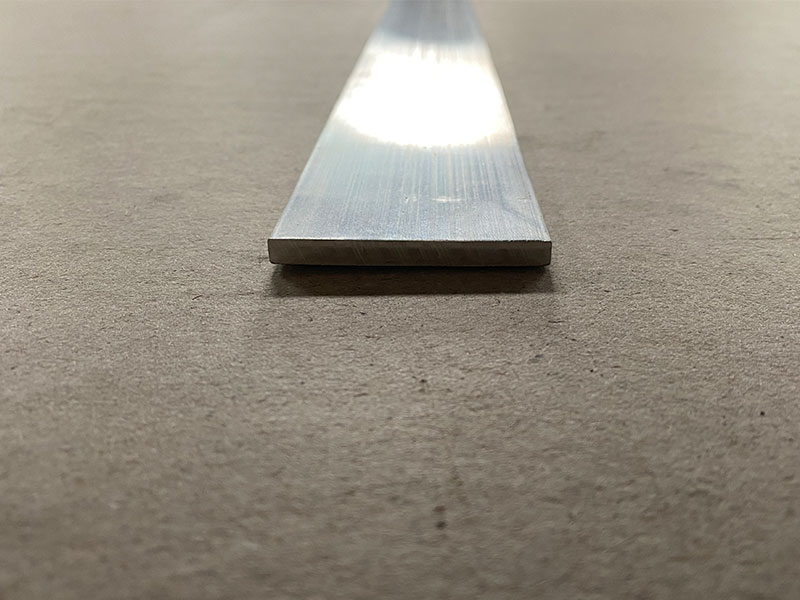
5083 marine aluminum flat bar
5083 aluminum flat bars belong to the 5xxx series of aluminum-magnesium alloys, known primarily for their superior resistance to seawater corrosion and salt spray.
View Details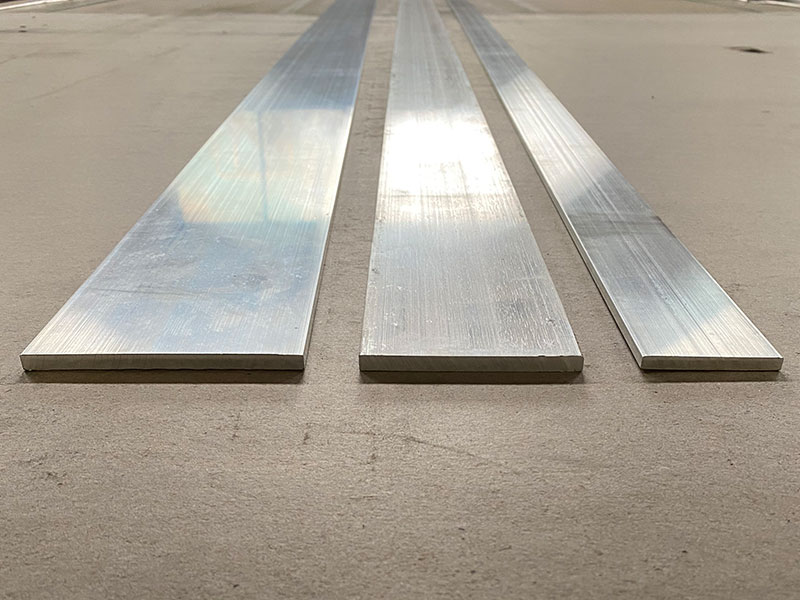
6061 T6 marine aluminum flat bar
6061 aluminum is classified as a heat-treatable 6xxx series alloy, alloyed primarily with magnesium and silicon. The T6 temper designation indicates that the flat bar has been solution heat-treated and artificially aged to achieve optimum strength and hardness.
View Details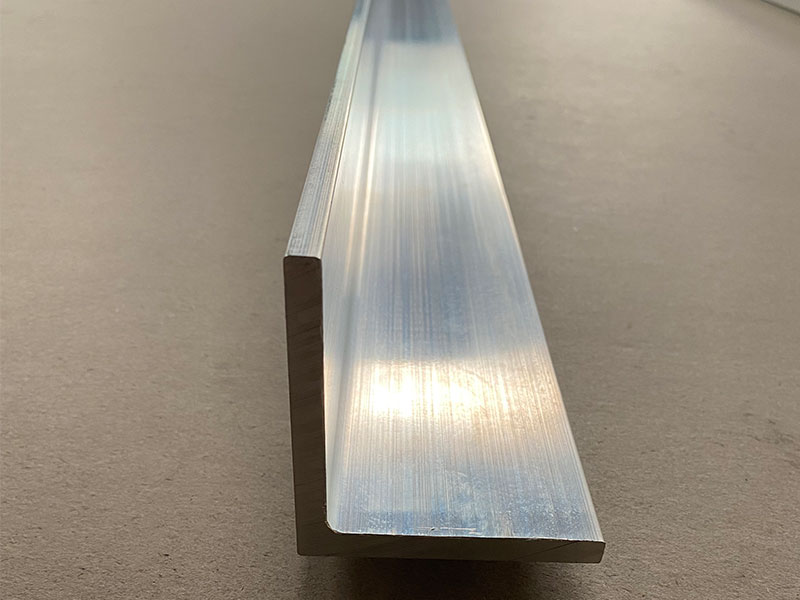
Marine aluminum angles
Marine Aluminum Angles are L-shaped cross-sectional aluminum profiles produced from marine-grade aluminum alloys such as 5083, 5052, and 6061.
View DetailsRelated Blog
Marine Aluminum Flat Bar for Offshore Boat and Platform Reinforcement
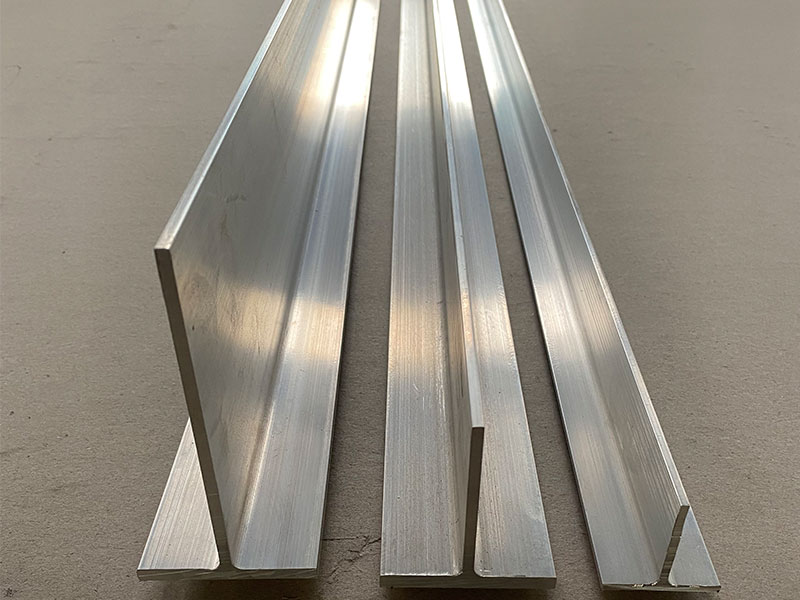
High-performance marine aluminum flat bars engineered for offshore boat and platform reinforcement applications. Steel-like strength, corrosion resistance, and optimal composition for harsh marine environments.
View Details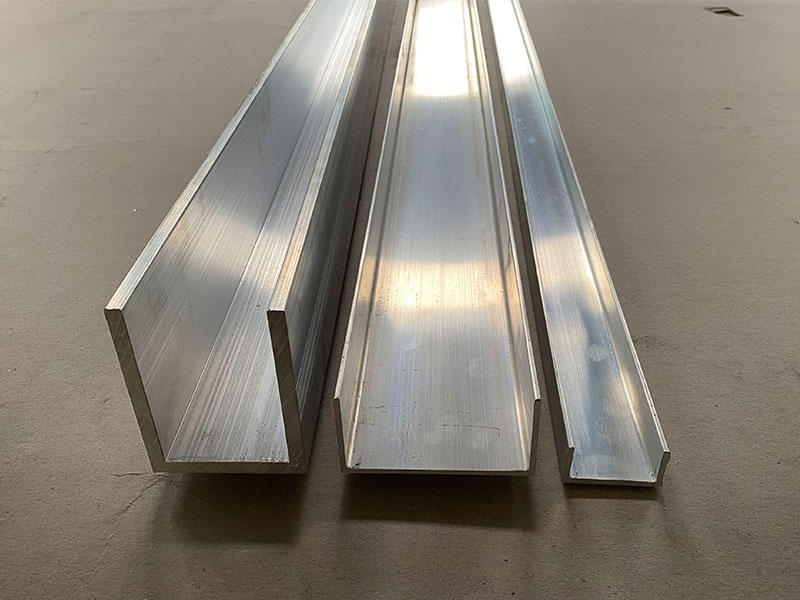
6082 Marine Aluminum Rod & Bar for High Performance Offshore Components
When offshore equipment is expected to run for years in salt spray, splash zones, and humid machinery spaces, the material choice is rarely about "good enough.
View Details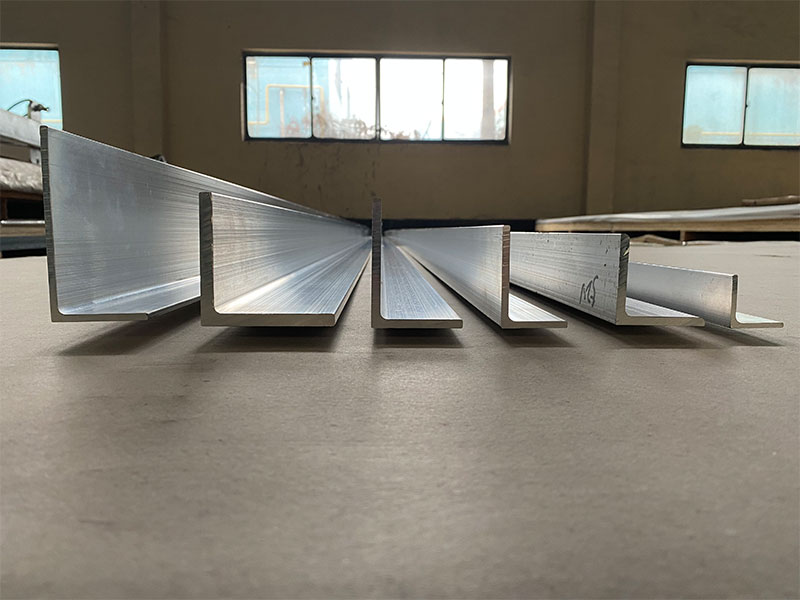
5052 Marine Aluminum Z Shaped Sections for Corrosion Resistant Marine Frames
5052 aluminum alloy is widely recognized in the marine industry for its excellent corrosion resistance, formability, and weldability. This lightweight alloy is particularly suitable for marine applications.
View Details
6061 Marine Aluminum Channels
Learn how 6061 Marine aluminum channels perform in boat frames, docks, rails, and structural marine parts with standards and properties.
View Details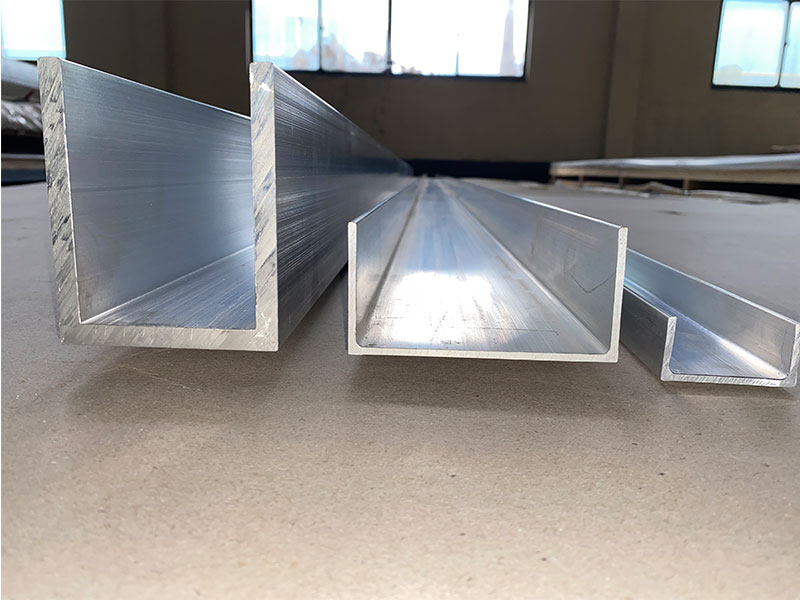
5083 Marine Aluminum Flat Bar for Offshore Platform Design
5083 marine aluminum flat bar delivers high strength, outstanding corrosion resistance, and excellent weldability, making it a preferred material choice for offshore platform design, topside structures, walkways, brackets.
View Details
5083 Marine Aluminum I Beams for Seawater Resistant Boat Hull Design
Constructing seawater resistant boat hulls demands not only impeccable design but also the right choice of materials engineered for marine environments. Among available metals.
View Details
Leave a Message