
Marine Grade Aluminum Angle Circle 5083 5086 5383
Marine grade aluminum angle circle 5083 5086 5383 refers to a high-strength, seawater-resistant product group used in welded marine structures, including aluminum angle profiles, circular blanks, rings, and precision-cut discs. These alloys belong to the Al-Mg family, valued for excellent corrosion resistance, good weldability, fatigue performance, and reliable service in saltwater, humid, and offshore environments.
In shipyards and marine fabrication plants, 5083, 5086, and 5383 aluminum are often selected for structural parts where ordinary commercial aluminum cannot withstand chloride attack, vibration, and continuous load cycles. Angle sections provide edge support, framing, bracing, and reinforcement, while aluminum circles or rings are commonly used for covers, flanges, hatch parts, ventilation parts, tank components, and machined marine fittings.
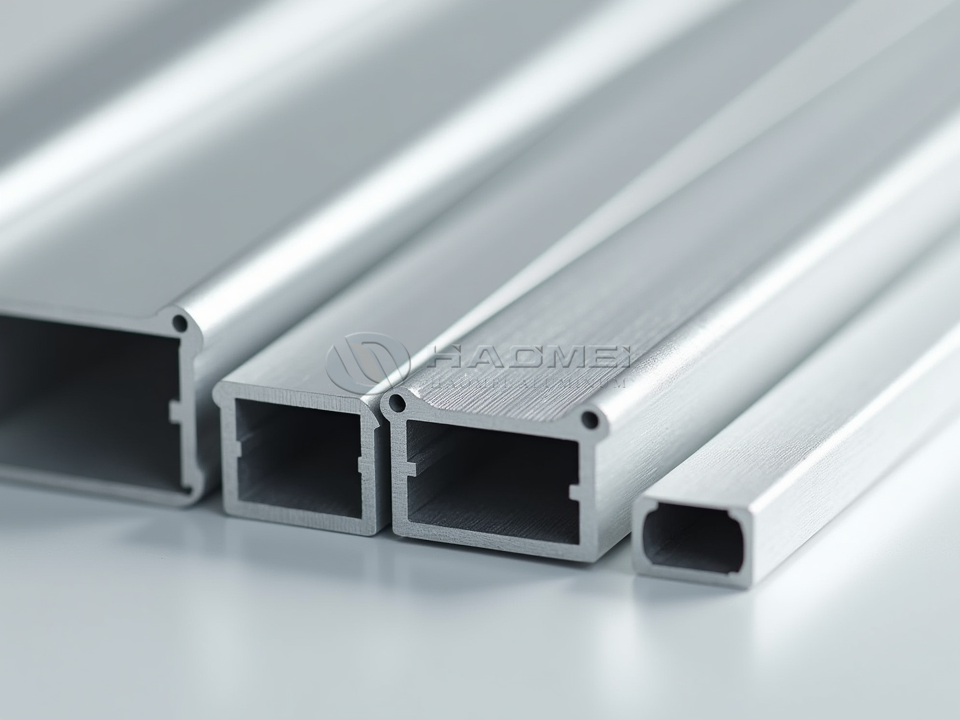
Product Forms and Main Functions
Marine aluminum angle and circle products can be supplied as extruded angles, cut-to-length profiles, rolled plate circles, CNC-cut rings, punched discs, or machined blanks. The material can be delivered in mill finish, brushed finish, anodized finish, or coated condition according to project requirements.
| Product form | Typical function | Common marine use |
|---|---|---|
| Equal angle | Corner reinforcement and structural framing | Deck frames, bulkhead edges, equipment bases |
| Unequal angle | Load transfer where one leg needs greater contact area | Hull stiffeners, platform supports, brackets |
| Aluminum circle | Round blank for forming or machining | Hatch covers, tank ends, round panels |
| Aluminum ring | Lightweight circular reinforcement | Pipe flanges, deck openings, ventilation rings |
| Cut segment | Custom fabricated marine component | Repair plates, gussets, curved supports |
For designers comparing profile choices, Marine aluminum angles are widely used where compact geometry, weldability, and corrosion resistance must work together in limited installation space.
Alloy Selection: 5083, 5086, and 5383
Each alloy offers a slightly different balance of strength, corrosion resistance, and fabrication behavior. 5083 is widely used for high-load ship structures. 5086 offers strong corrosion resistance with moderate strength and good formability. 5383 is an enhanced marine alloy designed to provide higher welded strength and improved performance in demanding hull and superstructure applications.
| Alloy | Material character | Strength level | Corrosion behavior | Typical reason for selection |
|---|---|---|---|---|
| 5083 | Al-Mg-Mn marine structural alloy | High | Excellent in seawater | Hulls, decks, pressure-related marine parts |
| 5086 | Al-Mg marine alloy with good formability | Medium to high | Excellent in saltwater | Workboats, patrol boats, fabricated fittings |
| 5383 | Improved Al-Mg-Mn-Zr marine alloy | Very high | Excellent with good welded strength | Fast ferries, naval craft, offshore structures |
Chemical Composition
Composition control is essential because magnesium content supports strength and corrosion resistance, while manganese and chromium improve stability and marine durability. The values shown are typical specification ranges by weight percentage and may vary slightly by governing standard.
| Alloy | Mg | Mn | Cr | Fe | Si | Cu | Zn | Ti | Al |
|---|---|---|---|---|---|---|---|---|---|
| 5083 | 4.0-4.9 | 0.40-1.0 | 0.05-0.25 | ≤0.40 | ≤0.40 | ≤0.10 | ≤0.25 | ≤0.15 | Balance |
| 5086 | 3.5-4.5 | 0.20-0.70 | 0.05-0.25 | ≤0.50 | ≤0.40 | ≤0.10 | ≤0.25 | ≤0.15 | Balance |
| 5383 | 4.0-5.2 | 0.70-1.0 | ≤0.25 | ≤0.25 | ≤0.25 | ≤0.20 | ≤0.40 | ≤0.15 | Balance |
Low copper content is especially important for marine aluminum because excessive copper can reduce resistance to seawater corrosion. The controlled magnesium range gives these alloys their strong non-heat-treatable mechanical performance.
Tempering Conditions
5083, 5086, and 5383 are non-heat-treatable alloys, meaning they gain strength mainly through strain hardening rather than solution heat treatment. Temper selection affects forming, welding, flatness, and final strength.
| Temper | Condition meaning | Fabrication behavior | Typical marine use |
|---|---|---|---|
| O | Annealed soft condition | Best formability, lowest strength | Deep-formed circles, curved covers |
| H111 | Slightly strain-hardened | Good forming and welding balance | General ship parts, angles, panels |
| H112 | As-fabricated strain hardened | Stable for thick sections and extrusions | Structural angles and heavy blanks |
| H116 | Marine corrosion-controlled temper | Designed for seawater exposure | Hull plate, deck structures, welded parts |
| H321 | Stabilized strain-hardened temper | Good resistance to exfoliation and stress corrosion | High-reliability marine structures |
For aluminum circles requiring spinning, pressing, or deep drawing, O or H111 is often preferred. For structural angles that must hold shape under load, H112, H116, or H321 may be chosen depending on certification and exposure severity.
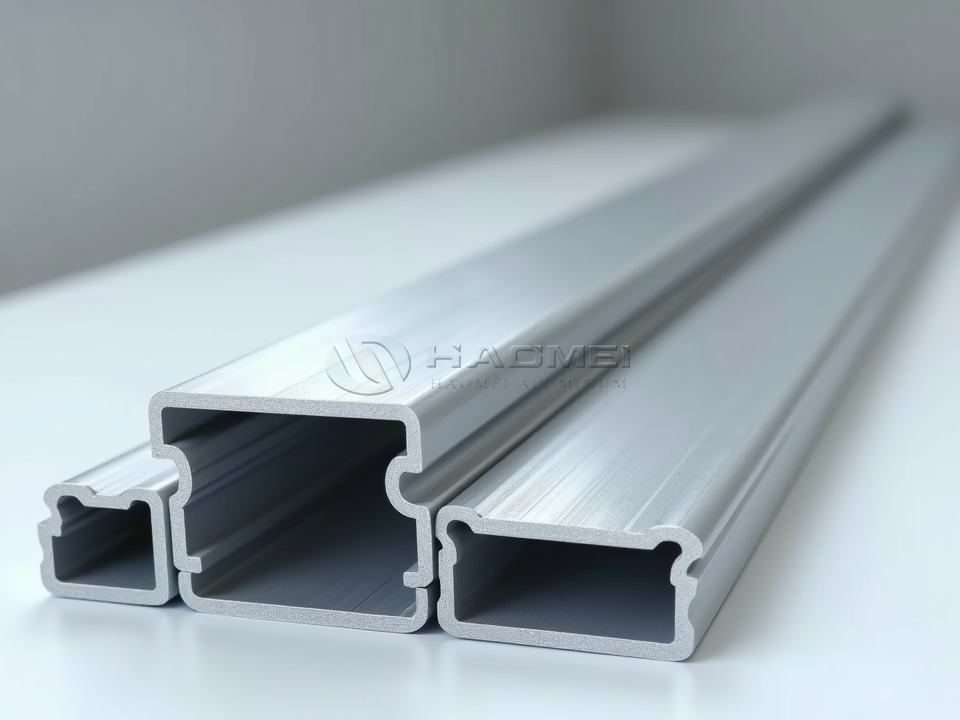
Mechanical Properties
Mechanical values depend on thickness, production route, temper, and test standard. The table provides common reference values used during early material selection.
| Alloy and temper | Tensile strength MPa | Yield strength MPa | Elongation % | Notes |
|---|---|---|---|---|
| 5083-O | 275-350 | 125-170 | ≥14 | Excellent forming and welding |
| 5083-H116 | 305-385 | 215-260 | ≥10 | Marine hull and deck service |
| 5086-H112 | 240-330 | 110-170 | ≥12 | Good for formed and welded parts |
| 5086-H116 | 275-345 | 195-240 | ≥10 | Strong seawater resistance |
| 5383-H116 | 330-410 | 230-290 | ≥10 | Higher welded strength applications |
| 5383-H321 | 335-420 | 240-300 | ≥9 | Stable marine structural temper |
Welded joint performance is a major advantage of these alloys. Unlike some heat-treatable aluminum grades, 5xxx marine alloys retain a practical level of strength after welding and do not require post-weld heat treatment.
Technical Specifications
Marine grade aluminum angle circle products can be produced according to project drawings, shipyard material lists, or classification society requirements.
| Parameter | Common range or option |
|---|---|
| Angle leg size | 20 mm x 20 mm to 200 mm x 200 mm, custom sizes available |
| Angle thickness | 2 mm to 25 mm, depending on alloy and profile |
| Circle diameter | 80 mm to 2000 mm, larger sizes by cutting process |
| Circle thickness | 1 mm to 80 mm, according to plate or coil source |
| Length of angle | 1000 mm to 6000 mm, cut-to-length available |
| Surface | Mill finish, brushed, anodized, coated, film protected |
| Cutting method | Saw cutting, shearing, laser cutting, waterjet, CNC routing |
| Tolerance | EN, ASTM, or project-specific tolerance agreement |
| Inspection | Chemical test, tensile test, dimensional check, surface check |
Implementation Standards
Marine projects often require compliance not only with aluminum standards but also with classification society rules. Documentation can include mill test certificates, third-party inspection, ultrasonic testing for plate stock, and traceability records.
| Standard or authority | Scope |
|---|---|
| ASTM B209 | Aluminum and aluminum-alloy sheet and plate for circles and blanks |
| ASTM B221 | Aluminum and aluminum-alloy extruded bars, rods, wire, profiles, and tubes |
| ASTM B928 | High-magnesium aluminum-alloy sheet and plate for marine service |
| EN 485 | Aluminum sheet, strip, and plate mechanical properties and tolerances |
| EN 573 | Aluminum alloy chemical composition designation |
| EN 755 | Extruded aluminum profiles, bars, and tubes |
| ABS, DNV, LR, BV, CCS | Classification approval for shipbuilding and offshore use |
| ISO 6361 | Wrought aluminum sheet, strip, and plate requirements |
Corrosion Resistance and Welding Performance
The Al-Mg structure gives 5083, 5086, and 5383 outstanding resistance to seawater, marine atmosphere, and many industrial environments. H116 and H321 tempers are often specified for improved resistance to exfoliation and stress corrosion in long-term saltwater exposure.
| Performance factor | Practical benefit |
|---|---|
| Seawater corrosion resistance | Longer service life for hull, deck, and offshore parts |
| Low density | Reduced vessel weight and improved fuel efficiency |
| Weldability | Suitable for MIG and TIG welding with marine filler wires |
| Fatigue performance | Handles vibration from engines, waves, and dynamic loading |
| Machinability | Circles and rings can be drilled, milled, tapped, and chamfered |
| Formability | Soft tempers support spinning, bending, and pressing operations |
Common filler wires include ER5183, ER5356, and ER5556. For high-strength marine welded structures, filler selection should match alloy grade, joint design, and classification requirements.
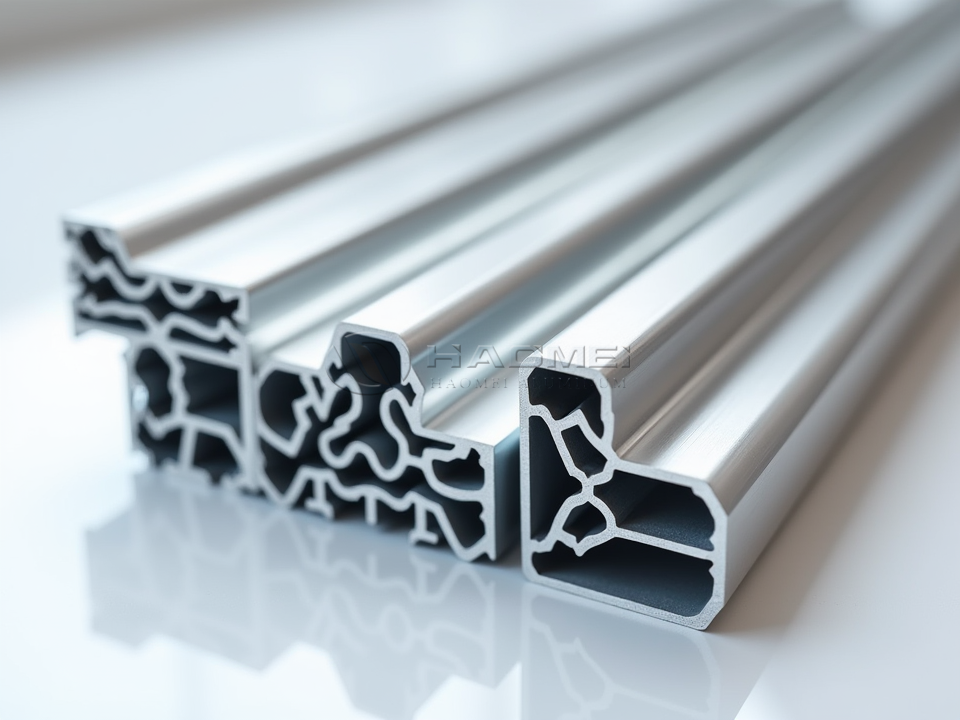
Applications in Marine and Offshore Structures
Marine grade aluminum angle circle 5083 5086 5383 is used across small boats, commercial vessels, passenger ferries, patrol craft, offshore platforms, and marine equipment. Aluminum angle is often installed as a stiffener, corner guard, support rail, or load-bearing bracket. Aluminum circles are used where round geometry reduces machining time and material waste.
| Application area | Recommended product | Suitable alloy |
|---|---|---|
| Hull reinforcement | Angle, gusset, cut profile | 5083, 5383 |
| Deck framing | Equal and unequal angle | 5083, 5086 |
| Hatch and manhole covers | Circles, rings, machined blanks | 5083, 5086 |
| Fuel and water tanks | Circles, baffles, brackets | 5083, 5086 |
| Offshore walkways | Angle, support profiles | 5086, 5383 |
| Fast ferries and patrol craft | High-strength profiles and rings | 5383 |
| Marine ventilation systems | Circular blanks and flanges | 5086 |
| Equipment foundations | Heavy angle and machined plates | 5083 |
Fabrication Notes for Buyers
For best results, buyers should confirm alloy, temper, dimensions, tolerance, inspection standard, surface requirement, and packaging before ordering. If the part will be welded, the welding process and filler wire should be considered early. If the circle will be formed or spun, a softer temper can prevent cracking. If the angle will be used in structural bracing, a harder marine temper may be more suitable.
| Purchase item | Recommended confirmation |
|---|---|
| Alloy grade | 5083, 5086, or 5383 based on load and environment |
| Temper | O, H111, H112, H116, or H321 |
| Certification | Mill certificate, classification approval, third-party test |
| Dimensional tolerance | EN, ASTM, or drawing-specific tolerance |
| Surface condition | Mill finish, anodized, coated, protected surface |
| Packaging | Waterproof paper, wooden pallet, edge protection |
Marine grade aluminum angle circle 5083 5086 5383 gives shipbuilders and fabricators a dependable combination of strength, weldability, corrosion resistance, and lightweight performance. With the correct alloy and temper, it supports safer fabrication, longer service life, and efficient vessel construction in demanding marine environments.

Related Products
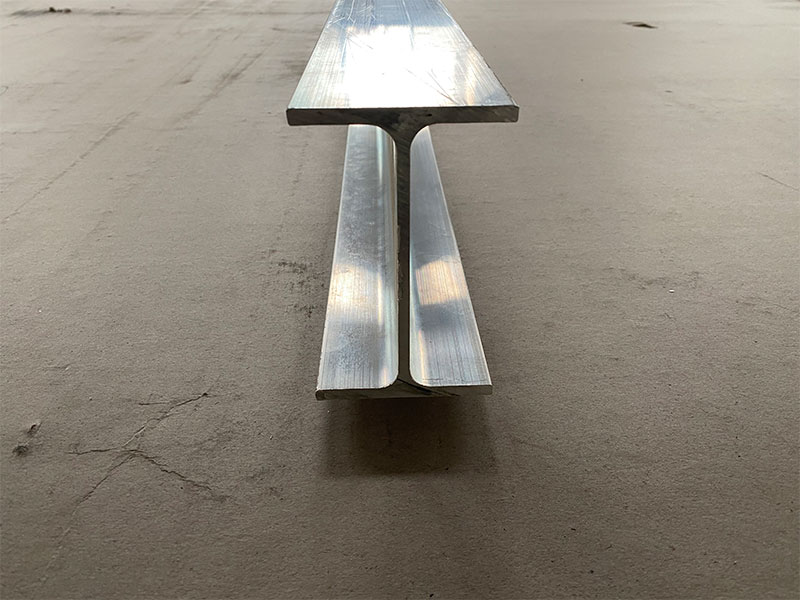
Marine aluminum Z-shaped sections
Marine Aluminum Z-shaped Sections are fabricated from premium marine-grade aluminum alloys such as 5083, 5052, and 6061. These alloys are well-regarded for their superior corrosion resistance in seawater and marine atmospheres, along with good mechanical strength and excellent weldability.
View Details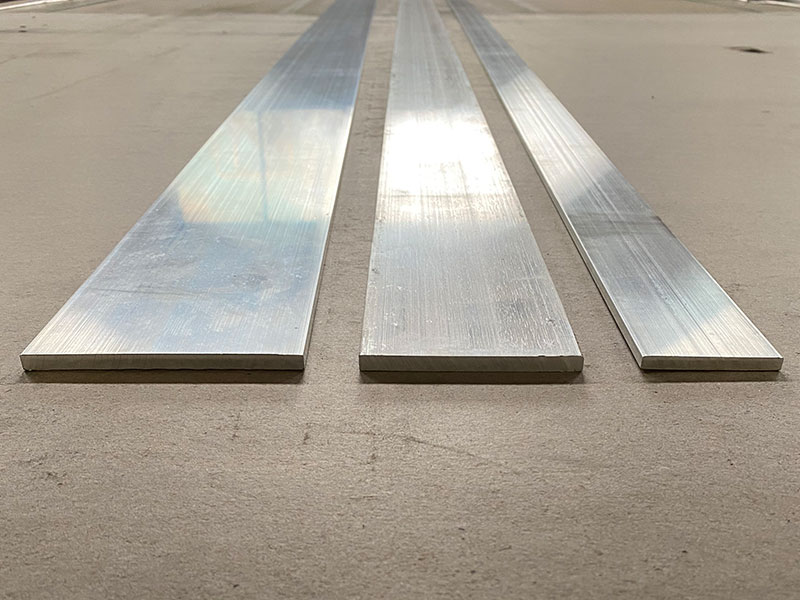
6061 T6 marine aluminum flat bar
6061 aluminum is classified as a heat-treatable 6xxx series alloy, alloyed primarily with magnesium and silicon. The T6 temper designation indicates that the flat bar has been solution heat-treated and artificially aged to achieve optimum strength and hardness.
View Details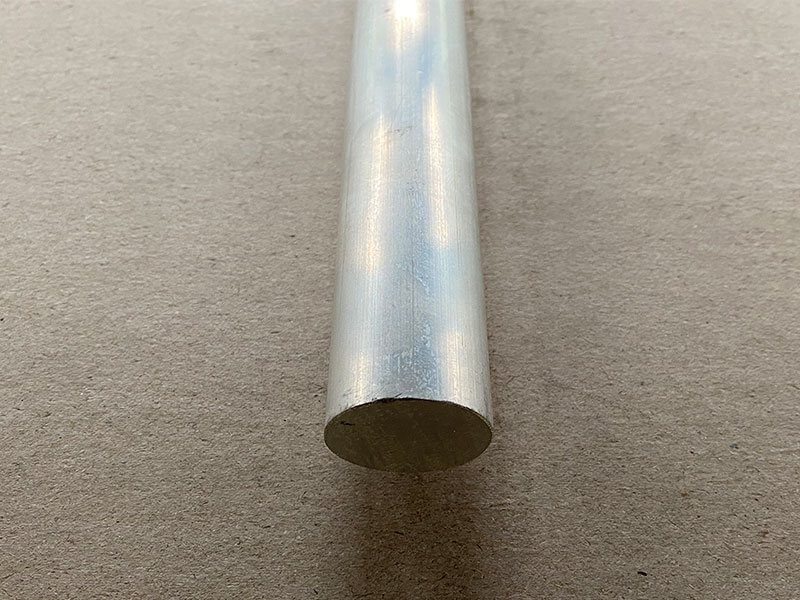
6061 marine aluminum round bar
6061 aluminum belongs to the 6xxx series alloys, alloyed primarily with magnesium and silicon. In the T6 temper, it undergoes solution heat treatment and artificial aging, resulting in enhanced mechanical properties while maintaining excellent corrosion resistance.
View Details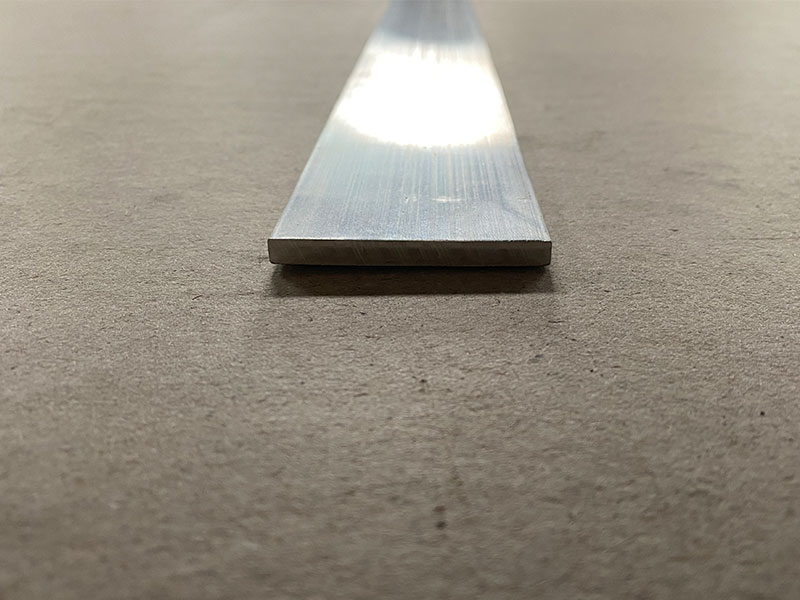
5083 marine aluminum flat bar
5083 aluminum flat bars belong to the 5xxx series of aluminum-magnesium alloys, known primarily for their superior resistance to seawater corrosion and salt spray.
View Details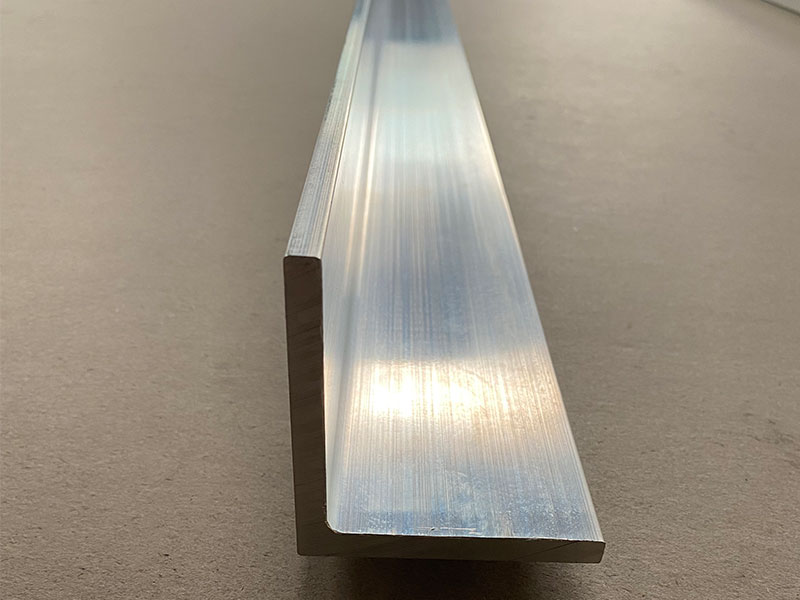
Marine aluminum angles
Marine Aluminum Angles are L-shaped cross-sectional aluminum profiles produced from marine-grade aluminum alloys such as 5083, 5052, and 6061.
View Details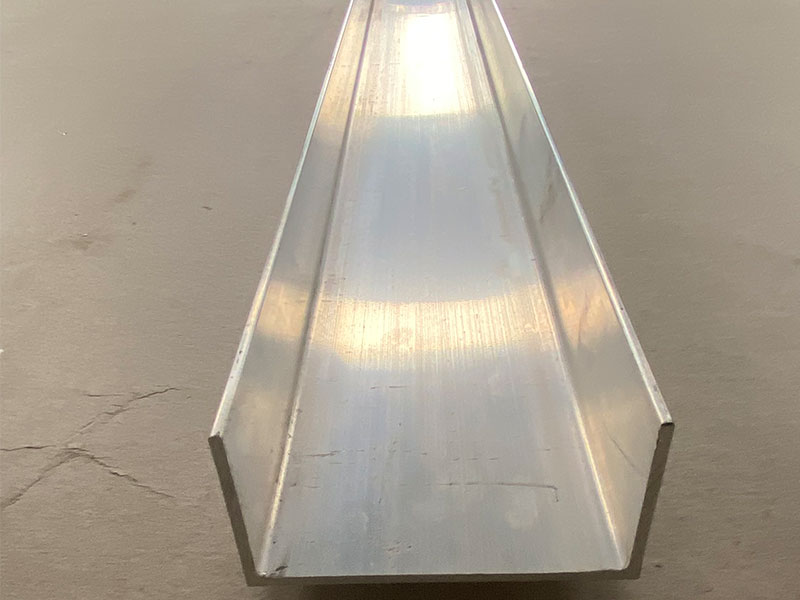
Marine aluminum channels
Marine Aluminum Channels are U-shaped aluminum profiles produced from alloys such as 5083, 5052, and 6061, known for their excellent marine corrosion resistance and superior mechanical strength.
View DetailsRelated Blog
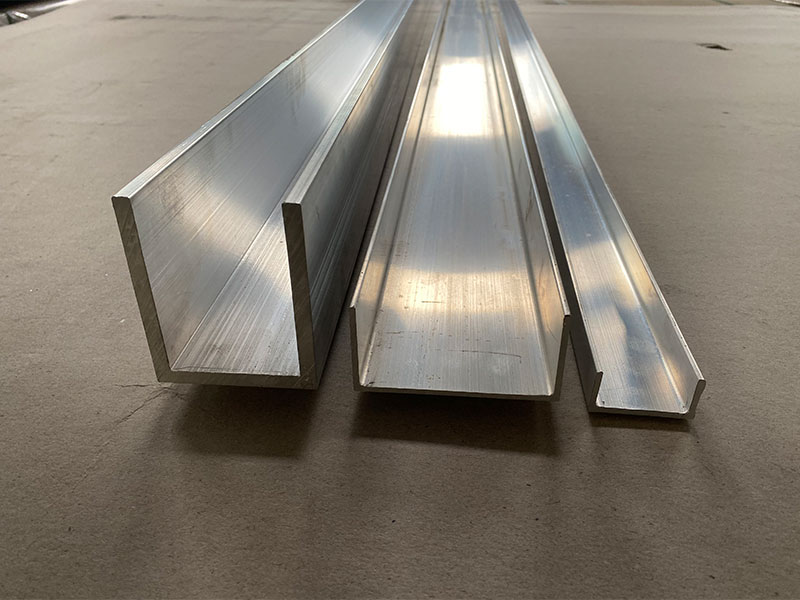
Marine Aluminum Channels for Boat Frame and Deck Customization
Marine aluminum channels are the quiet backbone of modern boat frame and deck customization. They don’t get the attention that engines or electronics do, but they’re the structural language that lets designers turn ideas into strong, lightweight, co.
View Details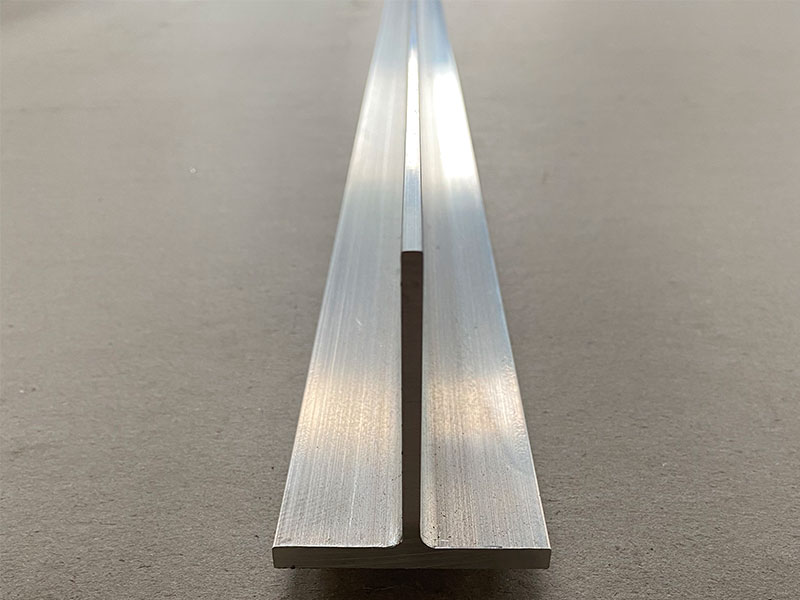
5052 Marine Aluminum Z Shaped Sections for Lightweight Offshore Ship Design
5052 marine aluminum Z shaped sections deliver high strength-to-weight performance, excellent corrosion resistance, and easy weldability for lightweight offshore ship design.
View Details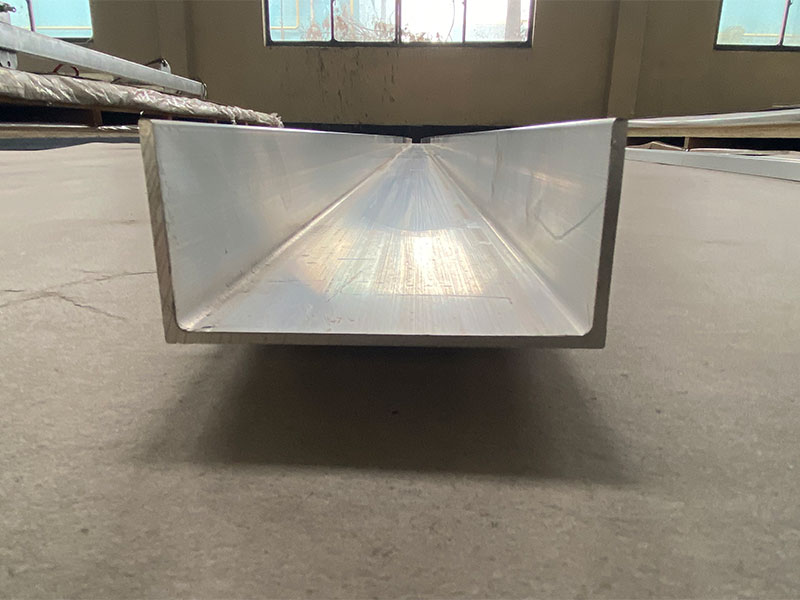
5083 Marine Aluminum Angles for Heavy Duty Offshore Boat Hulls
In the demanding world of offshore marine engineering, selecting the right materials for constructing boat hulls is critical.
View Details
6061 Marine Aluminum Rod & Bar
Learn how 6061 marine aluminum rod and bar perform in boat fittings, dock parts, frames, with tempers, standards, sizes, and chemistry.
View Details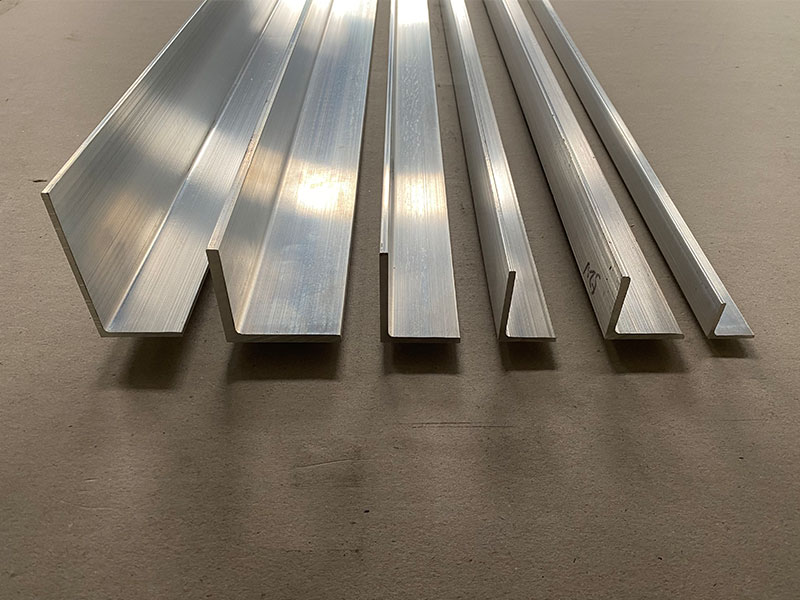
6082 marine aluminum rod & bar
When it comes to marine applications, selecting the right aluminum material is crucial. Among the various alloys available, 6082 marine aluminum rod and bar is know as the premier choice, perfectly balancing strength, corrosion resistance.
View Details
Marine Aluminum Round Bar for Saltwater Resistant Boat Design
When designing boats destined for saltwater environments, materials selection is paramount for ensuring long-lasting performance and reliable structural integrity.
View Details
Leave a Message