
5083 5086 H116 Marine Aluminum Plate Sheet For Boat
Marine structures live in a world of salt spray, constant wet-dry cycles, vibration, and localized impacts. A "good" metal in a warehouse can fail quickly on a hull or deck if it can't resist corrosion and keep its strength after welding. 5083 and 5086 aluminum in H116 temper are widely selected for boat plate and sheet because they combine excellent seawater corrosion resistance, high strength among non-heat-treatable aluminum alloys, and reliable weldability for real-world fabrication.
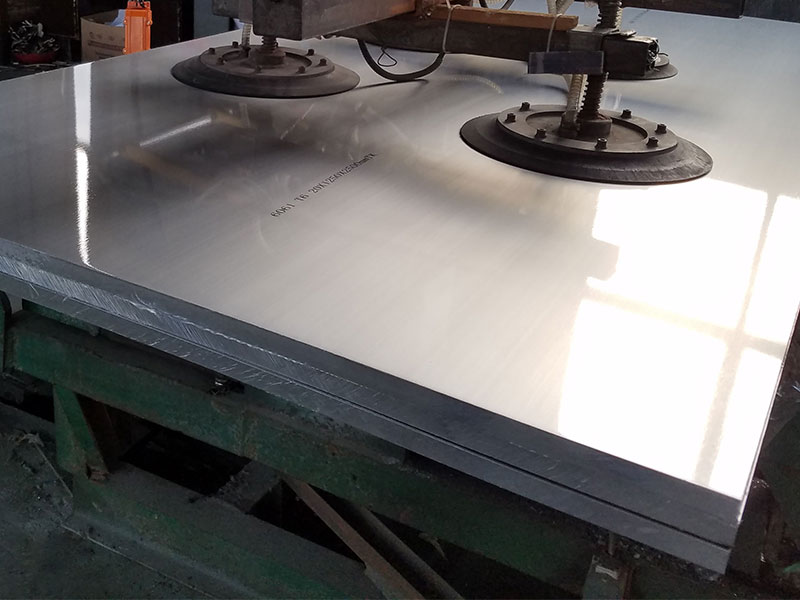
5083 / 5086 H116 Marine Aluminum Plate & Sheet are Al-Mg (5xxx series) alloys supplied in the H116 temper, a condition developed for marine service to help ensure resistance to exfoliation and stress corrosion cracking in corrosive environments. These plates and sheets are commonly used in hulls, decks, bulkheads, superstructures, ramps, and fuel/water tanks where durability and corrosion resistance are critical.
Features (Customer-Focused)
| Feature | What it means for your boat |
|---|---|
| Excellent seawater corrosion resistance | Long service life in saltwater, reduced pitting/exfoliation risk on properly fabricated structures |
| High strength-to-weight ratio | Lighter structure than steel with strong panel performance; enables payload and speed efficiency |
| Strong weldability | Stable performance in MIG/TIG fabrication; commonly welded with marine filler wires |
| H116 temper for marine plate | Designed for marine exposure; often specified when corrosion performance is a priority |
| Good formability (sheet) | Suitable for curved hull sections, cladding, and formed components within recommended radii |
| Low temperature toughness | Maintains toughness in cold marine climates and refrigerated service |
Typical Marine Applications
| Area on vessel | Typical use cases |
|---|---|
| Hull and side shell | Bottom plating, side plating, chine and strake panels |
| Decks and superstructures | Deck plate, cabin panels, walkways, stiffened panels |
| Internal structure | Bulkheads, floors, longitudinal stiffeners, brackets |
| Ramps and landing craft | Bow ramps, wear plates (often with additional abrasion solutions) |
| Tanks and compartments | Fresh/grey water tanks, ballast components (design-dependent) |
| Offshore and coastal equipment | Gangways, pontoons, service platforms, marine frames |
Alloy Selection: 5083 vs 5086 for Boat Plate
| Item | 5083 H116 | 5086 H116 |
|---|---|---|
| General positioning | Higher-strength marine workhorse | Slightly lower strength, excellent corrosion resistance and formability balance |
| Typical choice | Hull plating, structural panels, high-load areas | Hull/deck plating, formed components, general marine fabrication |
| Corrosion behavior in seawater | Excellent | Excellent |
| Weldability | Excellent | Excellent |
Both alloys are proven in marine service; selection often depends on class/spec requirement, thickness, availability, and the fabricator's forming/welding plan.
Temper Condition: What "H116" Means in Practice
H116 is a strain-hardened and stabilized temper intended for marine plate and sheet. In practical boatbuilding terms, it is specified to support:
| Performance topic | Why H116 is used |
|---|---|
| Corrosion reliability | Improved resistance to exfoliation-type corrosion in marine exposure versus general-purpose tempers |
| Consistency for certification | Many marine and shipbuilding supply chains prefer H116 for traceability and standard compliance |
| Fabrication fit | Compatible with common cutting, forming, and welding methods used in yards |
For welded structures, remember that weld zones in 5xxx alloys soften compared to the parent plate. Good joint design and appropriate thickness selection are essential for maintaining required strength.
Chemical Composition (Typical, wt.%)
Values below are typical composition limits used for commercial supply of these alloys (exact limits vary by ASTM/EN product standard and mill practice).
| Alloy | Mg | Mn | Cr | Si | Fe | Cu | Zn | Ti | Al |
|---|---|---|---|---|---|---|---|---|---|
| 5083 | 4.0–4.9 | 0.4–1.0 | 0.05–0.25 | ≤0.40 | ≤0.40 | ≤0.10 | ≤0.25 | ≤0.15 | Balance |
| 5086 | 3.5–4.5 | 0.2–0.7 | 0.05–0.25 | ≤0.40 | ≤0.50 | ≤0.10 | ≤0.25 | ≤0.15 | Balance |
Why it matters: Magnesium provides the main strength mechanism in 5xxx alloys and supports strong corrosion performance in marine environments when properly processed and fabricated.
Mechanical Properties (Typical Room Temperature)
Mechanical values depend on thickness, standard, and producer. The table below reflects commonly referenced typical ranges for marine plate/sheet in H116.
| Alloy / Temper | Tensile Strength (MPa) | Yield Strength (MPa) | Elongation (%) |
|---|---|---|---|
| 5083 H116 | 305–360 | 215–275 | 10–16 |
| 5086 H116 | 275–330 | 200–260 | 10–18 |
Design note: Welded joint efficiency is lower than parent metal. For critical hull structures, designers often base allowable stresses on welded properties and classification society rules.
Product Forms, Dimensions, and Tolerances (Supply Guide)
| Parameter | Typical supply |
|---|---|
| Product type | Plate, sheet, cut-to-size panels |
| Thickness range | Sheet: ~1.5–6 mm; Plate: ~6–80 mm (availability varies by mill) |
| Width | Commonly up to 2000–2500 mm (larger widths possible by request) |
| Length | Commonly up to 6000–12000 mm; custom cutting available |
| Surface | Mill finish; optional PVC film; optional brushed finish for interiors |
| Flatness | Controlled to product standard; improved flatness available for CNC nesting |
| Standards (typical) | ASTM B928 (marine plate), ASTM B209 (sheet/plate), EN 485 / EN 573 (EU), other regional equivalents |
If your project is classed or audited, specify required standard, inspection documents, and marking requirements at order time.
Corrosion Performance in Marine Service
5083/5086 H116 are chosen because they deliver strong resistance to general corrosion in seawater and are commonly specified where exfoliation resistance is important. Real-world corrosion performance also depends on fabrication details:
| Factor | Practical recommendation |
|---|---|
| Dissimilar metal contact | Isolate aluminum from stainless/steel with gaskets, coatings, or proper fastener systems |
| Water traps and crevices | Avoid tight crevices; design for drainage and airflow |
| Surface preparation | Use proper cleaning before painting/sealing; remove contaminants and shop oils |
| Coatings | Use marine-grade coating systems where abrasion or appearance demands it |
| Sacrificial protection | Consider anodes where galvanic exposure is expected (design-dependent) |
Fabrication and Welding Notes
| Topic | Guidance for boatbuilders |
|---|---|
| Cutting | CNC plasma/waterjet/router are common; maintain clean edges for welding |
| Forming | Use appropriate bend radii; thicker plate needs larger radii to prevent cracking |
| Welding process | MIG and TIG are widely used; control heat input for distortion management |
| Filler selection | Common marine fillers include 5356 or 5183 (final choice depends on code, strength target, and service temperature) |
| Distortion control | Use balanced welding sequences, fixturing, and intermittent weld strategies where allowed |
For high-quality marine welds, cleanliness is non-negotiable: remove oxide, moisture, and hydrocarbons from weld zones immediately before welding.
Quality Control and Documentation (What to Ask For)
| Item | Customer value |
|---|---|
| Mill Test Certificate (MTC) | Confirms chemical/mechanical compliance and traceability |
| Ultrasonic testing (plate) | Helps verify internal soundness for critical structures |
| Exfoliation/corrosion testing | Supports confidence for marine exposure where required |
| Heat/lot traceability marking | Simplifies audits, reorders, and downstream QA |
5083 5086 H116 marine aluminum plate and sheet for boat building provide an ideal balance of high strength, excellent seawater corrosion resistance, and outstanding weldability. Commonly used for hull plating, decks, bulkheads, and marine structures, these 5xxx series Al-Mg alloys in H116 temper are trusted for demanding saltwater environments. With clear chemical composition control, strong mechanical performance, and wide plate/sheet availability, 5083/5086 H116 aluminum helps shipyards and fabricators build lightweight, durable, long-life vessels with reliable fabrication results.

Related Products
Marine heavy duty aluminum plate
Marine Heavy Duty Aluminum Plates Sheets generally refer to thick aluminum alloy plates and heavy gauge sheets produced from marine-grade alloys such as 5083, 5086, 5059, and 5383.
View Details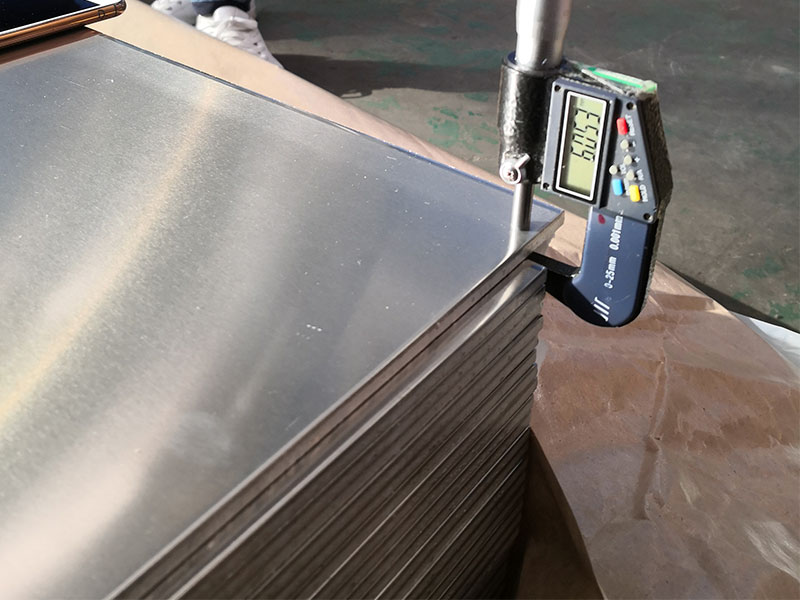
Marine 5383 aluminum plate
The 5383 aluminum alloy belongs to the 5xxx series of aluminum-magnesium alloys known for remarkable resistance to marine corrosion and high strength.
View Details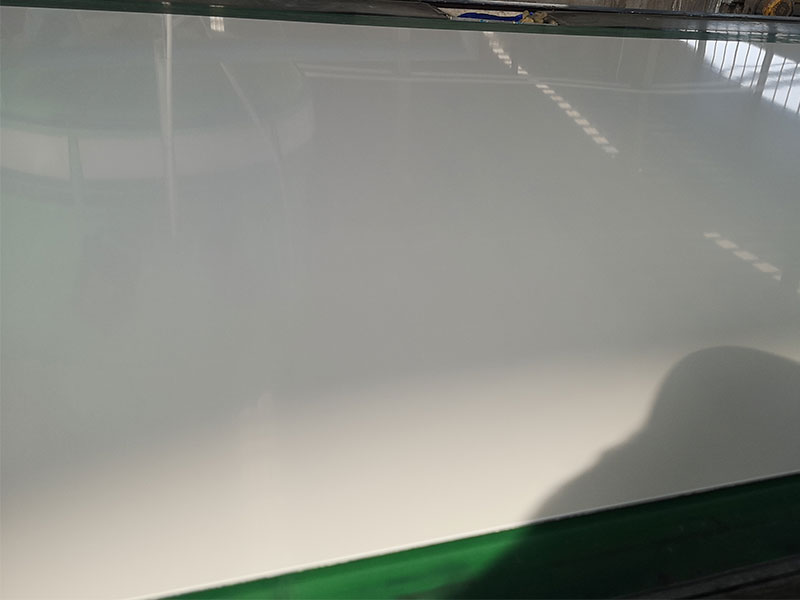
Marine 5086 aluminum plate
5086 Aluminum Plate belongs to the 5xxx series of aluminum-magnesium alloys. Its hallmark is a high magnesium content—generally between 4.0% and 4.9%—which delivers enhanced corrosion resistance, particularly against saltwater and marine atmospheric conditions.
View Details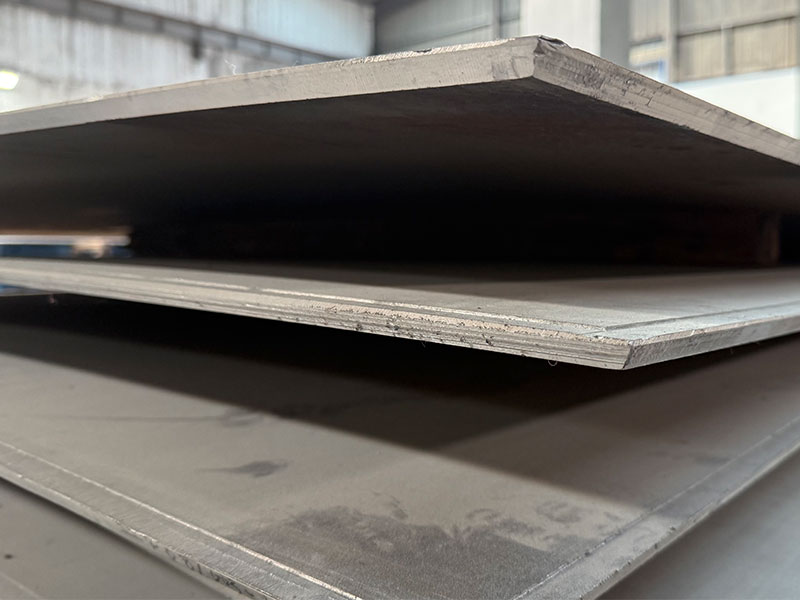
Marine aluminum steel clad plate
Aluminum / Steel Clad Plates consist of a sandwich construction in which a layer of marine-grade aluminum alloy is metallurgically bonded to a steel substrate.
View Details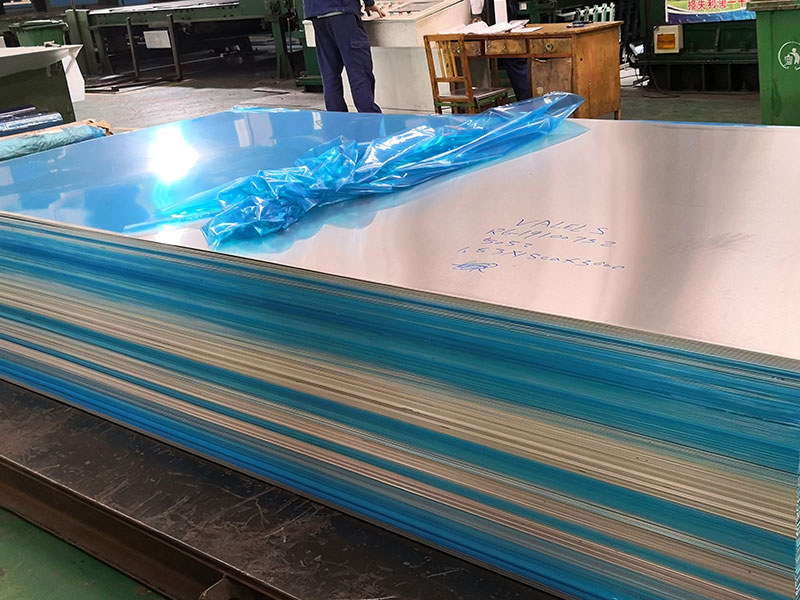
Marine 5059 aluminum plate
Marine 5059 Aluminum Plate is distinguished by its high magnesium content and carefully balanced alloying elements, designed to maximize strength without compromising corrosion resistance.
View Details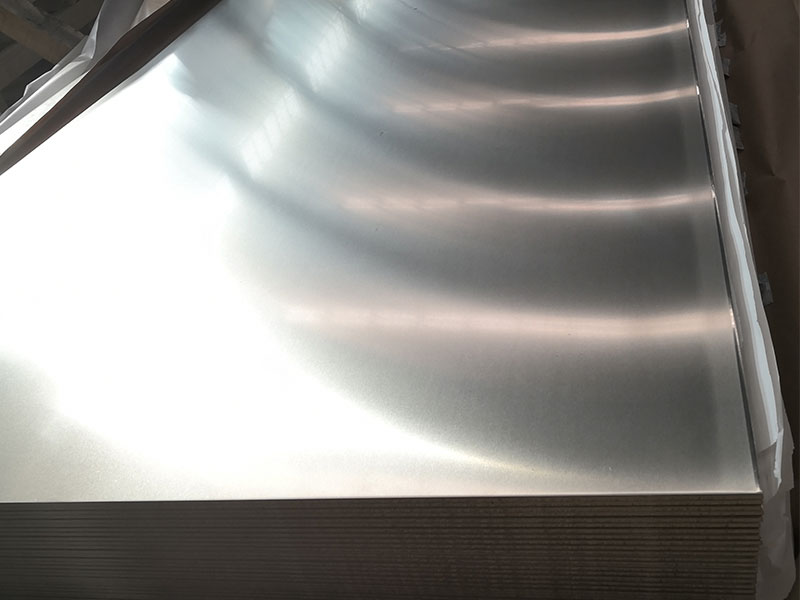
Marine 5052 aluminum plate
Marine 5052 Aluminum Plate is noted for its exceptional resistance to corrosion caused by seawater, salt spray, and marine atmospheres.
View DetailsRelated Blog
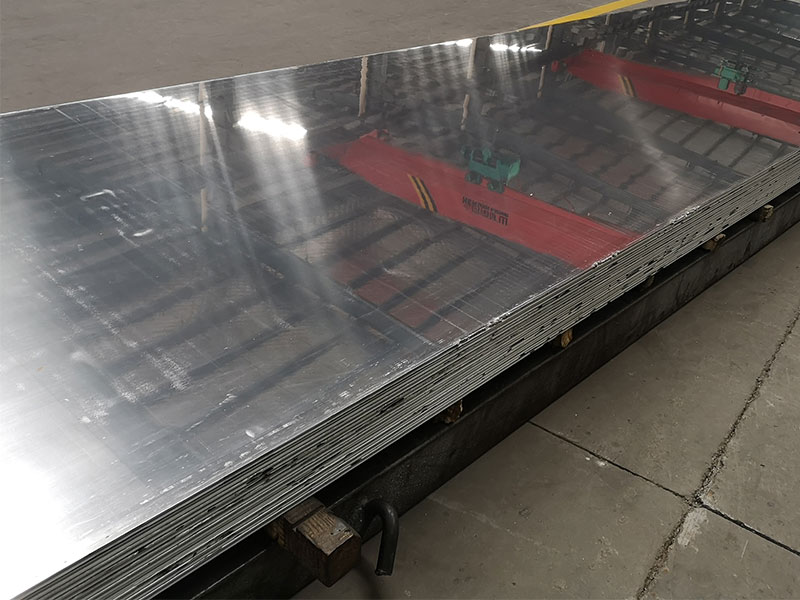
Marine grade aluminum 5083 sheet aluminum plate for boat using
When salt spray, wave impact, and long service hours meet a hull or deck structure, the material choice becomes the difference between "works on day one" and "keeps working for years.
View Details
5052 5083 6063 h111 h22 h32 marine grade aluminum sheet plate
Marine projects demand materials that are lightweight, corrosion‑resistant, and reliable under harsh, salt‑water conditions. Among the most trusted options are the marine grade aluminum alloys 5052, 5083, and 6063 in tempers such as H111, H22, an.
View Details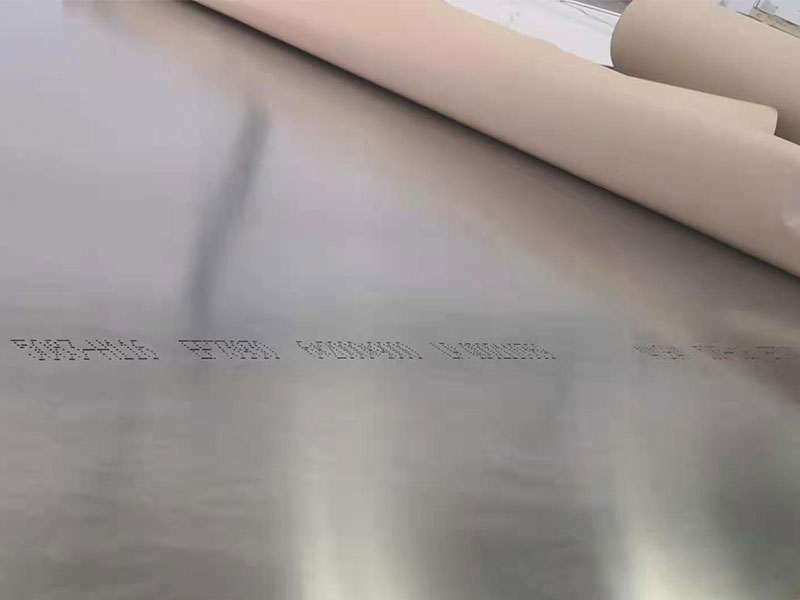
5083 hot rolled aluminium sheet plate for shipbuilding
5083 hot rolled aluminium sheet plate is a premium-grade aluminum product tailored specifically for shipbuilding applications. Renowned for its exceptional resistance to seawater corrosion, high strength, and easily weldable nature.
View Details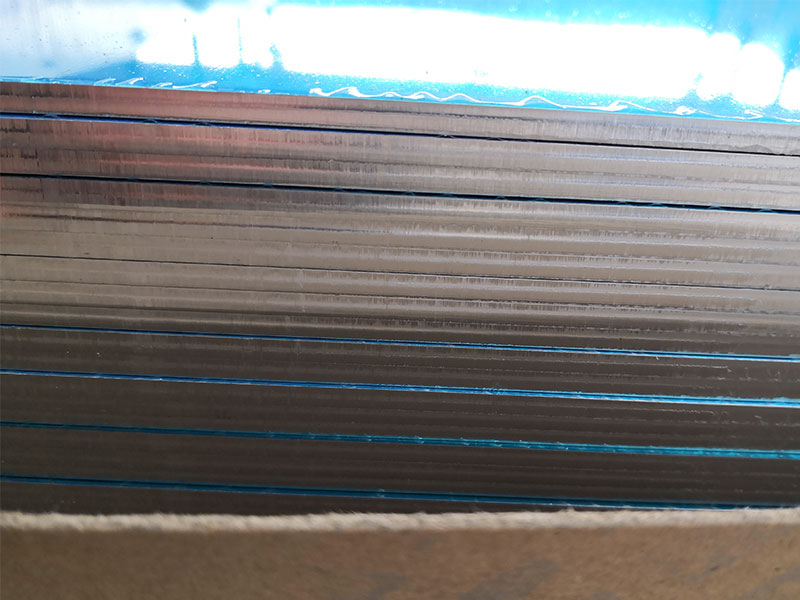
Marine Grade Aluminum Plate 5083
When it comes to building robust, durable, and corrosion-resistant marine vessels and offshore structures, Marine Grade Aluminum Plate 5083 stands as a premier choice in the industry.
View Details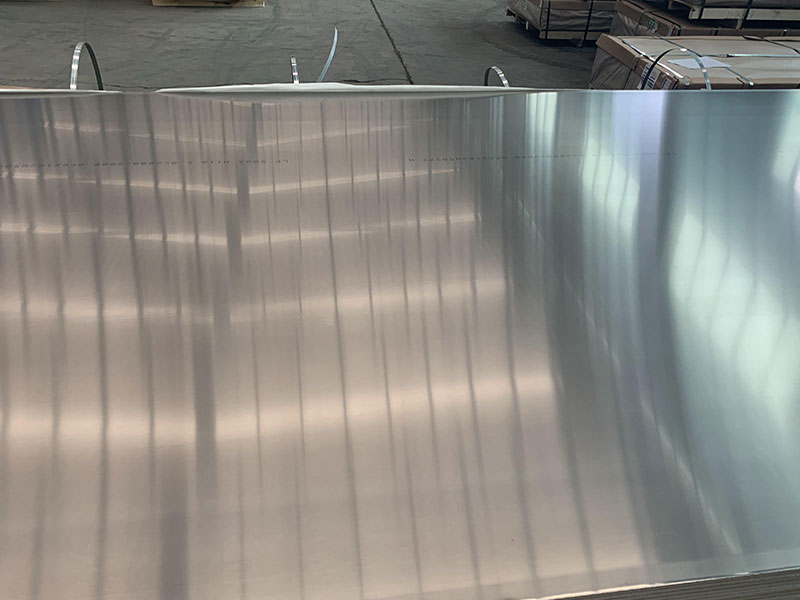
Marine 5083 H111 H114 H116 Aluminum Plate
Marine 5083 H111 H114 H116 aluminum plate is a high‑strength, corrosion‑resistant marine-grade alloy designed for shipbuilding, offshore platforms, hull structures, and cryogenic tanks.
View Details
Marine aluminum plate 5083 h116
Marine aluminum isn't just "metal that doesn't rust." In real seawater service, the winning materials are those that can live comfortably in a world of chloride ions, cyclic wet/dry exposure, vibration, and welding heat.
View Details
Leave a Message