
Marine Aluminum Elbow for Shipboard Chemical Handling Systems
A marine aluminum elbow is a direction-changing pipe fitting designed for chemical-transfer lines operating in demanding vessel environments. It connects straight pipe runs while guiding liquid flow around bulkheads, machinery, tanks, and confined service routes. With the right alloy, wall thickness, bend radius, and joint method, the elbow helps create a lightweight piping system that resists salt-laden air, vibration, and routine washdown exposure.
For shipboard chemical handling systems, material selection must consider more than seawater resistance. Cleaning chemicals, liquid additives, ballast-treatment media, fuel-system fluids, and wastewater compounds can affect aluminum differently. A correctly specified elbow supports dependable flow routing while reducing unnecessary mass in fast craft, workboats, ferries, offshore support vessels, and naval auxiliary systems.
Designed for Compact Marine Pipe Routing
Chemical piping on board rarely follows a straight path. Lines may need to pass through machinery spaces, beneath deck structures, along service corridors, or around pumps and filtration equipment. Marine aluminum elbows provide smooth directional changes without relying on sharply bent pipe that may reduce wall thickness or create stress concentration.
Common elbow configurations include 45-degree and 90-degree angles. Long-radius bends are often preferred where stable flow and low pressure loss are important, while short-radius elbows help fit installations where space is restricted. Both welded and flanged arrangements can be produced to suit system access, inspection requirements, and maintenance strategy.
A properly formed elbow maintains consistent internal geometry. This helps limit turbulence, erosion, localized chemical accumulation, and pressure drop at the bend. For pumped systems, smooth bore alignment also contributes to steadier flow and reduced vibration.
Material Choices for Marine Chemical Service
Marine aluminum elbows are commonly manufactured from 5xxx-series or 6xxx-series aluminum alloys. The preferred grade depends on the chemical medium, pressure level, fabrication route, operating temperature, and connection style.
| Alloy | Typical Temper | Practical Strengths | Common Shipboard Use |
|---|---|---|---|
| 5052 | H32 / H34 | Good formability, sound general corrosion resistance | Light-duty chemical and utility lines |
| 5083 | H111 / H116 | Excellent marine corrosion performance and weldability | Seawater-adjacent and heavy-duty fabricated piping |
| 5086 | H111 / H116 | Strong resistance to marine exposure, reliable weld response | Washdown systems, tanks, process skids |
| 6061 | T6 | Higher mechanical strength, good machinability | Flanged fittings, machined elbows, structural pipe routing |
For robust fabricated systems, 5083 and 5086 are valued for their welded performance and marine atmosphere resistance. For precision-machined fittings and applications requiring stronger flange sections, 6061-T6 is frequently selected. A 6061-T6 90-Degree Marine Aluminum Pipe Elbow is especially suitable where accurate dimensions, secure joint faces, and repeatable installation are required.
Typical Chemical Composition of 6061 Aluminum
6061-T6 is widely used for marine fittings where strength and dimensional stability are important. Its alloying balance supports machining, forming, and welding when suitable procedures are followed.
| Element | Typical Composition Range, % |
|---|---|
| Magnesium | 0.80-1.20 |
| Silicon | 0.40-0.80 |
| Iron | 0.00-0.70 |
| Copper | 0.15-0.40 |
| Chromium | 0.04-0.35 |
| Zinc | 0.00-0.25 |
| Manganese | 0.00-0.15 |
| Titanium | 0.00-0.15 |
| Aluminum | Balance |
Chemical compatibility should always be verified against the actual liquid concentration, temperature, circulation rate, and cleaning cycle. Aluminum is generally unsuitable for strong alkaline solutions and certain highly acidic or oxidizing media. Where direct compatibility is limited, designers may use internal liners, isolation spools, alternate alloys, or nonmetallic piping sections.
Mechanical and Dimensional Performance
Marine aluminum elbows combine low density with useful structural capacity. Compared with many steel fittings, aluminum can significantly reduce piping weight, making handling easier during installation and decreasing the load carried by brackets, deck penetrations, and support frames.
| Property | 6061-T6 Typical Value | Relevance to Shipboard Service |
|---|---|---|
| Density | 2.70 g/cm3 | Reduces system weight and support demand |
| Tensile strength | Approximately 290 MPa | Supports mechanically demanding pipe runs |
| Yield strength | Approximately 240 MPa | Helps resist deformation at clamps and connections |
| Elastic modulus | Approximately 69 GPa | Assists in bracket and expansion design |
| Thermal conductivity | Approximately 167 W/m·K | Promotes temperature transfer in exposed lines |
| Melting range | Approximately 580-650°C | Important for welding and fire-risk assessments |
Dimensions can be matched to standard pipe outside diameters, schedule-style wall thicknesses, or customer drawings. Typical specifications include center-to-face distance, bend radius, nominal diameter, end preparation, flange drilling, weld bevel, and allowable ovality. For systems built around lightweight pipe, compatible Marine Grade Aluminum Tubing helps maintain consistent alloy selection and joint fit through the entire route.
Features That Support Long-Term Service
Marine aluminum elbows are particularly effective when they are engineered as part of a complete piping arrangement rather than treated as a simple change-of-direction fitting. Their practical benefits include:
- Low weight for easier onboard handling and reduced vessel mass
- Strong corrosion resistance in marine atmospheric exposure
- Smooth internal contours that support stable chemical flow
- Good weldability in suitable 5xxx-series fabricated designs
- Machinable flange faces and threaded features in 6061-based fittings
- Adaptability for butt-weld, flange, grooved, or custom connection ends
- Compatibility with compact pipe layouts around pumps, tanks, and deck structures
Surface preparation can be tailored to the operating environment. Options may include mill finish, mechanical polishing, conversion treatment, anodizing where appropriate, or protective coating systems. Coating selection must match the process chemical and should not interfere with gasket seating, weld zones, or electrical bonding requirements.
Applications Across Chemical Handling Areas
These elbows are used in many non-critical and process-support marine lines where aluminum is chemically appropriate. Common applications include detergent and cleaning-agent distribution, water-treatment skids, dosing systems, freshwater utility lines, wastewater routing, bilge-treatment packages, chemical storage transfer lines, and ventilation-associated drain systems.
They also serve well in modular treatment units built off-vessel and installed as packaged assemblies. The light weight of aluminum simplifies skid construction, improves access during retrofits, and can reduce lifting requirements in restricted engine-room spaces.
For seawater-connected installations, galvanic protection deserves close attention. Aluminum elbows should be electrically isolated from dissimilar metals such as copper alloys and certain stainless-steel components when moisture can bridge the joint. Isolation washers, nonconductive sleeves, compatible gaskets, and carefully planned bonding practices help prevent galvanic attack.
Fabrication, Inspection, and Installation Considerations
A dependable elbow starts with controlled material traceability and accurate forming or machining. Welded elbows should use qualified welding procedures, suitable filler metal, clean joint preparation, and controlled heat input. Excessive heat can reduce strength in heat-treated 6xxx alloys near the weld area, so design allowances may be necessary.
Inspection may include dimensional checks, visual weld examination, dye-penetrant testing, pressure testing, and positive material identification when project requirements demand it. Flanged elbows should be checked for face flatness, bolt-hole alignment, and sealing-surface condition before delivery.
During installation, support the pipe close enough to the elbow that vibration does not concentrate at the joint. Avoid forcing misaligned pipe ends into position, as assembly stress can shorten service life. Use gaskets compatible with the carried chemical, and allow for thermal expansion where temperature changes are expected.
A marine aluminum elbow brings practical weight savings, adaptable fabrication, and corrosion-conscious performance to shipboard chemical handling systems. When the alloy and connection design are matched to the fluid and operating environment, it becomes a reliable component in clean, efficient, and maintainable vessel piping routes.

Related Products
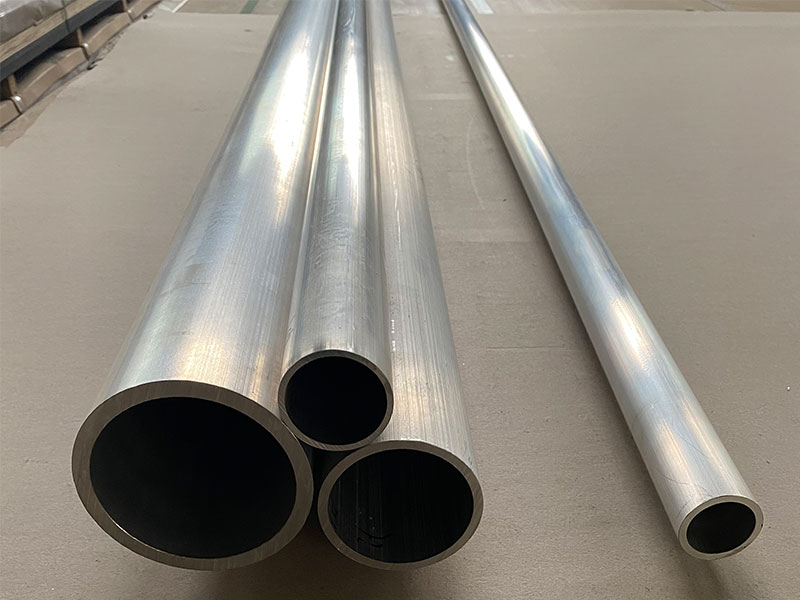
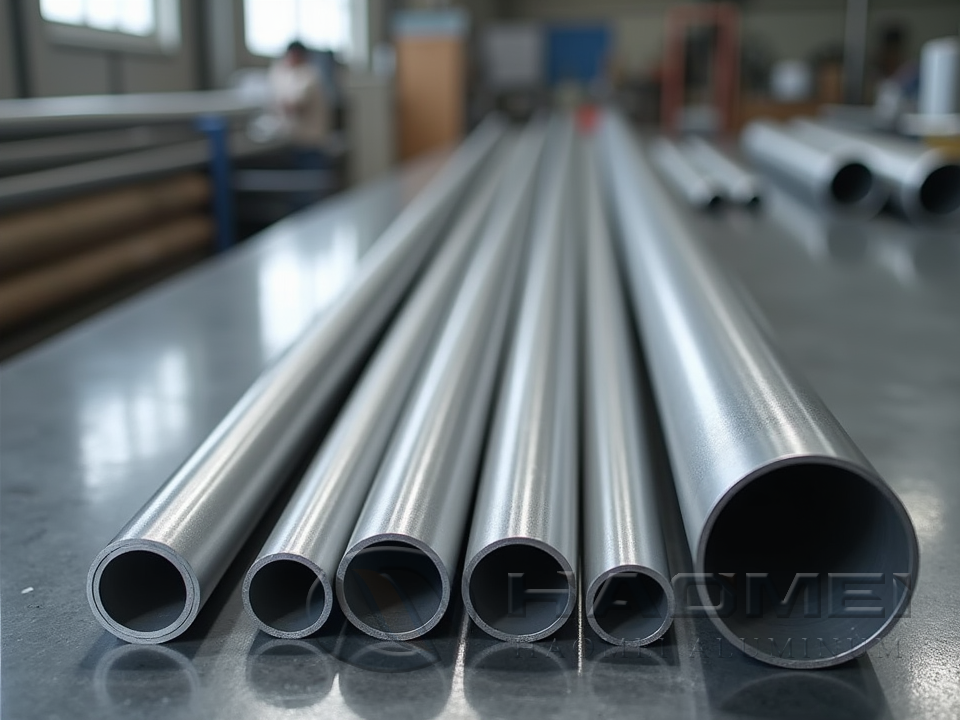
Marine aluminum round tubes
Marine Grade Aluminum Round Tubes are manufactured from premium marine alloys such as 5083, 5052, 6061, and 6082, all selected for their proven resistance to seawater corrosion and marine atmosphere degradation.
View Details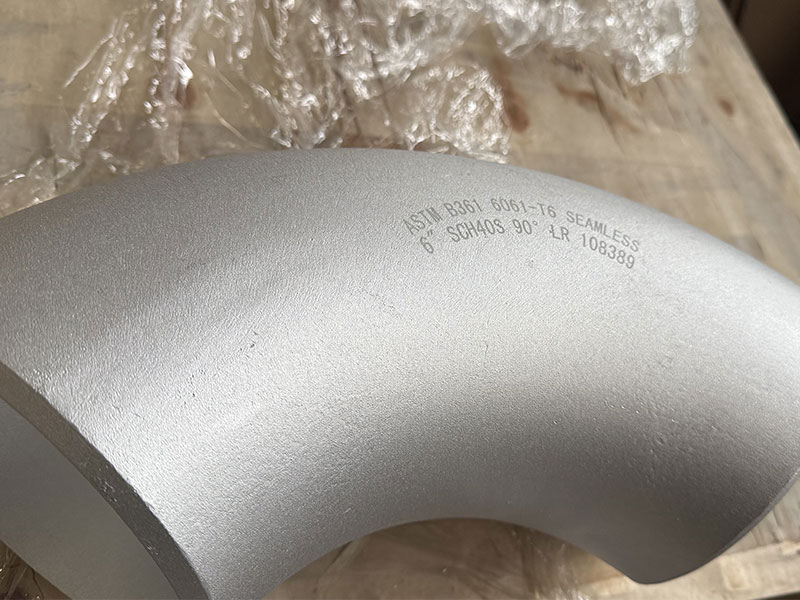
6061-T6 90-Degree Marine Aluminum Pipe Elbow
Manufactured from premium 6061-T6 marine-grade aluminum alloy, this elbow fitting is engineered to provide reliable and efficient pipe direction changes within shipbuilding, offshore platforms, and marine infrastructure systems.
View Details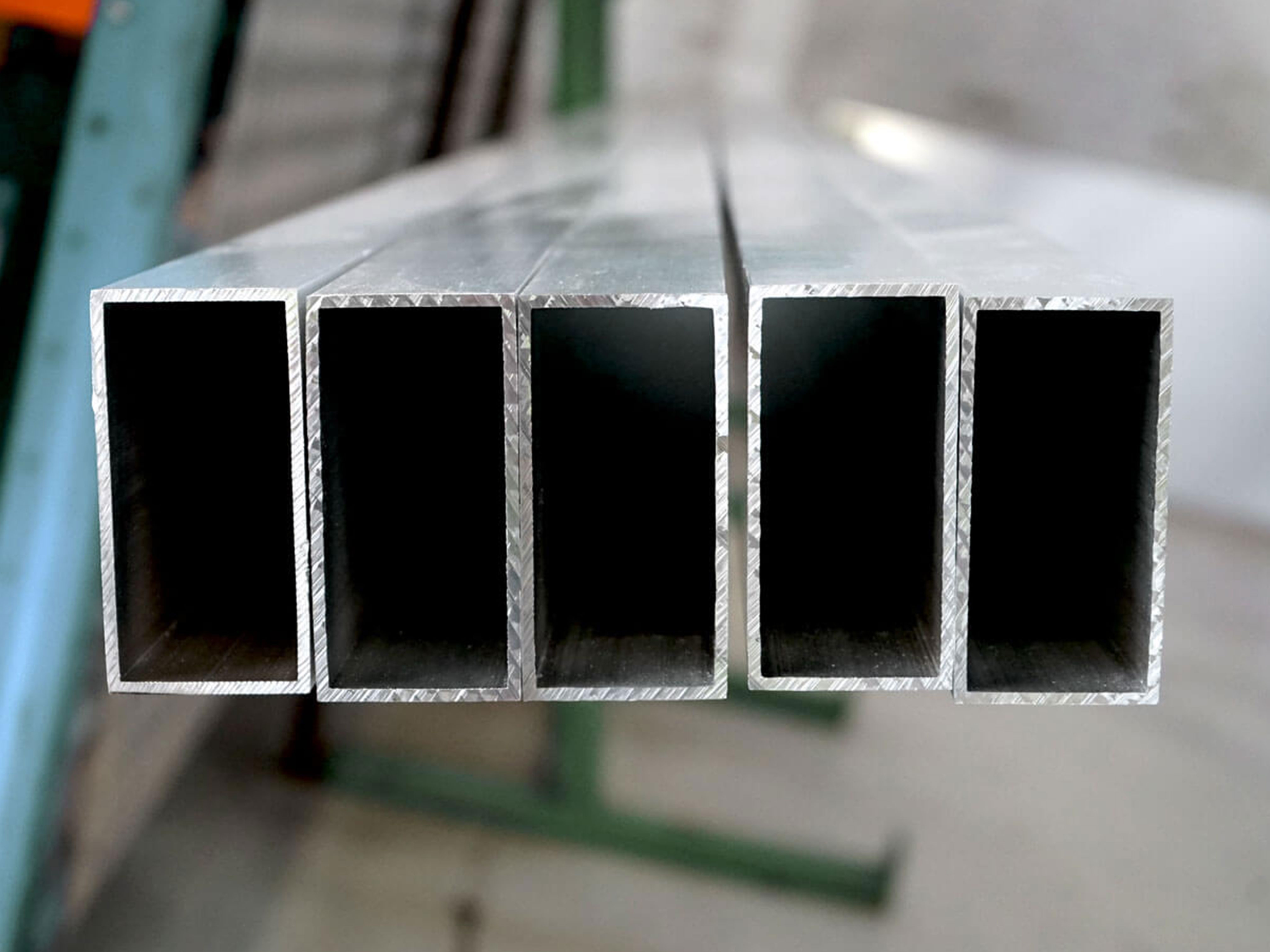
Marine aluminum rectangular tubes
Marine Grade Aluminum Rectangular Tubes are made from high-performance alloys such as 5083, 5052, 6061, and 6082. These alloys are renowned for their ability to resist corrosive seawater and marine atmospheres while providing excellent mechanical strength and toughness.
View Details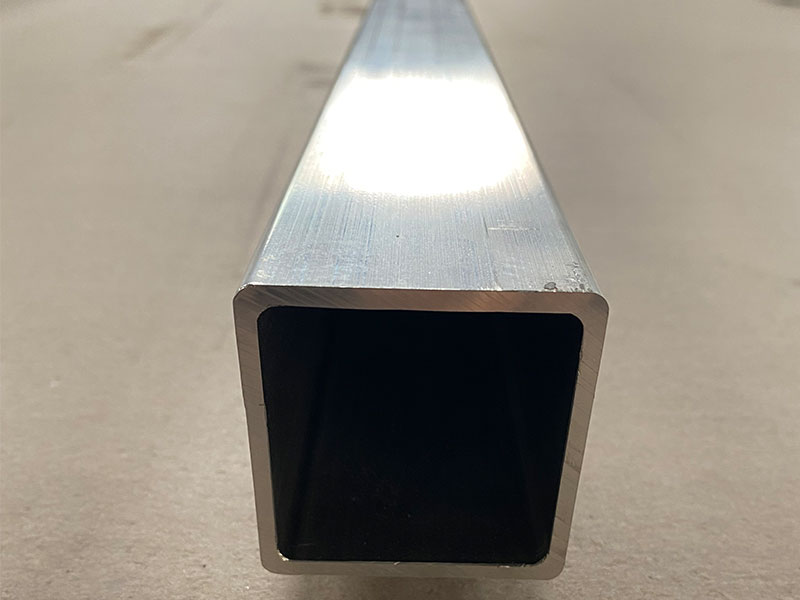
Marine aluminum square tubes
Marine Grade Aluminum Square Tubes are typically constructed from marine-grade alloys such as 5083, 5052, 6061, and 6082—well-known for their ability to withstand the aggressive effects of saltwater and marine atmospheres.
View Details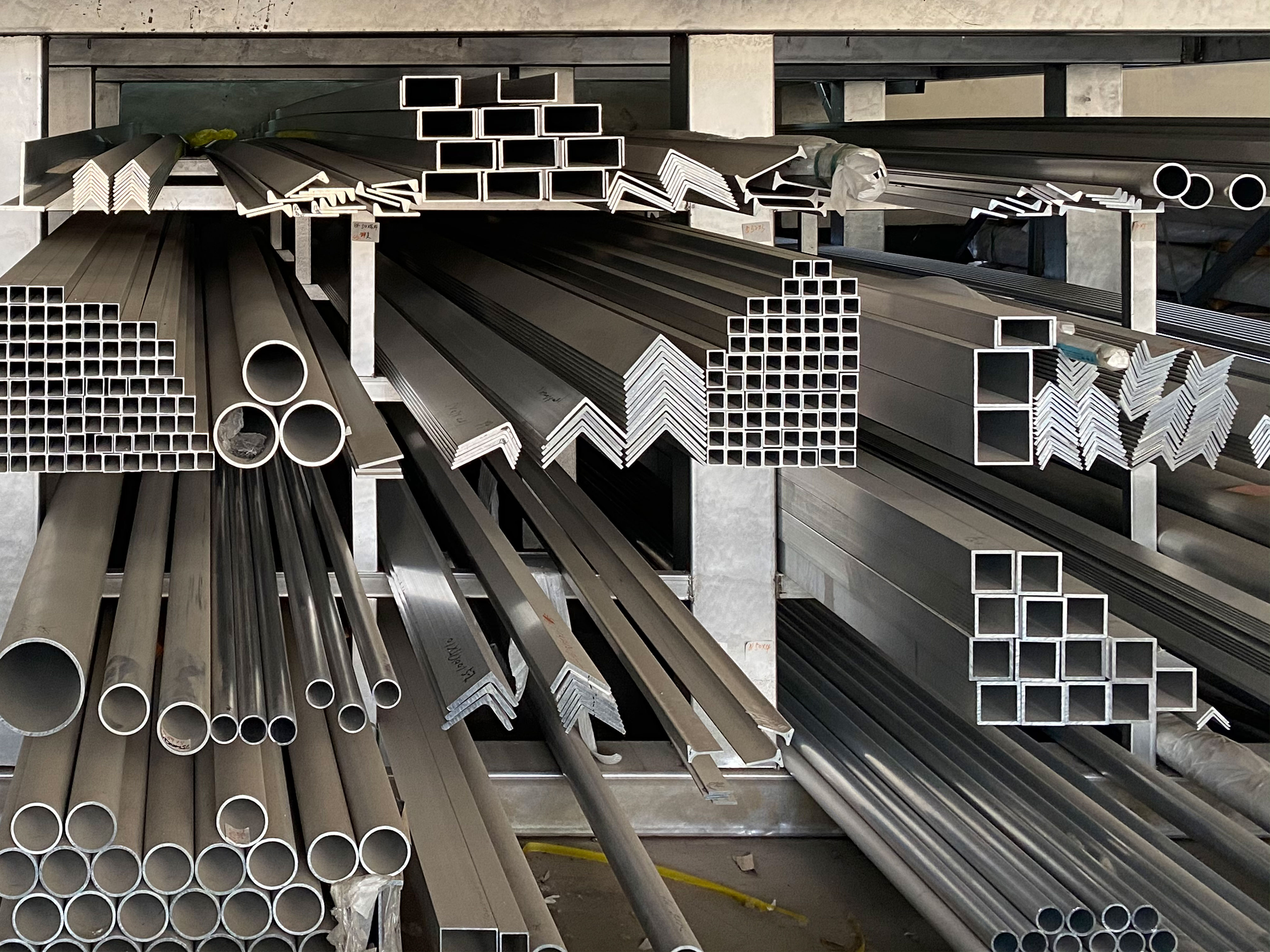
Custom marine aluminum profile tubes
Custom Marine Grade Aluminum Profile Tubes are manufactured from premium marine aluminum alloys such as 5083, 5052, 6061, and 6082.
View DetailsRelated Blog
Aluminum Elbow for Marine Boiler Feedwater and Circulation Systems
Marine aluminum elbows for boiler feedwater and circulation lines, covering alloys, tempers, standards, service limits, welding, and corrosion control.
View Details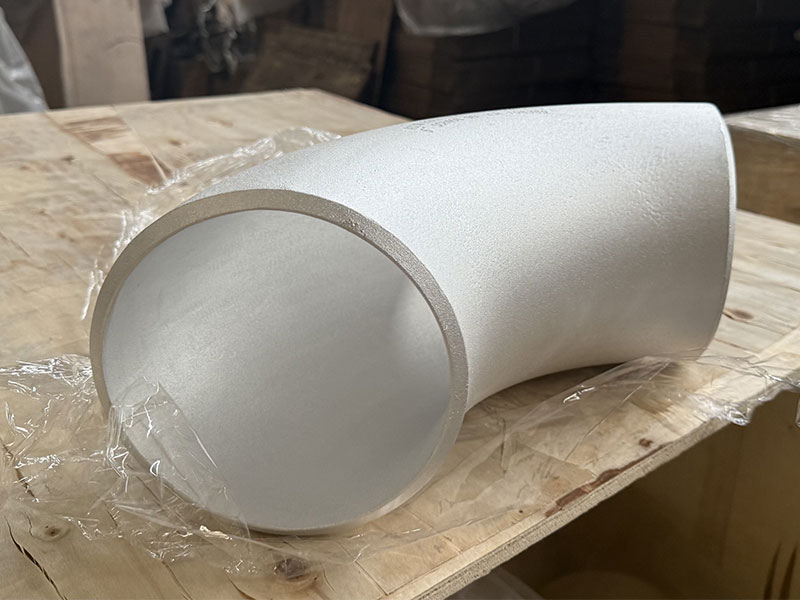
Marine Aluminum Pipe Elbow for High Flow Desalination Units
In the rapidly advancing realm of seawater desalination, marine aluminum pipe elbows play a pivotal role in ensuring the smooth and efficient operation of high flow desalination units.
View Details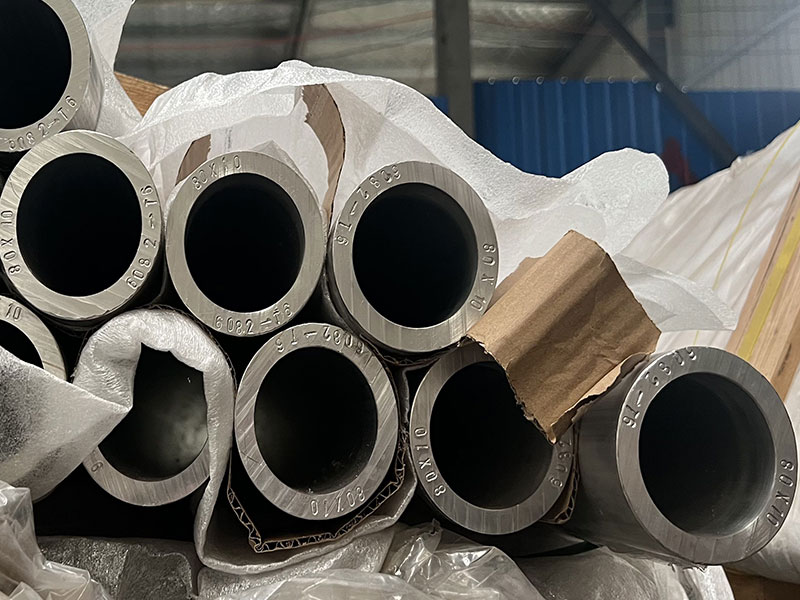
6082 Marine Aluminum Tubes for Marine Vessel Frame Strengthening
6082 marine aluminum tubes are a high-strength, corrosion-resistant solution designed for reinforcing marine vessel frames while keeping structures lightweight and efficient.
View Details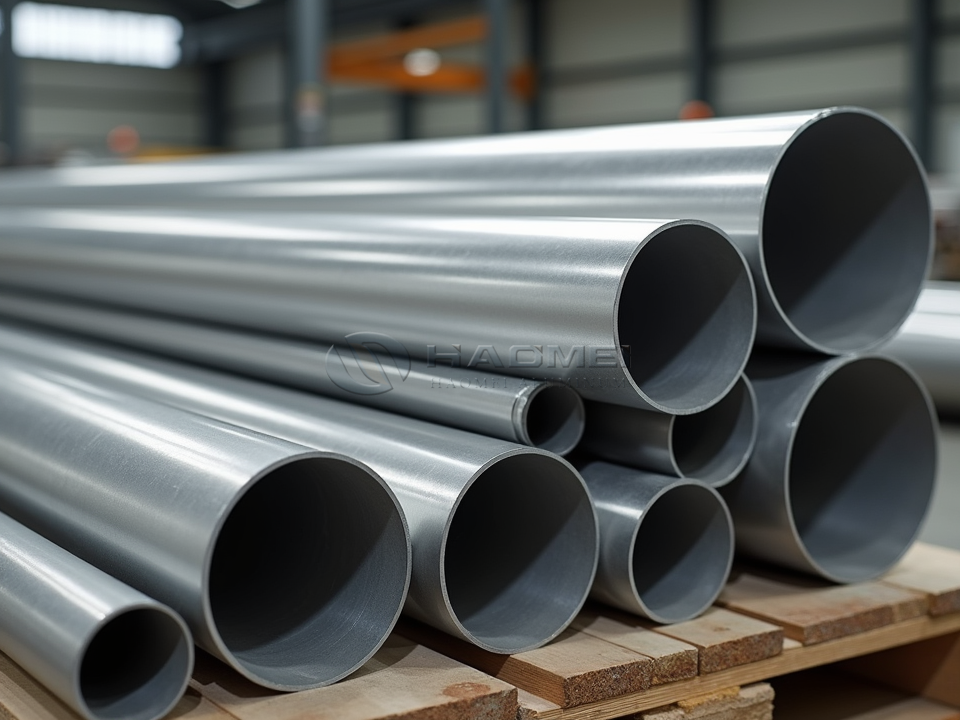
Aluminum Marine Elbow for Waste Heat Recovery on Offshore Platforms
Marine aluminum elbow for offshore waste heat recovery, with alloy options, corrosion resistance, bend geometry, pressure data, and order specs.
View Details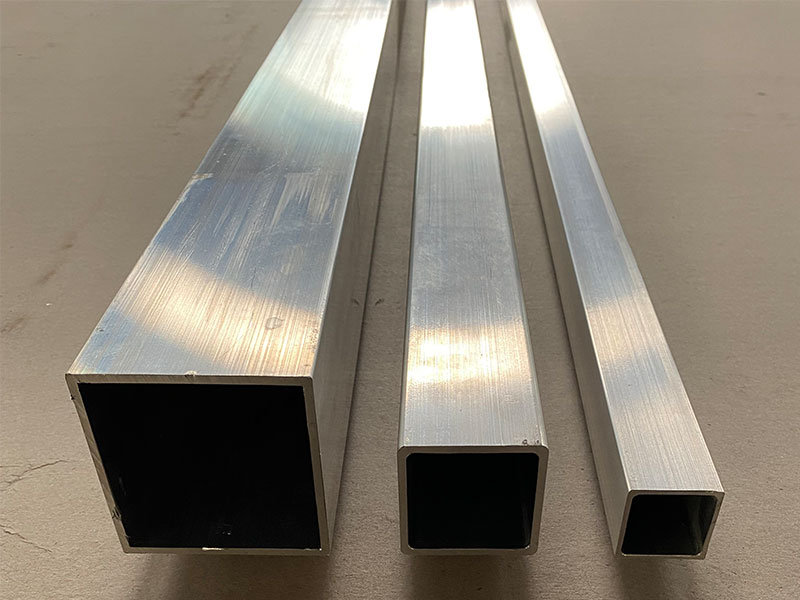
5083 Marine Aluminum Tubes for Saltwater Proof Boat Hulls
When builders talk about a saltwater-proof boat hull, the conversation often gets stuck on a single idea: corrosion resistance. That's necessary, but it's not the whole story.
View Details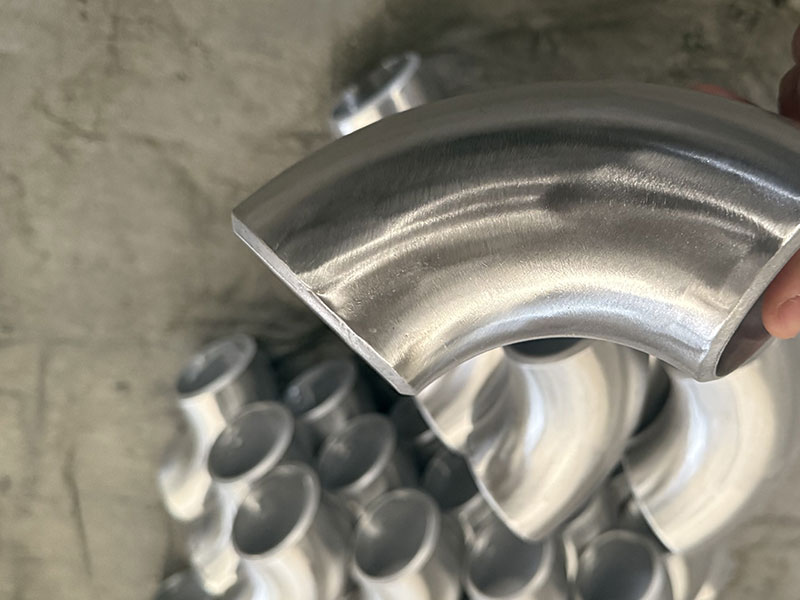
Aluminum Elbow for Gas and Liquid Transfer on Marine Vessels
Marine vessels operate amidst some of the most challenging environments, where efficiency, durability, and safety of components in fluid transfer systems are paramount.
View Details
Leave a Message