
Aluminum Pipe Elbow for Marine Air Venting and Gas Piping
An aluminum pipe elbow may look like a small directional fitting, yet it often determines whether a marine ventilation or gas line operates quietly, drains correctly, and remains accessible for inspection. Inside a vessel, straight pipe runs are rarely possible. Bulkheads, deck beams, machinery, insulation zones, and restricted service spaces force piping to change direction. The elbow manages that change while protecting flow performance and structural reliability.
For marine air venting, an aluminum elbow guides fresh air, exhaust air, bilge vapors, or engine-room ventilation through compact routes. For approved gas piping systems, it helps create controlled directional changes without placing excessive stress on connected pipes, joints, or valves. Material choice, bend radius, wall thickness, and welding quality all influence the final result.
A Directional Component That Affects the Whole System
The practical function of a marine aluminum pipe elbow is not merely turning a pipe through 45 degrees, 90 degrees, or 180 degrees. Every turn introduces resistance. A sharp elbow can create turbulence, pressure loss, vibration, and airborne noise. In a ventilation system, these effects can reduce fan efficiency or create uneven air distribution between compartments. In a gas line, poorly selected bends may complicate pressure control, condensate management, and inspection access.
Long-radius elbows are generally preferred where airflow volume is high or where low noise matters. Their smoother curve reduces separation of the air stream and lowers local pressure loss compared with tight-radius elbows. Short-radius elbows are useful where installation space is limited, but they should be selected with awareness of the fan capacity and required airflow rate.
For horizontal marine vent lines, elbow orientation also matters. A fitting installed at the wrong angle can become a pocket for water, condensation, oil mist, or debris. Designers often position the elbow so the system can drain naturally, especially near weather-exposed vents, engine-room intakes, and wet service areas.
Common Applications Aboard Marine Structures
Aluminum pipe elbows are widely used in lightweight shipbuilding, workboats, patrol vessels, ferries, yachts, offshore support craft, and marine equipment enclosures. Their low density assists weight reduction above the waterline, where excess mass can affect vessel stability and fuel consumption.
Typical applications include:
- Engine-room intake and extraction ducting
- Accommodation-space fresh-air vents
- Battery-room ventilation systems
- Bilge and vapor extraction lines
- Air handling and machinery cooling circuits
- Exhaust-adjacent ventilation routes with properly controlled temperature exposure
- Low-pressure inert gas, instrument-air, or specialty gas systems where aluminum is permitted by the system design and classification requirements
For combustible gas, oxygen-enriched gas, high-pressure gas, or highly reactive chemical media, aluminum must not be selected automatically. Compatibility depends on the gas, operating pressure, temperature, cleanliness requirement, joining method, vessel rules, and applicable regulations. The piping specification should always be verified by the vessel designer, gas-system engineer, and relevant class authority.
Alloy Selection for Marine Pipe Elbows
The best alloy is selected from the service environment rather than appearance alone. Aluminum elbows for protected interior ventilation may prioritize formability and fabrication economy. Elbows exposed to salt spray, humid machinery spaces, or coastal atmosphere require stronger corrosion resistance and careful isolation from dissimilar metals.
The 5000 series is widely valued for marine corrosion performance. 5052 is suitable for formed, lightweight piping and low-to-medium strength applications. 5083 and 5086 offer stronger marine-grade performance, especially where welded construction and seawater-related exposure are concerns. The 6000 series, including 6061 and 6082, provides useful mechanical strength and machinability, making it common for structural pipe connections and fabricated fittings.
A 6061-T6 90-Degree Marine Aluminum Pipe Elbow is often chosen for rigid piping layouts requiring good strength and dimensional stability. However, when 6061-T6 is welded, the heat-affected zone loses part of its T6 strength. This reduction should be considered in the design calculation rather than treating the welded fitting as fully T6 throughout.
For corrosion-sensitive ventilation routes, seamless or carefully welded Marine Grade Aluminum Tubing can provide a dependable base material for matched elbows, reducers, tees, and straight sections.
Typical Parameters for Marine Aluminum Elbows
| Parameter | Common Range or Option | Selection Effect |
|---|---|---|
| Elbow angle | 45°, 90°, 180° | Determines route direction and system resistance |
| Outside diameter | 20 mm to 300 mm or custom | Matches pipe size and airflow or gas-flow demand |
| Wall thickness | 1.5 mm to 12 mm | Influences pressure capacity, weldability, and rigidity |
| Bend radius | 1D to 3D or custom | Larger radius supports smoother flow |
| Connection type | Butt-weld, socket-weld, flange, threaded, clamp | Chosen by pressure, maintenance, and sealing needs |
| Manufacturing method | Bent tube, welded fabrication, forged, machined | Depends on size, material, strength, and quantity |
| Surface finish | Mill finish, brushed, anodized, coated | Supports corrosion control and appearance requirements |
The term "D" in bend radius refers to the nominal pipe diameter. A 1D elbow is compact, while a 1.5D or 2D elbow generally offers more favorable flow behavior. For large ventilation systems, a fabricated segmented elbow may be used, though internal seam quality and smoothness should be controlled to avoid turbulence and dust accumulation.
Chemical Composition of Common Marine Aluminum Alloys
The following values are typical composition limits in percent by weight. Project specifications should confirm the exact material standard and certificate requirements.
| Alloy | Si | Fe | Cu | Mn | Mg | Cr | Zn | Ti | Al |
|---|---|---|---|---|---|---|---|---|---|
| 5052 | 0.25 max | 0.40 max | 0.10 max | 0.10 max | 2.2-2.8 | 0.15-0.35 | 0.10 max | - | Balance |
| 5083 | 0.40 max | 0.40 max | 0.10 max | 0.40-1.0 | 4.0-4.9 | 0.05-0.25 | 0.25 max | 0.15 max | Balance |
| 5086 | 0.40 max | 0.50 max | 0.10 max | 0.20-0.7 | 3.5-4.5 | 0.05-0.25 | 0.25 max | 0.15 max | Balance |
| 6061 | 0.40-0.80 | 0.70 max | 0.15-0.40 | 0.15 max | 0.80-1.20 | 0.04-0.35 | 0.25 max | 0.15 max | Balance |
| 6082 | 0.70-1.30 | 0.50 max | 0.10 max | 0.40-1.0 | 0.60-1.20 | 0.25 max | 0.20 max | 0.10 max | Balance |
Temper Conditions and Fabrication Considerations
Temper condition has a direct effect on bendability, strength, and post-weld behavior. 5052-H32 and 5083-H111 are frequently selected for formed marine components because they retain useful ductility. 5083-H116 and 5086-H116 are commonly specified for enhanced resistance to exfoliation corrosion in marine environments. 6061-T6 and 6082-T6 are stronger heat-treated options, suitable for rigid elbows and machined or fabricated pipe connections.
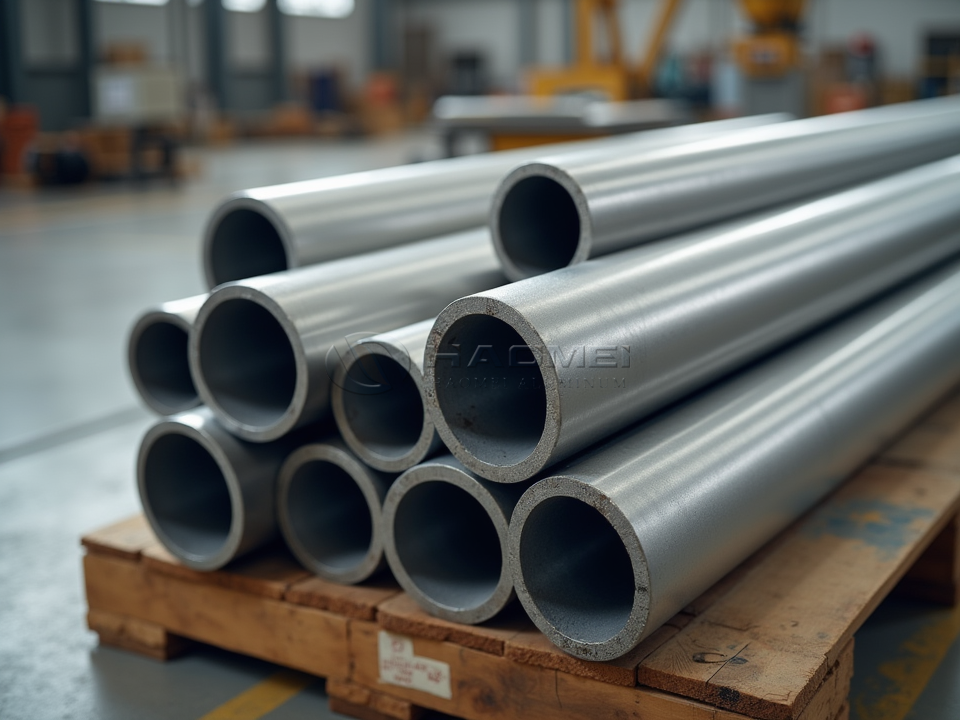
An elbow made by bending tube requires controlled tooling to prevent flattening, wrinkling, or wall thinning at the outer bend. Mandrel bending is often preferred for thinner-wall elbows or applications requiring a smooth internal bore. Welded elbows should use qualified procedures, appropriate filler wire, and cleaning practices that remove oxide and contamination before welding.
Where aluminum meets stainless steel, copper alloys, or carbon steel, galvanic corrosion must be controlled. Nonconductive isolators, suitable gaskets, protective coatings, and dry drainage paths help prevent corrosion caused by trapped electrolyte and dissimilar-metal contact.
Standards and Inspection Requirements
Marine aluminum elbows may be produced or evaluated in accordance with material and dimensional standards such as ASTM B210 for drawn seamless aluminum tube, ASTM B241/B241M for extruded seamless aluminum pipe and tube, EN 755 for extruded aluminum products, EN 515 for temper designations, and EN 573 for alloy composition.
For vessel construction, requirements may also be influenced by DNV, ABS, Lloyd's Register, Bureau Veritas, CCS, or other classification society rules. Depending on the application, inspection may include dimensional checks, visual weld inspection, dye penetrant testing, radiographic examination, pressure testing, material traceability verification, and corrosion-protection review.
A well-selected aluminum pipe elbow turns a difficult routing point into a controlled part of the marine system. When alloy, temper, bend radius, connection style, and corrosion protection are matched to the actual service conditions, the fitting supports cleaner airflow, safer piping geometry, simpler maintenance, and long-term vessel reliability.

Related Products
Marine aluminum rectangular tubes
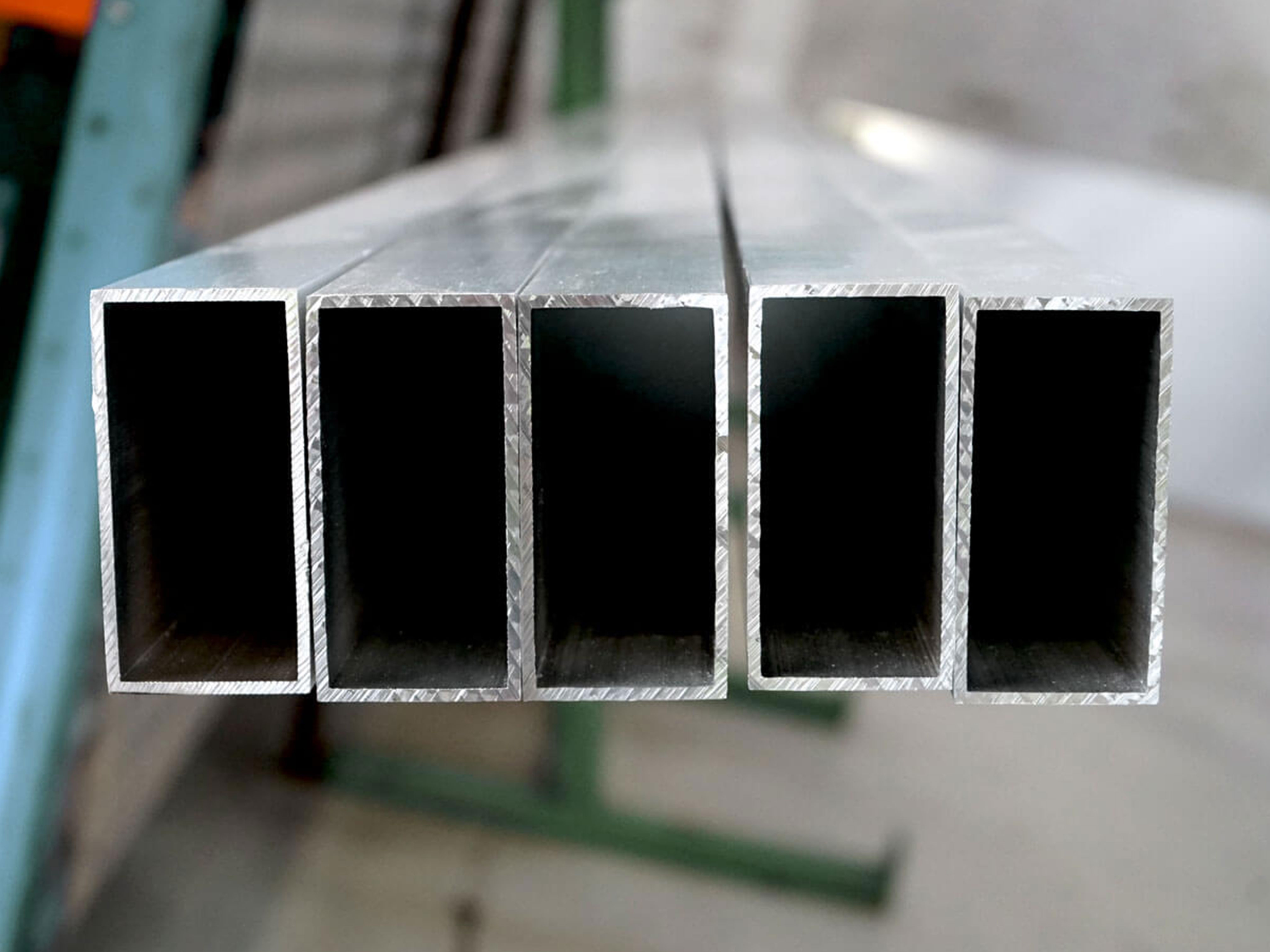
Marine Grade Aluminum Rectangular Tubes are made from high-performance alloys such as 5083, 5052, 6061, and 6082. These alloys are renowned for their ability to resist corrosive seawater and marine atmospheres while providing excellent mechanical strength and toughness.
View Details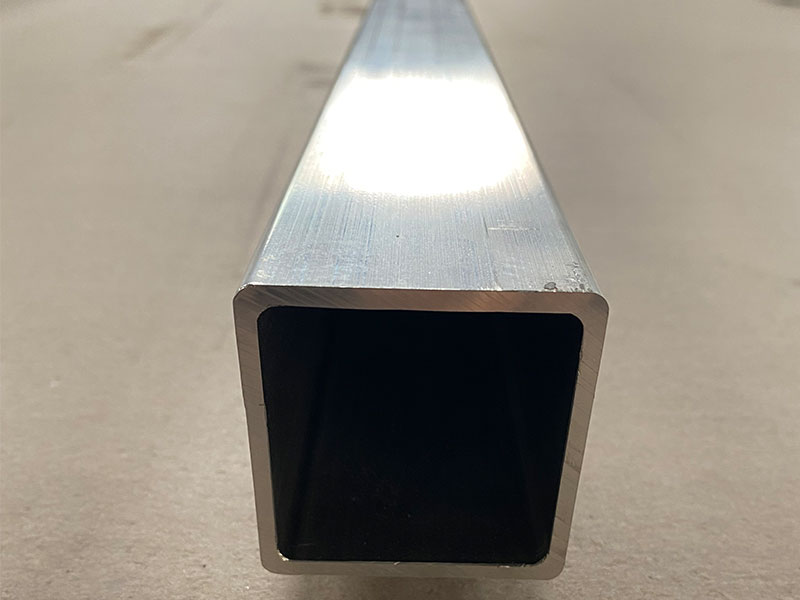
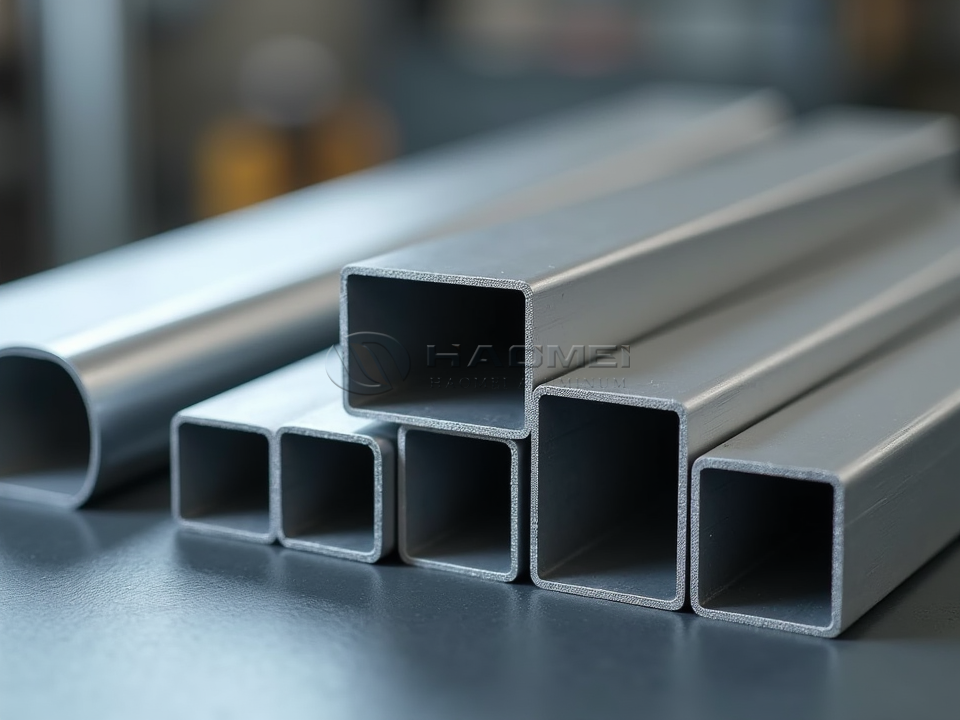
Marine aluminum square tubes
Marine Grade Aluminum Square Tubes are typically constructed from marine-grade alloys such as 5083, 5052, 6061, and 6082—well-known for their ability to withstand the aggressive effects of saltwater and marine atmospheres.
View Details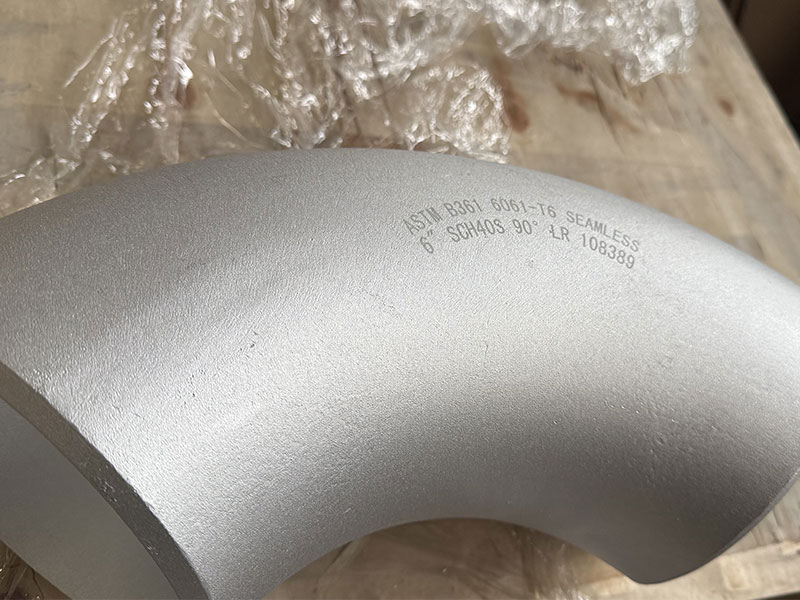
6061-T6 90-Degree Marine Aluminum Pipe Elbow
Manufactured from premium 6061-T6 marine-grade aluminum alloy, this elbow fitting is engineered to provide reliable and efficient pipe direction changes within shipbuilding, offshore platforms, and marine infrastructure systems.
View Details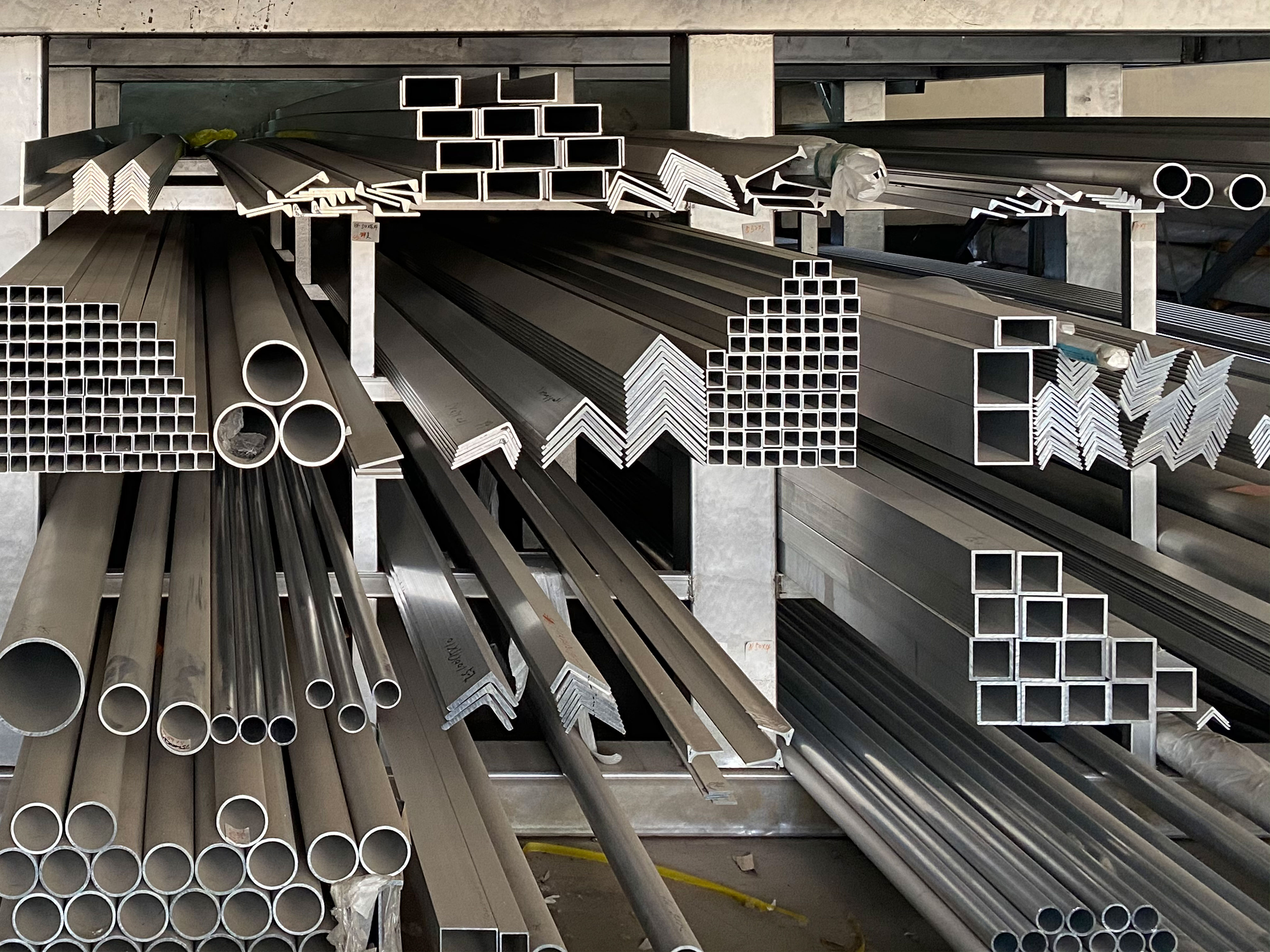
Custom marine aluminum profile tubes
Custom Marine Grade Aluminum Profile Tubes are manufactured from premium marine aluminum alloys such as 5083, 5052, 6061, and 6082.
View Details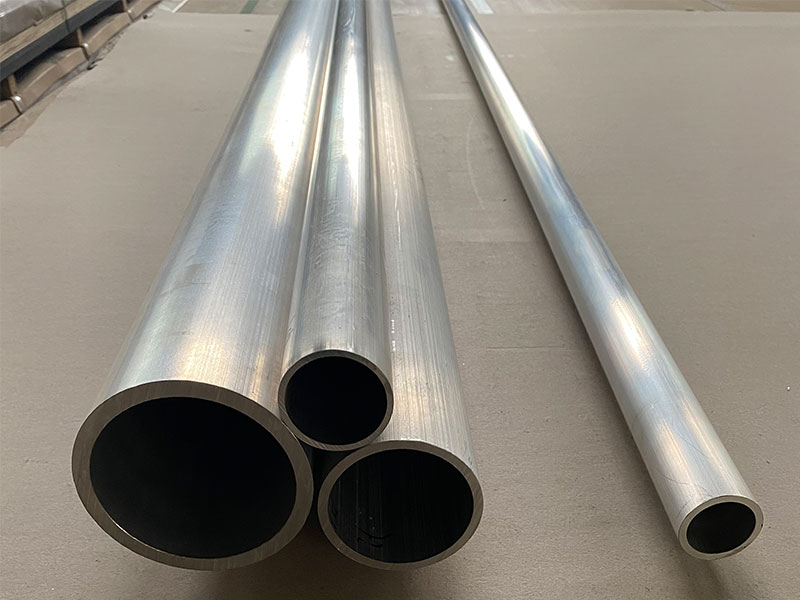
Marine aluminum round tubes
Marine Grade Aluminum Round Tubes are manufactured from premium marine alloys such as 5083, 5052, 6061, and 6082, all selected for their proven resistance to seawater corrosion and marine atmosphere degradation.
View DetailsRelated Blog
Marine Aluminum Elbow for Shipboard Water and Chemical Supply Lines
Explore marine aluminum elbows for shipboard water and chemical lines, including alloys, tempers, dimensions, corrosion control, standards, and use cases.
View Details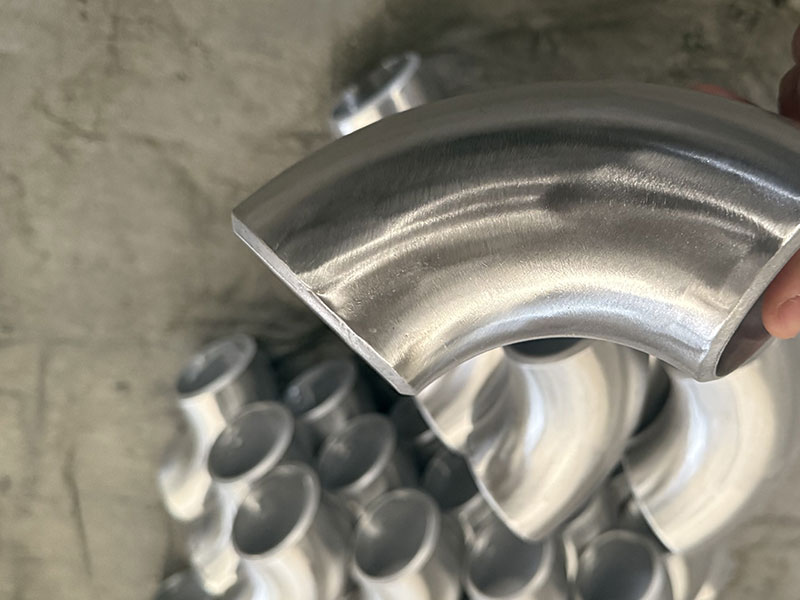
High Temperature Marine Aluminum Elbow for Power Plant Piping
In the demanding environments of power plant piping systems, particularly those situated in marine locations, the need for corrosion-resistant, heat-tolerant, and mechanically robust pipe fittings is critical.
View Details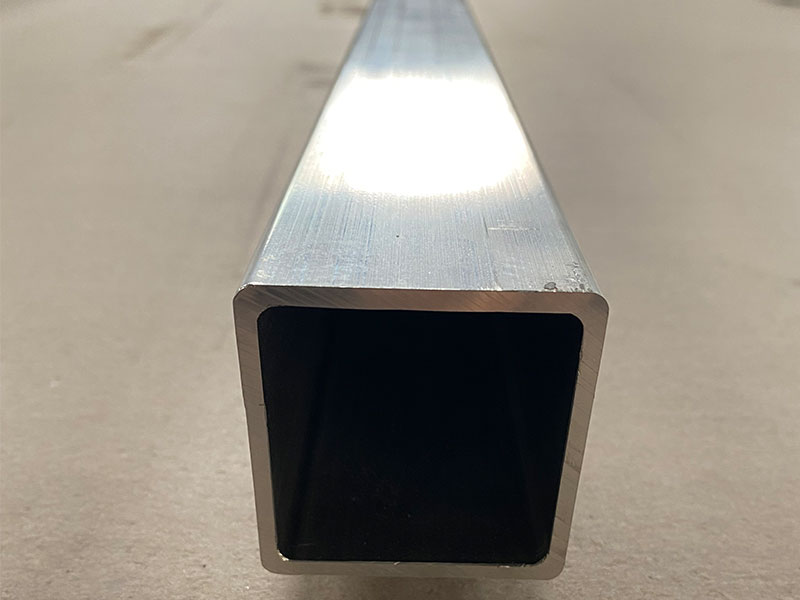
6082 Marine Aluminum Tubes for Boat Hull Fabrication and Support
6082 marine aluminum tubes are a go-to structural choice for boat hull fabrication and internal support frameworks where builders need high strength, dependable corrosion resistance, and clean weldability.
View Details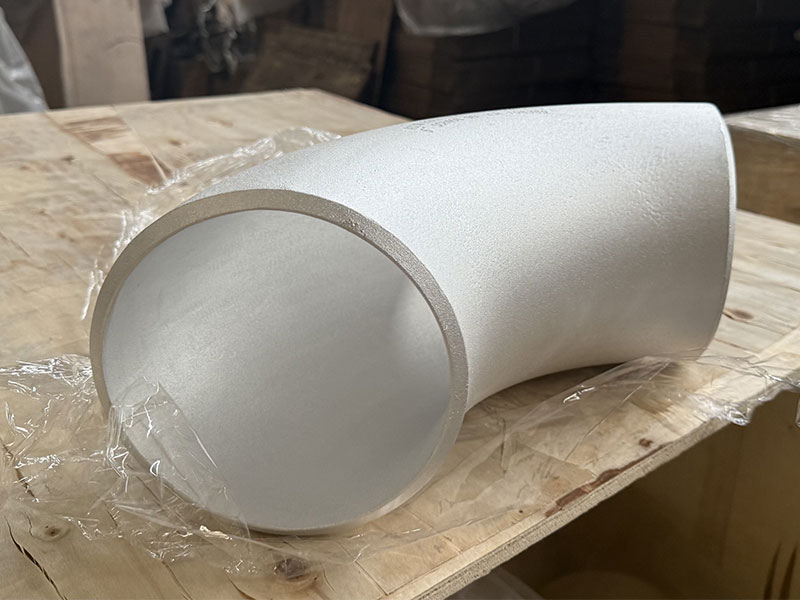
Lightweight Marine Aluminum Pipe Elbow for Boat Plumbing
A lightweight marine aluminum pipe elbow designed specifically for boat plumbing combines corrosion resistance, low weight, and structural integrity to meet the demanding conditions of marine environments.
View Details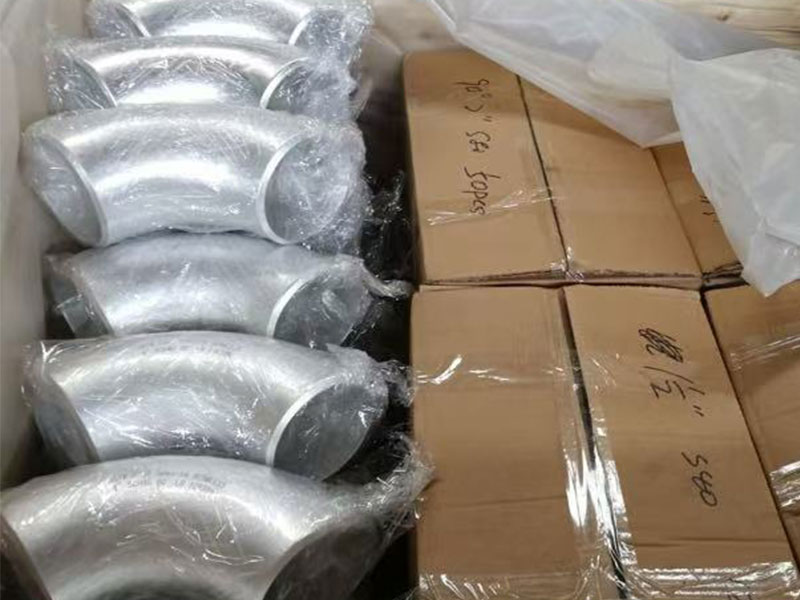
3D Marine Aluminum Pipe Elbow for Offshore Pipelines
The 3D marine aluminum pipe elbow is a critical component for modern offshore and subsea pipelines. Designed with a smooth, long-radius 3D bend (centerline radius ≈ 3 × pipe diameter), it ensures gentle flow direction changes, reduced pressure loss, a.
View Details
Marine Aluminum Elbow for Offshore Emergency Fluid Transfer Lines
Marine aluminum elbows for offshore emergency fluid transfer lines deliver corrosion resistance, controlled flow turns, and standards-ready specifications.
View Details
Leave a Message