
Aluminum Plate for Cover Material Marine
Marine covers do more than close an opening. A hatch lid, engine-room access panel, locker door, instrument enclosure, splash guard, or removable deck plate must resist salt spray, vibration, foot traffic, thermal movement, and repeated opening cycles. Aluminum Plate For Cover Material Marine is selected not simply because it is lightweight, but because the correct alloy and temper can remain flat, corrosion-resistant, and reliable in a harsh wet environment.
For cover applications, the plate is often judged by what happens at its edges. Cut edges, drilled holes, folded flanges, welded brackets, gasket contact areas, and fastener locations are where marine exposure becomes most demanding. A properly chosen marine aluminum plate limits corrosion risk while keeping fabrication efficient.
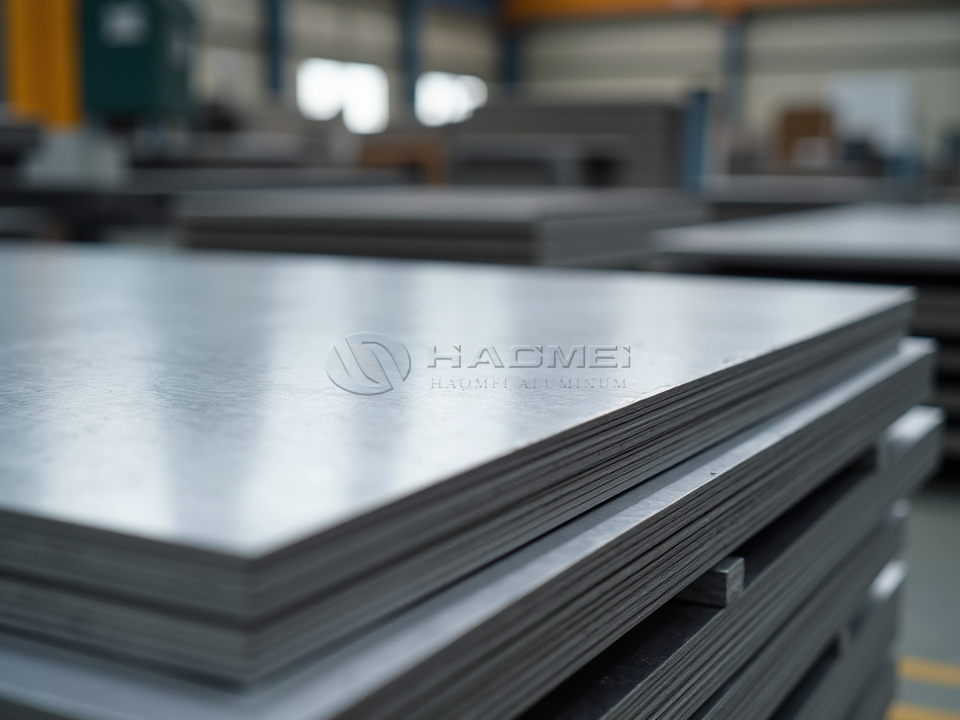
What Marine Cover Plates Are Designed to Do
Marine aluminum cover material serves as a protective skin between equipment and the operating environment. On recreational boats, workboats, ferries, fishing vessels, and offshore platforms, it can be used for watertight or weather-tight access covers, battery-box lids, console panels, cable trays, ventilation guards, ceiling panels, and machinery shields.
Its low density, approximately 2.66 to 2.70 g/cm³, reduces the load imposed by large removable panels. This matters on upper decks, cabin roofs, and superstructures, where excess weight can influence vessel trim and stability. Aluminum also dissipates heat effectively, which makes it useful for equipment covers surrounding engines, electrical cabinets, and hydraulic systems.
Unlike ordinary decorative sheet, marine cover plate should support practical fabrication. It must tolerate bending, punching, machining, welding where required, and fastening without cracking or distorting excessively. The correct temper is therefore as important as the alloy number.
Alloy Selection Starts With the Cover's Working Conditions
The 5xxx series aluminum-magnesium alloys are the usual choice for marine covers exposed to seawater or persistent humidity. Their corrosion resistance is achieved through an aluminum oxide film and magnesium-containing alloy chemistry. For most general-purpose covers, 5052 provides an excellent balance of formability, surface quality, and saltwater durability.
Marine 5052 aluminum sheet is especially suitable for folded hatch covers, interior and exterior cabinet doors, lightweight lids, and panel systems that require bending. Common tempers include H32 and H34. H32 offers a practical combination of moderate strength and bending performance, while H34 is harder and may be selected where improved dent resistance is needed.
For larger covers, heavily exposed deck access panels, and applications requiring greater strength, 5083 and 5086 are preferred. These alloys are commonly used where the cover may experience wave impact, vibration, equipment loads, or continuous seawater exposure. Their higher magnesium content supports strength and corrosion resistance, although fabrication procedures must be controlled to avoid distortion during welding.
Marine 5083 aluminum sheet is often specified in H116 or H321 temper for demanding service because these tempers are designed with resistance to exfoliation corrosion in mind. For non-welded formed covers, 5083-O can also be useful where deep forming or pronounced bends are required.
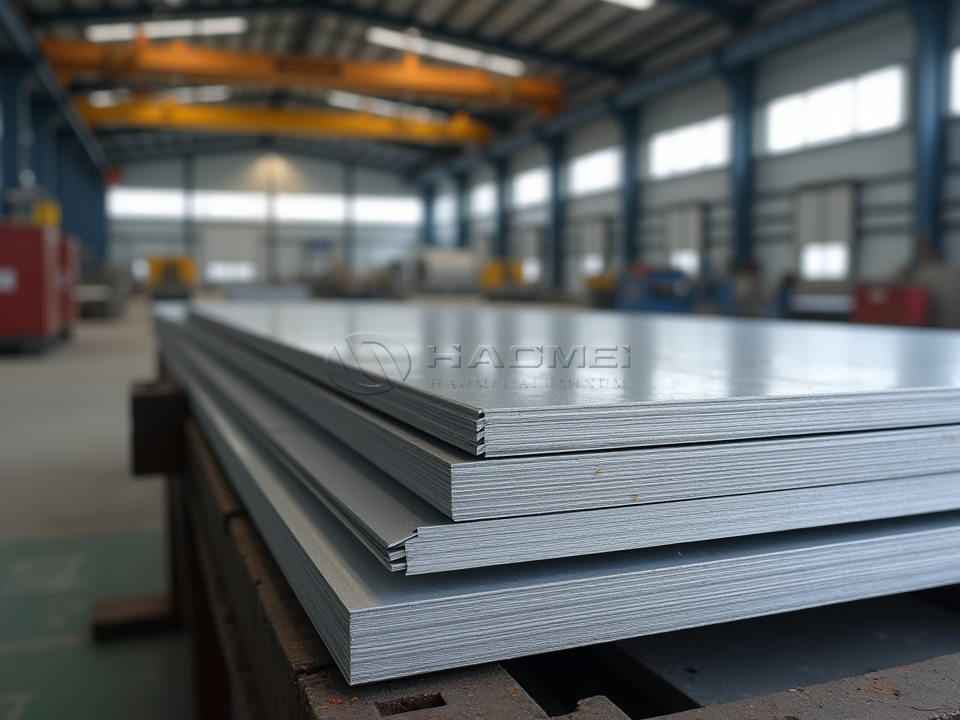
Typical Parameters for Marine Cover Material
Marine aluminum plate for cover fabrication is available in many dimensions, but the following ranges are commonly practical for vessel equipment and access-panel production.
| Parameter | Typical Range or Condition |
|---|---|
| Alloy | 5052, 5083, 5086, 6061 |
| Thickness | 1.0 mm to 12.0 mm for most covers; heavier plate for reinforced access panels |
| Width | 1,000 mm to 2,500 mm, subject to mill capability |
| Length | 2,000 mm to 12,000 mm or cut-to-size |
| Surface | Mill finish, brushed, coated, anodized, or protective-film finish |
| Temper | O, H32, H34, H111, H116, H321, T6, T651 |
| Density | Approximately 2.66 to 2.70 g/cm³ |
| Melting range | Approximately 570°C to 655°C, depending on alloy |
| Typical cover thickness | 2 mm to 5 mm for cabinet and hatch covers; 5 mm to 10 mm for heavy-duty panels |
Thickness should be selected according to unsupported span, reinforcement arrangement, hinge placement, gasket compression force, and expected live load. A thin plate can be suitable when it is folded into trays or stiffened with ribs. A thicker flat plate may still flex if the unsupported span is too large. In practical marine design, panel geometry often contributes as much stiffness as plate thickness.
Chemical Composition and Its Marine Effect
The alloy chemistry determines how the plate responds to seawater, forming, and welding. Values in the table are typical composition limits in percent by weight; project specifications should confirm the applicable standard and certificate requirements.
| Alloy | Mg | Mn | Cr | Si | Fe | Cu | Zn | Al |
|---|---|---|---|---|---|---|---|---|
| 5052 | 2.2-2.8 | 0.10 max | 0.15-0.35 | 0.25 max | 0.40 max | 0.10 max | 0.10 max | Balance |
| 5083 | 4.0-4.9 | 0.4-1.0 | 0.05-0.25 | 0.40 max | 0.40 max | 0.10 max | 0.25 max | Balance |
| 5086 | 3.5-4.5 | 0.2-0.7 | 0.05-0.25 | 0.40 max | 0.50 max | 0.10 max | 0.25 max | Balance |
| 6061 | 0.8-1.2 | 0.15 max | 0.04-0.35 | 0.4-0.8 | 0.70 max | 0.15-0.40 | 0.25 max | Balance |
Magnesium is particularly important in 5xxx alloys because it raises strength while maintaining strong corrosion performance in marine atmospheres. Manganese and chromium help control grain structure and improve resistance to corrosion-related damage. Copper is deliberately kept low in common marine 5xxx grades because excessive copper can reduce seawater corrosion resistance.
Temper and Mechanical Performance
Temper describes the material condition after rolling, strain hardening, annealing, or heat treatment. It directly affects bend radius, dent resistance, and fabrication behavior.
| Alloy and Temper | Typical Tensile Strength | Typical Yield Strength | Elongation | Suitable Cover Use |
|---|---|---|---|---|
| 5052-H32 | 210-260 MPa | 130-195 MPa | 10-16% | Folded lids, doors, consoles, light deck panels |
| 5052-H34 | 230-280 MPa | 160-215 MPa | 8-14% | More dent-resistant cover panels |
| 5083-O | 270-350 MPa | 125-200 MPa | 12-20% | Formed or welded heavy-duty covers |
| 5083-H116/H321 | 305-385 MPa | 215-275 MPa | 10-16% | High-strength seawater-exposed covers |
| 5086-H32 | 240-310 MPa | 165-240 MPa | 8-15% | Equipment housings and robust access panels |
| 6061-T6/T651 | 260-310 MPa | 240 MPa minimum | 8-12% | Machined frames and dry or protected cover structures |
5052-H32 is frequently the practical choice when a cover requires clean bends and economical production. 5083-H116 and 5086-H116 are better suited to severe marine exposure or covers integrated with stronger deck structures. Although 6061-T6 has high strength and excellent machinability, it generally needs thoughtful surface protection and isolation when placed in direct seawater service.
Standards and Inspection Conditions
Marine cover plate can be supplied to ASTM B209 for aluminum sheet and plate, EN 485 for rolled aluminum products, and EN 10204 3.1 certification for traceable material documentation. For marine-grade 5xxx plate used in critical exposure conditions, ASTM B928/B928M is often requested because it addresses 5059, 5083, 5086, 5383, and 5456 plate with enhanced resistance to exfoliation corrosion and stress-corrosion cracking.
Classification society requirements may also apply to vessel projects. DNV, ABS, Lloyd's Register, BV, CCS, or RINA certification can be requested when the cover forms part of a class-approved structure or safety-related enclosure.
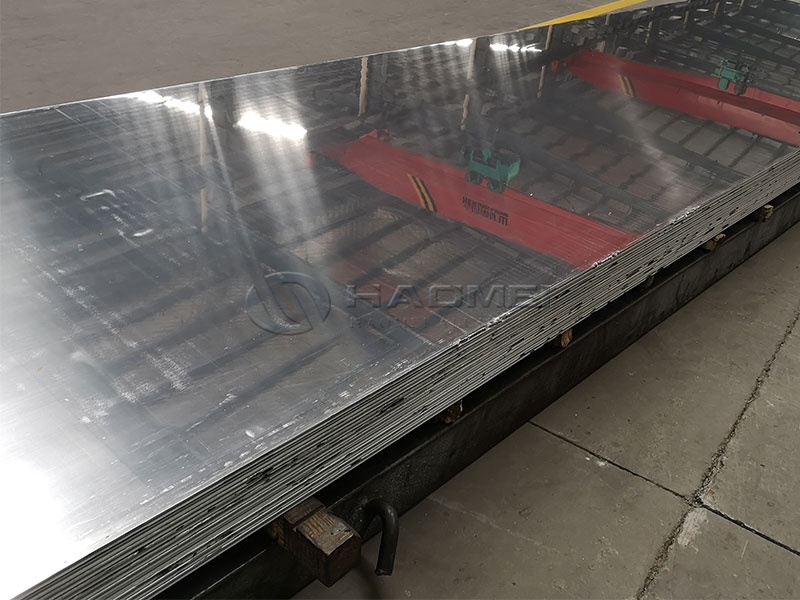
Fabrication Details That Protect Service Life
The most durable cover can fail early if fabrication overlooks galvanic corrosion. Stainless steel hinges, bolts, and latches should be electrically isolated from aluminum where moisture can bridge the materials. Non-conductive washers, sealants, protective tapes, and proper drainage paths reduce this risk.
Sharp corners should be rounded, exposed edges deburred, and gasket grooves designed to prevent standing water. For painted or powder-coated covers, surface preparation must be compatible with aluminum. Anodizing is valuable for decorative panels and moderate exposure, while a marine coating system may be preferable for highly visible or continuously wet surfaces.
Aluminum Plate For Cover Material Marine performs best when alloy, temper, thickness, panel design, and corrosion protection are considered as one system. With 5052 for formed light covers and 5083 or 5086 for stronger seawater-facing panels, marine fabricators can create covers that are easier to handle, longer-lasting, and dependable throughout vessel service.

Related Products
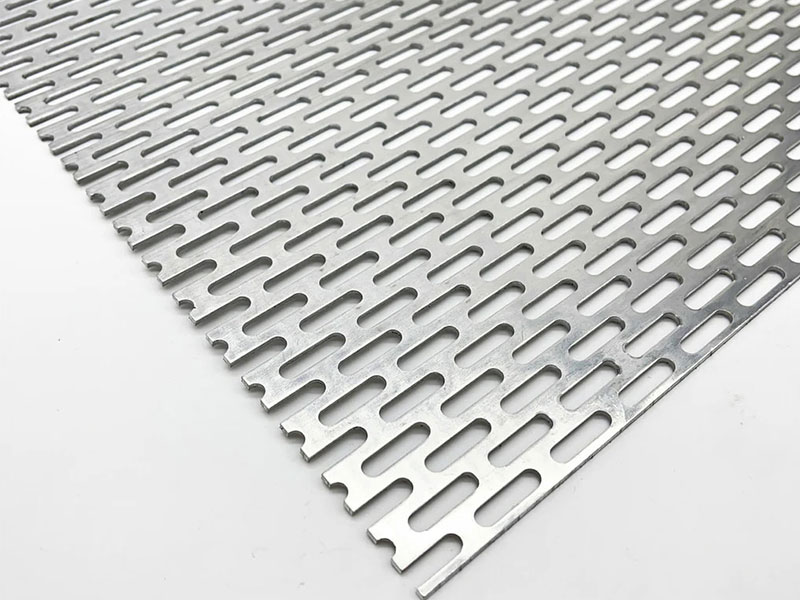
Marine perforated aluminum sheets
Marine Perforated Aluminum Sheets feature a series of uniform holes or shapes punched through the aluminum surface. These perforations can vary in size, pattern, and open area to tailor the sheets for specific applications.
View Details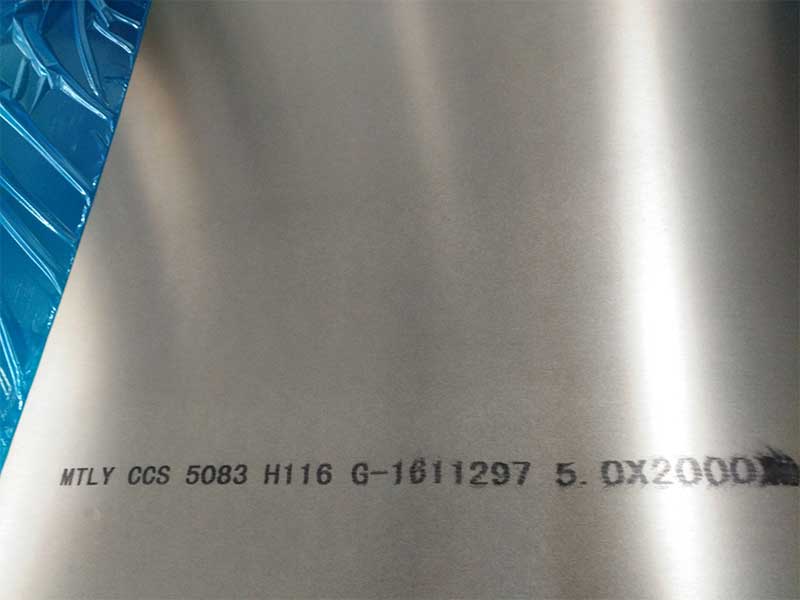
Marine 5083 aluminum sheet
Aluminum alloy 5083 is a non-heat-treatable alloy primarily composed of magnesium and trace elements that deliver outstanding protection against corrosion, particularly in seawater and saline atmospheres.
View Details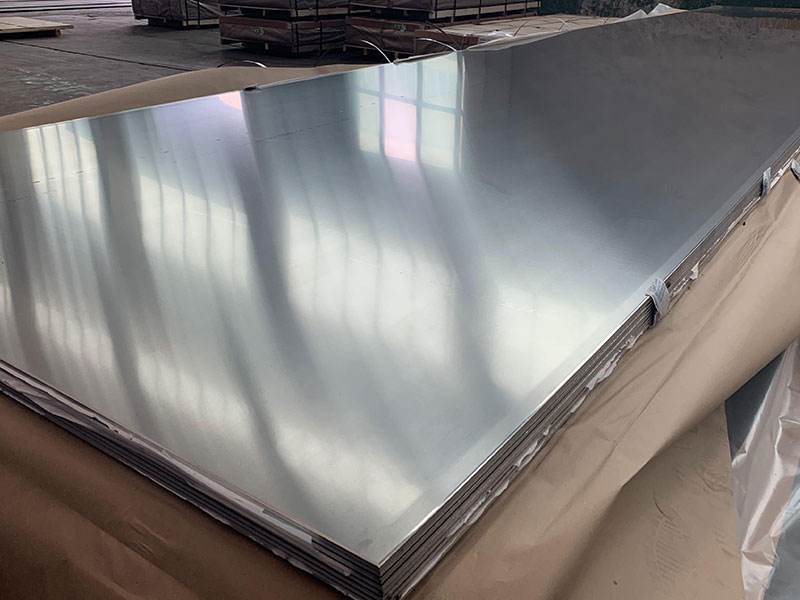
Marine 5086 aluminum sheet
This product article provides an in-depth and comprehensive understanding of Marine 5086 Aluminum Sheets, including their chemical composition, mechanical properties, corrosion resistance, fabrication capabilities, and typical marine applications.
View Details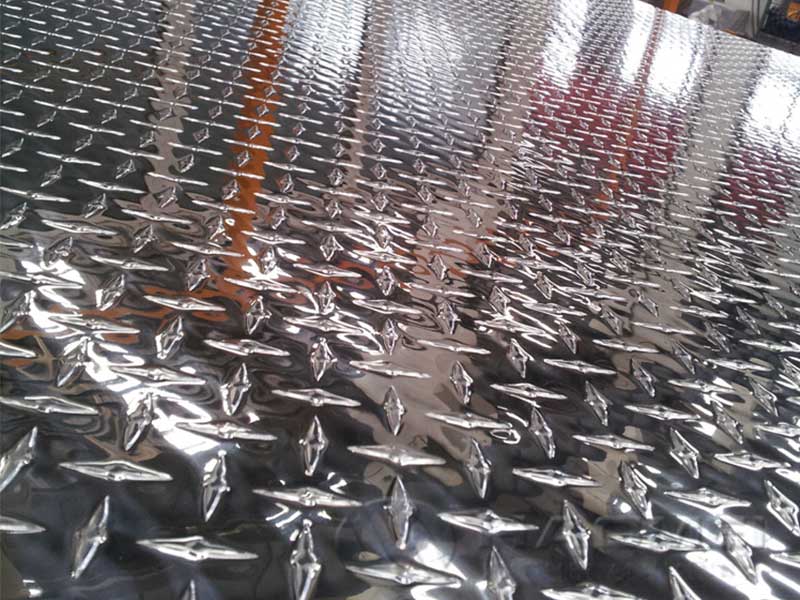
Marine Aluminum Tread Sheets
Marine Aluminum Tread Sheets are aluminum alloy plates featuring a raised surface pattern, commonly referred to as a tread design or diamond plate.
View Details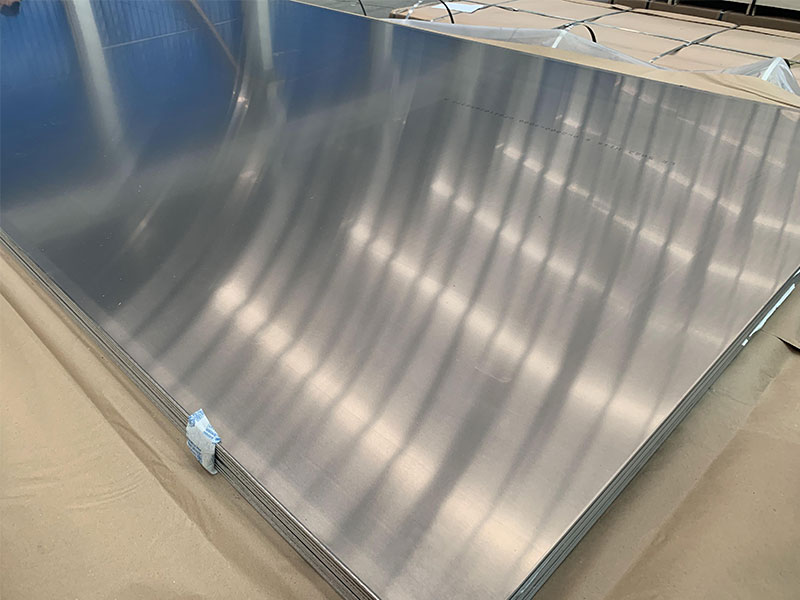
Marine 5052 aluminum sheet
Aluminum alloy 5052 is a non-heat-treatable, strain-hardened alloy with magnesium as the primary alloying element. It is designed to offer superior corrosion resistance in marine and saline environments, making it a dependable choice for components exposed directly to seawater or coastal atmospheric conditions.
View Details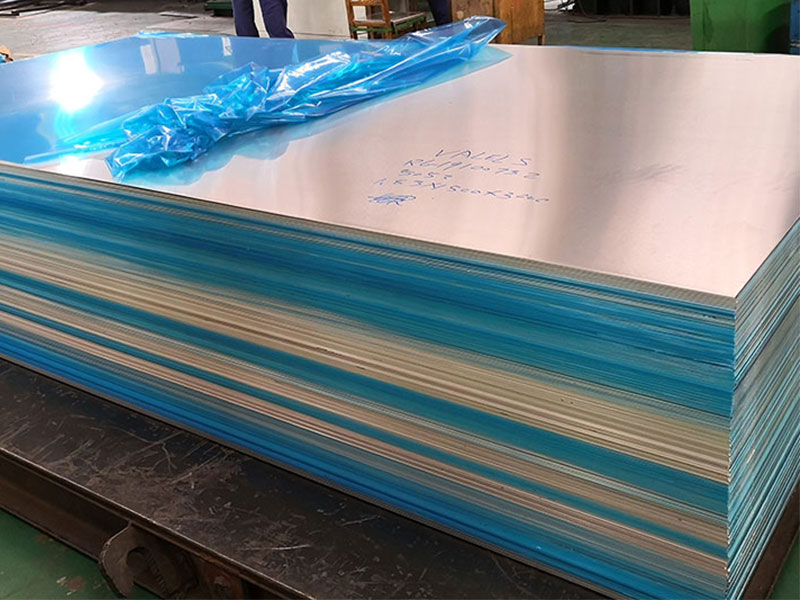
Marine 5059 aluminum sheet
5059 aluminum alloy is a strain-hardened material with a unique addition of magnesium and chromium, which provides outstanding resistance to localized corrosion like pitting and stress corrosion cracking.
View DetailsRelated Blog
5052 Aluminium Coil for Marine Material
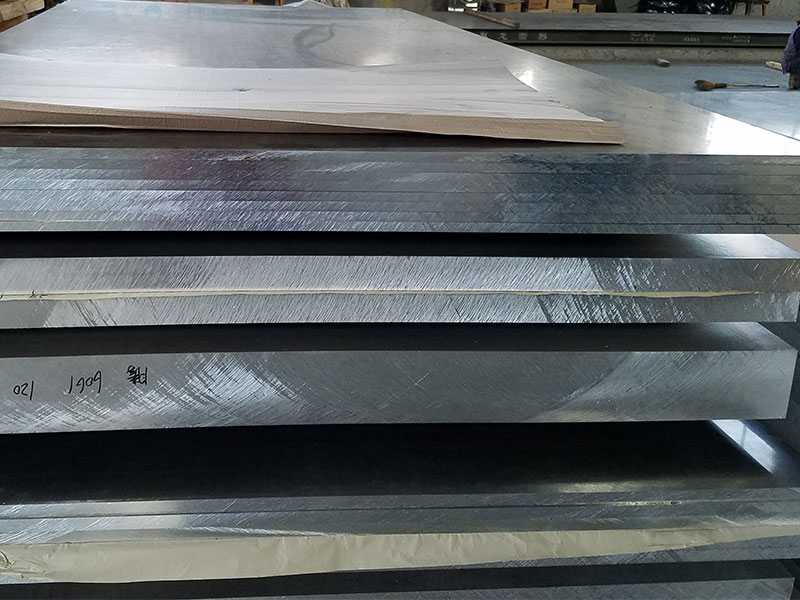
The 5052 aluminium coil is a transformative material, particularly favored in marine applications due to its excellent corrosion resistance, weldability, and remarkable strength characteristics.
View Details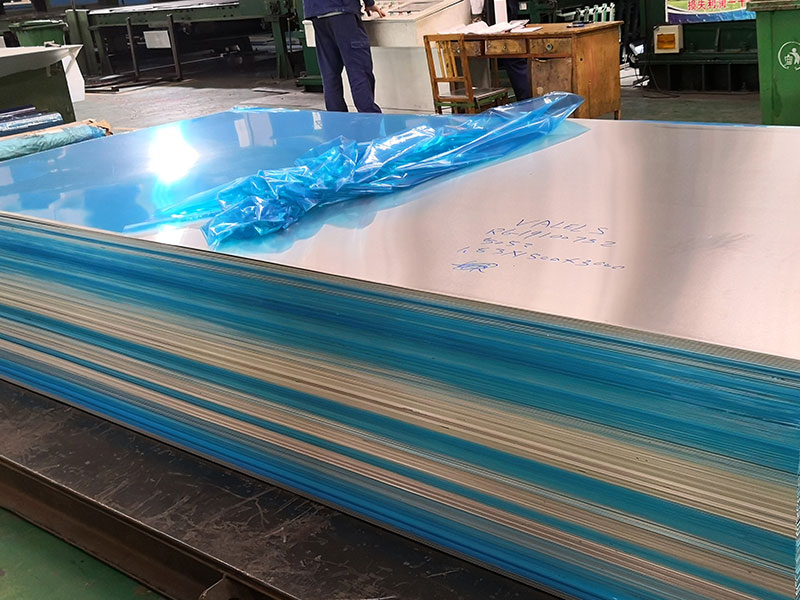
Marine Grade Building Material Aluminium Sheet
Marine grade building material aluminium sheet is designed for projects that need a strong balance of corrosion resistance, strength, workability, and long-term appearance.
View Details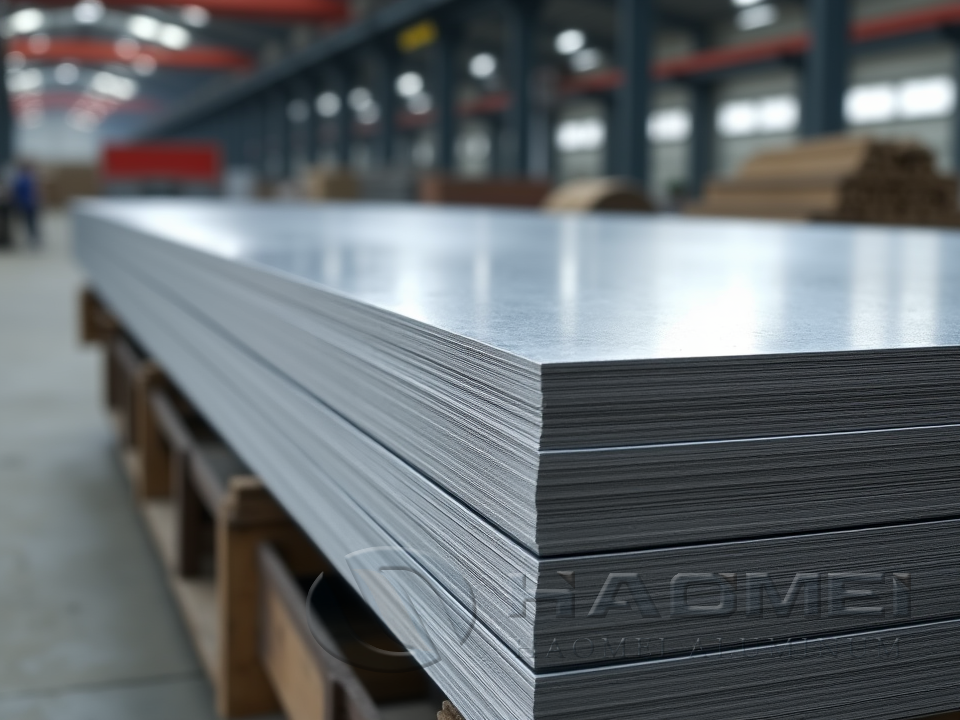
Marine 5086 Aluminum Plate
Marine 5086 aluminum plate offers strong corrosion resistance, weldability, and stable strength for hulls, decks, tanks, and offshore use.
View Details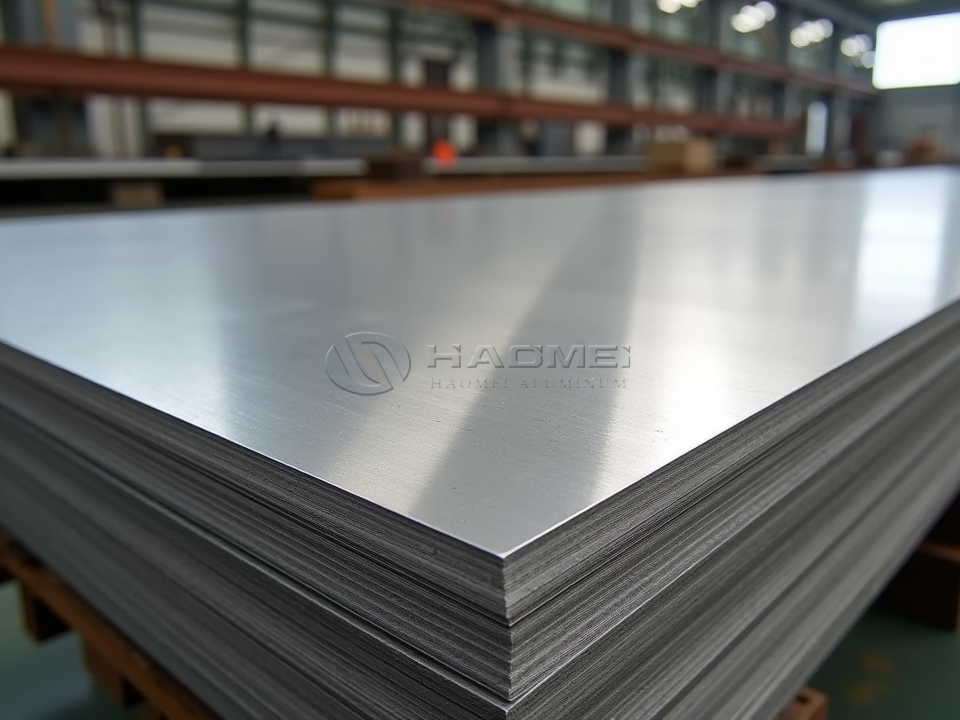
Aluminium Plate 5083 for Ship Boat
5083 aluminium plate delivers strong seawater corrosion resistance, weldable performance, and reliable strength for marine ship and boat structures.
View Details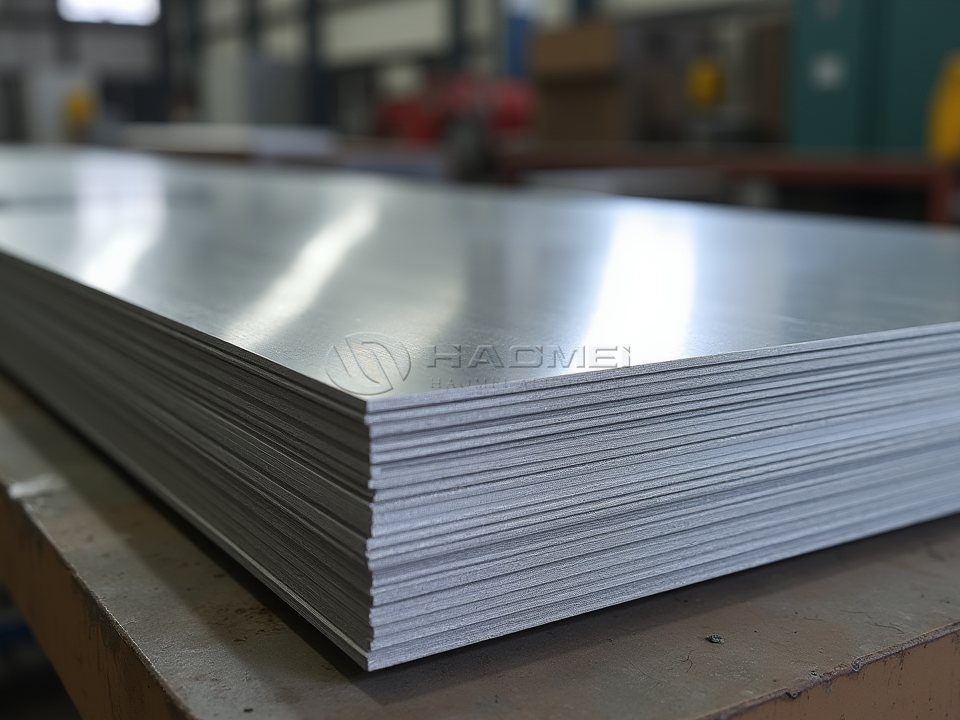
Marine Aluminum Alloy 5083 Sheet Mirror
Marine Aluminum Alloy 5083 Sheet Mirror combines a bright polished surface with high magnesium strength, corrosion resistance, temper options, and marine standards.
View Details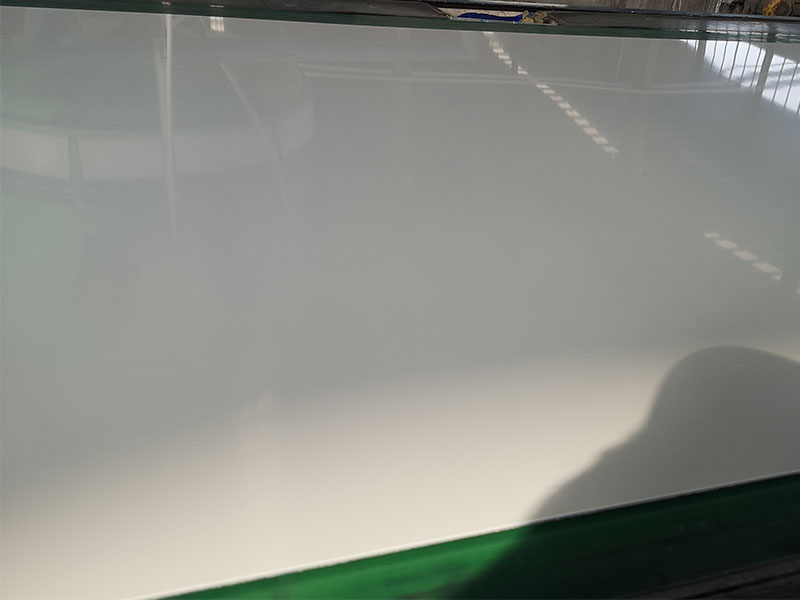
Aluminum sheet 5754 O H111 H112 Marine Grade
Aluminum sheet 5754 O H111 H112 is a high-performance marine-grade aluminum alloy widely used in the marine industry. Renowned for its excellent corrosion resistance and mechanical properties.
View Details
Leave a Message