
5083 Marine Grade Perforated Aluminum Sheet
A 5083 marine grade perforated aluminum sheet is more than a corrosion-resistant panel with holes. It is a controlled balance between airflow, drainage, visibility, sound management, weight reduction, and residual structural strength. In marine equipment, the holes are not merely decorative. They allow the sheet to function as a protective skin that breathes, drains, filters, or separates spaces while retaining the saltwater durability associated with the 5xxx aluminum family.
Made from an aluminum-magnesium alloy, 5083 is widely specified where salt spray, humidity, splash zones, and prolonged outdoor exposure would rapidly challenge ordinary carbon steel. When perforated, it becomes especially effective for ventilation louvers, engine-room guards, deck drainage covers, offshore enclosures, acoustic panels, equipment screens, and lightweight architectural details on vessels and coastal facilities.
The Engineering Logic Behind Perforation
Perforating a sheet changes how it carries load. A solid 5083 sheet spreads stress continuously across its surface. A perforated sheet redirects that stress through the remaining metal between holes, known as the ligament. For this reason, designers should assess the open-area percentage, hole diameter, pitch, sheet thickness, and edge margin together rather than selecting a hole pattern only by appearance.
Round holes in a staggered pattern are commonly chosen because they provide high open area while maintaining relatively even load distribution. Straight-line round holes are useful where alignment matters. Square, slotted, hexagonal, and decorative perforations can also be supplied when the project requires drainage direction, greater airflow, guarded visibility, or a specific visual effect.
A larger open area improves air passage and reduces panel weight, but it also lowers stiffness. For a walkable cover or protective guard, a lower open area and wider ligament are generally more appropriate. For an intake screen or ventilation panel, a higher open area can improve system efficiency. In all cases, the sheet should be supported according to actual span, vibration, impact exposure, and fastening locations.
For projects requiring matched alloy documentation and marine-ready hole configurations, Marine perforated aluminum sheets can be specified by thickness, opening pattern, free area, and panel size.
Why 5083 Performs Well in Saltwater Service
5083 contains a relatively high magnesium content, supported by manganese and chromium. This composition produces strong natural resistance to general marine corrosion without relying on a paint system as the sole barrier. The material forms a stable aluminum oxide film, and its non-heat-treatable structure develops strength through strain hardening rather than precipitation hardening.
The alloy is particularly valued for its resistance to seawater and industrial marine atmospheres. It is also weldable by conventional aluminum welding methods, although welding and heat input can affect the strength condition around joints. Since perforated panels already contain reduced cross-sectional area, weld placement and frame design should receive careful attention.
5083 is not normally selected as a highly loaded hull plate after extensive perforation. Instead, it excels in secondary structures where environmental resistance and functional openings matter: air grilles, machine guards, walkways with supporting frames, protective partitions, instrument housings, and drainage-facing surfaces.
Chemical Composition of 5083 Aluminum
The following composition limits are commonly referenced for 5083 aluminum alloy under EN 573-3 and related standards. Actual mill certificates should govern procurement acceptance.
| Element | Content, % by Weight |
|---|---|
| Magnesium, Mg | 4.0 - 4.9 |
| Manganese, Mn | 0.40 - 1.00 |
| Chromium, Cr | 0.05 - 0.25 |
| Iron, Fe | 0.40 max |
| Silicon, Si | 0.40 max |
| Copper, Cu | 0.10 max |
| Zinc, Zn | 0.25 max |
| Titanium, Ti | 0.15 max |
| Other elements, each | 0.05 max |
| Other elements, total | 0.15 max |
| Aluminum, Al | Balance |
Magnesium is the dominant strengthening element and contributes significantly to corrosion performance. Manganese helps control grain structure, while chromium supports resistance to stress-corrosion effects in suitable tempers. Tight control of iron, silicon, and copper is important because excessive impurity levels can adversely affect corrosion behavior and fabrication consistency.
Temper Conditions for Perforated Marine Panels
Temper selection should follow the panel's final function. The most common tempers include O, H111, H116, and H321.
| Temper | Condition | Typical Use in Perforated Sheet |
|---|---|---|
| O | Fully annealed, soft | Deep forming, curved trims, complex fabrication |
| H111 | Slightly strain hardened | General formed panels and moderately stiff screens |
| H116 | Strain hardened with controlled corrosion properties | Saltwater-exposed guards, offshore enclosures, vessel fittings |
| H321 | Strain hardened and stabilized | Marine structures requiring dimensional stability and corrosion resistance |
O temper offers the greatest formability, making it suitable for folded or rolled panels. H116 and H321 are often preferred for demanding marine exposure because they are associated with improved exfoliation-corrosion and stress-corrosion performance in appropriate product forms. The selected temper must match thickness, forming radius, perforation layout, and certification requirements.
Common Parameters and Supply Conditions
A 5083 perforated aluminum sheet can be produced to project dimensions, but common planning parameters are shown here.
| Parameter | Typical Range or Condition |
|---|---|
| Base alloy | AA 5083 / AlMg4.5Mn0.7 |
| Thickness | 1.0 - 6.0 mm for common perforated panels |
| Standard sheet width | 1000 mm, 1250 mm, 1500 mm, or custom width |
| Standard sheet length | 2000 mm, 2500 mm, 3000 mm, 6000 mm, or custom length |
| Hole shape | Round, square, slotted, hexagonal, decorative |
| Hole diameter | Commonly 1.0 - 20 mm, subject to thickness and tooling |
| Open area | Often 20% - 60%, depending on pattern and application |
| Surface | Mill finish, brushed, anodized, powder coated, painted |
| Edge treatment | Sheared, deburred, framed, folded, or CNC cut |
As a practical fabrication rule, very small holes in thick material demand specialized tooling, while thin ligaments require careful handling to prevent distortion. Deburring is valuable for personnel-contact surfaces, filters, and panels installed near cables, hoses, or protective membranes.
Standards and Inspection Expectations
Material compliance can be based on ASTM B209 for aluminum sheet and plate, ASTM B928 for high-magnesium alloy plate intended for marine service, EN 485-2 for mechanical-property requirements, and EN 573-3 for chemical composition. Perforation quality may also be assessed in relation to ASTM E2016, which covers industrial perforated plate and sheet.
Where vessel classification is involved, documentation may need to align with requirements from ABS, DNV, Lloyd's Register, BV, CCS, or another nominated class society. Certification should identify alloy, temper, heat number, dimensions, mechanical properties, chemical analysis, and any required corrosion-related testing.
For base material used in more heavily loaded marine fabrications, a Marine 5083 aluminum sheet provides the solid-sheet option before perforation, cutting, or forming is considered.
Applications That Benefit From 5083 Perforated Sheet
On vessels, 5083 perforated panels are frequently used around machinery spaces where air exchange is necessary but direct access must be restricted. They can protect fans, heat exchangers, ducts, pumps, and electrical compartments from accidental contact while allowing heat to escape. In deck and superstructure zones, perforated panels can support drainage and reduce trapped moisture in concealed cavities.
Offshore platforms and harbor installations use the alloy for equipment guards, cable-tray covers, noise-control faces, fencing infills, and protective screens. Coastal architecture also benefits from its low weight and marine durability in façade shading panels, balcony screens, ventilation doors, and decorative partitions.
The best result comes from treating 5083 perforated sheet as a functional marine component rather than simply a patterned metal panel. Correct temper, hole geometry, finishing method, panel support, and certified base material work together to create a surface that remains light, durable, and useful through long-term marine exposure.

Related Products
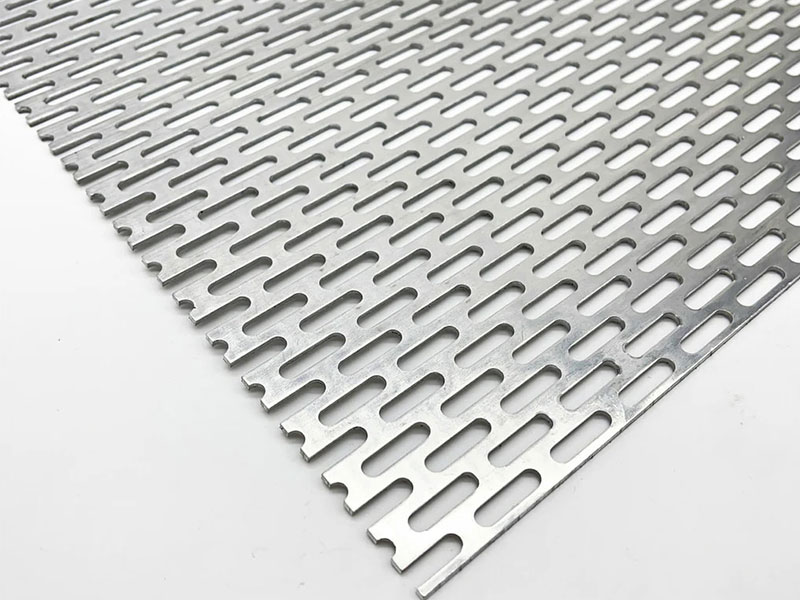
Marine perforated aluminum sheets
Marine Perforated Aluminum Sheets feature a series of uniform holes or shapes punched through the aluminum surface. These perforations can vary in size, pattern, and open area to tailor the sheets for specific applications.
View Details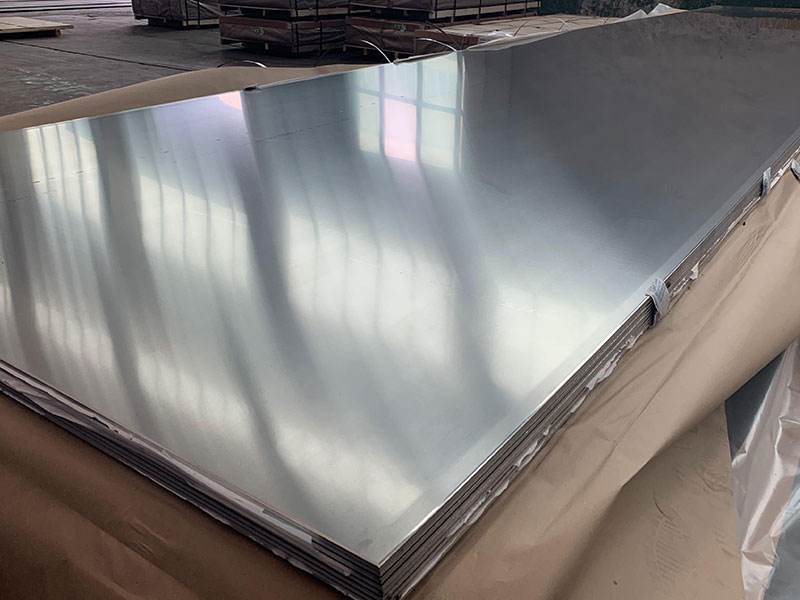
Marine 5086 aluminum sheet
This product article provides an in-depth and comprehensive understanding of Marine 5086 Aluminum Sheets, including their chemical composition, mechanical properties, corrosion resistance, fabrication capabilities, and typical marine applications.
View Details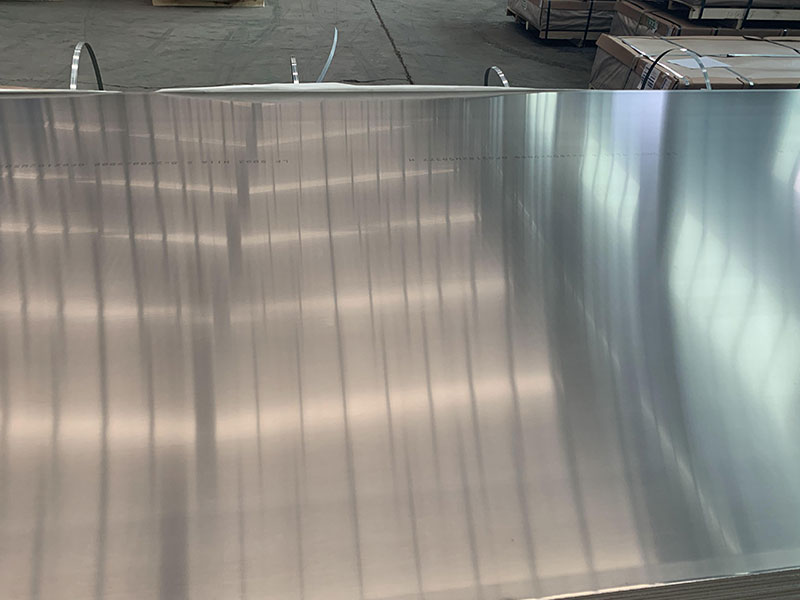
Marine 5383 aluminum sheet
5383 aluminum is a strain-hardened, non-heat-treatable alloy from the 5xxx series primarily alloyed with magnesium. It exhibits a unique balance of corrosion resistance and mechanical properties particularly suited for marine applications.
View Details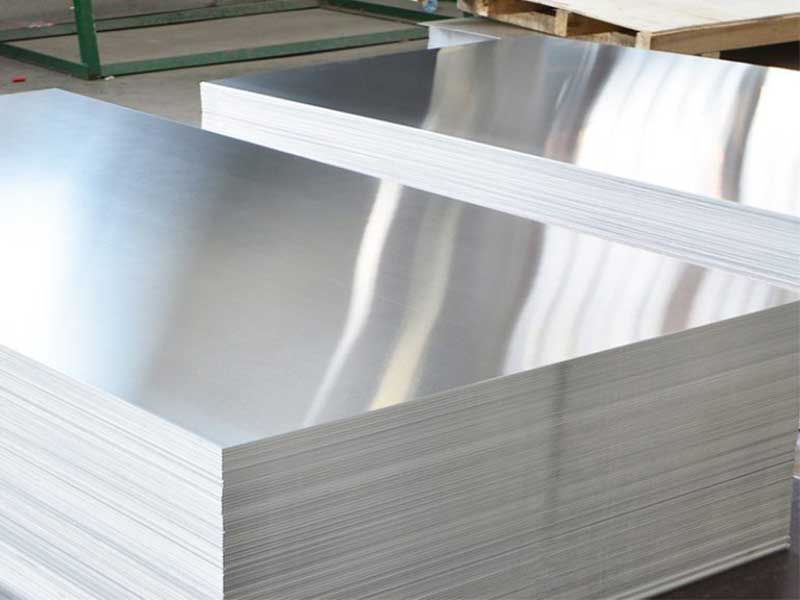
Marine anodized aluminum sheets
Marine Anodized Aluminum Sheets start with premium marine-grade aluminum alloys such as 5000 and 6000 series (typically 5083, 5052, and 6061).
View Details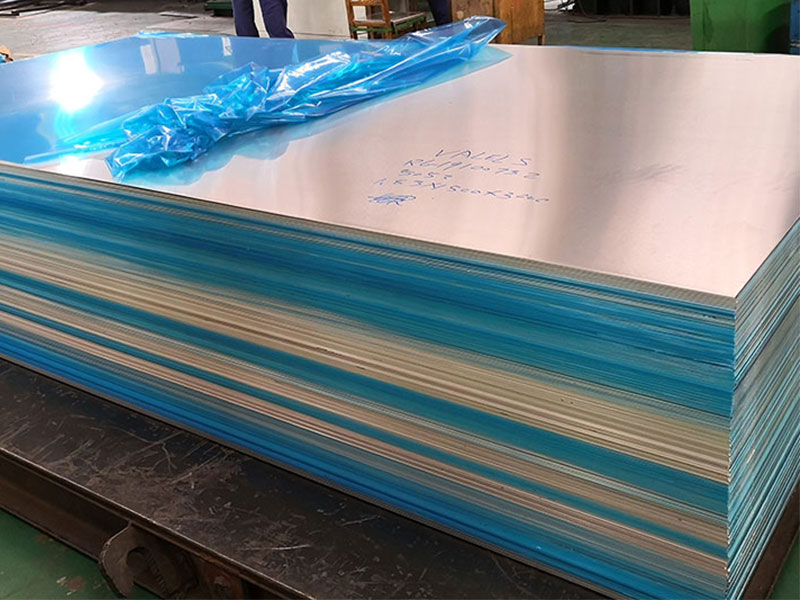
Marine 5059 aluminum sheet
5059 aluminum alloy is a strain-hardened material with a unique addition of magnesium and chromium, which provides outstanding resistance to localized corrosion like pitting and stress corrosion cracking.
View Details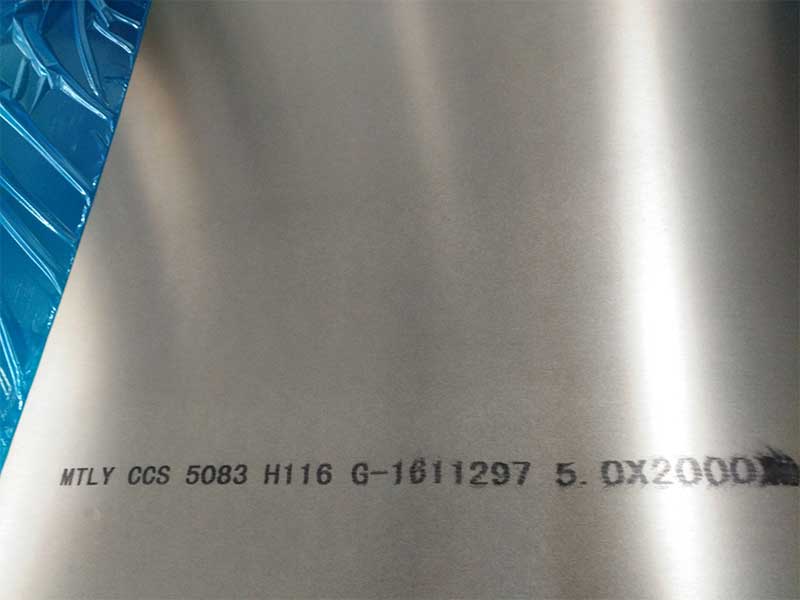
Marine 5083 aluminum sheet
Aluminum alloy 5083 is a non-heat-treatable alloy primarily composed of magnesium and trace elements that deliver outstanding protection against corrosion, particularly in seawater and saline atmospheres.
View DetailsRelated Blog
5052 5058 5083 5086 Aluminum Plate ASTM B209 Marine
Compare ASTM B209 marine aluminum plate in 5052, 5058, 5083, and 5086 by hull zone, temper, corrosion risk, welding behavior, and inspection requirements.
View Details
Marine 5052 Aluminum Sheet
Marine 5052 aluminum sheet offers excellent seawater corrosion resistance, easy forming, and reliable weldability for hulls, tanks, and deck components.
View Details
Embossed Aluminum Sheet 5454 O H111 H112 Marine Grade
Embossed 5454 marine aluminum sheet delivers grip, drainage, formability, and corrosion resistance for decks, ramps, lockers, and saltwater vessel interiors.
View Details
5083 Marine Grade Perforated Aluminum Sheet
Explore 5083 marine grade perforated aluminum sheet chemistry, tempers, standards, hole patterns, corrosion behavior, and marine uses in service.
View Details
5052 Aluminium Coil for Marine Material
The 5052 aluminium coil is a transformative material, particularly favored in marine applications due to its excellent corrosion resistance, weldability, and remarkable strength characteristics.
View Details
5052 5083 marine grade aluminium sheet for boat
Marine grade aluminium alloys 5052 and 5083 are among the most widely used non-heat-treatable alloys for shipbuilding, small vessels, and marine components. They combine good corrosion resistance in seawater, excellent weldability and formability.
View Details
Leave a Message