
Marine Aluminum Angles for Boat Frame Construction
The Small Section That Controls a Large Part of the Frame
In boat construction, an aluminum angle may look like a modest component compared with a hull plate, stringer, or heavy extrusion. Yet angles often determine how well the entire structure carries load. They connect surfaces that meet at 90 degrees, reinforce panel edges, stiffen corners, support decks, frame lockers, create seat bases, and transfer vibration away from thin sheet.
The practical way to view marine aluminum angles is not as simple L-shaped stock. They are load paths. A well-chosen angle gives a frame a clean route for force to travel from a deck, side panel, bulkhead, or bracket into stronger supporting members. A poorly chosen one can concentrate stress at a fastener line, flex excessively, trap saltwater, or distort during welding.
For fabricators and boat owners planning repairs, refits, or new builds, the most useful question is not merely, "What size angle should I buy?" It is, "What job must this angle perform over years of vibration, moisture, impact, and changing loads?"
Think in Terms of Load Direction
An angle has two legs, and each leg does a different job. One leg normally attaches to a panel or base structure. The other projects outward to resist bending, support another panel, or provide a fastening face. This simple geometry makes angles effective where flat bar would flex too easily.
For example, an angle under the edge of an aluminum deck panel can support the panel while also creating a secure fastening flange for the deck. Along a console frame, it can tie a vertical wall to the deck without adding excessive weight. Around a hatch opening, it can prevent a thin plate edge from vibrating and cracking.
Leg orientation matters. If the taller leg faces the direction of greatest bending, the angle generally provides better stiffness. If access for through-bolting is limited, the angle may need to be reversed or paired with a backing strip. On a boat, the best orientation is often the one that balances structural performance with drainage, welding access, and future maintenance.
A common mistake is choosing equal-leg angle for every location. Equal-leg stock is versatile, but unequal-leg angle can be more efficient when one side needs a broad fastening surface and the other only needs enough depth to resist flexing. This can reduce weight without reducing useful support.
Alloy Choice Should Follow the Construction Method
Marine environments demand alloys that combine corrosion resistance with realistic fabrication performance. For welded frame sections, 5083 and 5086 are frequently selected where strong resistance to seawater exposure is important. These alloys are widely used for marine plate and welded structures, particularly in hull-related work.
Extruded 6061-T6 angle is popular for interior frames, deck supports, tower structures, equipment brackets, and components that rely mainly on mechanical fastening. It offers good strength, straightness, and availability in many sizes. However, heat from welding reduces strength in the heat-affected zone. A 6061-T6 angle should therefore not be treated as if it retains its original T6 properties right beside a weld.
That detail changes design decisions. A welded 6061 frame may need a larger angle, shorter unsupported spans, or more frequent gussets than a bolted assembly made from the same material. When the frame is exposed to spray or bilge moisture, alloy selection must also be considered alongside drainage and surface protection.
For projects using standard extrusions, Marine aluminum angles provide practical options for deck framing, edge reinforcement, mounting structures, and light-to-medium-duty internal supports. For a broader framing system involving several profile shapes, Marine Grade Aluminum Extrusions can help match angles with channels, flat bar, and purpose-designed structural profiles.
Size Is More Than Leg Width and Thickness
Customers often compare angles by leg dimensions and thickness alone. Those dimensions matter, but unsupported span matters just as much. A thin, wide angle can look substantial while still allowing noticeable deflection over a long span. Conversely, a smaller angle with well-placed supports can perform very effectively.
For light framing around hatches, cabinetry, lockers, and interior liners, relatively compact angles may be sufficient. Deck joists, seat foundations, battery trays, towing-related supports, and transom-adjacent structures deserve more conservative sizing because they experience repeated shock loads.
A boat frame should be judged under real operating conditions rather than static workshop conditions. Passengers shift weight. Boats pound in chop. Batteries and fuel tanks add concentrated loads. A lid may be slammed thousands of times. Every cycle works a connection slightly. The goal is not only to prevent immediate failure, but also to limit movement that can loosen fasteners or start fatigue cracks.
Adding a gusset can often improve a joint more effectively than simply increasing angle thickness. Gussets spread load across a larger area and reduce leverage at the corner. They are especially valuable at seat bases, console uprights, rail supports, and high-load brackets.
Connections Deserve the Same Attention as the Angle
An excellent angle can still fail in a weak connection. Welded joints should be designed with access for proper cleaning, fit-up, and welding. Tight inside corners can retain contamination, while oversized welds add heat and distortion without always improving the joint. Continuous welding may be appropriate for watertight or highly loaded areas, but intermittent welds can reduce heat input where sealing is not required.
Mechanical fastening is often preferable for removable structures, interior modules, or areas where welding could damage finished surfaces. Use marine-suitable fasteners and isolate dissimilar metals. Stainless steel fasteners in aluminum require thoughtful installation because crevices and trapped moisture can encourage galvanic corrosion. Nonconductive washers, sealants, sleeves, or barrier compounds can reduce this risk.
Avoid creating water pockets behind an angle. If an angle forms a horizontal ledge inside a wet compartment, provide drain paths or seal the joint correctly. Corrosion in aluminum is frequently less about open salt spray and more about stagnant moisture trapped where inspection is difficult.
Build for Inspection, Not Just Completion
The strongest boat frame is also one that can be checked and serviced without dismantling half the boat. Leave reasonable access to fasteners, drainage points, welds, and concealed corners. Avoid closing off cavities that will collect condensation. Round sharp exposed edges, especially near wiring, hoses, and areas where people may brace themselves underway.
Finish selection depends on location. Interior angles may only need cleaning and sensible isolation from incompatible materials. Exterior or highly visible pieces may benefit from anodizing, powder coating, or marine paint systems. Surface finishing is not a substitute for sound corrosion design; water must still drain, and dissimilar materials still need separation.
Marine aluminum angles earn their value through quiet, continuous work. They keep panels aligned, stiffen vulnerable edges, and make the frame feel solid long after launch day. When alloy, orientation, connection style, and drainage are considered together, this simple profile becomes one of the most dependable building blocks in boat frame construction.

Related Products
Marine aluminum channels
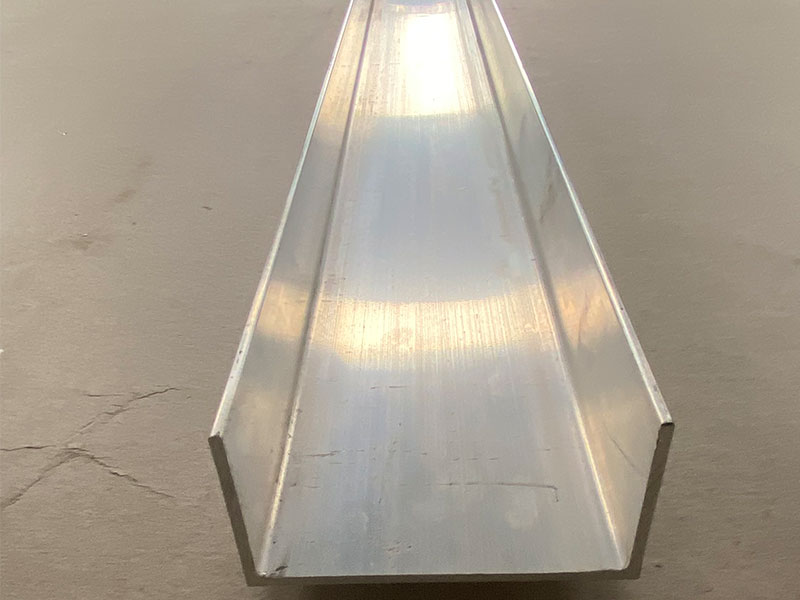
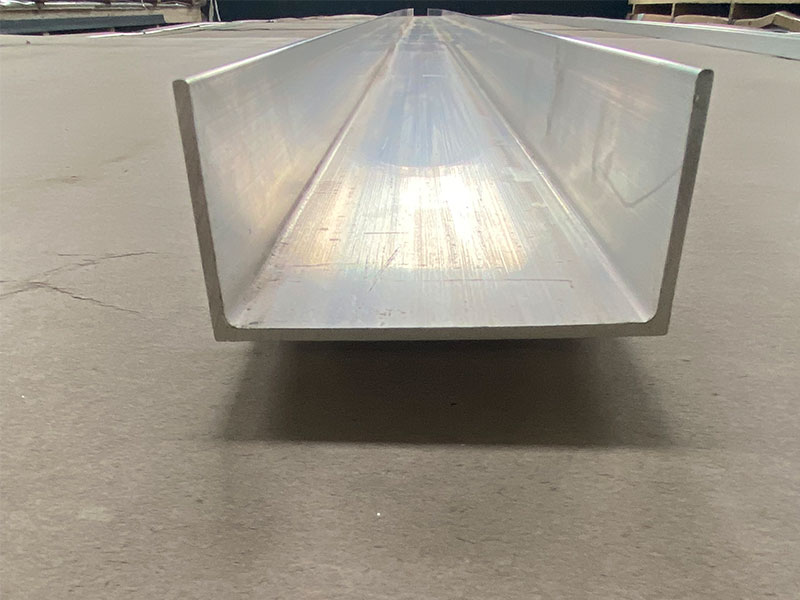
Marine Aluminum Channels are U-shaped aluminum profiles produced from alloys such as 5083, 5052, and 6061, known for their excellent marine corrosion resistance and superior mechanical strength.
View Details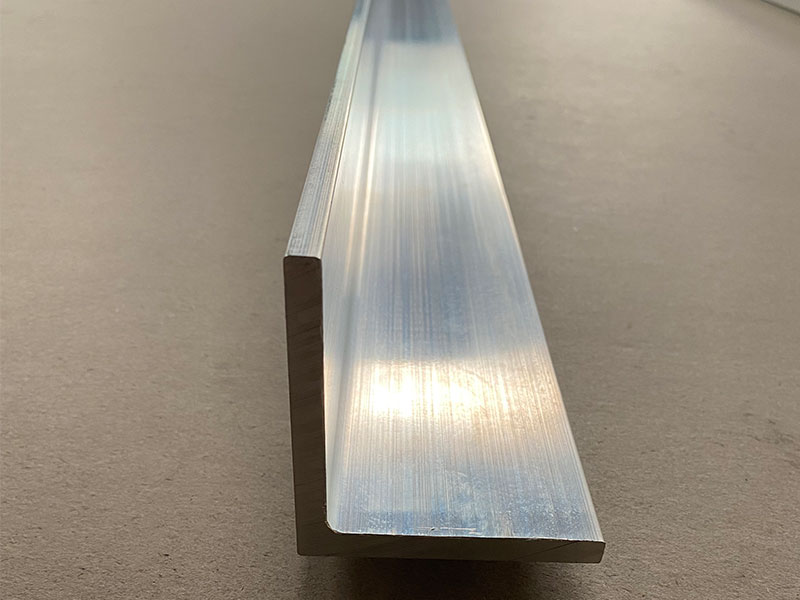
Marine aluminum angles
Marine Aluminum Angles are L-shaped cross-sectional aluminum profiles produced from marine-grade aluminum alloys such as 5083, 5052, and 6061.
View Details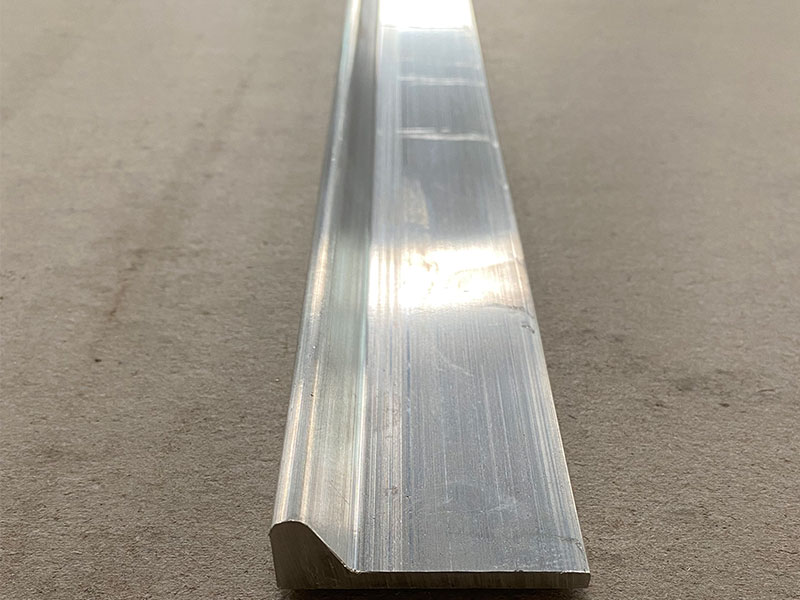
Marine aluminum I-beams
Marine Aluminum I-Beams feature the traditional “I” cross-sectional profile fabricated from marine-grade aluminum alloys like 5083, 5086, and 6061. These alloys are renowned for their outstanding corrosion resistance, especially in saltwater and marine atmospheres, making them ideal for offshore and naval construction.
View Details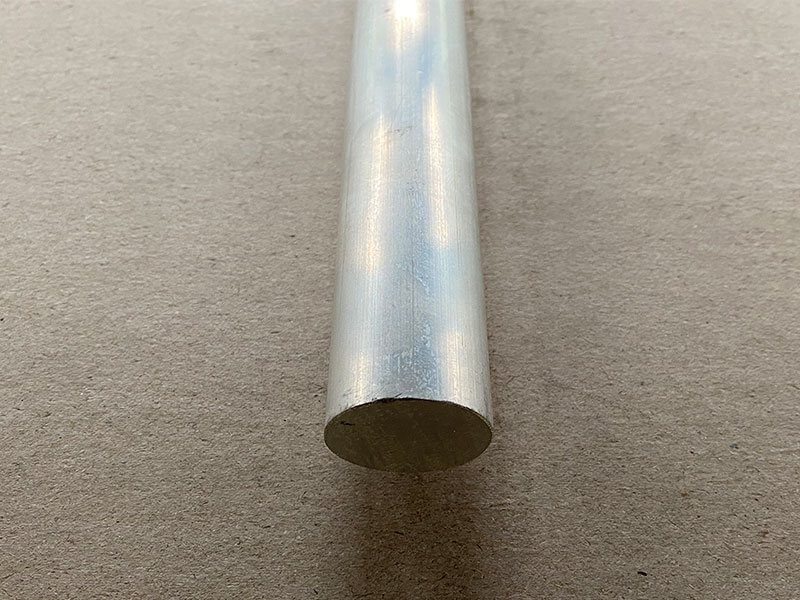
6061 marine aluminum round bar
6061 aluminum belongs to the 6xxx series alloys, alloyed primarily with magnesium and silicon. In the T6 temper, it undergoes solution heat treatment and artificial aging, resulting in enhanced mechanical properties while maintaining excellent corrosion resistance.
View Details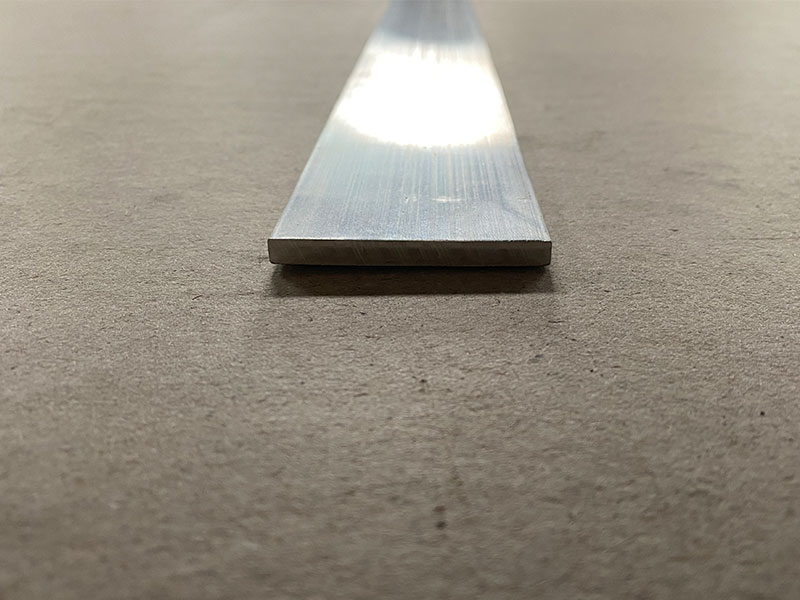
5083 marine aluminum flat bar
5083 aluminum flat bars belong to the 5xxx series of aluminum-magnesium alloys, known primarily for their superior resistance to seawater corrosion and salt spray.
View Details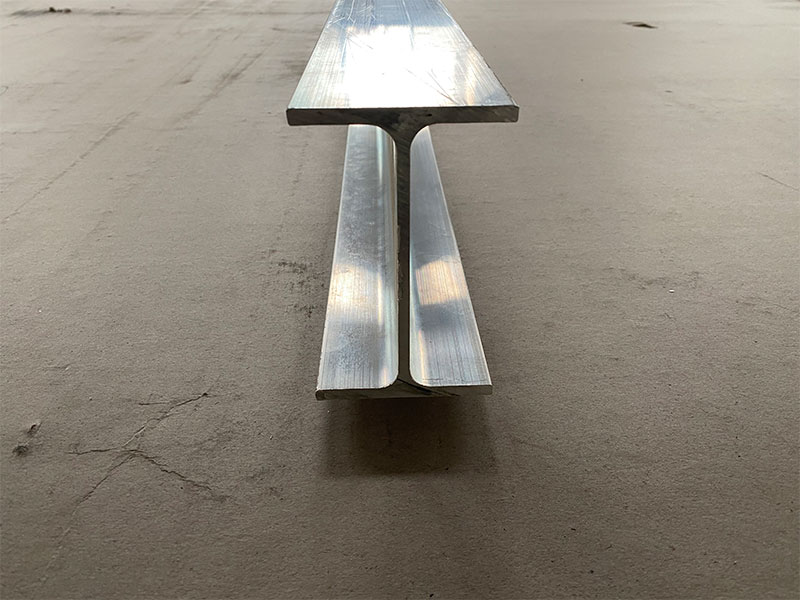
Marine aluminum Z-shaped sections
Marine Aluminum Z-shaped Sections are fabricated from premium marine-grade aluminum alloys such as 5083, 5052, and 6061. These alloys are well-regarded for their superior corrosion resistance in seawater and marine atmospheres, along with good mechanical strength and excellent weldability.
View DetailsRelated Blog
6061 marine aluminum round bar
6061 marine aluminum round bar is a versatile, corrosion-resistant, medium-to-high strength aluminum product widely used in marine hardware, offshore components, and coastal industrial equipment.
View Details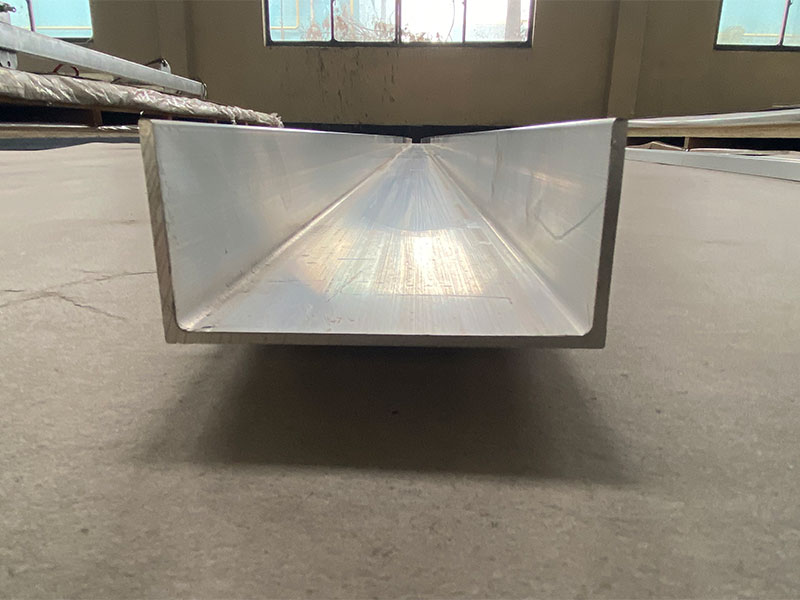
Marine Aluminum Round Bar for Saltwater Resistant Boat Design
When designing boats destined for saltwater environments, materials selection is paramount for ensuring long-lasting performance and reliable structural integrity.
View Details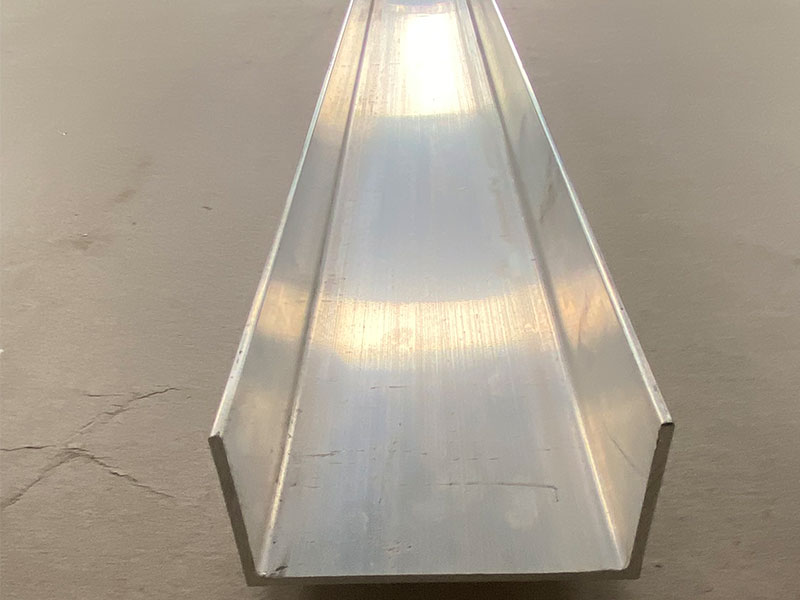
5052 Marine Aluminum Angles for Durable Marine Frame Solutions
5052 Marine Aluminum Angles for Durable Marine Frame SolutionsA technical, application‑driven perspective5052 marine aluminum angles are a backbone material in modern shipbuilding and offshore structures—quietly underpinning decks, bulkheads, ra.
View Details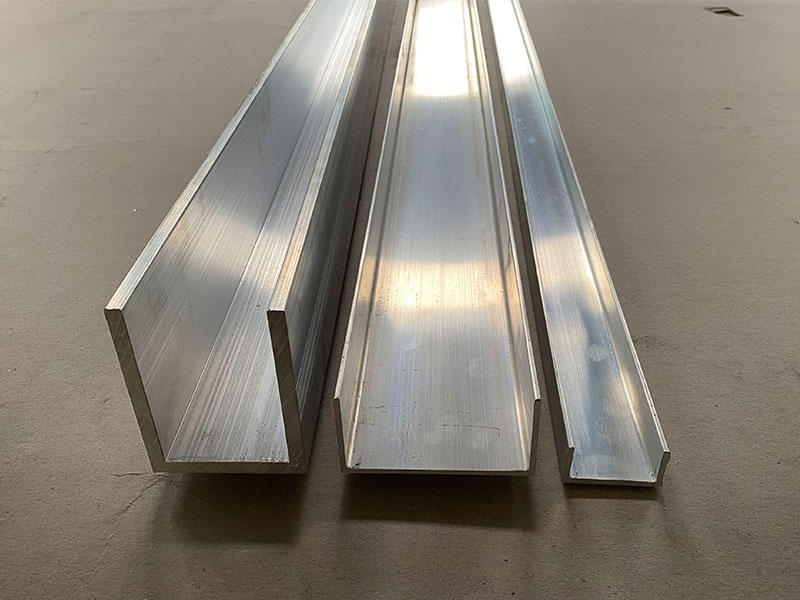
5086 Marine Aluminum I Beams for Saltwater Resistant Marine Ship Design
5086 Marine Aluminum I Beams: The Structural Spine of Saltwater‑Resistant Ship DesignAmong all the aluminum profiles applied in marine engineering, 5086 marine aluminum I beams sit in a special category: they are not just another “section shape,” b.
View Details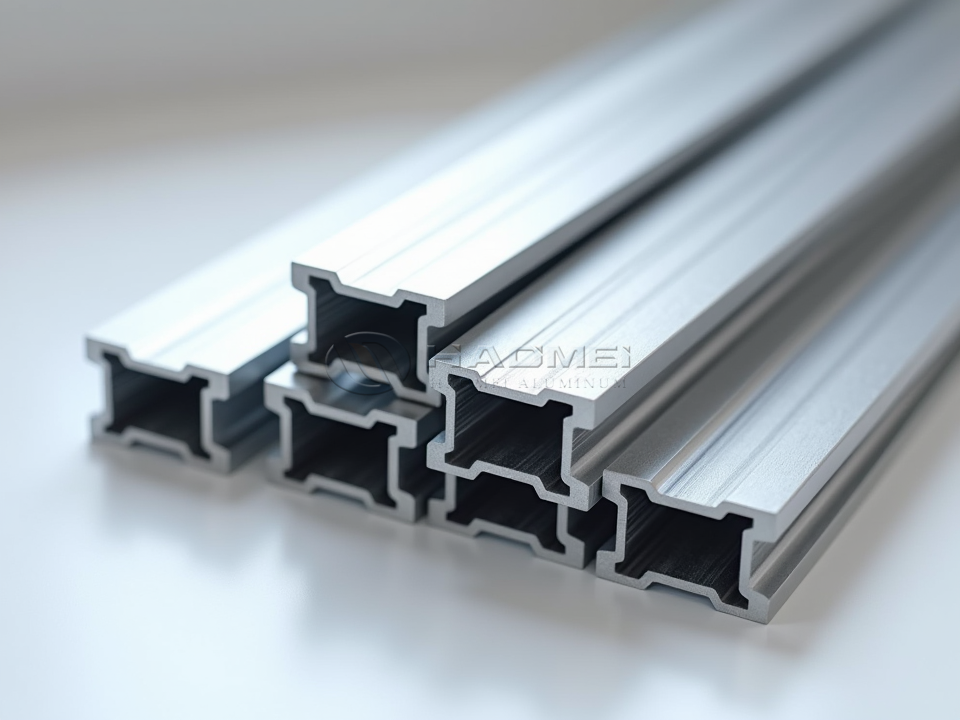
5083 Marine Aluminum Angles
5083 marine aluminum angles deliver seawater corrosion resistance, weldability, and stable strength for boats, decks, frames, and offshore structures.
View Details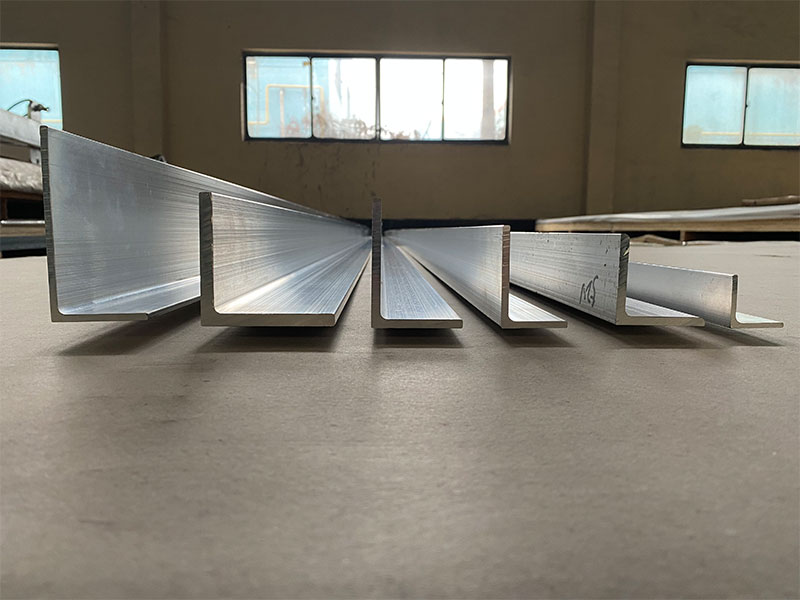
6061 Marine Aluminum Z Shaped Sections for Marine Frame Reinforcement
6061 Marine Aluminum Z Shaped Sections for Marine Frame ReinforcementMarine structures rarely fail because one component is "weak." They fail because loads travel through the hull in complicated paths, concentrate around cutouts and joints.
View Details
Leave a Message