
5086 Marine Aluminum I Beams
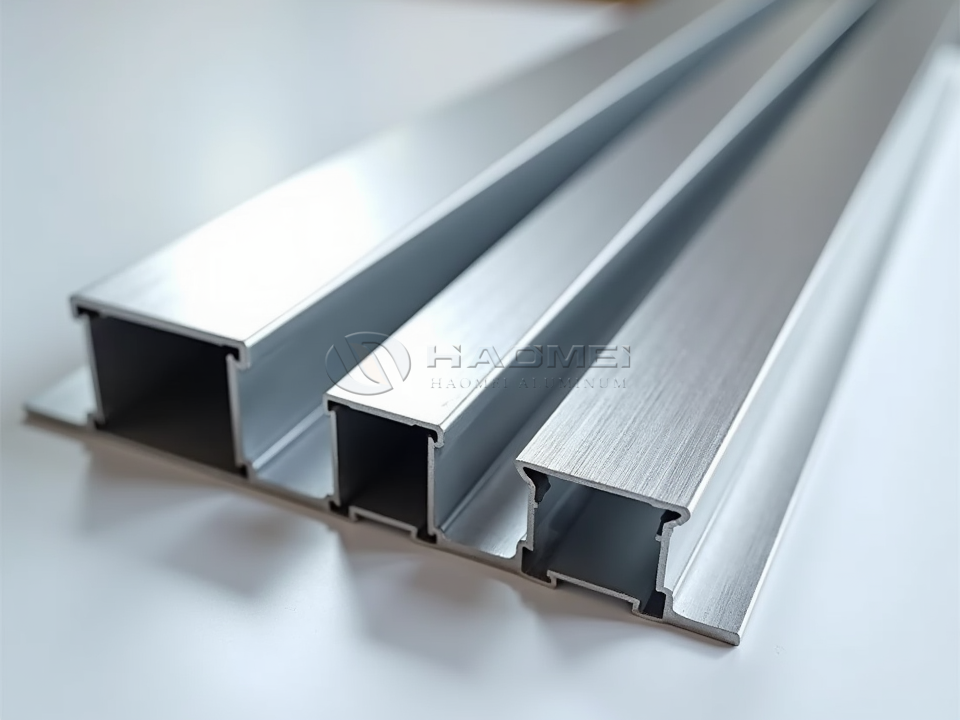
5086 Marine Aluminum I beams are structural aluminum profiles designed for saltwater service, high load efficiency, and dependable welding performance. In boatbuilding and coastal construction, the I beam shape gives excellent bending strength with reduced weight, while alloy 5086 adds strong resistance to seawater, industrial atmospheres, and marine splash zones.
Unlike many general-purpose aluminum beams, 5086 is part of the aluminum-magnesium family. It is non-heat-treatable, gains strength through strain hardening, and keeps good toughness after forming and welding. For customers building hull frames, deck supports, dock structures, vessel ramps, and offshore access platforms, this balance of strength, corrosion resistance, and fabrication reliability is the reason 5086 remains a trusted marine alloy.
Product Snapshot
| Item | Details |
|---|---|
| Product name | 5086 Marine Aluminum I beams |
| Alloy family | Al-Mg wrought aluminum alloy |
| Main alloying element | Magnesium, typically 3.5% to 4.5% |
| Common tempers | H111, H112, H116, H321 |
| Shape | I beam, H beam, custom web and flange profile |
| Primary use | Marine structural support under bending load |
| Corrosion behavior | Excellent in seawater and humid coastal air |
| Joining method | MIG welding, TIG welding, bolting, riveting |
| Finish options | Mill finish, brushed, anodized on request, coated, primed |
Main Benefits for Marine Builders
| Benefit | What It Means in Service |
|---|---|
| High strength-to-weight ratio | Supports decks, frames, and platforms without adding unnecessary hull mass |
| Seawater corrosion resistance | Performs well in splash zones, bilge areas, docks, and coastal environments |
| Strong weldability | Suitable for welded hull structures, stiffeners, brackets, and frame assemblies |
| Good fatigue behavior | Helps handle vibration, wave impact, and repeated service loading |
| Stable non-heat-treated alloy | Strength does not depend on post-weld heat treatment |
| Excellent formability in suitable tempers | Can be cut, drilled, fitted, and fabricated for complex marine layouts |
Where 5086 Marine Aluminum I Beams Are Used
5086 I beams are selected when corrosion resistance is as important as load capacity. They are especially useful in structures exposed to seawater, salt spray, and constant moisture.
| Application | Typical Beam Function |
|---|---|
| Aluminum workboats | Deck beams, cross members, transverse supports |
| Patrol and service vessels | Lightweight frame reinforcement and floor support |
| Fishing boats | Hold framing, hatch surrounds, machinery platform supports |
| Marine docks | Stringers, joists, walkway beams, gangway supports |
| Offshore access systems | Platforms, ladders, frames, and service walkways |
| Ship repair | Replacement stiffeners and localized reinforcement |
| Floating structures | Pontoon frames, modular platforms, and marine bridges |
| Coastal equipment | Support beams for salt-exposed industrial frames |
For projects that require a broader profile package, 5086 beams are often specified alongside Marine aluminum I-beams in other marine grades to match load rating, fabrication method, and cost target.
Chemical Composition of 5086 Aluminum
The corrosion resistance of 5086 comes mainly from its magnesium content, supported by controlled manganese and chromium additions. The composition range may vary slightly by standard, but the following table reflects common AA 5086 limits.
| Element | Content, % |
|---|---|
| Aluminum | Balance |
| Magnesium | 3.50-4.50 |
| Manganese | 0.20-0.70 |
| Chromium | 0.05-0.25 |
| Silicon | Max 0.40 |
| Iron | Max 0.50 |
| Copper | Max 0.10 |
| Zinc | Max 0.25 |
| Titanium | Max 0.15 |
| Other elements, each | Max 0.05 |
| Other elements, total | Max 0.15 |
Technical Specifications
| Parameter | Typical Value or Option |
|---|---|
| Density | 2.66 g/cm³ |
| Elastic modulus | Approx. 70 GPa |
| Melting range | Approx. 585-638°C |
| Thermal conductivity | Approx. 117 W/m·K |
| Coefficient of thermal expansion | Approx. 23.8 x 10⁻⁶/K |
| Electrical conductivity | Approx. 29% IACS |
| Magnetic behavior | Non-magnetic |
| Standard references | ASTM B221, ASTM B928 where applicable, EN 755, EN 485 as agreed |
| Length tolerance | Per applicable standard or project drawing |
| Straightness | Controlled for structural fitting and assembly |
| Cut length | Custom cut-to-size available |
| Documentation | Mill test certificate, chemical report, mechanical test report on request |
Temper Selection
5086 is not hardened by heat treatment. Instead, temper is selected according to strength, corrosion performance, and forming demand.
| Temper | General Character | Typical Marine Use |
|---|---|---|
| H111 | Slightly strain hardened, good forming ability | Light structural parts, formed brackets, moderate-load beams |
| H112 | As-fabricated with controlled properties | General structural beams and welded assemblies |
| H116 | Strain hardened and stabilized for marine corrosion resistance | Hull structures, splash-zone components, high-duty marine framing |
| H321 | Stabilized temper with strong exfoliation resistance | Vessel structures requiring consistent marine durability |
Typical Mechanical Properties
Actual values depend on beam size, production route, temper, test direction, and standard. The figures shown are practical reference values for engineering comparison.
| Temper | Tensile Strength, MPa | Yield Strength, MPa | Elongation, % | Notes |
|---|---|---|---|---|
| H111 | 240-315 | 95-125 | 10-16 | Good fabrication temper |
| H112 | Min 240 | Min 95 | 8-12 | Common for structural profiles |
| H116 | 290-350 | 205-240 | 8-12 | Preferred for demanding marine service |
| H321 | 290-350 | 205-240 | 8-12 | Stable strength and corrosion performance |
I Beam Geometry and Sizing
The I beam shape places most metal in the flanges, where bending stress is highest, while the web carries shear load. This makes the profile efficient for decks, platforms, and long-span supports where both stiffness and weight control matter.
| Dimension | Description | Customer Consideration |
|---|---|---|
| Overall height | Distance from top flange to bottom flange | Higher beams usually improve bending stiffness |
| Flange width | Width of top and bottom plates | Wider flanges improve bearing and lateral stability |
| Web thickness | Thickness of vertical center section | Affects shear strength and weld attachment area |
| Flange thickness | Thickness of horizontal sections | Affects bending capacity and local bearing strength |
| Inside radius | Radius at web-flange transition | Helps reduce stress concentration |
| Section weight | kg/m or lb/ft | Important for vessel weight calculation |
| Moment of inertia | Structural stiffness value | Used for span and deflection calculation |
| Section modulus | Bending strength value | Used to verify allowable load |
Fabrication Performance
5086 Marine Aluminum I beams are practical for shipyard and dockyard work because they can be processed with standard aluminum fabrication equipment. Proper tooling and clean procedures are still important, especially when the structure will operate in seawater.
| Process | Recommendation |
|---|---|
| Cutting | Use carbide saws, waterjet cutting, or CNC cutting with aluminum-compatible parameters |
| Drilling | Use sharp tools, correct lubrication, and controlled feed to avoid burrs |
| Welding | Use ER5356 or ER5183 filler depending on design and code requirements |
| Bolting | Isolate dissimilar metals to reduce galvanic corrosion |
| Forming | Choose H111 or suitable temper when significant forming is required |
| Cleaning | Remove oxide, oil, and contamination before welding or coating |
| Inspection | Check weld profile, straightness, fit-up, and dimensional tolerance |
Corrosion Protection in Saltwater
5086 has excellent natural resistance to seawater, but good design practice makes service life longer. Avoid trapped water, separate aluminum from carbon steel, and use compatible fasteners wherever possible.
| Protection Method | Purpose |
|---|---|
| Mill finish | Suitable for many internal and non-decorative marine structures |
| Anodizing | Adds surface hardness and a cleaner appearance where profile geometry allows |
| Marine primer and paint | Improves appearance and adds extra barrier protection |
| Isolation tape or washers | Reduces galvanic contact with stainless steel or carbon steel |
| Drainage design | Prevents standing seawater and crevice corrosion |
| Regular rinsing | Removes salt deposits from exposed structures |
Ordering Information
To receive a beam that matches the intended load and fabrication route, provide the drawing and service conditions at the inquiry stage.
| Information Needed | Examples |
|---|---|
| Alloy and temper | 5086-H112, 5086-H116, 5086-H321 |
| Beam size | Height, flange width, web thickness, flange thickness |
| Length | Random length, fixed length, cut-to-size |
| Quantity | Pieces, meters, kilograms, or project lot |
| Finish | Mill finish, coated, anodized, brushed |
| Standard | ASTM, EN, ABS, DNV, customer drawing |
| Testing documents | MTC, chemical report, mechanical report, third-party inspection |
| End use | Hull frame, dock beam, platform, gangway, offshore structure |
Why Customers Choose 5086 Marine Aluminum I Beams
5086 Marine Aluminum I beams give builders a dependable structural profile for wet, salty, and vibration-heavy environments. They reduce weight compared with steel, require less corrosion maintenance, and weld easily into marine assemblies. For customers who need strong support beams without sacrificing corrosion performance, 5086 is a practical and proven material for vessels, docks, offshore frames, and coastal infrastructure.

Related Products
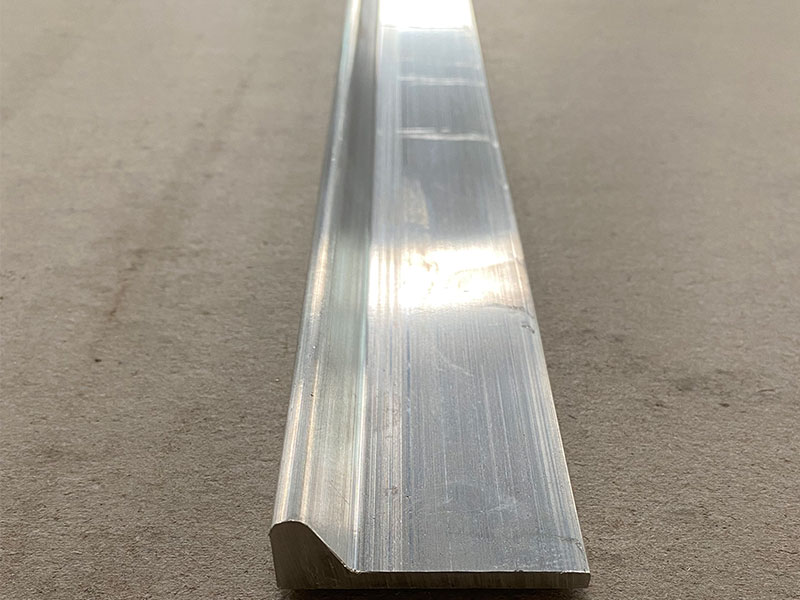
Marine aluminum I-beams
Marine Aluminum I-Beams feature the traditional “I” cross-sectional profile fabricated from marine-grade aluminum alloys like 5083, 5086, and 6061. These alloys are renowned for their outstanding corrosion resistance, especially in saltwater and marine atmospheres, making them ideal for offshore and naval construction.
View Details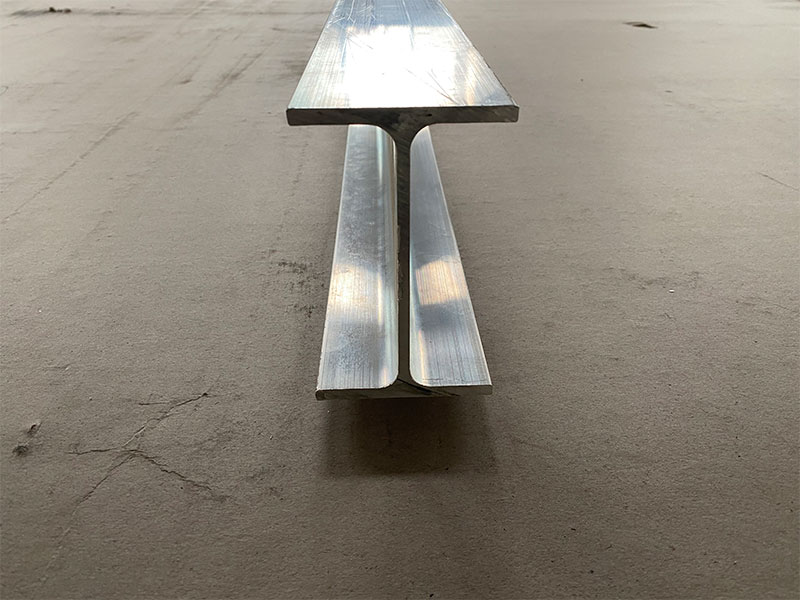
Marine aluminum Z-shaped sections
Marine Aluminum Z-shaped Sections are fabricated from premium marine-grade aluminum alloys such as 5083, 5052, and 6061. These alloys are well-regarded for their superior corrosion resistance in seawater and marine atmospheres, along with good mechanical strength and excellent weldability.
View Details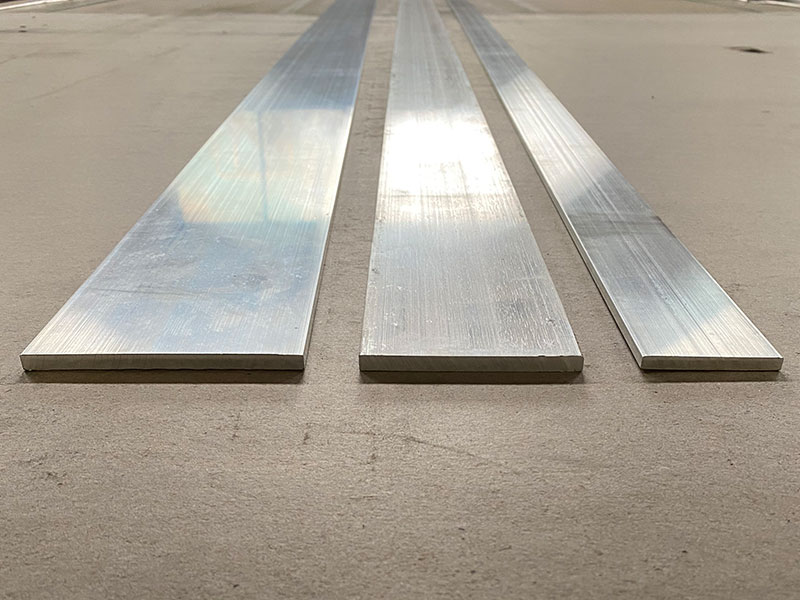
6061 T6 marine aluminum flat bar
6061 aluminum is classified as a heat-treatable 6xxx series alloy, alloyed primarily with magnesium and silicon. The T6 temper designation indicates that the flat bar has been solution heat-treated and artificially aged to achieve optimum strength and hardness.
View Details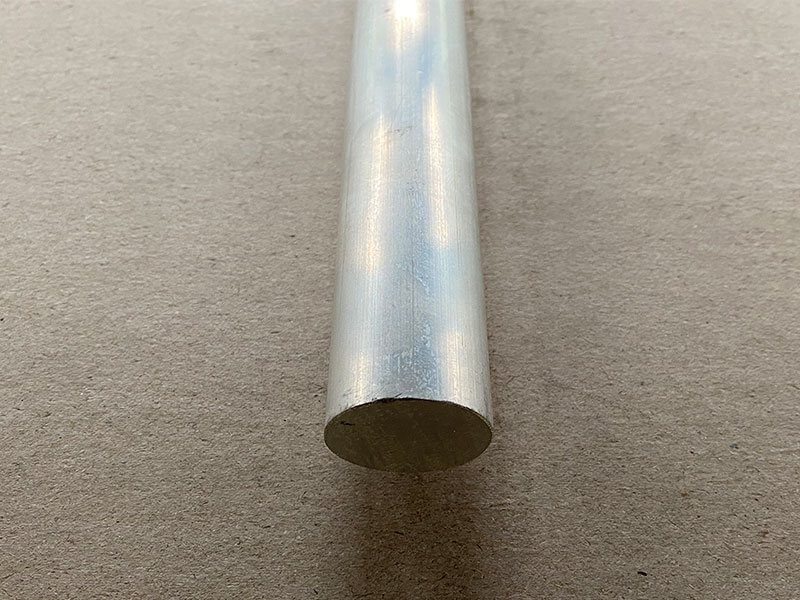
6061 marine aluminum round bar
6061 aluminum belongs to the 6xxx series alloys, alloyed primarily with magnesium and silicon. In the T6 temper, it undergoes solution heat treatment and artificial aging, resulting in enhanced mechanical properties while maintaining excellent corrosion resistance.
View Details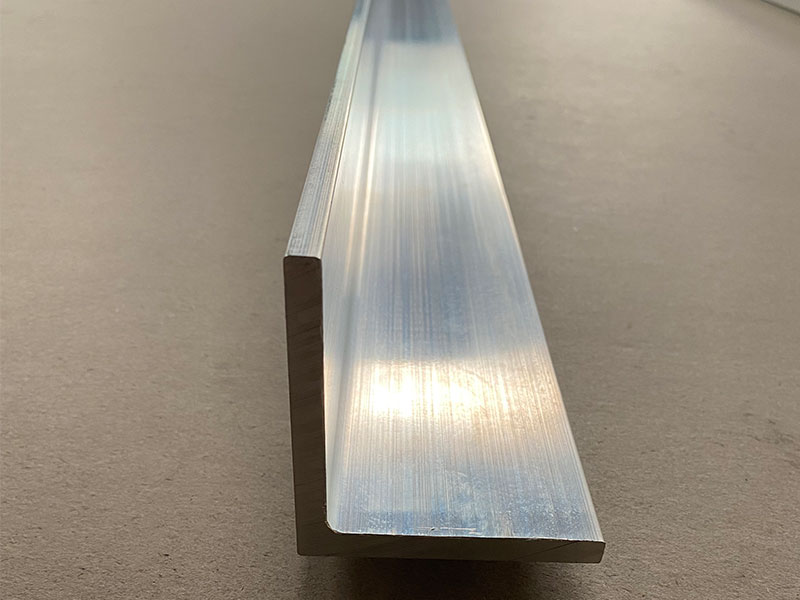
Marine aluminum angles
Marine Aluminum Angles are L-shaped cross-sectional aluminum profiles produced from marine-grade aluminum alloys such as 5083, 5052, and 6061.
View Details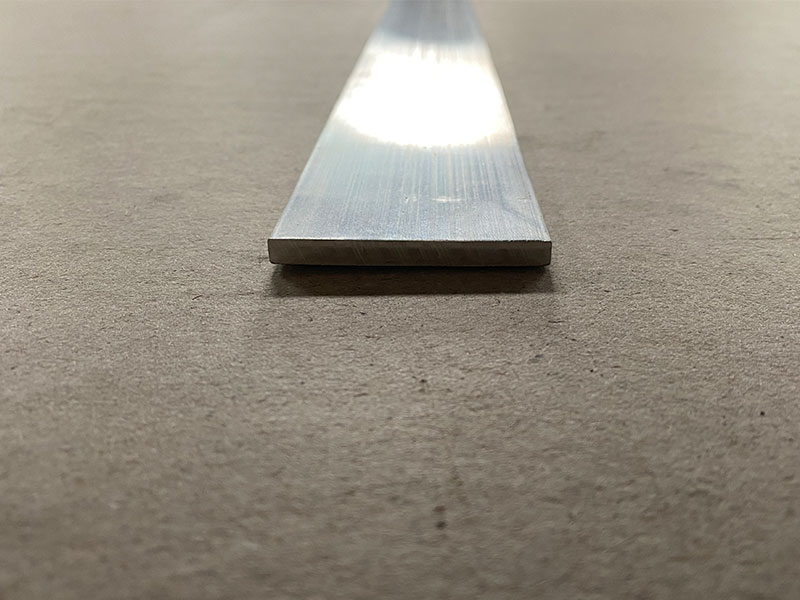
5083 marine aluminum flat bar
5083 aluminum flat bars belong to the 5xxx series of aluminum-magnesium alloys, known primarily for their superior resistance to seawater corrosion and salt spray.
View DetailsRelated Blog
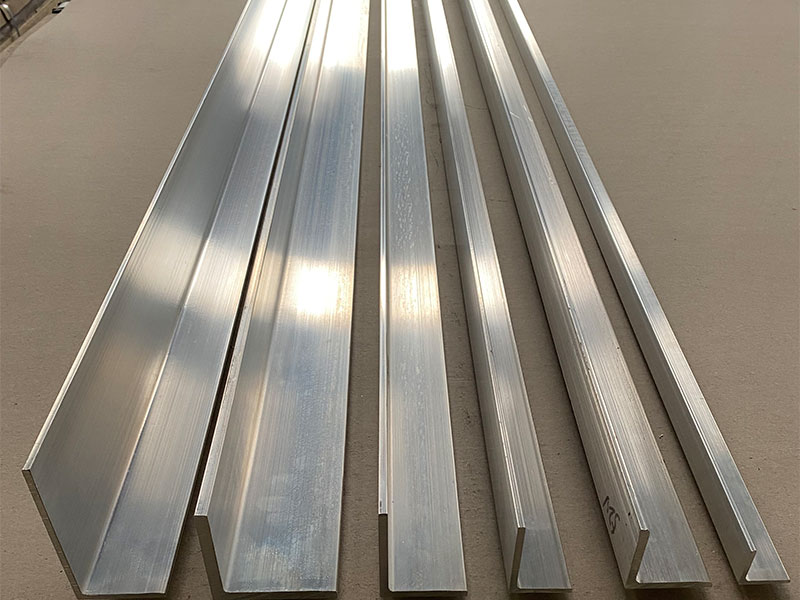
Marine Aluminum Round Bar for Durable Offshore Ship Parts
In the maritime industry, where durability, corrosion resistance, and structural integrity are paramount, choosing the right material for offshore ship parts is critical.
View Details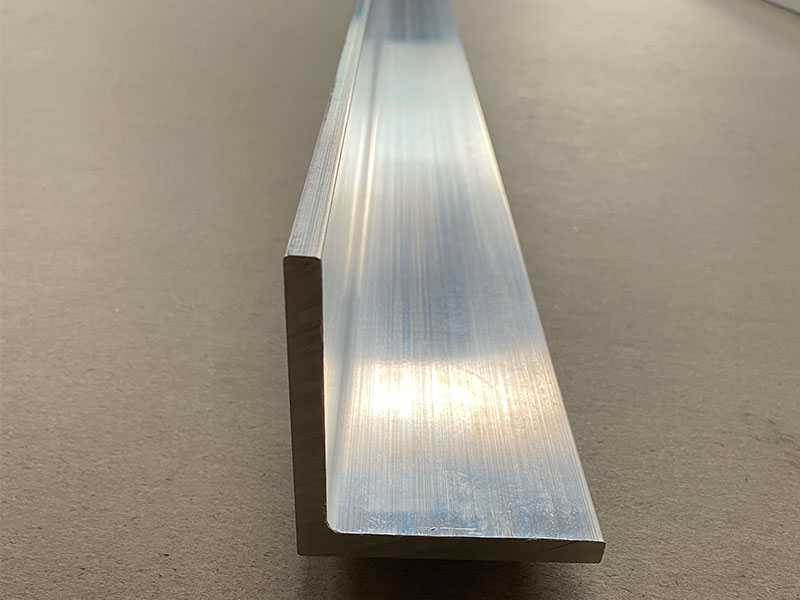
5083 Marine Aluminum Channels for Lightweight Boat Deck Design
The marine industry continually seeks efficiency and versatility in boat construction. Among the materials available, 5083 marine aluminum channels have emerged as a stellar choice for lightweight boat deck design.
View Details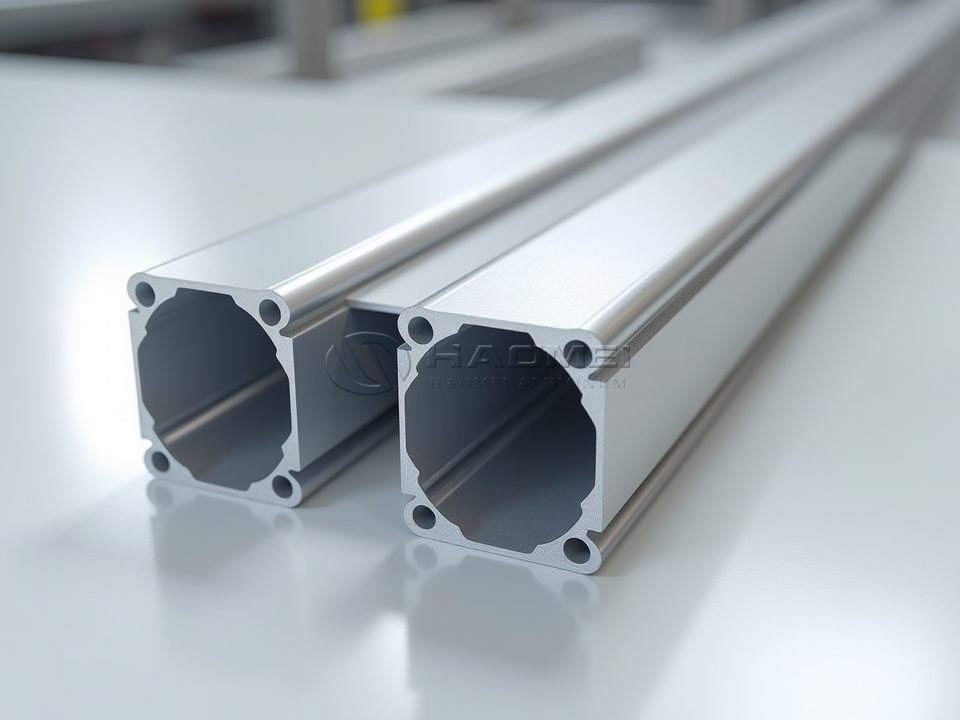
Marine Aluminum I Beams for Lightweight Ship and Boat Frame Construction
Marine aluminum I beams reduce vessel weight while delivering durable, corrosion-resistant support for boat frames, decks, cabins, and marine structures.
View Details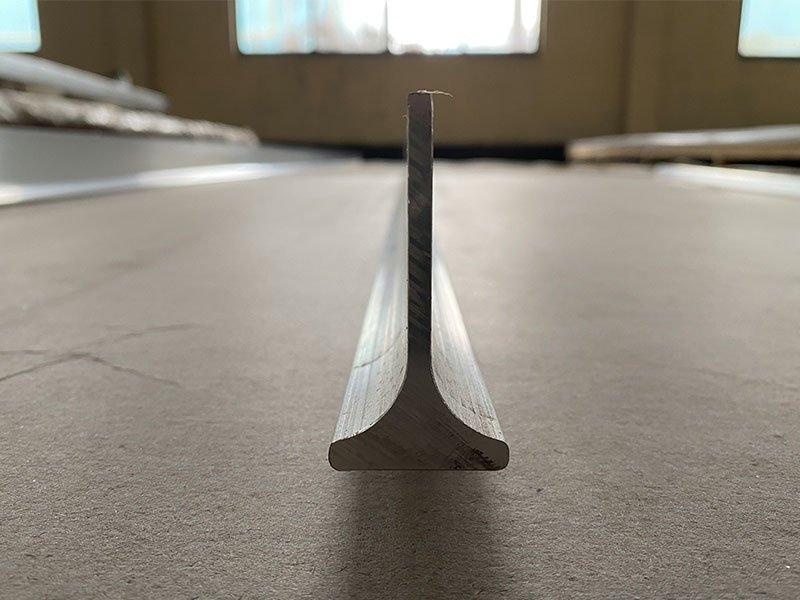
Marine Aluminum Angles for Offshore Boat Frame Reinforcement
In the realm of marine engineering, the design and construction of offshore boat frames are crucial for performance, safety, and longevity. Among the various materials available.
View Details
6061 T6 marine aluminum flat bar
6061 T6 marine aluminum flat bar is a widely used structural and fabrication material within the marine industry. Combining excellent strength, good corrosion resistance, weldability, and formability.
View Details
6061 Marine Aluminum Angles for High Strength Coastal Marine Parts
6061 Marine Aluminum Angles are premium-grade structural aluminum components widely used in the marine industry due to their exceptional strength, corrosion resistance, and versatility.
View Details
Leave a Message