
5083 Marine Aluminum Z Shaped Sections
5083 marine aluminum Z shaped sections are designed for builders who need a light, strong, and seawater-resistant structural profile. The Z form gives two offset flanges connected by a web, making it practical for stepped joints, overlapping panels, deck transitions, bulkhead edges, reinforcing ribs, and mounting rails. In marine fabrication, this shape helps solve alignment and support problems without adding unnecessary weight.
5083 aluminum belongs to the Al-Mg alloy family. It is widely selected for marine use because it performs well in saltwater, keeps good strength after welding, and resists cracking in demanding service. Unlike heat-treated alloys, 5083 gains much of its performance from magnesium solid-solution strengthening and controlled strain hardening. This makes it a reliable choice for welded boat structures, work platforms, pontoons, and offshore components.
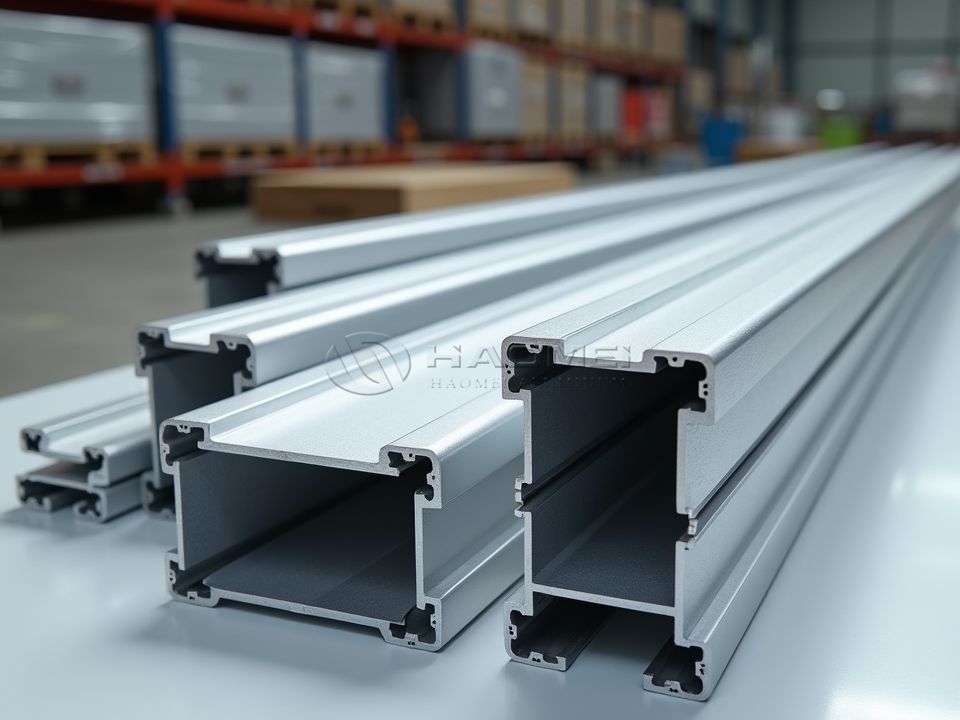
Why the Z Shape Works So Well at Sea
The value of a Z shaped section is not only in the alloy, but also in the geometry. The offset flanges allow one surface to sit above or behind another, forming a clean step between plates, panels, or frames. This makes the profile especially useful where a flat bar would need spacers, shims, or extra brackets.
In boatbuilding, small details matter. A Z section can stiffen a long panel edge, support a removable deck, protect a seam, or create a strong landing surface for fasteners. The profile can also help guide water runoff or separate dissimilar deck levels. Compared with heavier steel supports, 5083 aluminum reduces structural mass while maintaining excellent marine durability.
For related profiles in the same product family, buyers often compare Marine aluminum Z-shaped sections with angles, channels, flat bars, and T sections to match the load path and installation space.
Material Features Customers Care About
5083 marine aluminum Z shaped sections are favored because they combine corrosion resistance, weldability, and practical strength. The alloy is not easily attacked by seawater, coastal air, or splash-zone exposure when properly fabricated and maintained. It also accepts common marine welding methods such as MIG and TIG, usually with 5356 filler metal.
The material is suitable for structures where long-term fatigue performance and dimensional stability are important. Its good toughness at low temperatures also makes it useful for patrol boats, ferries, fishery vessels, and workboats operating in cold climates. When supplied in marine tempers such as H111, H112, H116, or H321, the section can meet different forming, strength, and corrosion-performance requirements.
| Parameter | Typical Value or Option | Customer Benefit |
|---|---|---|
| Alloy | 5083 aluminum | High marine corrosion resistance |
| Temper | H111, H112, H116, H321 | Options for forming, strength, and seawater service |
| Density | About 2.66 g/cm3 | Much lighter than steel |
| Weldability | Excellent | Suitable for welded hull and deck structures |
| Surface finish | Mill finish, brushed, coated, anodized where suitable | Adaptable to visible or hidden installations |
| Fabrication method | Formed, machined, cut, drilled, welded | Easy integration into boat assemblies |
| Common length | Custom cut lengths | Less waste and faster installation |
Chemical Composition of 5083 Aluminum
The strong marine behavior of 5083 comes mainly from its magnesium and manganese content. Magnesium improves strength and seawater resistance, while manganese supports structural performance and grain control. The low copper level is also important, since excessive copper can reduce corrosion resistance in marine environments.
| Element | Typical Composition Range |
|---|---|
| Magnesium, Mg | 4.0-4.9% |
| Manganese, Mn | 0.40-1.00% |
| Chromium, Cr | 0.05-0.25% |
| Iron, Fe | 0.40% max |
| Silicon, Si | 0.40% max |
| Zinc, Zn | 0.25% max |
| Copper, Cu | 0.10% max |
| Titanium, Ti | 0.15% max |
| Aluminum, Al | Balance |
Actual values depend on the production standard and mill certificate. For marine projects, customers should request chemical and mechanical test reports, especially when the sections will be used in classed vessels or offshore structures.
Mechanical Performance
Strength values vary with temper, section thickness, forming method, and inspection standard. The figures shown here are typical reference ranges for marine-grade 5083 products and should be confirmed before final design approval.
| Temper | Tensile Strength | Yield Strength | Typical Use |
|---|---|---|---|
| H111 | About 275 MPa min | About 125 MPa min | General marine forming and welded structures |
| H112 | About 270 MPa min | About 125 MPa min | Fabricated sections and structural parts |
| H116 | About 305 MPa min | About 215 MPa min | Seawater-exposed plates and structural members |
| H321 | About 305 MPa min | About 215 MPa min | Marine applications needing stable corrosion behavior |
Because 5083 is non-heat-treatable, welding does not cause the same strength-loss pattern seen in some heat-treated alloys. This is a major advantage for builders producing welded boat frames, deck beams, and stiffeners.
Practical Applications
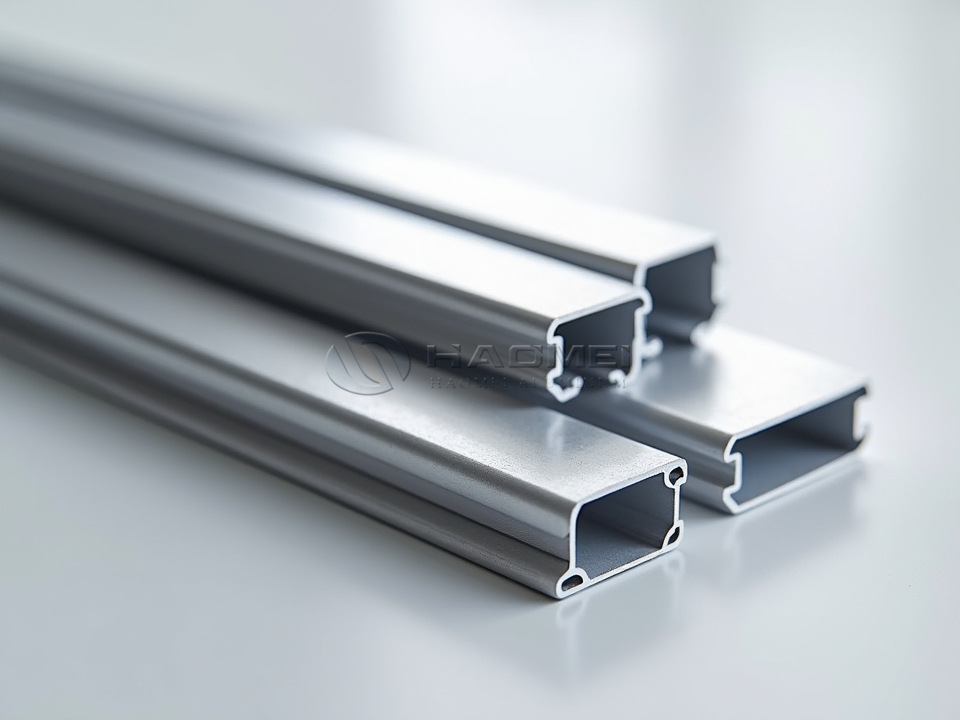
5083 marine aluminum Z shaped sections are used wherever a stepped support, offset flange, or compact stiffener is needed. In hull construction, they can reinforce panel edges, support internal partitions, and create landing points for welded or mechanically fastened plates. On decks, they are used for hatches, removable floor panels, raised walking surfaces, equipment bases, and drainage transitions.
In commercial vessels, the profiles are often found around engine rooms, fish holds, storage compartments, battery areas, and service walkways. Their corrosion resistance makes them suitable for wet spaces that experience washdown, condensation, and salt spray. In smaller craft, they help reduce weight while keeping the structure rigid and clean.
Dock and pontoon builders also use these sections for frames, edge supports, access platforms, gangways, and modular marine structures. The Z shape allows panels to overlap neatly, improving assembly speed and alignment. For projects that require a combination of profiles, 5083 marine aluminum flat bar is often paired with Z sections for brackets, tie plates, and reinforcement strips.
Design and Ordering Considerations
A good Z section starts with a clear drawing. Customers should define web height, flange width, thickness, inside radius, length tolerance, hole pattern, and surface finish. For formed 5083 profiles, the bend radius is especially important. Too small a radius can increase cracking risk, while a well-designed radius improves strength and appearance.
Fastening method should also be considered early. Welded joints offer high rigidity, while bolted or riveted joints may be better for removable deck systems and maintenance panels. If stainless steel fasteners are used, insulation or sealant may be needed to reduce galvanic corrosion. Drainage paths should remain open so trapped seawater does not sit against the aluminum for long periods.
Surface treatment depends on the service environment. Mill finish is common for hidden structural components. Brushed or coated surfaces may be chosen for visible areas. In many marine structures, correct fabrication, smooth edges, compatible fasteners, and regular rinsing are just as important as the finish itself.
Built for Boats That Work Hard
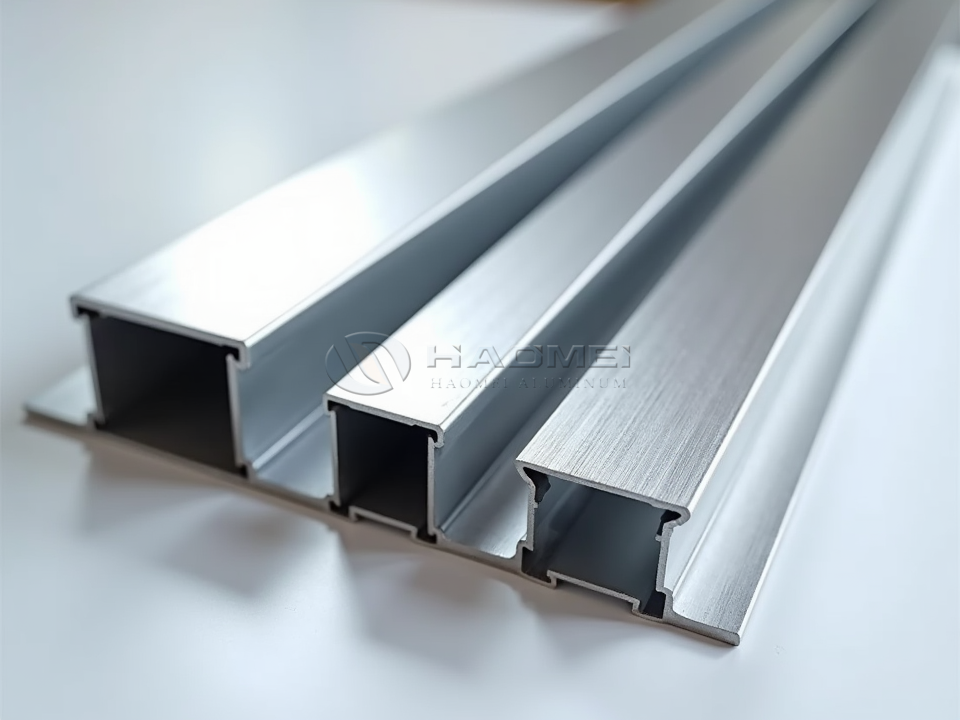
5083 marine aluminum Z shaped sections give designers a compact way to add strength, alignment, and corrosion resistance to marine structures. They are light enough for efficient vessel construction yet strong enough for demanding duty in saltwater environments. From deck frames and hull stiffeners to dock edges and equipment supports, this profile helps create cleaner assemblies with fewer added parts.
For customers seeking a dependable marine aluminum solution, 5083 Z shaped sections deliver a strong balance of weldability, seawater resistance, forming capability, and long service life.

Related Products
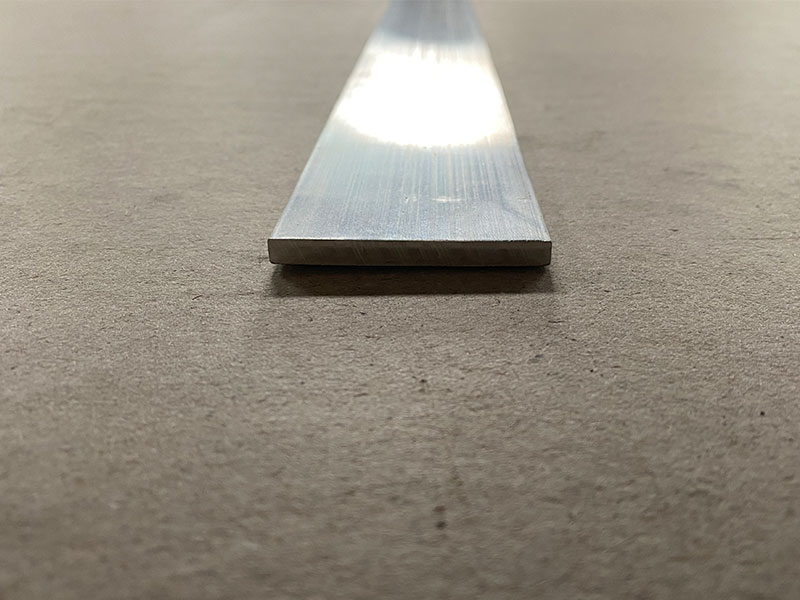
5083 marine aluminum flat bar
5083 aluminum flat bars belong to the 5xxx series of aluminum-magnesium alloys, known primarily for their superior resistance to seawater corrosion and salt spray.
View Details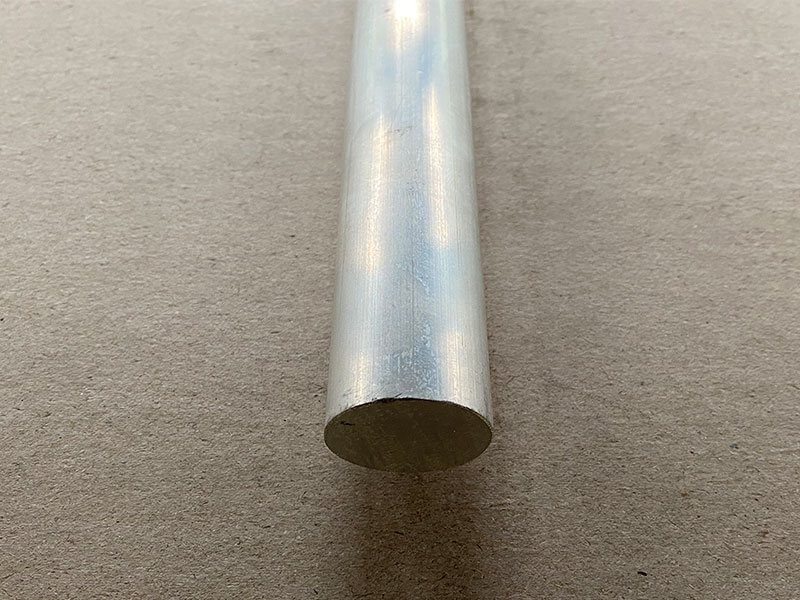
6061 marine aluminum round bar
6061 aluminum belongs to the 6xxx series alloys, alloyed primarily with magnesium and silicon. In the T6 temper, it undergoes solution heat treatment and artificial aging, resulting in enhanced mechanical properties while maintaining excellent corrosion resistance.
View Details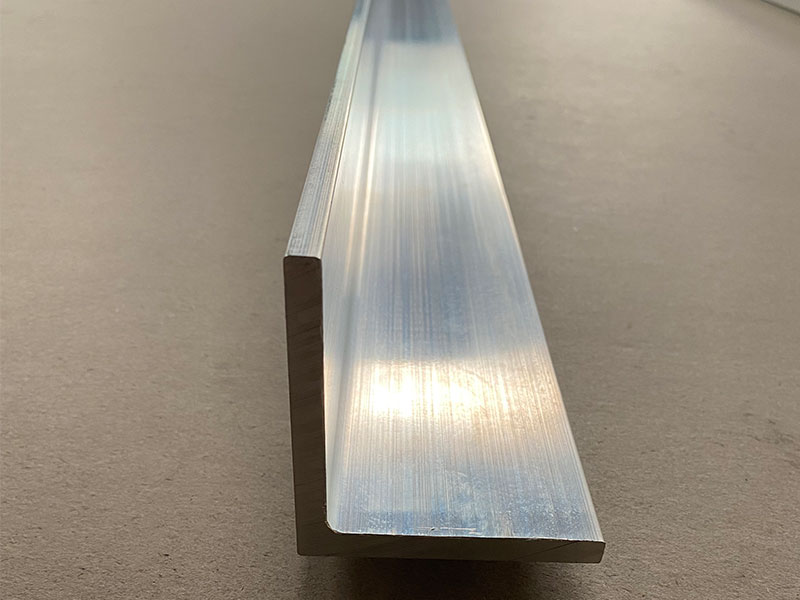
Marine aluminum angles
Marine Aluminum Angles are L-shaped cross-sectional aluminum profiles produced from marine-grade aluminum alloys such as 5083, 5052, and 6061.
View Details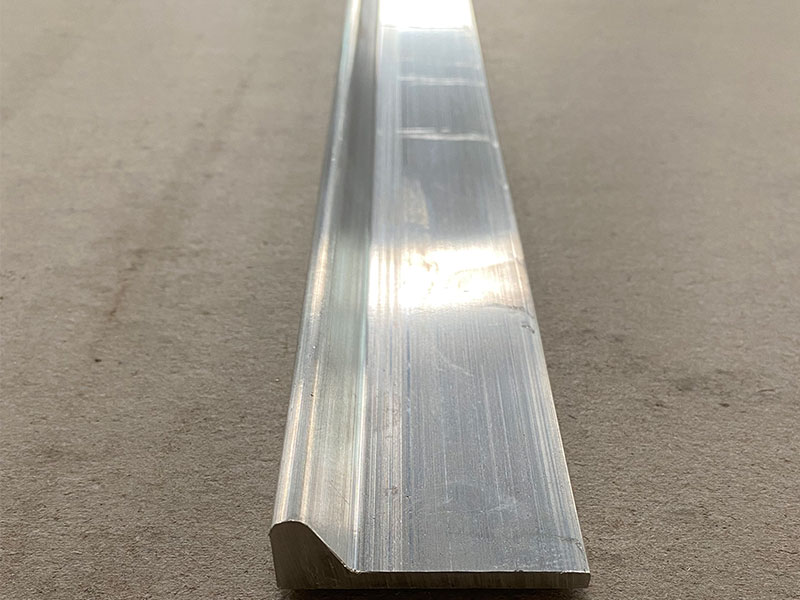
Marine aluminum I-beams
Marine Aluminum I-Beams feature the traditional “I” cross-sectional profile fabricated from marine-grade aluminum alloys like 5083, 5086, and 6061. These alloys are renowned for their outstanding corrosion resistance, especially in saltwater and marine atmospheres, making them ideal for offshore and naval construction.
View Details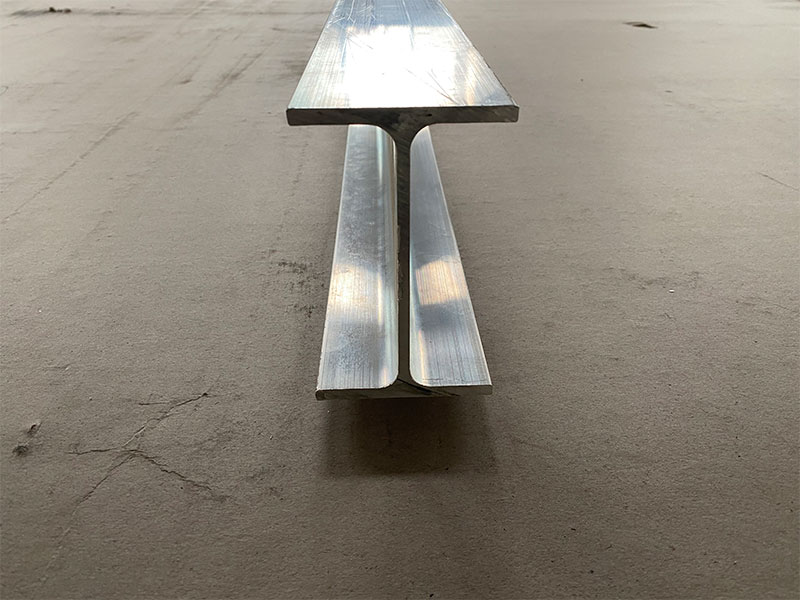
Marine aluminum Z-shaped sections
Marine Aluminum Z-shaped Sections are fabricated from premium marine-grade aluminum alloys such as 5083, 5052, and 6061. These alloys are well-regarded for their superior corrosion resistance in seawater and marine atmospheres, along with good mechanical strength and excellent weldability.
View Details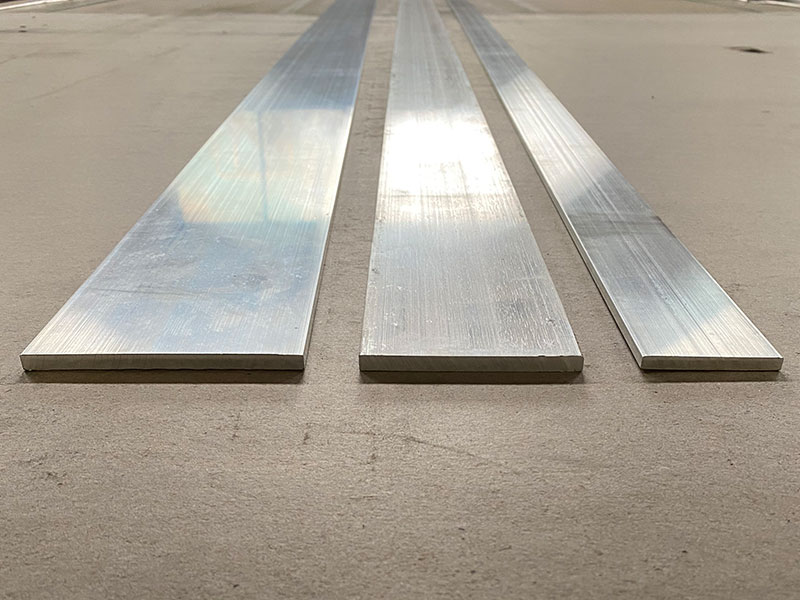
6061 T6 marine aluminum flat bar
6061 aluminum is classified as a heat-treatable 6xxx series alloy, alloyed primarily with magnesium and silicon. The T6 temper designation indicates that the flat bar has been solution heat-treated and artificially aged to achieve optimum strength and hardness.
View DetailsRelated Blog
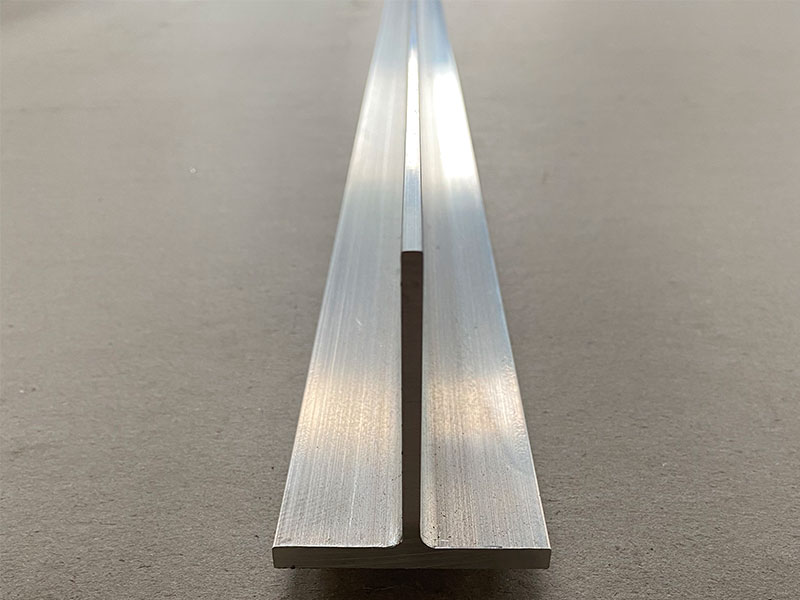
5083 Marine Aluminum I Beams for Heavy Duty Coastal Engineering Parts
5083 marine aluminum I beams are purpose-built structural sections designed for harsh coastal environments where salt spray, tidal wetting, and long service life are non-negotiable.
View Details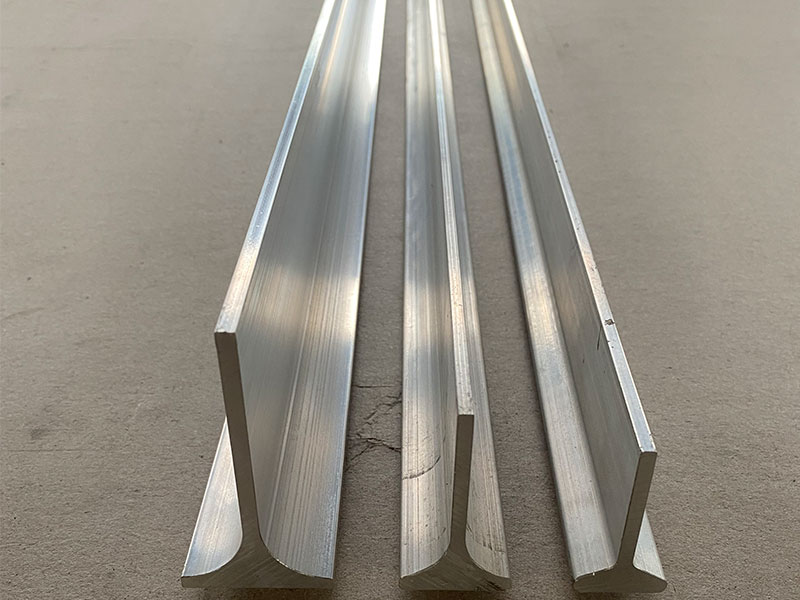
6061 Marine Aluminum Angles for Lightweight Boat Hull Frame Solutions
6061 Marine Aluminum Angles for Lightweight Boat Hull Frame Solutions: Strength You Can "Tune" Like a Hull StringerIn a lightweight boat hull frame, an angle is rarely "just an angle.
View Details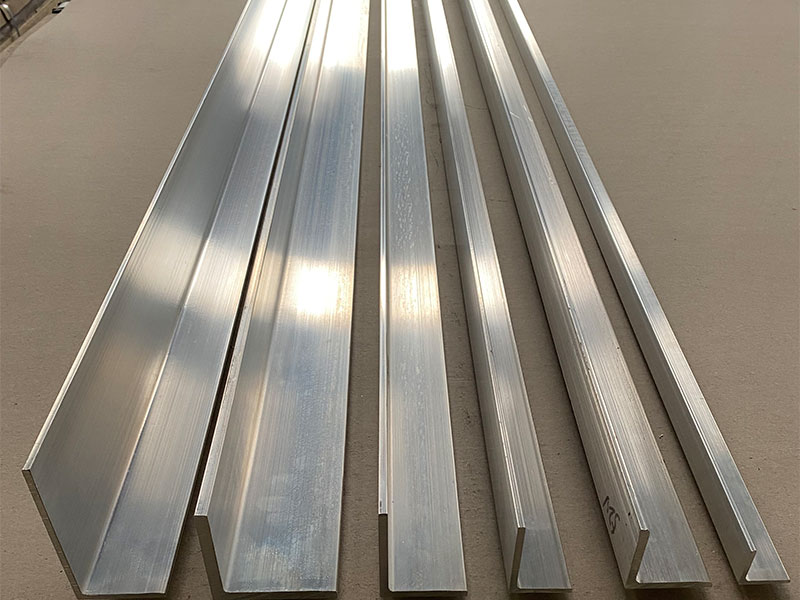
6061 Marine Aluminum Z Shaped Sections for Saltwater Resistant Engineering
In the world of marine construction, material selection is critical for ensuring durability, strength, and resistance to harsh environmental conditions.
View Details
6061 Marine Aluminum Rod & Bar for Durable Boat Deck Design
When it comes to crafting a boat deck that not only withstands the rigorous marine environment but also elevates performance and longevity, the choice of material is paramount.
View Details
Marine Aluminum Angles for Custom Marine Equipment Fabrication
The marine industry evolves constantly, demanding innovation in materials to meet the challenges posed by harsh environments, stringent regulations, and above all, the need for efficiency and durability.
View Details
Marine Grade Aluminum Angle Circle 5083 5086 5383
Technical guide to marine grade aluminum angle and circle in 5083, 5086, 5383, covering standards, tempers, corrosion resistance, and uses.
View Details
Leave a Message