
Aluminum Sheet 5083 H321 For Marine
A boat hull is not simply a collection of panels. It is a working skin that receives wave impact, vibration, cargo loads, mooring stress, and constant exposure to salt spray. For this reason, material selection should consider more than initial strength. It should also consider weld behavior, corrosion resistance, forming practicality, and how the metal performs after years on the water.
Aluminum Sheet 5083 H321 for Marine is widely selected for these demanding conditions. It is a non-heat-treatable aluminum-magnesium alloy developed for environments where seawater corrosion resistance and dependable welded performance matter. From fishing boats and patrol vessels to ferries, workboats, landing craft, and yacht hull structures, 5083 H321 helps builders create lightweight vessels without sacrificing structural confidence.
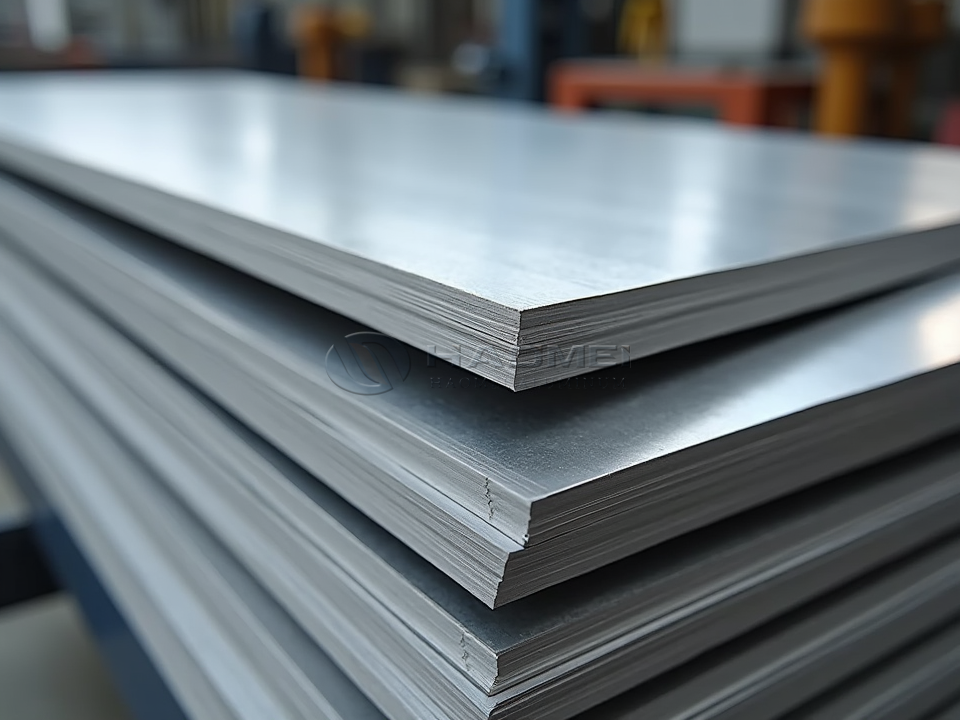
Why the H321 Temper Matters at Sea
The alloy designation tells only part of the story. The H321 temper has a direct influence on how 5083 sheet behaves during fabrication and service.
H321 indicates that the sheet has been strain hardened and then stabilized. This process delivers a useful balance of strength, formability, and resistance to corrosion-related structural degradation. Marine hull panels can be exposed to long-term stress, humidity, salt deposits, and changing temperatures. A properly produced H321 sheet is intended to remain reliable under those real vessel conditions.
Compared with softer O-temper 5083, H321 generally provides higher strength for applications where panel stiffness and load-bearing capacity are important. It can be a practical option for hull plating, side shells, decks, bulkheads, superstructures, and internal structural components. The right temper still depends on the part being produced. Tighter bends, deeply formed sections, or components with extensive shaping may require a softer temper or a carefully planned forming method.
For buyers, the important question is not only, "Is this 5083?" It is also, "Is this 5083 H321 supplied with the mechanical properties, dimensional consistency, and marine documentation required for my vessel design?"
Built Around Saltwater Exposure
Seawater is a difficult environment because damage is rarely caused by one factor alone. Chlorides, stagnant water, salt deposits, crevice conditions, dissimilar-metal contact, and inadequate drainage can all shorten the life of a marine structure.
5083 contains magnesium as its principal alloying element, supported by manganese and chromium. This composition gives the alloy very good resistance to general corrosion in marine atmospheres and seawater service. It is one reason 5xxx-series aluminum alloys remain central to aluminum vessel construction.
The material should still be treated as part of a complete corrosion-control system. Good design remains essential. Builders should avoid water traps, provide drainage, isolate aluminum from more noble metals where necessary, and maintain protective coatings in areas exposed to abrasion or persistent moisture. Bolts, fittings, tanks, copper-bearing materials, and shore-power systems all deserve attention because galvanic corrosion can occur when incompatible materials are connected in a wet electrolyte.
When comparing available Marine Grade Aluminum Sheets, 5083 H321 is often chosen where a vessel needs higher strength than many general-purpose aluminum sheets while retaining strong resistance to seawater exposure.
Strength That Supports Lighter Vessel Design
One of the most valuable qualities of 5083 H321 is the opportunity to reduce structural weight. Aluminum is significantly lighter than steel, allowing designers to lower displacement, improve payload potential, reduce fuel consumption, or increase speed potential depending on the vessel type.
Weight reduction is not merely a performance benefit. It can shape how a vessel operates every day. A lighter patrol boat may accelerate faster. A workboat may carry more equipment. A passenger ferry may use less energy over repeated routes. A recreational vessel may gain useful space or cruising range.
However, lightweight design should never mean selecting the thinnest possible panel. Plate thickness must be determined by vessel rules, frame spacing, expected impact loads, bottom slamming conditions, stiffener layout, and intended service. A fast vessel operating in rough water may need substantially different hull plating from a sheltered-water utility boat, even if both are built with 5083 H321.
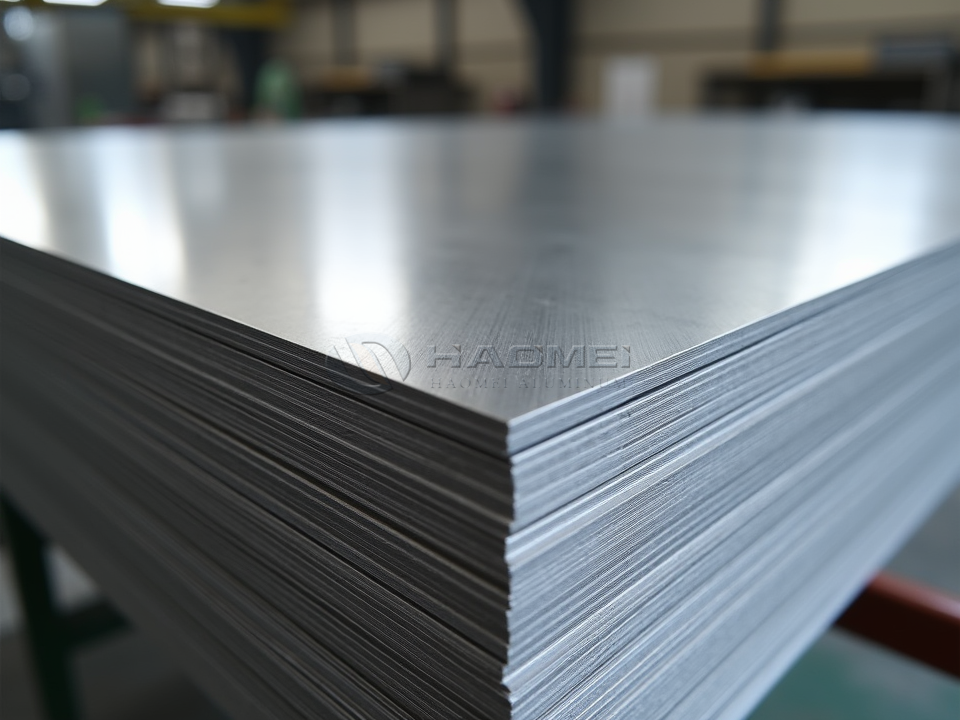
Welding Is Where Material Choices Become Real
Marine aluminum fabrication is often judged by the quality of the welded structure rather than the appearance of raw sheet. 5083 H321 is well suited to conventional MIG and TIG welding practices, which makes it valuable for large welded hulls and complex assemblies.
The heat-affected zone adjacent to a weld will soften compared with the original H321 base material. This is normal for strain-hardened 5xxx aluminum and must be included in structural design calculations. Designers should use appropriate allowable values for welded areas rather than assuming the entire panel retains its unwelded strength.
Compatible filler metals such as 5183, 5356, or other fillers selected for the joint design and service condition are commonly used. Clean preparation is vital. Aluminum oxide, moisture, oil, workshop dust, and steel contamination can lead to porosity, poor fusion, or reduced weld quality. Correct shielding gas, equipment settings, joint fit-up, and qualified welders are equally important.
A good marine hull is therefore not created by alloy selection alone. It is created through the partnership of certified material, sound engineering, clean fabrication, and inspection discipline.
What to Specify When Purchasing 5083 H321 Sheet
A purchase order should communicate the vessel requirement clearly rather than naming only the alloy. Thickness, width, length, temper, surface condition, dimensional tolerances, and applicable standards should be confirmed before production begins. Many marine projects also require traceability documents, mill test certificates, chemistry results, mechanical-property reports, ultrasonic testing where specified, and classification-society approval.
For hull work, buyers may request 5083 H321 plate supplied in accordance with relevant marine plate specifications, such as ASTM B928 when applicable. If the material will be used in a classed vessel, confirm the required approval from the applicable classification organization before placing the order. This prevents the costly situation of having suitable-looking material that cannot be accepted in the final construction record.
Surface protection during delivery also matters. Sheets should arrive dry, securely packed, and protected from rubbing damage, standing water, and contamination during storage. Store aluminum away from direct ground contact and avoid prolonged contact with wet packaging materials.
For projects requiring dedicated hull stock, a Marine 5083 aluminum sheet program can help align temper, thickness range, certification, and shipment format with production requirements.
Where 5083 H321 Performs Best
This alloy is particularly suitable for components that combine seawater exposure with structural duty. Typical uses include hull bottoms, side plating, transoms, decks, longitudinal members, bulkheads, wheelhouse structures, tanks, and offshore work platforms. It is also valued in vessels that must withstand frequent loading cycles, vibration, and hard operational use.
Its role is especially strong in welded structures where corrosion resistance must remain dependable after fabrication. For decorative trim, low-load interior fittings, or heavily formed small parts, another alloy or temper may sometimes be more economical or easier to process. Selecting metal by function rather than habit helps avoid unnecessary cost and fabrication difficulty.
A Practical Choice for Long-Term Vessel Value
Aluminum Sheet 5083 H321 for Marine earns its reputation through balance. It combines high strength for a non-heat-treatable alloy, strong saltwater corrosion resistance, good weldability, and the weight-saving advantages that make aluminum boats attractive.
The best result comes from matching the sheet to the structure, service route, fabrication method, and certification requirement. When thickness, temper, welding practice, and corrosion-control details are properly coordinated, 5083 H321 becomes more than hull plating. It becomes a durable foundation for a vessel built to keep working season after season.

Related Products
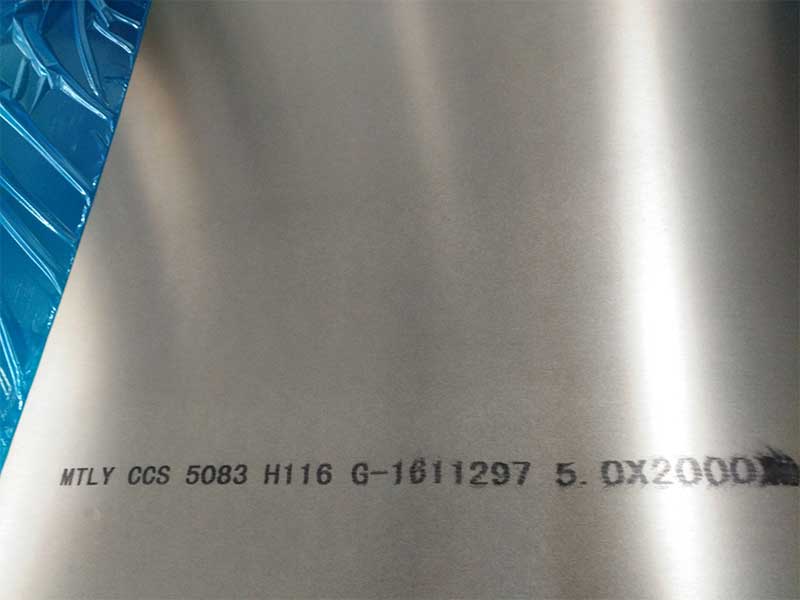
Marine 5083 aluminum sheet
Aluminum alloy 5083 is a non-heat-treatable alloy primarily composed of magnesium and trace elements that deliver outstanding protection against corrosion, particularly in seawater and saline atmospheres.
View Details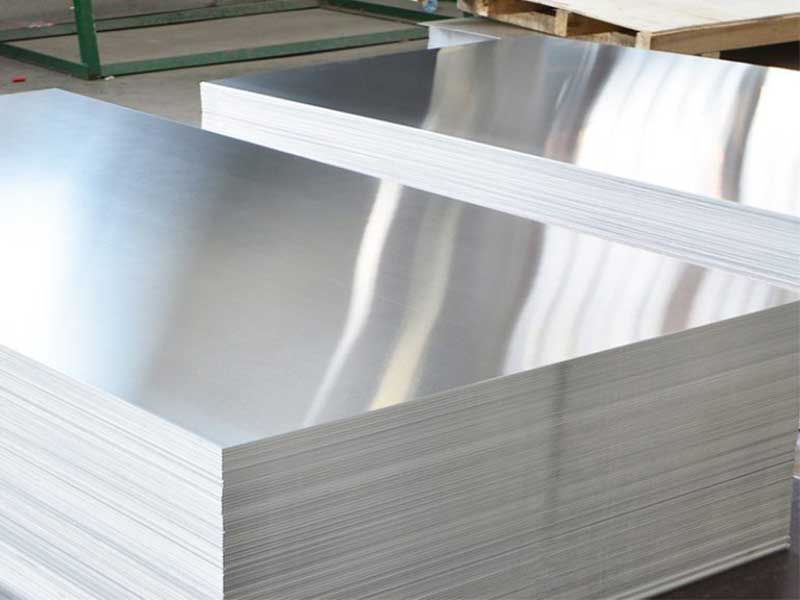
Marine anodized aluminum sheets
Marine Anodized Aluminum Sheets start with premium marine-grade aluminum alloys such as 5000 and 6000 series (typically 5083, 5052, and 6061).
View Details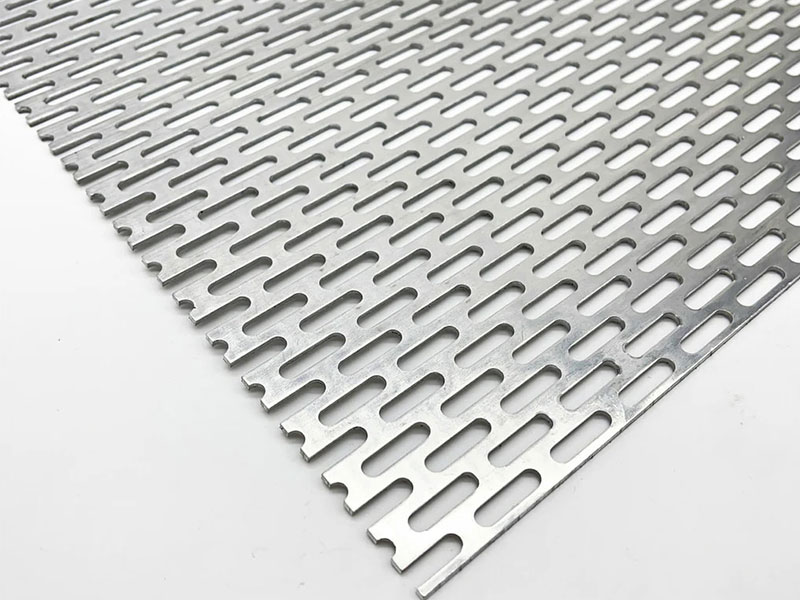
Marine perforated aluminum sheets
Marine Perforated Aluminum Sheets feature a series of uniform holes or shapes punched through the aluminum surface. These perforations can vary in size, pattern, and open area to tailor the sheets for specific applications.
View Details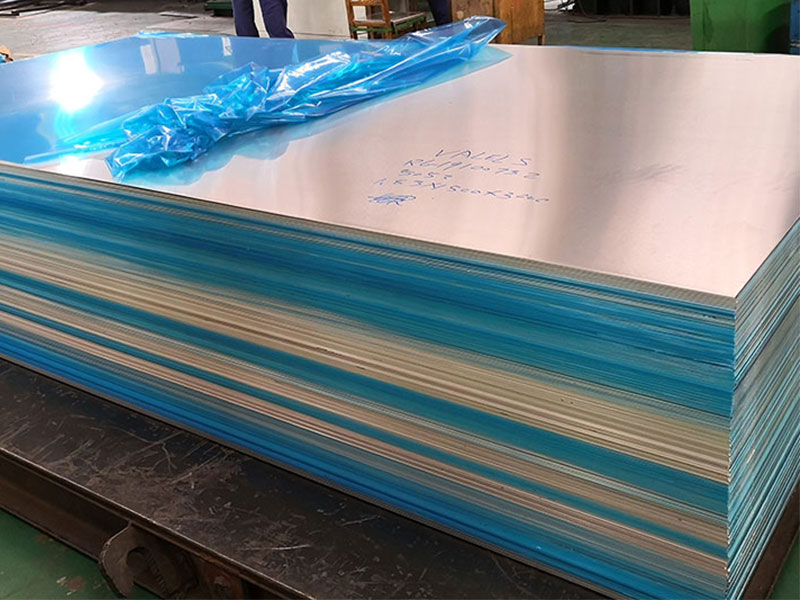
Marine 5059 aluminum sheet
5059 aluminum alloy is a strain-hardened material with a unique addition of magnesium and chromium, which provides outstanding resistance to localized corrosion like pitting and stress corrosion cracking.
View Details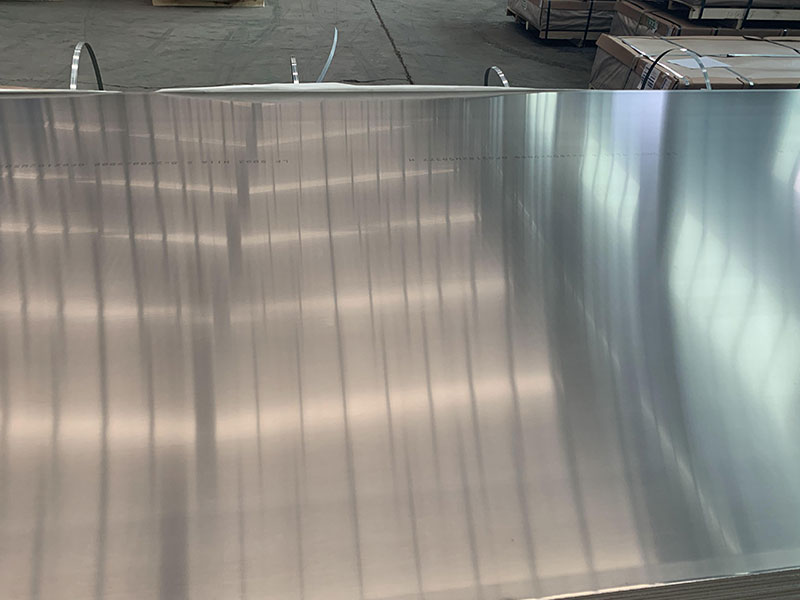
Marine 5383 aluminum sheet
5383 aluminum is a strain-hardened, non-heat-treatable alloy from the 5xxx series primarily alloyed with magnesium. It exhibits a unique balance of corrosion resistance and mechanical properties particularly suited for marine applications.
View Details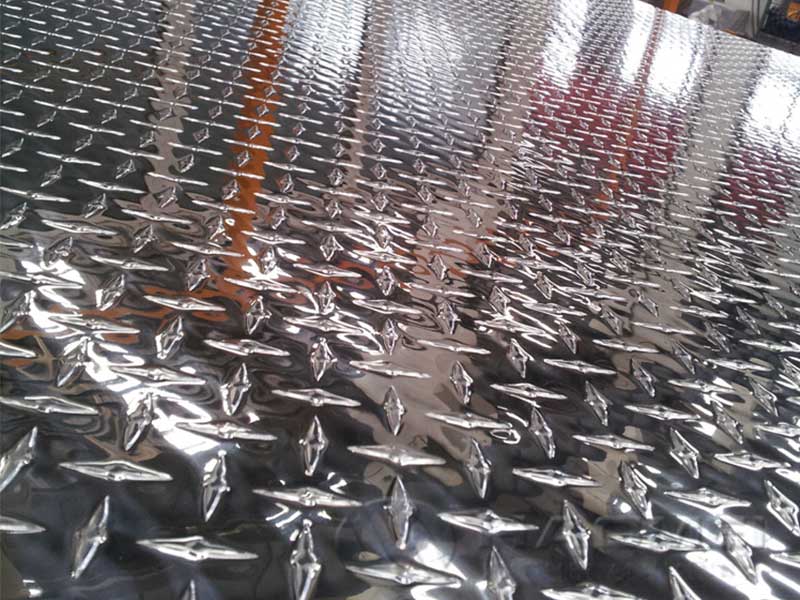
Marine Aluminum Tread Sheets
Marine Aluminum Tread Sheets are aluminum alloy plates featuring a raised surface pattern, commonly referred to as a tread design or diamond plate.
View DetailsRelated Blog
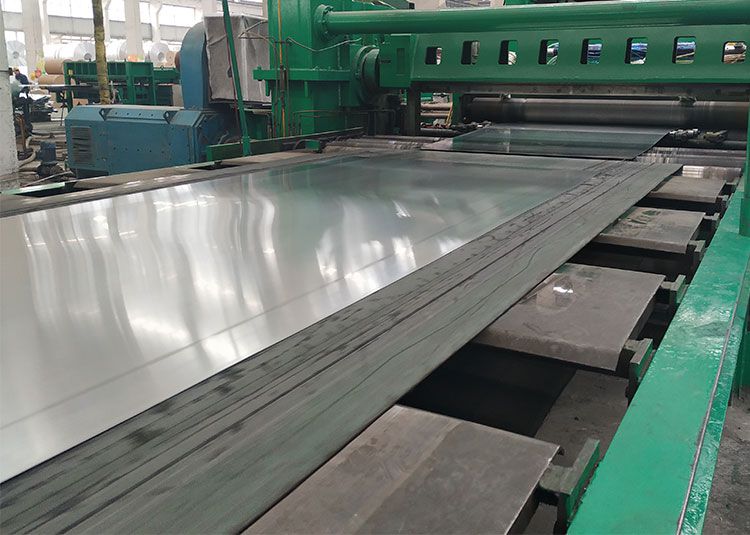
Aluminum sheet for boat 5083 5052 5754
When selecting aluminum sheets for marine applications, particularly boats, alloy choice plays a vital role in ensuring durability, corrosion resistance, and mechanical strength.
View Details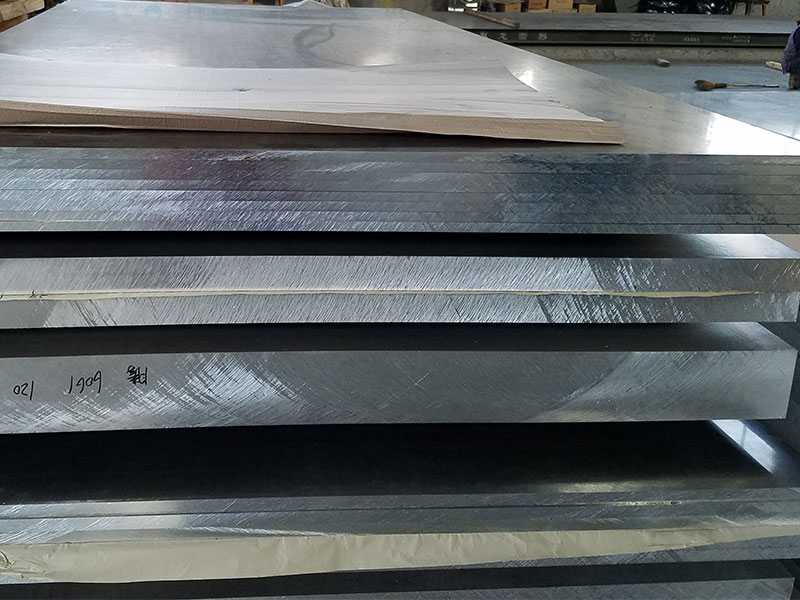
Aluminum foil 0.5mm Thick 5000 Series Marine Grade
Aluminum Foil 0.5mm Thick 5000 Series Marine Grade: A "Sealing Skin" for Real-World Marine WorkWhen people hear "aluminum foil," they often imagine thin kitchen wrap.
View Details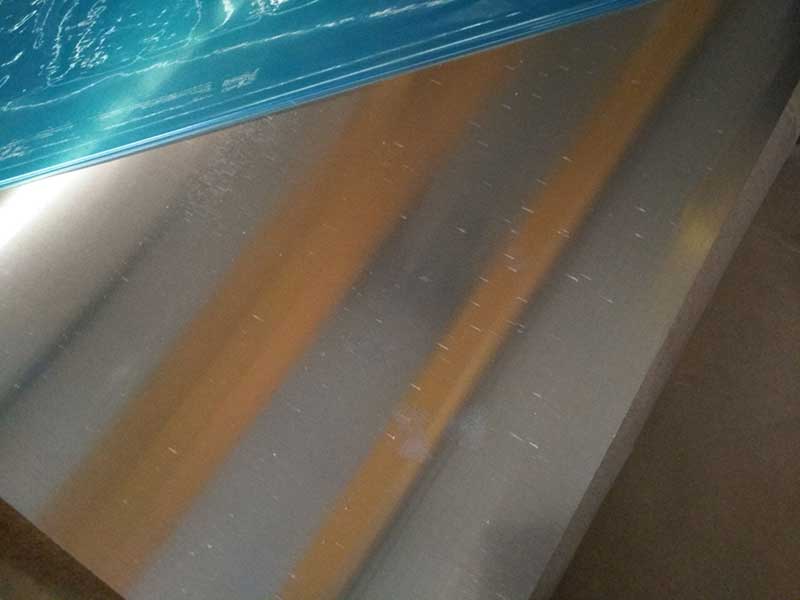
5083 H321 Marine Grade Aluminium Sheet
5083 H321 Marine Grade Aluminium Sheet: The "Working Hull Skin" That Thrives Where Steel Gets TiredIn marine design, the ocean is not just a backdrop-it is a relentless testing machine.
View Details
Marine Grade 5083 Aluminum Plate
Learn how marine grade 5083 aluminum plate performs in hulls, decks, and structures through corrosion resistance, welding, temper, and fabrication choices.
View Details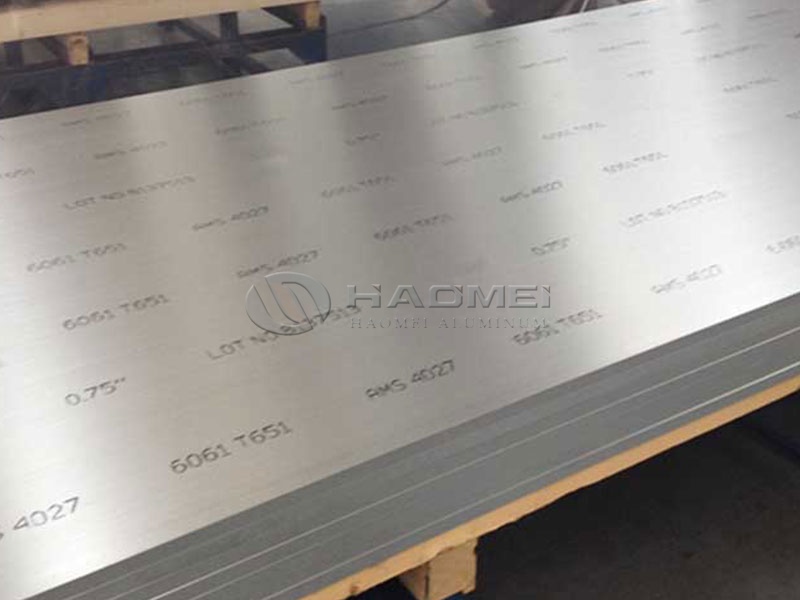
6061 Marine Anodized Aluminum Sheets
Explore 6061 marine anodized aluminum sheets, with corrosion resistance, stable strength, clean finish, fabrication data, and boat component guidance.
View Details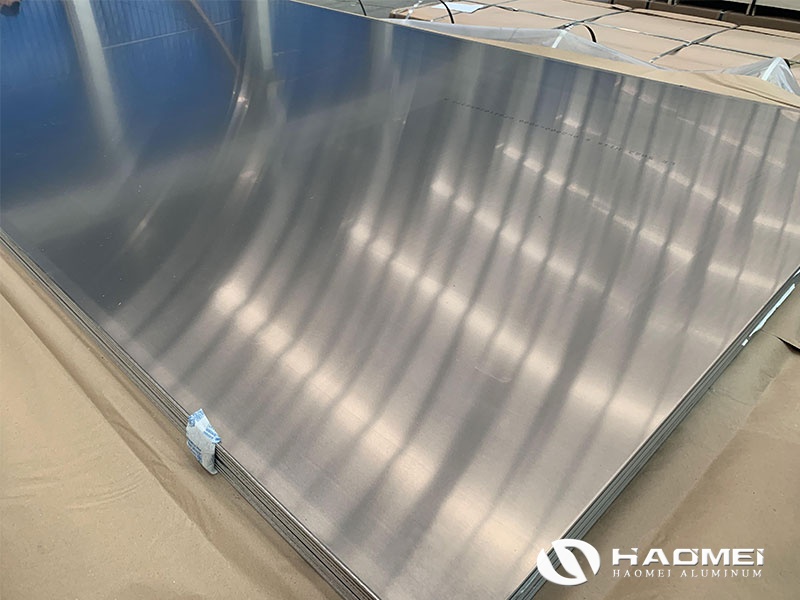
Marine Aluminum Tread Sheets
Marine aluminum tread sheets provide lightweight, corrosion-resistant, slip-resistant flooring for decks, walkways, platforms, and marine equipment.
View Details
Leave a Message