
6061 Marine Aluminum I Beams for Custom Offshore Marine Engineering
6061 marine aluminum I beams are engineered structural profiles for offshore facilities, workboats, access platforms, equipment skids, gangways, and lightweight vessel structures. Their familiar I-shaped geometry places material in the flanges, where bending stresses are highest, while the central web maintains shear strength with reduced weight. This efficient layout helps marine engineers create rigid structures without the mass penalty of steel.
For custom offshore marine engineering, 6061 aluminum delivers an attractive balance of strength, machinability, weldability, and atmospheric corrosion resistance. Extruded I beams can be supplied in standard or custom dimensions, then cut, drilled, machined, bent where geometry permits, and assembled into purpose-built marine frames.
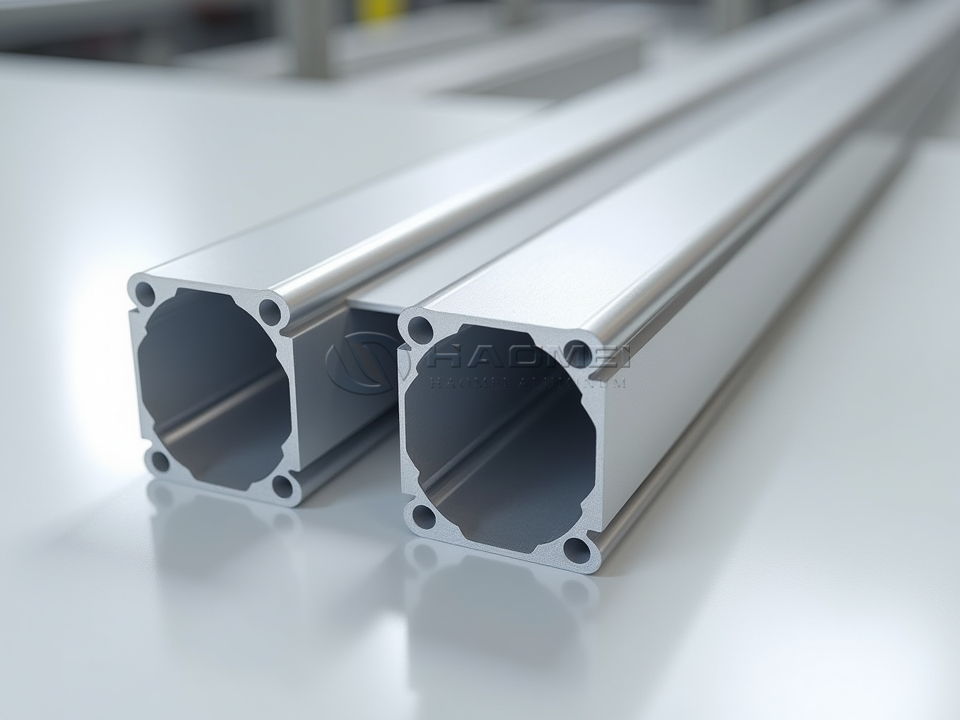
Performance Features for Marine Structures
| Feature | Practical Benefit for Offshore Engineering |
|---|---|
| High strength-to-weight ratio | Reduces structural dead load, lifting demand, fuel use, and support requirements. |
| I-beam load efficiency | Wide flanges resist bending while the web carries shear forces efficiently. |
| Good corrosion resistance | Performs well in marine atmospheres when correctly designed, isolated, and protected. |
| Excellent machinability | Supports accurate drilling, milling, slotting, end preparation, and connection details. |
| Heat-treatable alloy | T6 temper provides high mechanical strength for demanding structural members. |
| Extrusion flexibility | Enables tailored flange widths, web thicknesses, radii, channels, and integrated fastening features. |
| Recyclable material | Aluminum can be recycled repeatedly, supporting lower-impact material strategies. |
6061 is an Al-Mg-Si alloy strengthened through precipitation hardening. The magnesium and silicon content forms magnesium silicide during heat treatment, enabling the alloy to reach useful structural strength in T6 and T651 conditions. For offshore fabrications, beam selection should consider actual design loads, unsupported span, lateral restraint, connection design, fatigue exposure, and the corrosion environment rather than strength values alone.
Chemical Composition of 6061 Aluminum
| Element | Specified Content, % by Weight |
|---|---|
| Silicon (Si) | 0.40-0.80 |
| Iron (Fe) | 0.00-0.70 |
| Copper (Cu) | 0.15-0.40 |
| Manganese (Mn) | 0.00-0.15 |
| Magnesium (Mg) | 0.80-1.20 |
| Chromium (Cr) | 0.04-0.35 |
| Zinc (Zn) | 0.00-0.25 |
| Titanium (Ti) | 0.00-0.15 |
| Other elements, each | 0.05 maximum |
| Other elements, total | 0.15 maximum |
| Aluminum (Al) | Balance |
Common Tempers and Mechanical Data
Temper choice affects strength, forming response, residual stress behavior, and fabrication planning. T6 is widely selected for extruded marine I beams requiring high strength. T651 may be specified for machined components where stress relief is beneficial. Welding locally reduces the strength of heat-affected zones, so welded structures require engineering calculations based on applicable welded-condition allowables.
| Temper | Typical Product Form | Tensile Strength | Yield Strength | Elongation | Suitable Use |
|---|---|---|---|---|---|
| 6061-T6 | Extruded I beam | 290 MPa | 240 MPa | 8-12% | Structural framing, deck supports, crane access structures |
| 6061-T651 | Stress-relieved product | 290 MPa | 240 MPa | 8-12% | Precision-machined structural parts and connection blocks |
| 6061-T4 | Formable product | 240 MPa | 145 MPa | 16-22% | Components requiring more forming before final treatment |
| 6061-O | Annealed product | 150 MPa | 55 MPa | 25%+ | Highly formed or specialized fabrication components |
Values are typical and vary with section thickness, production route, testing direction, and governing standard. Project calculations must use certified mill data and applicable design codes.
Technical Specifications
| Parameter | Typical Range or Provision |
|---|---|
| Alloy | AA 6061 / EN AW-6061 |
| Product type | Extruded aluminum I beam, H-beam, or custom structural section |
| Available tempers | T6, T651, T4, O, subject to profile and production requirements |
| Density | 2.70 g/cm³ |
| Elastic modulus | 69 GPa |
| Thermal conductivity | Approximately 167 W/m·K at 25°C |
| Electrical conductivity | Approximately 40% IACS |
| Melting range | Approximately 580-650°C |
| Surface finish | Mill finish, brushed, polished, powder coated, anodized, or marine paint system |
| Length supply | Fixed lengths, random lengths, or cut-to-size lengths |
| Processing options | Saw cutting, CNC machining, drilling, punching, bending, welding preparation, protective packaging |
| Inspection options | Dimensional inspection, visual inspection, chemistry certificate, mechanical test certificate, PMI by request |
Custom I-Beam Geometry and Design Freedom
A custom I beam is not limited to conventional steel dimensions. Aluminum extrusion allows the flanges and web to be tailored around installation constraints and structural loading. A deeper web generally improves bending stiffness, while flange width helps manage bending stress and connection requirements. Local reinforcement can be designed into the section where brackets, bolted joints, deck panels, or equipment supports are attached.
| Customization Area | Available Engineering Option |
|---|---|
| Beam height | Adjusted for span, stiffness target, and installation clearance |
| Flange width | Increased for bearing area, bolting space, or panel support |
| Web thickness | Selected for shear demand, buckling resistance, and weld access |
| Corner radii | Optimized for extrusion flow and lower stress concentration |
| Hollow features | Added where practical to route wiring, drainage, or fastening systems |
| Surface treatment | Matched to atmospheric, splash-zone, or sheltered service exposure |
| End preparation | Cut, mitred, drilled, coped, machined, or fitted for modular assembly |
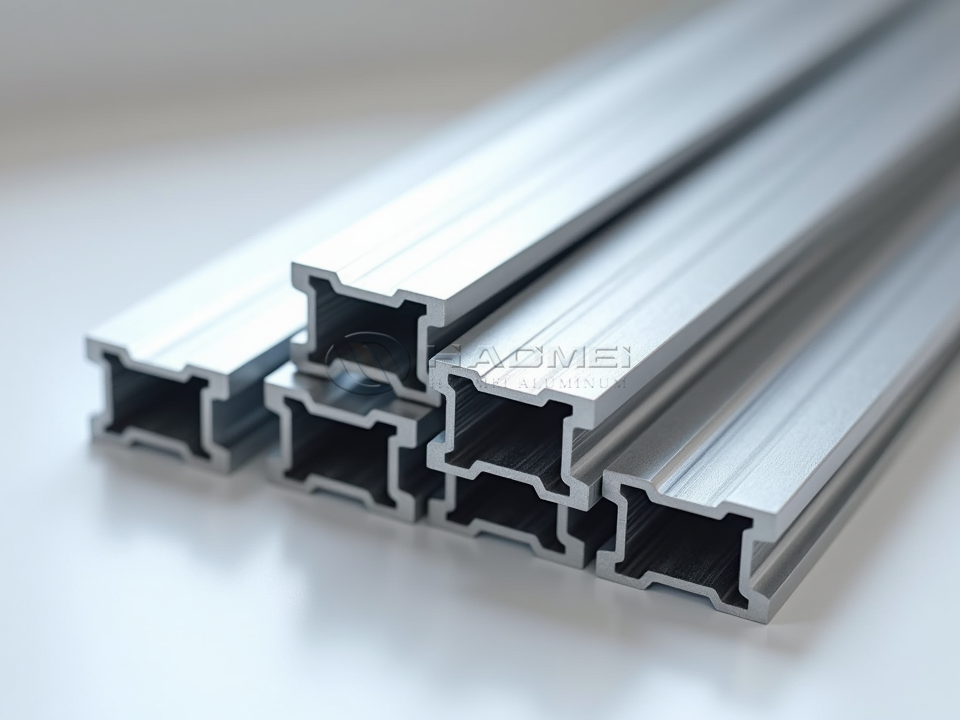
For integrated structural packages, Marine aluminum I-beams can be paired with channels, angles, flat bars, and custom extrusions to simplify fabrication and reduce the number of secondary steel components.
Offshore and Marine Applications
6061 I beams are particularly effective where stiffness and corrosion-conscious lightweight construction are both important. They are frequently used above the waterline or in managed marine environments with suitable protection and galvanic isolation.
| Application | Typical Function of the I Beam |
|---|---|
| Offshore access platforms | Main rails, support frames, stair landings, and grating carriers |
| Workboats and service vessels | Deck beams, superstructure frames, console supports, and canopy structures |
| Gangways and walkways | Longitudinal load-bearing rails and lightweight pedestrian structures |
| Floating dock systems | Frame members, cross supports, mooring accessory structures |
| Equipment skids | Structural bases for pumps, instrumentation, electrical housings, and marine utilities |
| Renewable-energy support systems | Service platforms, access assemblies, cable support frames, and maintenance structures |
| Yacht and commercial vessel interiors | Lightweight partitions, furniture frames, machinery-room supports, and deck subframes |
Corrosion Control and Fabrication Guidance
6061 has good resistance to normal marine atmosphere, but seawater service demands thoughtful detailing. Avoid stagnant saltwater traps, provide drainage paths, and prevent direct contact with more noble metals such as stainless steel, copper alloys, or carbon steel unless electrically isolated. Nonconductive washers, compatible sealants, protective coatings, and controlled fastener selection help reduce galvanic corrosion risk.
MIG and TIG welding are common joining methods for 6061. Filler alloys such as 5356 or 4043 may be selected based on service conditions, cracking resistance, anodizing expectations, and design requirements. Because welding reduces T6 strength near the weld, designers should account for softened zones or use bolted and mechanically fastened connections where high retained strength is required.
Quality and Supply Considerations
Reliable offshore structures start with traceable materials and controlled dimensions. A suitable supply package can include alloy and temper certification, chemical analysis, mechanical test results, dimensional tolerances, surface-condition requirements, and project-specific marking. Custom extrusion development also benefits from an early review of wall thickness transitions, die feasibility, tolerances, finishing needs, and handling lengths.
6061 marine aluminum I beams offer a practical structural solution for custom offshore projects seeking lower weight, clean fabrication, and dependable service performance. With properly engineered geometry, corrosion management, and connection design, these beams support durable marine structures ranging from compact vessel frames to large modular access systems.

Related Products
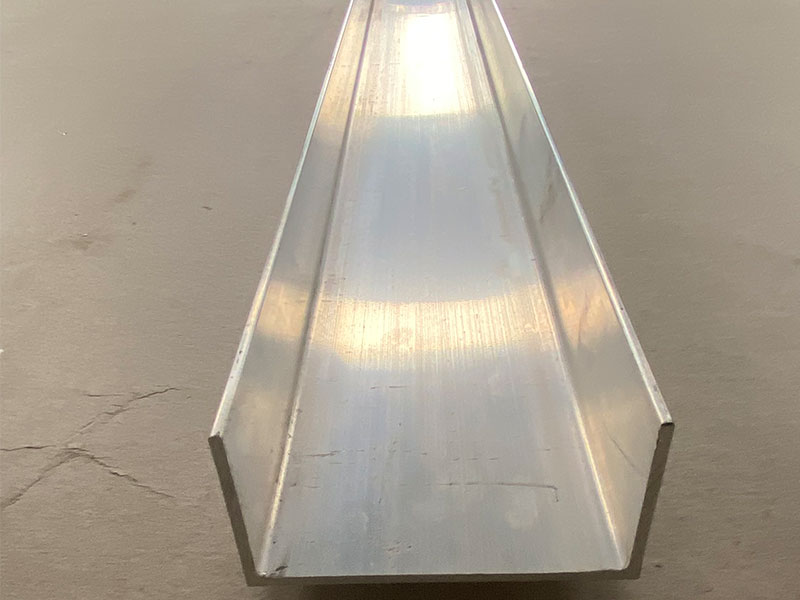
Marine aluminum channels
Marine Aluminum Channels are U-shaped aluminum profiles produced from alloys such as 5083, 5052, and 6061, known for their excellent marine corrosion resistance and superior mechanical strength.
View Details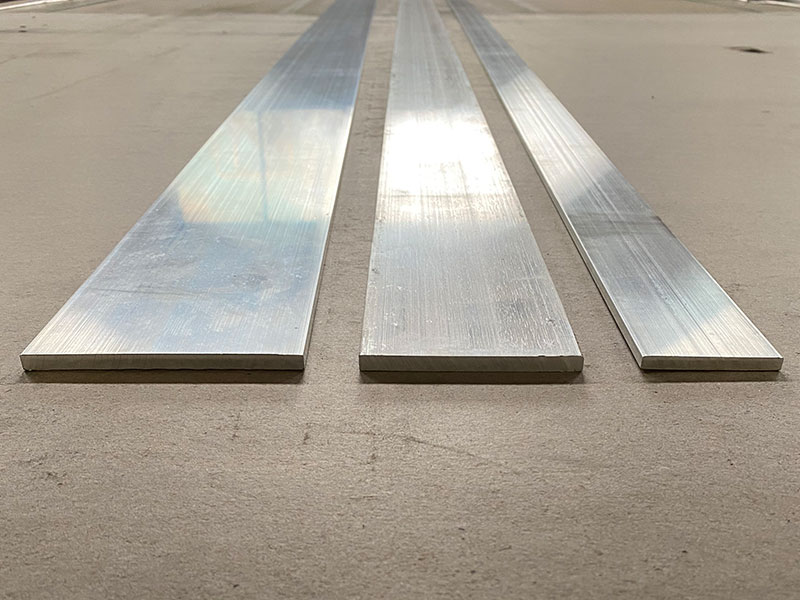
6061 T6 marine aluminum flat bar
6061 aluminum is classified as a heat-treatable 6xxx series alloy, alloyed primarily with magnesium and silicon. The T6 temper designation indicates that the flat bar has been solution heat-treated and artificially aged to achieve optimum strength and hardness.
View Details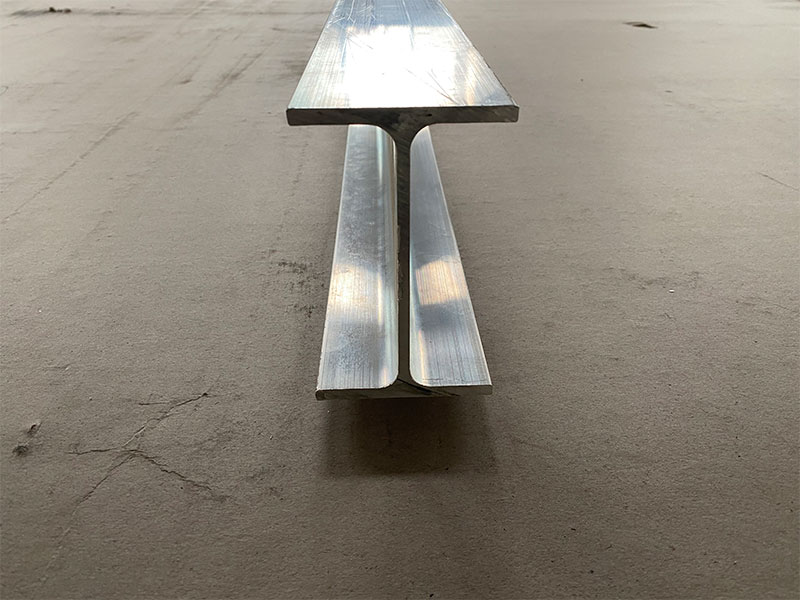
Marine aluminum Z-shaped sections
Marine Aluminum Z-shaped Sections are fabricated from premium marine-grade aluminum alloys such as 5083, 5052, and 6061. These alloys are well-regarded for their superior corrosion resistance in seawater and marine atmospheres, along with good mechanical strength and excellent weldability.
View Details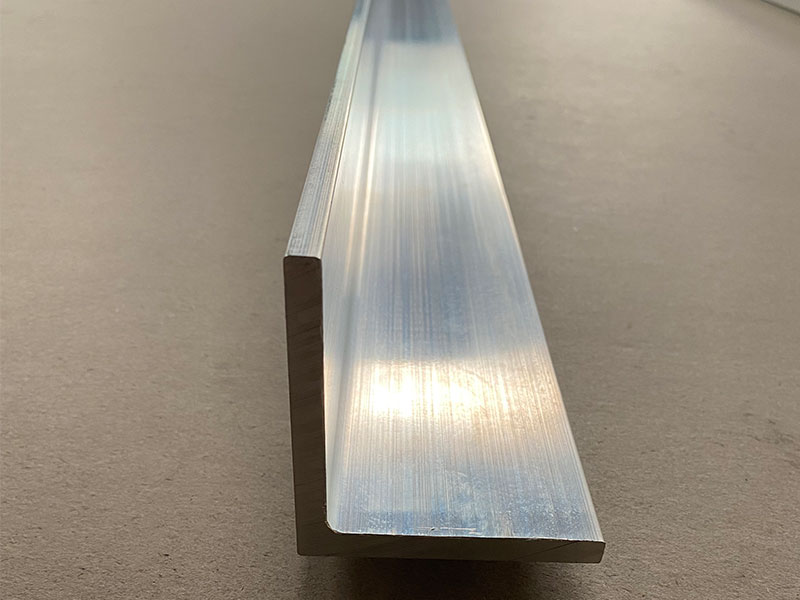
Marine aluminum angles
Marine Aluminum Angles are L-shaped cross-sectional aluminum profiles produced from marine-grade aluminum alloys such as 5083, 5052, and 6061.
View Details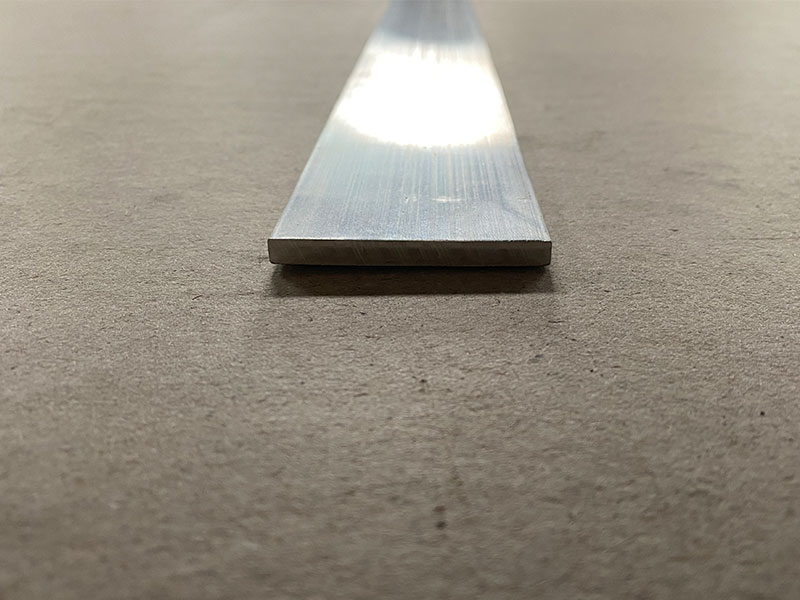
5083 marine aluminum flat bar
5083 aluminum flat bars belong to the 5xxx series of aluminum-magnesium alloys, known primarily for their superior resistance to seawater corrosion and salt spray.
View Details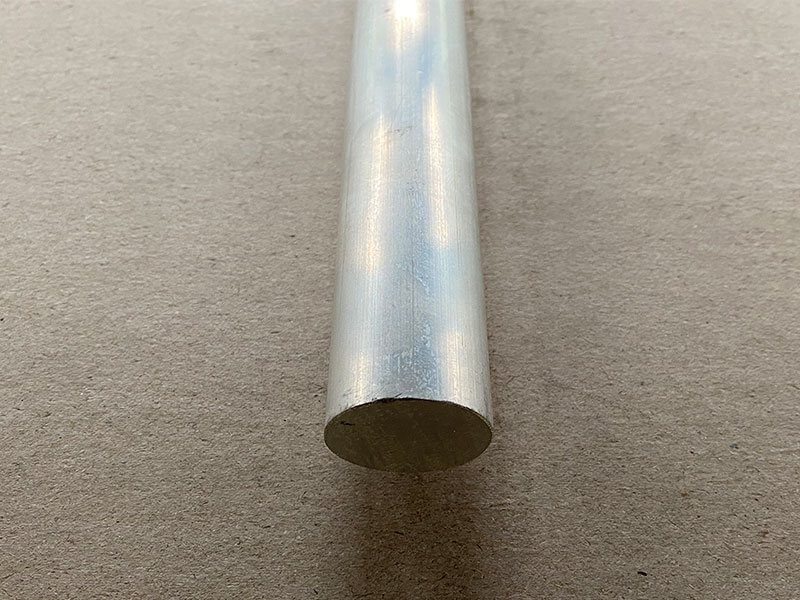
6061 marine aluminum round bar
6061 aluminum belongs to the 6xxx series alloys, alloyed primarily with magnesium and silicon. In the T6 temper, it undergoes solution heat treatment and artificial aging, resulting in enhanced mechanical properties while maintaining excellent corrosion resistance.
View DetailsRelated Blog
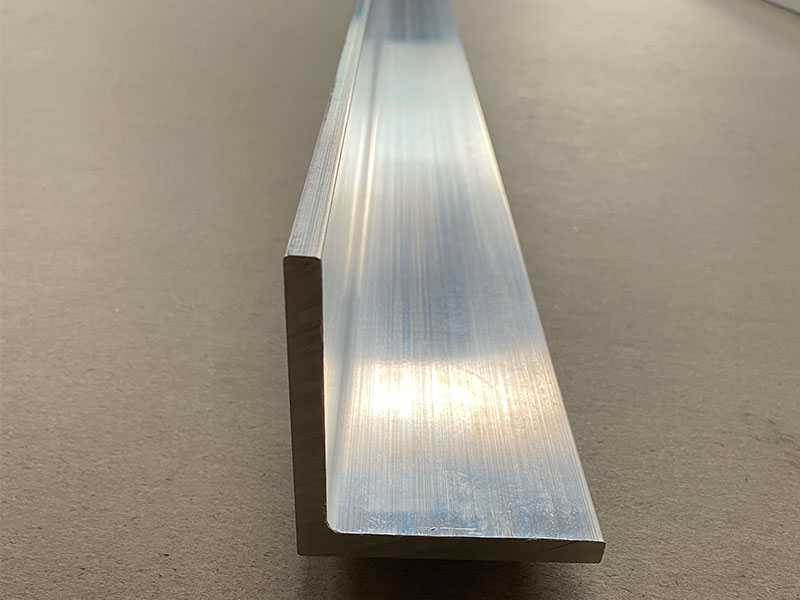
Marine Aluminum Z Shaped Sections for Seawater Proof Engineering Solutions
Unmatched advantages of Marine Aluminum Z Shaped Sections in seawater proof engineering solutions. Learn about their technical functions, applications, and why they are indispensable for marine infrastructure.
View Details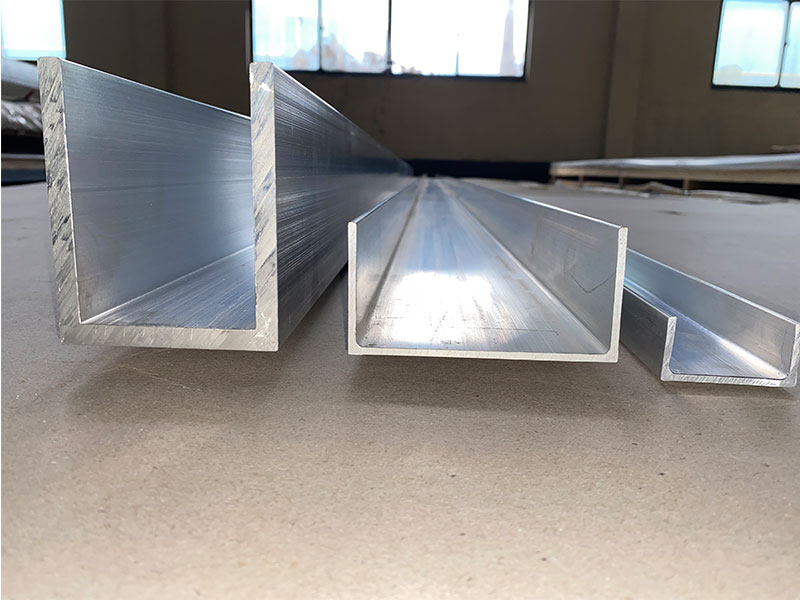
5083 Marine Aluminum Angles for Custom Offshore Vessel Reinforcement
Aluminum alloy 5083 marine aluminum angles are a premium-grade aluminum product specifically engineered for demanding marine and offshore environments. Renowned for excellent corrosion resistance, superior strength, and excellent weldability.
View Details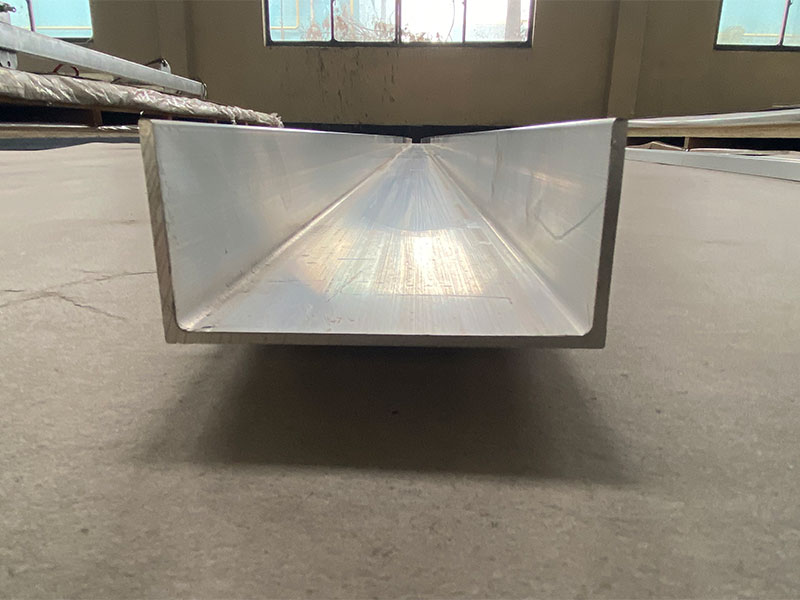
5052 Marine Aluminum Z Shaped Sections for Lightweight Offshore Marine Construction
5052 Marine Aluminum Z Shaped Sections: A Structural Shortcut To Lightweight Offshore StrengthWhen naval architects and offshore engineers discuss weight savings, they usually start with plates, beams, and stiffeners.
View Details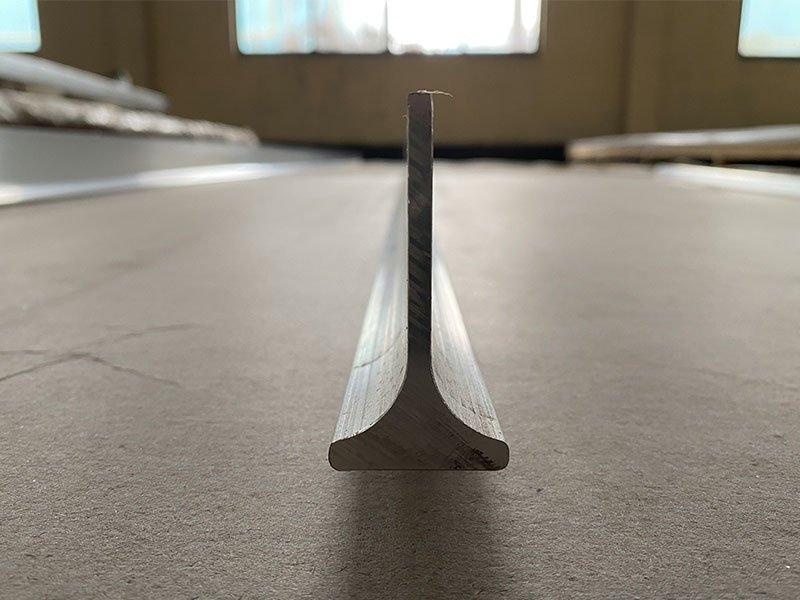
Marine Aluminum Angles for Offshore Boat Frame Reinforcement
In the realm of marine engineering, the design and construction of offshore boat frames are crucial for performance, safety, and longevity. Among the various materials available.
View Details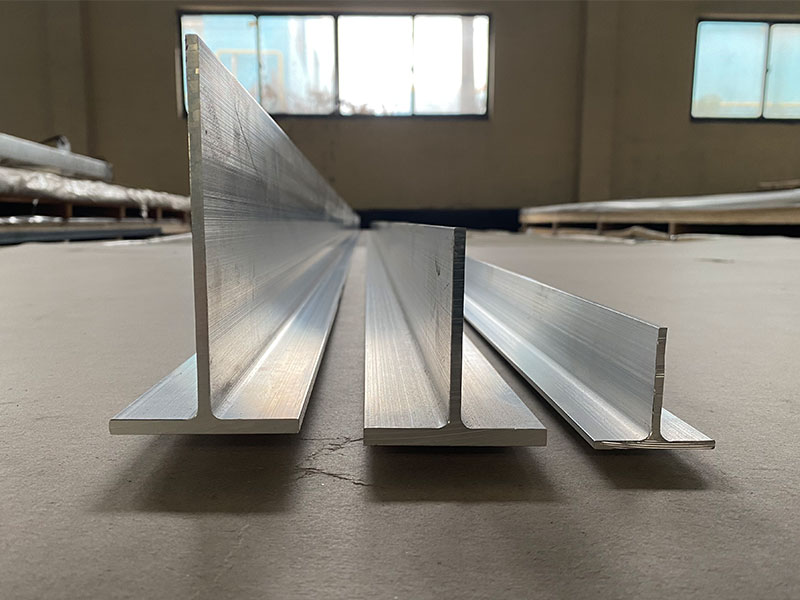
6061 T6 Marine Aluminum Flat Bar for Custom Boat Deck Design
6061 aluminum is a common structural alloy known globally for its versatility. When solution heat-treated and artificially aged to the T6 temper designation, it exhibits increased strength and hardness.
View Details
Marine Aluminum Flat Bar for Saltwater Proof Boat Hull Support
Marine aluminum flat bars are vital materials in the construction of boats, particularly for saltwater environments. These products are engineered to provide robust structural support, ensuring durability and longevity for boat hulls.
View Details
Leave a Message