
5052 Marine Aluminum Channels
5052 Marine aluminum channels are lightweight C-shaped, U-shaped, and formed profiles used where seawater resistance, clean fabrication, and dependable strength matter more than maximum load capacity. With magnesium as the main alloying element, 5052 aluminum performs well in salt spray, humid cabins, dockside structures, boat interiors, and coastal equipment.
Unlike many 6xxx extrusion alloys, 5052 is most often supplied as sheet or plate and then brake-formed, roll-formed, or press-formed into channels. This gives designers excellent corrosion behavior and bendability while still allowing practical channel shapes for frames, trims, stiffeners, brackets, edging, and protective rails.
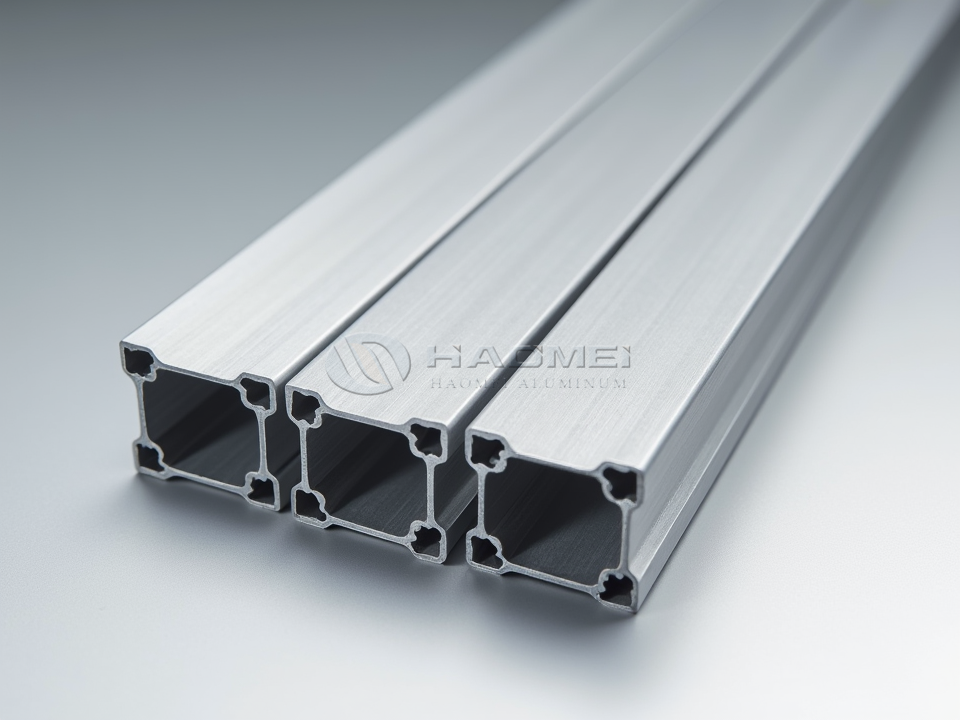
What 5052 Marine Aluminum Channels Do
A 5052 channel strengthens an edge, carries light-to-medium loads, protects vulnerable panels, and creates a clean mounting path for fasteners or fittings. In marine use, it commonly works as a stiffening member rather than a heavy primary beam.
| Function | Marine value | Typical location |
|---|---|---|
| Edge reinforcement | Reduces panel flexing and impact damage | Deck panels, hatches, lockers |
| Framing | Provides straight, corrosion-resistant support | Consoles, cabins, service doors |
| Trim and protection | Covers cut edges and improves appearance | Gunwales, storage boxes, interior panels |
| Drainage or cable guide | Creates an organized channel path | Bilge areas, under-deck routing |
| Mounting rail | Supports clips, brackets, and hardware | Seats, accessories, lightweight fixtures |
For projects requiring several compatible shapes, Marine aluminum channels can be paired with angles, flat bars, rub rails, and custom formed sections to simplify hull outfitting and deck construction.
Main Applications in Boats, Docks, and Coastal Equipment
5052 Marine aluminum channels are widely selected for non-heat-treated marine components exposed to moisture and intermittent seawater. The alloy is valued for its smooth surface, high fatigue resistance compared with many general-purpose aluminum grades, and reliable forming performance.
| Application | Recommended temper | Reason for use |
|---|---|---|
| Boat hatch frames | H32, H34 | Balanced strength and bendability |
| Deck edging and trim | H32 | Good surface quality and corrosion resistance |
| Storage lockers and seat bases | H32, H34 | Lightweight support with easy fabrication |
| Dock accessories | H34, H36 | Better stiffness for exposed service |
| Marine cabinets and consoles | H32 | Clean finish, weldable, easy to machine |
| Cable and pipe channels | O, H32 | Easy forming and low maintenance |
| Small brackets and guards | H34, H36 | Improved resistance to denting |
Chemical Composition of 5052 Aluminum
5052 belongs to the Al-Mg alloy family. Magnesium improves corrosion resistance and strain-hardened strength, while chromium helps stabilize the microstructure.
| Element | Content by weight, % | Role in performance |
|---|---|---|
| Aluminum, Al | Remainder | Base metal, low density, natural oxide film |
| Magnesium, Mg | 2.20-2.80 | Strength, seawater corrosion resistance |
| Chromium, Cr | 0.15-0.35 | Grain control, corrosion stability |
| Iron, Fe | <= 0.40 | Controlled impurity |
| Silicon, Si | <= 0.25 | Controlled impurity |
| Copper, Cu | <= 0.10 | Kept low for corrosion resistance |
| Manganese, Mn | <= 0.10 | Minor strengthening effect |
| Zinc, Zn | <= 0.10 | Controlled impurity |
| Others, each | <= 0.05 | Residual elements |
| Others, total | <= 0.15 | Residual elements |
Mechanical Properties by Temper
5052 is not strengthened by heat treatment. Its mechanical properties are adjusted by cold working and partial annealing. For channels, H32 and H34 are common because they offer a practical mix of strength, formability, and appearance.
| Temper | Tensile strength, MPa | Yield strength, MPa | Elongation, % | Brinell hardness, HB | Typical channel use |
|---|---|---|---|---|---|
| O | 170-215 | >= 65 | 18-25 | 45-50 | Deep forming, tight bends |
| H32 | 210-260 | >= 160 | 8-12 | 58-62 | General marine channels |
| H34 | 240-280 | >= 180 | 6-10 | 65-70 | Frames, trims, guards |
| H36 | 260-305 | >= 215 | 4-8 | 70-75 | Stiffer formed sections |
| H38 | >= 290 | >= 255 | 3-6 | 75-80 | High hardness, limited forming |
Values are typical ranges. Final data should be confirmed by mill certificate, product thickness, forming method, and applicable standard.
Physical and Technical Data
5052 Marine aluminum channels deliver a strong weight-saving advantage over steel while retaining enough stiffness for many marine assemblies.
| Property | Typical value | Design note |
|---|---|---|
| Density | 2.68 g/cm3 | About one-third the weight of steel |
| Elastic modulus | 70.3 GPa | Deflection must be checked in long spans |
| Melting range | 607-650°C | Suitable for welded fabrication |
| Thermal conductivity | About 138 W/m·K | Helps dissipate heat in equipment housings |
| Electrical conductivity | About 35% IACS | Useful where bonding is required |
| Poisson ratio | 0.33 | Used in structural calculations |
| Corrosion behavior | Very good in marine atmosphere | Best with drainage and sealed joints |
| Weldability | Excellent | 5356 filler is commonly used |
Common Channel Sizes and Form Options
Because 5052 channels are often formed from sheet or strip, customers can request practical dimensions without being limited to standard extrusion dies.
| Parameter | Common range | Customization note |
|---|---|---|
| Web width | 20-200 mm | Wider sections may need thicker material |
| Flange height | 10-100 mm | Equal or unequal flanges available |
| Wall thickness | 1.5-10 mm | Selected by load, bend radius, and fastener size |
| Length | 3000-6100 mm | Cut-to-length service available |
| Corner radius | Based on thickness and temper | Larger radius improves forming quality |
| Shape | C, U, J, hat, shallow channel | Roll forming or press brake forming |
| Surface | Mill, brushed, anodized, powder coated | Finish depends on exposure and appearance needs |
Standards and Compliance
Marine projects often combine commercial aluminum standards with classification society requirements. The exact certification route depends on vessel type, part function, and purchasing specification.
| Standard | Scope | Relevance to 5052 channel supply |
|---|---|---|
| ASTM B209 | Aluminum sheet and plate | Base material for formed channels |
| ASTM B928 | High-magnesium aluminum sheet and plate for marine service | Used when marine-grade plate certification is requested |
| ASTM B221 | Aluminum extruded bars, rods, wire, profiles, and tubes | Relevant if extruded profile supply is specified |
| EN 573 | Aluminum chemical composition | Alloy designation and composition control |
| EN 485 | Sheet, strip, and plate requirements | Dimensional and mechanical requirements |
| EN 755 | Extruded bar, tube, and profile requirements | Used for extrusion-based projects |
| ABS, DNV, LR, BV | Classification society approval | Available when required by project documents |
Fabrication Guidance
5052 channels are easy to cut, drill, punch, bend, and weld. For best marine performance, fabrication should avoid sharp internal corners, deep scratches, and moisture-trapping joints.
| Process | Recommendation | Practical result |
|---|---|---|
| Bending | Use generous inside radius, especially in H34 and harder tempers | Prevents cracking at corners |
| Welding | Use 5356 filler for common marine work | Maintains good color match and corrosion behavior |
| Cutting | Sawing, shearing, laser, or waterjet | Deburr edges after cutting |
| Fastening | Use isolated stainless steel fasteners | Reduces galvanic corrosion risk |
| Surface protection | Anodizing, powder coating, or marine paint | Adds wear resistance and visual consistency |
| Joint design | Add drainage and seal crevices | Limits salt accumulation |
A practical forming guide is shown here:
| Temper | Suggested minimum inside bend radius | Forming comment |
|---|---|---|
| O | 1.0 x thickness | Best for tight bends |
| H32 | 1.5 x thickness | Good balance for marine channels |
| H34 | 2.0 x thickness | Use controlled tooling |
| H36 | 2.5-3.0 x thickness | Better for simple bends |
| H38 | 3.0 x thickness or more | Limited formability |
Selecting the Right 5052 Marine Aluminum Channel
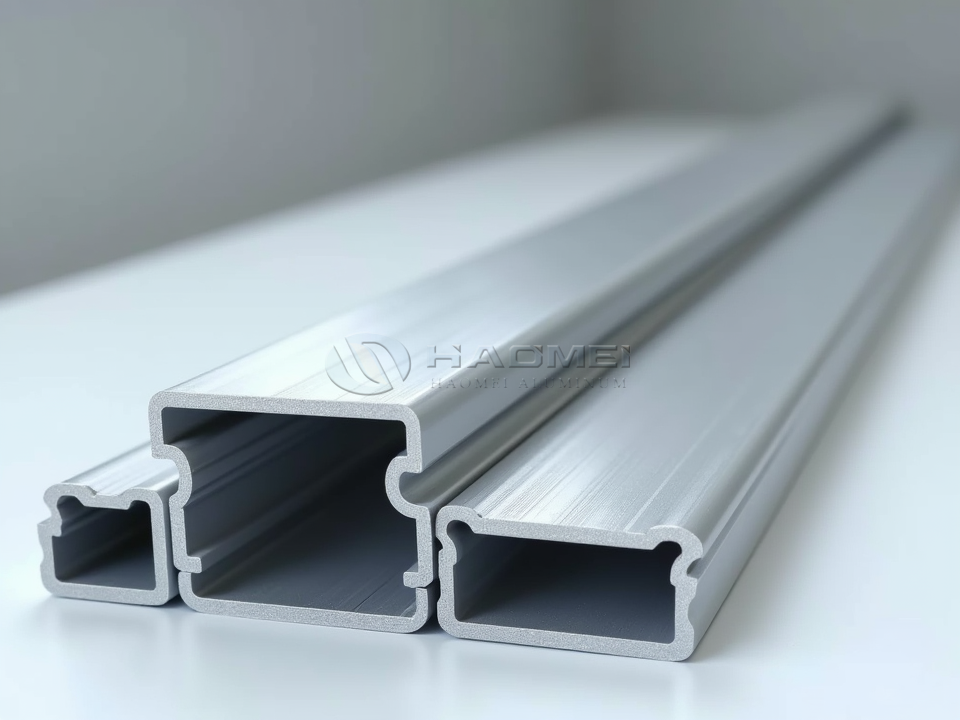
The right channel depends on span, load, exposure, finish, and assembly method. For decorative trim and interior support, 5052-H32 is often the most efficient choice. For guards, dock fittings, and panels that need extra stiffness, H34 or H36 may be better. Where tight bends or complex shapes are required, O temper can be formed first and then finished as needed.
Customers should confirm web width, flange height, wall thickness, temper, length tolerance, surface finish, certification requirements, and packaging method before production. For saltwater service, the design should also include smooth edges, sealed fastener points, isolation from copper-containing metals, and enough drainage to prevent standing seawater.
5052 Marine aluminum channels provide a dependable mix of corrosion resistance, light weight, clean processing, and long service life. For boat builders, dock fabricators, and coastal equipment producers, they are a practical profile solution for strong, neat, and low-maintenance marine assemblies.

Related Products
6061 marine aluminum round bar
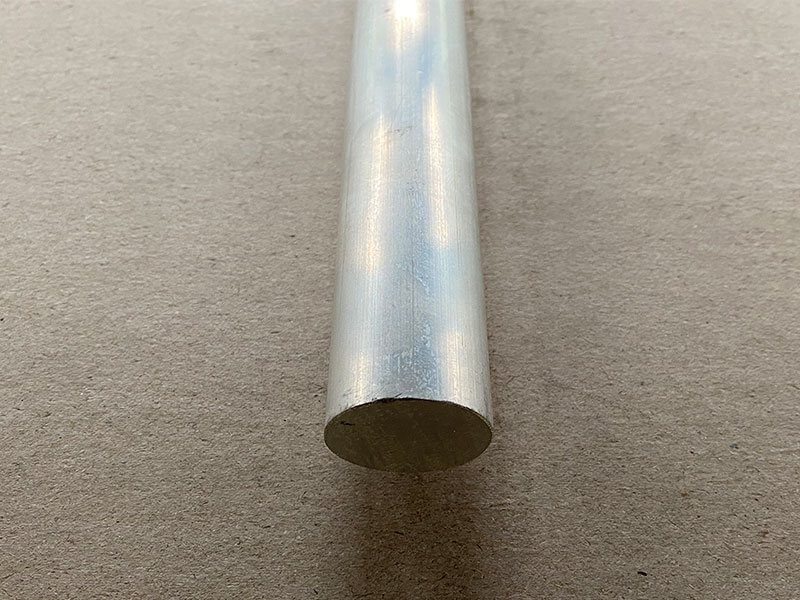
6061 aluminum belongs to the 6xxx series alloys, alloyed primarily with magnesium and silicon. In the T6 temper, it undergoes solution heat treatment and artificial aging, resulting in enhanced mechanical properties while maintaining excellent corrosion resistance.
View Details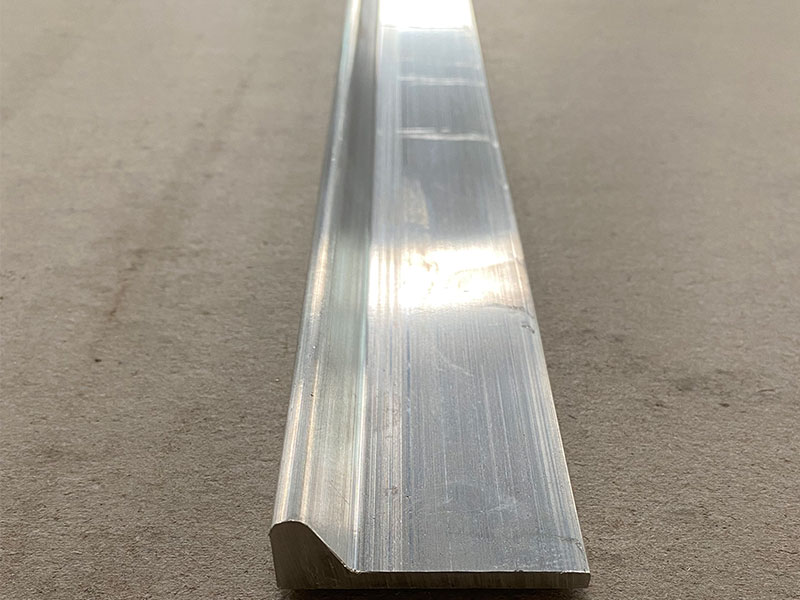
Marine aluminum I-beams
Marine Aluminum I-Beams feature the traditional “I” cross-sectional profile fabricated from marine-grade aluminum alloys like 5083, 5086, and 6061. These alloys are renowned for their outstanding corrosion resistance, especially in saltwater and marine atmospheres, making them ideal for offshore and naval construction.
View Details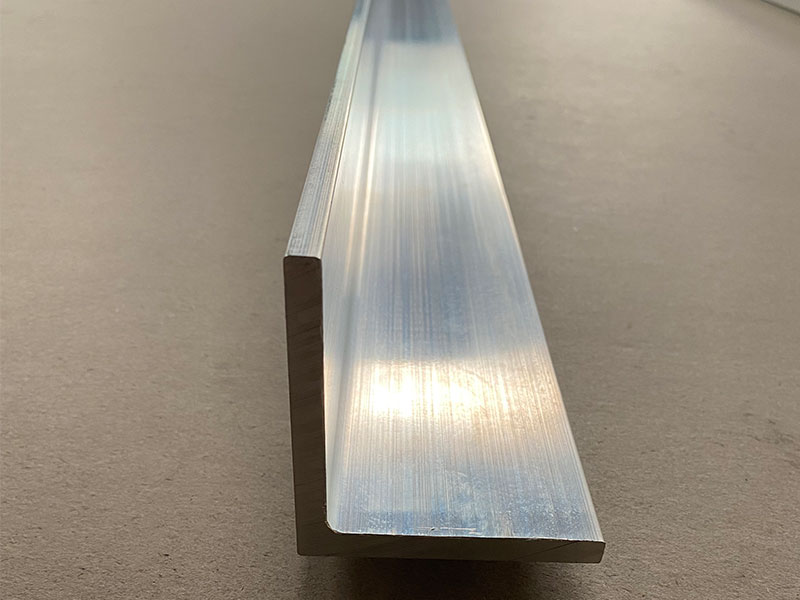
Marine aluminum angles
Marine Aluminum Angles are L-shaped cross-sectional aluminum profiles produced from marine-grade aluminum alloys such as 5083, 5052, and 6061.
View Details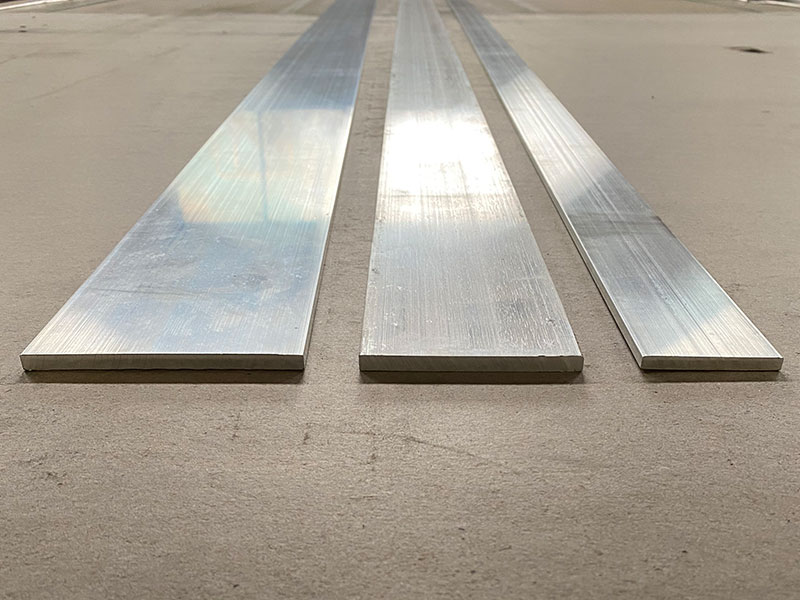
6061 T6 marine aluminum flat bar
6061 aluminum is classified as a heat-treatable 6xxx series alloy, alloyed primarily with magnesium and silicon. The T6 temper designation indicates that the flat bar has been solution heat-treated and artificially aged to achieve optimum strength and hardness.
View Details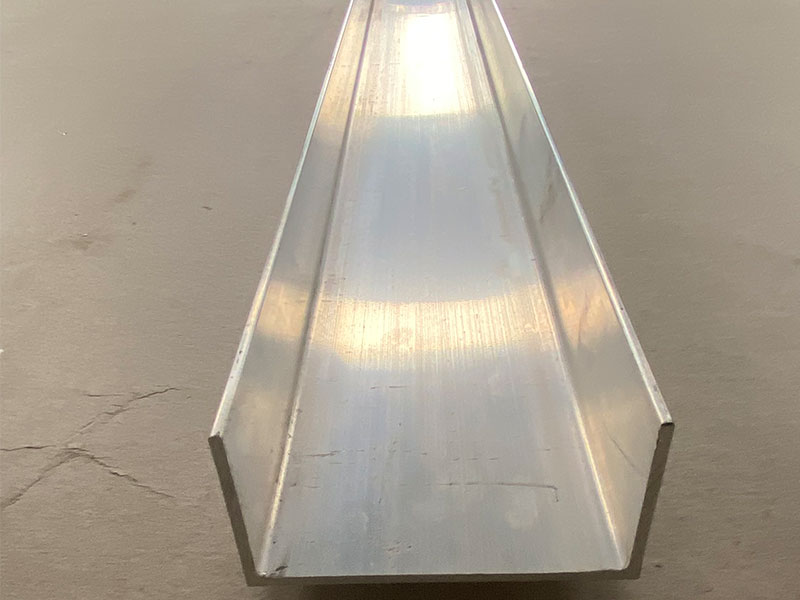
Marine aluminum channels
Marine Aluminum Channels are U-shaped aluminum profiles produced from alloys such as 5083, 5052, and 6061, known for their excellent marine corrosion resistance and superior mechanical strength.
View Details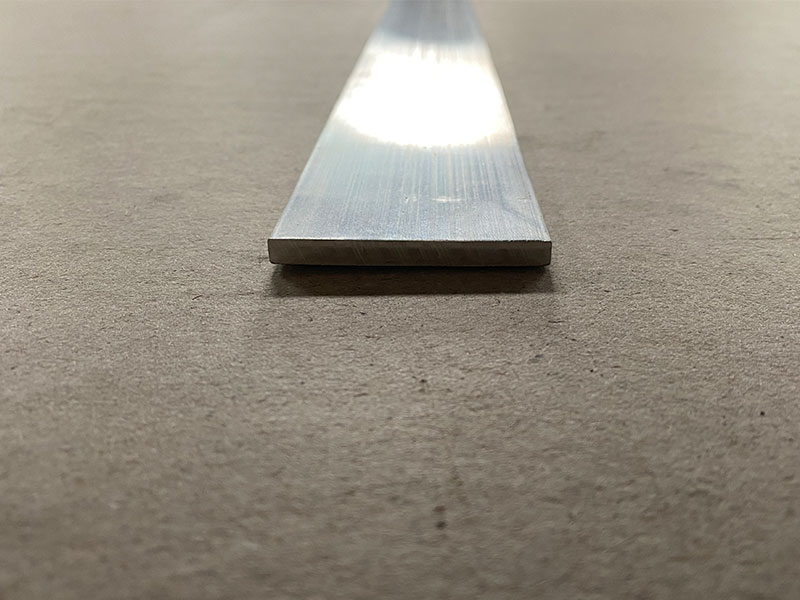
5083 marine aluminum flat bar
5083 aluminum flat bars belong to the 5xxx series of aluminum-magnesium alloys, known primarily for their superior resistance to seawater corrosion and salt spray.
View DetailsRelated Blog
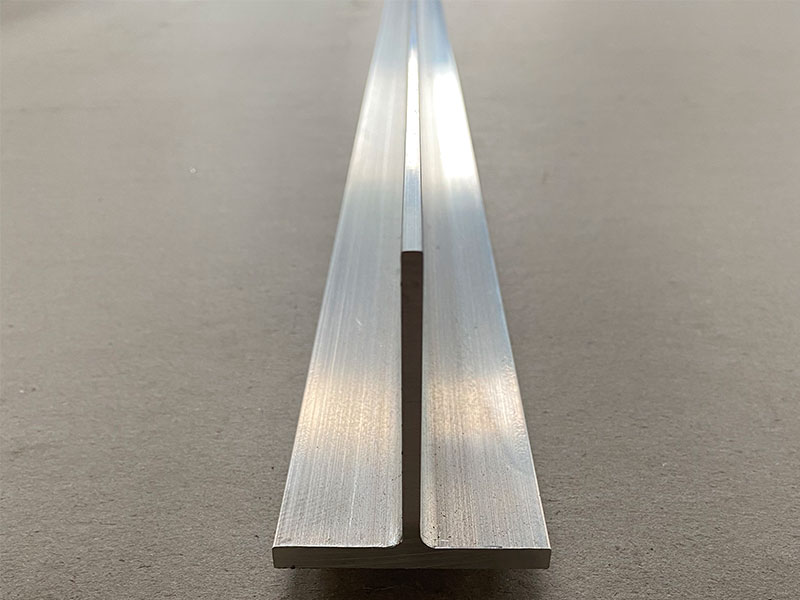
5052 Marine Aluminum Z Shaped Sections for Lightweight Offshore Ship Design
5052 marine aluminum Z shaped sections deliver high strength-to-weight performance, excellent corrosion resistance, and easy weldability for lightweight offshore ship design.
View Details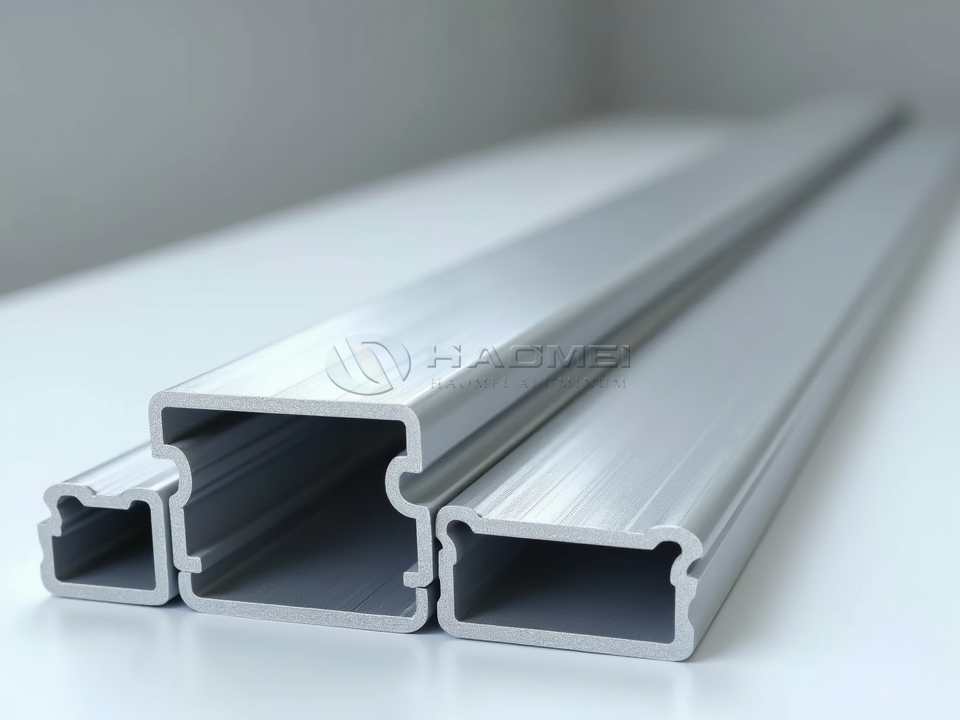
6061 Marine Aluminum Channels
Learn how 6061 Marine aluminum channels perform in boat frames, docks, rails, and structural marine parts with standards and properties.
View Details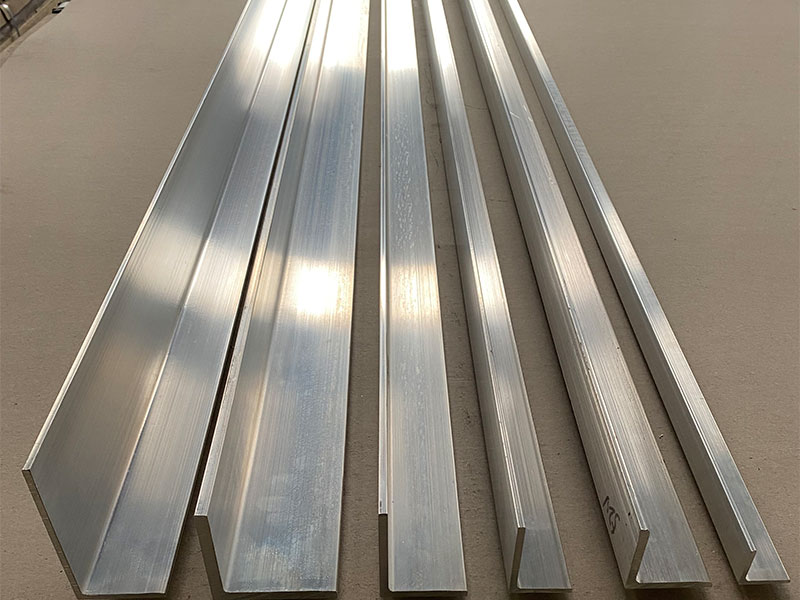
6061 Marine Aluminum I Beams for High Performance Marine Engineering
The 6061 marine aluminum I beams are a premier choice for engineers and designers in the marine industry. Renowned for their strength, corrosion resistance, and versatility, these aluminum I beams are ideal for various applications.
View Details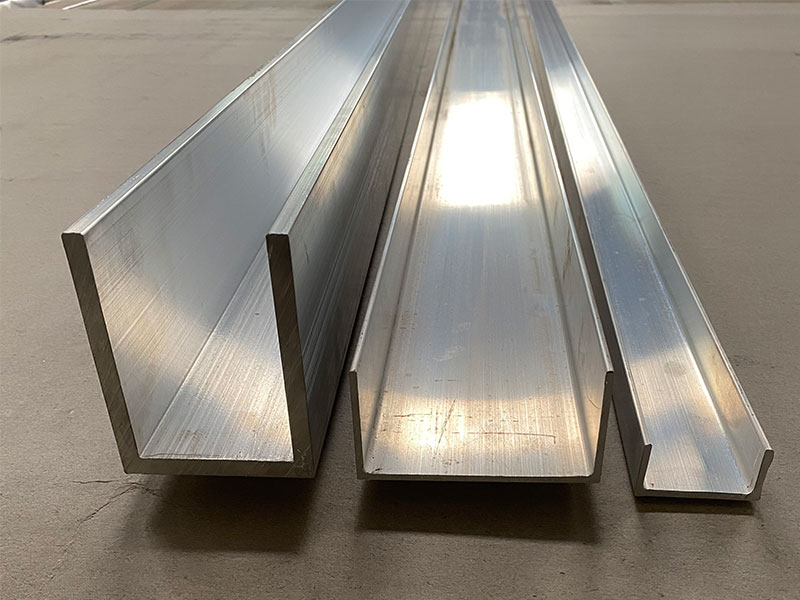
5083 Marine Aluminum Round Bar for Durable Offshore Vessel Parts
When it comes to constructing durable offshore vessel parts, material choice is paramount. Among various options, 5083 marine aluminum round bar stands out as a highly reliable and versatile solution.
View Details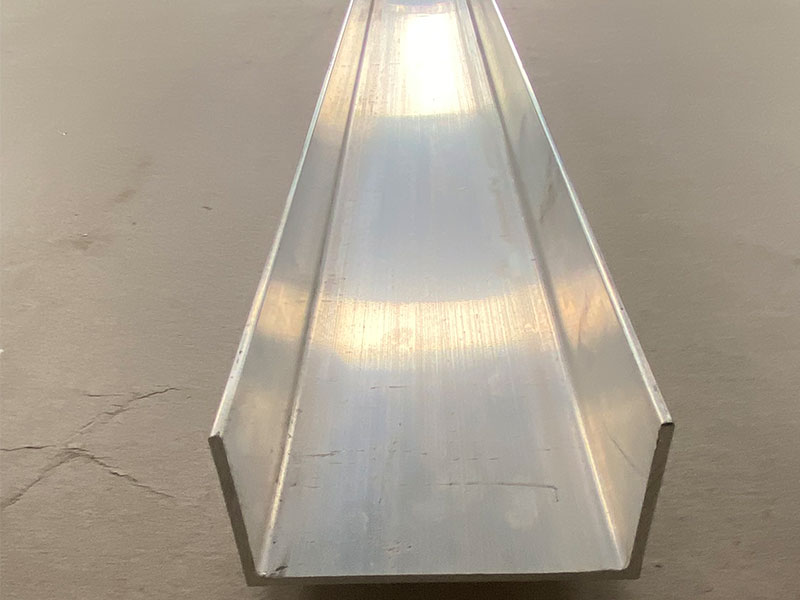
5052 Marine Aluminum Angles for Durable Marine Frame Solutions
5052 Marine Aluminum Angles for Durable Marine Frame SolutionsA technical, application‑driven perspective5052 marine aluminum angles are a backbone material in modern shipbuilding and offshore structures—quietly underpinning decks, bulkheads, ra.
View Details
6061 Marine Aluminum Channels for Custom Marine Component Fabrication
When it comes to constructing reliable, corrosion-resistant, and durable marine structures, the choice of material is pivotal. Among several options.
View Details
Leave a Message