
Marine Aluminum I Beams for Offshore Vessel Hull and Frame Support
Offshore vessels operate in a harsher structural environment than many coastal workboats. Repeated wave impacts, machinery vibration, cargo movement, deck loads, salt spray, and long operating hours all place demands on the hull and internal framing. In this setting, marine aluminum I beams are not simply structural members. They are load-management tools that help a vessel remain light, stiff, repairable, and durable.
The most useful way to view an aluminum I beam is as a controlled path for force. Its flanges resist bending stresses, while the vertical web transfers shear between them. This geometry places material where it works hardest rather than filling an entire section with unnecessary weight. For offshore craft, where every kilogram influences payload, draft, speed, fuel use, and stability, that efficiency can be highly valuable.
Supporting the Hull Without Overbuilding It
An offshore aluminum hull is rarely loaded in only one direction. It bends longitudinally as it moves through waves, experiences localized slamming at the bottom shell, and receives concentrated forces at bulkheads, deck machinery foundations, lifting points, and cargo supports. I beams can serve as longitudinal girders, deck beams, machinery-room supports, transverse frames, and reinforcements around large openings.
The most important design question is not simply, "How strong is the beam?" It is, "Where does the load travel after it reaches the beam?" A deep I beam can carry significant bending load, but the surrounding plating, brackets, web frames, and bulkheads must also be able to receive and distribute that load. A beam ending abruptly at thin plating can create a hard spot, concentrating stress in an area that may later show fatigue cracking.
For this reason, offshore structures benefit from beam ends with properly designed brackets, smooth tapers, and sufficient attachment length. A well-integrated I beam strengthens the structure around it. A poorly terminated beam may only move the problem to the next panel.
Why Aluminum I Beams Fit Fast Offshore Craft
Steel remains common in large offshore structures, but aluminum has strong advantages in patrol boats, crew transfer vessels, utility craft, fast supply boats, survey vessels, and lightweight superstructures. Aluminum's lower density allows designers to reduce displacement while preserving practical stiffness through intelligent section geometry.
This lower structural mass can provide several operational gains:
- More payload capacity for equipment, personnel, or fuel
- Reduced propulsion demand at a given operating speed
- Improved acceleration and shallow-water performance
- Lower vertical center of gravity when used in deckhouses and upper frames
- Easier handling of components during fabrication and repair
An I beam is especially effective where a member spans between bulkheads or major frames. Instead of relying on a thick solid bar, the profile provides depth. Structural depth is often more valuable than extra material thickness when controlling deflection under bending loads.
When a design calls for supporting members with different shapes, Marine aluminum I-beams can be combined with channels, angles, plates, and custom extrusions to create a frame that follows the actual force paths of the vessel.
Alloy Choice Depends on the Beam's Job
Not every marine aluminum grade behaves the same way. Hull plating is often made from 5xxx-series alloys such as 5083 because of their weldability and seawater corrosion performance. Extruded I beams and frame sections are frequently produced from heat-treatable 6xxx-series alloys, including 6061 and 6082, because they offer good extrusion capability and useful mechanical strength.
A 6061-T6 or 6082-T6 beam may arrive with high parent-material strength, yet customers should not assume those values remain unchanged beside a weld. Welding creates a heat-affected zone that lowers the strength of heat-treated aluminum near the joint. This does not make welded aluminum unsuitable. It means the welded condition, not only the mill temper, must guide the structural calculation.
For offshore fabrication, material selection should consider more than yield strength. It should also account for weld procedure, corrosion exposure, section thickness, fatigue loading, available fabrication equipment, and the rules of the vessel's classification society or project specification.
Welding Is Part of the Structural Design
An I beam becomes part of the vessel only after welding, and weld detailing has a major effect on service life. Excessive heat input can distort long members, soften heat-treated alloys over a wider area, and create unnecessary residual stress. Insufficient weld size, poor fit-up, or inaccessible weld locations can weaken the connection even if the beam itself is correctly selected.
Good offshore practice includes clear access for welding and inspection, balanced weld sequences to control distortion, and brackets that avoid abrupt stiffness changes. Continuous welds may be necessary in watertight or highly loaded regions, while intermittent welds can be appropriate in selected non-watertight stiffening applications when permitted by the design rules.
Drainage deserves equal attention. Water trapped against a beam flange, inside a closed support arrangement, or at the foot of a web frame creates an avoidable corrosion risk. Limber holes, drain paths, sealed interfaces, and accessible cleaning areas help maintain the structure over time.
Fatigue Matters More Than a Single Strength Figure
Offshore vessels can experience millions of load cycles. A beam may never reach its calculated static capacity and still develop fatigue concerns at its welded attachments, flange terminations, bracket toes, or cut-outs. This is why a practical beam design avoids sharp geometric transitions and decorative complexity that is difficult to weld consistently.
The areas around engine foundations, waterjet supports, crane pedestals, fender foundations, accommodation deck openings, and high-speed hull bottoms require special attention. These locations can combine vibration, dynamic acceleration, and concentrated loads. Increasing beam depth, adding web stiffeners, extending brackets, or redistributing load through a transverse frame may be more effective than merely selecting a heavier profile.
In many projects, I beams are supported by Marine aluminum channels along deck edges, bulkheads, or equipment foundations. Matching the section shape to its structural role keeps the frame efficient and simplifies fabrication.
Corrosion Control Starts at the Connection
Aluminum naturally forms a protective oxide layer, but marine durability still depends on details. Salt deposits, stagnant moisture, coating damage, and contact with dissimilar metals can create trouble over a vessel's life. Stainless-steel fittings, copper-bearing materials, and carbon steel components should be isolated from aluminum where galvanic corrosion is possible.
Use appropriate insulating pads, sleeves, washers, sealants, and compatible coating systems at bolted interfaces. Avoid leaving bare aluminum in crevices where salt water can remain. If an I beam is installed beneath a wet deck or near splash zones, allow for inspection and wash-down access rather than enclosing it permanently behind panels.
Anodizing can be useful for selected exposed extrusions, but it is not a replacement for sound structural detailing. In high-wear areas, protective coatings and planned maintenance may offer a more practical solution.
Purchasing Information That Prevents Site Delays
When specifying marine aluminum I beams, provide the beam designation or complete dimensions, alloy, temper, required lengths, quantity, tolerance expectations, surface condition, and intended application. It is also helpful to state whether the beam will be welded to 5xxx hull plate, machined for fittings, bent, drilled, or exposed to seawater.
For long offshore members, transport length and straightness requirements should be discussed early. A profile that is theoretically ideal but difficult to ship, handle, or fit through the vessel structure can add unnecessary fabrication time. Where repeated sections are needed, custom extruded profiles may reduce assembly steps by combining mounting lands, cable routes, drainage features, or flange details into one member.
Marine aluminum I beams perform best when selected as part of a complete structural system. With the right alloy, beam depth, welded connection, drainage path, and corrosion isolation, they provide dependable support for hulls and frames while preserving the lightweight advantage that makes aluminum offshore vessels so capable.

Related Products
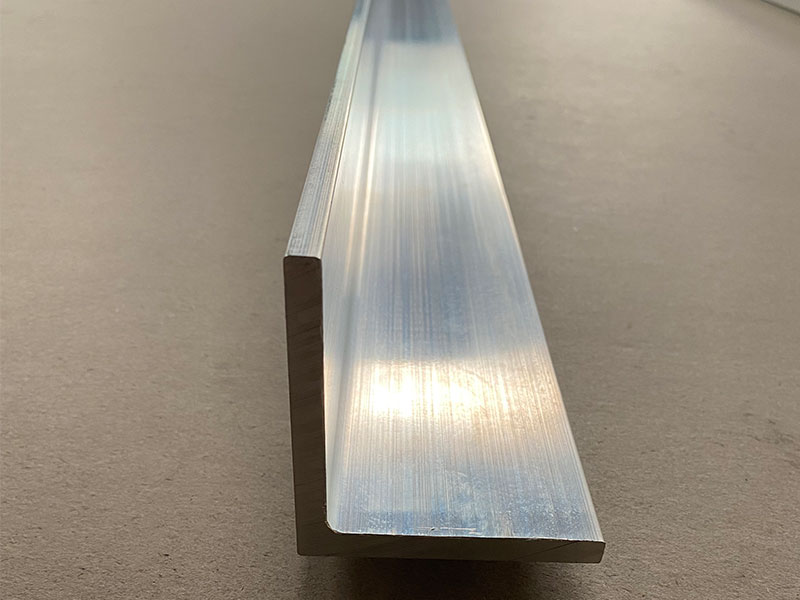
Marine aluminum angles
Marine Aluminum Angles are L-shaped cross-sectional aluminum profiles produced from marine-grade aluminum alloys such as 5083, 5052, and 6061.
View Details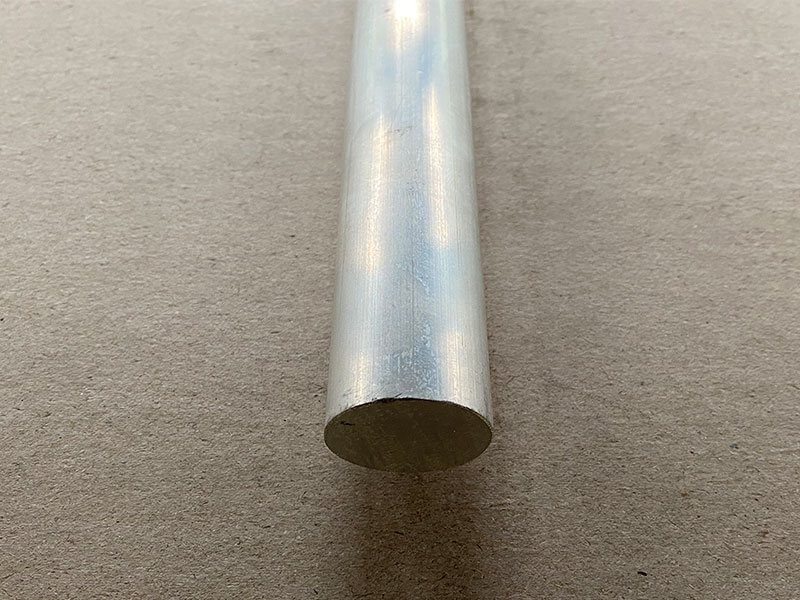
6061 marine aluminum round bar
6061 aluminum belongs to the 6xxx series alloys, alloyed primarily with magnesium and silicon. In the T6 temper, it undergoes solution heat treatment and artificial aging, resulting in enhanced mechanical properties while maintaining excellent corrosion resistance.
View Details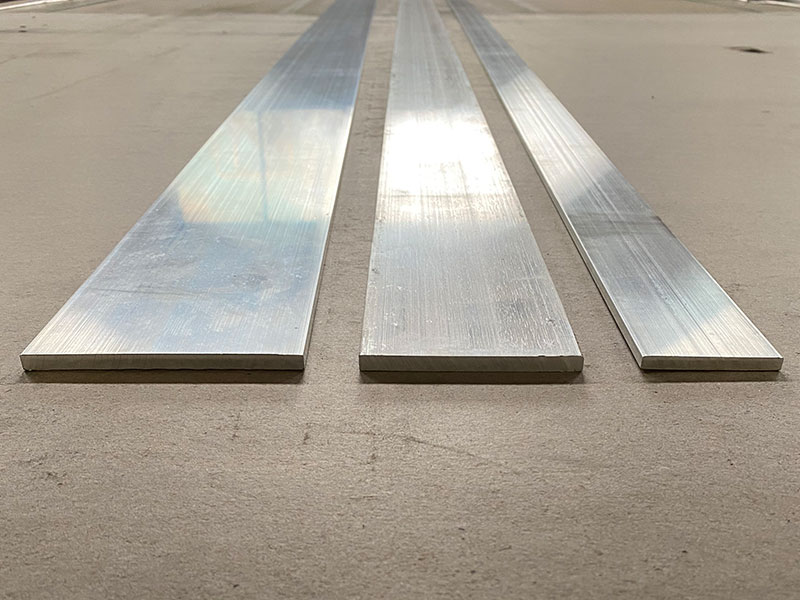
6061 T6 marine aluminum flat bar
6061 aluminum is classified as a heat-treatable 6xxx series alloy, alloyed primarily with magnesium and silicon. The T6 temper designation indicates that the flat bar has been solution heat-treated and artificially aged to achieve optimum strength and hardness.
View Details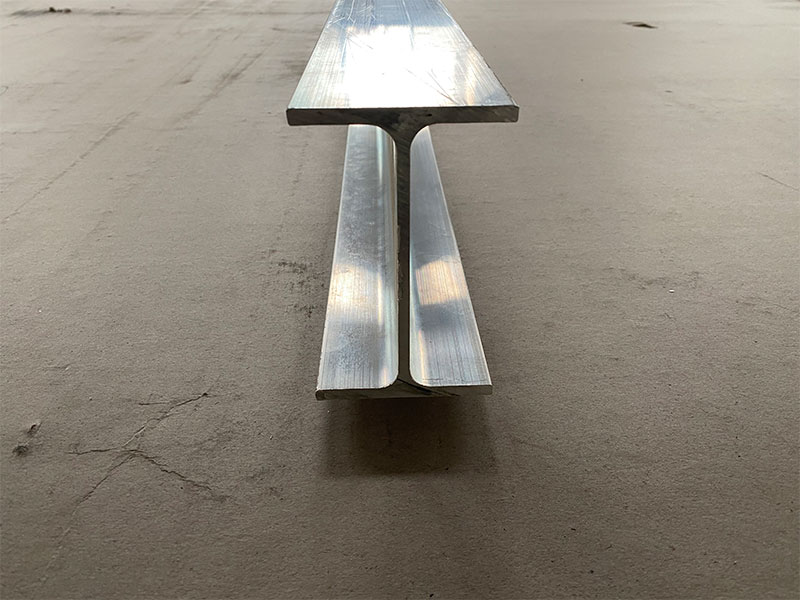
Marine aluminum Z-shaped sections
Marine Aluminum Z-shaped Sections are fabricated from premium marine-grade aluminum alloys such as 5083, 5052, and 6061. These alloys are well-regarded for their superior corrosion resistance in seawater and marine atmospheres, along with good mechanical strength and excellent weldability.
View Details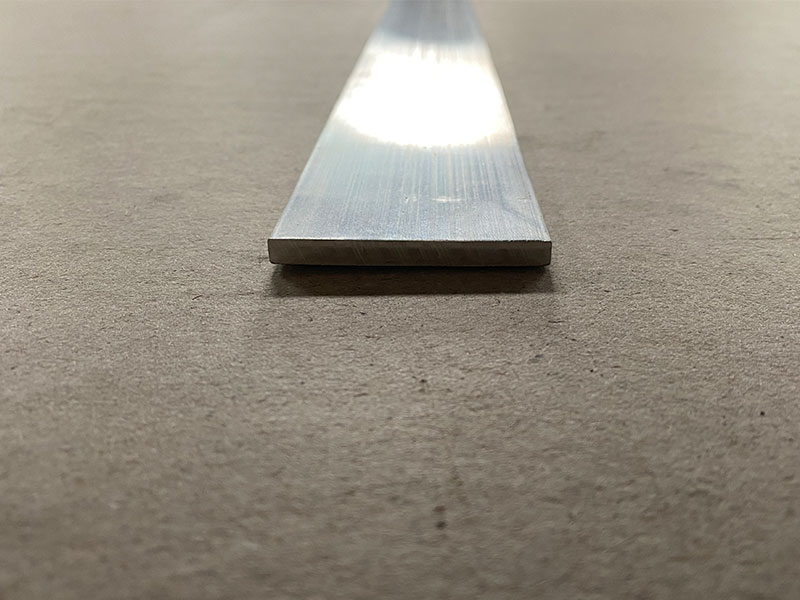
5083 marine aluminum flat bar
5083 aluminum flat bars belong to the 5xxx series of aluminum-magnesium alloys, known primarily for their superior resistance to seawater corrosion and salt spray.
View Details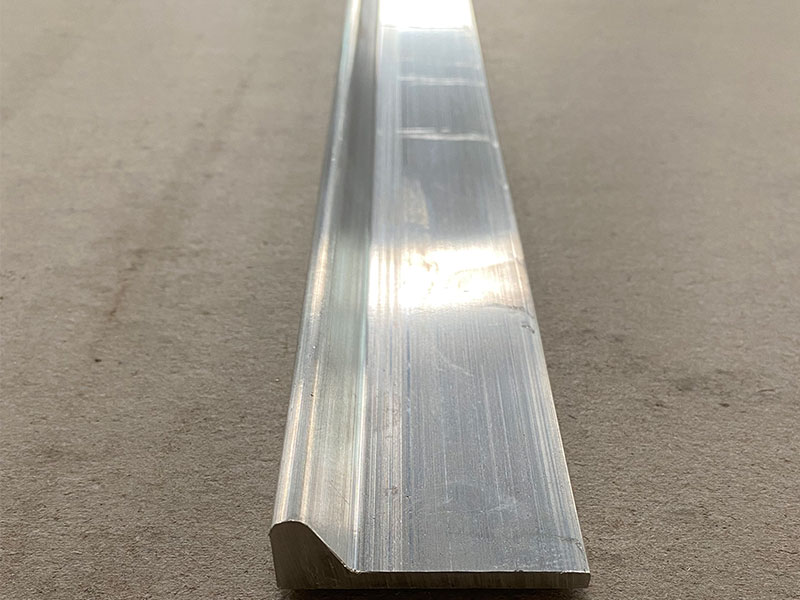
Marine aluminum I-beams
Marine Aluminum I-Beams feature the traditional “I” cross-sectional profile fabricated from marine-grade aluminum alloys like 5083, 5086, and 6061. These alloys are renowned for their outstanding corrosion resistance, especially in saltwater and marine atmospheres, making them ideal for offshore and naval construction.
View DetailsRelated Blog
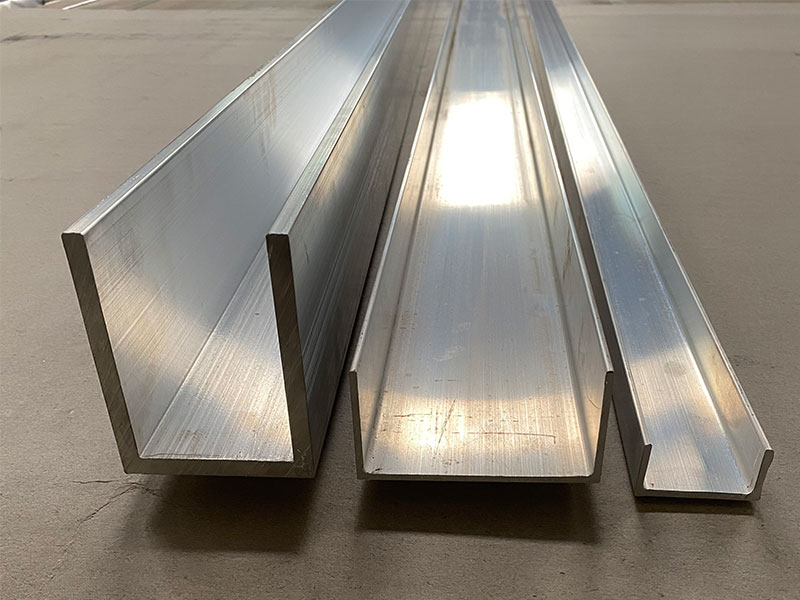
5083 Marine Aluminum Z Shaped Sections for Offshore Vessel Frame Design
In the demanding offshore marine environment, the structural integrity and corrosion resistance of vessels are crucial for reliable performance and safety.
View Details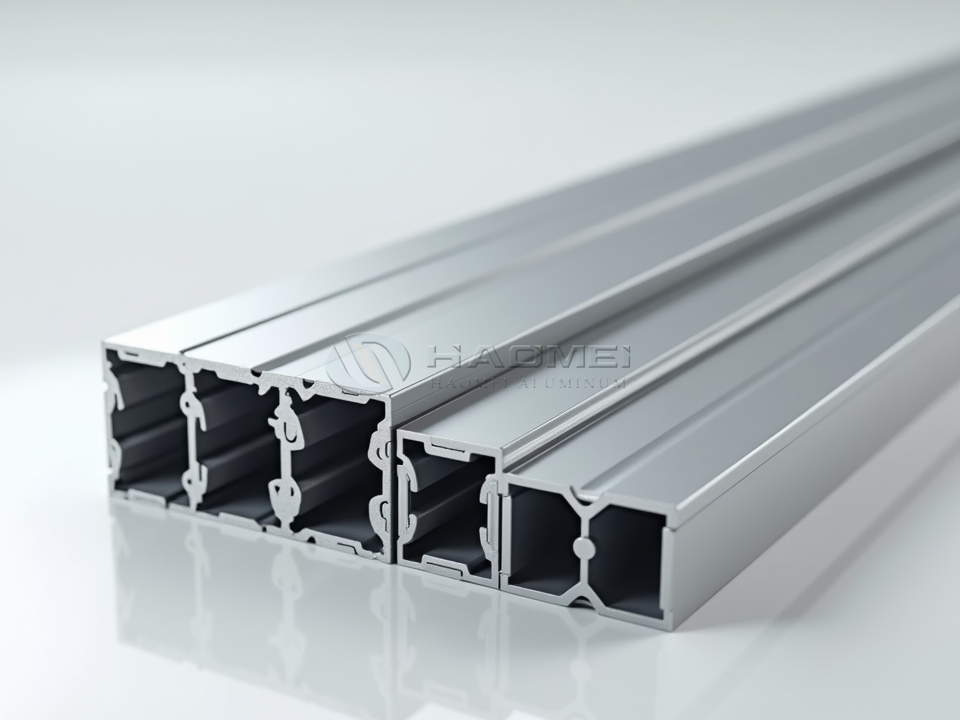
Marine Aluminum Channels
Marine aluminum channels offer lightweight strength, corrosion resistance, and clean installation for boat frames, decks, rails, and fittings.
View Details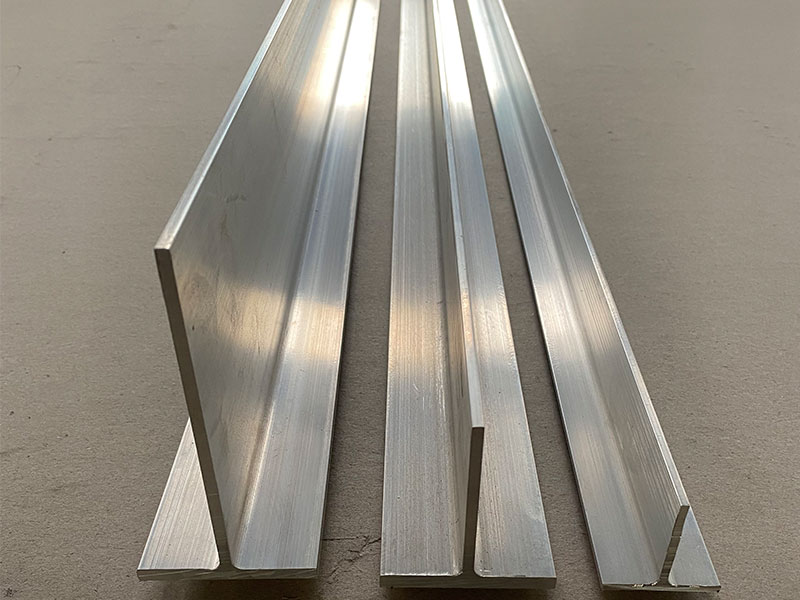
Marine Aluminum Flat Bar for Offshore Boat and Platform Reinforcement
High-performance marine aluminum flat bars engineered for offshore boat and platform reinforcement applications. Steel-like strength, corrosion resistance, and optimal composition for harsh marine environments.
View Details
Marine Aluminum I Beams for Offshore Vessel Hull and Frame Support
Learn how marine aluminum I beams support offshore hulls and frames through efficient load paths, alloy selection, welding control, and corrosion-focused detailing.
View Details
6082 Marine Aluminum Rod & Bar for Custom Boat Frame Reinforcements
Marine aluminum is the ideal choice for lightweight, durable, and corrosion-resistant applications, particularly in the production of vessels that operate in harsh marine environments.
View Details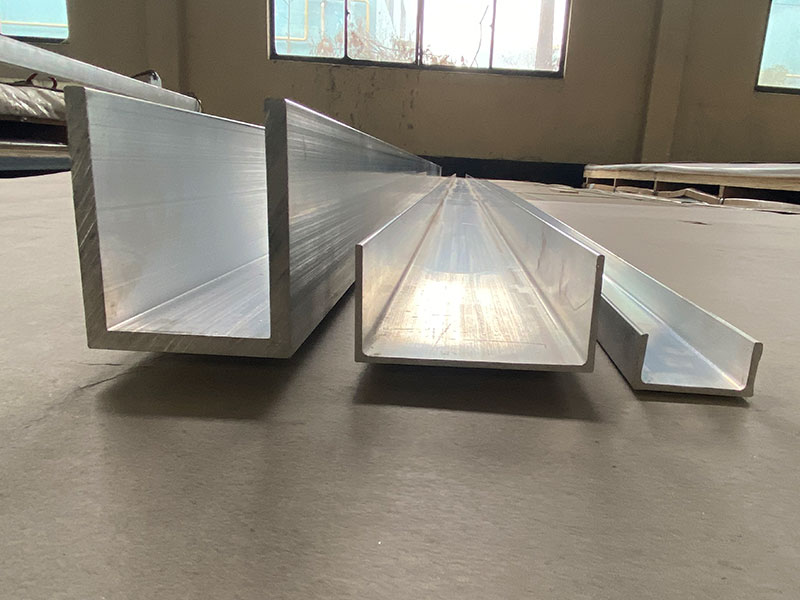
Marine Aluminum Channels for Boat Hull Reinforcement
In the ever-evolving nautical industry, marine-grade materials such as aluminum are rapidly gaining popularity for their versatile properties. Among these, marine aluminum channels stand out, playing a crucial role in reinforcing boat hulls.
View Details
Leave a Message