
6061 Marine Aluminum Tubes for Boat Deck Support Structures
A boat deck rarely gets credit when everything feels right. No squeaks underfoot, no soft spots, no uneasy vibration when the hull meets chop. That sense of confidence is often created by what you don't see: the deck support structure. In modern marine fabrication, 6061 marine aluminum tubes have become a go-to material for deck beams, joists, stringer-like subframes, console supports, hardtop frames, and removable deck modules because they deliver a balance that boatbuilders value more than headline specs: predictable strength, reliable weldability, and controlled corrosion behavior.
Why 6061 Tubes Make Sense Under a Boat Deck
Deck support members live in a demanding neighborhood. They see repeated flex, occasional impact, trapped moisture, salt spray, bilge humidity, and fastener contact-often all at once. In that environment, 6061 aluminum tube stands out because it is not overly specialized; it is balanced.
A practical balance of strength and ductility
6061 is an Al-Mg-Si alloy that responds well to heat treatment, so it can be supplied in tempers that offer meaningful structural strength. For deck supports, this matters because tubing geometry already improves stiffness-to-weight; when paired with a structural temper like T6 or T651, it becomes an efficient "beam" that doesn't punish payload capacity.
Welding behavior you can design around
Boat deck frames are commonly TIG or MIG welded. 6061 is widely welded with ER5356 or ER4043 filler, but the distinctive point is this: 6061 loses strength in the heat-affected zone (HAZ) after welding. Builders who understand this don't fear it-they design around it by using appropriate wall thickness, gusseting, joint layout, and sometimes post-weld heat treatment when practical.
Corrosion resistance that depends on good detailing
6061 is generally corrosion resistant in marine atmospheres, especially with good finishing. Yet "marine" doesn't mean "invincible." The most common real-world failures come from crevice corrosion, galvanic couples, and stagnant saltwater trapped inside tubes or under deck panels. 6061 performs best when the structure is designed like a drainage system as much as a frame.
What "Marine Aluminum Tube" Should Mean in Deck Support Applications
"Marine aluminum" is often used loosely. For deck support structures, it should imply controlled chemistry, repeatable mechanical properties, traceability, and standards compliance, plus practical readiness for fabrication.
parameters that matter in 6061 marine aluminum tubes for deck supports include:
- Outside diameter and wall thickness tailored to span and deck loading
- Round, square, and rectangular tube profiles for different stiffness needs
- Straightness, ovality, and corner radii that affect fit-up and weld quality
- Temper selection based on whether parts will be welded, bent, or both
- Surface condition suitable for anodizing, powder coating, or marine paint systems
- End sealing, drain holes, and internal coating options to prevent trapped electrolyte
Implementation Standards Commonly Used for 6061 Aluminum Tubing
For boat deck support structures, aluminum tubes are typically purchased and specified under widely recognized standards. Selection depends on region, project requirements, and whether the tube is seamless or extruded.
Commonly referenced standards include:
- ASTM B221 for aluminum and aluminum-alloy extruded bars, rods, wire, profiles, and tubes
- ASTM B241/B241M for aluminum and aluminum-alloy seamless pipe and seamless extruded tube
- EN 755 series for aluminum extruded rod/bar/tube and profiles (European supply chain)
- ISO/EN dimensional tolerances as specified by supplier capability and project drawings
For welding workmanship and marine structural practice, many builders align fabrication methods with marine and structural guidance such as:
- AWS D1.2 Structural Welding Code – Aluminum
- ABYC practices for small craft (where applicable to system design and fastening practices)
The standards frame the material and process; the deck's long-term behavior still hinges on how the design handles water paths, dissimilar metals, and fatigue.
Tempering Conditions: Choosing T6, T651, T4, or O for Boat Deck Structures
Temper choice is where 6061 becomes a "design tool," not just a material.
6061-T6
T6 means solution heat-treated and artificially aged. This is the familiar structural condition: high strength, good stiffness, and widely available. It is ideal for bolted deck beams, machined brackets, and tube structures where welding is limited or where the design anticipates HAZ strength reduction.
6061-T651
T651 is T6 with stress relieving by stretching. It is often specified where dimensional stability matters, such as machined components or structures where distortion must be minimized.
6061-T4
T4 is solution heat-treated and naturally aged. It is softer and more formable than T6, useful when bending or forming is required prior to final aging, or when the structure includes tight-radius forming that would be difficult in T6 without cracking.
6061-O
O temper is annealed; it offers maximum ductility and minimum strength. It appears more in complex forming than in primary deck supports, but it can be used when shapes require significant forming followed by a controlled heat treatment plan.
A distinctive marine perspective: if the deck support is heavily welded, it may be smarter to think in terms of "as-welded performance" rather than catalog T6 strength. In aluminum boats, the joint design and heat input control often matter as much as the base metal temper.
Typical Parameters for 6061 Marine Aluminum Tubes in Deck Support Frames
Actual dimensions depend on span, deck material, occupancy load, and whether the structure ties into bulkheads or hull frames. That said, marine deck substructures frequently use tubing in ranges like:
- Outer diameters commonly from about 20 mm to 120 mm for round tube, or comparable widths for square/rectangular tube
- Wall thicknesses often selected between about 2 mm and 6 mm depending on stiffness, welding, and corrosion allowance
- Lengths supplied as stock lengths or cut-to-length for modular fabrication
- Corner radii on square/rectangular tube that influence gusset fit and weld toe quality
For supports that will be welded and later coated, a slightly thicker wall can be a practical "insurance policy" against both HAZ softening and long-term pitting-especially in high-traffic deck areas.
Chemical Composition of 6061 Aluminum (Marine Supply Expectations)
6061's marine suitability is rooted in its controlled magnesium and silicon content, with copper kept within limits. Below is a commonly referenced composition range for AA 6061.
6061 Aluminum Chemical Composition Table (Typical Specification Limits)
| Element | Composition (wt. %) |
|---|---|
| Silicon (Si) | 0.40–0.80 |
| Iron (Fe) | 0.00–0.70 |
| Copper (Cu) | 0.15–0.40 |
| Manganese (Mn) | 0.00–0.15 |
| Magnesium (Mg) | 0.80–1.20 |
| Chromium (Cr) | 0.04–0.35 |
| Zinc (Zn) | 0.00–0.25 |
| Titanium (Ti) | 0.00–0.15 |
| Others (each) | 0.00–0.05 |
| Others (total) | 0.00–0.15 |
| Aluminum (Al) | Balance |
This chemistry explains the personality of 6061: magnesium and silicon support precipitation hardening, chromium helps corrosion performance and grain structure, and copper is present but controlled to keep corrosion resistance in a reasonable place for marine exposure.
Mechanical Behavior That Matters Under Deck Loads
Deck supports experience more than static weight. They live with:
- Cyclic loading from waves and engine vibration
- Localized loads from seats, consoles, coolers, deck hardware, and people moving dynamically
- Torsion when the hull twists and the deck tries to stay flat
- Joint-dominated stiffness where welds, brackets, and fasteners define real-world performance
6061 tube works well here because its stiffness-to-weight is strong, but the important nuance is to treat the structure like a network: tube stiffness is only as good as joint design, drainage control, and corrosion isolation.
Corrosion Reality: How to Make 6061 Tubes Last Longer in Saltwater
6061 is corrosion resistant, but deck supports often fail from "small design oversights," not from alloy choice.
Crevice corrosion and trapped electrolyte
Tubes under decks can trap salty moisture. Closed ends, foam-filled cavities, and tight overlaps without drainage invite problems. Adding drain holes, avoiding permanently wet crevices, and ensuring airflow where possible dramatically improves longevity.
Galvanic corrosion at fasteners and interfaces
Deck support frames often touch stainless fasteners, carbon steel tools, copper-containing wiring grounds, and sometimes treated lumber hardware. The fix is not complicated: isolation washers, barrier tapes, proper primers, and careful hardware selection.
Finishing systems that match the environment
Common marine finishing routes include:
- Marine anodizing for clean, hard, corrosion-resistant surfaces where aesthetics matter
- Powder coating with proper pretreatment and edge coverage for durable deck-side appearance
- Marine paint systems over conversion coating/etch primer for repairability and system integration
The finish should be selected based on whether the structure is exposed, covered, or intermittently wet, and whether it will be serviced regularly.
Fabrication Notes: Welding 6061 Tube for Deck Support Structures
6061 can be welded effectively, but marine deck frames reward a disciplined approach.
- Filler selection often centers on ER5356 or ER4043 depending on strength needs, cracking sensitivity, and anodizing color match considerations.
- Heat input control reduces distortion and helps preserve properties near joints.
- Joint design that spreads load and reduces stress concentration improves fatigue behavior.
- Post-weld cleanup and coating prep matter because corrosion often starts at imperfectly cleaned weld areas or under poorly sealed coatings.
A builder-focused perspective: a deck frame is rarely limited by the midspan tube strength; it is usually limited by welded nodes, bracket transitions, and fastener-bearing zones. Designing those details well is how 6061 becomes "marine-grade" in real service.
Why 6061 Marine Aluminum Tube Is a Smart Choice for Modern Boat Deck Support
6061 aluminum tubing earns its place in boat deck support structures because it behaves predictably across the entire lifecycle: procurement, fabrication, welding, finishing, and years of vibration and salt exposure. When specified to recognized standards, supplied in a suitable temper, and detailed with drainage and galvanic isolation in mind, it becomes the kind of structure owners trust without thinking about it-which is the highest compliment for anything under the deck.

Related Products
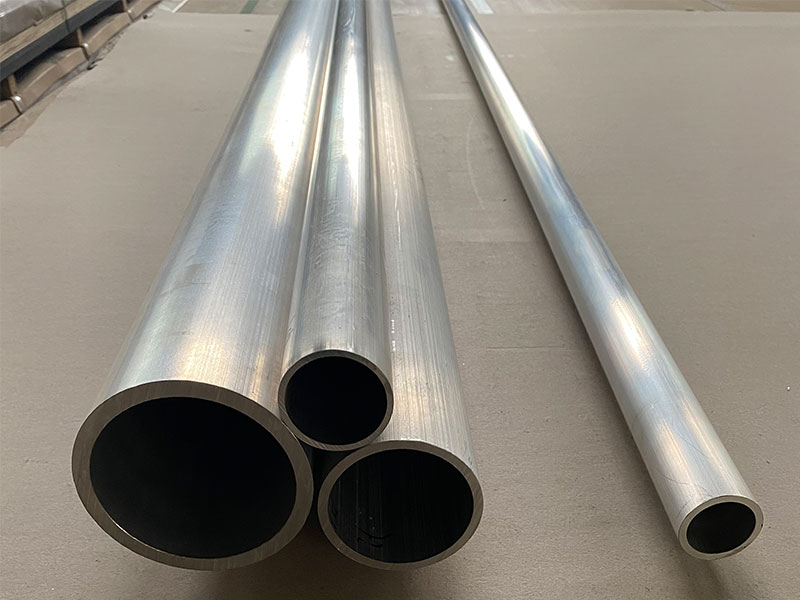
Marine aluminum round tubes
Marine Grade Aluminum Round Tubes are manufactured from premium marine alloys such as 5083, 5052, 6061, and 6082, all selected for their proven resistance to seawater corrosion and marine atmosphere degradation.
View Details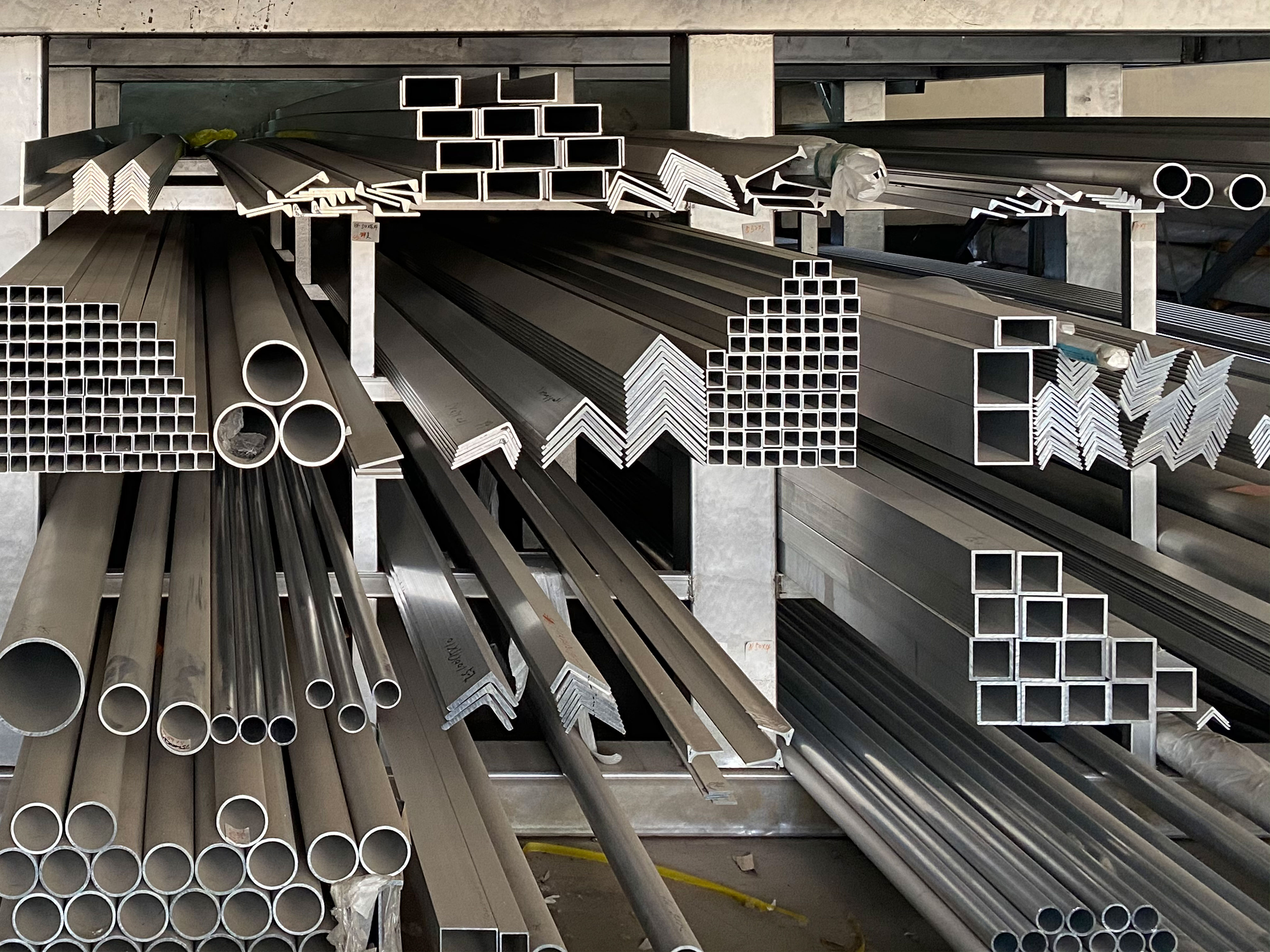
Custom marine aluminum profile tubes
Custom Marine Grade Aluminum Profile Tubes are manufactured from premium marine aluminum alloys such as 5083, 5052, 6061, and 6082.
View Details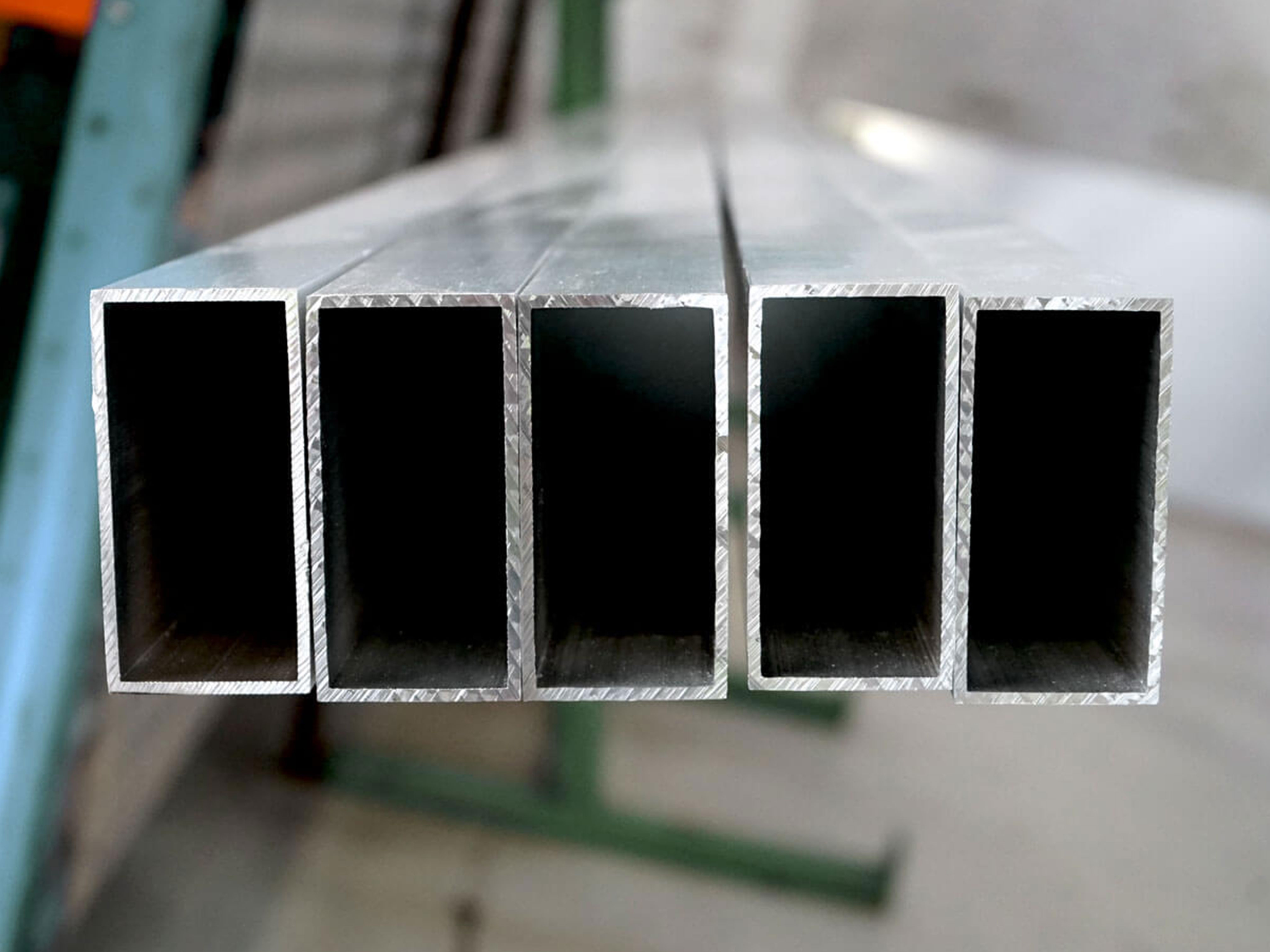
Marine aluminum rectangular tubes
Marine Grade Aluminum Rectangular Tubes are made from high-performance alloys such as 5083, 5052, 6061, and 6082. These alloys are renowned for their ability to resist corrosive seawater and marine atmospheres while providing excellent mechanical strength and toughness.
View Details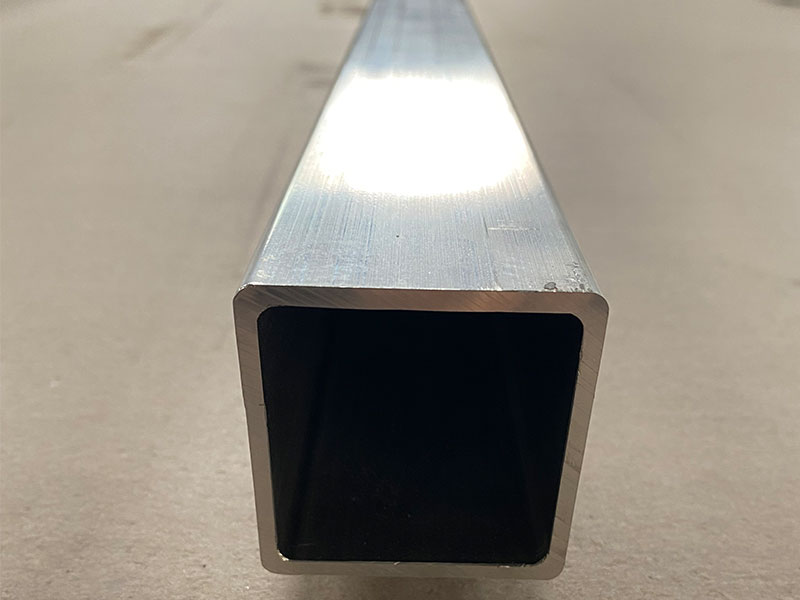
Marine aluminum square tubes
Marine Grade Aluminum Square Tubes are typically constructed from marine-grade alloys such as 5083, 5052, 6061, and 6082—well-known for their ability to withstand the aggressive effects of saltwater and marine atmospheres.
View Details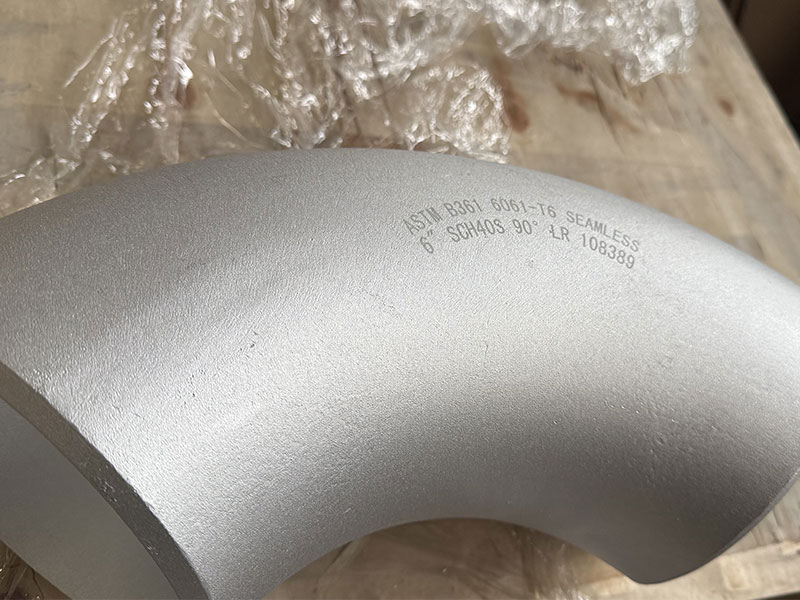
6061-T6 90-Degree Marine Aluminum Pipe Elbow
Manufactured from premium 6061-T6 marine-grade aluminum alloy, this elbow fitting is engineered to provide reliable and efficient pipe direction changes within shipbuilding, offshore platforms, and marine infrastructure systems.
View DetailsRelated Blog
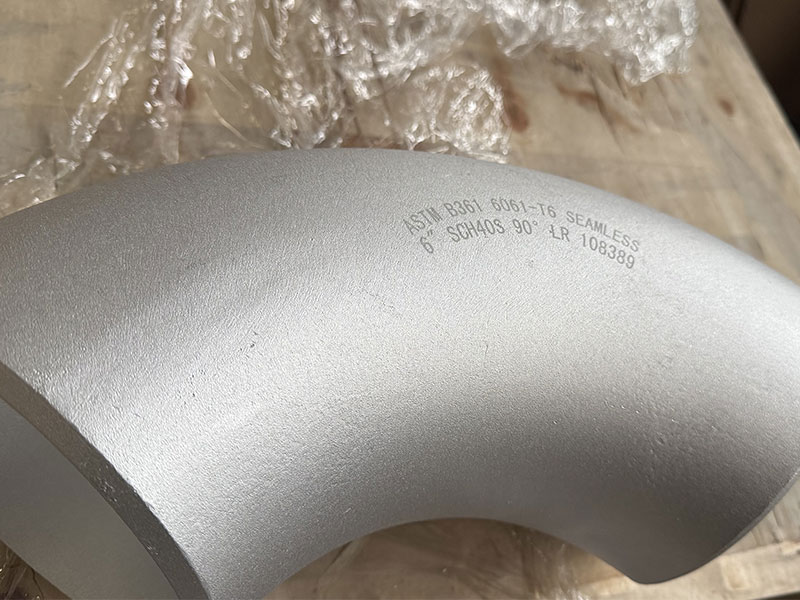
6061 Marine Aluminum Tubes for Custom Marine Equipment Frames
6061 Marine Aluminum Tubes for Custom Marine Equipment Frames: The "Invisible Structure" That Keeps Gear WorkingIn custom marine equipment, the frame is rarely the star.
View Details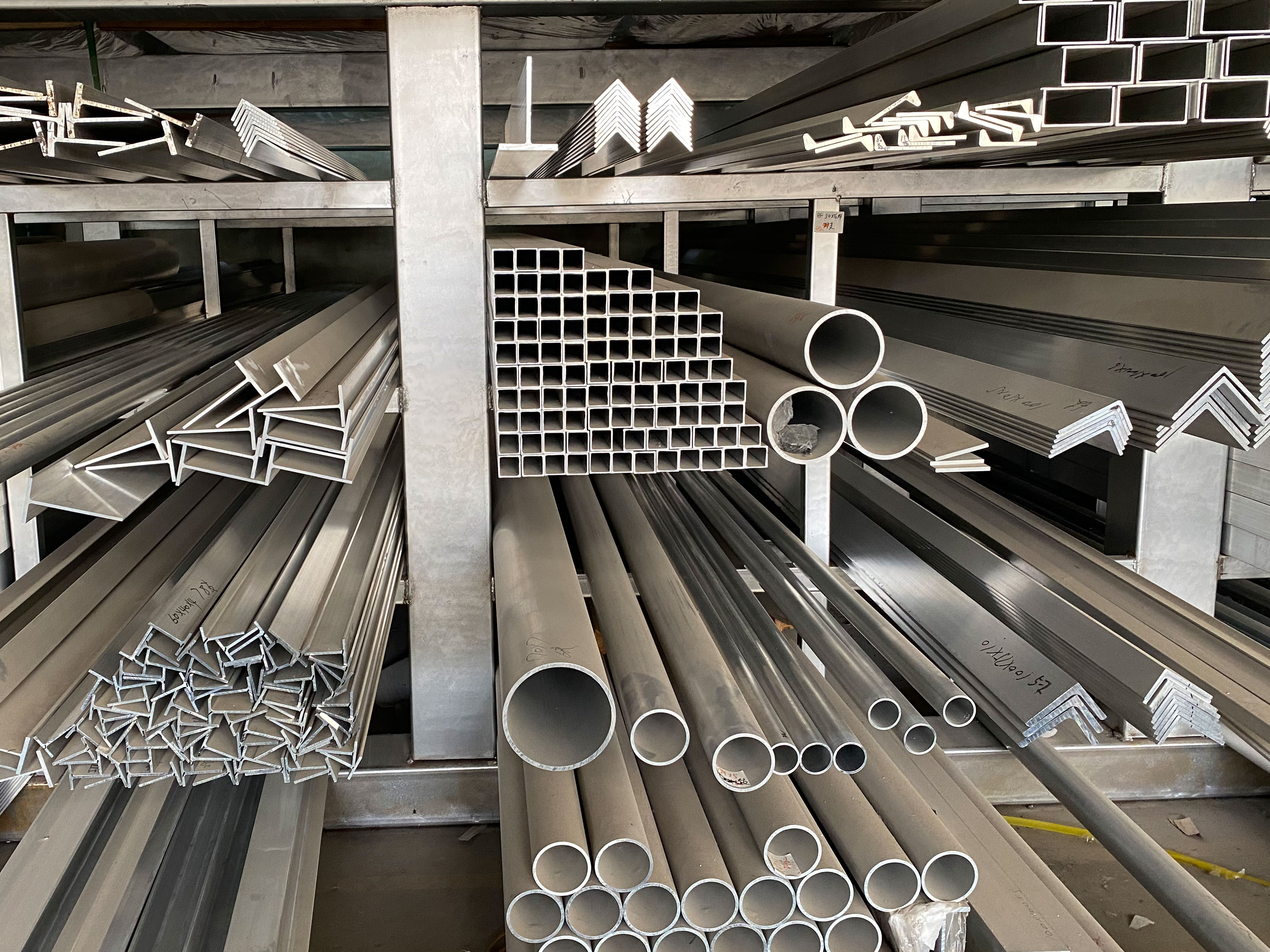
6061 Marine Aluminum Tubes for Boat Deck Support Structures
A boat deck rarely gets credit when everything feels right. No squeaks underfoot, no soft spots, no uneasy vibration when the hull meets chop. That sense of confidence is often created by what you don't see: the deck support structure.
View Details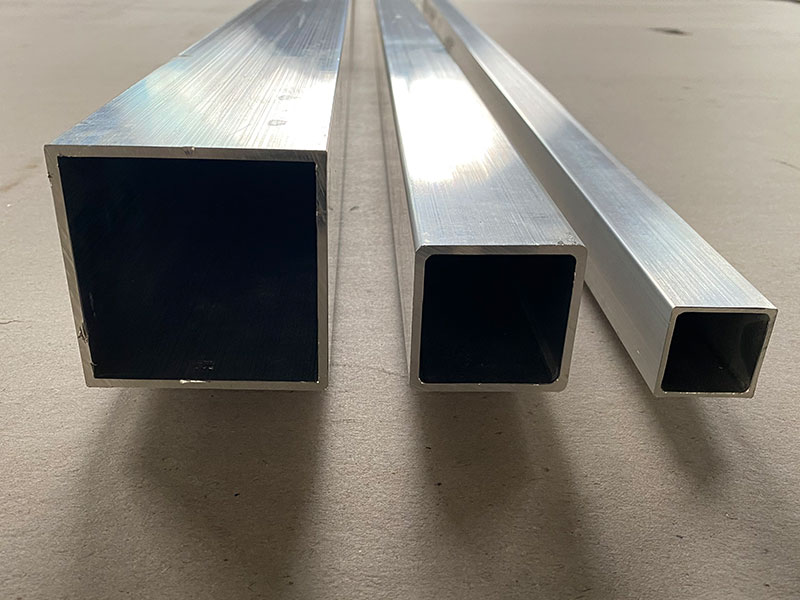
6061 Marine Aluminum Square Tubes for Yacht Construction
In the realm of yacht construction, materials play a pivotal role in defining vessel performance, durability, and aesthetics.
View Details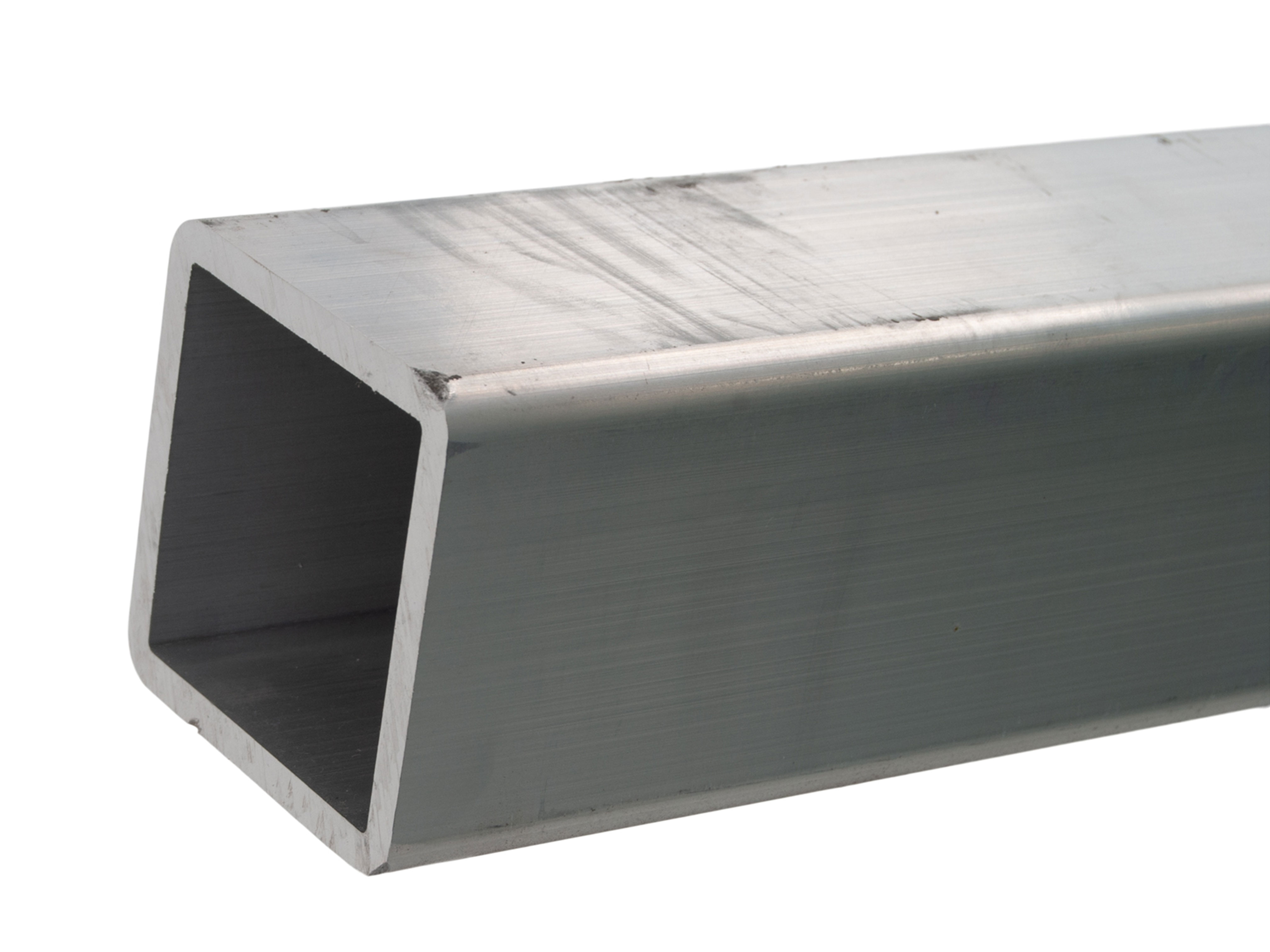
6061 Marine Aluminum Tubes for Heavy Marine Frame Reinforcements
6061 marine aluminum tubes are a workhorse choice for heavy marine frame reinforcements where strength, weldability, and corrosion resistance must coexist in one practical material.
View Details
6061 Marine Aluminum Tubes for Custom Marine Construction
When it comes to building robust, lightweight, and corrosion-resistant structures for marine applications, 6061 Marine Aluminum Tubes unquestionably lead the pack.
View Details
6061 Marine Aluminum Tubes for Marine Engineering Projects
Marine engineering demands materials that combine exceptional strength, corrosion resistance, and versatility for reliable performance in harsh seawater environments.
View Details
Leave a Message