
6061 T3-T8 Marine Grade Aluminum Sheet
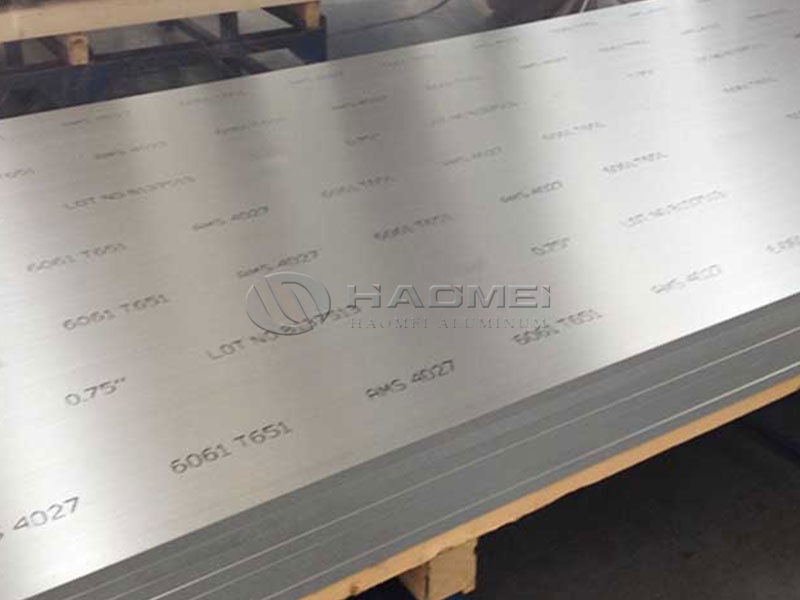
6061 T3-T8 marine grade aluminum sheet is often selected not because it is the first alloy considered for a boat hull, but because it solves a different marine engineering problem: creating strong, precise, machinable parts that must retain their geometry under load. In practical vessel construction, this makes 6061 a highly valuable material for deck structures, cabin frames, gangways, hatch covers, rail supports, brackets, consoles, equipment bases, and fabricated marine components.
The term "marine grade" should be understood as a service-oriented description rather than a separate alloy classification. A 6061 sheet intended for marine work must combine certified chemistry, reliable mechanical properties, controlled temper, appropriate surface condition, and a corrosion-control plan suited to its location on the vessel. When these factors are matched correctly, 6061 becomes the structural skeleton behind many visible and hidden marine systems.
Why 6061 Performs Differently on a Boat
6061 is an aluminum-magnesium-silicon alloy strengthened by precipitation hardening. Magnesium and silicon form magnesium silicide during heat treatment, allowing the sheet or plate to develop considerably higher strength than common non-heat-treatable marine alloys. This is why 6061 is frequently used where a component needs stiffness, clean machining, and load-bearing capacity without excessive weight.
A useful way to view 6061 is as the material for marine "interfaces." Hull plating primarily faces seawater, impact, and long-term corrosion exposure. Structural fittings, however, often face concentrated loads from hinges, engines, davits, handrails, electronics, pumps, doors, and deck hardware. These parts need accurate drilling, stable threads, controlled bends, and dependable welding practices. 6061 serves these demanding interfaces effectively.
For large welded hull shells operating continuously in seawater, 5xxx-series alloys are generally preferred due to their stronger resistance to saltwater corrosion and better retention of properties around welded zones. For that application, Marine 5083 aluminum sheet is often a more suitable choice. The role of 6061 is complementary: it brings strength and fabrication precision to the parts surrounding the hull structure.
Chemical Composition of 6061 Aluminum
The chemistry of 6061 is controlled under ASTM B209 and related material specifications. Magnesium and silicon are the principal alloying elements, while copper and chromium support strength and microstructural stability. Values shown are weight percentages.
| Element | Chemical Content, % |
|---|---|
| Silicon, Si | 0.40-0.80 |
| Iron, Fe | 0.00-0.70 |
| Copper, Cu | 0.15-0.40 |
| Manganese, Mn | 0.00-0.15 |
| Magnesium, Mg | 0.80-1.20 |
| Chromium, Cr | 0.04-0.35 |
| Zinc, Zn | 0.00-0.25 |
| Titanium, Ti | 0.00-0.15 |
| Other elements, each | 0.05 maximum |
| Other elements, total | 0.15 maximum |
| Aluminum, Al | Balance |
This balanced composition gives 6061 good general corrosion resistance, moderate-to-high strength after aging, good weldability, and excellent machinability. It is not immune to marine corrosion. Salt deposits, stagnant moisture, dissimilar-metal contact, and damaged coatings can still cause pitting or galvanic attack. Material selection must therefore be paired with smart detailing.
Understanding T3 Through T8 Tempers
The temper is not a minor suffix. It determines how the sheet bends, machines, carries load, and reacts to welding. A request for "6061 T3-T8" should be treated as a temper range, not as one fixed condition. The actual temper must be specified on the purchase order and confirmed by the mill test certificate.
| Temper | Condition | Marine Fabrication Implication |
|---|---|---|
| T3 | Solution heat-treated, cold worked, naturally aged | A less common condition for 6061; may be used where moderate strength and forming response are required. Certification should be confirmed. |
| T4 | Solution heat-treated and naturally aged | Good formability for bends and formed panels, with moderate strength. |
| T6 | Solution heat-treated and artificially aged | A widely used high-strength condition for marine brackets, frames, machined parts, and structural members. |
| T651 | T6 condition with stress relief by stretching | Preferred for thicker plate and machined components where flatness and dimensional stability matter. |
| T8 | Solution heat-treated, cold worked, then artificially aged | Higher-strength temper family with limited formability; availability depends on thickness and product form. |
T6 is the familiar choice when stiffness and strength are the priority. T651 is especially useful for precision-machined bases, flange plates, engine mounts, and large structural details because stress relieving reduces distortion after machining. T4 or a carefully qualified T3 condition may be selected when the fabrication sequence requires tighter bends before final assembly.
An important technical distinction is welding. The heat-affected zone adjacent to a weld in 6061-T6 or T651 loses part of its precipitation-hardening effect. Its local strength can fall toward a T4-like level unless a post-weld heat treatment is performed, which is uncommon for large marine fabrications. Designers should size welded joints based on applicable welded-condition design values, not only the parent-metal T6 tensile strength.
Typical Parameters and Delivery Conditions
6061 marine aluminum sheet is supplied in dimensions selected around fabrication yield, vessel geometry, and handling capacity. Thickness, width, length, flatness, and protective packaging should all be defined before production begins.
| Parameter | Typical Requirement or Range |
|---|---|
| Alloy | AA 6061 / EN AW-6061 |
| Product form | Sheet, plate, cut-to-size blank, tread plate, machined blank |
| Common tempers | T4, T6, T651; T3 and T8 subject to product-form availability |
| Typical thickness | 0.5 mm to 200 mm, depending on sheet or plate form |
| Common width | 1,000 mm to 2,500 mm |
| Common length | 2,000 mm to 12,000 mm, or cut to drawing size |
| Surface | Mill finish, brushed, protective film, anodized, painted, coated |
| Density | Approximately 2.70 g/cm³ |
| Elastic modulus | Approximately 69 GPa |
| Electrical conductivity | Approximately 40% IACS for T6, typical |
Mechanical values depend on thickness, direction, temper, and governing standard. As a general reference, 6061-T6 sheet commonly provides tensile strength around 290 MPa, yield strength around 240 MPa, and elongation generally in the range of 8-12%. Engineering calculations must use certified values applicable to the ordered thickness and product specification.
Standards That Support Traceable Marine Use
A marine project should request documentation that connects every plate or sheet to its production identity. ASTM B209 is commonly used for aluminum and aluminum-alloy sheet and plate. EN 485 covers tolerances and mechanical-property requirements for wrought aluminum sheet, strip, and plate, while EN 573 defines chemical composition and alloy designations. ISO 6361 may also be referenced for wrought aluminum sheet and plate requirements.
Where classification approval is required, project specifications may call for material certification from organizations such as DNV, ABS, Lloyd's Register, or Bureau Veritas. Approval requirements vary by vessel class, component location, and flag-state rules. A certificate should state alloy, temper, dimensions, heat number, chemical analysis, mechanical test results, and applicable standard.
Applications That Benefit From 6061
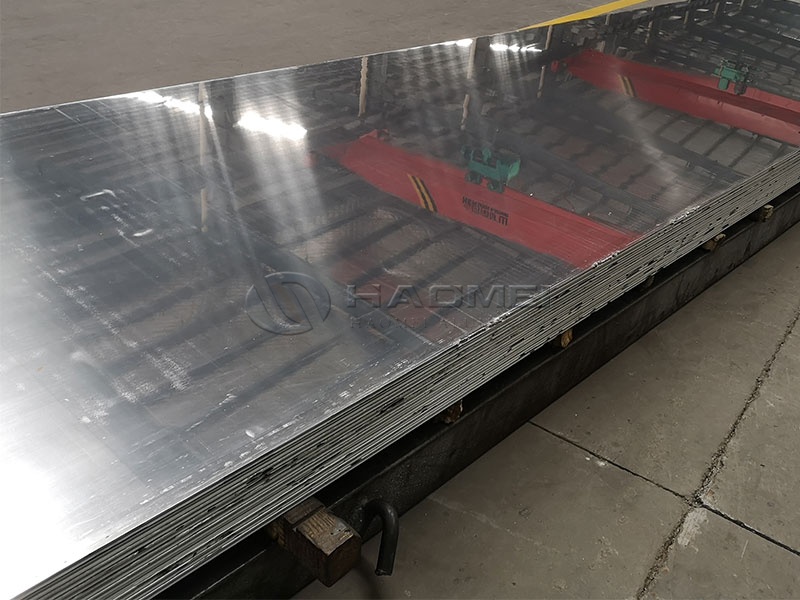
The material is particularly effective in fabricated structural parts above the waterline. Typical uses include wheelhouse frames, cabin side panels, hardtops, hatch lids, deck beams, stair systems, gangways, ladders, antenna supports, radar arches, handrails, solar-panel frames, equipment skids, pump bases, battery trays, fuel-system supports, and dockside access platforms.
6061 also performs well in marine components requiring holes, tapped threads, milled pockets, or close-tolerance interfaces. Its machining behavior makes it a practical choice for CNC-cut mounting plates, instrument housings, cleats, brackets, hinge blocks, and custom hardware. When walking safety is required, Marine Aluminum Tread Sheets can provide an anti-slip surface for decks, steps, work platforms, and access routes.
Corrosion Control Is Part of the Material Choice
In marine service, a sound design keeps water moving, prevents salt traps, and isolates dissimilar metals. Stainless steel fasteners should be separated from aluminum with suitable non-conductive washers, sealants, sleeves, or coatings. Bare edges, drilled holes, weld zones, and crevices deserve special attention. Anodizing, marine paint systems, conversion coatings, and sealed joints can substantially extend service life when selected for the operating environment.
6061 T3-T8 marine grade aluminum sheet delivers its best value when the temper matches the fabrication route and the component is placed where its strength, stiffness, and machining advantages matter most. It is a disciplined material choice for marine structures that must be light, accurate, durable, and ready for real working conditions.

Related Products
Marine 5052 aluminum sheet
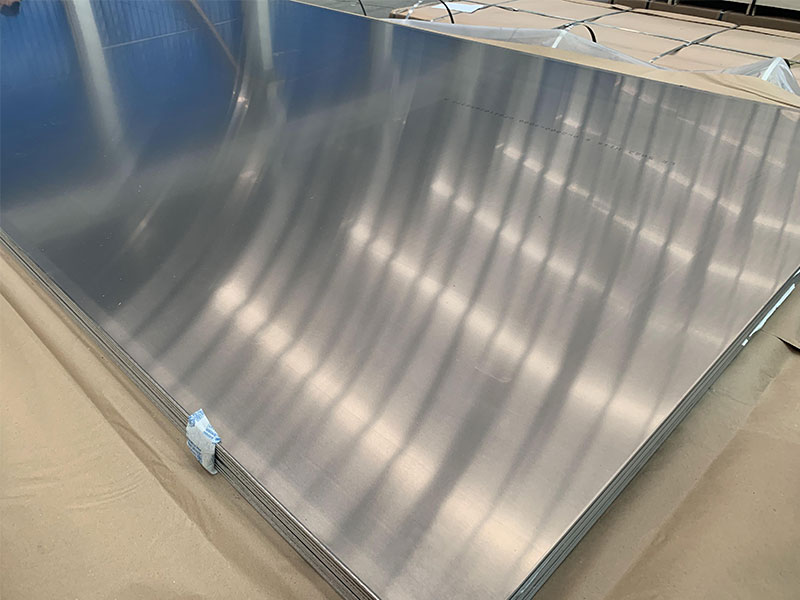
Aluminum alloy 5052 is a non-heat-treatable, strain-hardened alloy with magnesium as the primary alloying element. It is designed to offer superior corrosion resistance in marine and saline environments, making it a dependable choice for components exposed directly to seawater or coastal atmospheric conditions.
View Details
Marine 5383 aluminum sheet
5383 aluminum is a strain-hardened, non-heat-treatable alloy from the 5xxx series primarily alloyed with magnesium. It exhibits a unique balance of corrosion resistance and mechanical properties particularly suited for marine applications.
View Details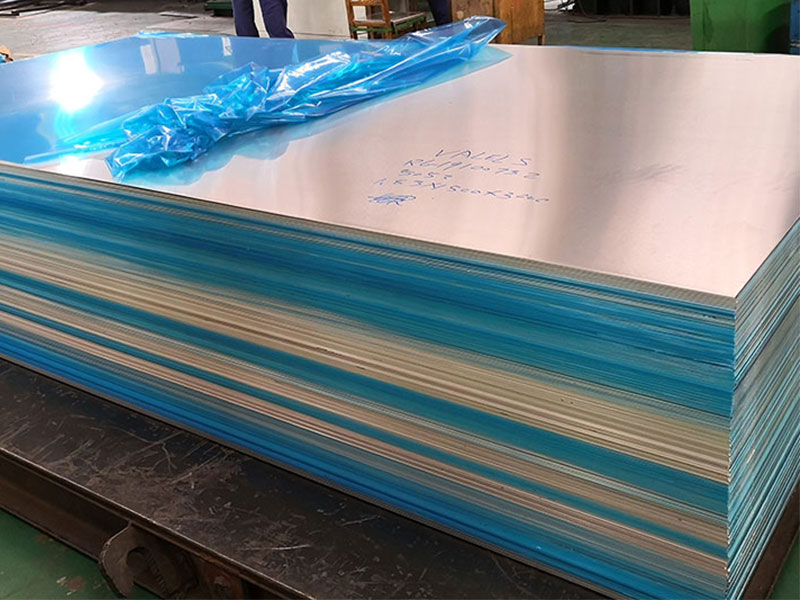
Marine 5059 aluminum sheet
5059 aluminum alloy is a strain-hardened material with a unique addition of magnesium and chromium, which provides outstanding resistance to localized corrosion like pitting and stress corrosion cracking.
View Details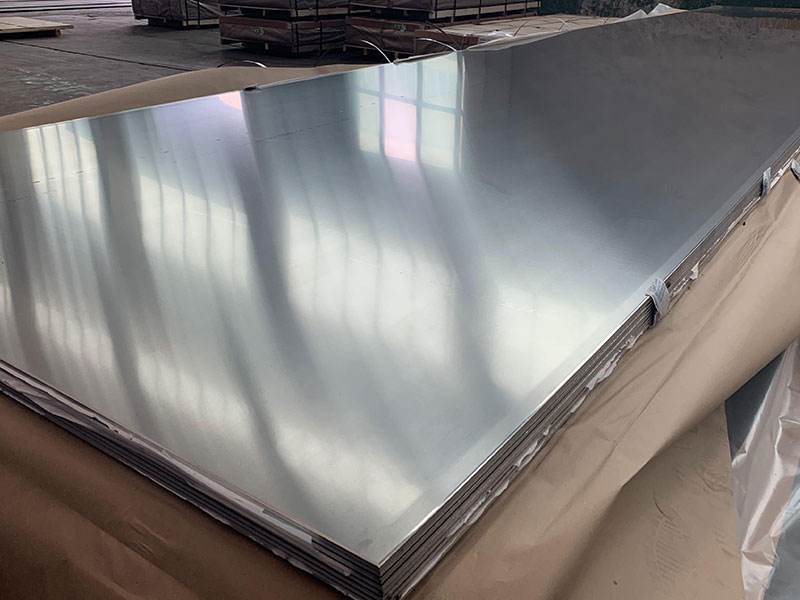
Marine 5086 aluminum sheet
This product article provides an in-depth and comprehensive understanding of Marine 5086 Aluminum Sheets, including their chemical composition, mechanical properties, corrosion resistance, fabrication capabilities, and typical marine applications.
View Details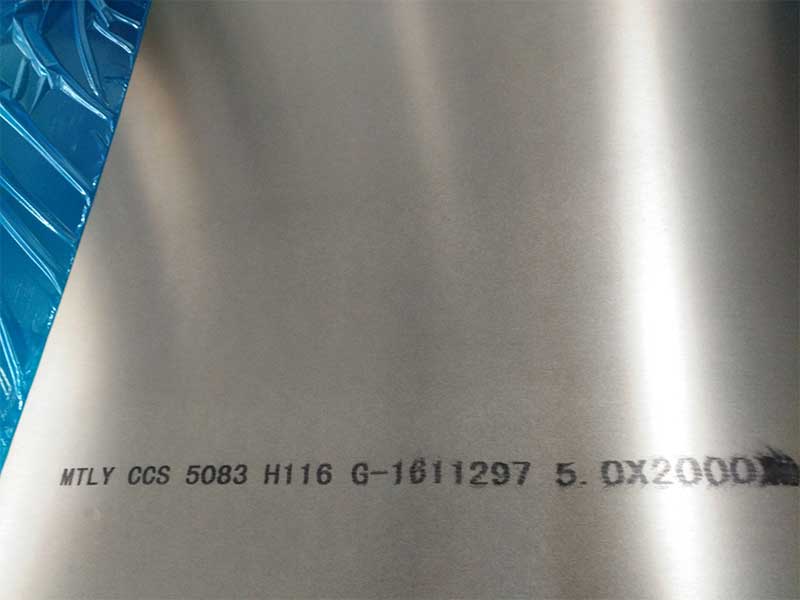
Marine 5083 aluminum sheet
Aluminum alloy 5083 is a non-heat-treatable alloy primarily composed of magnesium and trace elements that deliver outstanding protection against corrosion, particularly in seawater and saline atmospheres.
View Details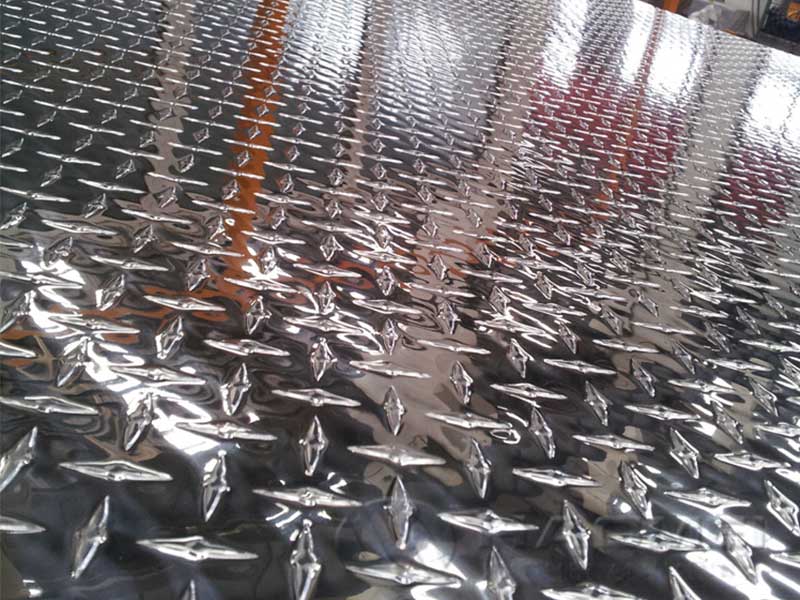
Marine Aluminum Tread Sheets
Marine Aluminum Tread Sheets are aluminum alloy plates featuring a raised surface pattern, commonly referred to as a tread design or diamond plate.
View DetailsRelated Blog
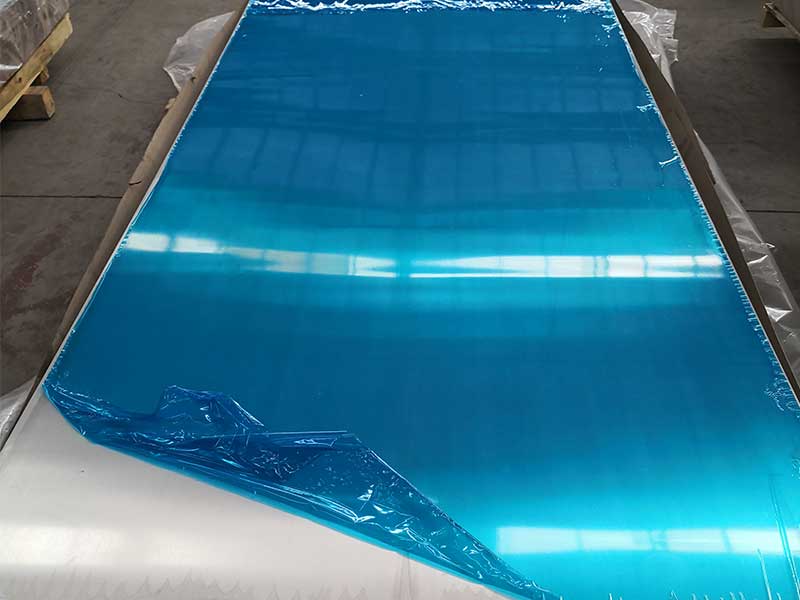
10mm 8mm 6mm Marine Aluminium Sheet
In the demanding maritime environment, material performance can decide the lifespan and safety of vessels and related structures. Marine aluminium sheets, particularly in 10mm, 8mm, and 6mm thicknesses, offer a unique combination of durability.
View Details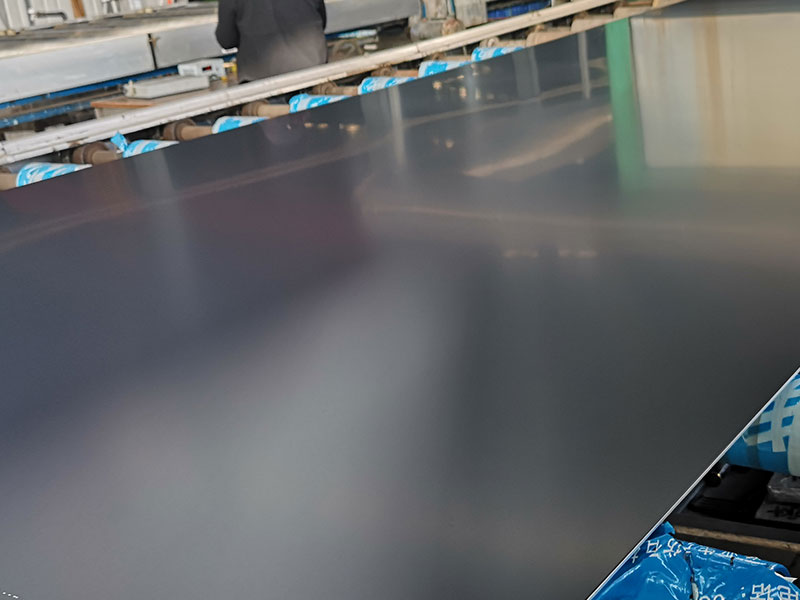
5083 h116 marine grade aluminium alloy sheet
When it comes to marine applications, the choice of materials plays a pivotal role in the performance and longevity of boats and ships. Among the plethora of options.
View Details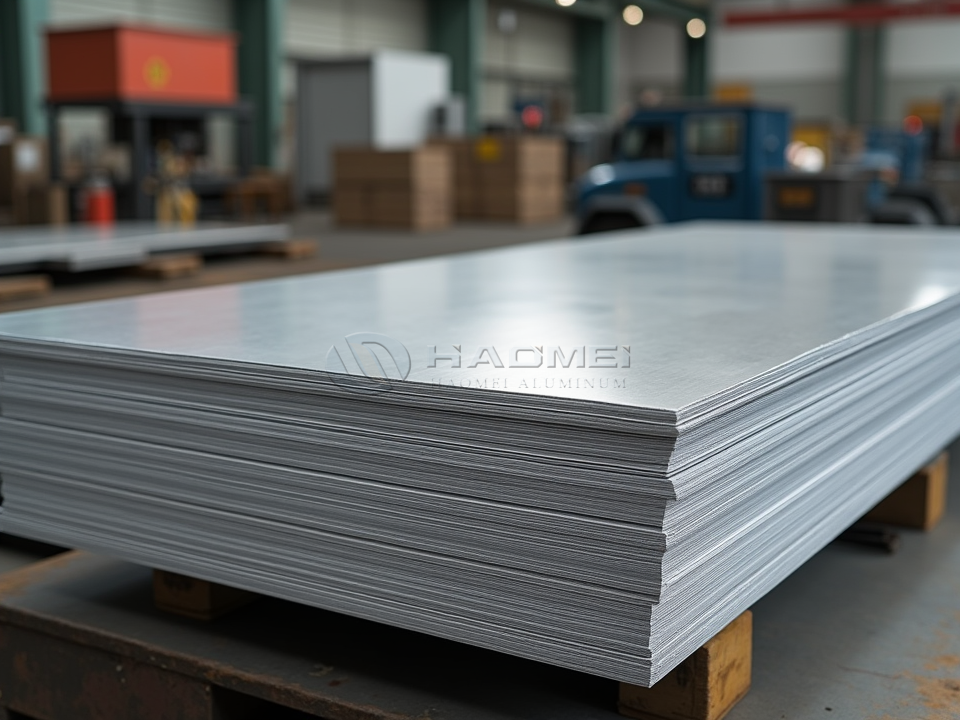
Marine Anodized Aluminum Sheet 5086 5052 H34
Marine anodized 5086 and 5052 H34 aluminum sheets deliver corrosion resistance, durable finishes, and dependable performance for boats.
View Details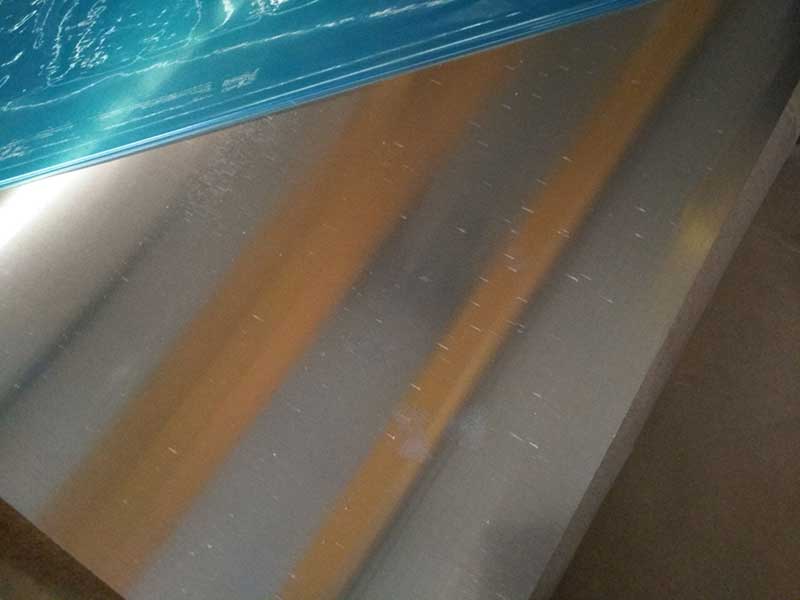
Aluminium sheet for ship building
Aluminium sheet for ship building is engineered to deliver a rare combination of light weight, corrosion resistance, high specific strength, and excellent fabricability in harsh marine environments.
View Details
Aluminum perforated sheet for boat
Aluminum perforated sheet is a high-value material choice for boats and marine structures where weight control, corrosion resistance, drainage, airflow, and slip management matter as much as strength.
View Details
6061 6063 7071 5083 7075 alloy aluminum sheet for boat
Boat builders choose aluminum sheet when they need a hull or structure that stays light, resists corrosion, and remains workable in fabrication. This product range-6061, 6063, 7071, 5083.
View Details
Leave a Message