
Alloy 6082 T3 T4 T5 Marine Grade Aluminium Alloy Sheet
Alloy 6082 T3, T4 and T5 marine grade aluminium alloy sheet is a heat-treatable 6xxx-series material developed for structural work requiring a strong balance of strength, weldability, machinability and relatively low weight. Its magnesium-silicon alloying system enables higher mechanical performance than many non-heat-treatable aluminium sheets, making it a practical choice for marine superstructures, gangways, deck equipment, access systems and coastal engineering components.
For marine projects, 6082 should be selected according to the actual service environment. It performs well in atmospheric marine exposure and protected structural applications. For permanently immersed hull plating or highly aggressive splash-zone service, 5xxx-series materials are often preferred because of their stronger seawater corrosion resistance. A careful alloy selection helps shipbuilders achieve a long service life while controlling maintenance needs.
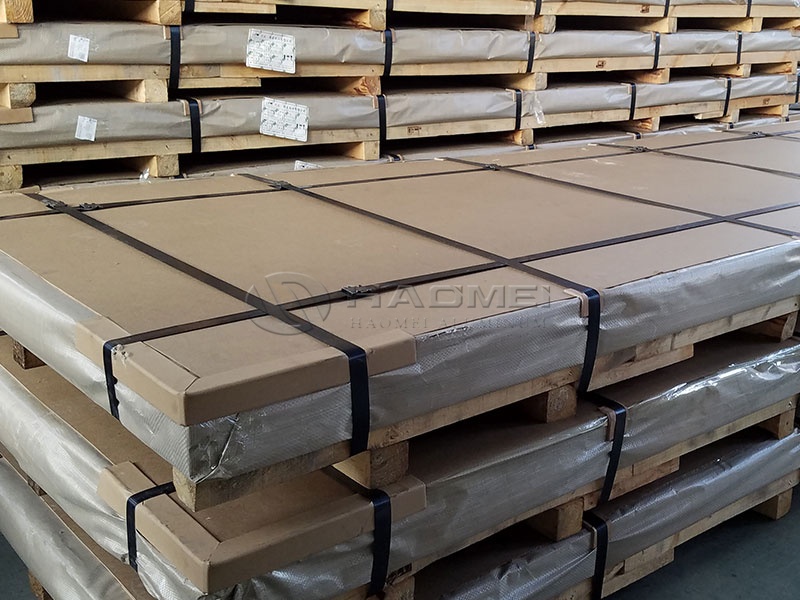
Why 6082 suits demanding marine structures
6082 aluminium sheet offers a high strength-to-weight ratio. Replacing steel parts with aluminium can substantially reduce vessel weight, supporting higher payload capacity, lower fuel consumption and easier handling during assembly. The alloy also responds well to machining, allowing clean drilling, milling and cutting for complex fabricated parts.
The surface naturally develops a protective aluminium oxide film. In coastal air, this film provides useful resistance to weathering. Where appearance, cleanability or added surface protection is required, anodizing, painting or marine-grade coating systems may be applied after correct surface preparation.
Compared with softer marine alloys, 6082 delivers greater rigidity for structural members. This makes it particularly attractive where deflection control matters, such as platforms, ladder systems, rail supports, crane components and walkways. It is also commonly specified where a fabricated assembly needs to carry intermittent loads without adding excessive thickness.
Chemical composition
The composition of 6082 is controlled to develop precipitation hardening capability while retaining practical forming and welding behavior. Typical composition limits are shown in the table.
| Element | Typical specified range or maximum, % by weight |
|---|---|
| Silicon, Si | 0.70-1.30 |
| Iron, Fe | 0.50 max. |
| Copper, Cu | 0.10 max. |
| Manganese, Mn | 0.40-1.00 |
| Magnesium, Mg | 0.60-1.20 |
| Chromium, Cr | 0.25 max. |
| Zinc, Zn | 0.20 max. |
| Titanium, Ti | 0.10 max. |
| Other elements, each | 0.05 max. |
| Other elements, total | 0.15 max. |
| Aluminium, Al | Balance |
Silicon and magnesium form magnesium silicide precipitates during heat treatment, creating the alloy's useful strength level. Manganese supports grain structure and contributes to toughness. The controlled copper content helps preserve corrosion performance compared with higher-copper aerospace alloys.
Temper choices: T3, T4 and T5
Temper has a direct influence on forming behavior, strength and fabrication planning. The correct choice depends on whether the sheet will be bent, machined, welded or used directly as a load-bearing panel.
| Temper | Processing condition | General behavior | Suitable marine uses |
|---|---|---|---|
| T3 | Solution heat-treated, cold worked and naturally aged | Moderate strength with added work-hardening effect | Contract-specific structural parts, formed components |
| T4 | Solution heat-treated and naturally aged | Good formability with useful post-aging strength | Bent brackets, folded panels, fabricated sections |
| T5 | Cooled from an elevated-temperature process and artificially aged | Higher strength and rigidity, reduced formability versus T4 | Stiffeners, machined fittings, structural panels |
T4 is often selected when fabrication requires bending, pressing or shaping before final assembly. T5 is preferred when dimensional stability and higher as-supplied strength are more important than extensive cold forming. The T3 designation is less commonly stocked for 6082 than T4 or T5, so its availability, mechanical requirements and governing specification should be confirmed during procurement.
Typical physical and mechanical properties
Actual values vary with thickness, product form, test direction and applicable standard. The following figures provide a practical reference rather than a substitute for certified mill test documentation.
| Property | Typical value or range |
|---|---|
| Density | 2.70 g/cm³ |
| Melting range | Approximately 555-650°C |
| Thermal conductivity | Approximately 170 W/m·K |
| Electrical conductivity | Approximately 42% IACS |
| Elastic modulus | Approximately 69 GPa |
| T4 tensile strength | Approximately 180-240 MPa |
| T4 proof strength | Approximately 110-180 MPa |
| T5 tensile strength | Approximately 240-300 MPa |
| T5 proof strength | Approximately 200-260 MPa |
| Elongation | Typically 6-14%, depending on thickness and temper |
The light density of 6082 is particularly valuable for marine fabrications. A lower-mass gangway, console frame or equipment platform is easier to install and places less load on supporting structures. Its relatively high modulus for aluminium also gives designers an effective option for stiff, lightweight sections.
Corrosion performance in marine environments
Marine grade does not mean that every aluminium alloy is equally suited to every saltwater condition. Alloy 6082 has good atmospheric corrosion resistance and performs reliably when drainage, coating integrity and galvanic isolation are managed correctly. It is widely used above the waterline, inside accommodation areas, in deck structures and in protected offshore equipment.
Avoid stagnant saltwater traps, untreated crevices and direct contact with more noble metals such as copper alloys or stainless steel in wet conditions. Insulating washers, sealants, compatible coatings and sound drainage design can greatly reduce galvanic corrosion risk.
For bare hull shell plating, bilge areas and continuous seawater exposure, project designers frequently compare 6082 with Marine 5083 aluminum sheet, which is commonly selected for its excellent resistance to marine immersion conditions. A broader selection of Marine Grade Aluminum Sheets helps match alloy performance with the location and duty of each part.
Fabrication and joining guidance
6082 aluminium sheet can be cut by sawing, routing, laser cutting, waterjet cutting or plasma cutting. Sharp tooling, suitable lubrication and controlled feeds help prevent built-up edge during machining. T4 sheet is generally the better choice for tighter bends, while T5 material may require a larger bend radius to avoid surface cracking.
The alloy has good weldability using MIG or TIG methods. However, heat from welding reduces the strength in the heat-affected zone because the temper is locally altered. Designers should account for this reduction by using appropriate joint geometry, reinforcement or local thickness allowance. Filler alloy selection should be based on the welding method, corrosion environment, required strength and planned surface finish.
After fabrication, remove welding residues, sharp edges and embedded contaminants. For exposed marine assemblies, a suitable conversion treatment, paint system or anodized finish can improve long-term appearance and protection.
Common applications
6082 T3, T4 and T5 aluminium sheet is used across marine, coastal and transport-related fabrication. Typical applications include:
- Vessel superstructure panels and internal partitions
- Gangways, boarding ramps and dock access bridges
- Deck supports, equipment housings and protective covers
- Handrails, ladder structures and platform framing
- Cabin fittings, storage modules and console assemblies
- Offshore access equipment and coastal maintenance structures
- Trailer bodies and lightweight transport components serving marine operations
Ordering considerations
When specifying 6082 marine aluminium sheet, define alloy, temper, thickness, width, length, surface condition, tolerances and certification requirements. Confirm whether the material will be welded, bent, anodized or painted, as these requirements influence the best temper and finish. For projects operating near saltwater, provide details of the exposure zone, contact metals and intended protective coating system.
A properly specified 6082 T3, T4 or T5 sheet provides a durable, strong and lightweight solution for marine structures where structural efficiency and fabrication flexibility are equally important.

Related Products
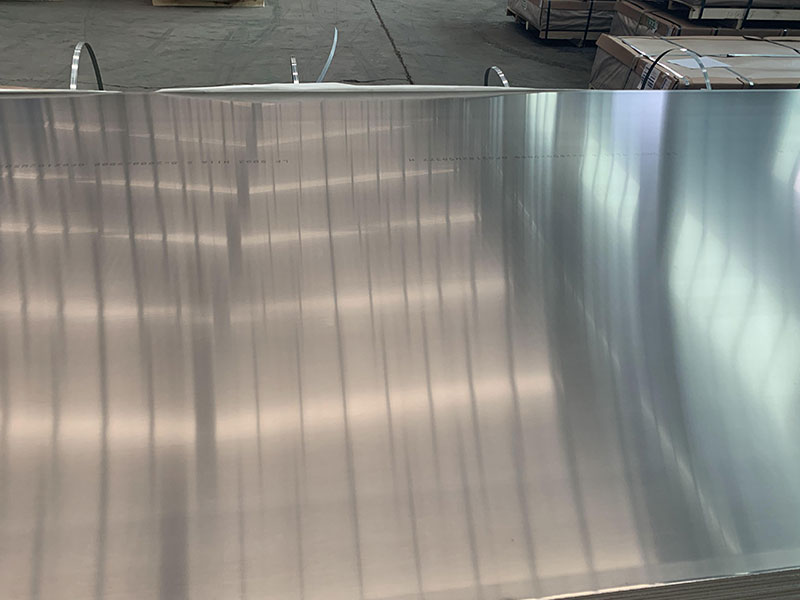
Marine 5383 aluminum sheet
5383 aluminum is a strain-hardened, non-heat-treatable alloy from the 5xxx series primarily alloyed with magnesium. It exhibits a unique balance of corrosion resistance and mechanical properties particularly suited for marine applications.
View Details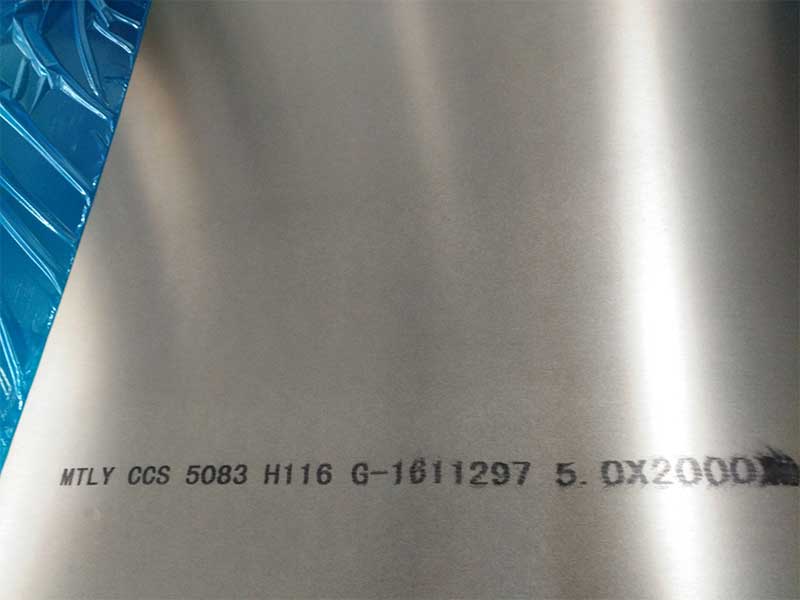
Marine 5083 aluminum sheet
Aluminum alloy 5083 is a non-heat-treatable alloy primarily composed of magnesium and trace elements that deliver outstanding protection against corrosion, particularly in seawater and saline atmospheres.
View Details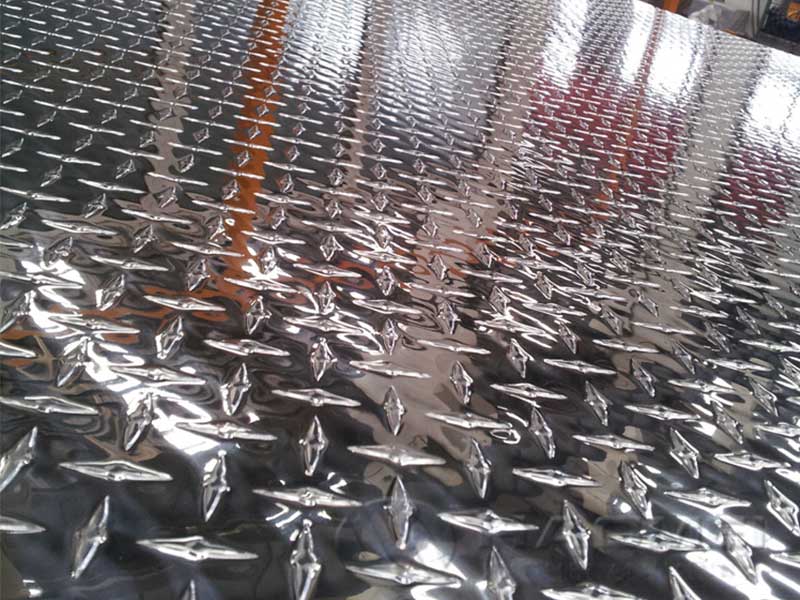
Marine Aluminum Tread Sheets
Marine Aluminum Tread Sheets are aluminum alloy plates featuring a raised surface pattern, commonly referred to as a tread design or diamond plate.
View Details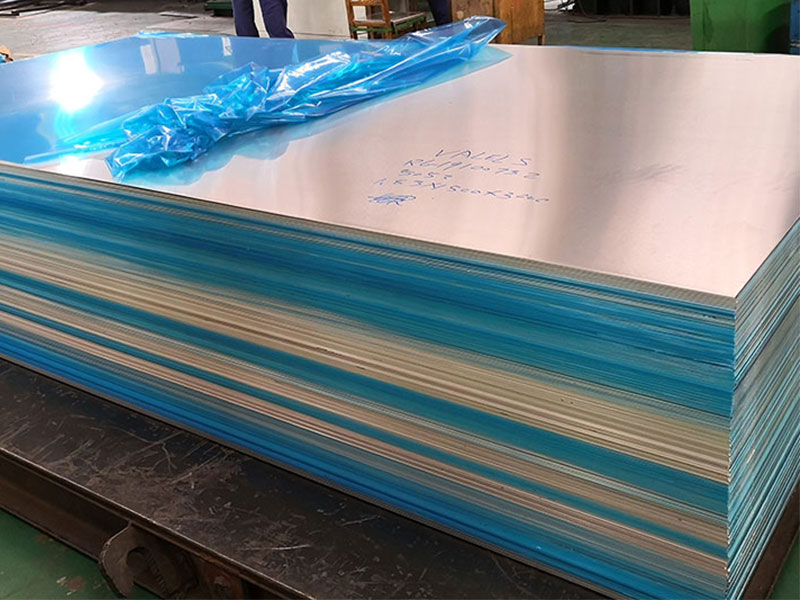
Marine 5059 aluminum sheet
5059 aluminum alloy is a strain-hardened material with a unique addition of magnesium and chromium, which provides outstanding resistance to localized corrosion like pitting and stress corrosion cracking.
View Details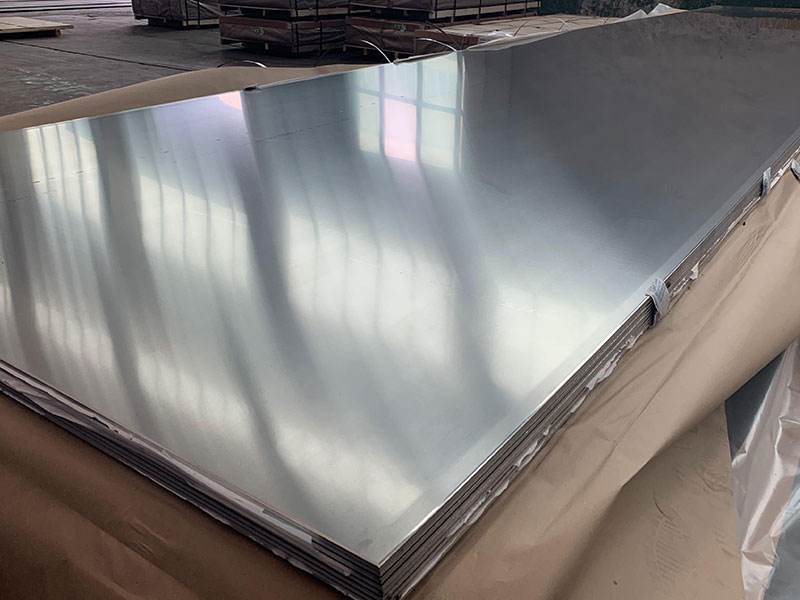
Marine 5086 aluminum sheet
This product article provides an in-depth and comprehensive understanding of Marine 5086 Aluminum Sheets, including their chemical composition, mechanical properties, corrosion resistance, fabrication capabilities, and typical marine applications.
View Details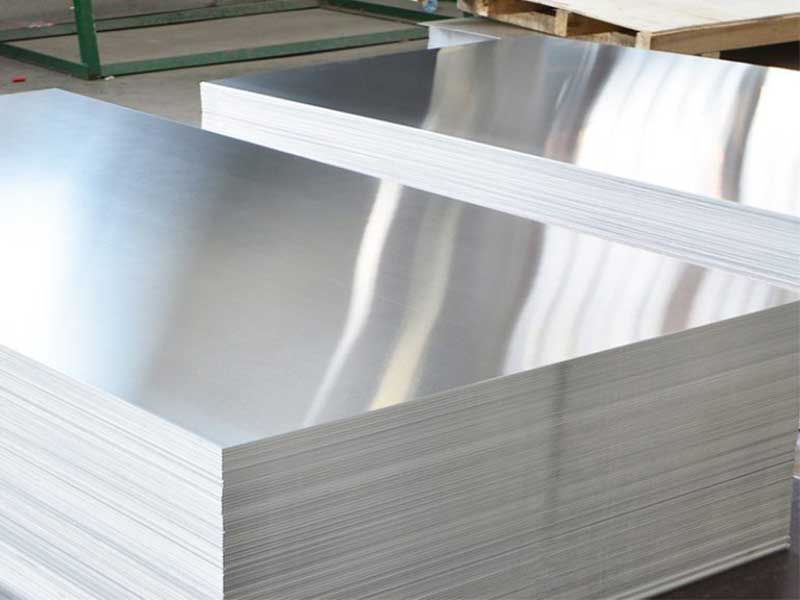
Marine anodized aluminum sheets
Marine Anodized Aluminum Sheets start with premium marine-grade aluminum alloys such as 5000 and 6000 series (typically 5083, 5052, and 6061).
View DetailsRelated Blog
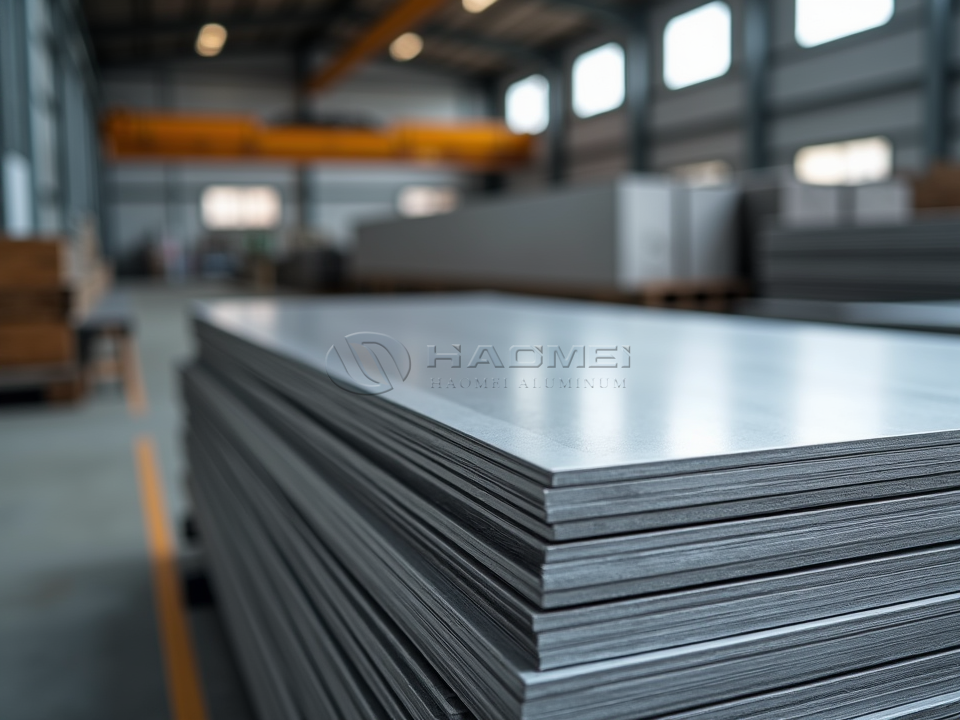
Marine Grade Alloy Aluminum Plate Sheet 5052 5083
Compare 5052 and 5083 marine aluminum plate sheet grades, including chemistry, tempers, standards, properties, and boatbuilding uses.
View Details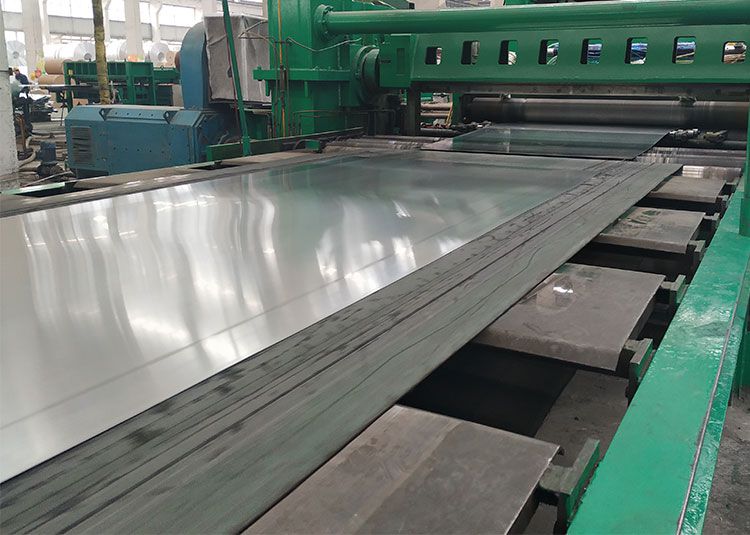
Marine grade aluminum for ship building aluminium sheet 5052 h111
Superior strength, corrosion resistance, and durability of marine grade aluminum 5052 H111 aluminum sheets, ideal for shipbuilding applications requiring high fatigue strength and excellent seawater performance.
View Details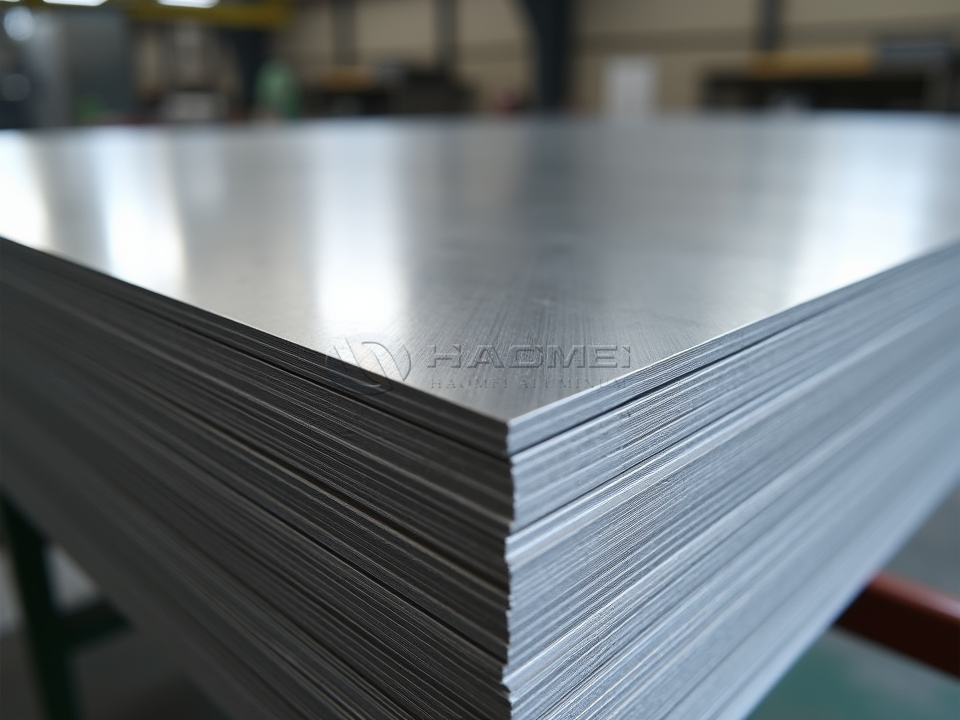
5083 Marine Anodized Aluminum Sheets
5083 marine anodized aluminum sheets combine seawater corrosion resistance, weldability, and durable anodized protection for hulls, decks, and fittings.
View Details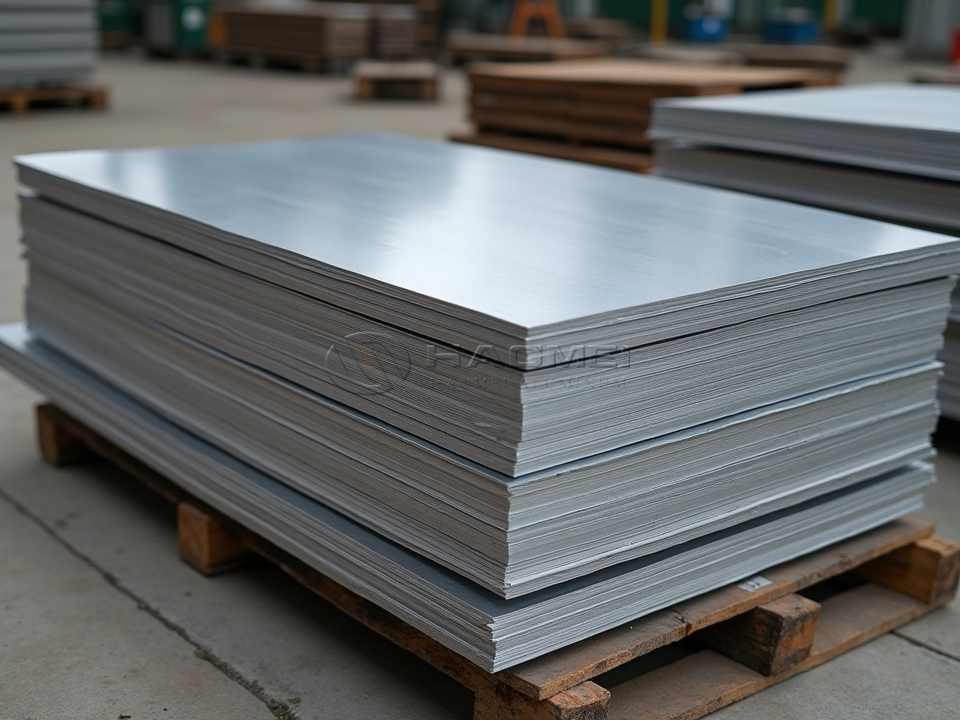
5052 Marine Aluminum Tread Sheets
5052 marine aluminum tread sheets offer corrosion resistance, slip control, low weight, and easy forming for decks, ramps, docks, cabins, and service platforms.
View Details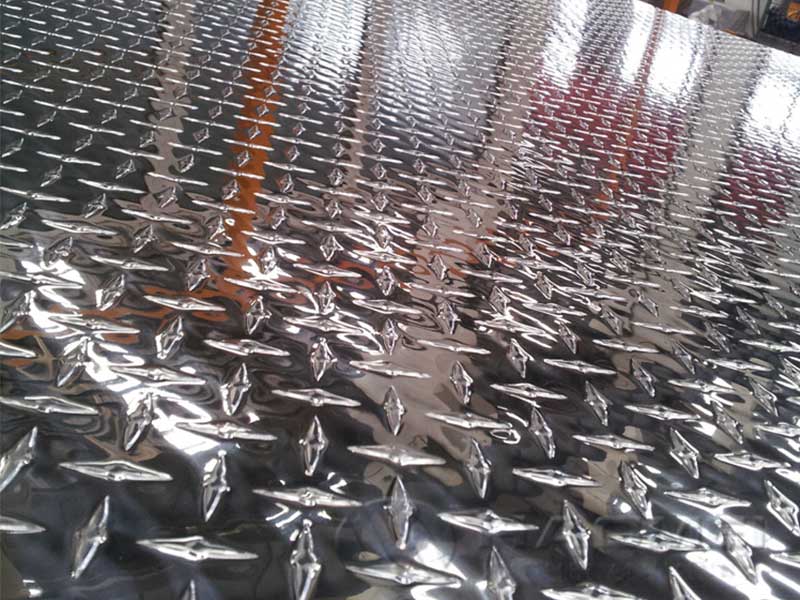
Marin grade aluminum sheet 5052 5mm thick for boat
What is Marine Grade Aluminum 5052?Aluminum 5052 is a non-heat-treatable aluminum-magnesium alloy primarily known for excellent corrosion resistance, high strength among the non-heat treatable grades, and superb weldability.
View Details
Marine aluminium sheet 5052
Marine environments demand materials that combine exceptional corrosion resistance, strength, and formability. The Marine Aluminium Sheet 5052 is one such alloy designed to withstand the harsh conditions of saltwater and marine atmospheres.
View Details
Leave a Message