
5052 Marine Aluminum Tread Sheets
5052 Marine Aluminum Tread Sheets are made for places where water, salt, footwear, and constant movement meet. The raised pattern improves traction, while the 5052 aluminum base gives the sheet excellent resistance to seawater corrosion, good fatigue strength, and reliable forming performance. For boat decks, dock walkways, access ramps, cabin flooring, engine-room steps, and utility platforms, this material offers a practical balance of safety, weight saving, durability, and clean appearance.
In marine fabrication, the surface must do more than look bright. It must remain stable after wet-dry cycles, resist staining from salt spray, accept cutting and bending, and keep service crews confident underfoot. That is why many builders choose Marine Aluminum Tread Sheets when a flat mill finish sheet does not provide enough grip.
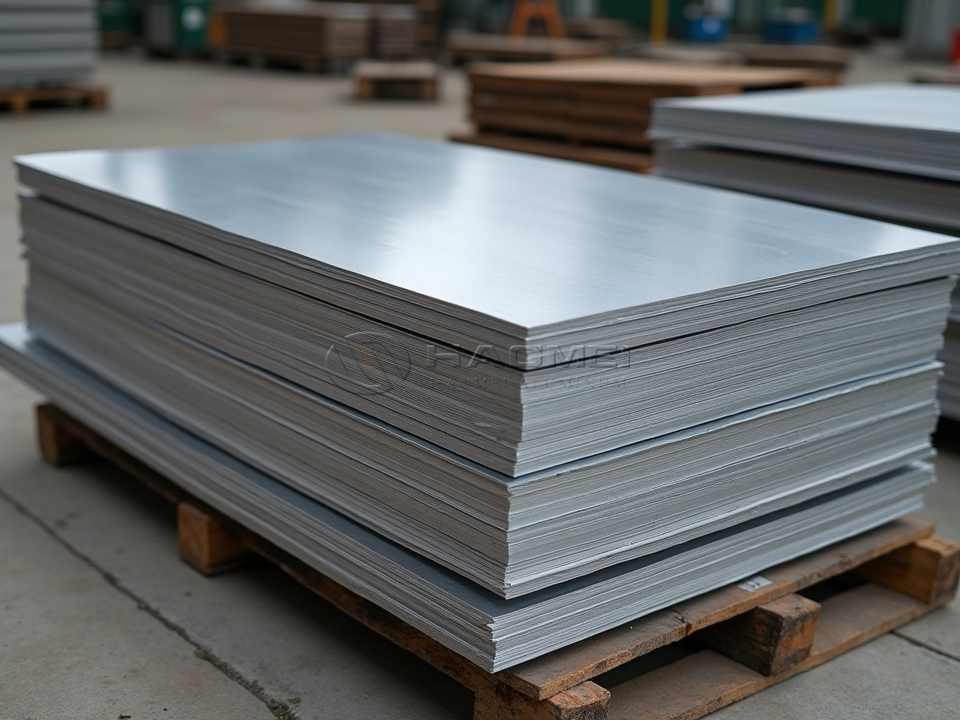
Material Character and Marine Value
5052 belongs to the aluminum-magnesium alloy family. Magnesium is the major strengthening element, giving the alloy better corrosion resistance than many general-purpose aluminum grades. It is not heat treatable, but it gains strength through strain hardening, commonly supplied in tempers such as H32 and H34 for tread sheet production.
The tread pattern, often diamond or five-bar, adds surface texture without adding heavy coatings or separate anti-slip layers. This is helpful on vessels where peeling, delamination, or trapped moisture can become maintenance issues. The metal itself remains lightweight, easy to clean, and suitable for both indoor and outdoor marine zones.
| Property | Typical Value or Description |
|---|---|
| Alloy | 5052 aluminum-magnesium alloy |
| Common tempers | H32, H34, H112, O for special forming needs |
| Surface pattern | Diamond, five-bar, two-bar, or custom tread designs |
| Density | About 2.68 g/cm3 |
| Corrosion behavior | Very good in marine atmosphere and saltwater splash zones |
| Weldability | Excellent with common marine welding practices |
| Formability | Good, especially in softer tempers |
| Main service role | Anti-slip flooring, lightweight panels, protective decking |
Chemical Composition
The performance of 5052 tread sheet comes from a controlled composition. Magnesium improves corrosion resistance and strength, while chromium helps stabilize the alloy structure. Low copper content is especially useful in marine service because high copper aluminum alloys are more vulnerable to corrosion in saltwater environments.
| Element | Typical Range, % |
|---|---|
| Aluminum | Balance |
| Magnesium | 2.2-2.8 |
| Chromium | 0.15-0.35 |
| Iron | Up to 0.40 |
| Silicon | Up to 0.25 |
| Copper | Up to 0.10 |
| Manganese | Up to 0.10 |
| Zinc | Up to 0.10 |
| Other elements | Controlled residuals |
Features Customers Notice in Daily Use
The most visible feature is traction. The raised pattern helps boots, shoes, wheels, and cargo contact the surface more securely, even when the sheet is wet. This is valuable on open decks, fishing work areas, boarding steps, gangways, and service walkways around tanks or machinery.
Another important advantage is low weight. Compared with steel tread plate, 5052 aluminum tread sheet reduces deck load and can make installation easier. On small craft, patrol boats, pontoons, and workboats, every kilogram saved can support better fuel economy, added payload, or improved handling.
Corrosion resistance is a major reason for choosing 5052. The alloy naturally forms a protective oxide film, and its magnesium-rich composition performs well in marine air. With correct fabrication and routine rinsing, it can provide long service life in coastal and offshore environments.
Fabrication is also straightforward. 5052 Marine Aluminum Tread Sheets can be sheared, sawn, punched, drilled, formed, and welded. For bent parts, the direction of bending, temper, pattern height, and thickness should be checked before production, because tread surfaces behave differently from smooth plate. When a project needs matching smooth panels, Marine 5052 aluminum sheet can be used alongside tread sheets for walls, cabinets, hatches, and structural covers.
Common Specifications
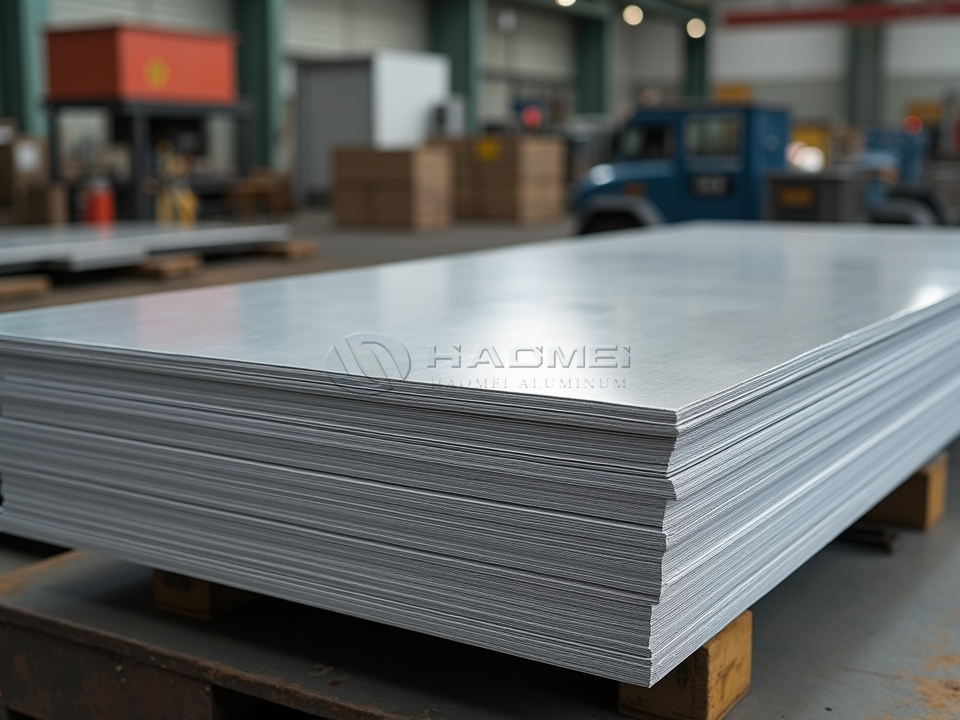
Thickness selection depends on span, expected load, support spacing, and whether the sheet is used as a cover plate, walking surface, or structural floor component. Thin gauges are easy to form and handle, while thicker sheets provide better stiffness and impact resistance.
| Item | Common Options |
|---|---|
| Thickness | 1.5 mm to 6.0 mm, with other sizes on request |
| Width | 1000 mm, 1220 mm, 1250 mm, 1500 mm, or customized |
| Length | 2000 mm, 2440 mm, 3000 mm, 6000 mm, or cut-to-size |
| Pattern height | Depends on die pattern and base thickness |
| Finish | Mill finish, brushed, anodized, coated, or protective film |
| Edge condition | Mill edge, slit edge, trimmed edge, or deburred edge |
| Packaging | Moisture-resistant paper, plastic film, wooden pallet or crate |
Applications Across Marine and Coastal Work
On boats, 5052 tread sheets are widely used for cockpit floors, deck inserts, step plates, hatch covers, locker tops, console platforms, and cabin thresholds. The material handles frequent foot traffic while keeping the deck surface practical and easy to wash after exposure to fish residue, fuel mist, mud, or salt.
For commercial vessels, it works well in engine-room access zones, maintenance walkways, ladder landings, and crew passages. The combination of grip and corrosion resistance reduces the need for heavy painted steel floor plates in many non-primary structural areas.
In docks and marina construction, 5052 tread sheet is used for gangways, pontoon decking trims, ramp surfaces, service bridge plates, and shore-power access areas. It is also suitable for coastal facilities such as seafood processing plants, desalination equipment platforms, ferry terminals, and waterside maintenance stations.
Transport and trailer builders use 5052 tread sheets for boat trailer steps, loading ramps, toolboxes, fender tops, and non-slip service panels. The sheet resists road spray and salt, while remaining easier to move and install than steel alternatives.
How to Choose the Right Sheet
For light-duty decorative flooring or cabin use, thinner H32 tread sheet may be enough. For open decks, ramps, and service platforms, customers often select thicker H32 or H34 material to gain stiffness and wear resistance. If heavy rolling loads are present, support spacing and deflection limits should be reviewed before final thickness selection.
Temper matters. H32 offers a useful blend of strength and workability, while H34 provides higher strength with slightly reduced formability. For parts requiring deep bending or more shaping, softer temper options may be considered. Surface finish should match the environment: mill finish is economical, anodizing improves surface hardness and appearance, and coating can add color or extra protection when specified correctly.
Good installation also improves service life. Use compatible fasteners, isolate dissimilar metals when needed, and avoid pockets where saltwater can remain trapped. Drainage gaps, sealed joints, and regular freshwater rinsing are simple practices that help the material perform as intended.
Packaging and Delivery Considerations
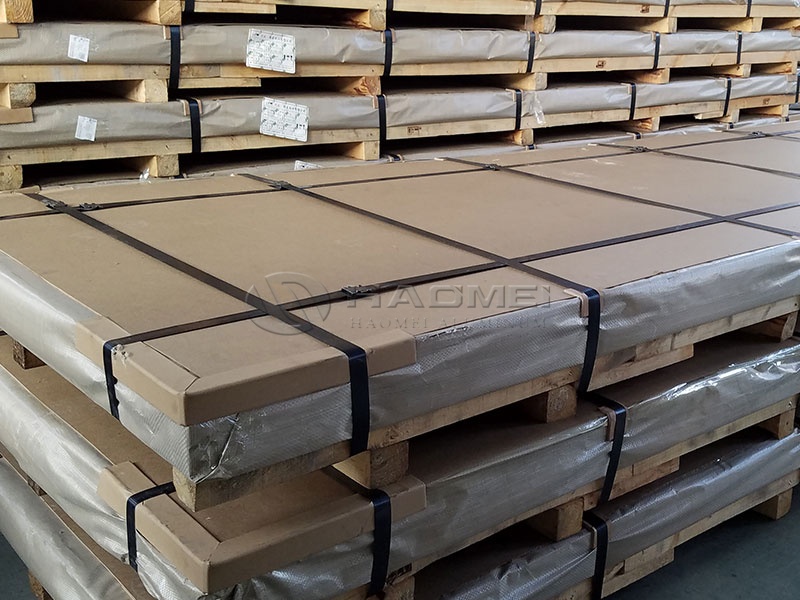
Marine aluminum tread sheets should arrive clean, dry, and protected from abrasion. Protective film can reduce scratches during fabrication, while wooden pallets or crates help keep flatness during transport. For export or long-distance shipping, moisture barriers and careful strapping are recommended to reduce the risk of water marks.
5052 Marine Aluminum Tread Sheets bring together grip, corrosion resistance, light weight, and easy fabrication in one practical material. For customers building safer decks, cleaner dock systems, or durable marine access panels, this alloy offers a dependable choice that performs well in wet, salty, and high-traffic environments.

Related Products
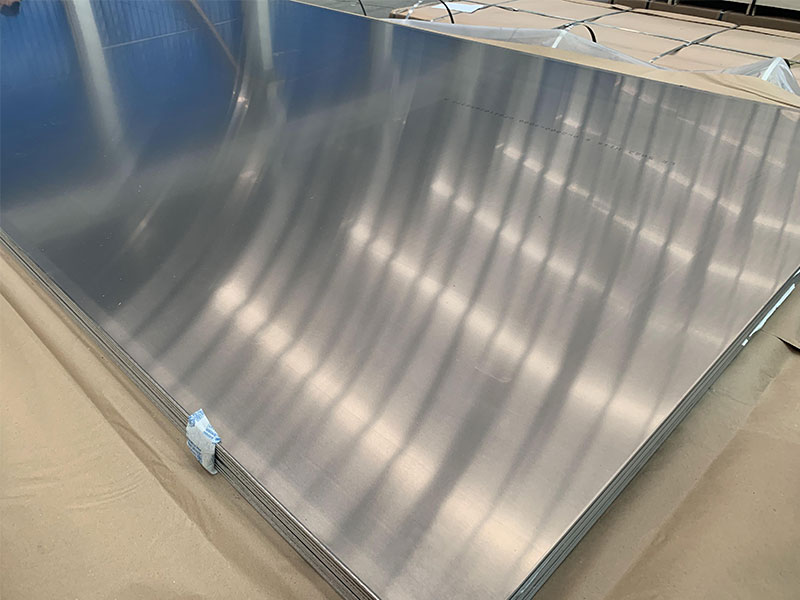
Marine 5052 aluminum sheet
Aluminum alloy 5052 is a non-heat-treatable, strain-hardened alloy with magnesium as the primary alloying element. It is designed to offer superior corrosion resistance in marine and saline environments, making it a dependable choice for components exposed directly to seawater or coastal atmospheric conditions.
View Details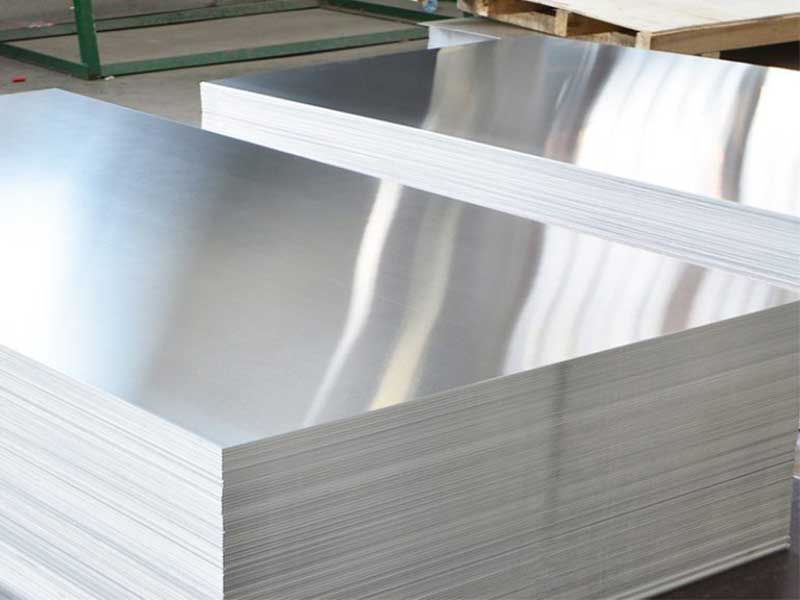
Marine anodized aluminum sheets
Marine Anodized Aluminum Sheets start with premium marine-grade aluminum alloys such as 5000 and 6000 series (typically 5083, 5052, and 6061).
View Details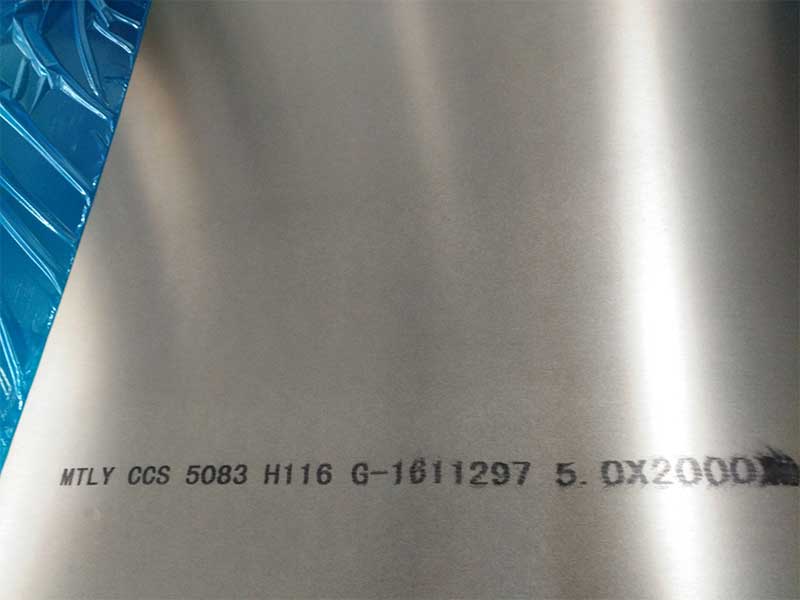
Marine 5083 aluminum sheet
Aluminum alloy 5083 is a non-heat-treatable alloy primarily composed of magnesium and trace elements that deliver outstanding protection against corrosion, particularly in seawater and saline atmospheres.
View Details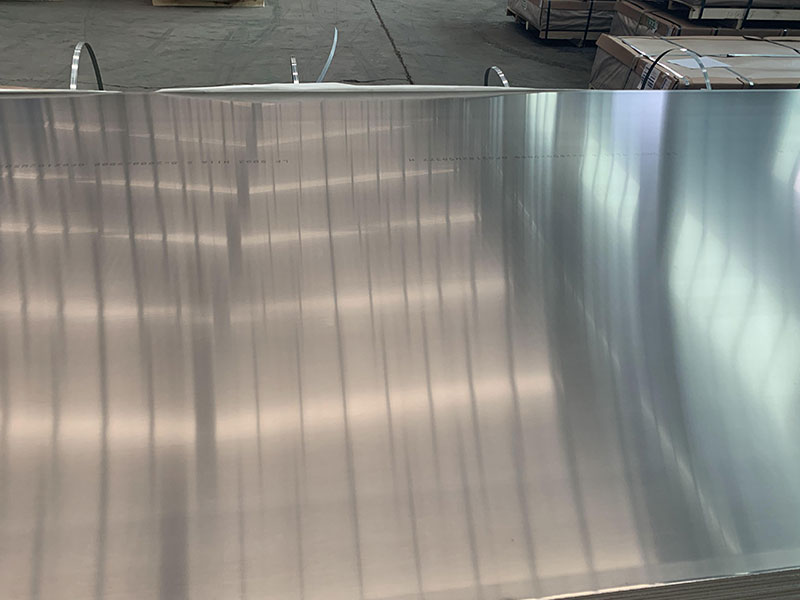
Marine 5383 aluminum sheet
5383 aluminum is a strain-hardened, non-heat-treatable alloy from the 5xxx series primarily alloyed with magnesium. It exhibits a unique balance of corrosion resistance and mechanical properties particularly suited for marine applications.
View Details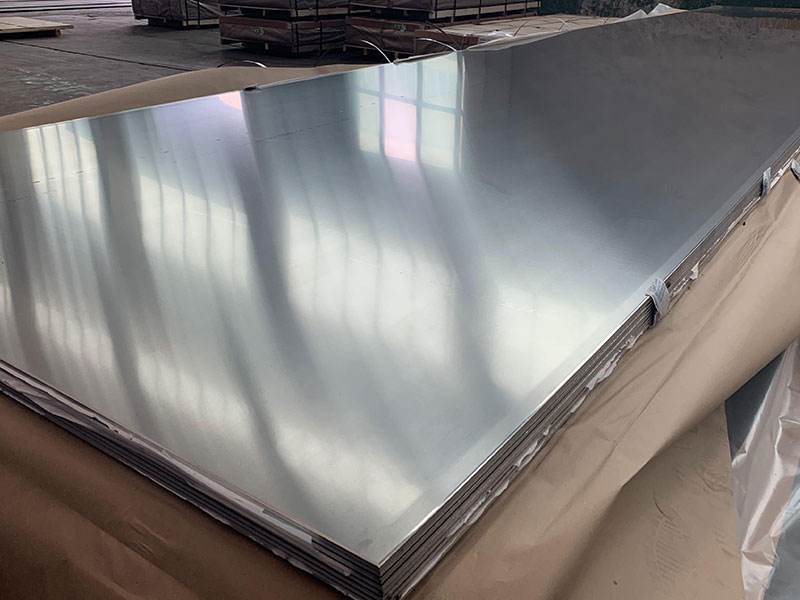
Marine 5086 aluminum sheet
This product article provides an in-depth and comprehensive understanding of Marine 5086 Aluminum Sheets, including their chemical composition, mechanical properties, corrosion resistance, fabrication capabilities, and typical marine applications.
View Details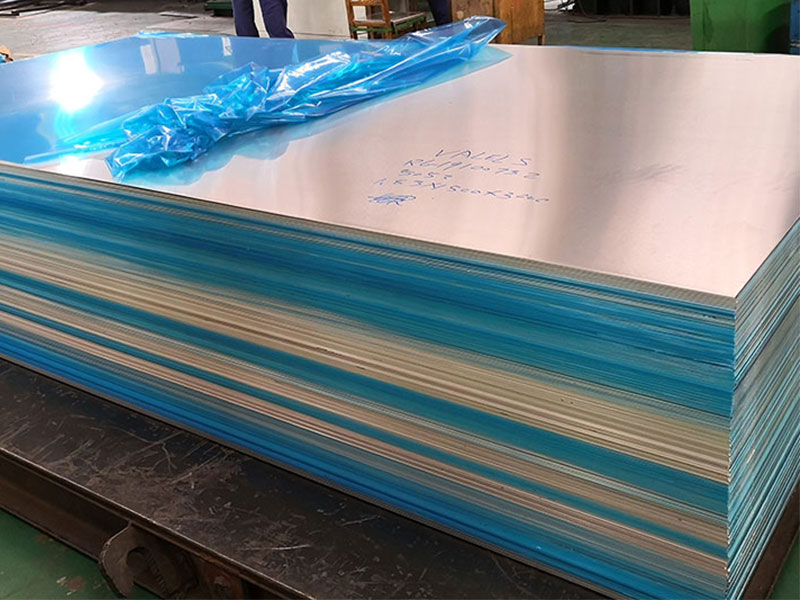
Marine 5059 aluminum sheet
5059 aluminum alloy is a strain-hardened material with a unique addition of magnesium and chromium, which provides outstanding resistance to localized corrosion like pitting and stress corrosion cracking.
View DetailsRelated Blog
Marine 5059 Aluminum Plate
Marine 5059 aluminum plate offers high strength, seawater corrosion resistance, weldability, and certified performance for hulls and naval structures.
View Details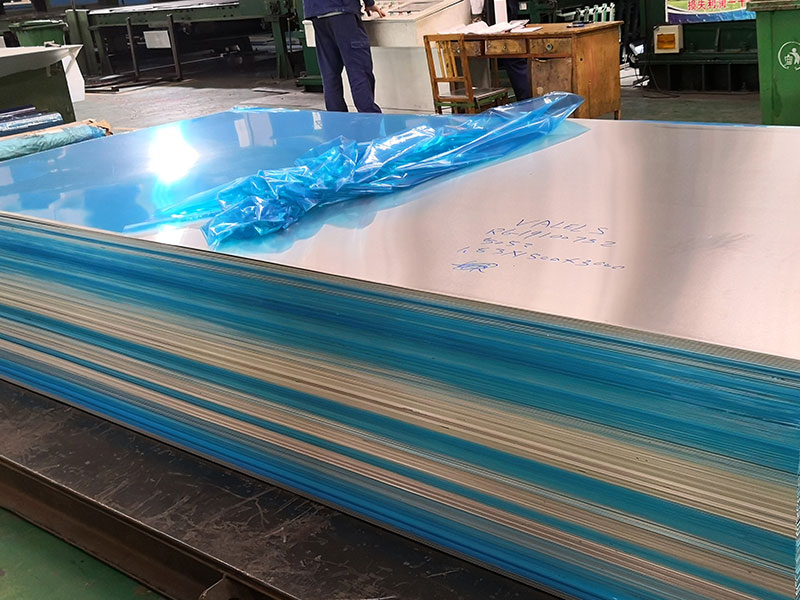
Marine Grade Building Material Aluminium Sheet
Marine grade building material aluminium sheet is designed for projects that need a strong balance of corrosion resistance, strength, workability, and long-term appearance.
View Details
3003 Aluminum sheet for Marine boat construction
Marine boat builders need materials that balance corrosion resistance, formability, weight, and cost-especially for interior structures, cabins, consoles, storage lockers, bulkhead liners, and trim parts.
View Details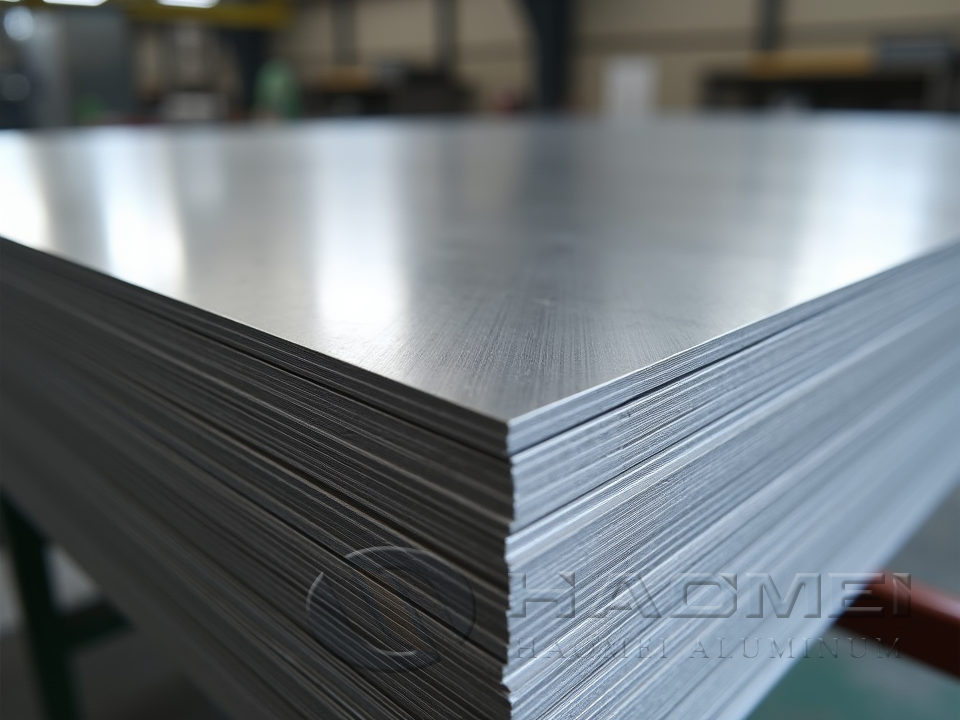
Marine 5383 Aluminum Plate
Marine 5383 aluminum plate explained through yard-floor decisions: strength, corrosion behavior, welding, tempers, ordering checks, and buyer tips.
View Details
Marine Grade Alloy 5754 Aluminum Sheet
The Marine Grade Alloy 5754 Aluminum Sheet is a premium quality lightweight material specifically engineered to meet the requirements of the marine environment. Our 5754 aluminum sheet boasts exceptional corrosion resistance, high strength.
View Details
5383 Marine Aluminum Sheet
5383 marine aluminum sheet offers high strength, seawater corrosion resistance, weldability, and long service life for hulls and offshore structures.
View Details
Leave a Message