
Marine Grade Alloy Aluminum Plate Sheet 5052 5083
Marine construction is not simply a question of selecting a metal that resists rust. A boat hull, deck, tank, cabin wall, or offshore platform component must deal with vibration, repeated impact, wet-dry cycles, chloride exposure, welding heat, and long service periods. Marine grade alloy aluminum plate sheet 5052 5083 is designed for this demanding environment through the aluminum-magnesium alloy system.
Both alloys belong to the 5xxx series and receive their strength mainly from magnesium rather than heat treatment. They offer strong resistance to seawater corrosion, excellent weldability, low density, and practical forming performance. Their roles on a vessel are different, however. 5052 is often the adaptable sheet metal for formed and moderately loaded parts, while 5083 is the structural workhorse for high-strength welded hull sections.
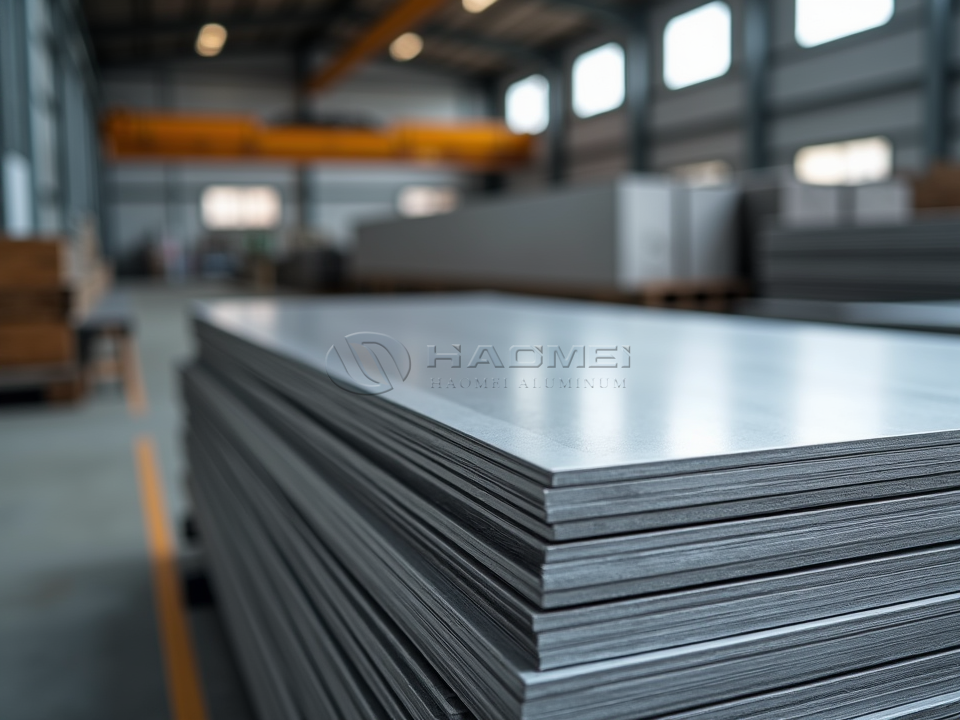
Reading the Alloy Choice Through Vessel Functions
5052 aluminum is valued where fabrication flexibility matters. It bends cleanly, stamps well, and can be formed into curves, covers, consoles, doors, interior partitions, fish holds, fuel tank shells, and lightweight deck fittings. Its magnesium content gives it substantially better corrosion resistance than common commercial aluminum grades, especially in humid and salt-laden service.
Marine 5052 aluminum sheet is commonly supplied in thinner gauges for applications where surface quality, bending behavior, and moderate strength must work together. For small craft and marine equipment, it is a practical choice when the part is shaped as much as it is loaded.
5083 aluminum takes a more structural position. With a higher magnesium level, it provides greater tensile and yield strength than 5052 while retaining excellent welded-joint performance. It is widely used for hull plating, side shells, bottoms, decks, bulkheads, superstructures, landing craft, high-speed ferries, patrol boats, LNG tank components, and offshore structures.
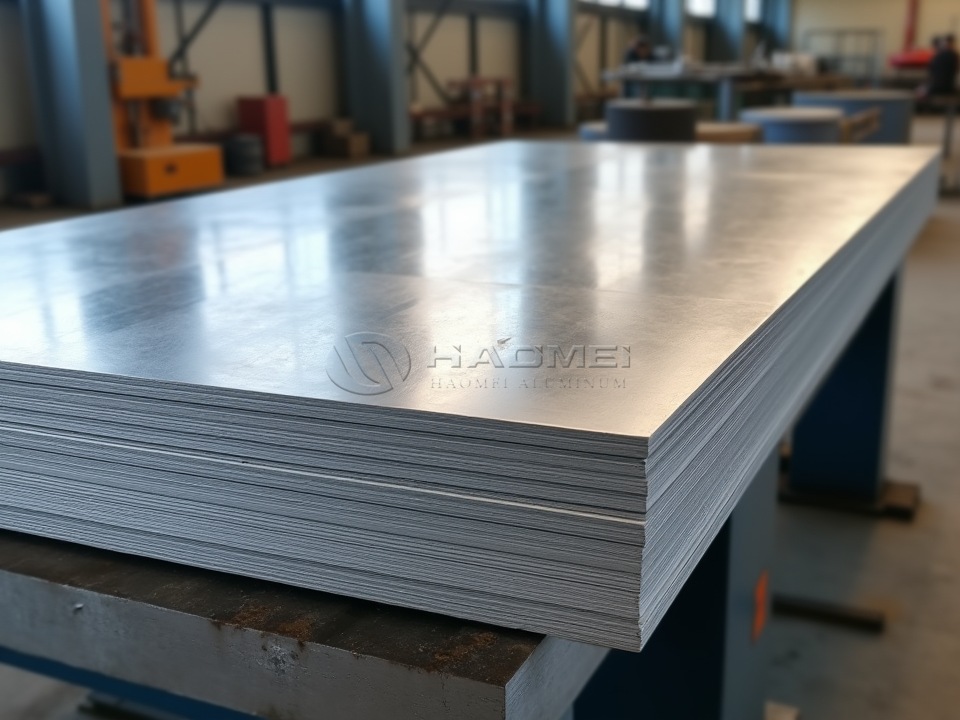
The distinction can be viewed as a design conversation. If the part must be deeply formed, folded, or used as a corrosion-resistant enclosure, 5052 is often effective. If the plate forms the load-bearing skin of a vessel and must withstand wave slamming, cargo forces, or structural fatigue, 5083 is usually the stronger candidate.
Chemical Composition of 5052 and 5083
Magnesium is the central strengthening element in both alloys. It also supports corrosion resistance in marine conditions. Manganese contributes to strength and grain structure, while chromium helps control corrosion behavior and improves resistance to stress-corrosion cracking. Tight control of iron, silicon, copper, and zinc is important because excessive levels may affect corrosion performance, weldability, or surface quality.
| Element, % by weight | 5052 Aluminum | 5083 Aluminum |
|---|---|---|
| Silicon, Si | 0.25 max | 0.40 max |
| Iron, Fe | 0.40 max | 0.40 max |
| Copper, Cu | 0.10 max | 0.10 max |
| Manganese, Mn | 0.10 max | 0.40-1.00 |
| Magnesium, Mg | 2.2-2.8 | 4.0-4.9 |
| Chromium, Cr | 0.15-0.35 | 0.05-0.25 |
| Zinc, Zn | 0.10 max | 0.25 max |
| Titanium, Ti | - | 0.15 max |
| Aluminum, Al | Balance | Balance |
The higher magnesium content of 5083 explains much of its structural advantage. At the same thickness, 5083 can carry more load than 5052. That benefit must be balanced with careful temper selection and correct welding procedures, especially for vessels operating for long periods in warm marine environments.
Tempers That Shape Fabrication and Service Performance
Because 5052 and 5083 are non-heat-treatable alloys, their tempers are created through cold working and stabilization rather than solution heat treatment and aging. Temper is not a minor purchasing detail. It determines bendability, strength, surface flatness, and suitability for welded construction.
| Alloy | Common Temper | Functional Character | Typical Marine Use |
|---|---|---|---|
| 5052 | O | Fully annealed, soft, highly formable | Curved panels, deep-drawn parts, formed tanks |
| 5052 | H32 | Strain-hardened and stabilized | Deck fittings, cabins, interior panels, general sheet work |
| 5052 | H34 | Higher strength than H32 with reduced formability | Covers, stiff panels, fabricated marine equipment |
| 5083 | O | Annealed, excellent forming and welding flexibility | Formed structural parts and welded assemblies |
| 5083 | H111 | Lightly strain-hardened | General marine plate requiring moderate forming |
| 5083 | H116 | Strain-hardened and corrosion-tested for marine exposure | Hull plates, decks, offshore panels |
| 5083 | H321 | Strain-hardened and stabilized for corrosion resistance | High-performance hulls and long-term seawater service |
For exposed hull plate, H116 and H321 are frequently specified because these tempers are developed to resist exfoliation corrosion in marine environments. They are especially suitable when the plate is regularly exposed to seawater spray, bilge moisture, or coastal atmosphere.
Marine 5083 aluminum sheet in H116 or H321 temper is therefore a common material choice for boatbuilders seeking a balance of strength, weldability, and long-term corrosion resistance.
Mechanical Parameters and Supply Dimensions
Actual mechanical properties vary by thickness, temper, testing direction, and applicable standard. The figures shown are representative ranges used for material selection.
| Property | 5052-H32 Sheet | 5083-H116 Plate |
|---|---|---|
| Tensile strength | 210-260 MPa | 290-350 MPa |
| Yield strength | 130-195 MPa | 215-280 MPa |
| Elongation | 10-20% | 10-16% |
| Density | 2.68 g/cm³ | 2.66 g/cm³ |
| Melting range | Approx. 605-650°C | Approx. 570-640°C |
| Corrosion resistance | Excellent | Excellent, especially in seawater |
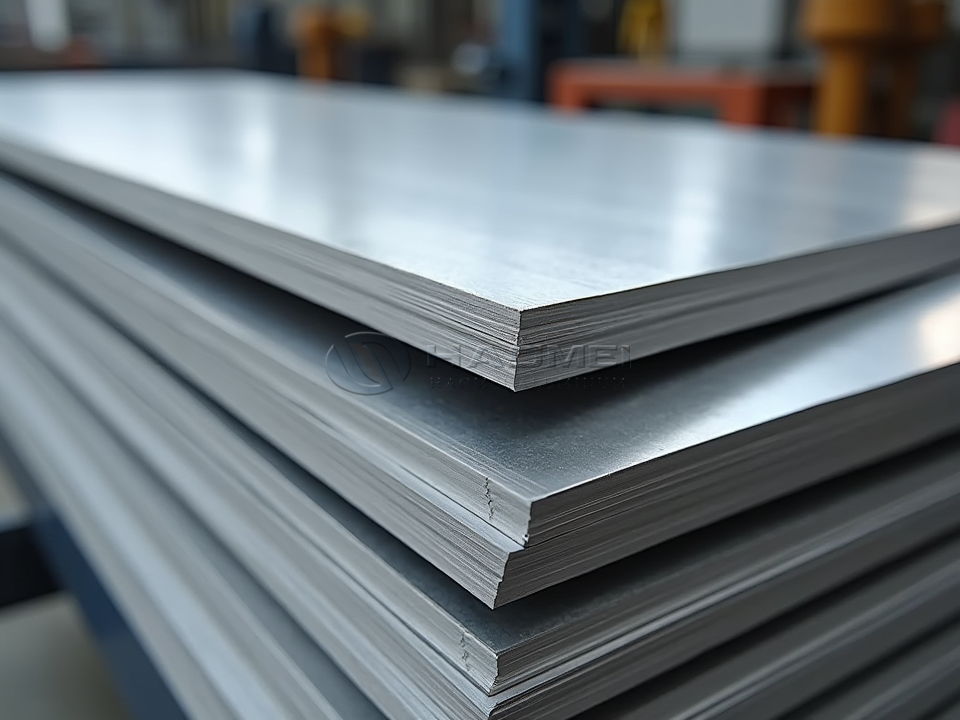
Marine aluminum sheets are commonly available from approximately 0.5 mm to 6 mm thick, while marine aluminum plates often range from 6 mm to 200 mm or more. Standard widths include 1,000 mm, 1,250 mm, 1,500 mm, 2,000 mm, and customized wide plates for reducing weld seams on hull structures. Length can be cut to project drawings to improve nesting efficiency and reduce fabrication waste.
Standards That Connect Material to Marine Approval
Marine aluminum must be evaluated not only by alloy designation but also by the standard governing chemistry, dimensions, mechanical testing, and corrosion performance. Frequently referenced standards include ASTM B209 for aluminum sheet and plate, EN 485 for wrought aluminum products, EN 573 for chemical composition, EN 515 for temper designation, and ASTM B928 for high-magnesium 5xxx alloy sheet and plate intended for marine service.
For classified vessels, material may also require certification from organizations such as DNV, ABS, Lloyd's Register, CCS, BV, or RINA. A mill test certificate should identify alloy, temper, thickness, mechanical test values, chemical analysis, heat number, and applicable production standard. When class approval is required, it should be confirmed before production rather than after material arrival.
Welding, Protection, and Practical Installation
Both 5052 and 5083 respond well to MIG and TIG welding. Filler alloys such as 5183, 5356, and 5556 are commonly selected according to joint design and service requirements. Clean surfaces are essential before welding: oil, moisture, oxide debris, and embedded steel particles can compromise weld quality and corrosion resistance.
After installation, avoid direct contact between aluminum and more noble metals such as copper or certain stainless steel assemblies in wet conditions. Insulating washers, compatible sealants, protective coatings, and drainage design help prevent galvanic corrosion. Good fabrication is therefore part of the material system, not a separate concern.
Marine grade alloy aluminum plate sheet 5052 5083 gives designers two dependable paths: 5052 for formed, corrosion-resistant sheet components and 5083 for stronger welded marine structures. When alloy, temper, thickness, certification, and joining practice are matched to the vessel's actual service conditions, aluminum delivers a durable and weight-efficient solution for modern marine engineering.

Related Products
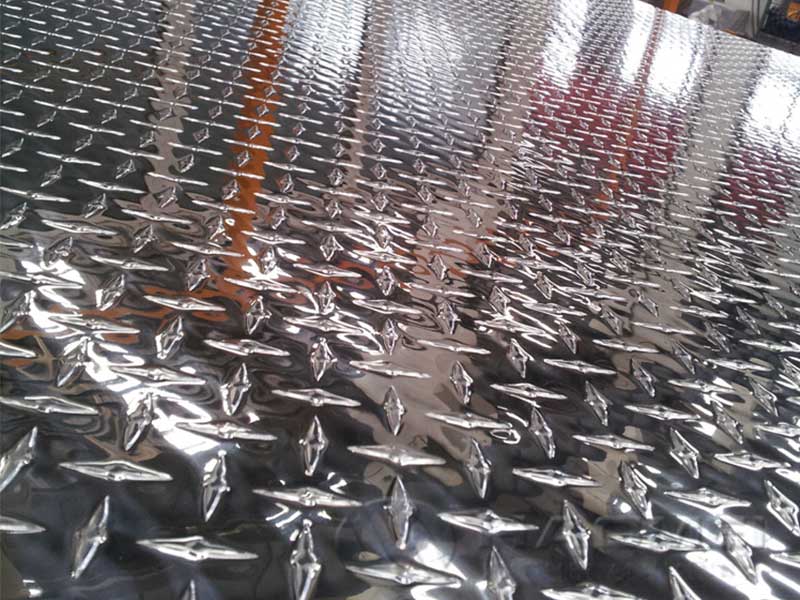
Marine Aluminum Tread Sheets
Marine Aluminum Tread Sheets are aluminum alloy plates featuring a raised surface pattern, commonly referred to as a tread design or diamond plate.
View Details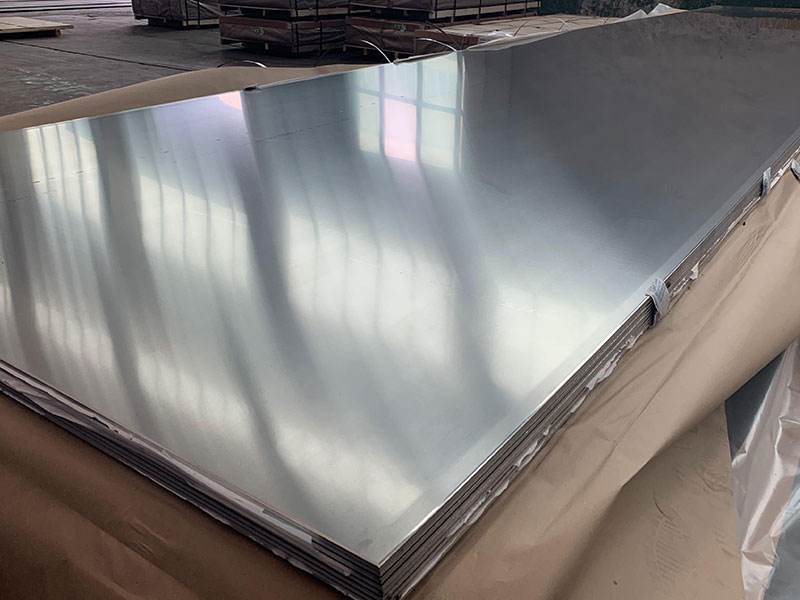
Marine 5086 aluminum sheet
This product article provides an in-depth and comprehensive understanding of Marine 5086 Aluminum Sheets, including their chemical composition, mechanical properties, corrosion resistance, fabrication capabilities, and typical marine applications.
View Details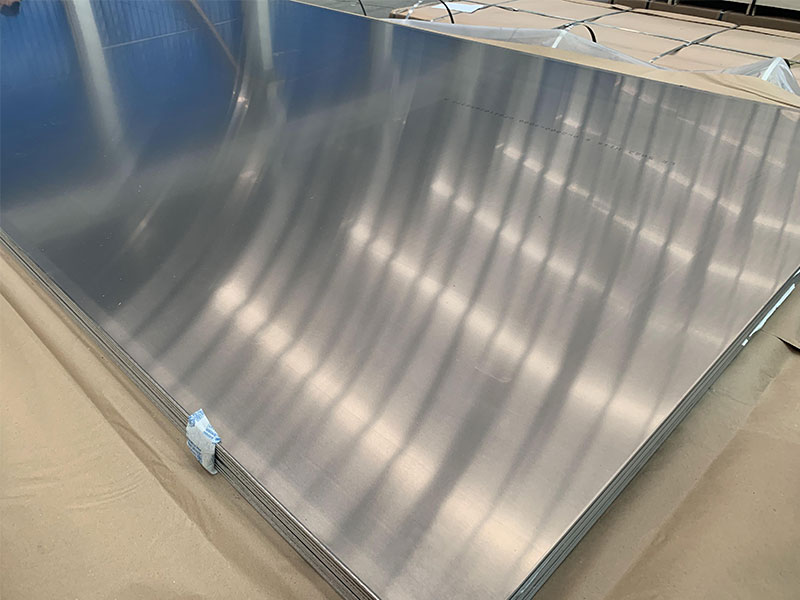
Marine 5052 aluminum sheet
Aluminum alloy 5052 is a non-heat-treatable, strain-hardened alloy with magnesium as the primary alloying element. It is designed to offer superior corrosion resistance in marine and saline environments, making it a dependable choice for components exposed directly to seawater or coastal atmospheric conditions.
View Details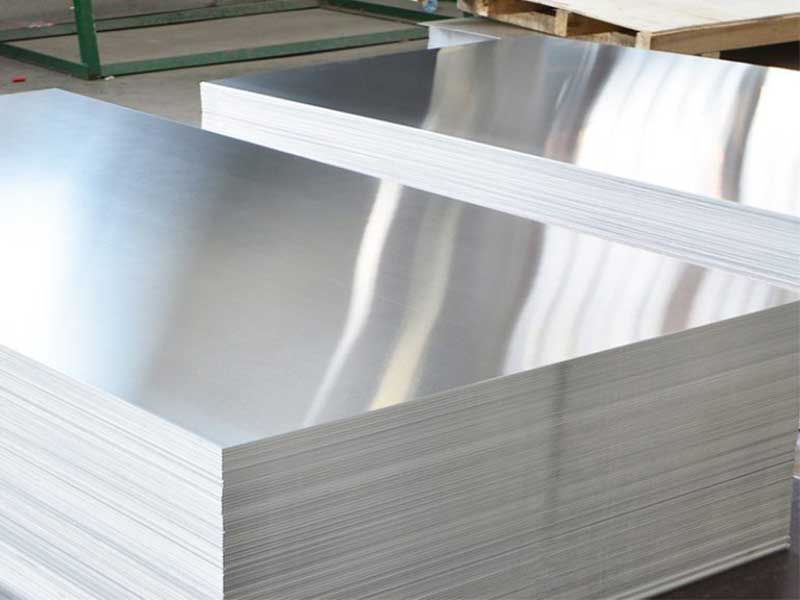
Marine anodized aluminum sheets
Marine Anodized Aluminum Sheets start with premium marine-grade aluminum alloys such as 5000 and 6000 series (typically 5083, 5052, and 6061).
View Details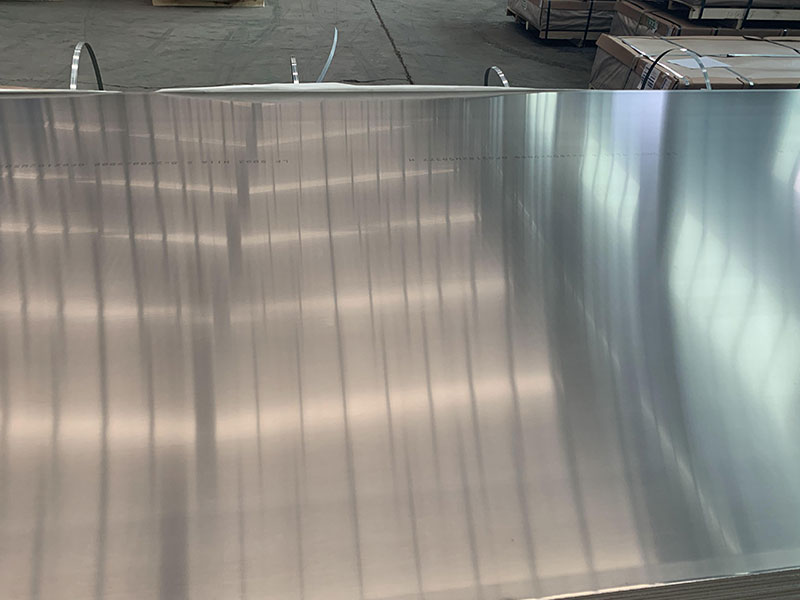
Marine 5383 aluminum sheet
5383 aluminum is a strain-hardened, non-heat-treatable alloy from the 5xxx series primarily alloyed with magnesium. It exhibits a unique balance of corrosion resistance and mechanical properties particularly suited for marine applications.
View Details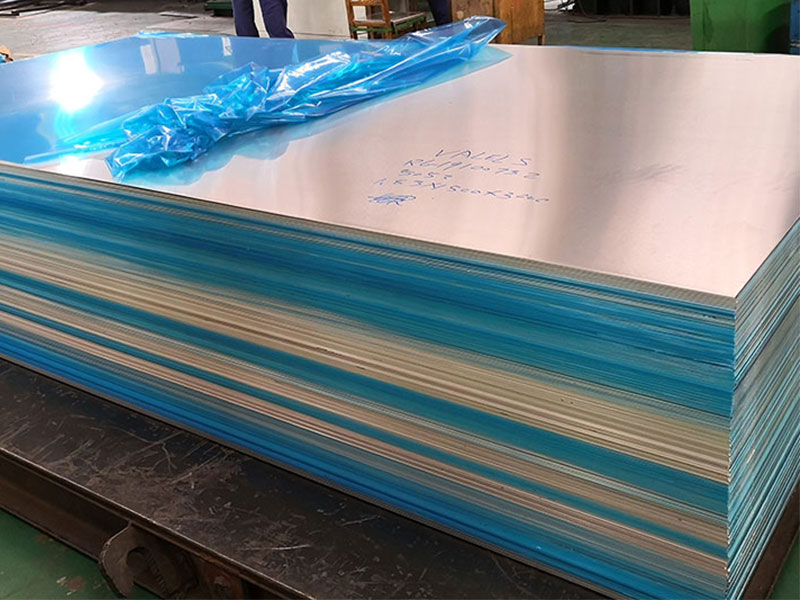
Marine 5059 aluminum sheet
5059 aluminum alloy is a strain-hardened material with a unique addition of magnesium and chromium, which provides outstanding resistance to localized corrosion like pitting and stress corrosion cracking.
View DetailsRelated Blog
Alloy Aluminium Checkered Plate For Marine
A practical guide to marine alloy aluminium checkered plate, covering alloys, tread patterns, corrosion resistance, specifications, and uses.
View Details
Anodized Aluminum Sheet 5154 O H111 H112 Marine Grade
Anodized 5154 marine aluminum sheet in O, H111, and H112 tempers delivers seawater resistance, formability, durable finish, and low weight.
View Details
10mm Thickness Aluminum Plate for Boat
Explore 10mm marine aluminum plate for boats, covering 5083 and 5086 alloy data, tempers, standards, fabrication guidance, and demanding hull applications.
View Details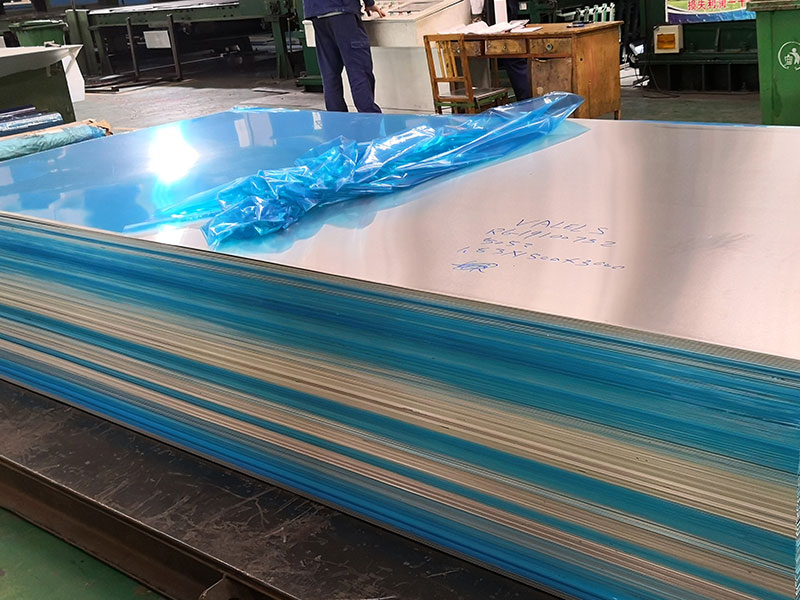
6061 6063 7071 5083 7075 alloy aluminum sheet for boat
Boat builders choose aluminum sheet when they need a hull or structure that stays light, resists corrosion, and remains workable in fabrication. This product range-6061, 6063, 7071, 5083.
View Details
2mm 3mm 4mm marine grade 5052 h32 aluminum sheet
5052 H32 aluminum sheet is a marine-grade, non-heat-treatable wrought alloy with excellent corrosion resistance, good formability, and moderate strength. It is widely used for applications exposed to coastal and saltwater environments.
View Details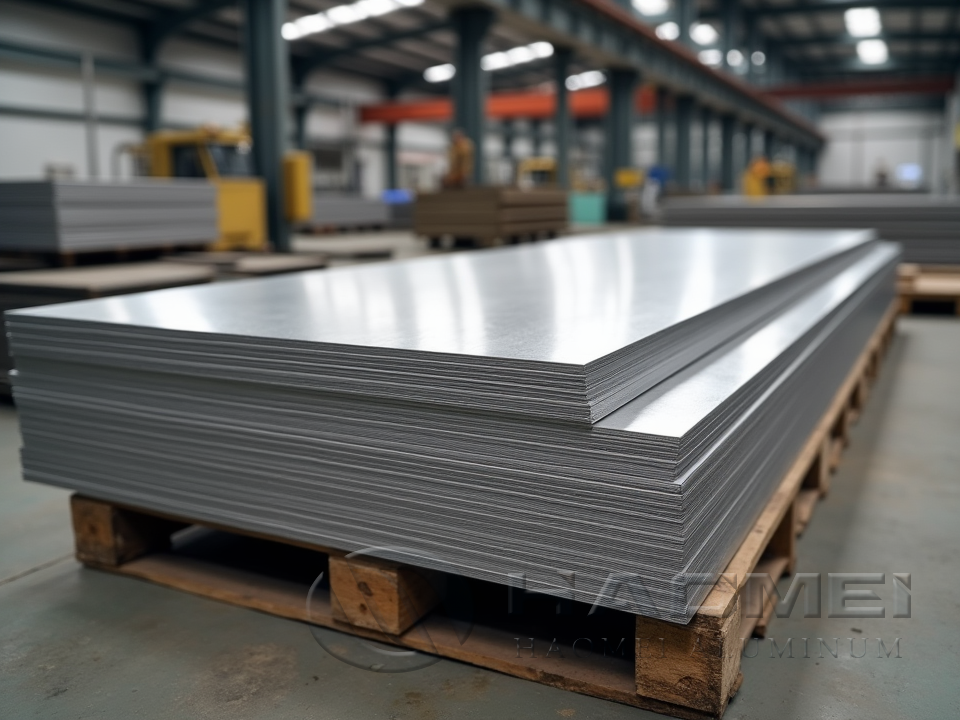
Marine Aluminum Steel Clad Plate
Marine aluminum steel clad plate joins aluminum superstructures to steel hulls with strong bonding, corrosion control, weldable layers, and approved marine grades.
View Details
Leave a Message