
Aluminum Elbow for High Pressure Water Systems in Marine Applications
An aluminum elbow in a marine high pressure water system is more than a curved fitting. It is a hydraulic turning point, a weight-saving component, a corrosion-management detail, and often the part that decides whether a piping layout can fit inside a crowded engine room, pump skid, or deck service cabinet. When water leaves a pump at speed, it does not politely change direction; it pushes against the outside radius of every bend. A well-designed marine aluminum elbow turns that force into controlled flow instead of turbulence, vibration, leakage, or premature fatigue.
In vessel design, elbows are used where straight pipe cannot solve the geometry. They guide high pressure water through desalination units, RO feed lines, fire-fighting water circuits, high pressure washdown systems, ballast treatment skids, cooling loops, bilge transfer arrangements, and deck machinery support lines. Aluminum is selected when the system demands a strong pressure boundary without the mass penalty of steel. For patrol boats, offshore service vessels, ferries, yachts, and workboats, every kilogram removed from pipework can support fuel efficiency, payload flexibility, and easier installation.
The function seen from inside the flow
Imagine the elbow from the viewpoint of water molecules moving through a marine pump room. A sharp turn creates separation, pressure loss, and noise. A properly formed aluminum elbow keeps the flow attached along the bend radius, reducing energy loss and protecting downstream valves, meters, and nozzles. This is especially important in high pressure washdown and fire-main branches, where pressure stability at the outlet matters.
The bend radius is one of the most practical design choices. A short radius elbow saves space but increases local resistance and erosion risk at the outside wall. A long radius elbow requires more room but lowers pressure drop and helps reduce water hammer. For marine installations, long radius elbows are often preferred near pump discharge lines, while compact elbows may be used in low-vibration areas where space is severely limited.
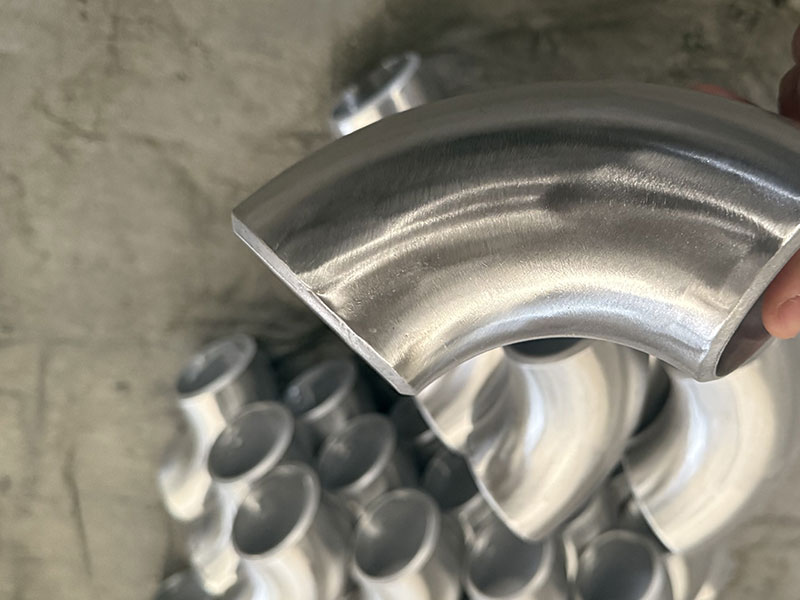
For customers selecting a ready-to-install fitting, a 6061-T6 90-Degree Marine Aluminum Pipe Elbow is commonly considered for pressurized fresh water, treated water, and equipment service lines because it offers a useful balance of strength, machinability, and corrosion resistance.
Marine applications where aluminum elbows earn their place
High pressure water systems on vessels are rarely simple. They pass through bulkheads, bend around tanks, avoid electrical trays, and connect equipment that may move slightly under vibration. Aluminum elbows help designers keep the routing compact while preserving flow continuity.
In fire-fighting water lines, elbows are used around pump outlets, hose reel branches, hydrant stations, and deck penetrations. In desalination and reverse osmosis equipment, elbows connect feed pumps, cartridge filters, pressure vessels, flushing loops, and brine discharge circuits. In washdown systems, they are frequently installed near deck manifolds, cleaning nozzles, and service cabinets. In cooling and auxiliary systems, they help route water around engines, generators, hydraulic coolers, and heat exchangers.
The material choice must match the water chemistry. Aluminum performs well in many marine service conditions, but stagnant seawater, high chloride concentration, and contact with copper alloys or stainless steel can accelerate galvanic corrosion if the system is not isolated. Proper coatings, dielectric gaskets, controlled drainage, and alloy selection are part of the elbow design, not afterthoughts.
Typical technical parameters
The actual rating of an aluminum elbow must be verified by wall thickness, alloy, temper, joining method, design code, temperature, bend geometry, and safety factor. The values shown here are common reference ranges for marine water systems and should be confirmed against project calculations.
| Parameter | Common Marine Range | Design Notes |
|---|---|---|
| Nominal size | DN15-DN300, larger by project | Selected by flow rate and allowed velocity |
| Elbow angle | 45 degrees, 90 degrees, 180 degrees | Custom angles available for compact equipment skids |
| Bend radius | 1D, 1.5D, 3D, 5D | Larger radius reduces pressure loss and vibration |
| Wall thickness | 2 mm-20 mm or schedule equivalent | Based on pressure, corrosion allowance, and forming method |
| Working pressure | 1.6 MPa-10 MPa typical | Higher ratings require engineering verification |
| Test pressure | Often 1.5 times design pressure | Follow project code and classification rules |
| Service temperature | -40 C to 120 C typical | Aluminum strength changes with elevated temperature |
| End connection | Butt weld, flange, groove, clamp, threaded adapter | Threads need caution in high pressure aluminum service |
| Surface finish | Mill finish, anodized, epoxy coated, powder coated | Coating selected according to water and deck exposure |
Alloys and tempers for pressure and seawater exposure
A marine aluminum elbow is not defined only by shape. The alloy and temper decide how it behaves under pressure, vibration, welding heat, and corrosion.
6061-T6 is widely used for high pressure fittings because it has good mechanical strength and is easy to machine into precise ends or flanges. It can be anodized and coated effectively. However, welded areas lose part of the T6 strength unless post-weld heat treatment or conservative design is applied. For this reason, mechanically connected or forged 6061-T6 elbows are often attractive in compact pressure systems.
6082-T6 provides higher strength than 6061 in many extruded forms and is popular in marine structures and tubing. It is suitable for demanding water lines when welding procedures and corrosion protection are properly controlled.
5083-H112, 5083-H116, and 5086-H116 are valued in seawater environments due to excellent corrosion resistance and good welded performance. They are often preferred when the line sees seawater, splash exposure, or welded fabrication. Their strength profile differs from heat-treatable 6xxx alloys, so pressure calculations must be made carefully.
6063-T5 or 6063-T6 is more often used where appearance, anodizing quality, and moderate strength matter. It is less common for heavy high pressure duty but may be used in auxiliary water circuits with proper engineering.
For adjacent pipe runs, many builders combine elbows with Marine Grade Aluminum Tubing to maintain consistent metallurgy and simplify welding qualification.
Chemical composition reference
The chemical composition of marine aluminum alloys controls corrosion behavior, strength response, weldability, and surface finishing. The following table lists typical composition ranges by weight percent. Exact limits should follow the specified standard and mill certificate.
| Alloy | Si | Mg | Mn | Cr | Cu | Fe | Zn | Al |
|---|---|---|---|---|---|---|---|---|
| 6061 | 0.40-0.80 | 0.80-1.20 | up to 0.15 | 0.04-0.35 | 0.15-0.40 | up to 0.70 | up to 0.25 | Balance |
| 6082 | 0.70-1.30 | 0.60-1.20 | 0.40-1.00 | up to 0.25 | up to 0.10 | up to 0.50 | up to 0.20 | Balance |
| 5083 | up to 0.40 | 4.00-4.90 | 0.40-1.00 | 0.05-0.25 | up to 0.10 | up to 0.40 | up to 0.25 | Balance |
| 5086 | up to 0.40 | 3.50-4.50 | 0.20-0.70 | 0.05-0.25 | up to 0.10 | up to 0.50 | up to 0.25 | Balance |
| 5052 | up to 0.25 | 2.20-2.80 | up to 0.10 | 0.15-0.35 | up to 0.10 | up to 0.40 | up to 0.10 | Balance |
Magnesium improves strength and seawater resistance in 5xxx alloys. Silicon and magnesium create the Mg2Si strengthening phase in 6xxx alloys, allowing T5 and T6 tempers. Copper improves strength in some alloys but can reduce corrosion resistance, so marine specifications usually keep copper low.
Standards, manufacturing, and inspection conditions
Marine aluminum elbows may be produced by mandrel bending, hot forming, cold forming, forging, extrusion followed by machining, or welded segment fabrication. The chosen method affects wall thinning, ovality, grain flow, and inspection requirements. Mandrel bending helps maintain internal smoothness and reduces wrinkling at the inner radius. Forged or machined elbows can provide excellent dimensional control for compact high pressure assemblies.
Common material and fabrication references include ASTM B241 for aluminum seamless pipe and tube, ASTM B210 for drawn seamless tube, ASTM B221 for extruded bars and profiles, EN 573 for alloy designation, EN 755 for extruded products, and AWS D1.2 for aluminum welding. Pressure piping design may refer to ASME B31.3 or equivalent marine project rules. Ship classification may require ABS, DNV, LR, BV, CCS, or RINA review depending on vessel type and service importance.
Inspection should include dimensional checks, wall thickness measurement at the outer radius, visual examination, pressure testing, and, where required, dye penetrant testing of welds. For high pressure service, ovality control matters because an out-of-round elbow can concentrate stress and create sealing problems at flanges or clamp joints.
Installation details that protect service life
Good installation is the difference between a strong fitting and a reliable system. Aluminum elbows should be supported close enough to prevent vibration but not so rigidly that thermal expansion creates stress. Dissimilar metals should be separated with dielectric unions, non-conductive gaskets, or compatible coatings. Stainless bolts can be used, but isolation washers and anti-seize compounds are often necessary in wet marine spaces.
Surface treatment depends on the water and the environment. Anodizing can improve surface hardness and oxidation resistance, while epoxy coatings provide a stronger barrier in splash zones or aggressive atmospheres. Internal coating may be considered for chloride-rich water, but coating continuity and repair procedures must be controlled.
For high pressure water, designers should also consider water hammer. Fast-closing valves, sudden pump starts, and nozzle shutoff can create pressure spikes higher than steady operating pressure. A properly sized elbow, combined with gradual transitions, surge control, and secure supports, helps protect pumps, manifolds, and downstream equipment.
Selecting the right elbow
The best aluminum elbow is chosen by matching pressure, water chemistry, bend radius, alloy temper, end connection, and inspection level. For fresh water and treated water systems, 6061-T6 or 6082-T6 can provide strong and lightweight performance. For seawater exposure or welded assemblies, 5083 or 5086 tempers often deserve closer attention. In all cases, the elbow should be treated as a pressure component with traceable material, verified dimensions, and standards-based testing.
A marine high pressure water line may look like a simple network of pipes and bends, but every elbow is a hydraulic decision. When alloy, temper, radius, coating, and installation are aligned, the aluminum elbow becomes a compact, corrosion-aware, and efficient turning point for demanding marine water systems.

Related Products
Marine aluminum square tubes
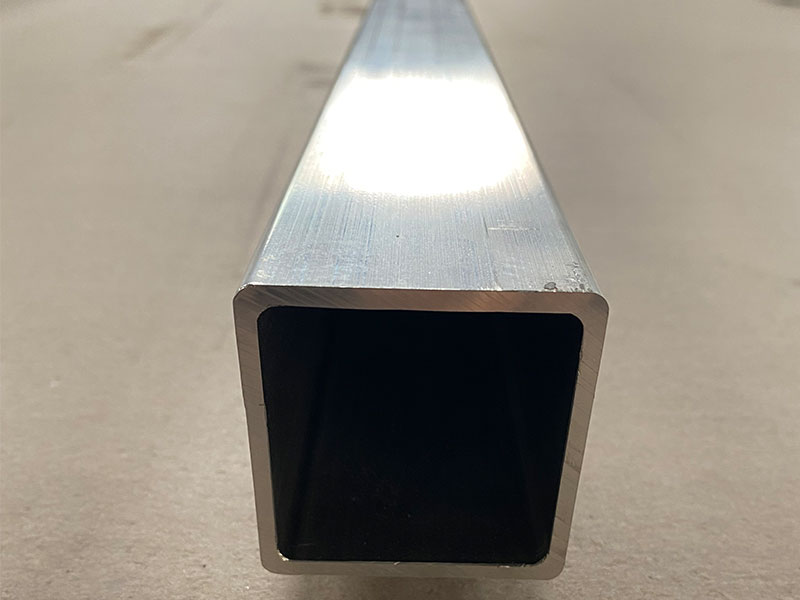
Marine Grade Aluminum Square Tubes are typically constructed from marine-grade alloys such as 5083, 5052, 6061, and 6082—well-known for their ability to withstand the aggressive effects of saltwater and marine atmospheres.
View Details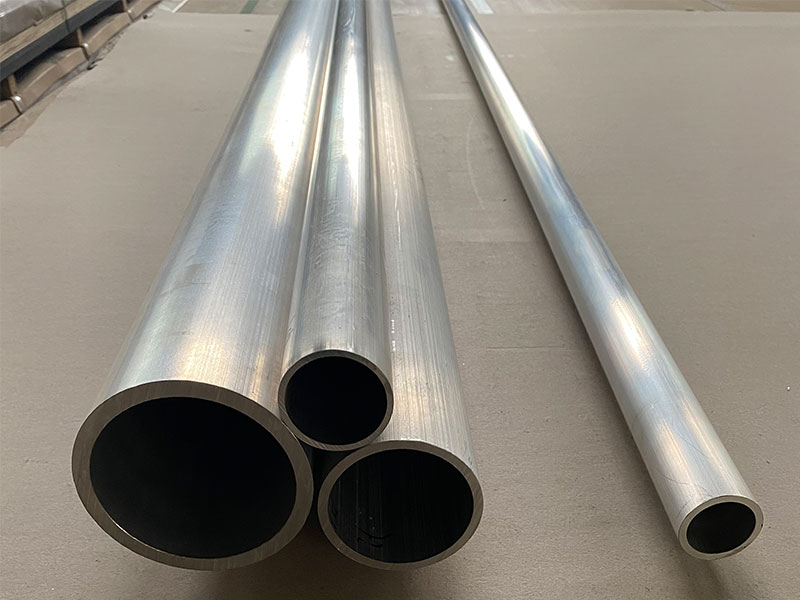
Marine aluminum round tubes
Marine Grade Aluminum Round Tubes are manufactured from premium marine alloys such as 5083, 5052, 6061, and 6082, all selected for their proven resistance to seawater corrosion and marine atmosphere degradation.
View Details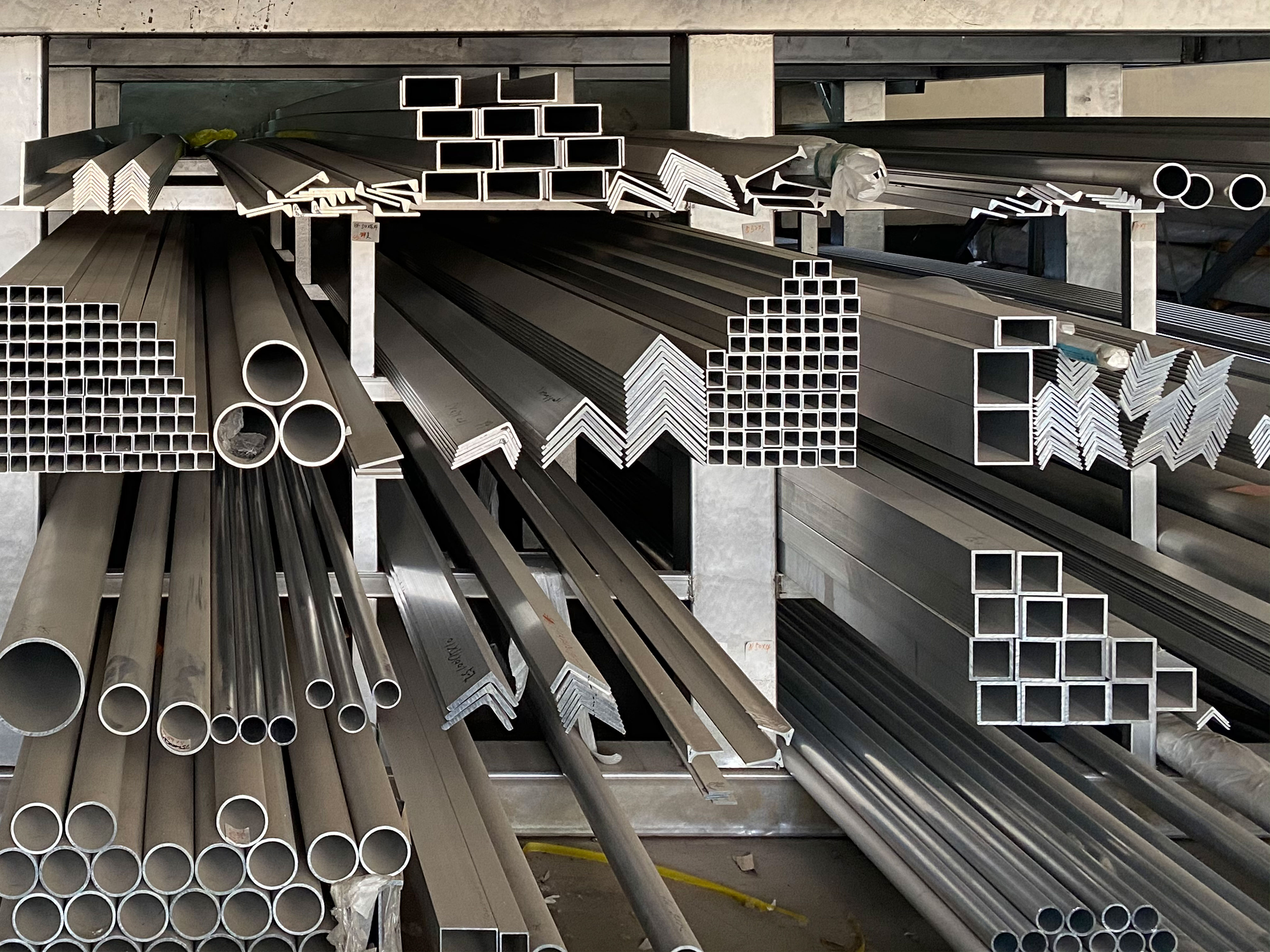
Custom marine aluminum profile tubes
Custom Marine Grade Aluminum Profile Tubes are manufactured from premium marine aluminum alloys such as 5083, 5052, 6061, and 6082.
View Details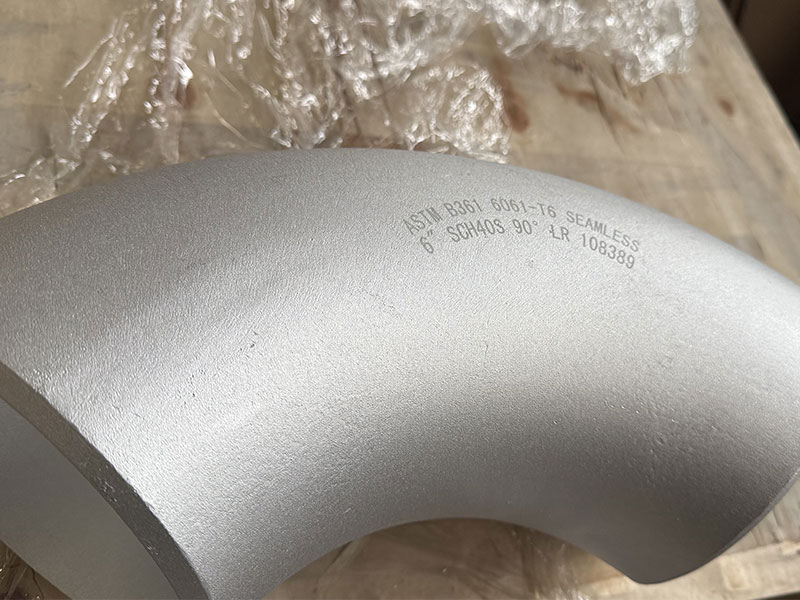
6061-T6 90-Degree Marine Aluminum Pipe Elbow
Manufactured from premium 6061-T6 marine-grade aluminum alloy, this elbow fitting is engineered to provide reliable and efficient pipe direction changes within shipbuilding, offshore platforms, and marine infrastructure systems.
View Details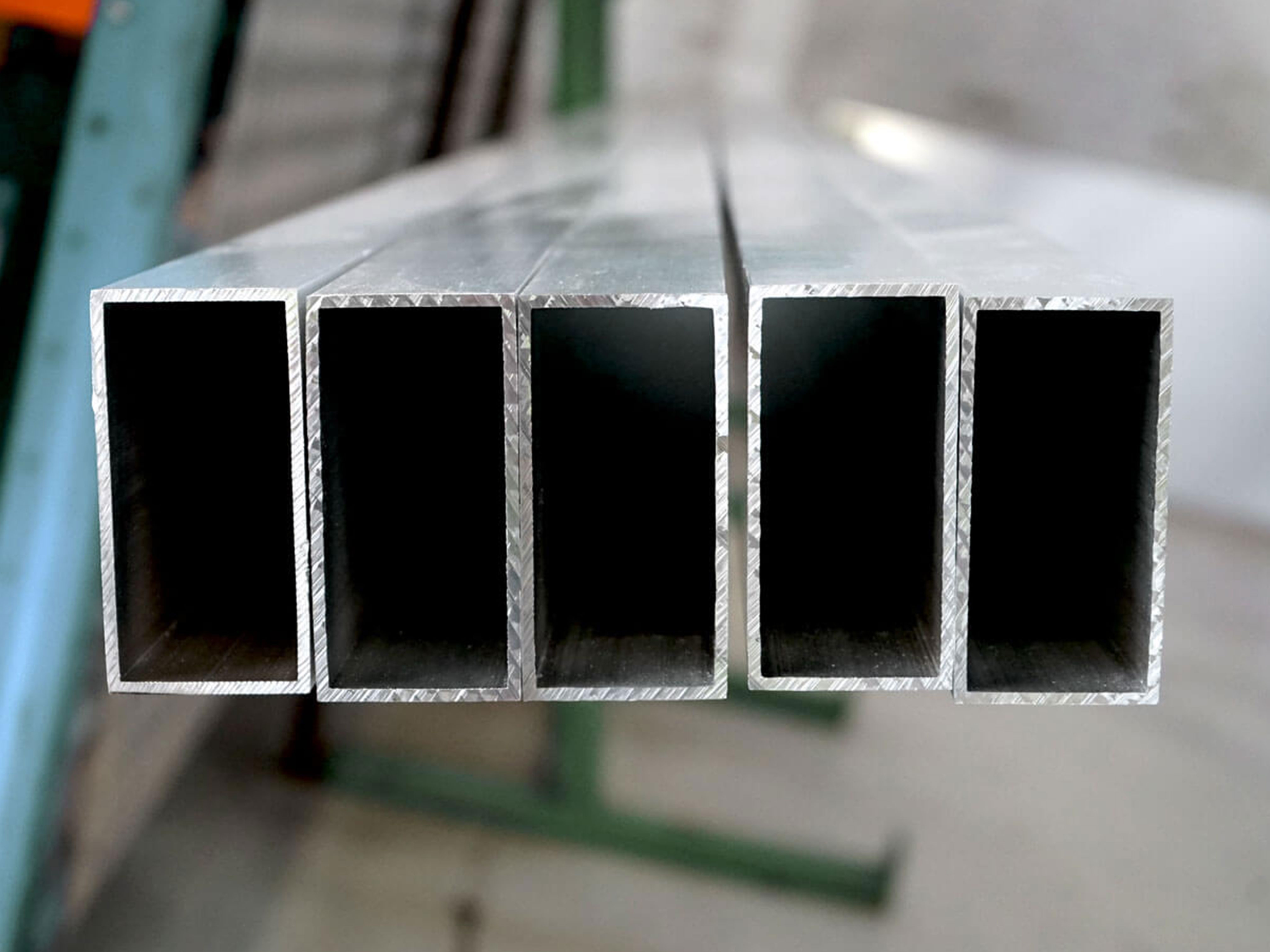
Marine aluminum rectangular tubes
Marine Grade Aluminum Rectangular Tubes are made from high-performance alloys such as 5083, 5052, 6061, and 6082. These alloys are renowned for their ability to resist corrosive seawater and marine atmospheres while providing excellent mechanical strength and toughness.
View DetailsRelated Blog
Marine Aluminum Pipe Elbow with Anti Corrosion Coating
Marine Aluminum Pipe Elbow with Anti‑Corrosion Coating: The “Silent Joint” That Decides Your System’s LifespanMost engineers look at a marine pipeline and focus on the straight runs: wall thickness, flow rate, pump head.
View Details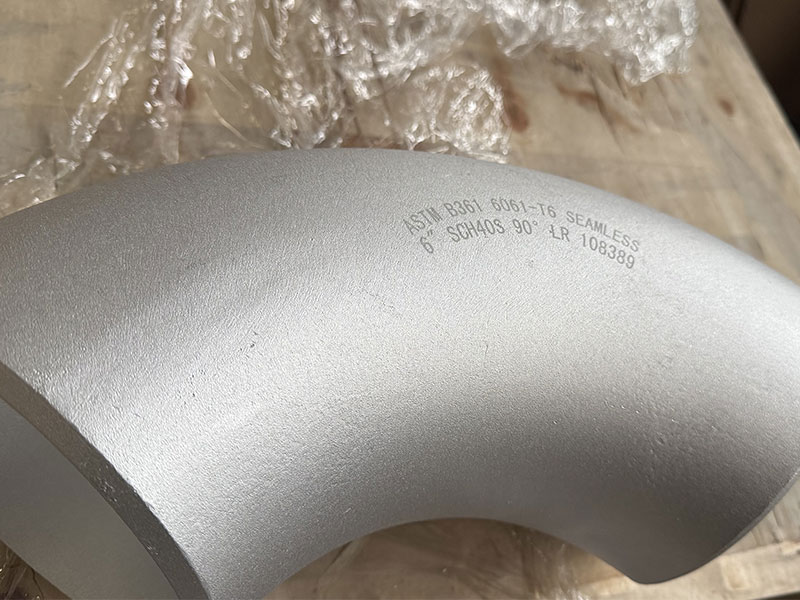
5083 Marine Aluminum Tubes for Saltwater Environment Durability
When it comes to marine applications, durability, corrosion resistance, and mechanical performance are paramount for structural materials. Among the various aluminum alloys available, 5083 aluminum alloy stands out as a premium choice.
View Details
Marine Aluminum Elbow for Offshore Oil Spill Containment Systems
Marine Aluminum Elbow for Offshore Oil Spill Containment Systems: Functions, Applications, and Technical InsightsIn the demanding and often harsh environment of offshore oil spill containment systems, every component requires superior performance.
View Details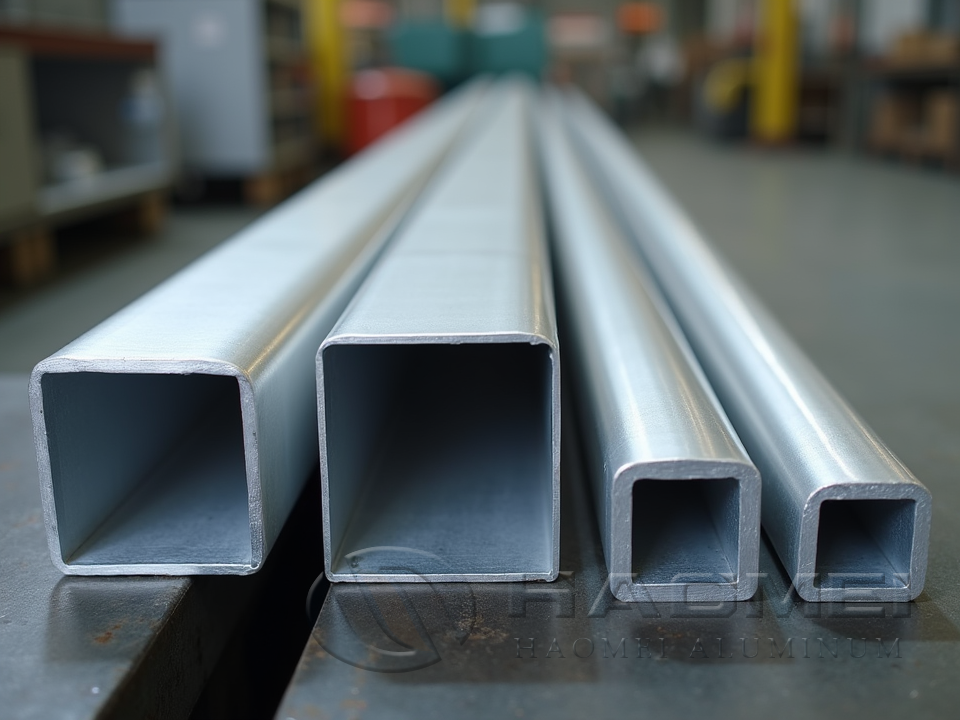
Marine Aluminum Elbow for Seawater Reverse Osmosis and Desalination
Technical guide to marine aluminum elbows for SWRO desalination, covering alloys, corrosion resistance, specs, installation, service life, and system value.
View Details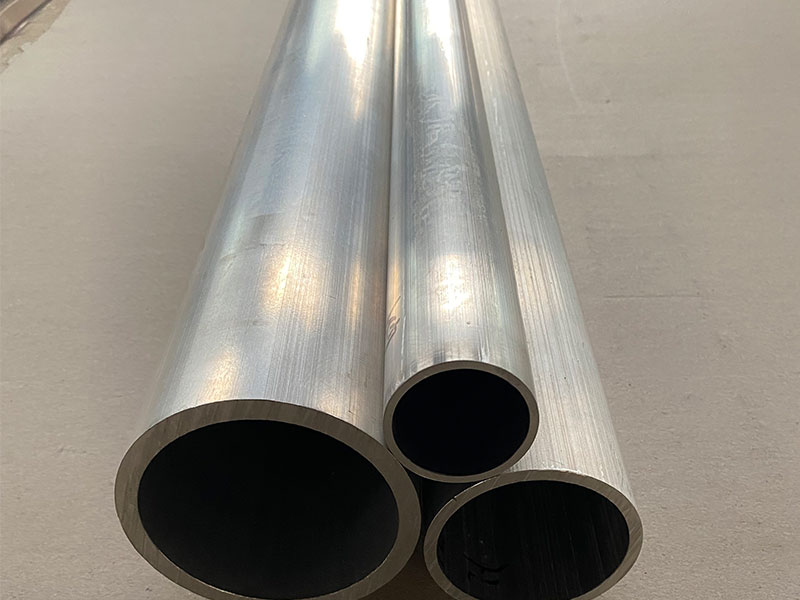
6061 Marine Aluminum Tubes for Offshore Platform Design and Construction
In the harsh environment of offshore platforms, material selection plays a pivotal role in ensuring structural integrity, longevity, and safety. Marine aluminum, especially 6061 marine aluminum tubes.
View Details
5052 Marine Aluminum Tubes for Shipbuilding Engineering Parts
In the demanding world of shipbuilding engineering, materials are constantly put to the test by harsh marine environments. Among the myriad of metals options, 5052 Marine Aluminum Tubes is know for their remarkable balance of strength.
View Details
Leave a Message