
Marine Aluminum Elbow for Fuel Line and Power System Piping on Vessels
A marine aluminum elbow is a compact pipe fitting used to change flow direction in vessel fuel lines, generator service piping, cooling circuits, hydraulic auxiliary lines, and power system pipe runs. Compared with heavier steel fittings, aluminum elbows reduce topside and engine-room weight while offering excellent corrosion resistance in salt-laden atmospheres.
For shipyards, refit teams, and marine equipment builders, the most requested designs include 45-degree, 90-degree, and 180-degree elbows made from 6061-T6, 5052, 5086, or 6082 aluminum. These alloys combine weldability, strength, machinability, and long service life when properly selected for the operating fluid and installation zone.
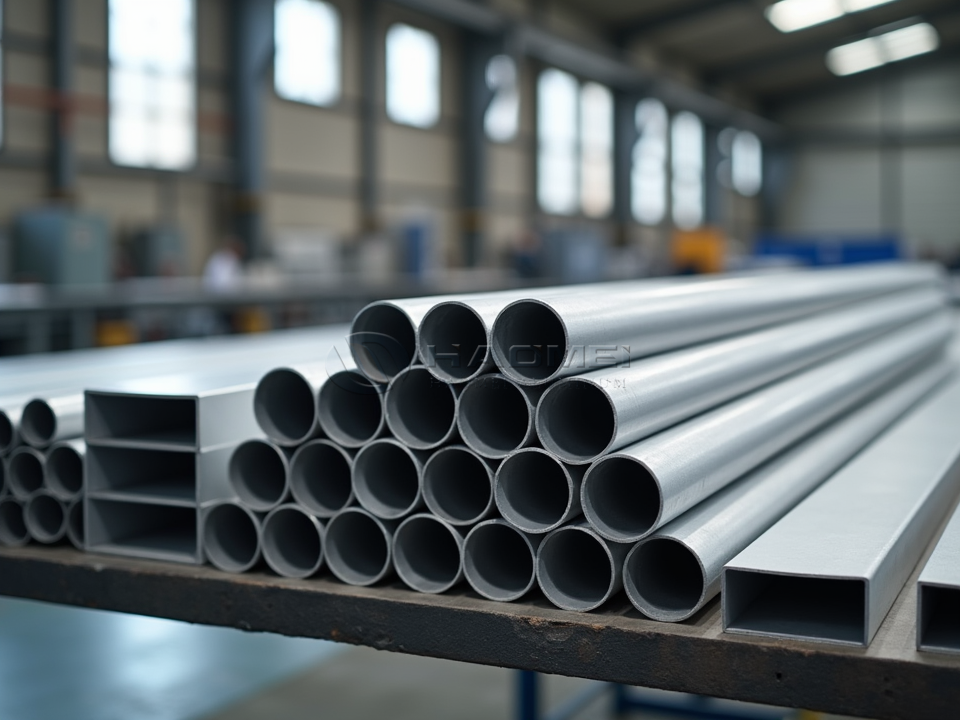
Product Description
Marine aluminum elbows are manufactured by mandrel bending, extrusion forming, welding, or precision machining, depending on pipe size, wall thickness, pressure demand, and connection style. Smooth-radius elbows are preferred for fuel and power system piping because they reduce turbulence, pressure drop, vibration stress, and local erosion at direction changes.
A typical elbow can be supplied with plain ends for welding, flared ends for fuel tubing, threaded ends for service connections, or flange-ready ends for detachable assemblies. For installations that require proven compatibility with adjacent straight sections, the elbow is often paired with 6061-T6 90-Degree Marine Aluminum Pipe Elbow components in matched alloy and temper.
Main Features
| Feature | Customer Benefit |
|---|---|
| Marine-grade aluminum alloy | Strong resistance to seawater atmosphere, bilge humidity, and deck spray |
| Lightweight construction | Reduces vessel weight and supports easier installation in narrow machinery spaces |
| Smooth bend geometry | Improves fuel flow stability and lowers pressure loss |
| Weldable and machinable material | Suitable for custom pipe spools, manifolds, and repair sections |
| Multiple bend angles | Fits compact fuel rooms, generator skids, propulsion auxiliaries, and deck equipment |
| Optional anodizing or passivation | Improves surface durability and appearance in exposed areas |
| Class-oriented documentation | Material certificates and inspection records can be prepared for marine projects |
Common Vessel Applications
| Application Area | Typical Service | Recommended Alloy Choice |
|---|---|---|
| Fuel supply and return lines | Diesel fuel, low-pressure fuel transfer, day tank piping | 5052, 5086, 6061-T6 after compatibility review |
| Generator power systems | Cooling water, lubricating oil auxiliary return, service piping | 6061-T6, 6082-T6, 5086 |
| Engine-room pipe routing | Space-saving turns around bulkheads and machinery bases | 5052, 6061-T6 |
| Hydraulic auxiliaries | Low to medium pressure control lines, actuator service | 6061-T6, 6082-T6 |
| Deck and service equipment | Pump lines, utility piping, non-critical transfer systems | 5086, 6063, 6061-T6 |
| Custom marine assemblies | Welded spools, manifolds, brackets with integrated pipe bends | Alloy selected by drawing and class requirement |
Aluminum elbows should not be selected only by size. Fluid chemistry, fuel additives, temperature, vibration, pressure cycles, and galvanic contact with other metals must be reviewed before installation. For hot exhaust gas, high-pressure hydraulic circuits, or chemically aggressive cargo service, engineering confirmation is required.
Technical Specifications
| Parameter | Typical Range or Option |
|---|---|
| Product type | Marine aluminum pipe elbow |
| Bend angle | 30 degrees, 45 degrees, 60 degrees, 90 degrees, 135 degrees, 180 degrees |
| Outside diameter | 6 mm to 219 mm, custom sizes available |
| Wall thickness | 1 mm to 12 mm, or per drawing |
| Bend radius | Short radius, long radius, custom centerline radius |
| Manufacturing method | Mandrel bent, extruded, welded, forged, CNC machined |
| End connection | Plain end, welded end, flared end, threaded end, flange preparation |
| Surface finish | Mill finish, brushed, anodized, conversion coated, polished |
| Tolerance reference | ASTM, EN, ISO, or customer drawing |
| Inspection | Dimensional check, visual test, pressure test, PMI, certificate review |
| Documentation | Mill test certificate, heat number traceability, inspection report |
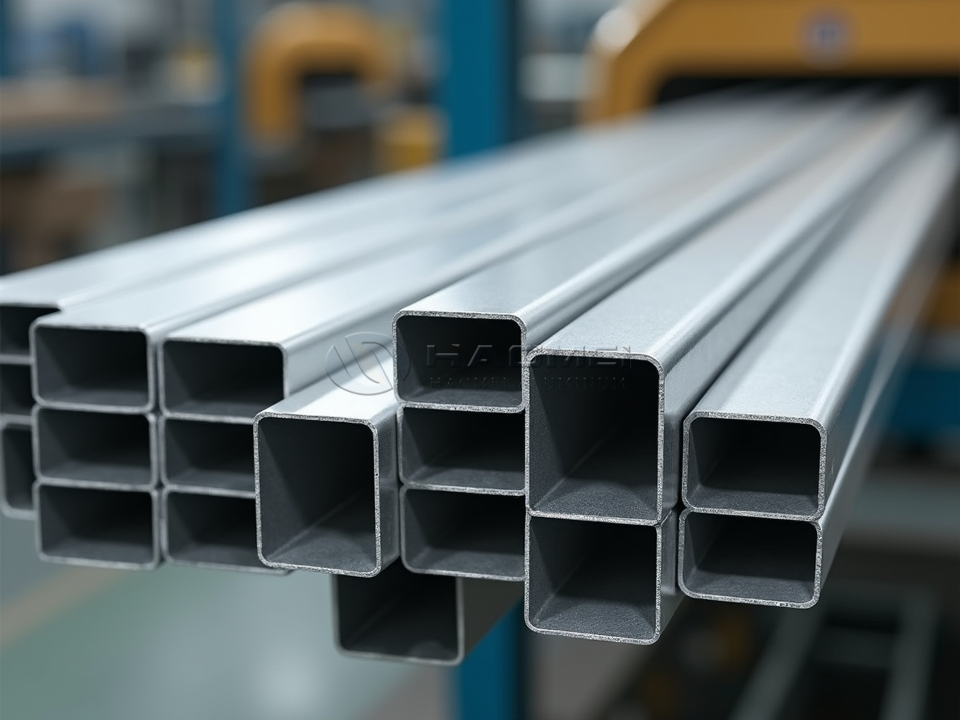
Chemical Composition Reference
Values are typical specification limits by weight percent. Final composition is confirmed by mill certificate.
| Alloy | Si | Fe | Cu | Mn | Mg | Cr | Zn | Ti | Al |
|---|---|---|---|---|---|---|---|---|---|
| 6061 | 0.40-0.80 | 0.70 max | 0.15-0.40 | 0.15 max | 0.80-1.20 | 0.04-0.35 | 0.25 max | 0.15 max | Balance |
| 5052 | 0.25 max | 0.40 max | 0.10 max | 0.10 max | 2.20-2.80 | 0.15-0.35 | 0.10 max | - | Balance |
| 5086 | 0.40 max | 0.50 max | 0.10 max | 0.20-0.70 | 3.50-4.50 | 0.05-0.25 | 0.25 max | 0.15 max | Balance |
| 6082 | 0.70-1.30 | 0.50 max | 0.10 max | 0.40-1.00 | 0.60-1.20 | 0.25 max | 0.20 max | 0.10 max | Balance |
Alloy and Temper Selection
| Alloy and Temper | Strength Level | Corrosion Resistance | Weldability | Best Fit |
|---|---|---|---|---|
| 6061-T6 | High | Good | Good, with strength loss in heat affected zone | Machined elbows, threaded fittings, structural pipe assemblies |
| 5052-H32 | Medium | Excellent | Excellent | Fuel tubing, low-pressure lines, formed elbows |
| 5086-H32 | Medium-high | Excellent | Excellent | Workboats, patrol vessels, exposed marine piping |
| 6082-T6 | High | Good | Good | Power system skids, generator auxiliary piping |
| 6063-T5 | Medium | Good | Good | Light-duty service lines and anodized assemblies |
For welded systems, post-weld strength should be considered. Heat-treatable alloys such as 6061-T6 and 6082-T6 lose some strength near the weld unless re-heat treatment is performed. Non-heat-treatable 5xxx alloys keep more stable weld-zone behavior and are often selected for formed fuel and seawater-adjacent piping.
Mechanical Performance
| Alloy and Temper | Tensile Strength MPa | Yield Strength MPa | Elongation % | Density g/cm3 |
|---|---|---|---|---|
| 6061-T6 | 290 typical | 240 typical | 8-12 | 2.70 |
| 5052-H32 | 210-260 | 160-215 | 6-12 | 2.68 |
| 5086-H32 | 275 typical | 200 typical | 10-12 | 2.66 |
| 6082-T6 | 300-340 | 250-280 | 8-10 | 2.70 |
Actual pressure rating depends on diameter, wall thickness, elbow radius, joint method, temperature, weld quality, and design code. Marine piping should be assessed by the responsible naval architect or class-approved engineer.
Fuel Line Design Considerations
Marine fuel systems demand clean internal surfaces and predictable flow. Elbows for diesel fuel lines should be free from deep tool marks, loose oxide, burrs, cracks, sharp internal steps, and trapped debris. Long-radius bends are preferred where pump suction stability is important.
| Design Point | Recommended Practice |
|---|---|
| Internal cleanliness | Degrease, deburr, and cap ends before shipment |
| Bend radius | Use long radius for suction and return lines when space allows |
| Joint sealing | Select marine-approved seals compatible with fuel type |
| Galvanic control | Isolate from copper, brass, carbon steel, and stainless steel where needed |
| Fire zone use | Confirm flag-state and class rules before installing in machinery spaces |
| Vibration | Add supports near bends and equipment connections |
Aluminum can perform well in many diesel fuel installations, but compatibility must be checked against fuel grade, additives, biodiesel content, service temperature, and local regulations.
Surface Treatment Options
| Finish | Purpose | Typical Use |
|---|---|---|
| Mill finish | Economical base condition | Hidden machinery-space pipework |
| Brushed finish | Cleaner appearance | Visible technical spaces |
| Anodized finish | Better surface hardness and oxidation resistance | Deck-adjacent or exposed fittings |
| Chromate-free conversion coating | Paint adhesion and corrosion support | Painted assemblies and OEM modules |
| Powder coating | Color coding and extra protection | Non-wetted exterior surfaces |
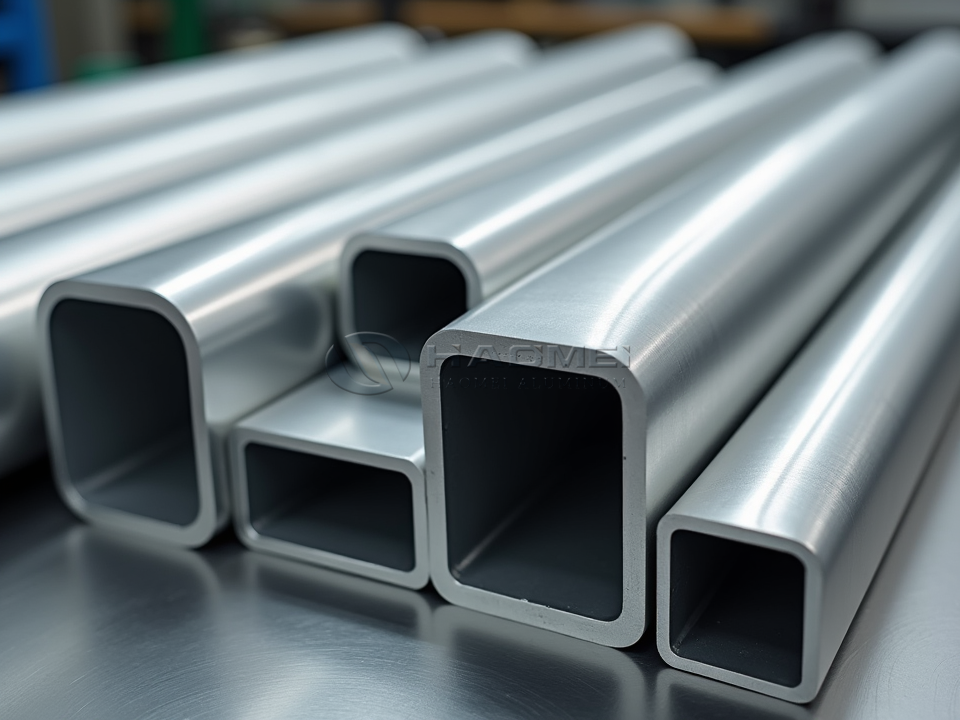
Quality Control and Marine Documentation
A reliable elbow should arrive with clear material identification and stable geometry. Dimensional checks confirm angle, ovality, wall thinning, end squareness, and centerline radius. For critical vessel systems, inspection can include dye penetrant testing, pressure testing, positive material identification, and batch traceability.
| Inspection Item | Acceptance Focus |
|---|---|
| Visual surface | No cracks, folds, deep scratches, or heavy dents |
| Dimensional check | OD, wall thickness, angle, radius, end length |
| Ovality control | Maintains roundness for sealing and welding |
| Wall thinning | Controlled at outer bend surface |
| Cleanliness | No chips, oil residue, grit, or cutting debris inside |
| Marking | Alloy, temper, size, heat number, flow direction if required |
Ordering Information
To speed up quotation and production, provide outside diameter, wall thickness, alloy, temper, bend angle, bend radius, end type, finish, pressure requirement, drawing if available, and certificate demand. If the elbow will be used for fuel service, include fuel type, operating temperature, pump pressure, installation zone, and applicable marine standard.
Marine aluminum elbows offer a practical balance of low weight, corrosion resistance, fabrication flexibility, and clean routing for vessel fuel line and power system piping. With the right alloy, bend geometry, finish, and documentation, they help shipbuilders create durable pipe networks that are easier to install, inspect, and maintain throughout vessel service life.

Related Products
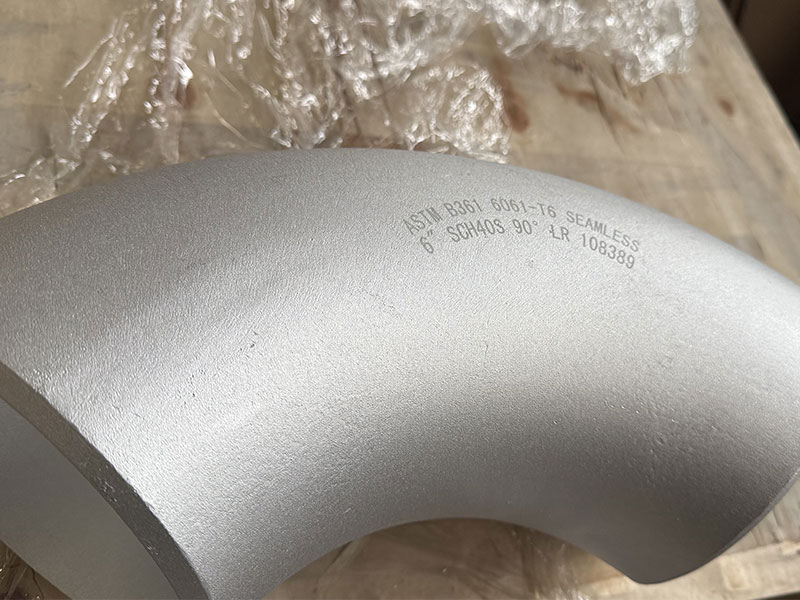
6061-T6 90-Degree Marine Aluminum Pipe Elbow
Manufactured from premium 6061-T6 marine-grade aluminum alloy, this elbow fitting is engineered to provide reliable and efficient pipe direction changes within shipbuilding, offshore platforms, and marine infrastructure systems.
View Details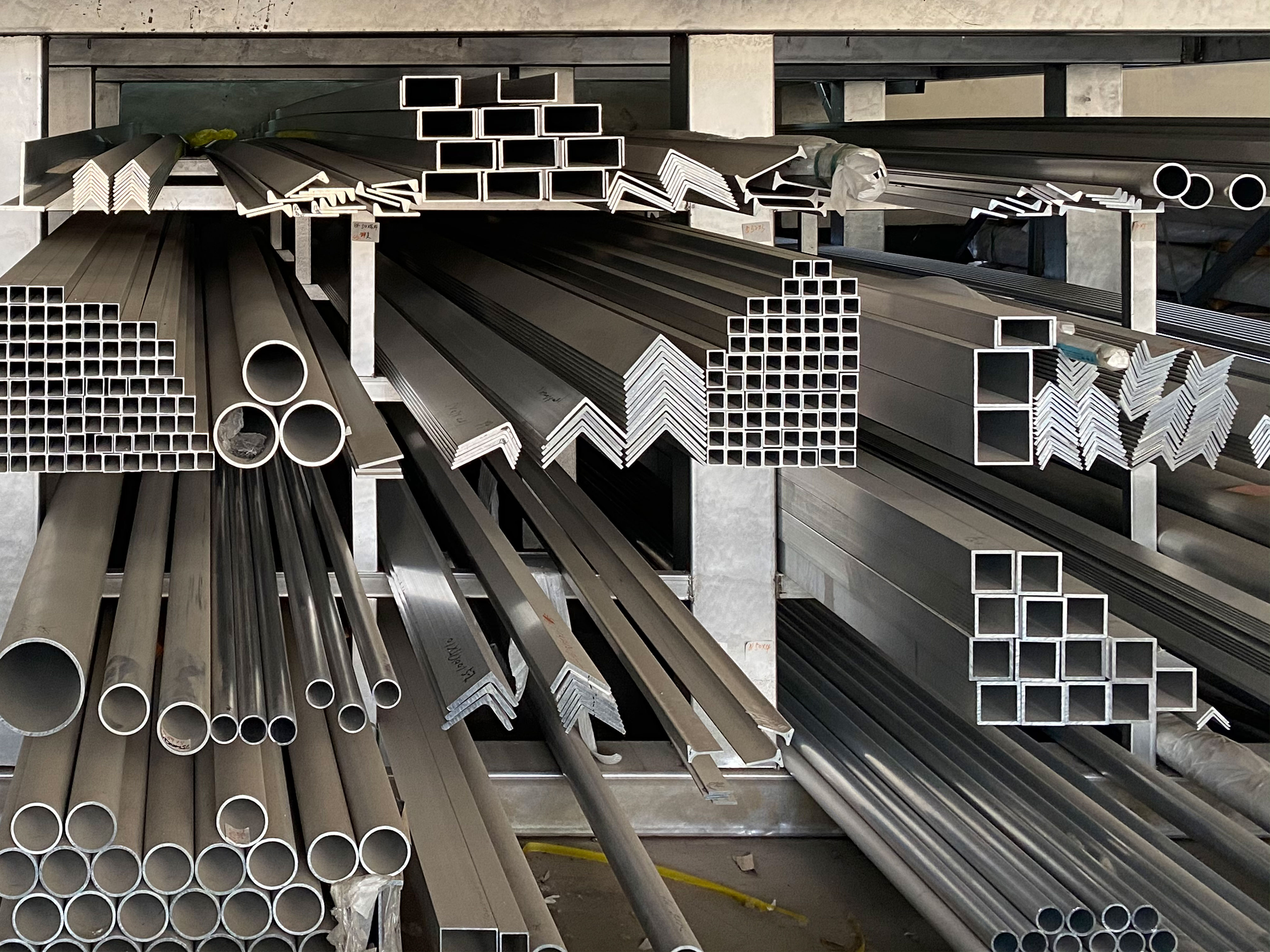
Custom marine aluminum profile tubes
Custom Marine Grade Aluminum Profile Tubes are manufactured from premium marine aluminum alloys such as 5083, 5052, 6061, and 6082.
View Details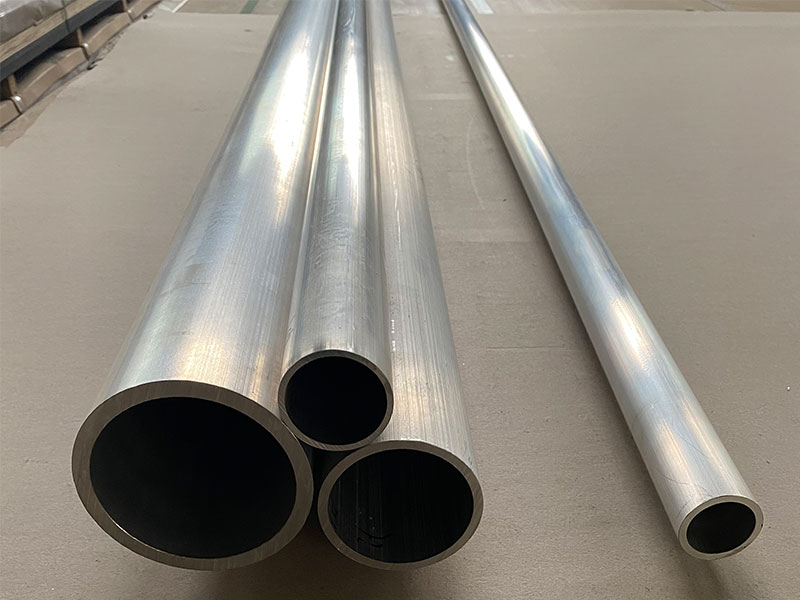
Marine aluminum round tubes
Marine Grade Aluminum Round Tubes are manufactured from premium marine alloys such as 5083, 5052, 6061, and 6082, all selected for their proven resistance to seawater corrosion and marine atmosphere degradation.
View Details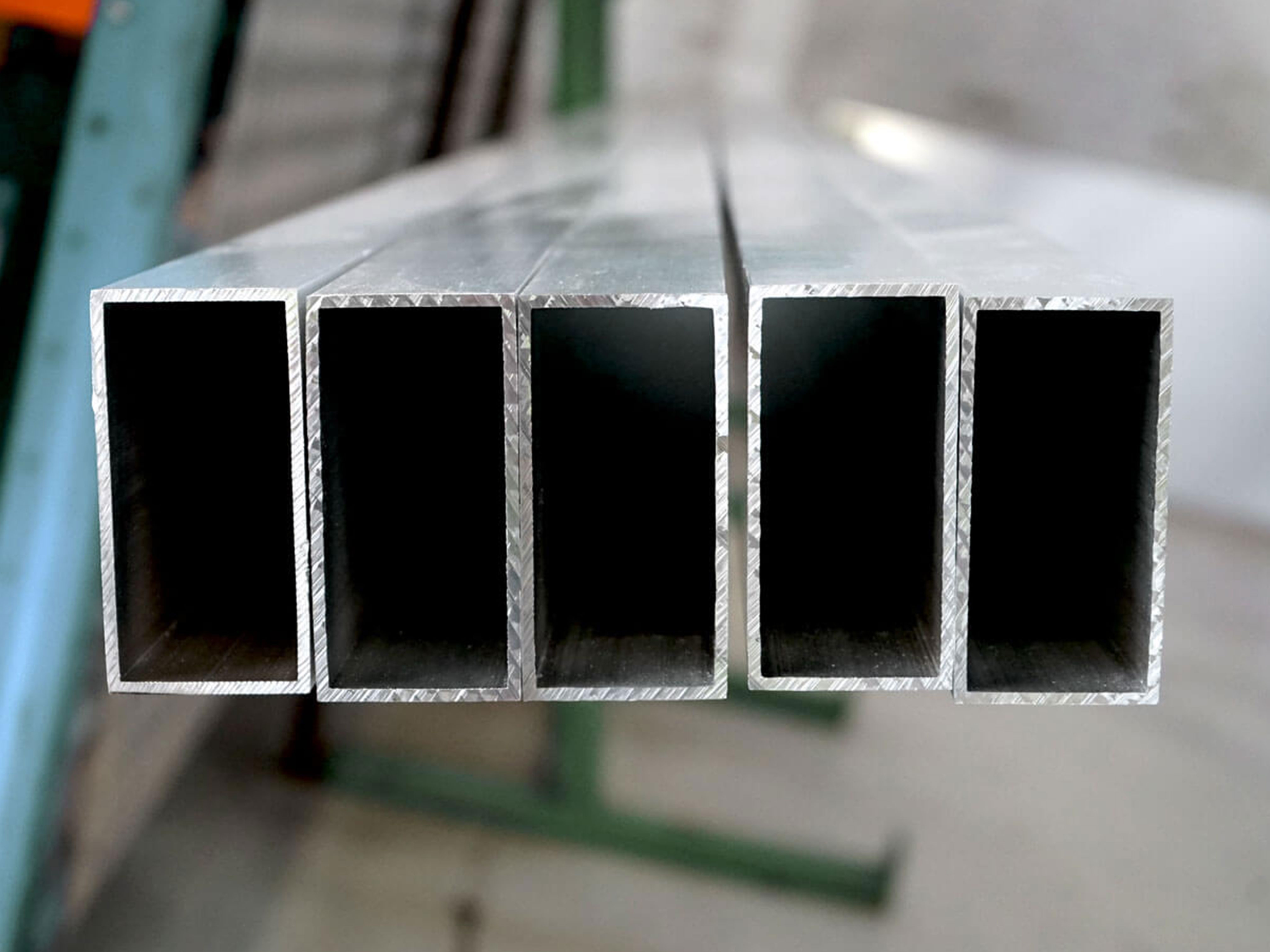
Marine aluminum rectangular tubes
Marine Grade Aluminum Rectangular Tubes are made from high-performance alloys such as 5083, 5052, 6061, and 6082. These alloys are renowned for their ability to resist corrosive seawater and marine atmospheres while providing excellent mechanical strength and toughness.
View Details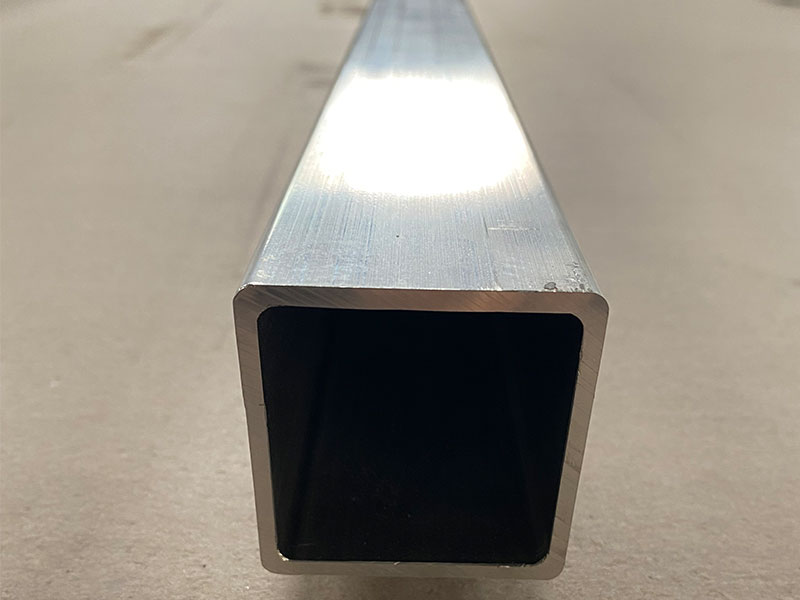
Marine aluminum square tubes
Marine Grade Aluminum Square Tubes are typically constructed from marine-grade alloys such as 5083, 5052, 6061, and 6082—well-known for their ability to withstand the aggressive effects of saltwater and marine atmospheres.
View DetailsRelated Blog
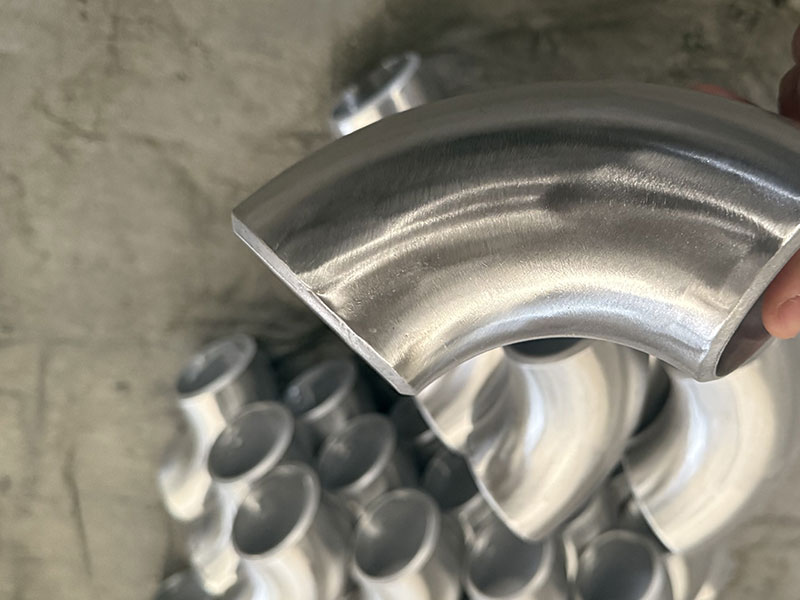
Aluminum Elbow for Saltwater Inlet and Outlet Systems
Aluminum elbows play a critical role in saltwater inlet and outlet systems used in marine, industrial, and desalination applications. Manufactured from high-quality aluminum alloys, these fittings are engineered to provide robust, corrosion-resistant.
View Details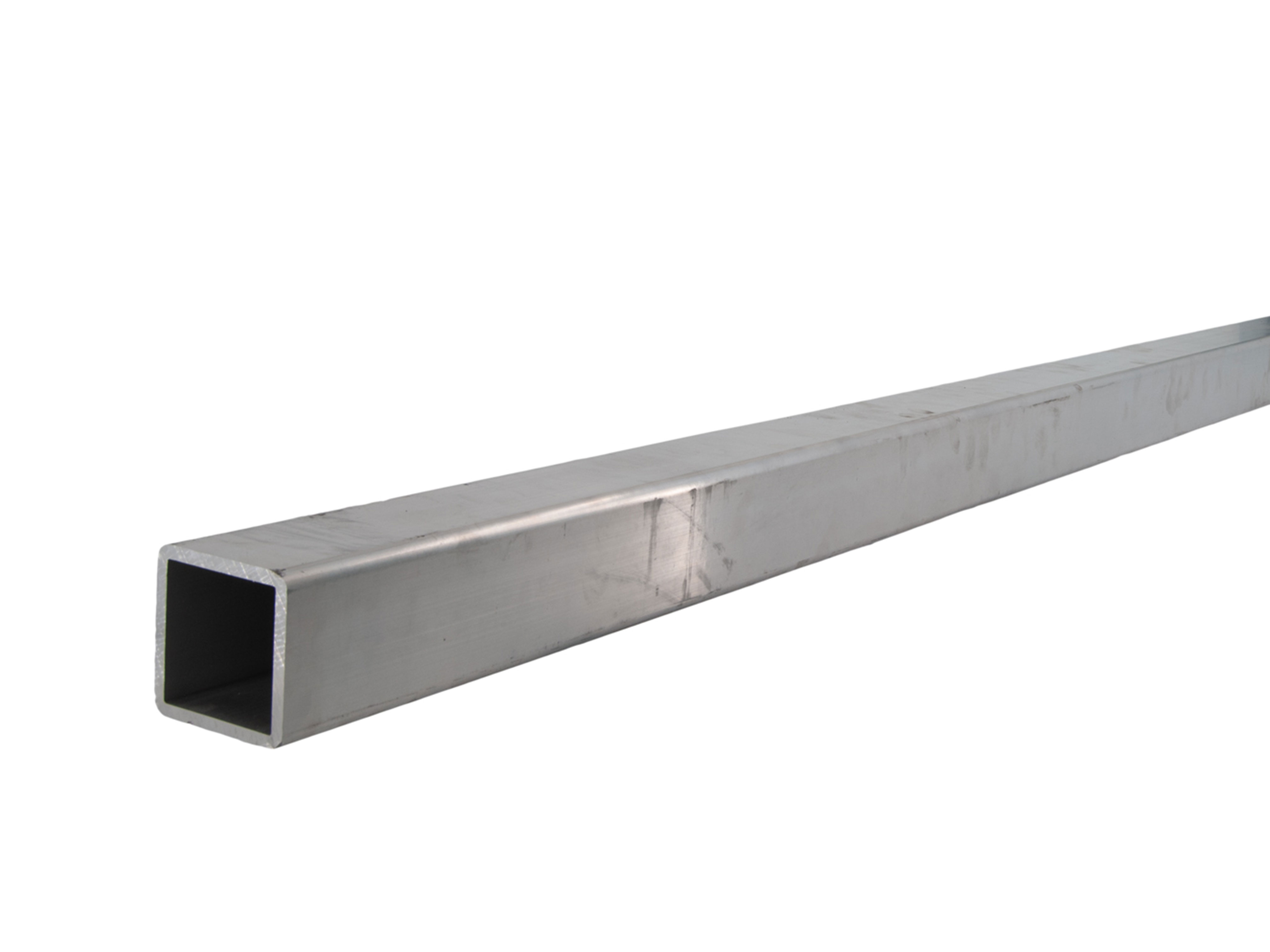
6082 Marine Aluminum Tubes for Saltwater Exposure Resistant Boats
Advantages of 6082 marine aluminum tubes, specifically engineered for saltwater exposure resistant boats. Learn about their chemical composition, mechanical properties, tempering conditions, implementation standards, and why they are the optimal choice in
View Details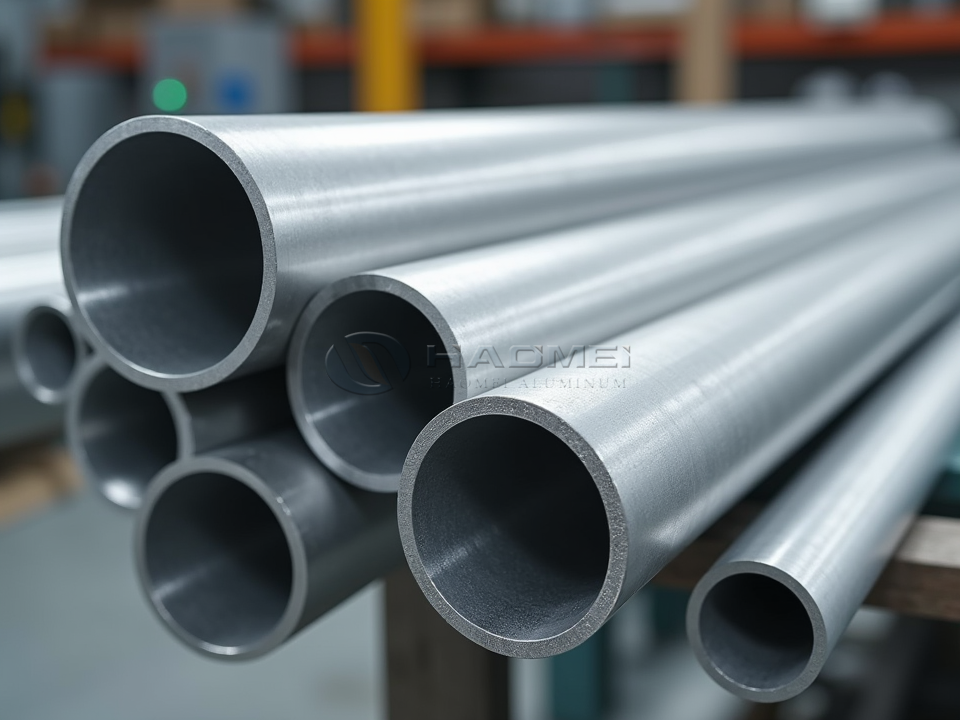
Marine Aluminum Elbow for Shipboard Chemical Handling Systems
Marine aluminum elbows guide chemical lines through compact ship spaces with low weight, corrosion resistance, sound geometry, and fit-for-service alloy choices.
View Details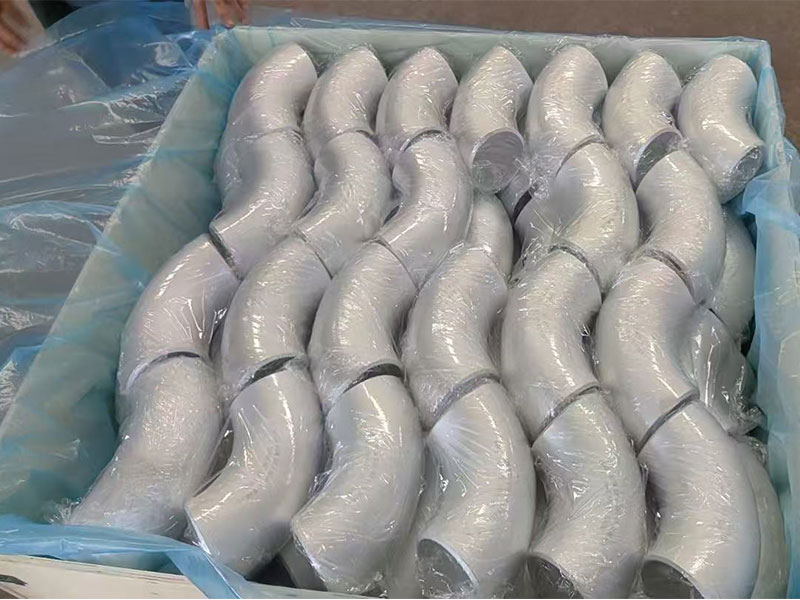
5083 Marine Aluminum Tubes for Saltwater Exposure Resistance
In the marine world, corrosion is never just a surface problem. It is a slow negotiation between metal, salt, oxygen, moisture, stress, and time. Among the aluminum alloys used in offshore structures, shipbuilding, dock systems, desalination equipment.
View Details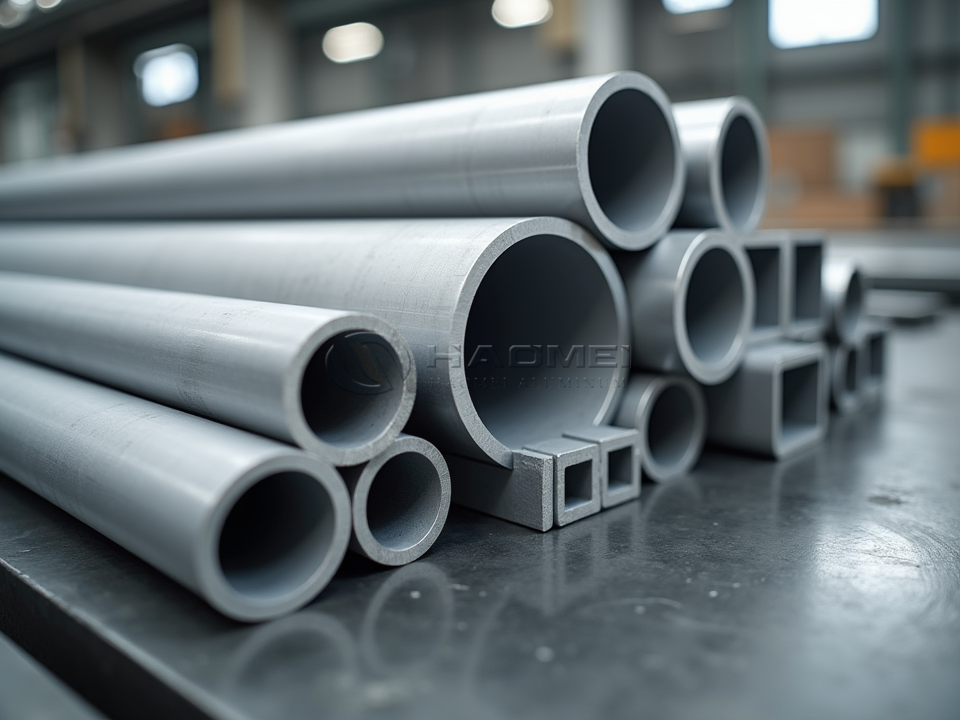
Aluminum Elbow for Offshore Offshore Emergency Water Systems
Marine aluminum elbows support reliable offshore emergency-water routing with low weight, corrosion resistance, material data, and installation guidance.
View Details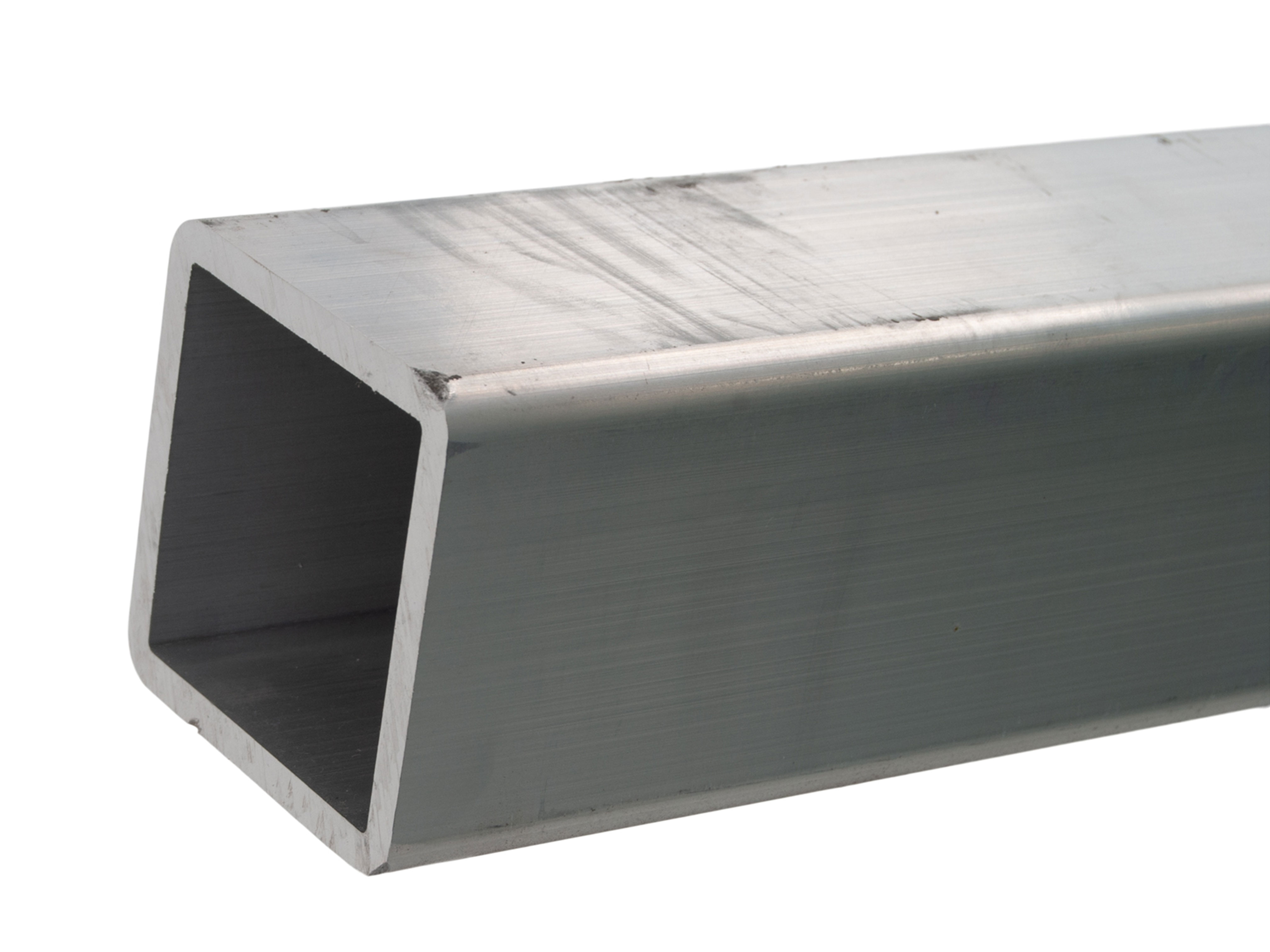
6061 Marine Aluminum Tubes for Custom Marine Construction
When it comes to building robust, lightweight, and corrosion-resistant structures for marine applications, 6061 Marine Aluminum Tubes unquestionably lead the pack.
View Details
Leave a Message