
Marine Aluminum Pipe Elbow for Offshore Power and Fluid Piping
Marine aluminum pipe elbows are precision-formed fittings used to change the direction of offshore piping systems while keeping weight low, corrosion resistance high, and installation efficient. In offshore power modules, vessels, floating platforms, desalination skids, and marine fluid networks, the elbow is more than a bend in the line. It controls flow direction, reduces layout stress, supports compact routing, and helps protect the piping system from premature fatigue.
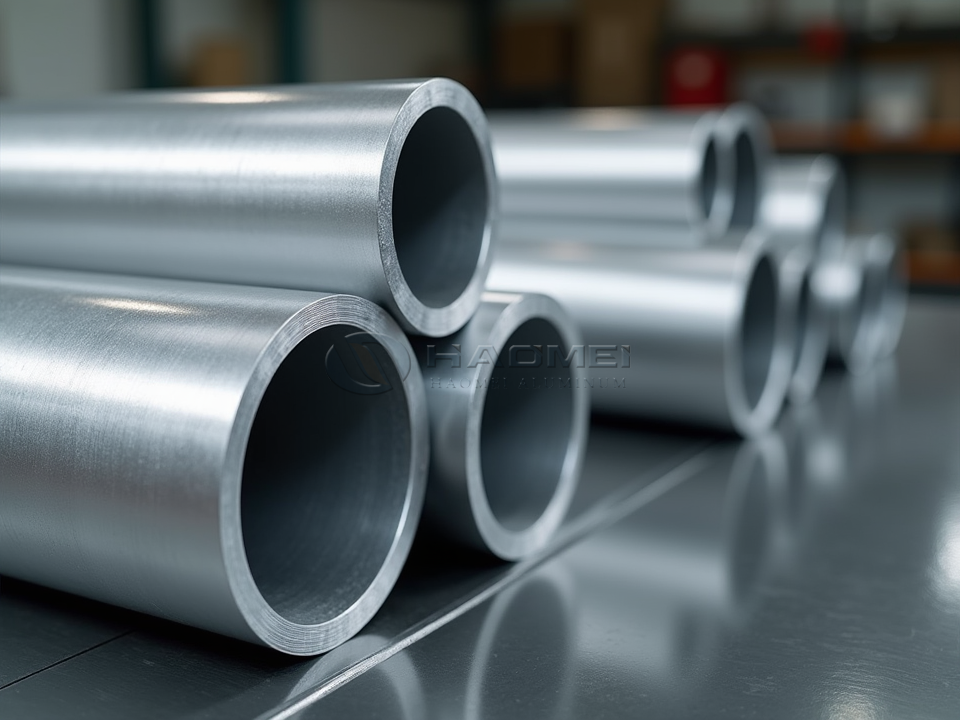
Compared with carbon steel elbows, marine aluminum elbows reduce topside weight and are easier to handle during prefabrication. Compared with many stainless fittings, they provide strong resistance to atmospheric marine corrosion and excellent thermal conductivity, which is useful in cooling water, ventilation-related piping, and auxiliary offshore power systems.
Product Function in Offshore Piping
A marine aluminum pipe elbow connects straight pipe sections at a required angle, most commonly 45 degrees, 90 degrees, or 180 degrees. In offshore installations, this function is linked directly to space management, pressure stability, and long-term maintenance.
| Function | Practical Value in Offshore Systems |
|---|---|
| Flow redirection | Routes seawater, freshwater, fuel-compatible fluids, air, and utility lines around structural obstacles |
| Weight reduction | Lowers module weight for offshore platforms, marine power units, and vessel piping racks |
| Corrosion control | Performs well in salt spray, humid engine rooms, and coastal operating environments when the correct alloy is selected |
| Vibration accommodation | Helps piping layouts absorb thermal movement and operational vibration when combined with proper supports |
| Fabrication efficiency | Can be welded, cut, machined, flanged, or prefabricated into pipe spools |
| Thermal performance | Suitable for cooling and heat-transfer related service due to aluminum conductivity |
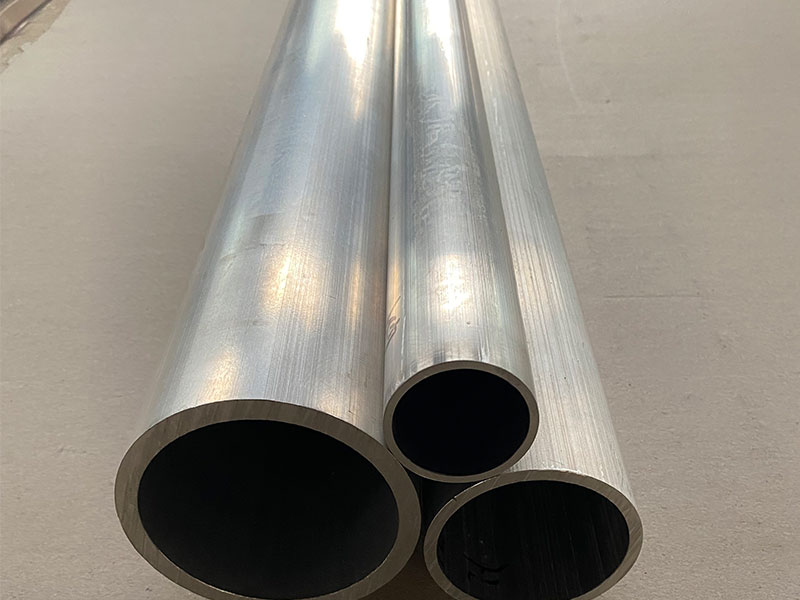
For projects using straight pipe, spool pieces, and elbows together, compatible Marine aluminum round tubes help maintain consistent alloy selection, weldability, and surface performance across the piping assembly.
Common Offshore Applications
Marine aluminum pipe elbows are selected where low weight, clean fabrication, and reliable corrosion behavior matter. They are frequently used in auxiliary and low-to-medium pressure systems rather than high-temperature steam or highly corrosive chemical service.
| Application Area | Typical Fluid or Service | Common Elbow Type |
|---|---|---|
| Offshore power packages | Cooling water, ventilation condensate, instrument air | 90-degree long radius elbow |
| Shipboard auxiliary piping | Freshwater, bilge-compatible drainage, service air | 45-degree and 90-degree elbows |
| Seawater handling systems | Intake, discharge, circulation lines with suitable alloy choice | Long radius welded elbow |
| Fuel and lube support skids | Compatible oils and utility fluids, subject to engineering approval | Butt-weld or flanged elbow |
| Desalination and water treatment | Brine, freshwater, process water | Seamless or welded elbow |
| HVAC and ventilation piping | Air ducts, lightweight pipe runs, drain lines | Short radius or custom bend elbow |
| Offshore modular structures | Utility routing inside compact frames | Prefabricated elbow spool |
Material Selection and Alloy Temper Conditions
The alloy determines corrosion resistance, forming behavior, weld strength, and mechanical performance. Marine aluminum pipe elbows are commonly produced from 5xxx series aluminum-magnesium alloys and 6xxx series aluminum-magnesium-silicon alloys.
| Alloy | Typical Temper | Main Advantage | Suggested Service Profile |
|---|---|---|---|
| 5052 | O, H32, H34 | Good formability and seawater atmosphere resistance | Light-duty fluid piping, drains, low-pressure auxiliary lines |
| 5083 | O, H111, H112 | High marine corrosion resistance and strong welded performance | Seawater systems, offshore modules, welded pipe spools |
| 5086 | O, H32, H116, H112 | Excellent marine durability and good strength-to-weight ratio | Vessel piping, offshore fluid lines, structural pipe assemblies |
| 6061 | T6, T651, O | High strength, machinability, broad availability | Power-unit piping, machined fittings, flanged assemblies |
| 6063 | T5, T6 | Smooth surface, good extrudability, anodizing response | Lightweight service piping, visible pipework, HVAC-related lines |
| 6082 | T6, T651 | Higher strength than many 6xxx alloys | Heavy-duty offshore frames and pipe support-compatible fittings |
The most popular temper for strength-focused elbows is T6 in 6061 or 6082. For seawater-intensive welded assemblies, 5083-H111, 5083-H112, 5086-H116, or 5086-H112 are often preferred because the 5xxx series keeps excellent corrosion behavior in marine environments.
Chemical Composition Reference
Chemical composition varies by standard and mill certificate. The values shown are typical reference ranges for engineering comparison.
| Alloy | Mg % | Si % | Mn % | Cr % | Fe % Max | Cu % Max | Zn % Max | Al |
|---|---|---|---|---|---|---|---|---|
| 5052 | 2.2-2.8 | 0.25 max | 0.10 max | 0.15-0.35 | 0.40 | 0.10 | 0.10 | Balance |
| 5083 | 4.0-4.9 | 0.40 max | 0.40-1.0 | 0.05-0.25 | 0.40 | 0.10 | 0.25 | Balance |
| 5086 | 3.5-4.5 | 0.40 max | 0.20-0.7 | 0.05-0.25 | 0.50 | 0.10 | 0.25 | Balance |
| 6061 | 0.8-1.2 | 0.40-0.8 | 0.15 max | 0.04-0.35 | 0.70 | 0.15-0.40 | 0.25 | Balance |
| 6063 | 0.45-0.9 | 0.20-0.6 | 0.10 max | 0.10 max | 0.35 | 0.10 | 0.10 | Balance |
| 6082 | 0.6-1.2 | 0.7-1.3 | 0.40-1.0 | 0.25 max | 0.50 | 0.10 | 0.20 | Balance |
Technical Specifications
Marine aluminum pipe elbows can be produced as seamless elbows, welded elbows, mandrel-bent elbows, or fabricated elbows depending on diameter, wall thickness, pressure class, and project drawing requirements.
| Parameter | Common Range or Option |
|---|---|
| Bend angle | 30 degrees, 45 degrees, 60 degrees, 90 degrees, 120 degrees, 180 degrees, custom angle |
| Outside diameter | 20 mm-600 mm, larger sizes by fabrication |
| Wall thickness | 1.5 mm-30 mm, subject to alloy and forming method |
| Bend radius | Short radius, long radius, 1.5D, 3D, 5D, custom radius |
| End connection | Butt weld, socket weld, flange end, grooved end, threaded insert design by request |
| Manufacturing route | Mandrel bending, extrusion plus bending, welded fabrication, hot forming, cold forming with heat treatment |
| Surface finish | Mill finish, brushed, polished, anodized, conversion coating, coated after fabrication |
| Tolerance basis | Project drawing, ASTM, EN, ISO, or shipyard specification |
| Inspection | Dimensional check, visual inspection, PMI, pressure test, dye penetrant test, radiographic test when specified |
Mechanical Properties for Design Reference
Mechanical values depend on product form, wall thickness, temper, and post-weld condition. Final design should follow approved engineering calculations and certified mill test reports.
| Alloy and Temper | Tensile Strength MPa | Yield Strength MPa | Elongation % | Notes |
|---|---|---|---|---|
| 5052-H32 | 210-260 | 160-200 | 8-12 | Good forming and moderate strength |
| 5083-H111 | 275-350 | 125-215 | 12-16 | Strong marine weld performance |
| 5086-H116 | 240-330 | 165-240 | 10-14 | Resistant to exfoliation in marine exposure |
| 6061-T6 | 290-320 | 240-275 | 8-12 | High strength and machinability |
| 6063-T6 | 205-245 | 170-215 | 8-12 | Smooth finish and good anodizing response |
| 6082-T6 | 300-340 | 250-290 | 8-10 | High-strength 6xxx option |
Implementation Standards and Classification Requirements
Offshore projects often require documentation from recognized standards and inspection bodies. The elbow itself may be supplied to a dimensional or material standard, while the complete pipe spool may follow class approval or project specification.
| Category | Common Reference Standards |
|---|---|
| Aluminum material | ASTM B241, ASTM B210, ASTM B221, EN 573, EN 755, EN 754 |
| Pipe and fitting fabrication | ASME B31.3, ASME B31.1, ISO 15614 welding procedure qualification |
| Welding consumables | AWS A5.10, ER5356 for 5xxx alloys, ER4043 or ER5356 for selected 6xxx applications |
| Marine classification | ABS, DNV, LR, BV, CCS, RINA project rules when required |
| Surface and corrosion testing | ASTM B117 salt spray, ISO 9227, coating or anodizing standards by project need |
| Quality management | ISO 9001, traceable mill certificate, heat number control |
Fabrication and Welding Notes
Aluminum elbows must be fabricated with clean material handling. Oil, moisture, steel dust, and chloride contamination can reduce weld quality or accelerate corrosion. Stainless steel brushes dedicated to aluminum should be used before welding. For 5083 and 5086 elbows, ER5356 filler is widely used for marine welded assemblies. For 6061-T6 elbows, welding reduces local strength in the heat-affected zone, so designers often allow for post-weld strength reduction or specify heat treatment where practical.
| Fabrication Concern | Recommended Practice |
|---|---|
| Weld cleanliness | Degrease, remove oxide layer, keep filler wire dry |
| Galvanic corrosion | Isolate aluminum from carbon steel, copper alloys, and stainless fasteners where electrolyte exposure exists |
| Pressure retention | Use qualified welding procedure and hydrostatic or pneumatic test as specified |
| Forming cracks | Match bend radius with alloy temper and wall thickness |
| Surface durability | Apply anodizing, conversion coating, marine paint, or insulation where exposure demands it |
Buying Considerations
When selecting a marine aluminum pipe elbow for offshore power and fluid piping, customers should confirm alloy grade, temper, diameter, wall thickness, bend radius, connection type, operating pressure, fluid compatibility, and certification package. Drawings should define center-to-end dimensions, ovality tolerance, end preparation, weld map requirements, and surface finish.
For offshore projects, the best-performing elbow is not always the thickest or strongest fitting. It is the fitting that matches the fluid, pressure, alloy compatibility, joining method, corrosion environment, and class documentation. With the correct specification, marine aluminum pipe elbows deliver lightweight routing, dependable corrosion resistance, and efficient installation for modern offshore piping systems.

Related Products
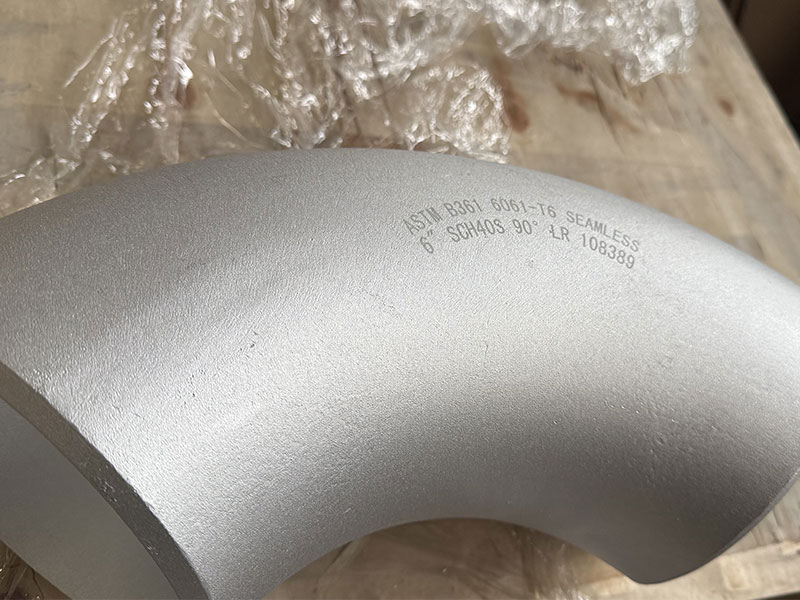
6061-T6 90-Degree Marine Aluminum Pipe Elbow
Manufactured from premium 6061-T6 marine-grade aluminum alloy, this elbow fitting is engineered to provide reliable and efficient pipe direction changes within shipbuilding, offshore platforms, and marine infrastructure systems.
View Details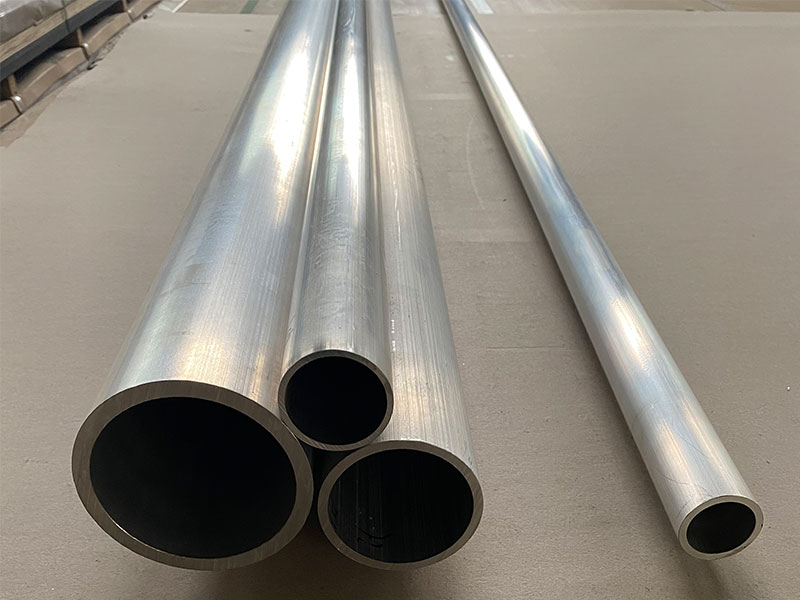
Marine aluminum round tubes
Marine Grade Aluminum Round Tubes are manufactured from premium marine alloys such as 5083, 5052, 6061, and 6082, all selected for their proven resistance to seawater corrosion and marine atmosphere degradation.
View Details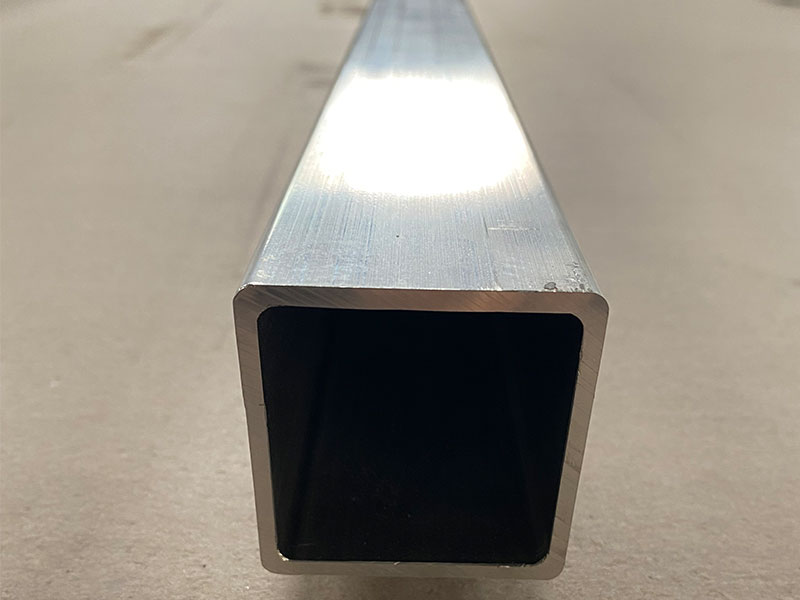
Marine aluminum square tubes
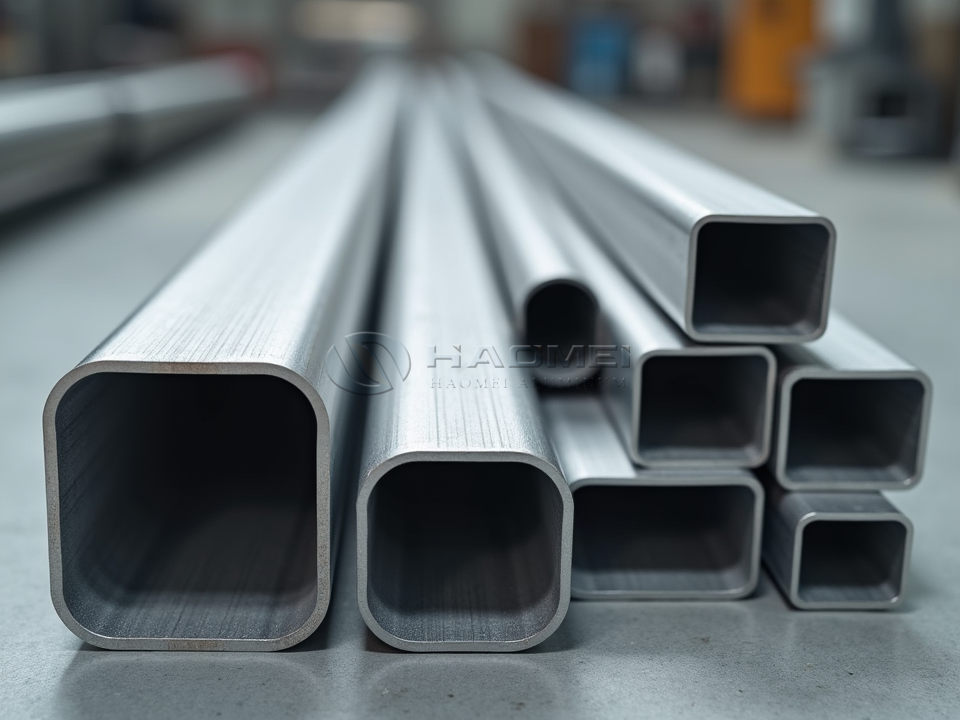
Marine Grade Aluminum Square Tubes are typically constructed from marine-grade alloys such as 5083, 5052, 6061, and 6082—well-known for their ability to withstand the aggressive effects of saltwater and marine atmospheres.
View Details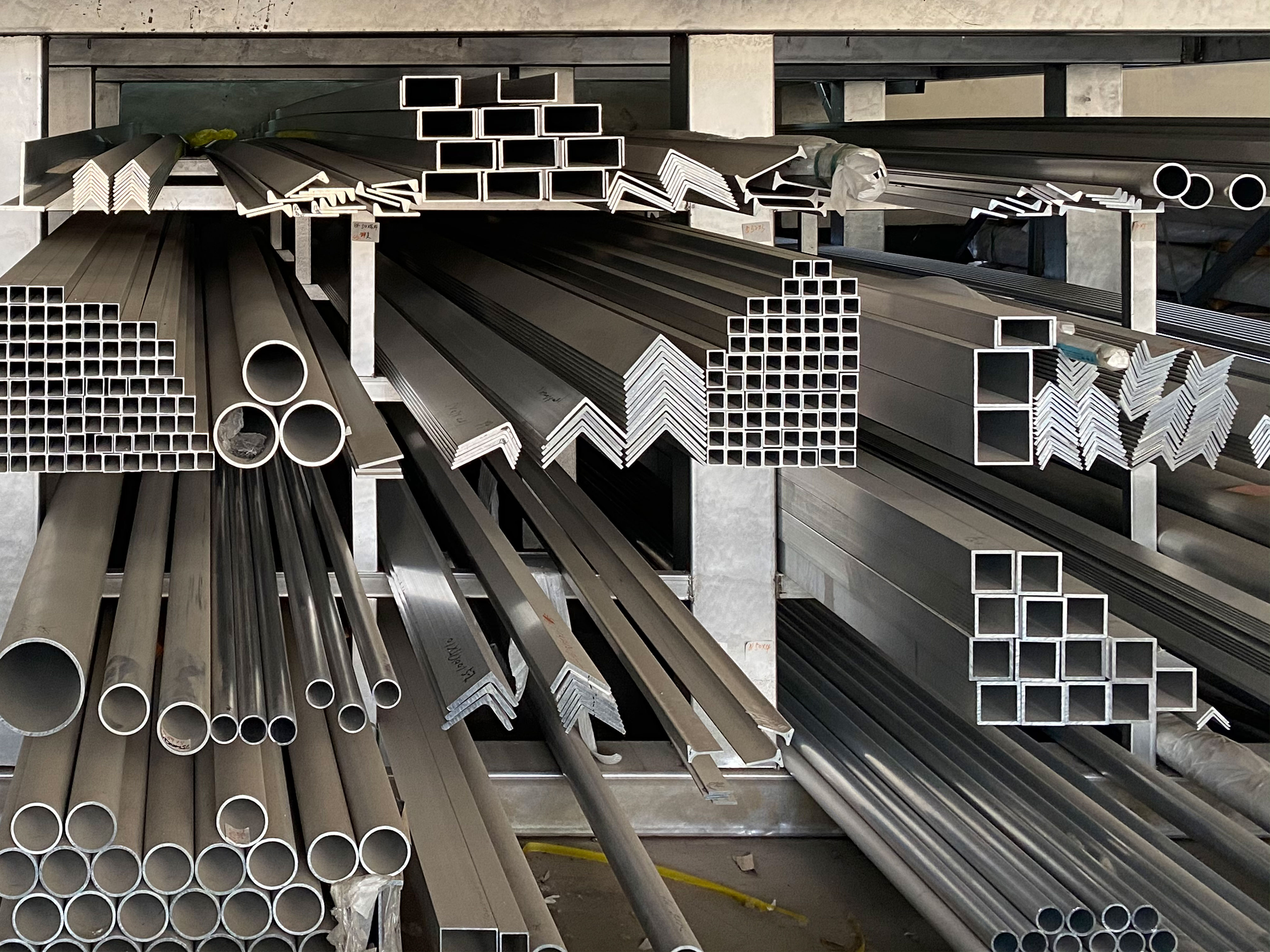
Custom marine aluminum profile tubes
Custom Marine Grade Aluminum Profile Tubes are manufactured from premium marine aluminum alloys such as 5083, 5052, 6061, and 6082.
View Details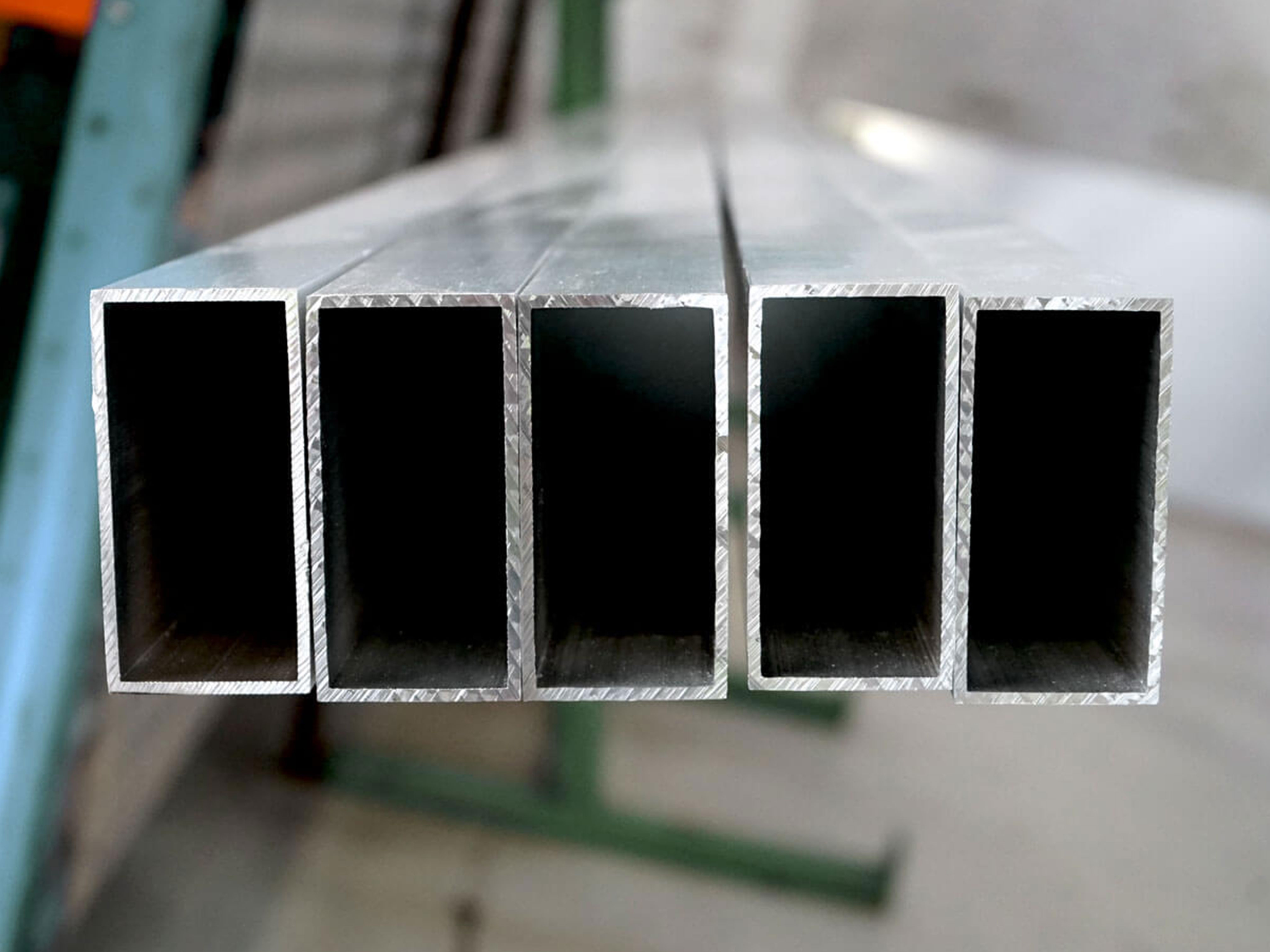
Marine aluminum rectangular tubes
Marine Grade Aluminum Rectangular Tubes are made from high-performance alloys such as 5083, 5052, 6061, and 6082. These alloys are renowned for their ability to resist corrosive seawater and marine atmospheres while providing excellent mechanical strength and toughness.
View DetailsRelated Blog
5083 Marine Aluminum Tubes for Coastal Boat Engineering Solutions
In coastal boat engineering, selecting materials that offer superior performance, durability, and resistance to harsh marine environments is critical. 5083 marine aluminum tubes present an exceptional solution.
View Details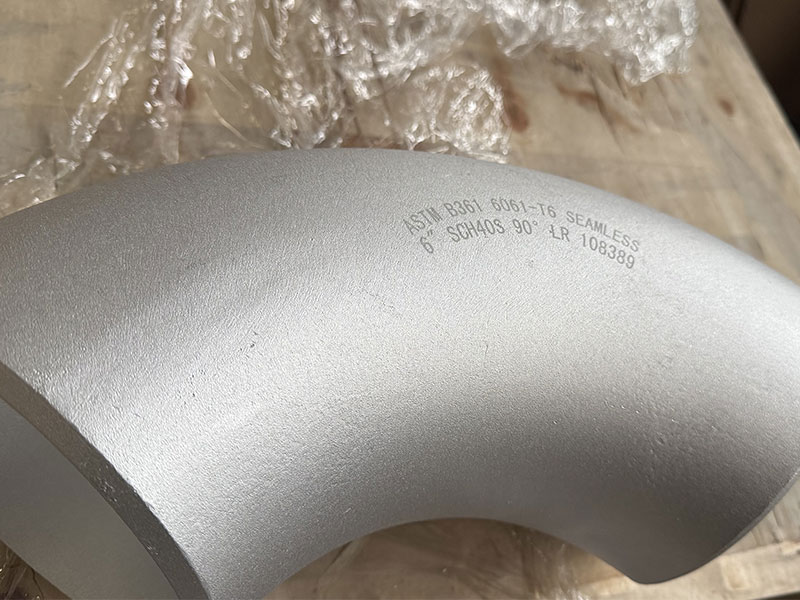
5083 Marine Aluminum Tubes for Saltwater Environment Durability
When it comes to marine applications, durability, corrosion resistance, and mechanical performance are paramount for structural materials. Among the various aluminum alloys available, 5083 aluminum alloy stands out as a premium choice.
View Details
Aluminum Marine Elbow for Ballast Water Treatment and Pumping
Learn how aluminum marine elbows influence ballast-water flow, pump loading, corrosion control, and service access in compact treatment piping arrangements.
View Details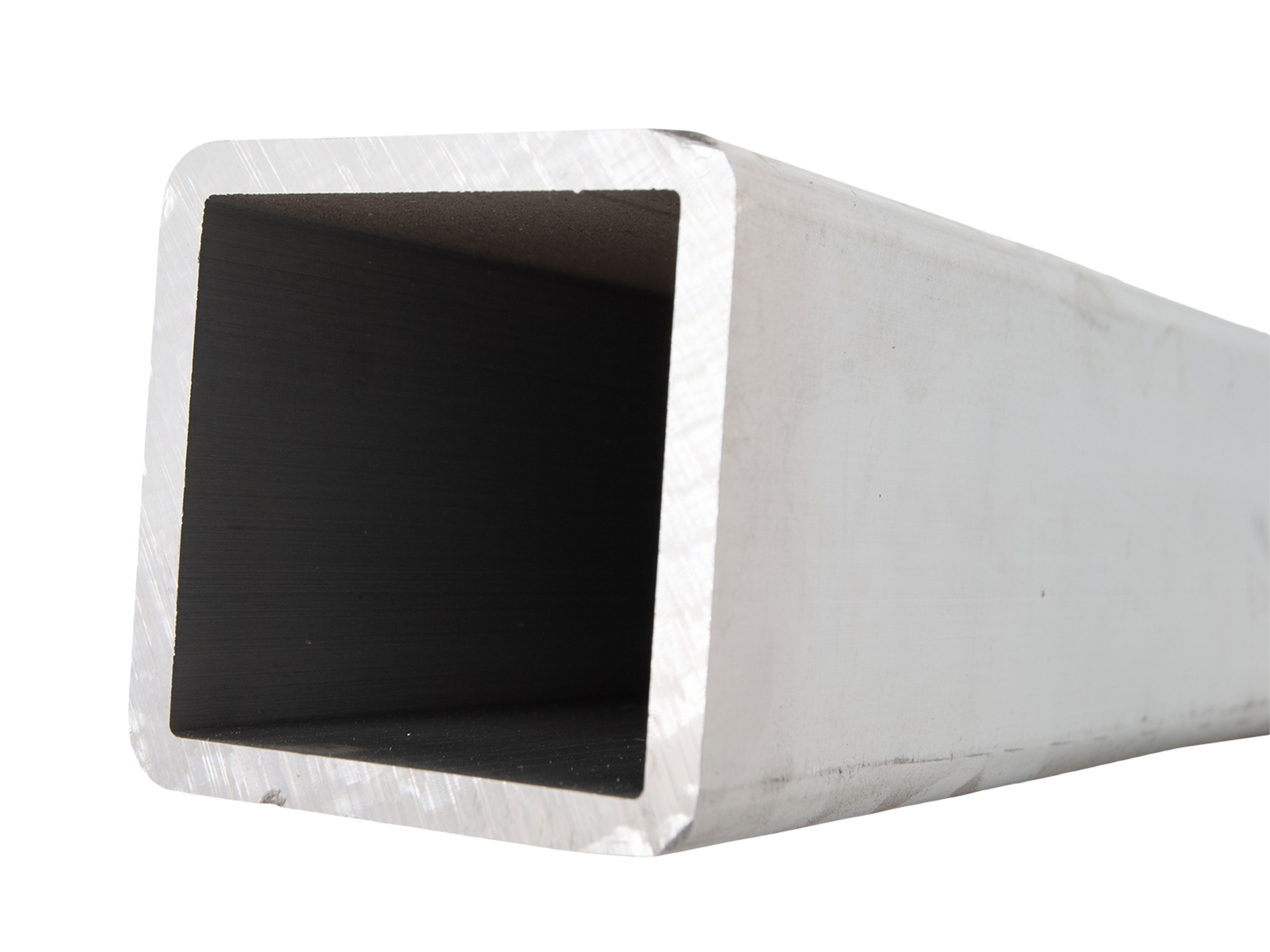
Marine Aluminum Tubes for Offshore Engineering Projects
Offshore engineering doesn't fail in one dramatic moment; it fails in tiny, repetitive conversations between metal, seawater, oxygen, temperature swings, vibration, and time.
View Details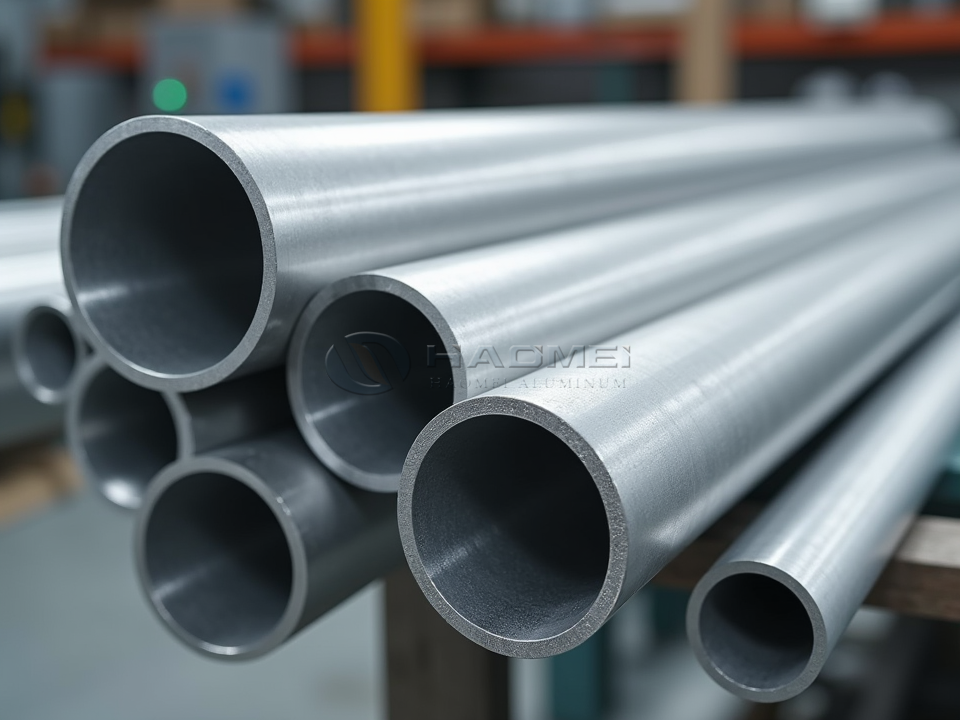
Marine Aluminum Elbow for Shipboard Chemical Handling Systems
Marine aluminum elbows guide chemical lines through compact ship spaces with low weight, corrosion resistance, sound geometry, and fit-for-service alloy choices.
View Details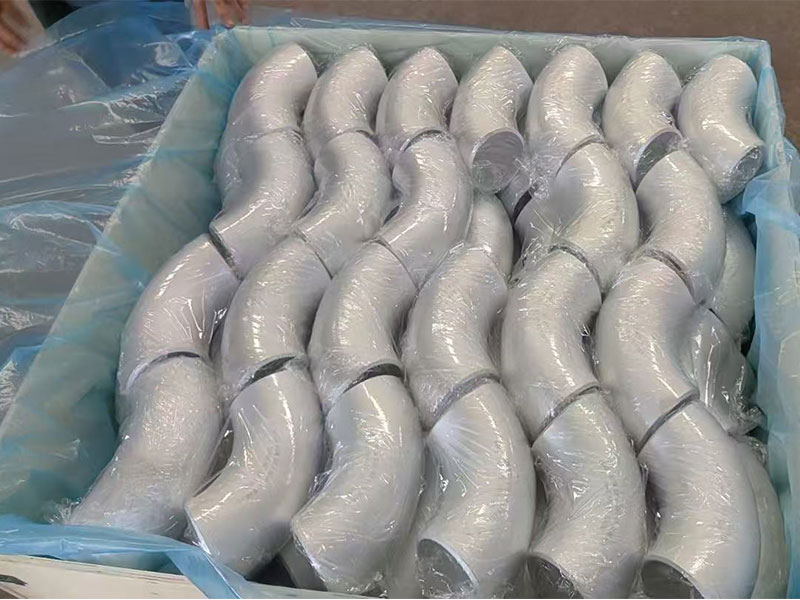
5083 Marine Aluminum Tubes for Saltwater Exposure Resistance
In the marine world, corrosion is never just a surface problem. It is a slow negotiation between metal, salt, oxygen, moisture, stress, and time. Among the aluminum alloys used in offshore structures, shipbuilding, dock systems, desalination equipment.
View Details
Leave a Message