
Aluminum Pipe Elbow for Shipboard Exhaust and Emission Filtration
An aluminum pipe elbow for shipboard exhaust and emission filtration is a precision-formed marine fitting designed to change the direction of low-temperature exhaust, ventilation, and treatment-system ducting. It helps shipbuilders create compact routing paths around bulkheads, machinery, scrubber auxiliaries, silencers, filtration housings, and emission-monitoring equipment.
Built from marine-capable aluminum alloys, these elbows reduce structural weight while maintaining reliable corrosion resistance in humid, salt-laden engine-room and deck environments. They are particularly suitable for cooled exhaust branches, dry gas-cleaning ductwork, ventilation lines, condensate-controlled filtration sections, and exhaust treatment enclosures. Direct connection to very high-temperature engine exhaust manifolds or untreated turbocharger outlets is not recommended unless thermal shielding, insulation, and engineering verification confirm that the aluminum temperature remains within allowable limits.
Product Features
| Feature | Customer Benefit |
|---|---|
| Low-density aluminum construction | Reduces piping-system mass and support loads compared with steel fittings. |
| Smooth-radius bend geometry | Promotes more stable gas flow and helps limit localized pressure loss. |
| Marine-grade alloy options | Supports long service life in salt mist, humidity, and intermittent condensation environments. |
| Precision dimensional control | Simplifies alignment with pipe sections, flanges, clamps, and filtration equipment. |
| Weldable construction | Allows fabrication into custom exhaust-treatment skids and onboard duct assemblies. |
| Multiple bend angles | Accommodates 45°, 90°, and custom directional changes in confined machinery spaces. |
| Surface treatment options | Mill finish, brushing, anodizing, painting, or protective coating can be selected for the installation environment. |
Suitable Shipboard Service Conditions
The elbow is engineered primarily for non-pressure or low-pressure gas handling lines where temperature, vibration, corrosive exposure, and space restrictions must be considered together. It is often installed after cooling stages, mixing zones, silencers, particulate filtration assemblies, or emission treatment modules.
| Application Area | Typical Function of the Elbow | Design Consideration |
|---|---|---|
| Cooled generator exhaust ducting | Redirects conditioned exhaust toward treatment or discharge sections | Confirm gas temperature at elbow location |
| Diesel particulate filtration modules | Connects duct runs to filter housings | Use smooth internal transitions to reduce deposits |
| SCR and catalytic treatment auxiliaries | Routes ventilation or cooled exhaust-side ducting | Isolate from excessive radiant heat |
| Marine scrubber support piping | Changes line direction around pumps, separators, and structural members | Select alloy and coating for wet-corrosion exposure |
| Engine-room ventilation extraction | Connects extraction ducts and fume-control equipment | Design for vibration and access for cleaning |
| Exhaust gas monitoring systems | Guides sampled or conditioned gas lines to analyzer cabinets | Maintain leak-tight joints and controlled condensation |
| Ferry, yacht, workboat, and naval retrofits | Solves clearance conflicts in compact refit spaces | Custom centerline radius and end preparation available |
For fabricated systems requiring a matching bend, the 6061-T6 90-Degree Marine Aluminum Pipe Elbow provides a practical option for lightweight routed assemblies.
Alloy and Temper Selection
Alloy selection should reflect operating temperature, seawater exposure, fabrication method, and the expected level of mechanical loading. 5000-series alloys offer strong resistance to marine atmospheric conditions, while 6000-series alloys are widely selected for their strength, machinability, and clean fabricated appearance.
| Alloy | Common Temper | Material Character | Recommended Use |
|---|---|---|---|
| 5052 | H32, H34 | Formable, corrosion-resistant, moderate strength | Formed elbows and light-duty filtration ductwork |
| 5083 | H111, H116 | Excellent marine corrosion resistance and weldability | Wet or highly corrosive marine support ducting |
| 5086 | H111, H116 | Strong seawater corrosion performance | Heavy-duty marine fabricated sections |
| 6061 | T6, T651 | High strength, good machinability, widely available | Machined, welded, or flanged elbow assemblies |
| 6063 | T5, T6 | Smooth surface finish and good extrudability | Light ducting and architectural-grade enclosure piping |
| 6082 | T6 | Higher structural strength and weldable performance | Brackets, reinforced elbows, and structural duct connections |
Typical Chemical Composition
Composition values are nominal ranges or maximum limits in weight percent. Final mill certificates should govern procurement requirements.
| Alloy | Mg | Si | Mn | Fe | Cu | Cr | Zn | Al |
|---|---|---|---|---|---|---|---|---|
| 5052 | 2.2-2.8 | 0.25 max | 0.10 max | 0.40 max | 0.10 max | 0.15-0.35 | 0.10 max | Balance |
| 5083 | 4.0-4.9 | 0.40 max | 0.40-1.0 | 0.40 max | 0.10 max | 0.05-0.25 | 0.25 max | Balance |
| 5086 | 3.5-4.5 | 0.40 max | 0.20-0.7 | 0.50 max | 0.10 max | 0.05-0.25 | 0.25 max | Balance |
| 6061 | 0.8-1.2 | 0.4-0.8 | 0.15 max | 0.70 max | 0.15-0.40 | 0.04-0.35 | 0.25 max | Balance |
| 6063 | 0.45-0.9 | 0.2-0.6 | 0.10 max | 0.35 max | 0.10 max | 0.10 max | 0.10 max | Balance |
| 6082 | 0.6-1.2 | 0.7-1.3 | 0.4-1.0 | 0.50 max | 0.10 max | 0.25 max | 0.20 max | Balance |
Technical Specifications
| Parameter | Standard Range | Custom Capability |
|---|---|---|
| Elbow angle | 45°, 90°, 180° | 15°-180° as required |
| Outside diameter | 20-300 mm | Larger diameters available by fabrication |
| Wall thickness | 1.5-12 mm | Matched to pressure, vibration, and welding needs |
| Centerline radius | 1D, 1.5D, 2D, 3D, 5D | Custom long-radius or short-radius geometry |
| Manufacturing method | Mandrel bending, roll forming, welded fabrication, machining | Designed to drawing or sample |
| End configuration | Plain end, beveled end, flange-ready, grooved, expanded end | Custom interfaces for clamps and mating pipes |
| Surface finish | Mill finish, polished, brushed, anodized, painted | Marine coating systems available |
| Inspection | Dimensional check, visual weld examination, material traceability | Dye penetrant, pressure test, or third-party inspection by request |
| Operating temperature | Best suited to cooled or insulated service | Final allowable temperature requires system engineering review |
Flow Performance and Installation Value
A correctly sized elbow prevents abrupt flow separation that can increase pressure loss, noise, soot accumulation, and uneven loading at downstream emission-control equipment. Long-radius bends are generally preferred where installation space permits, especially before filter housings, monitoring instruments, and catalyst-related assemblies. Their gentler directional change supports steadier flow distribution and can improve maintenance intervals in particulate-prone systems.
| Installation Factor | Recommended Practice |
|---|---|
| Bend radius | Select long-radius elbows for sensitive filtration or measurement sections when space allows. |
| Thermal movement | Provide flexible connectors or expansion provisions where temperature cycling occurs. |
| Vibration | Use resilient supports and avoid concentrating engine vibration at rigid elbow joints. |
| Galvanic corrosion | Electrically isolate aluminum from dissimilar metals where moisture can bridge the connection. |
| Condensation | Slope low points, add drains where needed, and avoid standing acidic condensate. |
| Welding | Use qualified marine aluminum welding procedures and clean joint surfaces before fabrication. |
| Heat protection | Apply insulation or shielding when installed near hot exhaust trunks, turbines, or manifolds. |
Fabrication and Quality Control
Each aluminum pipe elbow can be supplied as a formed tube bend or as a fabricated component with transition pieces, reinforcement collars, flanges, mounting tabs, and inspection ports. For emission filtration projects, fabrication drawings can define pipe diameter, bend angle, centerline radius, alloy, temper, allowable tolerance, finish, and joining method.
Quality control commonly includes verification of outside diameter, wall thickness, ovality, bend angle, center-to-end dimensions, weld appearance, and surface condition. Where a gas-tight connection is required, the completed assembly may be pressure tested according to the project specification. Material identification and traceability documentation can also be supplied for marine construction and refit programs.
Selection Guidance
Choose a 5052 elbow where formability and corrosion resistance are the primary requirements. Select 5083 or 5086 for aggressive marine exposure and fabricated wet-service areas. Choose 6061-T6 or 6082-T6 where higher strength, rigid mounting, or machined end connections are needed. For compact shipboard exhaust and emission filtration systems, always evaluate the actual gas temperature, condensate chemistry, support spacing, vibration level, and connection material before finalizing the design.
An aluminum pipe elbow designed for the right temperature zone and corrosion environment delivers a lighter, cleaner, and more serviceable route for modern shipboard emission-control infrastructure.

Related Products
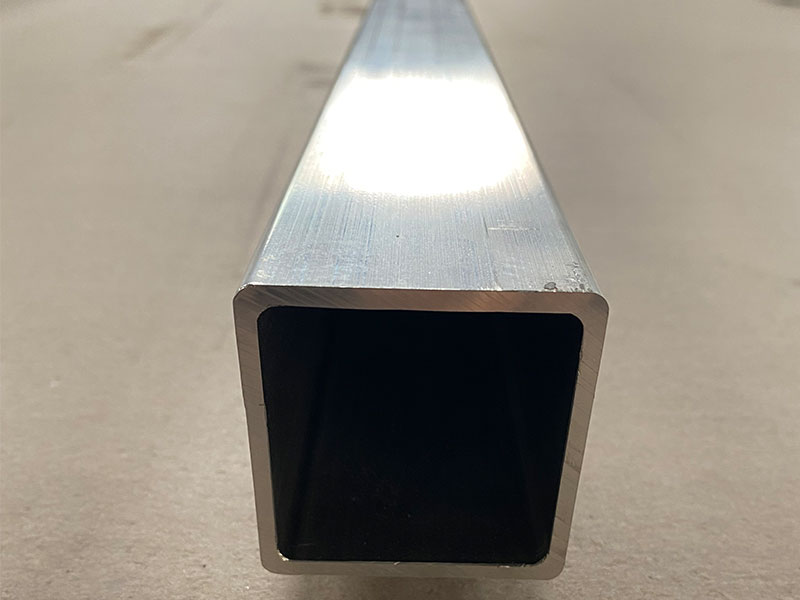
Marine aluminum square tubes
Marine Grade Aluminum Square Tubes are typically constructed from marine-grade alloys such as 5083, 5052, 6061, and 6082—well-known for their ability to withstand the aggressive effects of saltwater and marine atmospheres.
View Details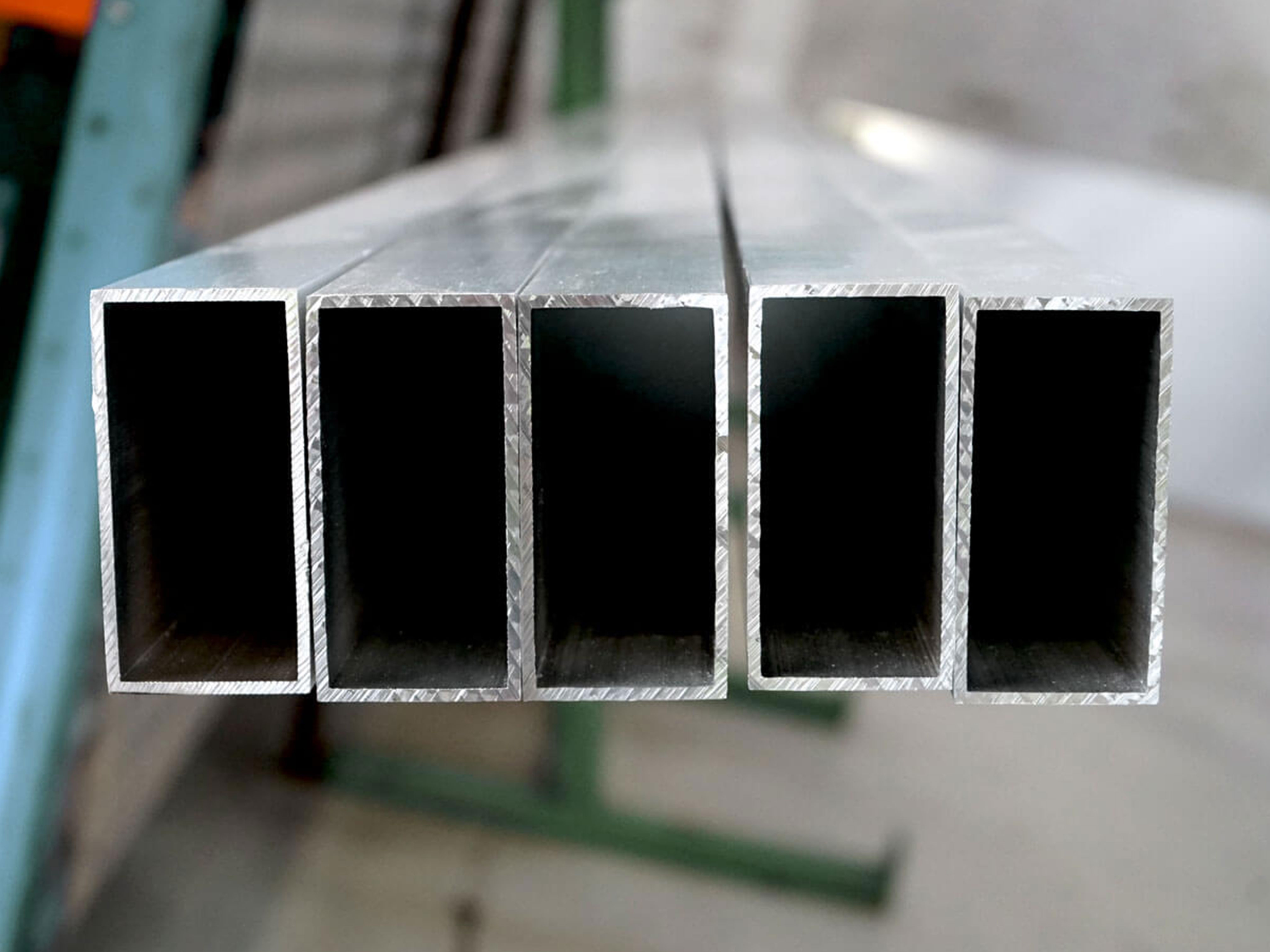
Marine aluminum rectangular tubes
Marine Grade Aluminum Rectangular Tubes are made from high-performance alloys such as 5083, 5052, 6061, and 6082. These alloys are renowned for their ability to resist corrosive seawater and marine atmospheres while providing excellent mechanical strength and toughness.
View Details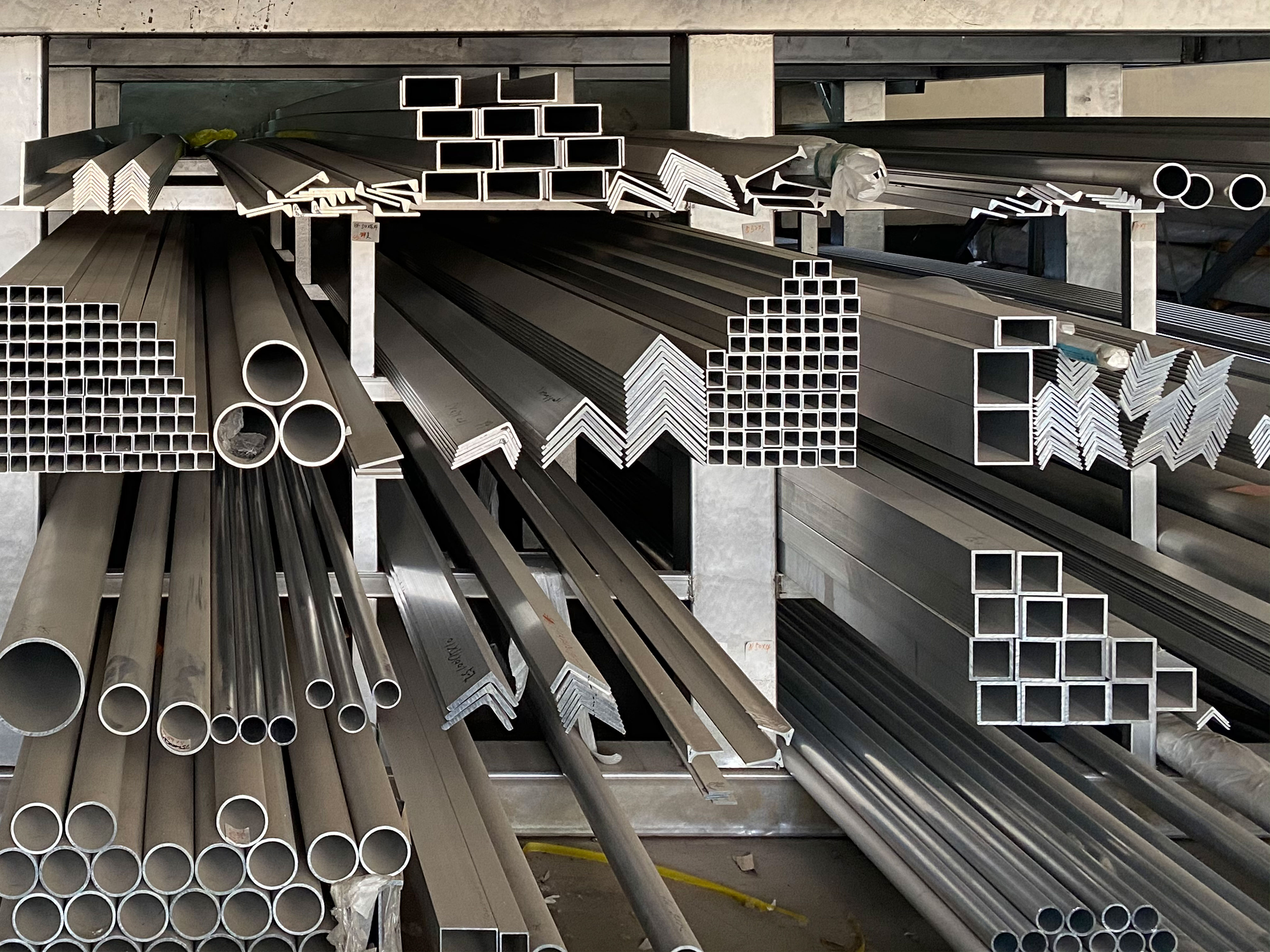
Custom marine aluminum profile tubes
Custom Marine Grade Aluminum Profile Tubes are manufactured from premium marine aluminum alloys such as 5083, 5052, 6061, and 6082.
View Details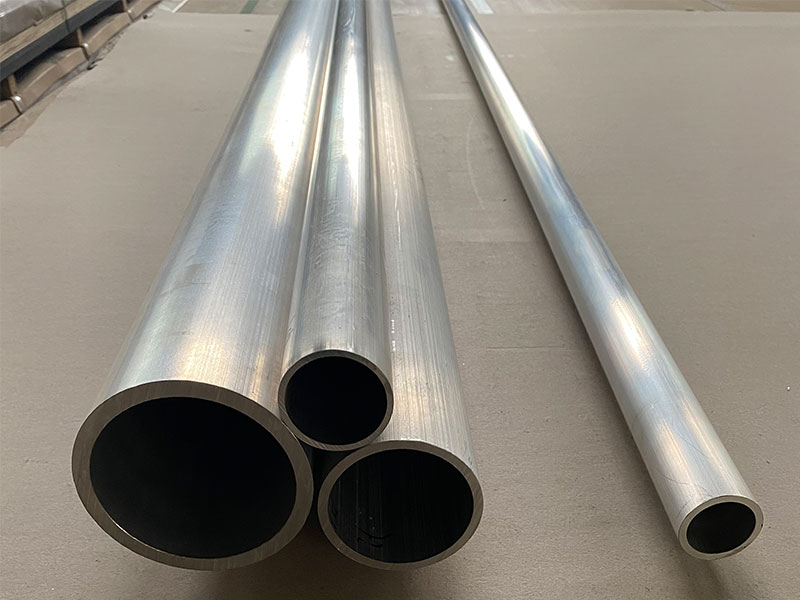
Marine aluminum round tubes
Marine Grade Aluminum Round Tubes are manufactured from premium marine alloys such as 5083, 5052, 6061, and 6082, all selected for their proven resistance to seawater corrosion and marine atmosphere degradation.
View Details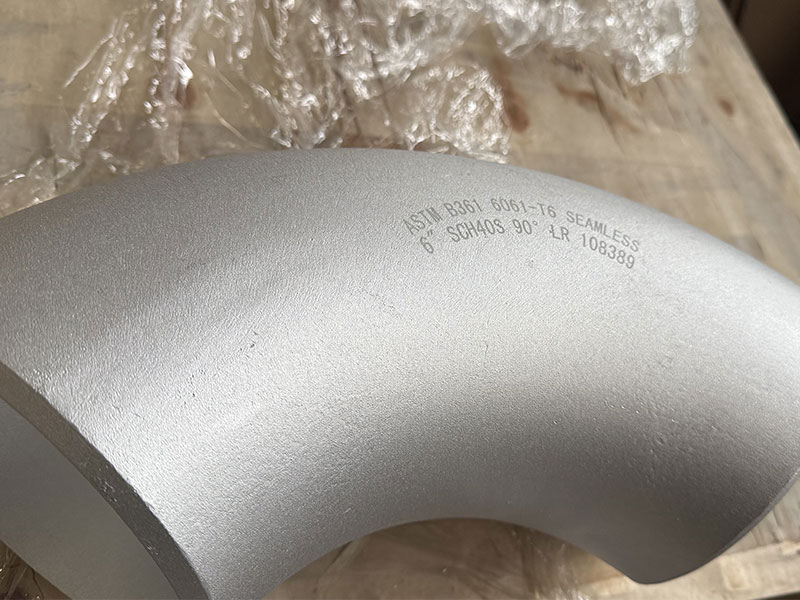
6061-T6 90-Degree Marine Aluminum Pipe Elbow
Manufactured from premium 6061-T6 marine-grade aluminum alloy, this elbow fitting is engineered to provide reliable and efficient pipe direction changes within shipbuilding, offshore platforms, and marine infrastructure systems.
View DetailsRelated Blog
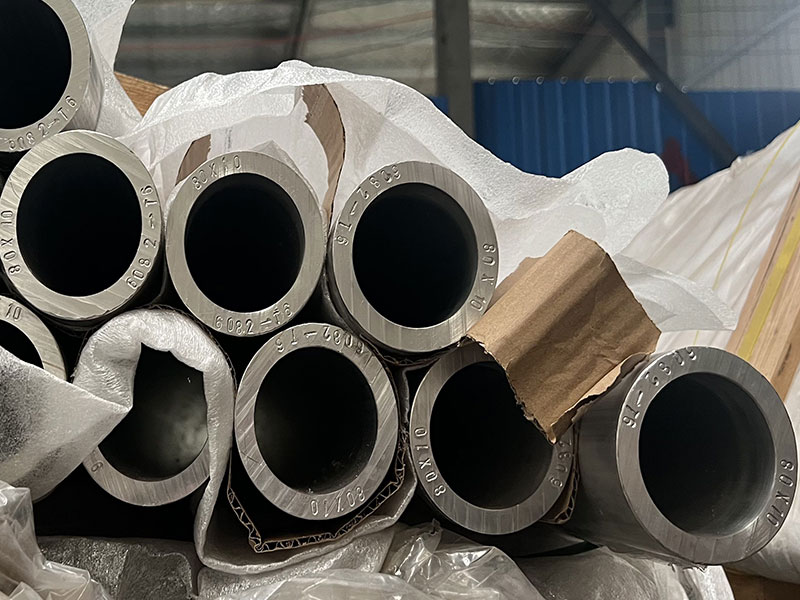
6082 Marine Aluminum Tubes for Marine Vessel Frame Strengthening
6082 marine aluminum tubes are a high-strength, corrosion-resistant solution designed for reinforcing marine vessel frames while keeping structures lightweight and efficient.
View Details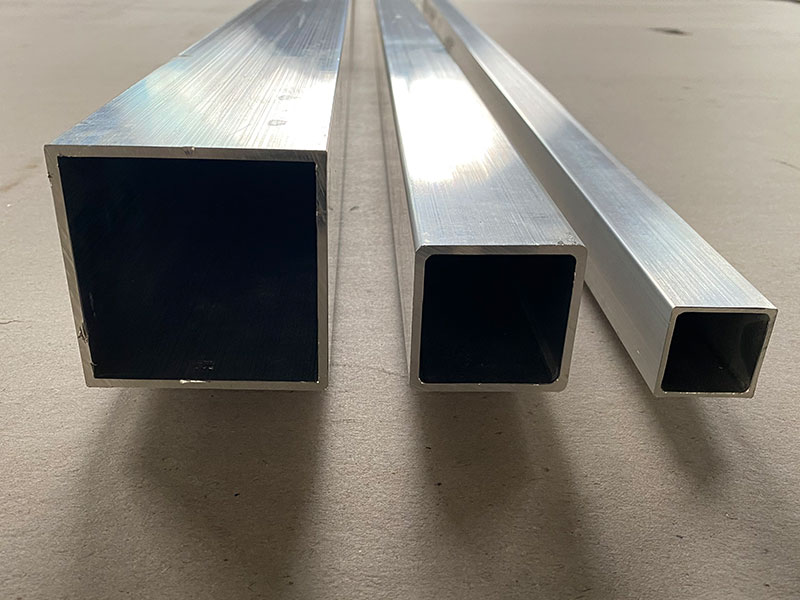
6061 Marine Aluminum Tubes for Commercial Marine Vessels
In the realm of commercial marine construction, choosing the right materials is paramount. Among the best options, 6061 marine aluminum tubes have become the undeniable standard for their balance of strength, lightweight, and corrosion resistance.
View Details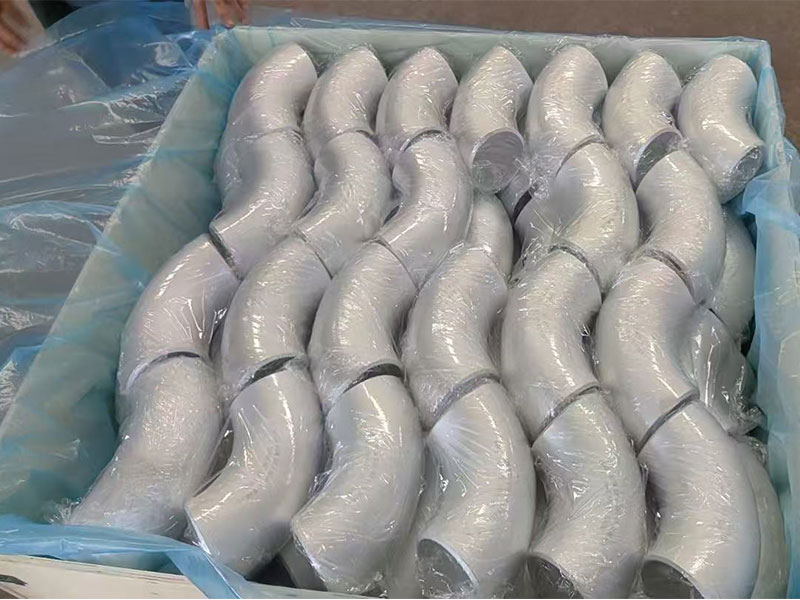
Precision Engineered Marine Aluminum Elbow for Marine Industry
Precision engineered marine aluminum elbow designed for shipbuilding, offshore platforms, and coastal infrastructure. Lightweight, corrosion‑resistant, and weldable, with optimized flow geometry and tight dimensional tolerances for seawater, HVAC, .
View Details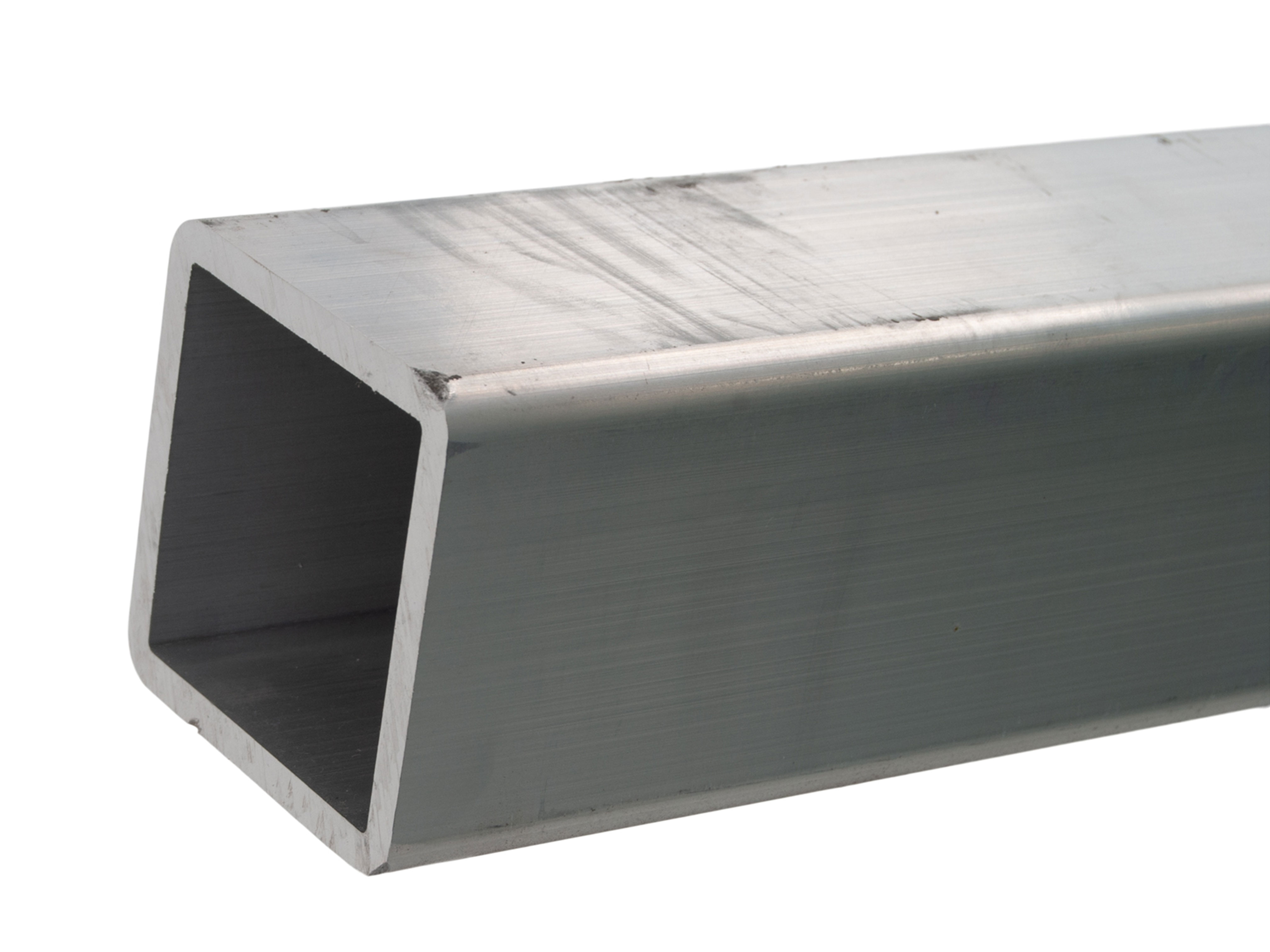
6061 Marine Aluminum Tubes for Custom Marine Construction
When it comes to building robust, lightweight, and corrosion-resistant structures for marine applications, 6061 Marine Aluminum Tubes unquestionably lead the pack.
View Details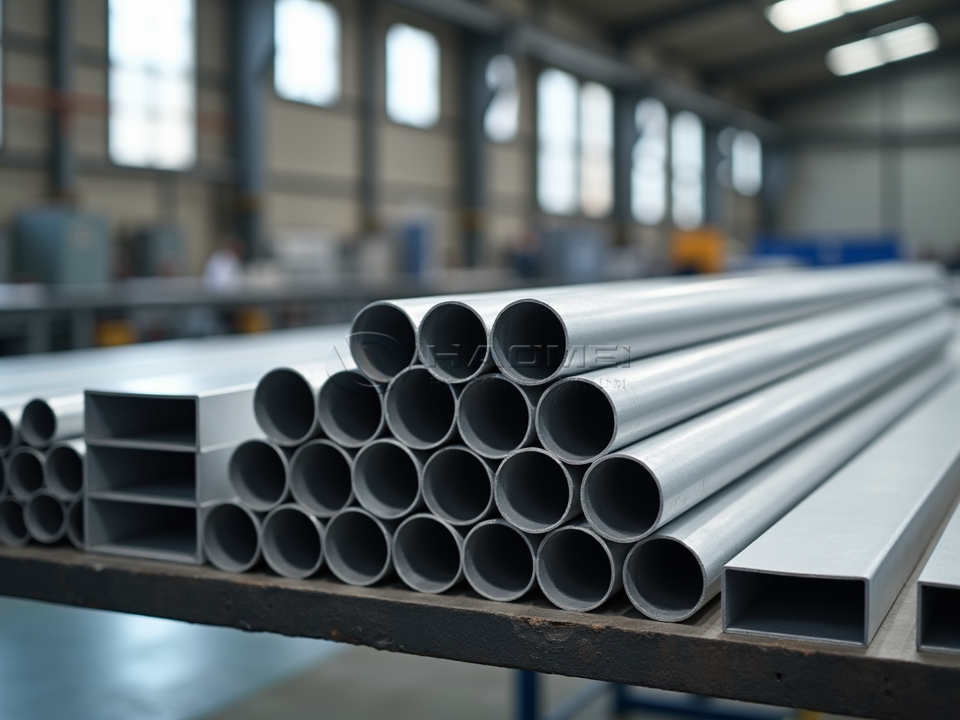
Marine Aluminum Elbow for Fresh Water Filtration and Distribution
Marine aluminum elbows provide lightweight, corrosion-resistant direction changes for reliable fresh water filtration and distribution piping.
View Details
Aluminum Pipe Elbow for Marine Water Intake and Drainage Systems
Marine aluminum pipe elbows provide lightweight, corrosion-resistant flow direction changes for seawater intake, drainage, bilge, and deck wash piping.
View Details
Leave a Message