
Aluminium Sheet Marine Grade For Boat
Marine-grade aluminium sheet is a dependable material for vessels operating in saltwater, freshwater, coastal air, and humid marina environments. Compared with ordinary aluminium sheet, marine alloys are selected for their improved resistance to seawater corrosion, reliable welded performance, useful strength-to-weight ratio, and long service life.
For boatbuilders, choosing the right aluminium sheet affects hull durability, fuel efficiency, payload, fabrication time, and maintenance demand. The most widely used products belong to the 5xxx aluminium-magnesium alloy family, especially 5052, 5083, and 5086. These alloys are non-heat-treatable and gain strength through controlled cold working, known as tempering.
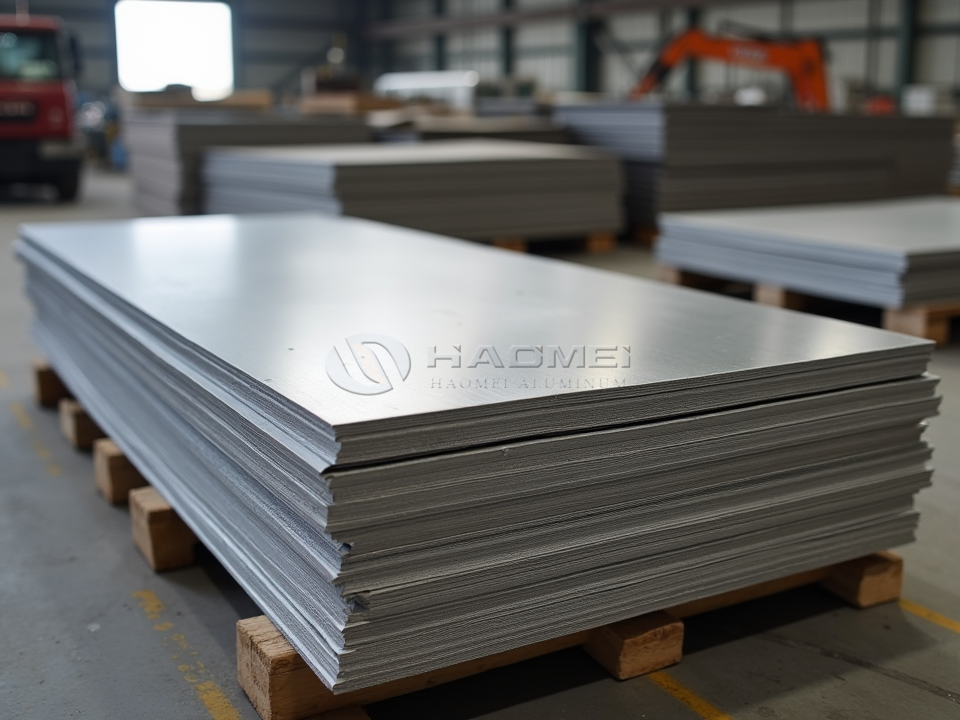
Why Marine Aluminium Performs Well on Boats
Aluminium naturally forms a thin oxide layer when exposed to air. This surface film helps protect the metal from further oxidation. In marine service, magnesium-containing aluminium alloys provide stronger resistance to chloride-rich seawater than many general-purpose aluminium grades.
Marine aluminium sheet also offers major practical advantages for vessel construction:
- Low density helps reduce vessel weight while preserving structural capability.
- Good weldability supports the fabrication of large, continuous hull panels and watertight compartments.
- High corrosion resistance reduces repainting and repair requirements in demanding marine exposure.
- Good formability enables bending, rolling, cutting, pressing, and shaping for hulls, decks, cabins, and internal structures.
- Non-magnetic properties are useful for certain naval, research, and specialist marine applications.
- Aluminium does not rust like carbon steel, helping maintain a clean and durable surface during long-term use.
A lighter hull can improve acceleration, reduce fuel consumption, increase usable payload, and allow shallower draft. These benefits make marine-grade aluminium attractive for fishing boats, patrol craft, workboats, ferries, pontoons, landing craft, yachts, and fast recreational vessels.
Common Alloys for Boatbuilding
The selection of alloy should match the position of the part, design load, joining method, and operating environment. 5052 is often selected for lighter fabricated components, while 5083 and 5086 are widely preferred for welded hull structures exposed to seawater.
| Alloy | Main Characteristics | Typical Boat Uses | Common Tempers |
|---|---|---|---|
| 5052 | Good corrosion resistance, easy forming, economical | Interior panels, lockers, trim, deck fittings, fuel tanks, light-duty panels | H32, H34, O |
| 5083 | High strength, excellent seawater resistance, strong welded performance | Hull plating, bottoms, side shells, bulkheads, decks, superstructures | H116, H321, O |
| 5086 | Excellent marine corrosion resistance and good strength | Hulls, decks, workboats, tanks, structural panels | H32, H116, H111 |
For components requiring a practical balance of strength and formability, Marine 5052 aluminum sheet is a popular material for fabricated boat parts. It is especially suitable where complex bends, moderate load, and a clean corrosion-resistant finish are required.
For larger welded hulls and high-load shell structures, Marine 5083 aluminum sheet is commonly specified. Its high magnesium content gives it excellent resistance to marine atmospheres and direct seawater exposure when correctly fabricated.
Chemical Composition of Major Marine Alloys
The magnesium content in 5xxx alloys contributes significantly to corrosion resistance and strength. Manganese and chromium further support grain structure and corrosion performance.
| Element, % | 5052 | 5083 | 5086 |
|---|---|---|---|
| Magnesium, Mg | 2.2-2.8 | 4.0-4.9 | 3.5-4.5 |
| Manganese, Mn | 0.10 max | 0.4-1.0 | 0.2-0.7 |
| Chromium, Cr | 0.15-0.35 | 0.05-0.25 | 0.05-0.25 |
| Iron, Fe | 0.40 max | 0.40 max | 0.50 max |
| Silicon, Si | 0.25 max | 0.40 max | 0.40 max |
| Copper, Cu | 0.10 max | 0.10 max | 0.10 max |
| Aluminium, Al | Balance | Balance | Balance |
Actual chemistry should comply with the applicable material standard, purchase specification, and classification requirements. Boatbuilders often request mill test certificates to verify alloy composition, temper, dimensions, and mechanical properties before fabrication begins.
Strength and Temper Selection
Temper has a direct influence on hardness, bendability, and structural capability. H116 and H321 tempers are frequently used for 5083 and 5086 plates intended for marine environments. These tempers are processed to improve resistance to exfoliation corrosion and are favored for welded marine structures.
| Alloy and Temper | Typical Tensile Strength, MPa | Typical Proof Strength, MPa | Suitable Applications |
|---|---|---|---|
| 5052-H32 | 210-260 | 160 min | Cabinets, interior structures, light panels |
| 5052-H34 | 230-280 | 180 min | Deck details, formed parts, trim panels |
| 5083-H116 | 305-385 | 215 min | Hull plating, bottoms, bulkheads |
| 5083-H321 | 305-385 | 215 min | High-strength welded structures |
| 5086-H116 | 275-350 | 215 min | Workboat hulls, decks, tanks |
Mechanical values vary with thickness, standard, and production route. Material should therefore be selected according to approved drawings and engineering calculations rather than using typical figures alone.
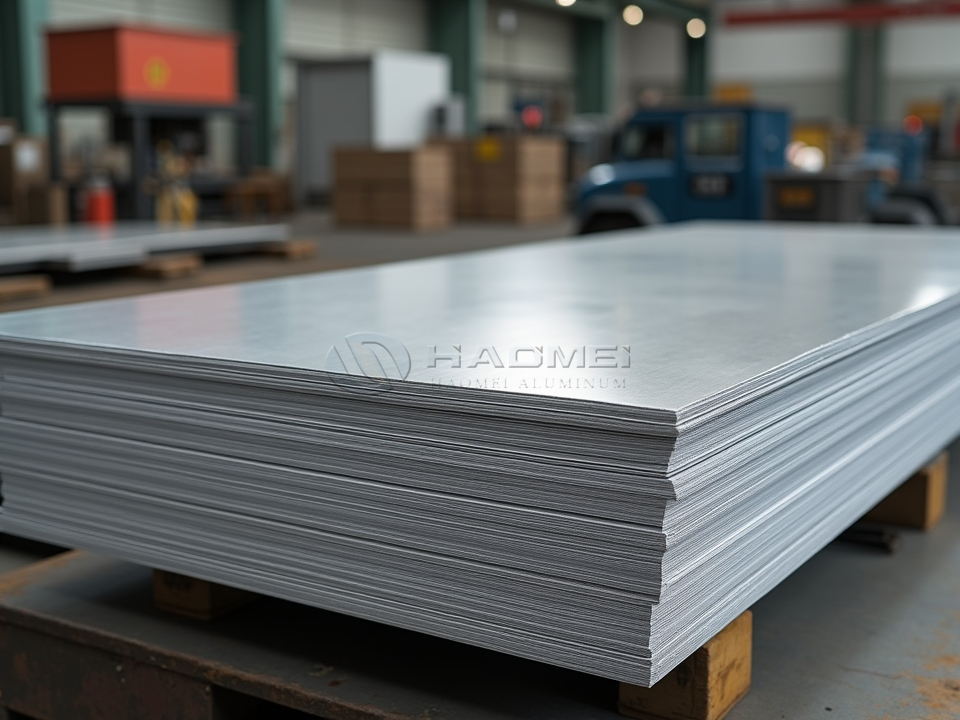
Boat Applications for Marine Grade Aluminium Sheet
Marine aluminium sheet can be used throughout a vessel. Heavy-gauge 5083 or 5086 plate is commonly used for hull bottoms, side plating, transoms, decks, engine foundations, longitudinal stiffeners, and watertight bulkheads. These components must withstand wave impact, vibration, local loads, and repeated wet-dry exposure.
Medium-thickness sheets are suitable for wheelhouses, cabin sides, roof panels, hatch covers, fish holds, storage compartments, and flooring structures. Lighter 5052 sheets are often chosen for furniture, instrument enclosures, interior linings, decorative panels, fuel tanks, and non-critical fabricated assemblies.
Marine aluminium is also used in pontoon boats, floating docks, gangways, access platforms, rescue craft, and aluminium trailers. When slip resistance is needed on walkways or deck zones, tread-pattern aluminium can provide a safer surface while retaining the corrosion advantages of the base alloy.
Welding and Fabrication Considerations
Marine aluminium sheet is commonly welded by MIG or TIG processes. Correct filler selection, joint cleaning, heat control, and weld sequencing are essential. Filler alloys such as 5183, 5356, and 5556 may be selected for 5083 and 5086 structures depending on the design standard and service requirement.
Welded zones in strain-hardened 5xxx materials lose some temper strength due to heat input. Designers should account for this softening near welds when calculating panel thickness, stiffener spacing, and structural loads. Good fabrication practice includes removing oxide and contamination before welding, avoiding excessive heat, and separating aluminium from incompatible metals where moisture can create galvanic corrosion.
Stainless steel, copper alloys, and carbon steel fittings should be isolated from aluminium with suitable gaskets, coatings, sealants, or non-conductive washers. Drainage paths should also be designed to prevent standing seawater in crevices and enclosed spaces.
Selecting the Right Sheet Specification
A practical purchase specification should state alloy, temper, thickness, width, length, surface condition, dimensional tolerance, applicable standard, and certification needs. Common thicknesses range from thin sheet for interior fabrication to heavy plate for hull shell and structural members.
Consider the vessel's service profile before selecting material. A lightly used freshwater pontoon has different needs from an offshore patrol boat, commercial fishing vessel, or high-speed ferry. Hull exposure, design speed, impact risk, welding density, loading cycle, and classification rules should guide the final selection.
With the proper alloy, temper, welding procedure, and corrosion-control design, aluminium sheet marine grade for boat construction delivers a light, durable, and efficient platform for modern vessels. 5052 provides practical forming performance for lighter components, while 5083 and 5086 provide the robust seawater resistance and structural capability expected in demanding marine service.

Related Products
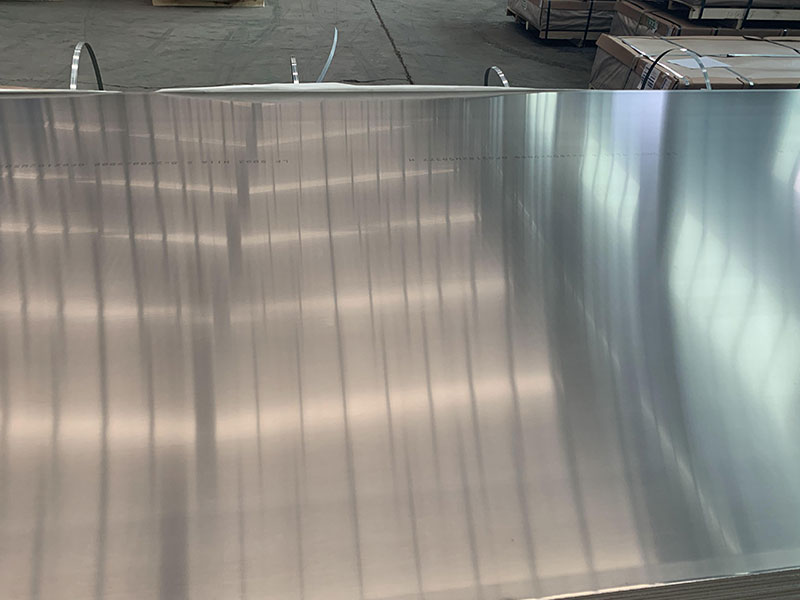
Marine 5383 aluminum sheet
5383 aluminum is a strain-hardened, non-heat-treatable alloy from the 5xxx series primarily alloyed with magnesium. It exhibits a unique balance of corrosion resistance and mechanical properties particularly suited for marine applications.
View Details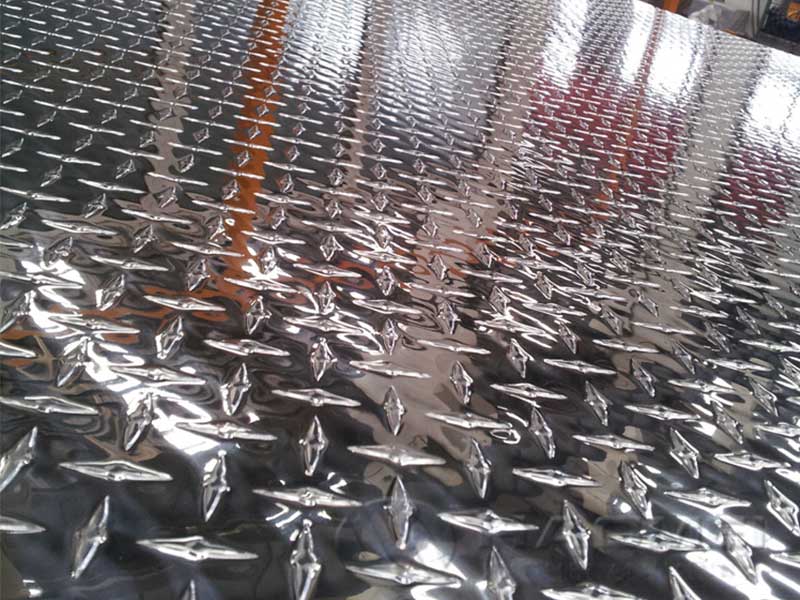
Marine Aluminum Tread Sheets
Marine Aluminum Tread Sheets are aluminum alloy plates featuring a raised surface pattern, commonly referred to as a tread design or diamond plate.
View Details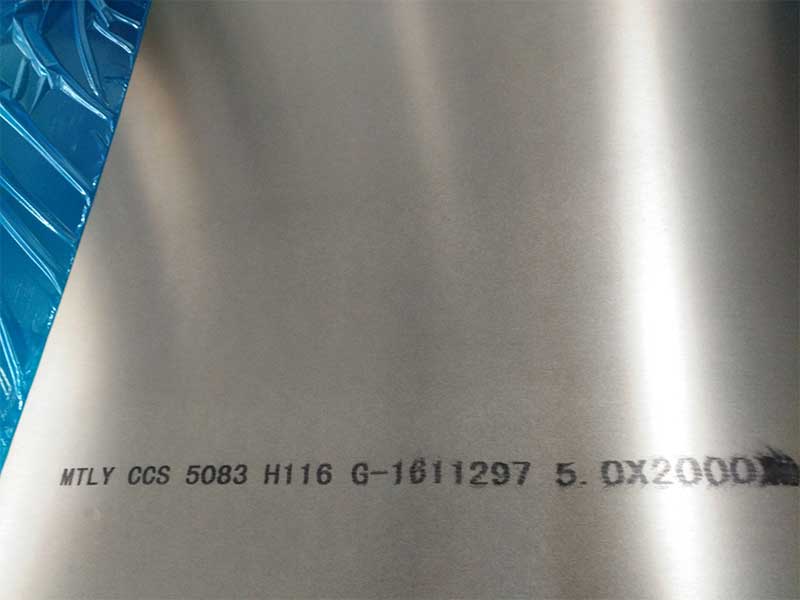
Marine 5083 aluminum sheet
Aluminum alloy 5083 is a non-heat-treatable alloy primarily composed of magnesium and trace elements that deliver outstanding protection against corrosion, particularly in seawater and saline atmospheres.
View Details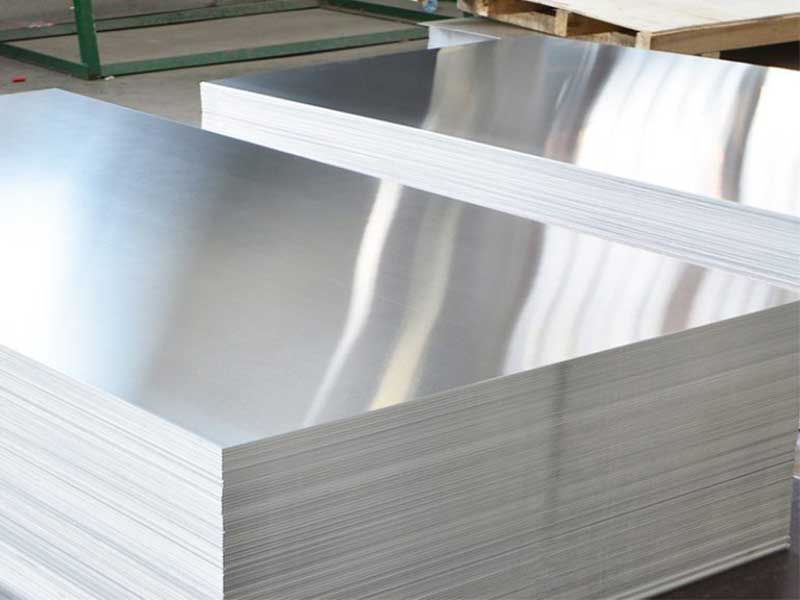
Marine anodized aluminum sheets
Marine Anodized Aluminum Sheets start with premium marine-grade aluminum alloys such as 5000 and 6000 series (typically 5083, 5052, and 6061).
View Details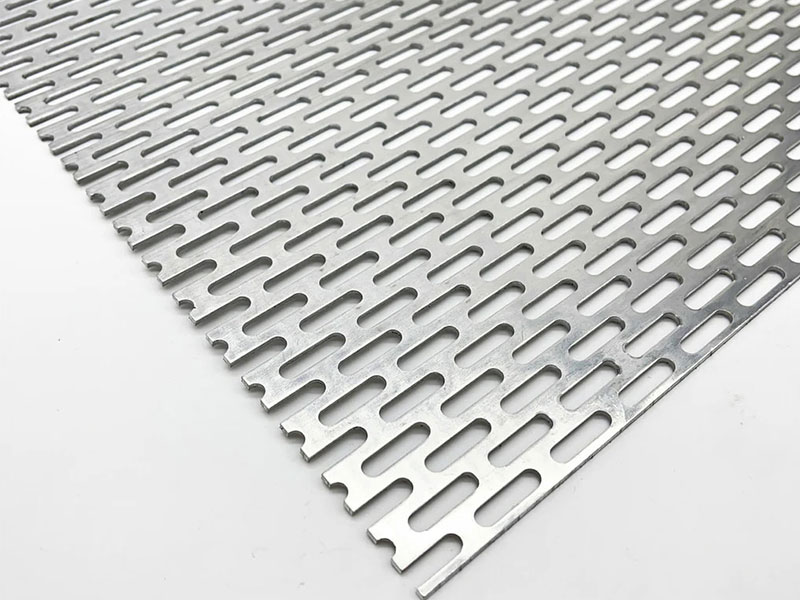
Marine perforated aluminum sheets
Marine Perforated Aluminum Sheets feature a series of uniform holes or shapes punched through the aluminum surface. These perforations can vary in size, pattern, and open area to tailor the sheets for specific applications.
View Details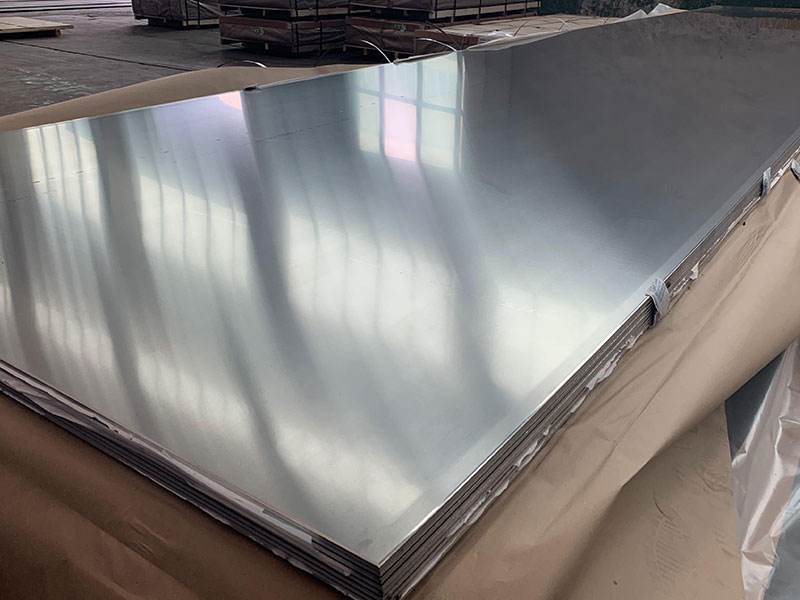
Marine 5086 aluminum sheet
This product article provides an in-depth and comprehensive understanding of Marine 5086 Aluminum Sheets, including their chemical composition, mechanical properties, corrosion resistance, fabrication capabilities, and typical marine applications.
View DetailsRelated Blog
Aluminum Plate for Cover Material Marine
Learn how marine aluminum plates protect hatches, deck covers, cabinets, and offshore enclosures with corrosion resistance and workable strength.
View Details
6061 Marine Anodized Aluminum Sheets
Explore 6061 marine anodized aluminum sheets, with corrosion resistance, stable strength, clean finish, fabrication data, and boat component guidance.
View Details
Aluminum Sheet 5083 5086 5754 for Fishing Boat
Aluminum sheets 5083, 5086, and 5754 are widely recognized alloys in the marine industry, known for their excellent corrosion resistance, mechanical strength, and durability.
View Details
Boat Marine Aluminium Sheet Building 5083
Learn how 5083 marine aluminium sheet supports durable boat hull construction with corrosion resistance, tempers, standards, sizes, and chemistry data.
View Details
Marine Grade Aluminium 5083 Plate
Marine grade aluminium 5083 plate offers high strength, seawater corrosion resistance, weldability, and dependable performance for marine structures.
View Details
Marine Grade 5052 O-H112 Aluminum Plate
Marine Grade 5052 O-H112 aluminum plate offers excellent saltwater corrosion resistance, formability, welding performance, and reliable marine service.
View Details
Leave a Message