
ASTM B221 5754 5052 5083 O H111 Aluminium Alloy Plate for Marine Application
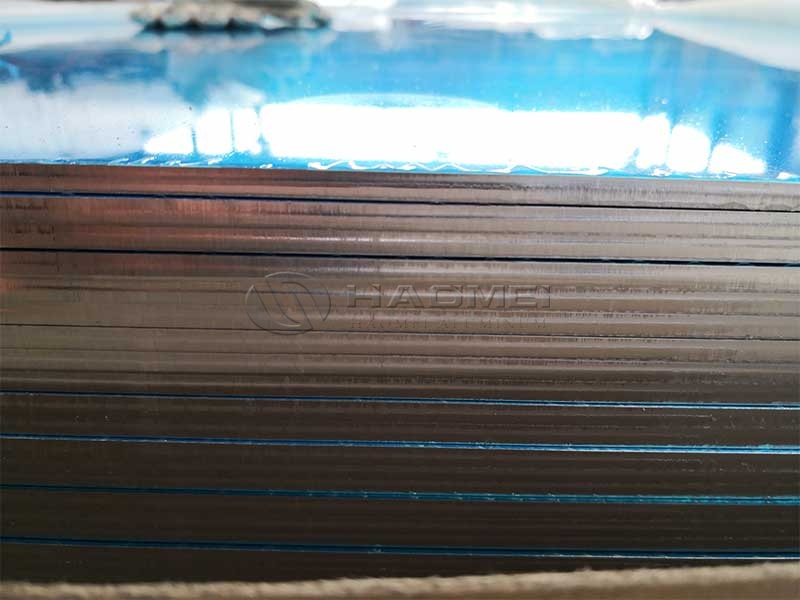
Marine aluminium plate made from 5754, 5052, and 5083 alloys provides a lightweight, corrosion-resistant material solution for vessels operating in saltwater, freshwater, and humid coastal environments. These aluminum-magnesium alloys are widely selected for hull structures, decks, bulkheads, superstructures, tanks, gangways, and marine equipment because they combine low density with dependable forming and welding performance.
The designation ASTM B221 is frequently requested for marine aluminium products. It is important to distinguish its scope: ASTM B221 primarily applies to aluminum extruded bars, rods, wire, profiles, and tubes. Flat rolled marine plate and sheet are normally supplied to ASTM B209. For 5083 plate intended for severe marine exposure, ASTM B928 is often specified, particularly for H116 and H321 tempers. Purchase documents should identify the product form, alloy, temper, dimensions, standard, inspection requirements, and classification society needs.
Marine Performance and Product Selection
5754, 5052, and 5083 belong to the non-heat-treatable 5xxx series. Magnesium is their main strengthening element. Strength develops through cold work rather than precipitation heat treatment, while the aluminum-rich surface forms a natural oxide layer that supports corrosion resistance.
| Alloy | Primary Strength Level | Marine Corrosion Resistance | Common Marine Uses | Selection Focus |
|---|---|---|---|---|
| 5754 | Medium | Very good | Interior panels, flooring, vehicle decks, tank covers, formed components | Good formability and cost-effective corrosion resistance |
| 5052 | Medium | Excellent | Small boat hulls, fuel tanks, deck fittings, cabins, panels | Easy fabrication and reliable weldability |
| 5083 | High | Excellent in seawater | Hull plating, bottom shells, bulkheads, decks, offshore structures | High strength for demanding structural service |
5052 is frequently used where bending, press forming, and moderate structural strength are required. 5754 offers similar corrosion performance with excellent formability, making it practical for complex panels and fabricated marine parts. 5083 has a higher magnesium content and delivers greater strength, making it a preferred choice for fast ferries, patrol boats, workboats, fishing vessels, landing craft, and offshore fabrications.
For hull structures exposed to continuous seawater splash, immersion, and cyclic loading, Marine 5083 aluminum sheet can provide an effective balance of structural performance, weldability, and low vessel weight.
Chemical Composition
The following values are typical composition limits in weight percent. Exact limits should be confirmed against the governing material standard and mill test certificate.
| Element, % | 5754 | 5052 | 5083 |
|---|---|---|---|
| Silicon, Si | 0.40 max | 0.25 max | 0.40 max |
| Iron, Fe | 0.40 max | 0.40 max | 0.40 max |
| Copper, Cu | 0.10 max | 0.10 max | 0.10 max |
| Manganese, Mn | 0.50 max | 0.10 max | 0.40-1.00 |
| Magnesium, Mg | 2.60-3.60 | 2.20-2.80 | 4.00-4.90 |
| Chromium, Cr | 0.30 max | 0.15-0.35 | 0.05-0.25 |
| Zinc, Zn | 0.20 max | 0.10 max | 0.25 max |
| Titanium, Ti | 0.15 max | - | 0.15 max |
| Aluminum, Al | Remainder | Remainder | Remainder |
The higher magnesium and manganese content in 5083 accounts for its stronger mechanical behavior. The alloy is especially valued in welded structures because it retains useful strength after welding, although the heat-affected zone must be considered during design calculations.
O and H111 Temper Conditions
Temper has a direct effect on formability, strength, and fabrication behavior. O and H111 are commonly requested for marine plate that requires shaping or welding.
| Temper | Condition | Strength Level | Forming Behavior | Typical Marine Use |
|---|---|---|---|---|
| O | Annealed, soft condition | Lowest | Excellent for bending, deep drawing, and curved panels | Formed tanks, curved hull parts, complex fabrications |
| H111 | Slightly strain hardened, less than H11 | Moderate | Good forming with improved handling strength | General plate, deck panels, bulkheads, hull components |
| H116 | Strain hardened with corrosion-control requirements | High | Moderate | Seawater-exposed 5083 hull and deck plate |
| H321 | Strain hardened and stabilized | High | Moderate | Welded hulls and structural plate requiring stable properties |
O temper provides the greatest ductility and is suitable for fabricators that need substantial bending radii or drawn shapes. H111 offers a practical middle position: it has more stiffness than O temper while remaining easier to form than harder tempers. For large welded 5083 hull plate, H116 and H321 may be specified when enhanced resistance to exfoliation corrosion is required.
Typical Mechanical and Physical Data
Mechanical values vary with thickness, test direction, temper, and applicable standard. The figures shown are useful for initial material selection and should not replace certified values for structural engineering.
| Property | 5754 O/H111 | 5052 O/H111 | 5083 O/H111 |
|---|---|---|---|
| Density, g/cm³ | 2.66 | 2.68 | 2.66 |
| Elastic modulus, GPa | 70 | 70 | 71 |
| Melting range, °C | 600-650 | 605-650 | 570-640 |
| Typical tensile strength, MPa | 190-250 | 170-240 | 275-350 |
| Typical yield strength, MPa | 80-140 | 65-165 | 125-230 |
| Elongation, % | 10-22 | 10-25 | 10-20 |
| Thermal conductivity, W/m·K | Approx. 130 | Approx. 138 | Approx. 117 |
Dimensions, Standards, and Supply Conditions
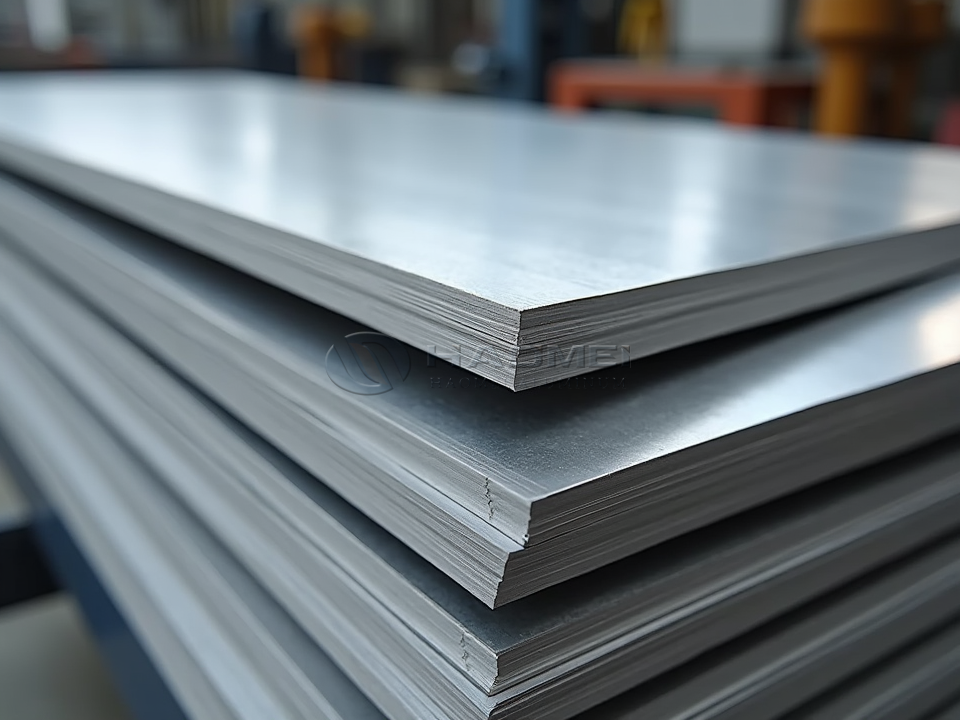
Marine aluminium plate can be cut to project dimensions or supplied in standard mill sizes. Surface protection and traceability are important because marine fabrication often involves long storage periods, CNC cutting, bending, and welding.
| Item | Typical Requirement |
|---|---|
| Product form | Sheet, plate, cut-to-size blank, CNC-cut component |
| Common thickness range | 1.0-200 mm, subject to alloy and mill capability |
| Common width range | Up to 2,500 mm or wider by agreement |
| Common length range | Up to 12,000 mm or project-specific length |
| Flat rolled plate standard | ASTM B209 |
| Marine 5083 plate standard | ASTM B928 when specified |
| Extruded products standard | ASTM B221 |
| Chemical composition reference | ASTM B209, EN 573-3, or agreed specification |
| Temper reference | ASTM B209 and EN 515 |
| Inspection documents | EN 10204 3.1 certificate, chemical analysis, mechanical test report |
| Surface condition | Mill finish, PVC film, paper interleave, or protected finish by agreement |
Fabrication Considerations for Marine Builders
These alloys are readily fabricated with conventional marine workshop methods. CNC routing, sawing, waterjet cutting, laser cutting, bending, and MIG or TIG welding are commonly used. Proper process control helps preserve corrosion performance and achieve clean welded joints.
| Fabrication Area | Recommended Practice |
|---|---|
| Welding | Use suitable 5xxx-series filler such as 5183, 5356, or 5556 according to alloy and design requirements |
| Cleaning | Remove oil, moisture, oxide buildup, and steel contamination before welding |
| Bending | Use O temper for tight radii; select radius according to plate thickness and temper |
| Corrosion prevention | Isolate aluminium from carbon steel, copper alloys, and other dissimilar metals where galvanic corrosion may occur |
| Fastening | Use compatible fasteners, sealants, and insulating washers in wet assemblies |
| Storage | Keep plates dry, covered, and separated to reduce staining and trapped moisture |
For critical seawater structures, material traceability should remain connected to each cut part. Plate markings, heat numbers, mill certificates, ultrasonic testing requirements, and classification approvals can be coordinated before production. This approach supports consistent fabrication quality from raw plate through final vessel assembly.
5754, 5052, and 5083 aluminium alloy plate in O and H111 conditions give marine builders flexible choices across light-duty formed panels, tank fabrication, and high-strength hull structures. Selecting the correct alloy, temper, plate standard, and corrosion-control requirement ensures dependable service life in demanding marine environments.

Related Products
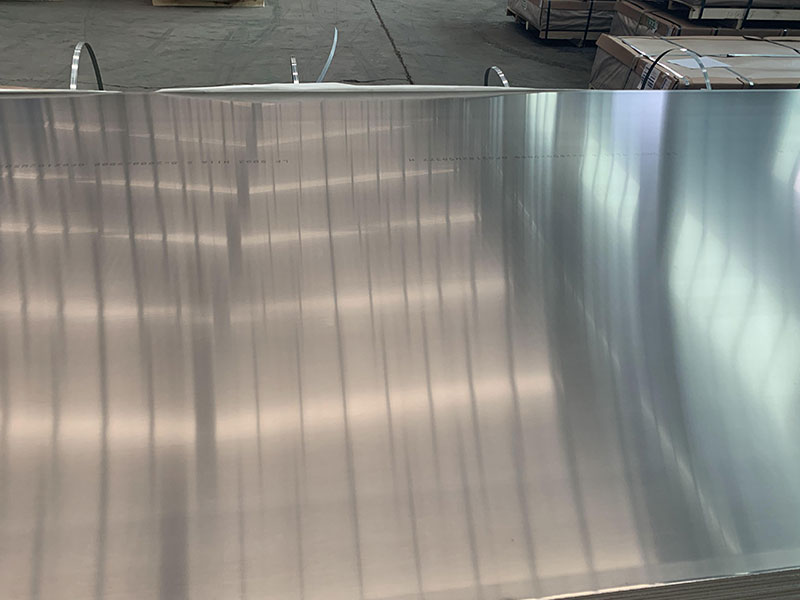
Marine 5383 aluminum sheet
5383 aluminum is a strain-hardened, non-heat-treatable alloy from the 5xxx series primarily alloyed with magnesium. It exhibits a unique balance of corrosion resistance and mechanical properties particularly suited for marine applications.
View Details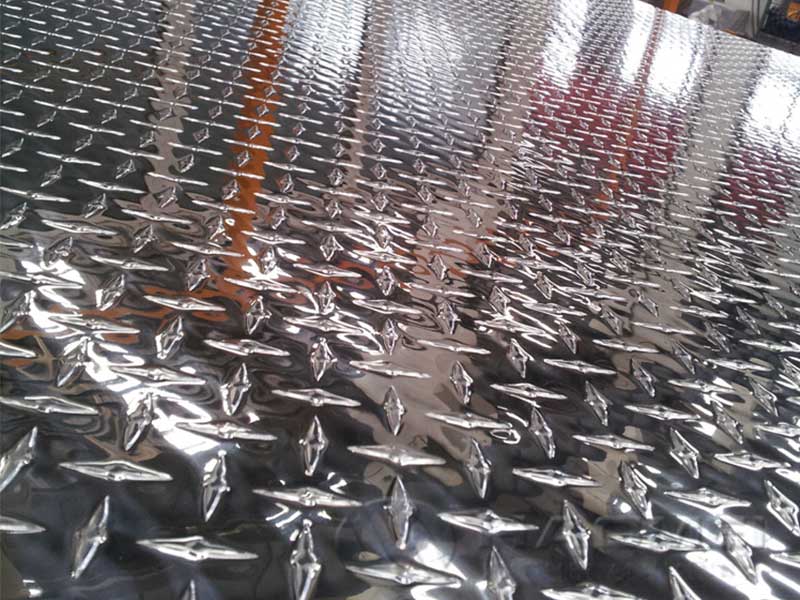
Marine Aluminum Tread Sheets
Marine Aluminum Tread Sheets are aluminum alloy plates featuring a raised surface pattern, commonly referred to as a tread design or diamond plate.
View Details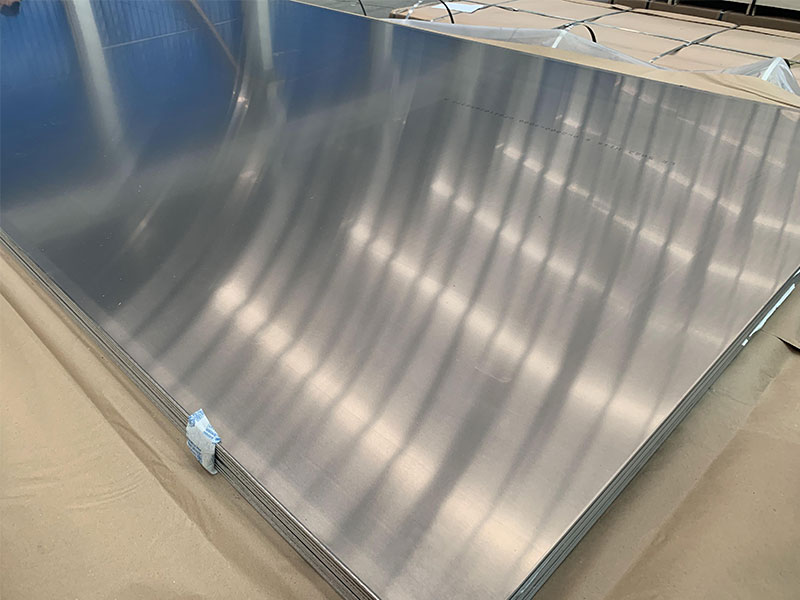
Marine 5052 aluminum sheet
Aluminum alloy 5052 is a non-heat-treatable, strain-hardened alloy with magnesium as the primary alloying element. It is designed to offer superior corrosion resistance in marine and saline environments, making it a dependable choice for components exposed directly to seawater or coastal atmospheric conditions.
View Details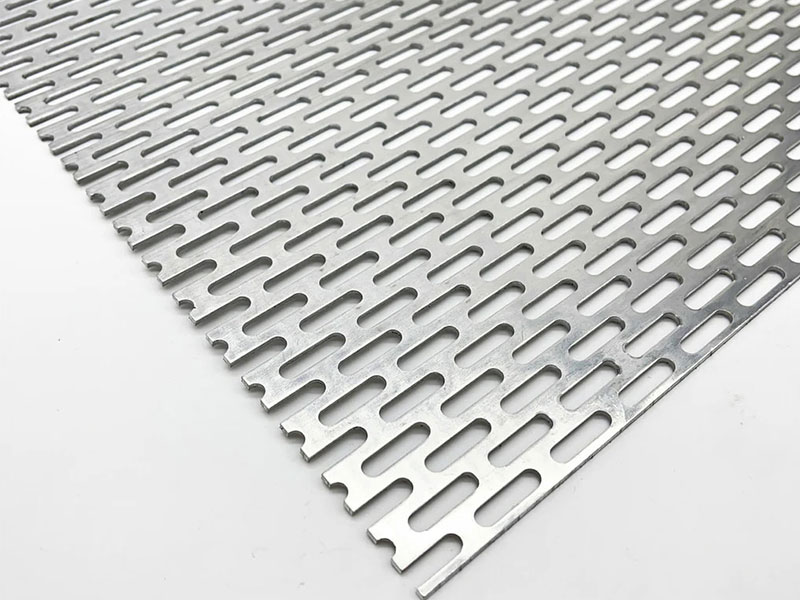
Marine perforated aluminum sheets
Marine Perforated Aluminum Sheets feature a series of uniform holes or shapes punched through the aluminum surface. These perforations can vary in size, pattern, and open area to tailor the sheets for specific applications.
View Details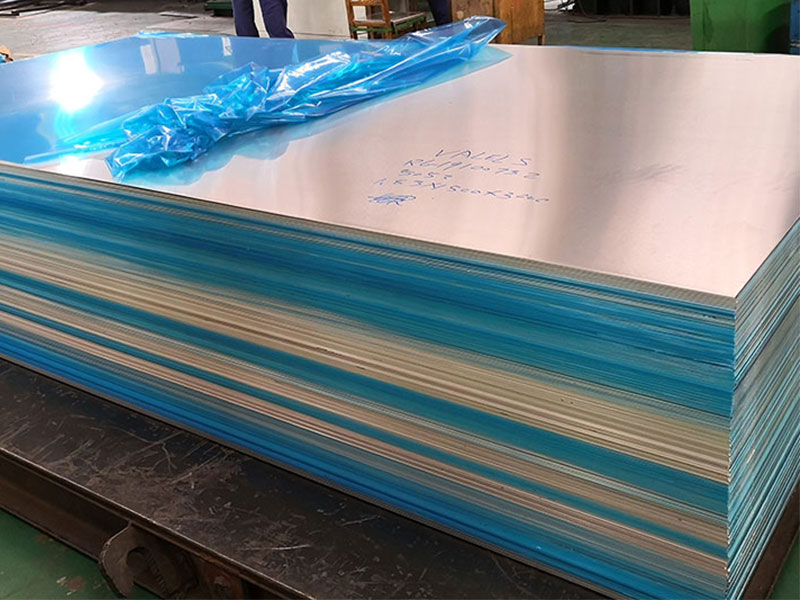
Marine 5059 aluminum sheet
5059 aluminum alloy is a strain-hardened material with a unique addition of magnesium and chromium, which provides outstanding resistance to localized corrosion like pitting and stress corrosion cracking.
View Details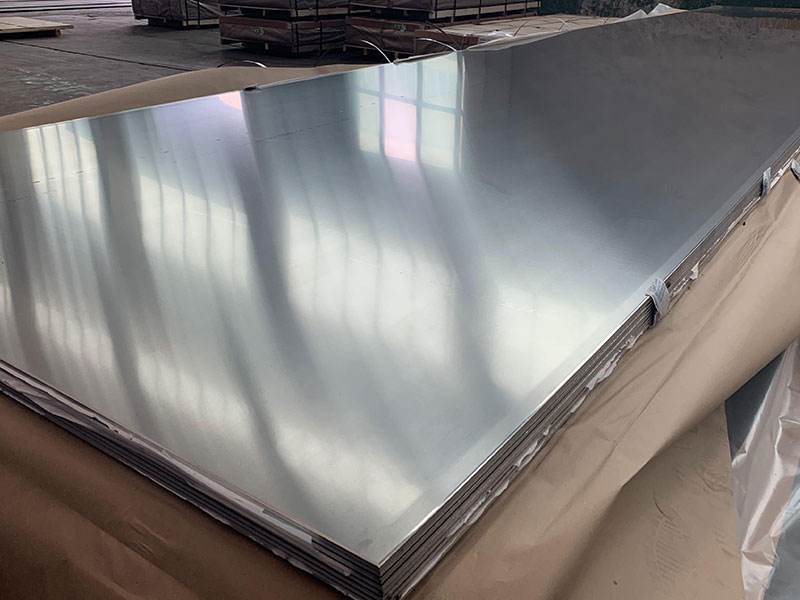
Marine 5086 aluminum sheet
This product article provides an in-depth and comprehensive understanding of Marine 5086 Aluminum Sheets, including their chemical composition, mechanical properties, corrosion resistance, fabrication capabilities, and typical marine applications.
View DetailsRelated Blog
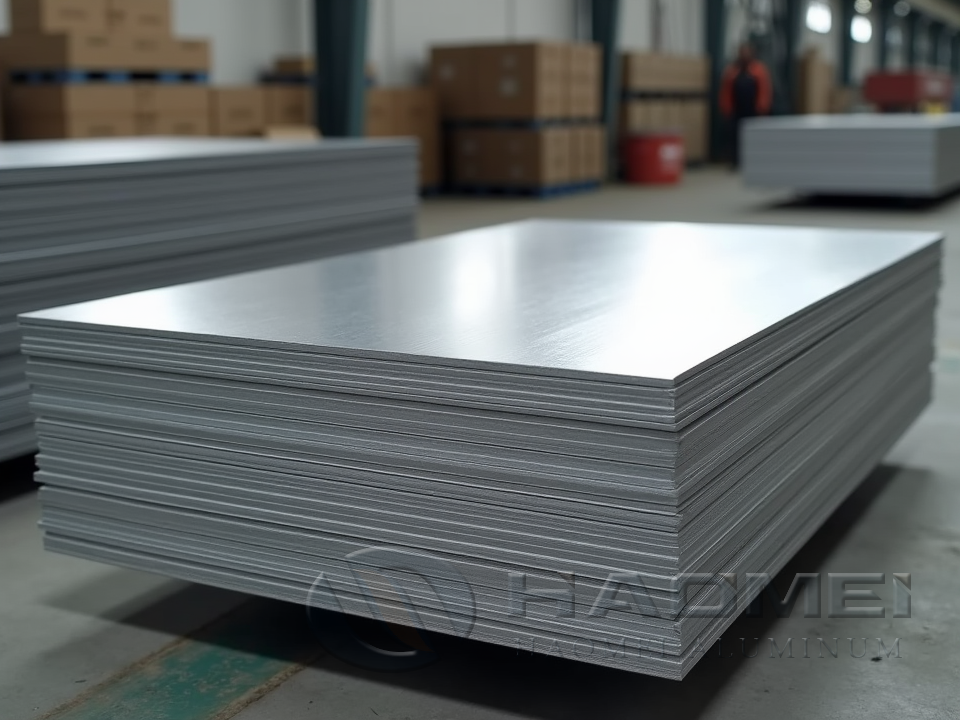
Marine 5086 Aluminum Sheet
A practical guide to Marine 5086 aluminum sheet, covering tempers, standards, chemistry, corrosion resistance, welding, and marine uses.
View Details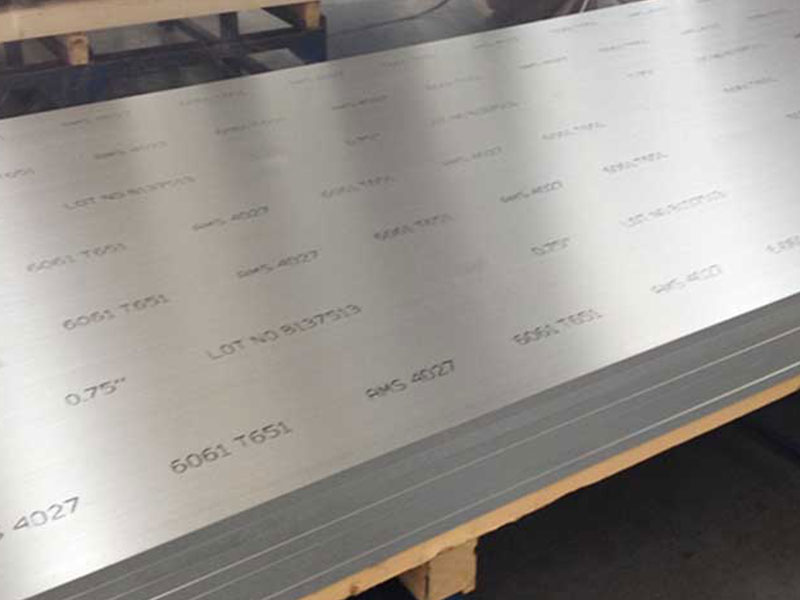
Marine aluminium sheet 5052
Marine environments demand materials that combine exceptional corrosion resistance, strength, and formability. The Marine Aluminium Sheet 5052 is one such alloy designed to withstand the harsh conditions of saltwater and marine atmospheres.
View Details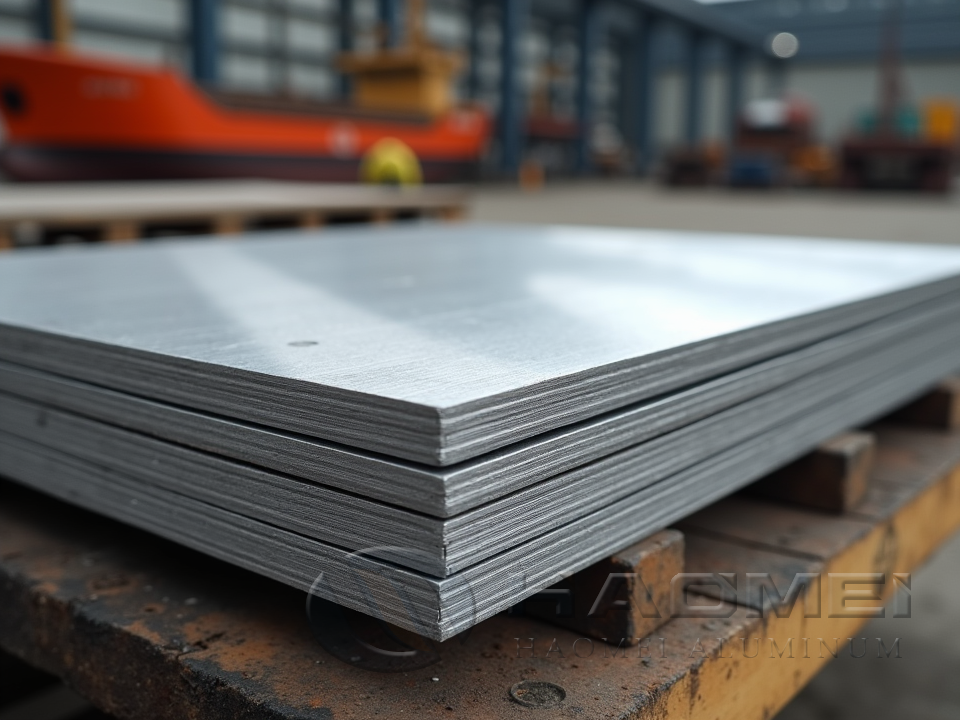
5086 Marine Heavy Duty Aluminum Plate
5086 marine heavy duty aluminum plate delivers seawater corrosion resistance, weldability, strength, and stable service for hulls and offshore structures.
View Details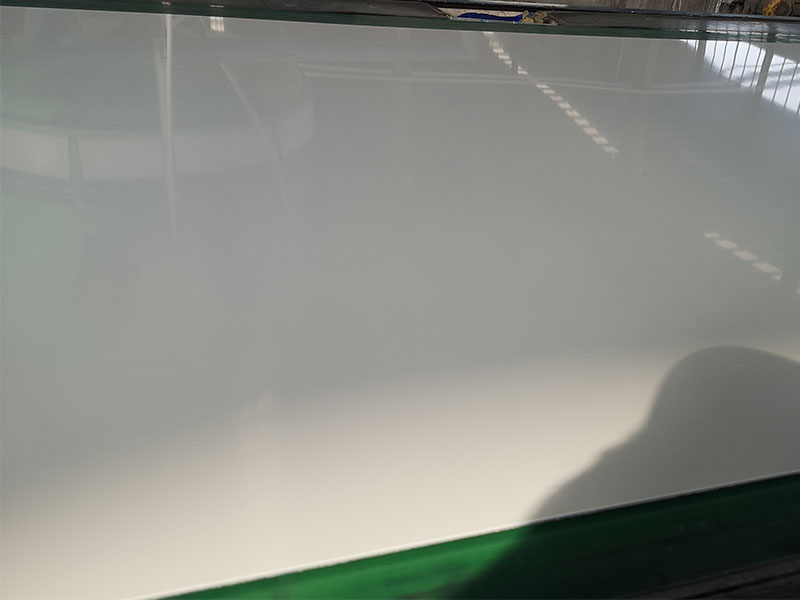
Aluminum sheet 5754 O H111 H112 Marine Grade
Aluminum sheet 5754 O H111 H112 is a high-performance marine-grade aluminum alloy widely used in the marine industry. Renowned for its excellent corrosion resistance and mechanical properties.
View Details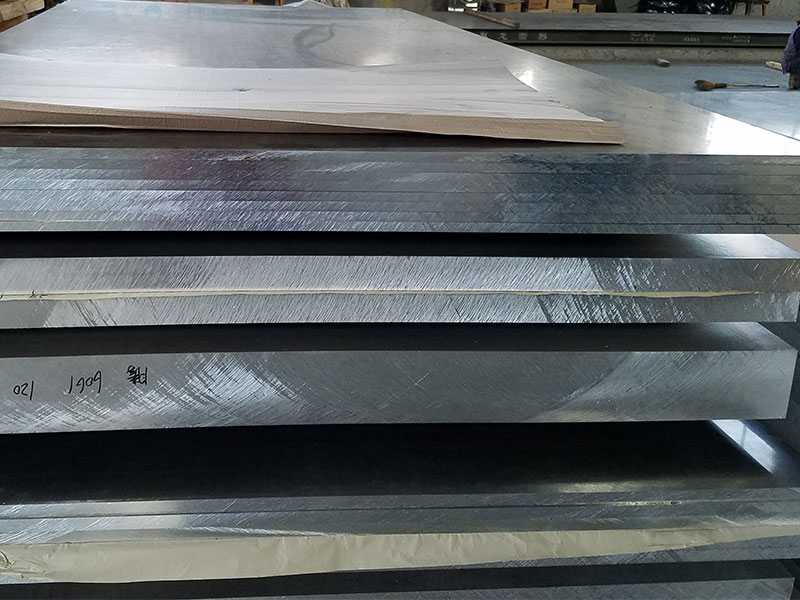
Alloy 5052 5757 5005 5083 h24 h32 aluminium coil for marine application
Marine environments demand materials that combine corrosion resistance, strength, weldability, and low weight. Among non-heat-treatable aluminum-magnesium alloys, 5052, 5754, 5005, and 5083 aluminium coil are widely selected for shipbuilding.
View Details
5052 5083 alloy 16 gauge aluminum sheet for boat building
5052 Aluminum Alloy5052 aluminum alloy is a non-heat treatable alloy known for its exceptional corrosion resistance, especially against saltwater, making it a popular choice for marine environments.
View Details
Leave a Message