
Marine aluminium alloy sheet
Marine aluminum alloy sheet is an indispensable material in the construction and maintenance of vessels, offshore platforms, and various marine infrastructure. Its unique combination of strength, corrosion resistance, and lightweight properties makes it a superior choice compared to traditional materials such as steel or untreated aluminum.
Marine Aluminum Alloy Sheet
Marine aluminum alloy sheets are specially engineered aluminum alloys formulated to withstand harsh marine environments. These sheets combine excellent mechanical properties with superior corrosion resistance, especially against saltwater. The alloys typically fall within the 5xxx and 6xxx series aluminum grades due to their beneficial attributes of strength, weldability, and resistance to stress corrosion.
Functions and Advantages
Corrosion Resistance:The saltwater environment is highly aggressive to metals. Marine aluminum alloy sheets, particularly those in the 5xxx series (e.g., 5083, 5052) contain magnesium as their primary alloying element, which drastically improves corrosion resistance, especially against seawater-induced pitting and crevice corrosion.
Lightweight and High Strength:With up to 60% weight reduction compared to steel, marine aluminum enables enhanced fuel efficiency and ease of handling without compromising structural integrity. This is critical in vessel performance and operational cost reduction.
Excellent Weldability and Fabrication:These sheets can be hot or cold worked and welded with minimal strength loss, allowing flexibility in manufacturing diverse ship and offshore structures while maintaining their engineered toughness.
Superior Fabrication Tolerances:The sheets offer good surface finish, dimensional stability, and are easier to paint and coat, which are important for long-term maintenance.
Typical Technical Parameters and Alloy Temper Codes
| Property | Unit | Alloy 5083-H116 | Alloy 5052-H32 | Alloy 6061-T6 |
|---|---|---|---|---|
| Density | g/cm³ | 2.66 | 2.68 | 2.70 |
| Tensile Strength | MPa | 300 – 350 | 220 – 290 | 275 – 310 |
| Yield Strength | MPa | 215 – 250 | 110 – 170 | 240 – 270 |
| Elongation (%) | % | 12 – 18 | 10 – 15 | 10 – 17 |
| Corrosion Resistance | Excellent | Excellent | Good | Moderate |
Temper Code:
- H116: Non-heat treatable alloy protected primarily by its temper and chemical composition, with enhanced corrosion resistance post welding.
- H32: Strain hardened and partially annealed for a medium degree of strength and improved ductility.
- T6: Solution heat-treated and artificially aged for high strength and good machinability.
Implementation Standards
Marine aluminum alloy sheets must comply with stringent industrial and maritime standards to guarantee consistent performance in harsh environments. standards include:
ABS (American Bureau of Shipping) Rules: Structural materials must meet ABS specifications, emphasizing fatigue, strength, and corrosion resistance. Alloy 5083-H116 is often specified in shipyard fabrication.
ASTM B209: Standard specification for aluminum and aluminum-alloy sheet and plate, detailing chemical ranges, mechanical properties, and heat treatment qualifications.
ISO 6361: Specifies requirements for wrought aluminum alloy sheets designed for marine applications.
Adherence to these standards ensures uniform properties, traceability, and certification suited for international marine projects.
Chemical Composition Detail
| Element | 5083 (wt%) | 5052 (wt%) | 6061 (wt%) |
|---|---|---|---|
| Aluminum | Balance | Balance | Balance |
| Magnesium (Mg) | 4.0 – 4.9 | 2.2 – 2.8 | 0.8 – 1.2 |
| Manganese (Mn) | 0.4 – 1.0 | 0.1 – 0.4 | 0.15 – 0.4 |
| Silicon (Si) | ≤0.4 | ≤0.25 | 0.4 – 0.8 |
| Iron (Fe) | ≤0.4 | ≤0.4 | ≤0.7 |
| Copper (Cu) | ≤0.1 | ≤0.1 | 0.15 – 0.4 |
| Chromium (Cr) | 0.05 – 0.25 | ≤0.05 | 0.04 – 0.35 |
| Zinc (Zn) | ≤0.25 | ≤0.1 | ≤0.25 |
Alloy Tempering and Service Conditions
Marine grades are generally strain-hardened or solution-treated products:
Strain hardened (H temper): Most marine aluminum is not heat-treatable, relying on cold working (e.g., 5052-H32). This enhances strength while maintaining corrosion properties.
Solution treated and artificially aged (T temper): For alloys like 6061, T6 temper boosts tensile strength for structural parts but is less corrosion-resistant in marine saltwater exposure unless protected by coatings or anodizing.
Environmental Considerations: This aluminum performs best maintained in cyclic wet/dry marine atmospheres and salty environments, especially if regular cleaning/desalination is integrated. Protective surface treatments such as anodizing, sealing, and composites add an extra layer of enhancement against corrosive effects.
Applications in Marine Engineering
- Shipbuilding: Hull plating, superstructures, deck panels
- Offshore Platforms: Structural supports, walkways, cladding for corrosion resistance
- Recreational Boats: Lightweight advantage for speed and maneuverability
- Marine Transport Containers: Lightweight yet strong panels resist saline corrosion
- Aquaculture and Maritime Structures: Pens, cages and lightweight construction for floating elements

Related Products
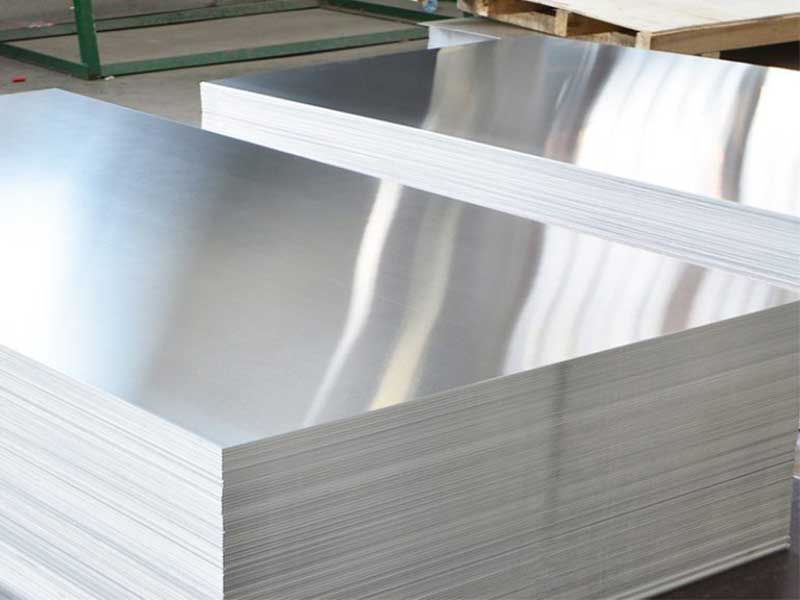
Marine anodized aluminum sheets
Marine Anodized Aluminum Sheets start with premium marine-grade aluminum alloys such as 5000 and 6000 series (typically 5083, 5052, and 6061).
View Details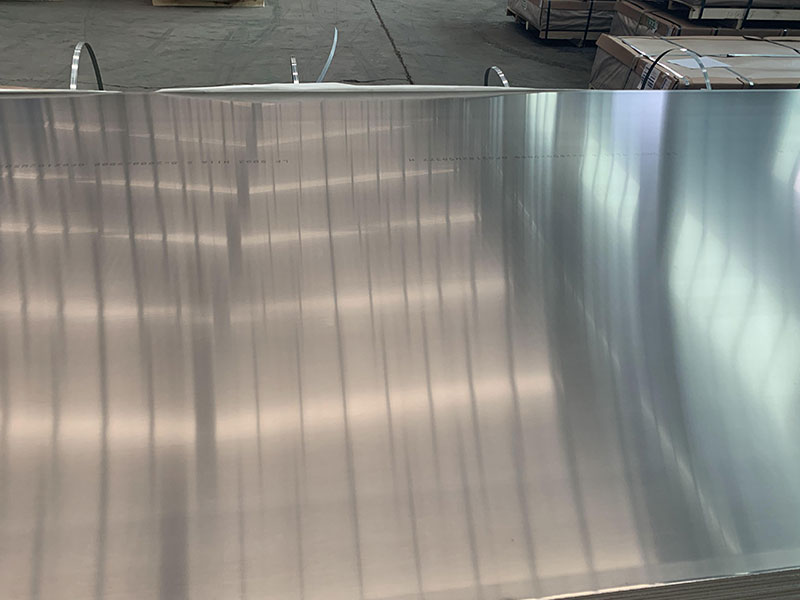
Marine 5383 aluminum sheet
5383 aluminum is a strain-hardened, non-heat-treatable alloy from the 5xxx series primarily alloyed with magnesium. It exhibits a unique balance of corrosion resistance and mechanical properties particularly suited for marine applications.
View Details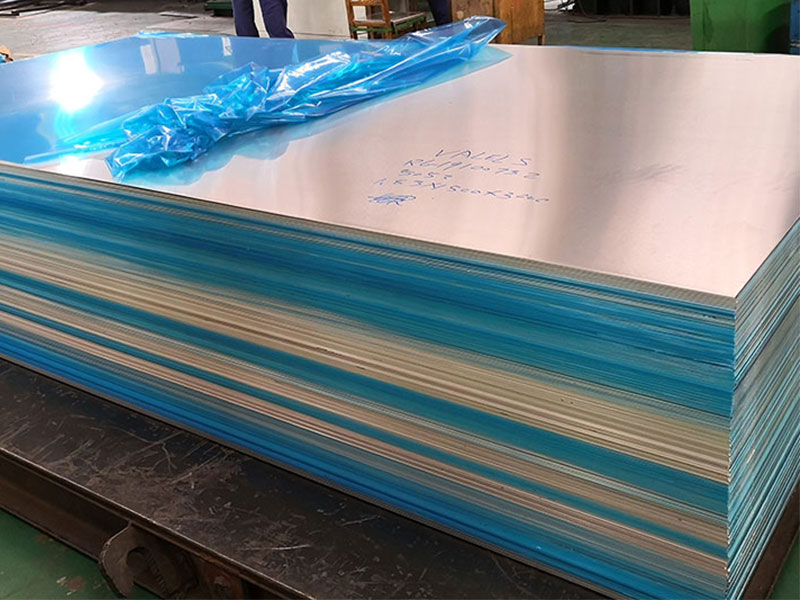
Marine 5059 aluminum sheet
5059 aluminum alloy is a strain-hardened material with a unique addition of magnesium and chromium, which provides outstanding resistance to localized corrosion like pitting and stress corrosion cracking.
View Details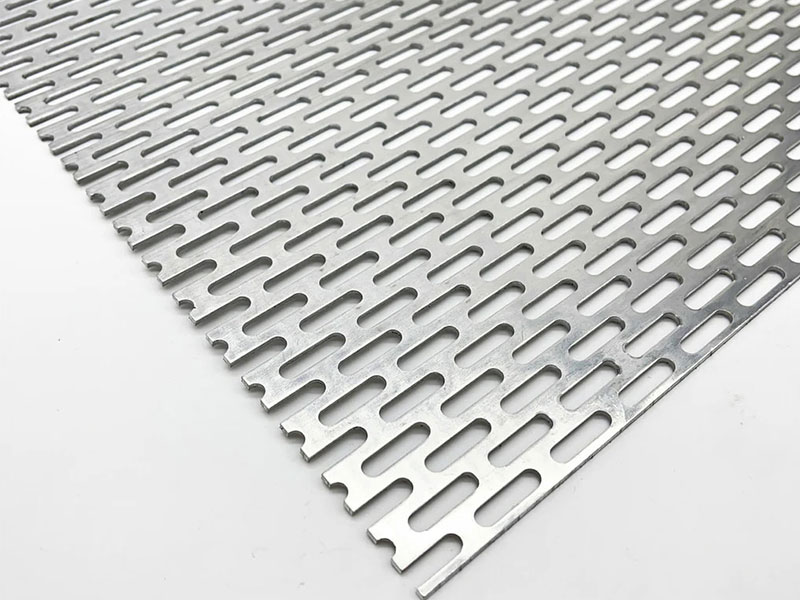
Marine perforated aluminum sheets
Marine Perforated Aluminum Sheets feature a series of uniform holes or shapes punched through the aluminum surface. These perforations can vary in size, pattern, and open area to tailor the sheets for specific applications.
View Details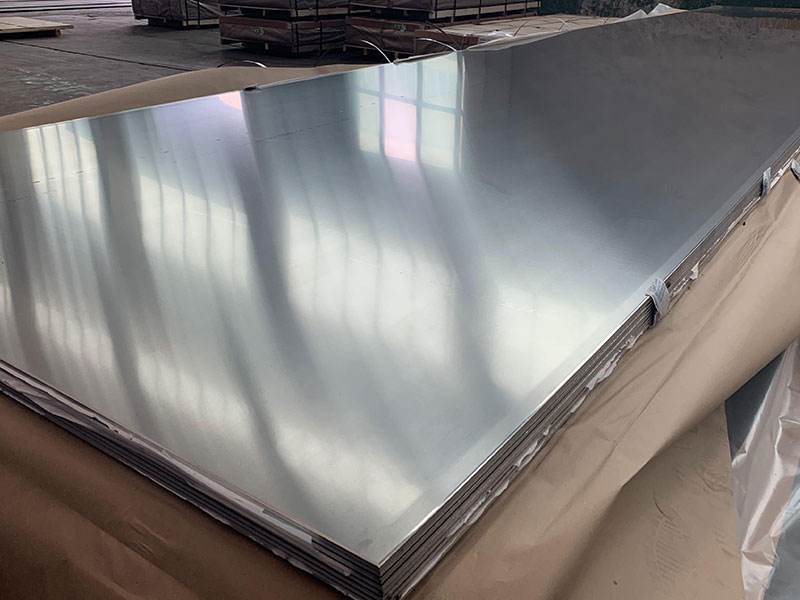
Marine 5086 aluminum sheet
This product article provides an in-depth and comprehensive understanding of Marine 5086 Aluminum Sheets, including their chemical composition, mechanical properties, corrosion resistance, fabrication capabilities, and typical marine applications.
View Details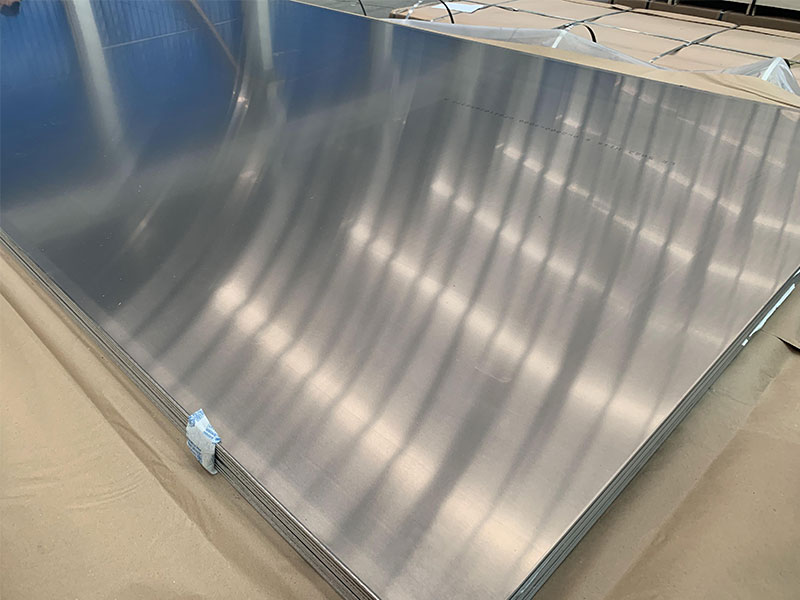
Marine 5052 aluminum sheet
Aluminum alloy 5052 is a non-heat-treatable, strain-hardened alloy with magnesium as the primary alloying element. It is designed to offer superior corrosion resistance in marine and saline environments, making it a dependable choice for components exposed directly to seawater or coastal atmospheric conditions.
View DetailsRelated Blog
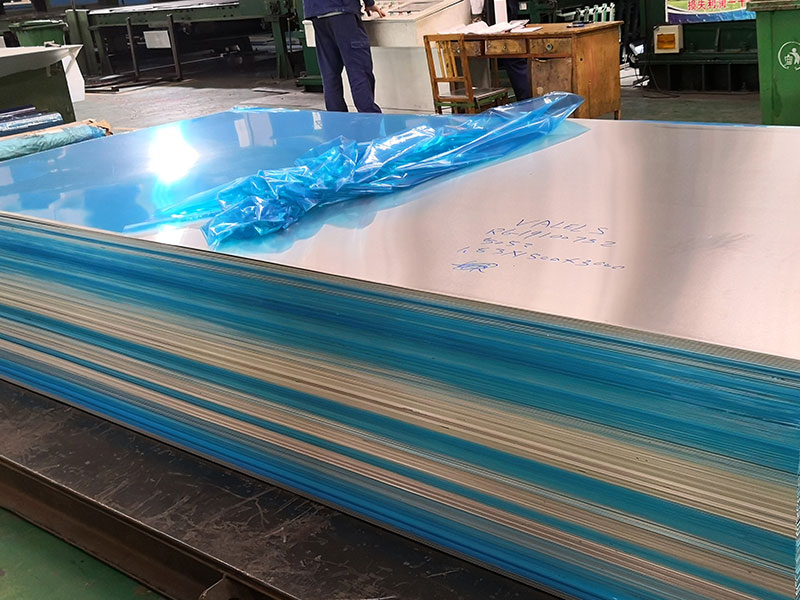
Marine Grade Building Material Aluminium Sheet
Marine grade building material aluminium sheet is designed for projects that need a strong balance of corrosion resistance, strength, workability, and long-term appearance.
View Details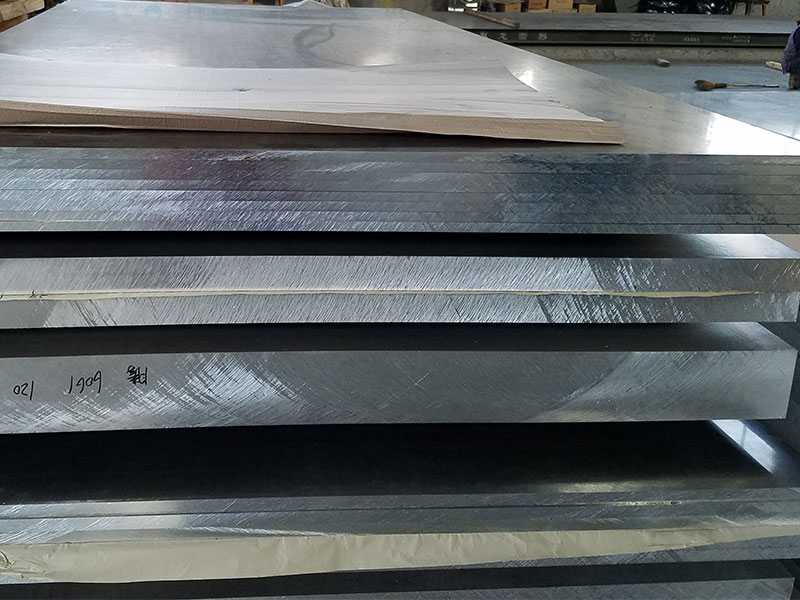
Marine aluminium
Marine aluminium is a family of corrosion-resistant aluminium alloys engineered for continuous exposure to saltwater, humidity, and aggressive coastal atmospheres.
View Details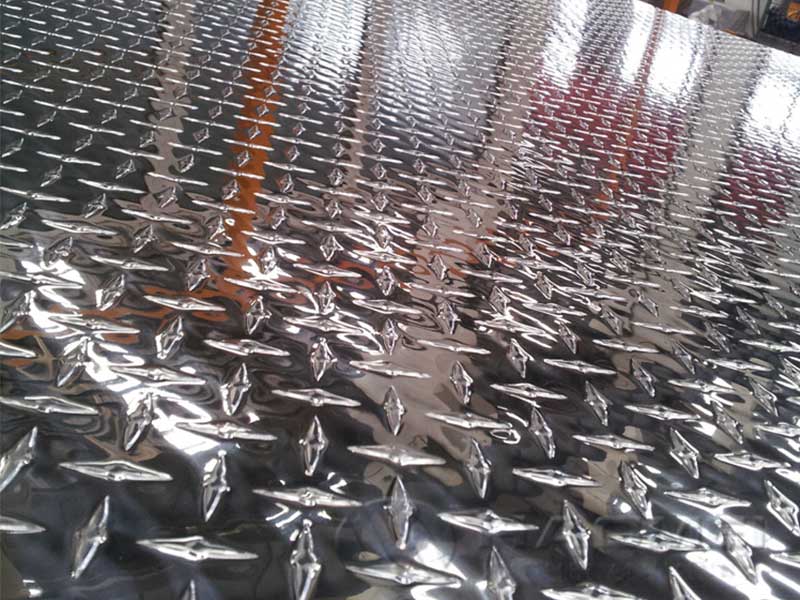
6061 6063 6082 o t5 t6 t651 h112 marine aluminum sheet
High-strength, corrosion-resistant 6061, 6063, and 6082 marine aluminum sheet in tempers O, T5, T6, T651, and H112, ideal for boat hulls, decks, structures, and offshore applications.
View Details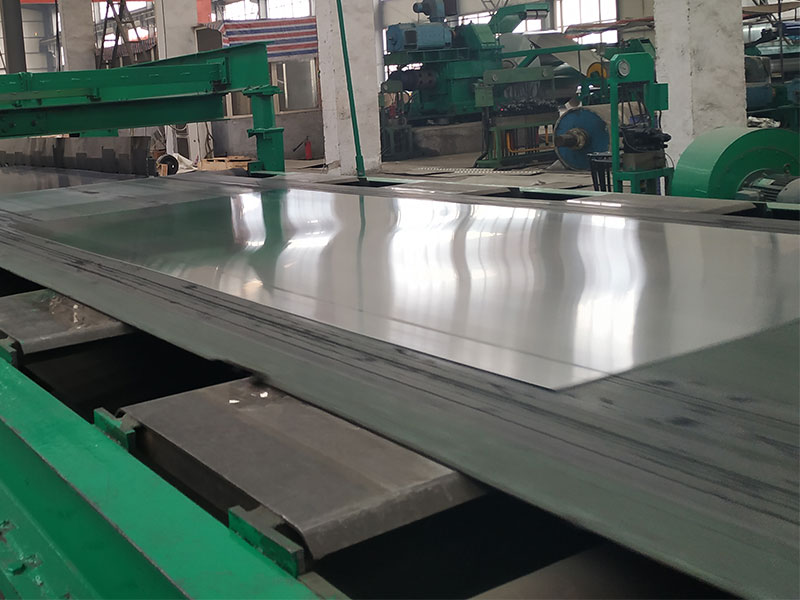
Aluminium sheet 8mm alloy 5052 h112 for boat
When selecting materials for marine applications, especially in boat building, the balance between strength, corrosion resistance, and workability is crucial. Aluminium sheet 8mm thick made from alloy 5052 in temper H112 epitomizes this balance.
View Details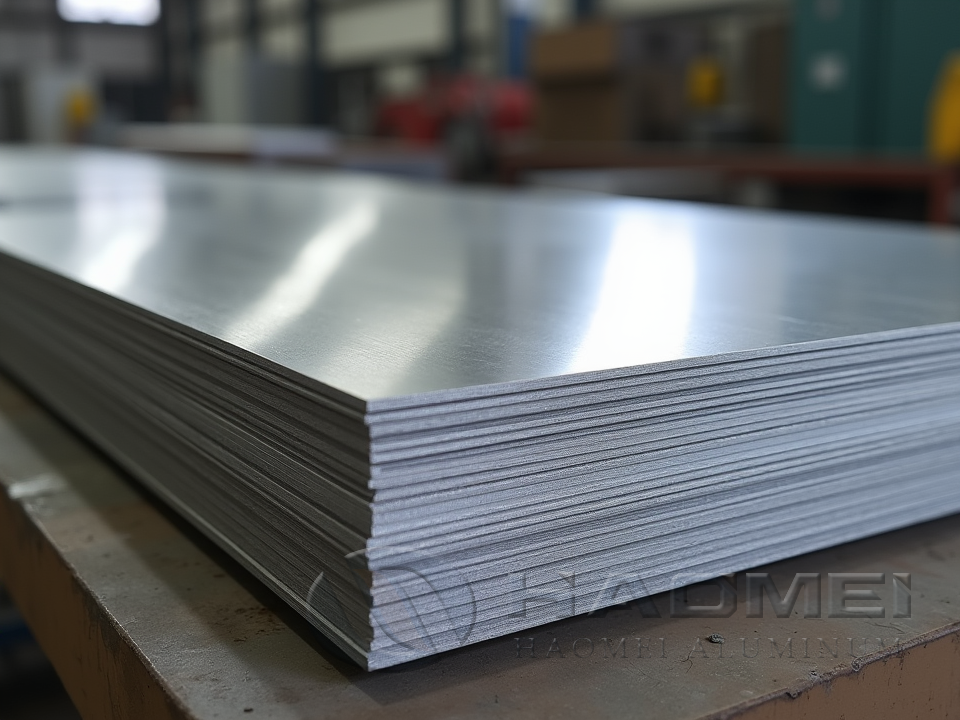
5083 Marine Heavy Duty Aluminum Plate
Practical guidance on 5083 marine heavy duty aluminum plate, covering strength, corrosion behavior, tempers, welding, sizing, and purchase checks for shipyards.
View Details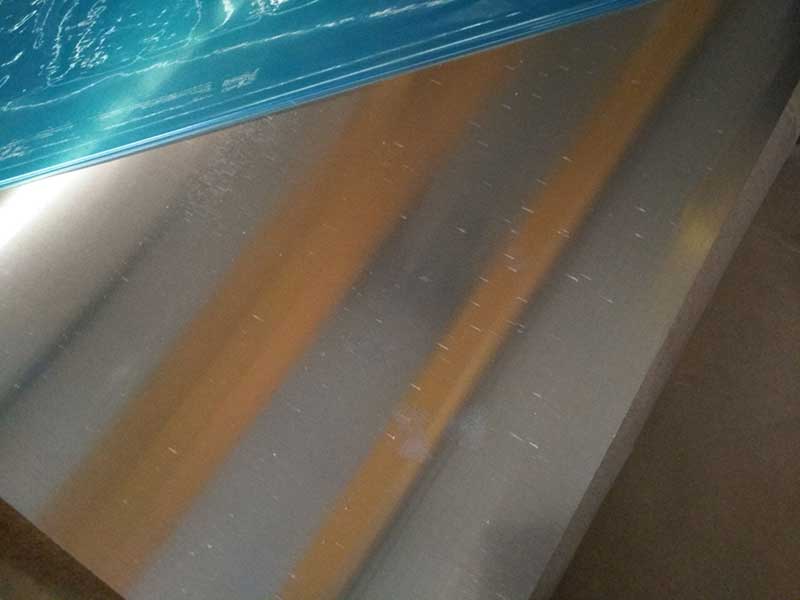
1060 2024 3003 6061 7075 aluminum sheet for boat
When selecting aluminum sheets for marine applications, one must consider not only the alloy's strength and weight but also its resistance to corrosion, formability, and other properties that can influence a vessel's performance and longevity.
View Details
Leave a Message