
Aluminum Pipe Elbow for Fluid and Gas Pressure Systems on Ships
An aluminum pipe elbow is a compact directional fitting used to turn shipboard fluid and gas lines through controlled angles without excessive pressure loss, added weight, or complicated fabrication. In marine systems, elbows are often installed where pipe runs must pass around bulkheads, tanks, machinery foundations, cable trays, pumps, valves, and deck structures. Compared with heavier metallic fittings, marine aluminum elbows help reduce deadweight while maintaining dependable corrosion resistance in humid, salt-laden environments.
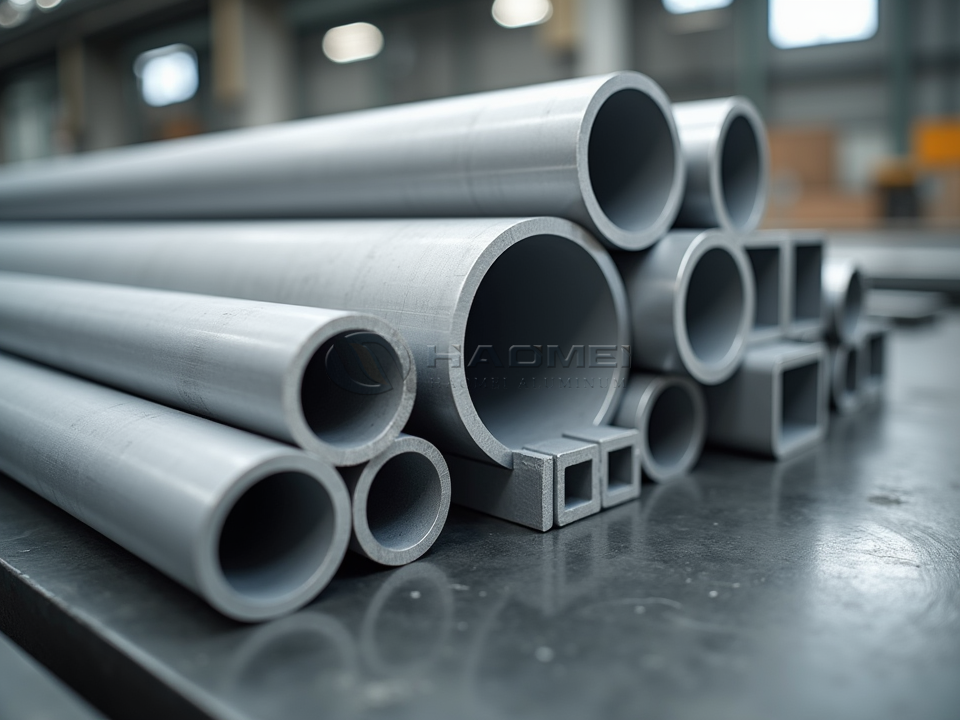
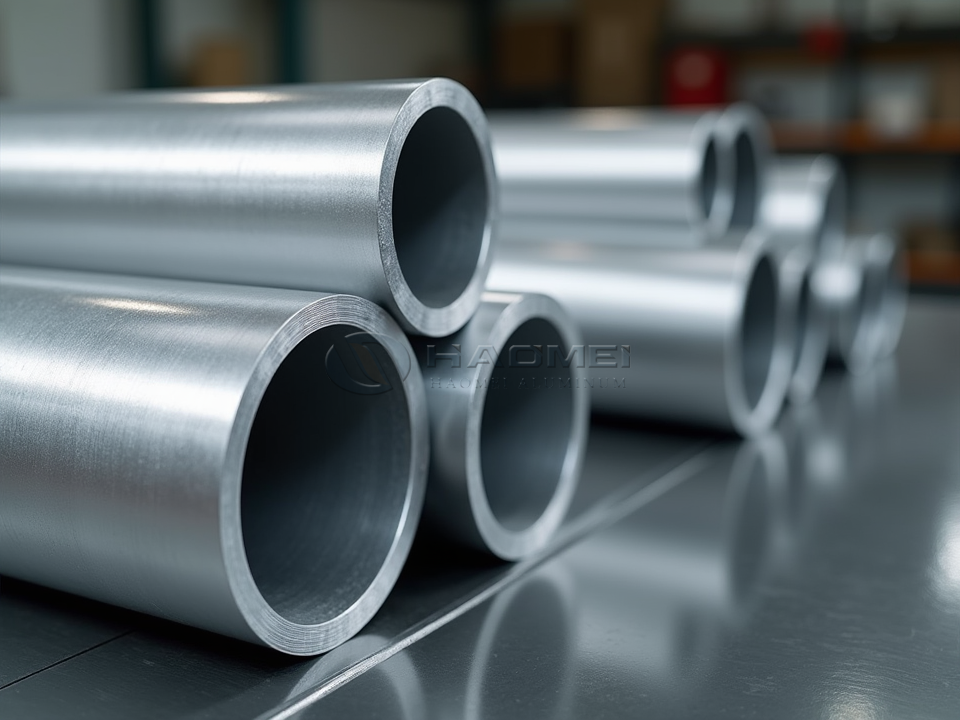
For ship designers, repair yards, and fleet operators, the value of an aluminum pipe elbow is not only its bend angle. The product must combine alloy selection, wall thickness, weldability, dimensional accuracy, pressure integrity, and long-term resistance to vibration. When matched with certified Marine Grade Aluminum Tubing, the elbow becomes part of a lighter, cleaner, and easier-to-install pressure piping network.
Product Function in Ship Pressure Lines
Marine aluminum pipe elbows are used to change flow direction in liquid and gas systems while preserving a smooth internal path. Common bend angles include 45 degrees, 90 degrees, and 180 degrees. Long-radius elbows are preferred where low turbulence and reduced pressure drop are important, while short-radius elbows are useful in compact machinery spaces where installation room is limited.
Typical shipboard media include fresh water, seawater service lines, condensate, low-pressure air, ventilation drainage, ballast-related auxiliary lines, bilge transfer, inert gas auxiliary piping, and selected non-aggressive process fluids. For fuel gas, oxygen, hydraulic pressure, or special chemicals, the elbow material, seal design, welding method, and approval standard must be confirmed by the project engineer and classification society.
Core Product Strengths
| Feature | Customer Value | Marine Benefit |
|---|---|---|
| Low density aluminum alloy | About one-third the density of steel | Reduced vessel weight and easier installation |
| Smooth bend geometry | Lower local flow resistance | Better pump efficiency and quieter operation |
| Good weldability | Compatible with TIG and MIG welding | Fast yard fabrication and repair |
| Corrosion-resistant alloy options | Longer service life in marine atmosphere | Less maintenance around decks and machinery spaces |
| Accurate end preparation | Easier alignment with pipes, flanges, or sockets | Fewer fit-up delays during installation |
| Multiple radius choices | Flexible routing in narrow spaces | Cleaner pipe layout around ship structures |
Recommended Marine Aluminum Alloys
Different ship systems require different alloy behavior. 5xxx alloys are widely used for seawater exposure because of their magnesium-rich corrosion resistance. 6xxx alloys provide good formability, machinability, and medium-to-high strength after heat treatment.
| Alloy | Typical Temper | Main Advantage | Suitable Use |
|---|---|---|---|
| 5083 | O, H111, H112 | Excellent seawater corrosion resistance and high marine strength | Seawater, ballast auxiliary lines, deck service piping |
| 5086 | H32, H112 | Strong corrosion resistance with good weldability | Vessel piping, coastal equipment, ship repair systems |
| 5052 | O, H32 | Good formability and corrosion resistance | Light-duty fluid lines and formed elbows |
| 6061 | T6, T651 | High strength, good machinability, weldable | Pressure fittings, structural pipe networks, machined elbows |
| 6063 | T5, T6 | Smooth surface finish and easy extrusion | Low-to-medium pressure piping and visible installations |
| 6082 | T6 | Higher strength among common 6xxx alloys | Boat and ship systems needing extra mechanical capacity |
For compact 90-degree routing, the 6061-T6 90-Degree Marine Aluminum Pipe Elbow is often selected when strength, machining precision, and a clean pressure-line connection are required.
Chemical Composition Reference
Values are typical specification ranges by weight percent. Actual certification should follow the purchase standard, mill test certificate, and project requirements.
| Alloy | Mg | Si | Mn | Cr | Cu | Zn | Fe | Al |
|---|---|---|---|---|---|---|---|---|
| 5083 | 4.0-4.9 | 0.40 max | 0.40-1.0 | 0.05-0.25 | 0.10 max | 0.25 max | 0.40 max | Balance |
| 5086 | 3.5-4.5 | 0.40 max | 0.20-0.7 | 0.05-0.25 | 0.10 max | 0.25 max | 0.50 max | Balance |
| 5052 | 2.2-2.8 | 0.25 max | 0.10 max | 0.15-0.35 | 0.10 max | 0.10 max | 0.40 max | Balance |
| 6061 | 0.8-1.2 | 0.40-0.8 | 0.15 max | 0.04-0.35 | 0.15-0.40 | 0.25 max | 0.70 max | Balance |
| 6063 | 0.45-0.9 | 0.20-0.6 | 0.10 max | 0.10 max | 0.10 max | 0.10 max | 0.35 max | Balance |
| 6082 | 0.6-1.2 | 0.7-1.3 | 0.40-1.0 | 0.25 max | 0.10 max | 0.20 max | 0.50 max | Balance |
Mechanical Performance
Mechanical properties vary with alloy, temper, forming method, weld zone condition, and post-fabrication treatment. For pressure systems, the weakest zone may be the formed bend or heat-affected weld area, so design calculations should use approved allowable stress values rather than only parent pipe strength.
| Alloy and Temper | Tensile Strength MPa | Yield Strength MPa | Elongation % | Marine Comment |
|---|---|---|---|---|
| 5083-H112 | 270-350 | 125-215 | 10-16 | Strong resistance to seawater and fatigue |
| 5086-H112 | 240-310 | 95-180 | 10-18 | Reliable for welded marine piping |
| 5052-H32 | 210-260 | 160-215 | 8-12 | Good forming behavior for moderate service |
| 6061-T6 | 290-320 | 240-275 | 8-12 | High strength for machined or extruded fittings |
| 6063-T6 | 205-245 | 170-215 | 8-12 | Good appearance and general pressure use |
| 6082-T6 | 300-340 | 250-290 | 8-10 | Strong 6xxx option for demanding layouts |
Technical Specifications
| Parameter | Common Range | Notes |
|---|---|---|
| Bend angle | 45 degrees, 90 degrees, 180 degrees | Custom angles available for complex routing |
| Outside diameter | 10-300 mm | Larger sizes can be produced by fabrication |
| Wall thickness | 1.5-20 mm | Selected by pressure, corrosion allowance, and code |
| Bend radius | 1D, 1.5D, 2D, 3D | Long radius lowers flow loss |
| End type | Plain, beveled, flanged, grooved, threaded adapter | Welding ends are common for marine systems |
| Manufacturing route | Mandrel bending, hot forming, extrusion plus machining, welded fabrication | Selected by size and alloy |
| Surface finish | Mill finish, anodized, passivated, coated | Coatings improve appearance and added protection |
| Inspection | Dimensional check, visual inspection, pressure test, NDT as required | Project standards define acceptance criteria |
| Applicable standards | ASTM, EN, ISO, JIS, shipyard specifications | Classification approval may be required |
Pressure and Flow Considerations
The pressure rating of an aluminum pipe elbow is not a fixed value for all sizes. It depends on diameter, wall thickness, alloy temper, bend radius, operating temperature, weld quality, corrosion allowance, and safety factor. A small thick-wall 6061-T6 elbow may support much higher pressure than a large thin-wall 5052 elbow.
| Design Factor | Influence on Performance | Practical Recommendation |
|---|---|---|
| Larger diameter | Higher hoop stress at the same pressure | Increase wall thickness or use stronger alloy |
| Thicker wall | Better pressure capacity | Confirm bend thinning after forming |
| Long-radius bend | Lower turbulence and erosion risk | Preferred for pumps and continuous flow lines |
| Smooth inner surface | Reduced friction loss | Avoid excessive weld penetration or internal burrs |
| Marine coating | Added protection in wet zones | Use where elbows are exposed to spray or bilge water |
| Temperature rise | Lower allowable strength | Recalculate for hot fluids or engine room service |
For most shipboard piping, pressure testing after fabrication is recommended. Pneumatic testing should be handled carefully because stored gas energy can be hazardous. Hydrostatic testing is generally safer when the system design allows water filling and drying.
Applications on Ships
Aluminum pipe elbows are used across a broad range of vessel types, including patrol boats, ferries, offshore service vessels, yachts, workboats, aluminum fishing vessels, and high-speed craft. Their light weight is especially valuable in vessels where payload, fuel economy, and stability margins are tightly controlled.
| Ship Area | Typical Application | Preferred Elbow Type |
|---|---|---|
| Engine room | Cooling water, drains, low-pressure air | 5083 or 6061 long-radius elbow |
| Deck systems | Washdown lines, freshwater service | 5086 or 5052 corrosion-resistant elbow |
| Accommodation areas | Water supply and HVAC drainage | 6063 smooth-finish elbow |
| Bilge and ballast support | Auxiliary transfer and drainage | 5083 welded elbow |
| Superstructure | Lightweight routing in aluminum hull vessels | 6061 or 6082 formed elbow |
| Repair and retrofit | Replacement of heavy or corroded fittings | Matched alloy elbow with verified dimensions |
Fabrication, Welding, and Installation
Clean joint preparation is essential. Aluminum oxide melts at a much higher temperature than the base metal, so pipe ends should be mechanically cleaned or chemically treated before welding. TIG welding is preferred for smaller precision joints, while MIG welding is efficient for larger pipe diameters and production work.
Proper fit-up helps prevent distortion and lack of fusion. When elbows are welded into pressure systems, the filler metal should be compatible with the base alloy and service environment. Common filler choices include 5356 for many 5xxx and 6xxx marine combinations, though final selection must consider strength, corrosion behavior, and cracking risk.
Customer Benefits
Marine aluminum pipe elbows help shipbuilders simplify pipe routing while reducing installed weight. A lighter piping network can improve fuel economy, trim control, and handling during assembly. Corrosion-resistant alloys also reduce paint breakdown, rust staining, and replacement frequency in damp marine environments.
Operational benefits include smoother flow, lower vibration stress when properly supported, and easier modification during vessel refit. For fast craft and aluminum hull vessels, matching aluminum fittings with aluminum pipework also reduces galvanic compatibility concerns compared with mixed-metal assemblies.
Selection Checklist
| Selection Item | What to Confirm |
|---|---|
| Medium | Fluid or gas type, salinity, temperature, chemical compatibility |
| Pressure | Design pressure, test pressure, surge pressure, vacuum risk |
| Size | Outside diameter, wall thickness, schedule or metric dimension |
| Bend geometry | Angle, radius, center-to-end dimension, ovality limit |
| Connection | Welded, flanged, threaded adapter, grooved coupling |
| Certification | Material certificate, pressure test report, class approval if required |
| Installation zone | Engine room heat, deck spray, bilge exposure, vibration level |
Final Thoughts
An aluminum pipe elbow for fluid and gas pressure systems on ships is a small component with a large effect on reliability, weight control, and installation efficiency. By selecting the correct alloy, bend radius, wall thickness, connection method, and inspection level, shipyards can build piping systems that are lighter, cleaner, and more resistant to the marine environment. For new construction, retrofit, or repair, a well-specified marine aluminum elbow delivers practical value from the first fit-up through years of service at sea.

Related Products
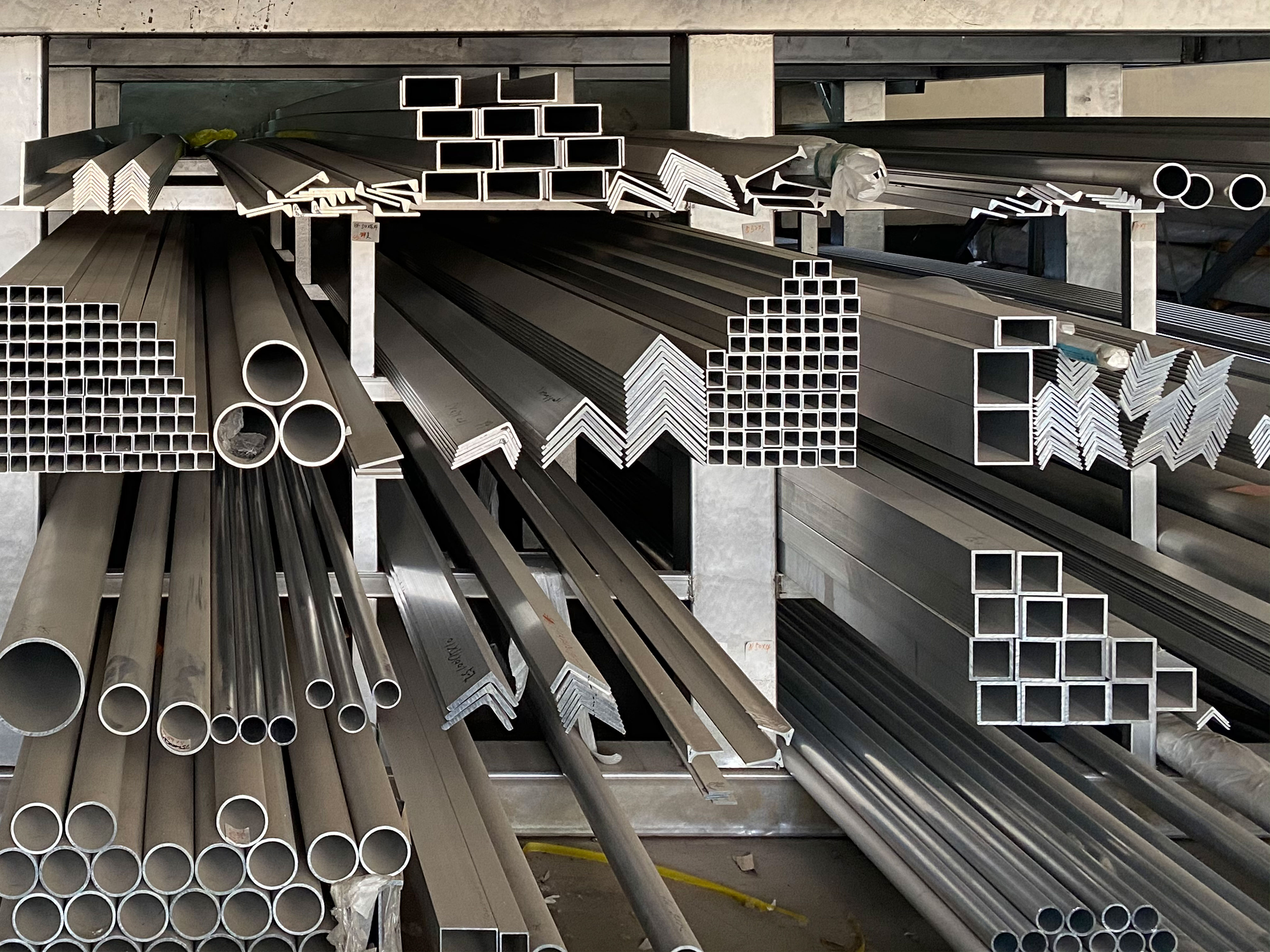
Custom marine aluminum profile tubes
Custom Marine Grade Aluminum Profile Tubes are manufactured from premium marine aluminum alloys such as 5083, 5052, 6061, and 6082.
View Details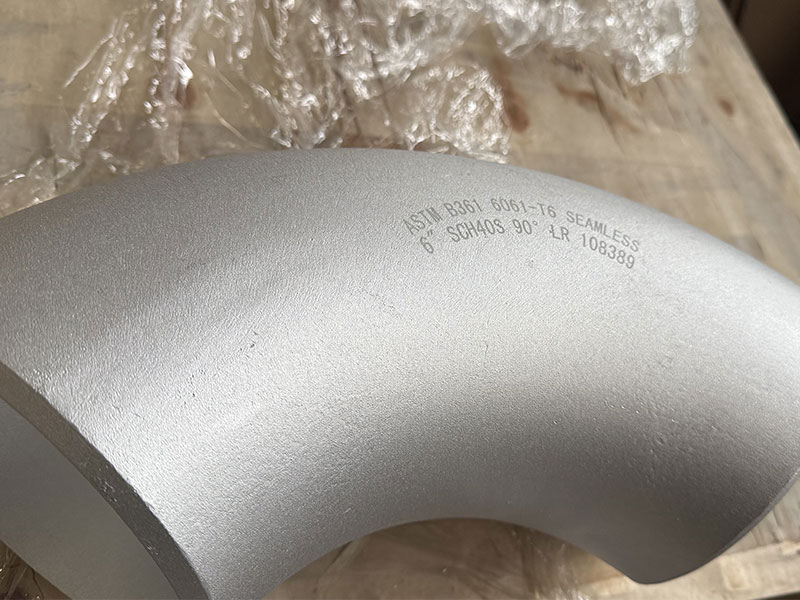
6061-T6 90-Degree Marine Aluminum Pipe Elbow
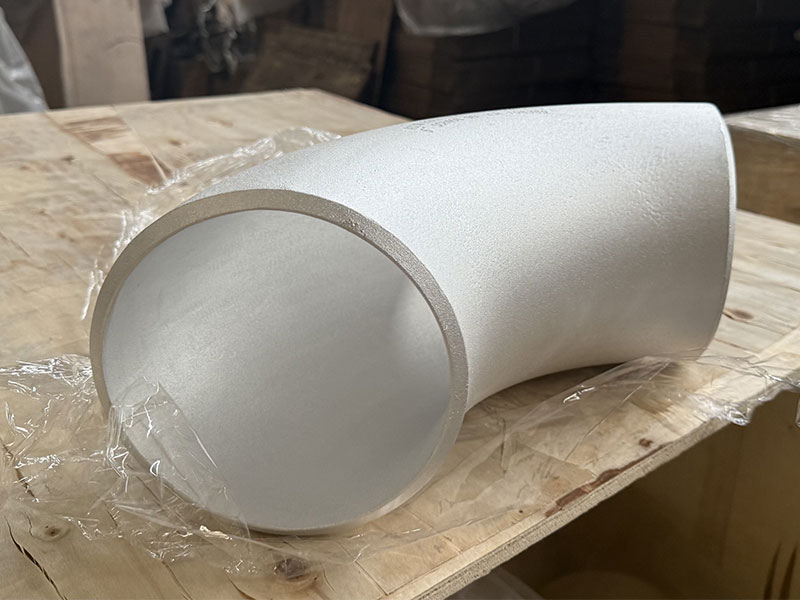
Manufactured from premium 6061-T6 marine-grade aluminum alloy, this elbow fitting is engineered to provide reliable and efficient pipe direction changes within shipbuilding, offshore platforms, and marine infrastructure systems.
View Details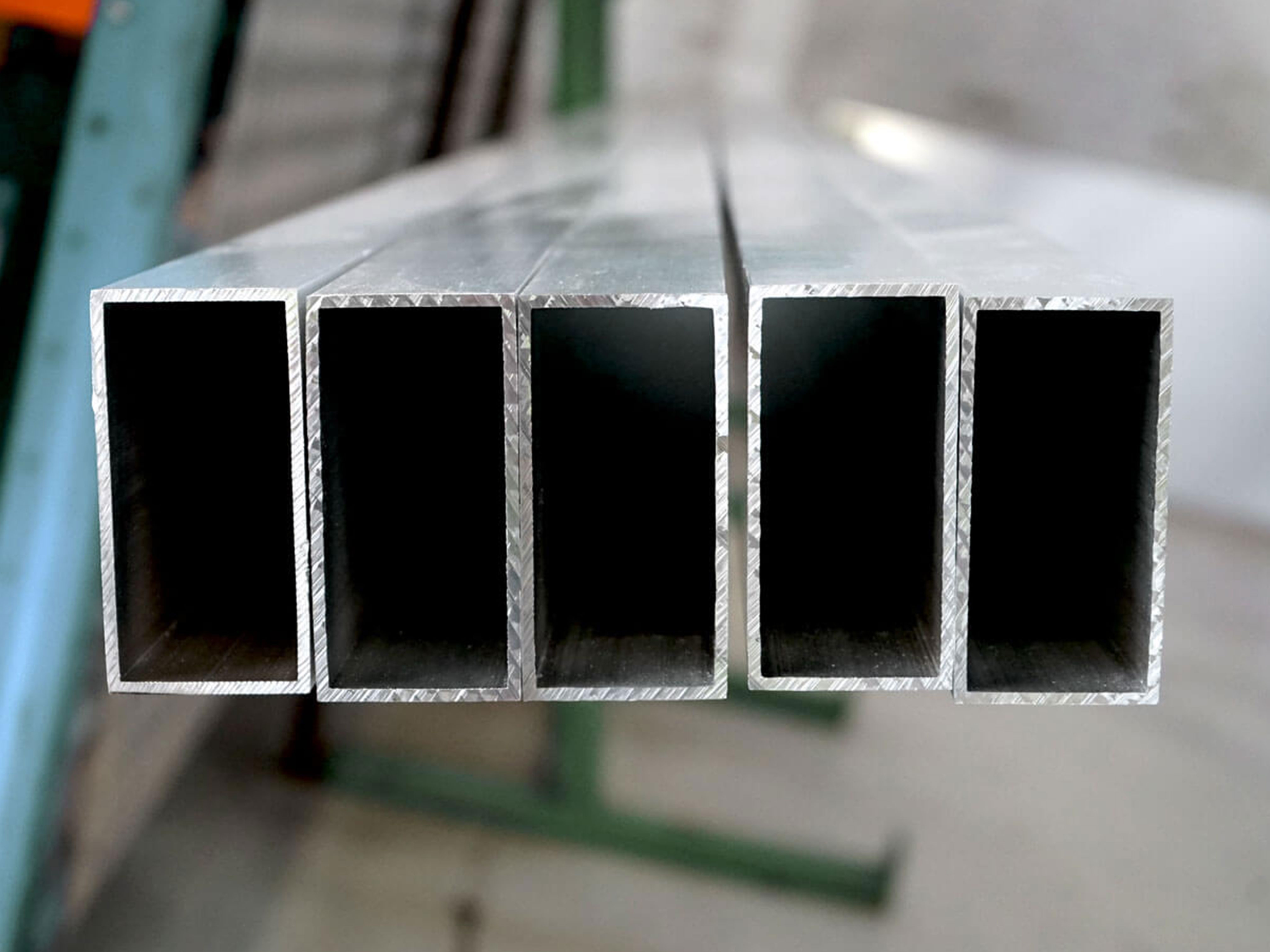
Marine aluminum rectangular tubes
Marine Grade Aluminum Rectangular Tubes are made from high-performance alloys such as 5083, 5052, 6061, and 6082. These alloys are renowned for their ability to resist corrosive seawater and marine atmospheres while providing excellent mechanical strength and toughness.
View Details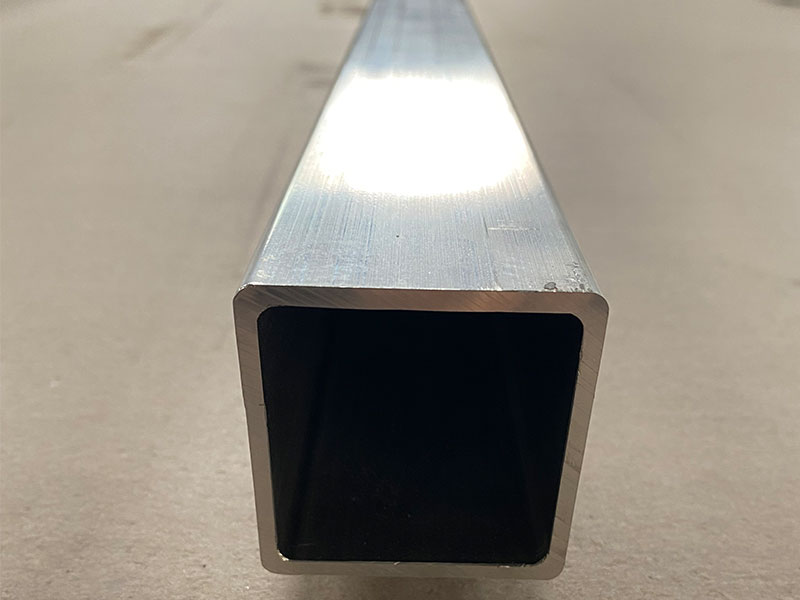
Marine aluminum square tubes
Marine Grade Aluminum Square Tubes are typically constructed from marine-grade alloys such as 5083, 5052, 6061, and 6082—well-known for their ability to withstand the aggressive effects of saltwater and marine atmospheres.
View Details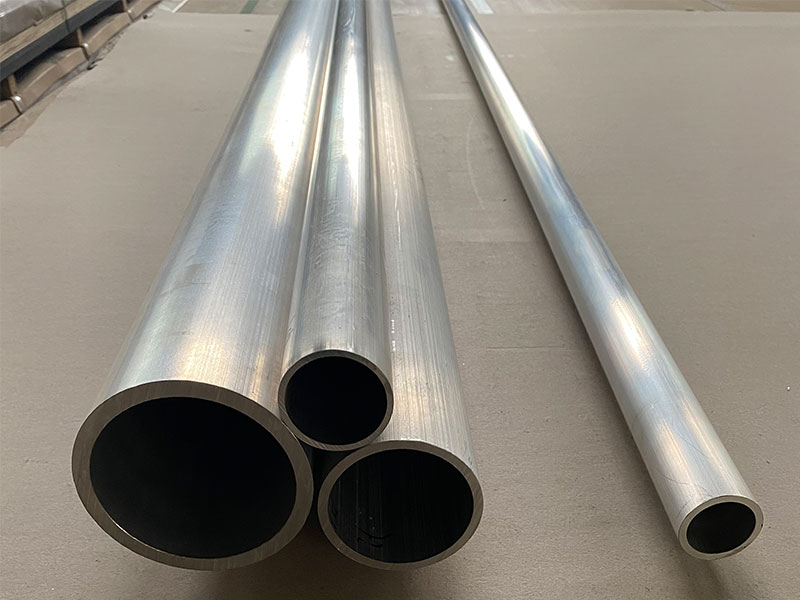
Marine aluminum round tubes
Marine Grade Aluminum Round Tubes are manufactured from premium marine alloys such as 5083, 5052, 6061, and 6082, all selected for their proven resistance to seawater corrosion and marine atmosphere degradation.
View DetailsRelated Blog
Seamless Marine Aluminum Elbow for Emergency Ventilation Systems
In the demanding realm of maritime safety and engineering, emergency ventilation systems serve as a cornerstone for onboard operational security and crew welfare.
View Details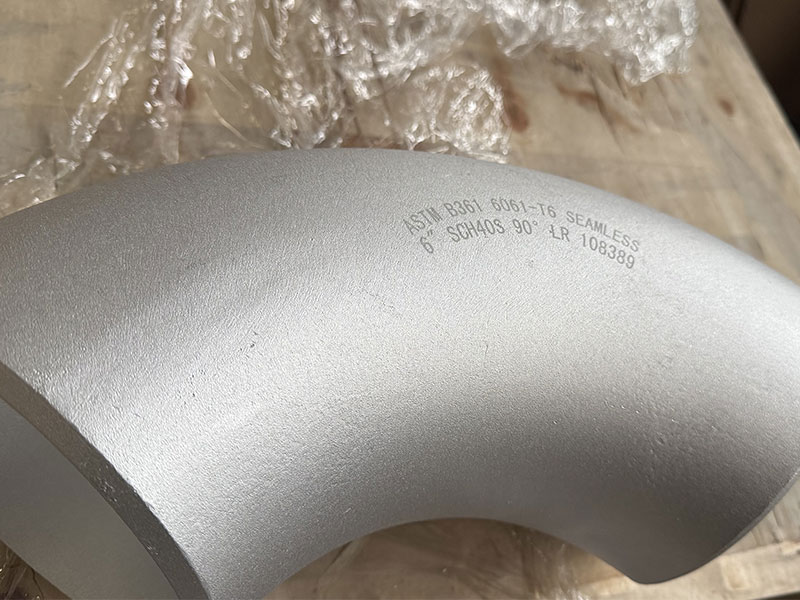
Marine Aluminum Elbow for Pressure Vessel Piping on Ships
Marine aluminum elbows have become an essential component in the pressure vessel piping systems onboard modern ships. As maritime vessels increasingly rely on lightweight, durable, and corrosion-resistant materials, marine aluminum alloys stand out.
View Details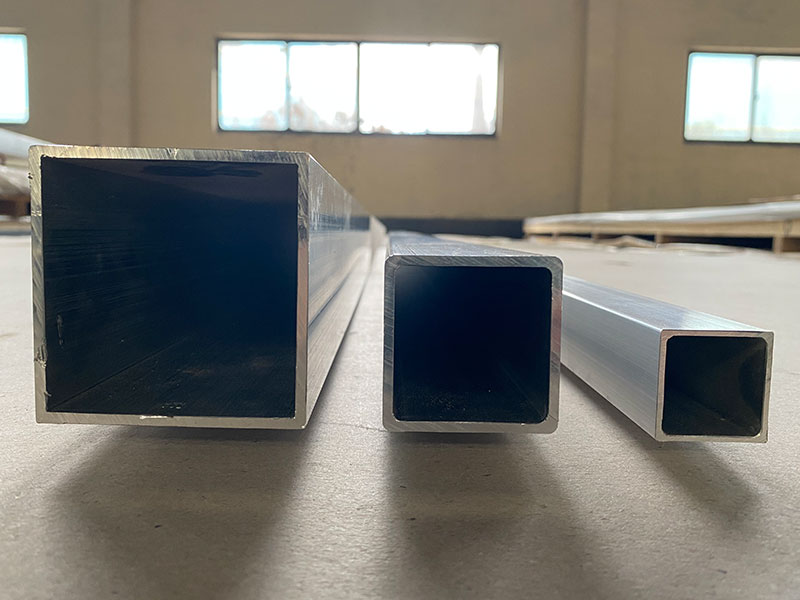
Marine Aluminum Tubes for Marine Equipment Manufacturing
Marine aluminum tubes are specialized aluminum alloy tubes designed specifically for the demanding conditions encountered in marine environments.
View Details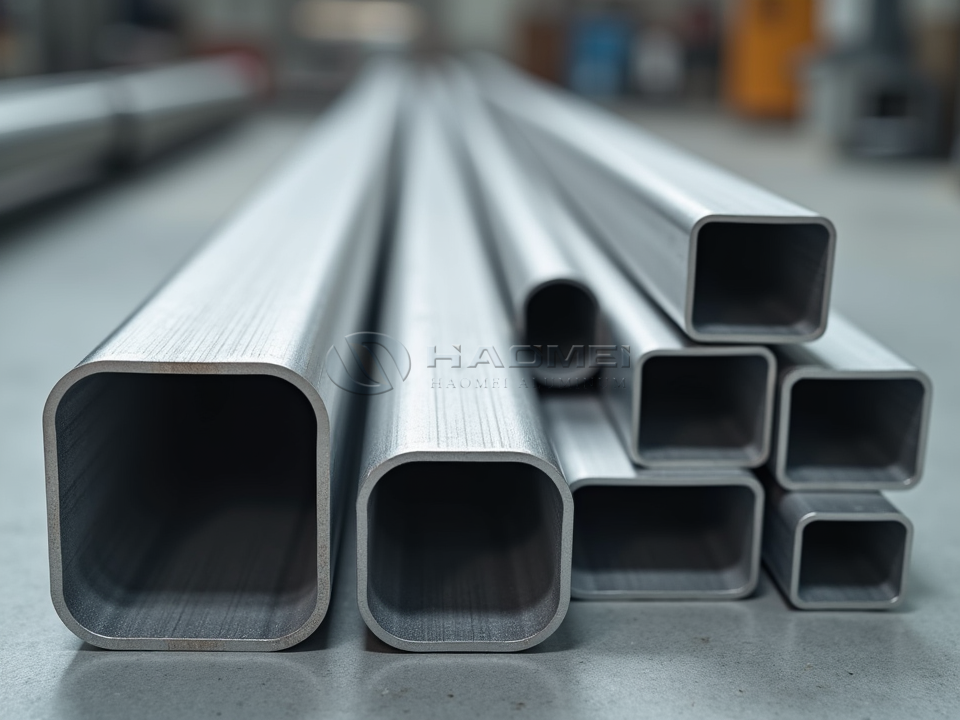
Marine Aluminum Elbow for Waste Treatment and Disposal on Ships
Learn how marine aluminum elbows support ship waste piping with lighter weight, corrosion control, smoother flow, and easier maintenance.
View Details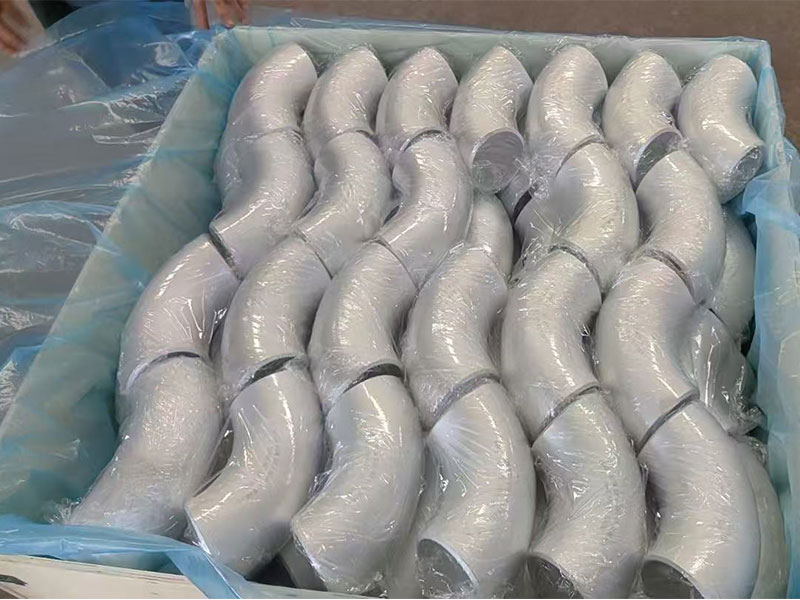
5083 Marine Aluminum Tubes for Saltwater Exposure Resistance
In the marine world, corrosion is never just a surface problem. It is a slow negotiation between metal, salt, oxygen, moisture, stress, and time. Among the aluminum alloys used in offshore structures, shipbuilding, dock systems, desalination equipment.
View Details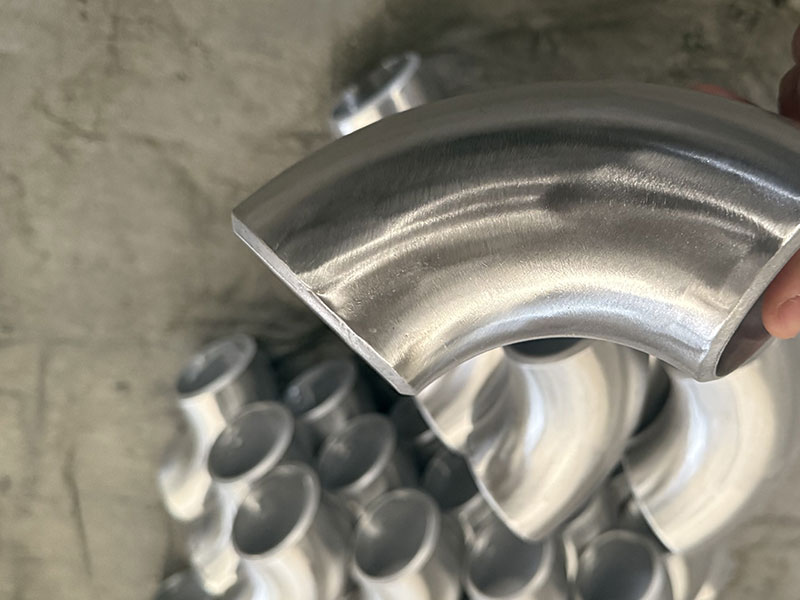
Aluminum Elbow for Saltwater Inlet and Outlet Systems
Aluminum elbows play a critical role in saltwater inlet and outlet systems used in marine, industrial, and desalination applications. Manufactured from high-quality aluminum alloys, these fittings are engineered to provide robust, corrosion-resistant.
View Details
Leave a Message