
Marine Aluminum Elbow for Shipboard Fire Suppression and Safety Systems
A fire line is often judged by pumps, valves, monitors, and nozzles. Yet the part that quietly decides whether water reaches the right place at the right moment may be a bend in the pipe. A marine aluminum elbow looks simple, but in a shipboard fire suppression and safety system it carries a serious duty: it changes direction without wasting pressure, adding unnecessary weight, or becoming a corrosion weak point.
On a vessel, every turn matters. Fire mains pass through engine rooms, accommodation spaces, pump rooms, decks, voids, and exposed weather zones. They must avoid cable trays, structural frames, access hatches, ventilation ducts, and service areas. Straight runs are rare. The elbow becomes the small piece that helps the whole system fit inside a very crowded ship.
The Elbow as a Pressure Decision
When an alarm sounds, water or foam solution must move fast. A poorly formed elbow can create turbulence, pressure loss, vibration, and local wear. In normal service this may look harmless. During emergency flow, it can reduce discharge at the nozzle or make a branch line perform below expectation.
That is why elbow geometry deserves attention. A smooth 90-degree elbow with a consistent radius supports steadier flow than a rough, sharply bent, or poorly welded fitting. For sprinkler supply, hydrant lines, deluge systems, foam stations, and machinery-space fire mains, the difference is not cosmetic. It can affect response time and spray coverage.
A practical design question is not only whether the elbow fits the drawing. It is whether the elbow helps the system preserve usable pressure after years of exposure, vibration, inspection, flushing, and standby service.
Why Aluminum Makes Sense on Ships
Marine aluminum is valued because it reduces weight without giving up useful strength. In fire suppression lines, lower weight can ease installation, reduce load on brackets, and help designers manage total vessel mass. On high-speed craft, patrol boats, aluminum workboats, ferries, and offshore service vessels, saving weight in piping networks can be a real advantage.
Aluminum also forms a natural oxide layer that supports corrosion resistance. In marine spaces where humidity, salt mist, and bilge atmosphere are part of daily life, this matters. Proper alloy selection, surface treatment, and isolation from dissimilar metals help the elbow remain dependable.
The alloy should match the service. 6061-T6 is often chosen where strength, machinability, weldability, and stable dimensions are important. For customers working with fire line turns, a dedicated 6061-T6 90-Degree Marine Aluminum Pipe Elbow can offer a balanced option for shipboard routing where strength and clean fit are required. In more aggressive seawater conditions, 5083, 5086, or 5052 may also be considered depending on design rules, joining method, and system environment.
The Hidden Enemy: Galvanic Corrosion
Aluminum elbows often live near stainless steel valves, bronze pumps, carbon steel supports, and copper-based fittings. If these metals touch in a wet salt environment, galvanic corrosion can begin. The elbow may be sound on day one but slowly become the sacrificial point in the system.
Good installation prevents this. Use compatible gaskets, insulating sleeves, non-conductive washers, coated supports, and approved sealants where required. Avoid bare aluminum contact with copper alloys and untreated steel. Keep drainage in mind so saltwater does not sit around joints or clamps. On deck and in machinery spaces, small pockets of trapped moisture can do more harm than many people expect.
For customers, this is where purchase quality and installation quality meet. A well-made elbow still needs the right surrounding parts to perform as intended.
Welding, Flanging, and the Value of Clean Ends
A shipyard does not want a fitting that looks fine in storage but causes trouble during assembly. The elbow end condition should suit the job: butt-weld ends, flanged ends, grooved ends, or custom machined ends. Wall thickness, ovality, bevel preparation, and dimensional tolerance all affect installation speed.
For welded aluminum fire lines, fit-up is especially important. Excessive gap, misalignment, or contaminated surfaces can weaken the joint and create internal roughness. Clean cutting, proper filler selection, correct shielding gas, and trained welders are part of the safety chain. After welding, inspection should confirm both external quality and internal flow path where accessible.
For flanged elbows, flatness and bolt-hole alignment matter. A flange that forces the pipe into position can create stress, especially in a vibrating ship environment. The fitting should help the pipe run naturally, not act like a lever pulling against supports.
Surface Finish Is More Than Appearance
A smooth surface is easier to inspect, easier to clean, and less likely to trap deposits. In fire suppression systems, lines may sit idle for long periods, then suddenly experience high flow. Internal roughness, weld spatter, oxide debris, or foreign particles can travel downstream and affect valves, nozzles, and small orifices.
Many customers focus on alloy grade, but finish condition deserves the same attention. Anodizing, conversion coating, painting, or other approved protection may be used depending on system location and regulatory needs. Exposed deck areas may need more robust coating than protected interior lines. In foam systems, chemical compatibility should also be reviewed.
When specifying related pipe sections, many ship projects combine elbows with Marine Grade Aluminum Tubing to keep alloy behavior, weld practice, and corrosion performance consistent across the run.
Safety Systems Need Predictable Parts
Shipboard fire suppression is not a normal utility service. It must work after vibration, temperature changes, hull movement, salt exposure, cleaning chemicals, and long idle periods. A marine aluminum elbow must therefore be predictable. Predictable wall thickness. Predictable angle. Predictable radius. Predictable alloy certificate. Predictable fit with the pipe system.
Class and project requirements may call for material traceability, pressure testing, dimensional checks, and documentation. Even when the elbow is small, its paperwork can be important. For commercial vessels, offshore units, naval craft, and passenger ships, inspection records help owners prove that the fire system has been built with suitable materials.
Pressure testing is also not just a final formality. It reveals joint leaks, fitting defects, incorrect installation stress, and sealing problems before the vessel enters service. For aluminum elbows, hydrostatic testing, visual checks, and weld examination should be planned as part of the system process rather than treated as an afterthought.
Practical Buying Points for Customers
A good marine aluminum elbow should answer practical questions before it reaches the yard. What alloy and temper are supplied? Is the wall thickness suitable for the system pressure and design code? Is the bend radius appropriate for flow? Are the ends prepared for the selected joining method? Is the surface protected for its service area? Can the fitting be matched with pipe, flange, bracket, and gasket materials without galvanic risk?
Customers should also consider space. Ship piping rarely follows an ideal route. Compact elbows may save room, but a very tight bend can raise pressure loss and make maintenance harder. A longer-radius elbow may improve flow but require more clearance. The best choice comes from balancing routing, hydraulic performance, and installation access.
Maintenance crews also appreciate elbows that are easy to identify and inspect. Clear marking, accessible welds, smooth coating, and logical placement can reduce future service time. In emergency systems, the fitting should never become a mystery part hidden behind poor documentation.
A Small Turn With a Large Responsibility
A marine aluminum elbow for shipboard fire suppression and safety systems is not merely a connector. It is a pressure guide, a weight saver, a corrosion challenge, a fabrication detail, and a safety component in one compact form.
When selected with care, it helps water, foam, or firefighting media move cleanly through a crowded vessel. When installed with attention to isolation, welding, coating, and testing, it can serve quietly for years. The best elbow is the one no one notices during routine operation, yet everyone can trust when the alarm sounds.

Related Products
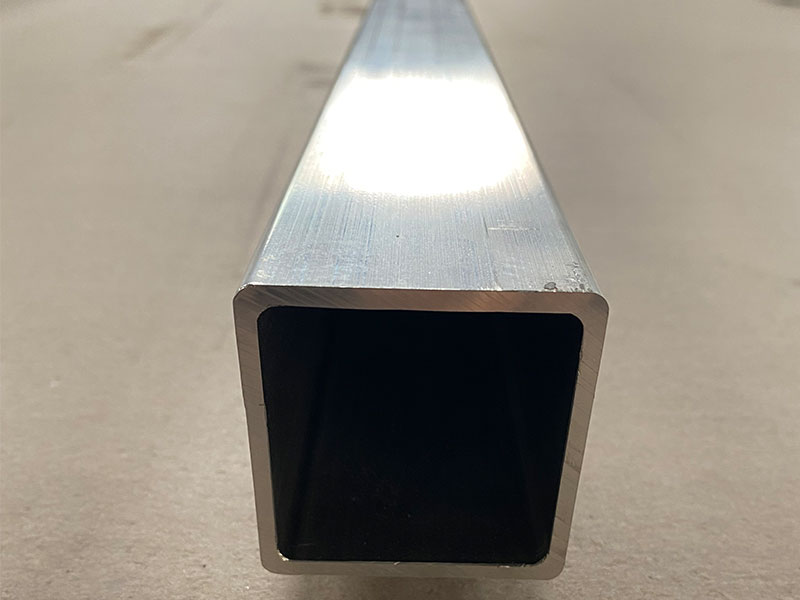
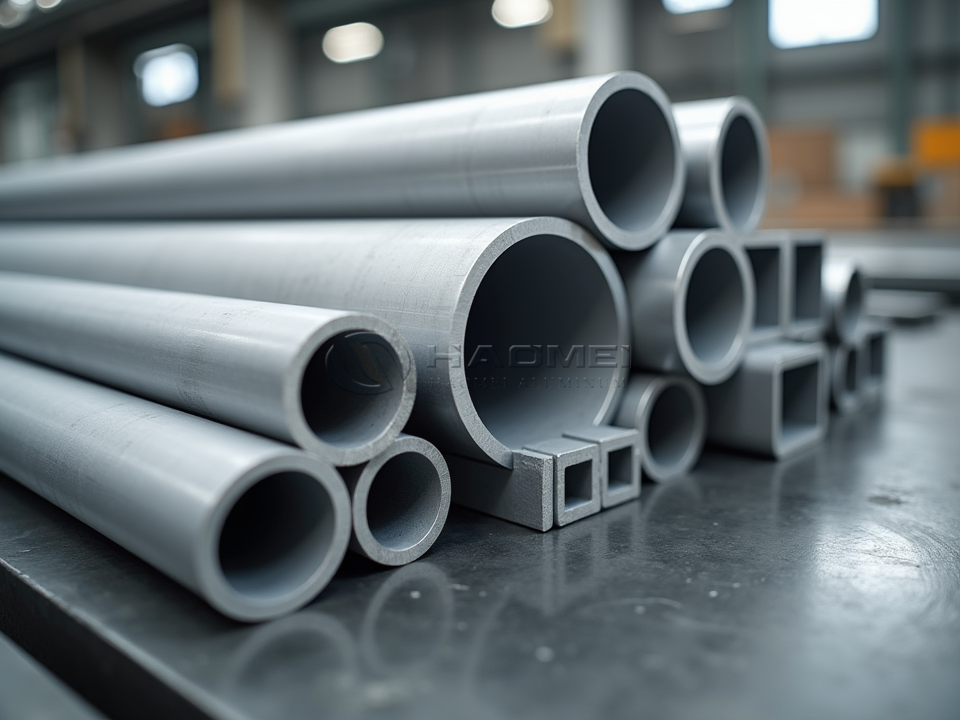
Marine aluminum square tubes
Marine Grade Aluminum Square Tubes are typically constructed from marine-grade alloys such as 5083, 5052, 6061, and 6082—well-known for their ability to withstand the aggressive effects of saltwater and marine atmospheres.
View Details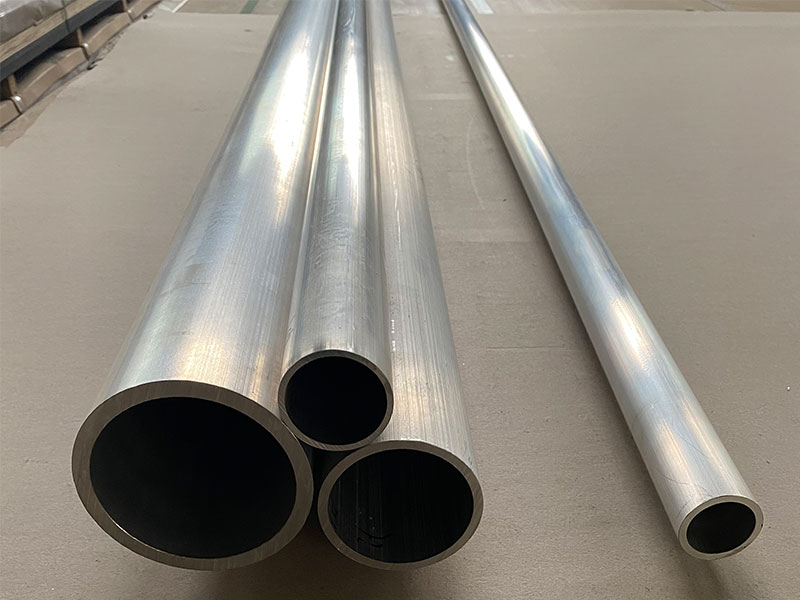
Marine aluminum round tubes
Marine Grade Aluminum Round Tubes are manufactured from premium marine alloys such as 5083, 5052, 6061, and 6082, all selected for their proven resistance to seawater corrosion and marine atmosphere degradation.
View Details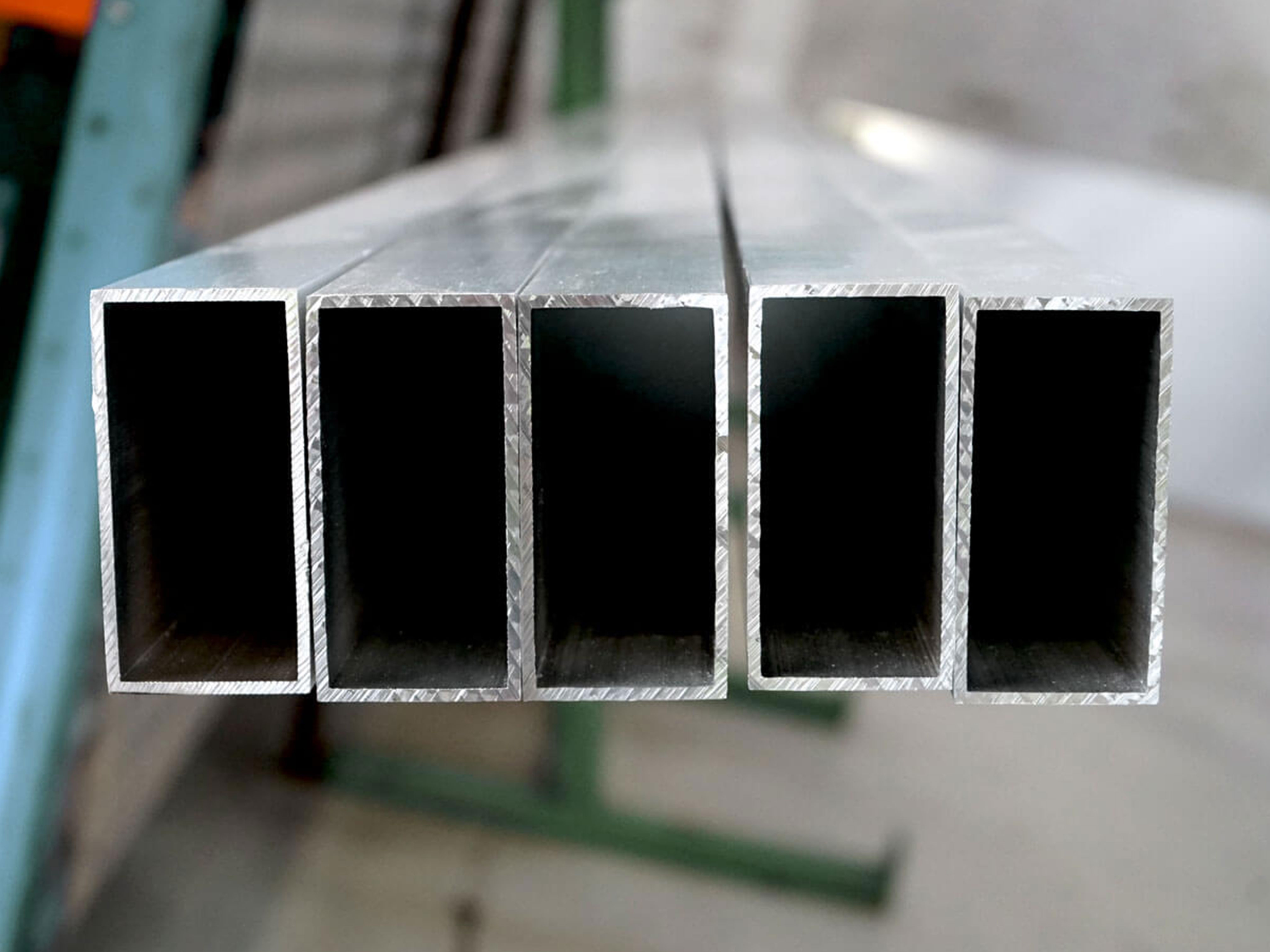
Marine aluminum rectangular tubes
Marine Grade Aluminum Rectangular Tubes are made from high-performance alloys such as 5083, 5052, 6061, and 6082. These alloys are renowned for their ability to resist corrosive seawater and marine atmospheres while providing excellent mechanical strength and toughness.
View Details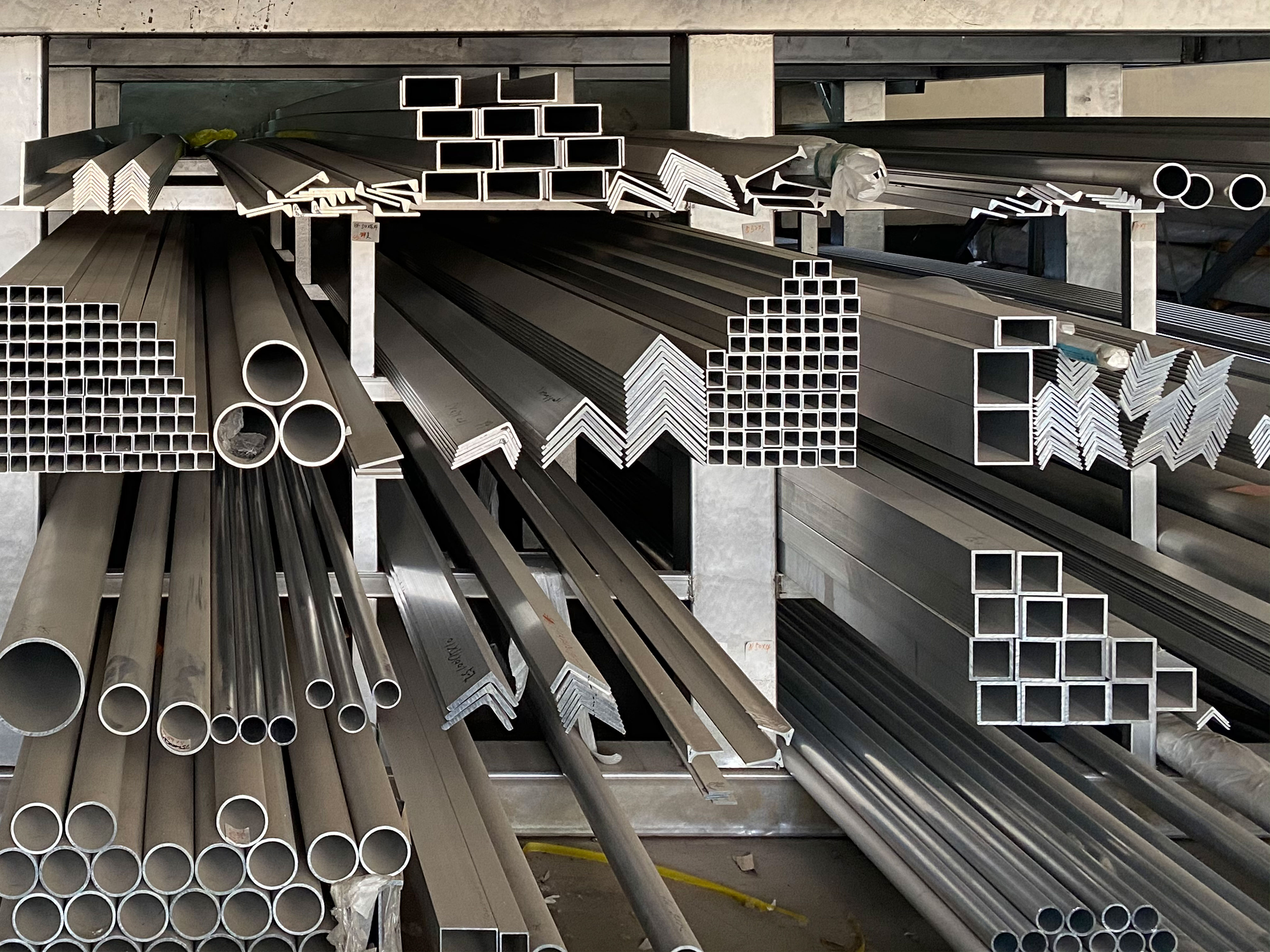
Custom marine aluminum profile tubes
Custom Marine Grade Aluminum Profile Tubes are manufactured from premium marine aluminum alloys such as 5083, 5052, 6061, and 6082.
View Details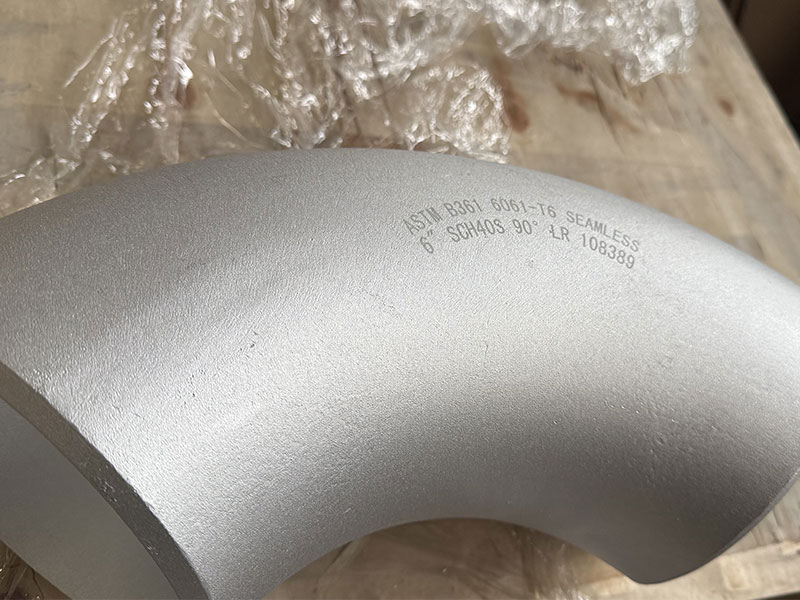
6061-T6 90-Degree Marine Aluminum Pipe Elbow
Manufactured from premium 6061-T6 marine-grade aluminum alloy, this elbow fitting is engineered to provide reliable and efficient pipe direction changes within shipbuilding, offshore platforms, and marine infrastructure systems.
View DetailsRelated Blog
Aluminum Elbow for Offshore Offshore Emergency Water Systems
Marine aluminum elbows support reliable offshore emergency-water routing with low weight, corrosion resistance, material data, and installation guidance.
View Details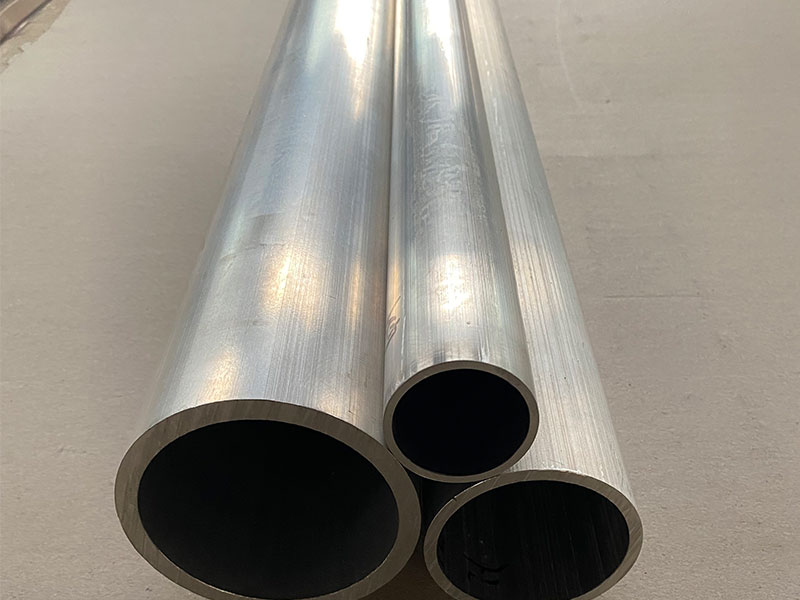
5083 Marine Aluminum Tubes for Coastal Boat Engineering Solutions
In coastal boat engineering, selecting materials that offer superior performance, durability, and resistance to harsh marine environments is critical. 5083 marine aluminum tubes present an exceptional solution.
View Details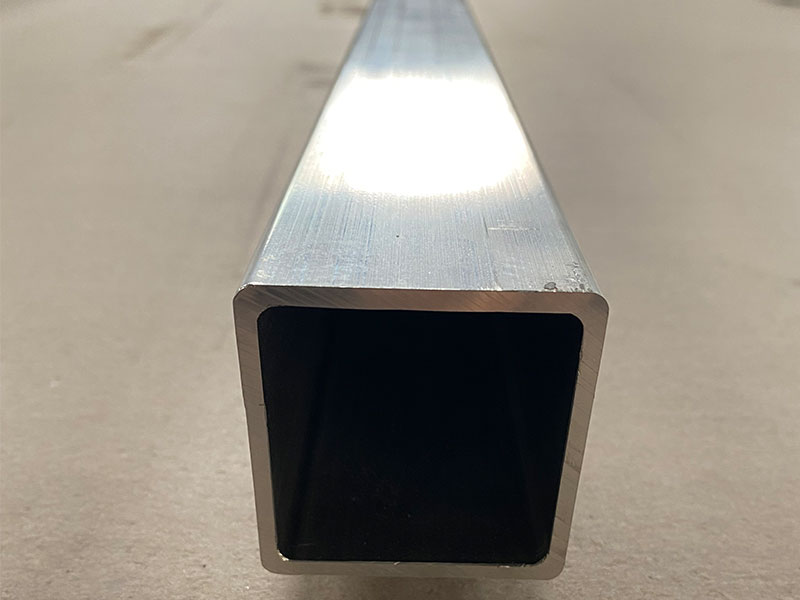
6082 Marine Aluminum Tubes for Boat Hull Fabrication and Support
6082 marine aluminum tubes are a go-to structural choice for boat hull fabrication and internal support frameworks where builders need high strength, dependable corrosion resistance, and clean weldability.
View Details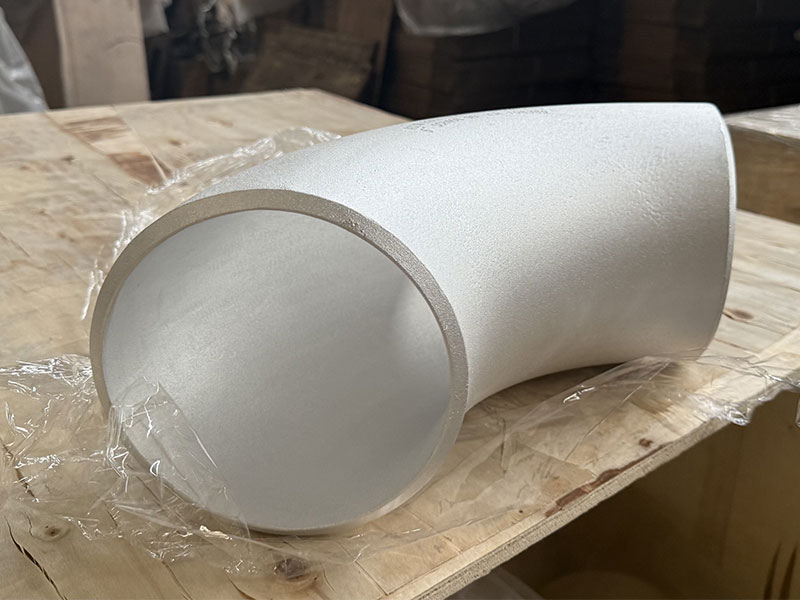
Marine Aluminum Pipe Elbow for Waste Heat Exhaust Systems
In the demanding environment of marine engineering, selecting the right components for waste heat exhaust systems is decisive for both efficiency and durability.
View Details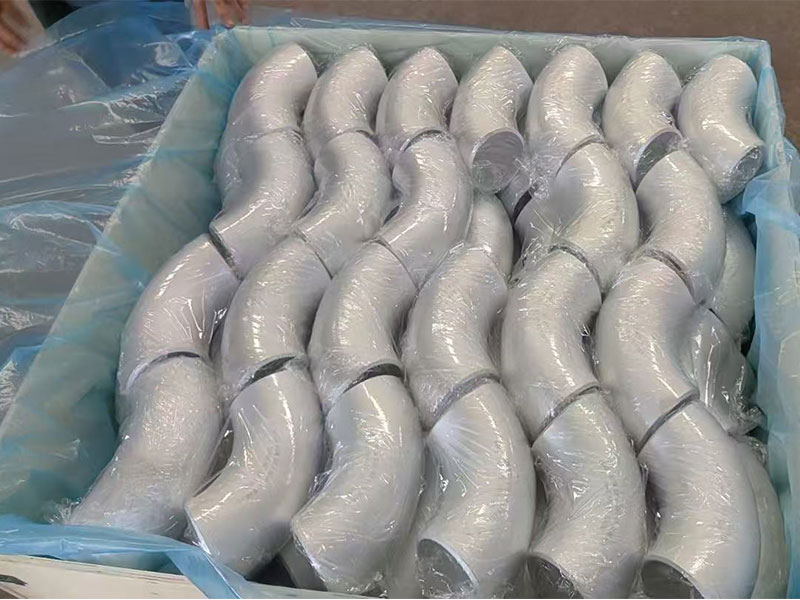
Marine Aluminum Pipe Elbow for Emergency Fire Suppression Lines
In the domain of marine safety systems, reliability and durability are paramount. Among the essential components in fire suppression systems onboard ships and offshore platforms is the Marine Aluminum Pipe Elbow used in emergency fire suppression lines.
View Details
Marine Grade Aluminum Pipe Elbow for Offshore Projects
Marine environments pose unique challenges—including corrosion, mechanical stress, and exposure to harsh elements—necessitating the use of specialized materials and components.
View Details
Leave a Message