
Marine Aluminum Extrusions
Marine aluminum extrusions are not just shaped metal lengths. On a boat, every groove, radius, slot, rib, and wall thickness has a job. A well-designed extrusion can carry load, drain water, hold fasteners, protect edges, guide cables, reduce weight, and resist chloride attack at the same time. This is why extruded aluminum profiles are widely used in modern vessels, from workboats and patrol craft to pontoons, yachts, docks, gangways, and offshore service platforms.
The real value of marine aluminum extrusions comes from turning several separate parts into one continuous profile. Instead of welding many brackets, stiffeners, and covers together, the extrusion die can produce an integrated section with screw ports, drainage paths, non-slip ribs, gasket grooves, and rounded edges in a single piece. That reduces assembly time, improves repeatability, and limits corrosion traps.
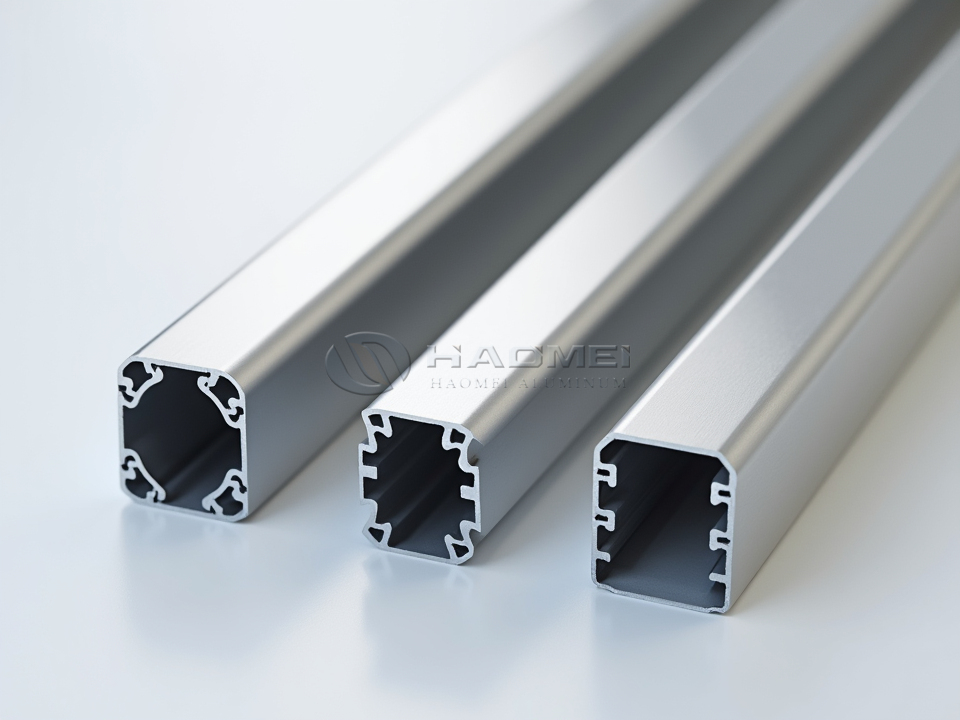
What Marine Aluminum Extrusions Do on a Vessel
The first function is structural support. Deck beams, seat tracks, hatch frames, rub rails, T-slot rails, and stringer caps must handle vibration, wave impact, walking loads, and equipment mounting forces. Profiles made from 6061-T6, 6082-T6, and 6005A-T6 are often selected where strength and machinability matter.
The second function is connection. A marine extrusion often becomes the hidden fastening system of the boat. Slots and channels allow bolts, panels, cleats, hinges, solar brackets, or rail hardware to be moved without drilling new holes through the hull. For modular installations, Marine Grade Aluminum Extrusions can be designed with T-slots, captive nut pockets, or screw bosses so accessories can be installed, removed, and replaced quickly.
The third function is protection. Rub rail extrusions absorb side contact at docks, while rounded cap profiles remove sharp corners around decks and cabins. Flooring extrusions with raised ribs improve grip and help water escape. Hatch and window profiles protect sealant lines from UV exposure and mechanical damage.
The fourth function is corrosion management. Aluminum naturally forms a thin aluminum oxide film, but saltwater can still cause pitting if the wrong alloy, finish, or fastener system is used. A good marine profile design avoids stagnant water pockets, separates stainless steel fasteners with nylon or EPDM washers, and uses anodizing or powder coating where appearance and surface durability are important.
Typical Applications Across Boat Construction
Marine aluminum extrusions appear wherever geometry needs to be light, repeatable, and strong. In hull interiors, they are used for frames, longitudinals, stiffeners, bulkhead edges, and support rails. On decks, they form flooring planks, drainage edges, hatches, access covers, and seat mounting tracks. Around the vessel perimeter, they serve as rub rails, fender retainers, handrail bases, and boarding steps.
Cabin builders use 6063-T5 and 6063-T6 extrusions for window frames, door tracks, roof rails, and decorative trim because the alloy offers a smooth surface after anodizing. Workboat builders often prefer 6061-T6 or 6082-T6 for heavier brackets, deck frames, ladders, and equipment bases. When a U-shaped path is needed for panels, wiring, or drainage, Marine aluminum channels provide a simple and dependable section.
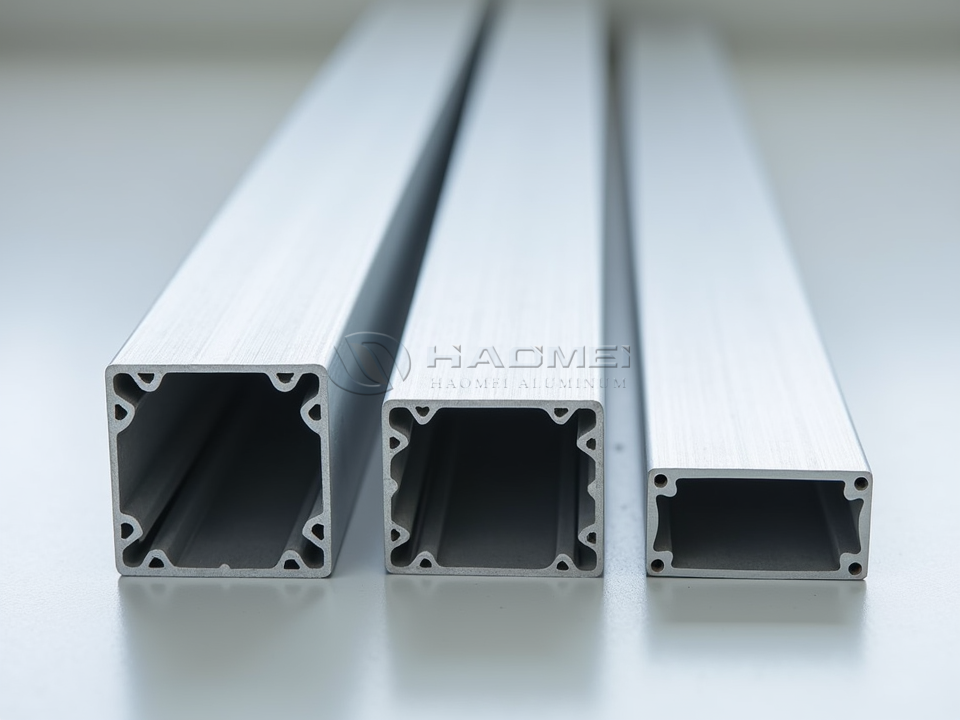
Alloy and Temper Selection
Marine aluminum extrusion selection usually starts with alloy family. The 6xxx series contains magnesium and silicon, forming Mg2Si during heat treatment. This gives good extrudability, moderate to high strength, corrosion resistance, and excellent surface finishing. The 5xxx series contains magnesium as the main alloying element and is valued for seawater corrosion resistance, though complex thin-wall extrusion is more difficult than with 6xxx alloys.
| Alloy and temper | Typical use | Strength character | Marine advantage |
|---|---|---|---|
| 6061-T6 | Boat frames, ladders, brackets, seat bases, deck supports | High strength, good machining | Strong balance of weldability, corrosion resistance, and availability |
| 6063-T5 or T6 | Window frames, trim, rails, anodized visible parts | Medium strength, fine surface | Excellent anodizing quality and clean appearance |
| 6082-T6 | Heavy-duty frames, gangways, structural profiles | Higher strength than many 6xxx options | Good fatigue performance and structural capacity |
| 6005A-T6 | Long structural sections, rail systems, dock profiles | Good strength and extrusion productivity | Suitable for larger profiles with stable performance |
| 5083-H112 | Marine bars and simpler profiles, high corrosion zones | Non-heat-treatable, high Mg alloy | Excellent seawater resistance, especially for welded marine structures |
The temper code matters as much as the alloy. T5 means the profile is cooled from extrusion temperature and artificially aged. T6 means solution heat treated and artificially aged, usually giving higher strength. H112 applies to strain-hardened or thermally treated non-heat-treatable alloys such as 5083, often used where corrosion resistance is more important than die complexity.
Common Product Parameters
| Parameter | Common marine range or condition |
|---|---|
| Extrusion length | 3 m to 12 m, with custom lengths for transport and assembly |
| Wall thickness | About 1.5 mm to 12 mm, depending on alloy, profile size, and load |
| Profile weight | Light trim below 1 kg/m; structural profiles may exceed 5 kg/m |
| Surface finish | Mill finish, brushed, anodized, electrophoresis, powder coated |
| Anodizing thickness | 10 to 25 microns for marine decorative and protective use |
| Powder coating | Polyester or fluorocarbon systems, often 60 to 100 microns |
| Cutting tolerance | Often plus or minus 0.5 mm to 2 mm, depending on length and process |
| Fabrication | CNC cutting, drilling, tapping, bending where possible, welding, punching |
Sharp internal corners are avoided because they raise stress and make extrusion flow difficult. Generous radii improve die life and reduce cracking risk. For marine drainage, designers often add weep holes, open ends, or sloped internal channels. Closed cavities should be vented if the profile will be welded, anodized, or exposed to temperature changes.
Standards and Acceptance Conditions
Marine aluminum extrusions are commonly produced and inspected according to ASTM B221 or ASTM B221M for aluminum and aluminum-alloy extruded bars, rods, wires, profiles, and tubes. EN 755 is widely used for extruded rod, bar, tube, and profiles in Europe, while EN 12020 may apply to precision profiles. For vessel projects, classification society requirements from ABS, DNV, Lloyd's Register, BV, or CCS may be requested depending on vessel class and service area.
For welding, AWS D1.2 and ISO 10042 are often referenced. For anodizing, ISO 7599, ASTM B580, or AA anodizing designations may be used. Chemical composition should be verified by mill certificate, and mechanical properties should match the ordered temper. For critical marine structures, traceability, heat number control, tensile testing, hardness checks, and dimensional inspection are recommended.
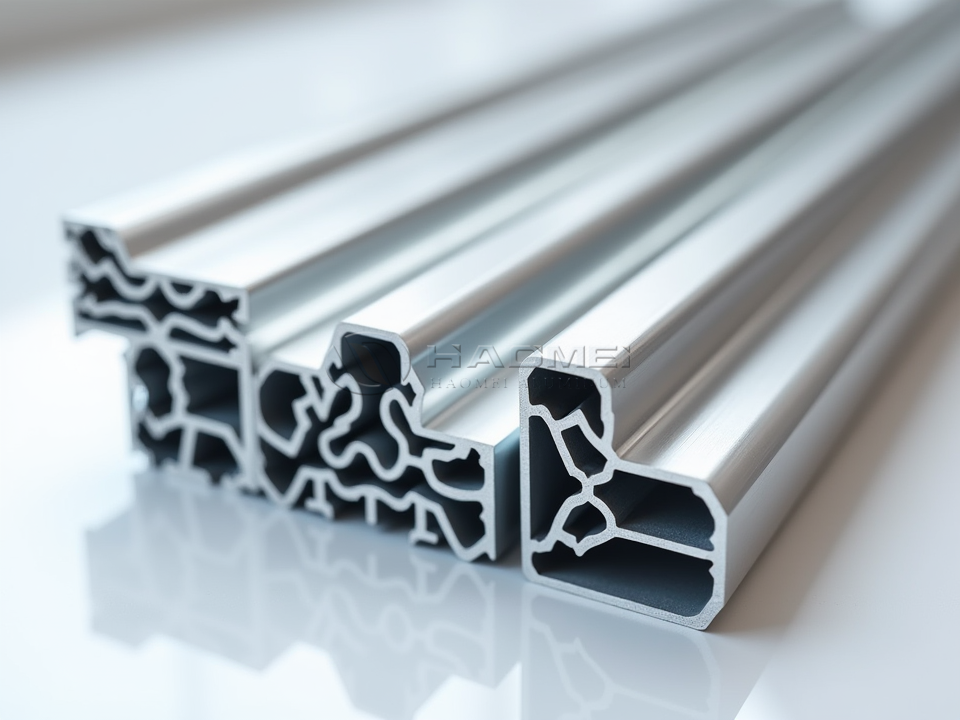
Chemical Composition Reference
Values are typical standard composition ranges by weight percent. Actual limits should be confirmed against the purchase standard and mill certificate.
| Alloy | Si | Fe | Cu | Mn | Mg | Cr | Zn | Ti | Al |
|---|---|---|---|---|---|---|---|---|---|
| 6061 | 0.40-0.80 | 0.70 max | 0.15-0.40 | 0.15 max | 0.80-1.20 | 0.04-0.35 | 0.25 max | 0.15 max | Balance |
| 6063 | 0.20-0.60 | 0.35 max | 0.10 max | 0.10 max | 0.45-0.90 | 0.10 max | 0.10 max | 0.10 max | Balance |
| 6082 | 0.70-1.30 | 0.50 max | 0.10 max | 0.40-1.00 | 0.60-1.20 | 0.25 max | 0.20 max | 0.10 max | Balance |
| 6005A | 0.50-0.90 | 0.35 max | 0.30 max | 0.50 max | 0.40-0.70 | 0.30 max | 0.20 max | 0.10 max | Balance |
| 5083 | 0.40 max | 0.40 max | 0.10 max | 0.40-1.00 | 4.00-4.90 | 0.05-0.25 | 0.25 max | 0.15 max | Balance |
Magnesium improves corrosion resistance and strength, while silicon supports heat-treatable Mg2Si formation in 6xxx alloys. Copper is controlled carefully because excess copper can reduce seawater corrosion resistance. Chromium and manganese help grain control and strength stability.
Practical Selection Guidance
For visible anodized trim, 6063 is usually the cleanest choice. For deck support and machinery mounting, 6061-T6 is a dependable option. For heavier structural members where higher strength is needed, 6082-T6 or 6005A-T6 may be better. For areas exposed to severe seawater and welding, 5083 should be considered, especially for simpler sections.
A marine extrusion should never be judged by alloy alone. The final performance depends on section design, temper, surface treatment, drainage, fastener compatibility, welding plan, and inspection records. When those details work together, marine aluminum extrusions become more than profiles; they become the boat's lightweight structural language.

Related Products
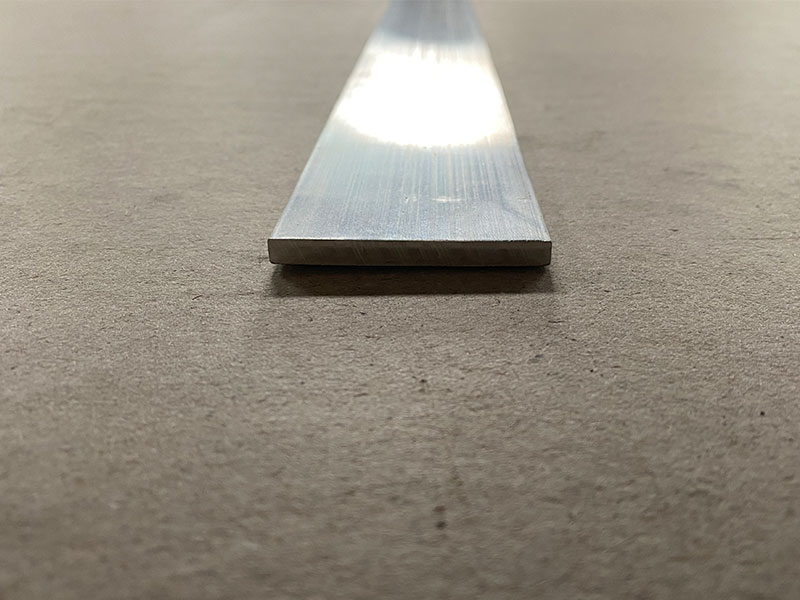
5083 marine aluminum flat bar
5083 aluminum flat bars belong to the 5xxx series of aluminum-magnesium alloys, known primarily for their superior resistance to seawater corrosion and salt spray.
View Details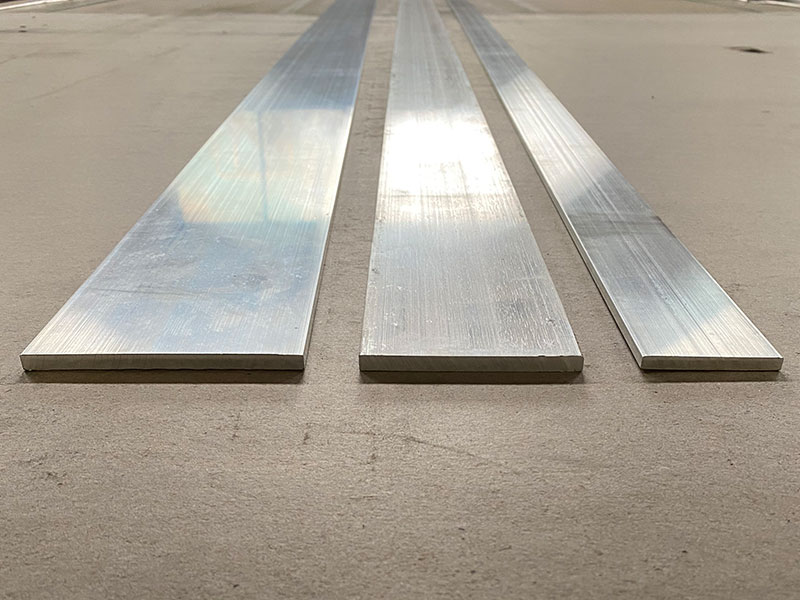
6061 T6 marine aluminum flat bar
6061 aluminum is classified as a heat-treatable 6xxx series alloy, alloyed primarily with magnesium and silicon. The T6 temper designation indicates that the flat bar has been solution heat-treated and artificially aged to achieve optimum strength and hardness.
View Details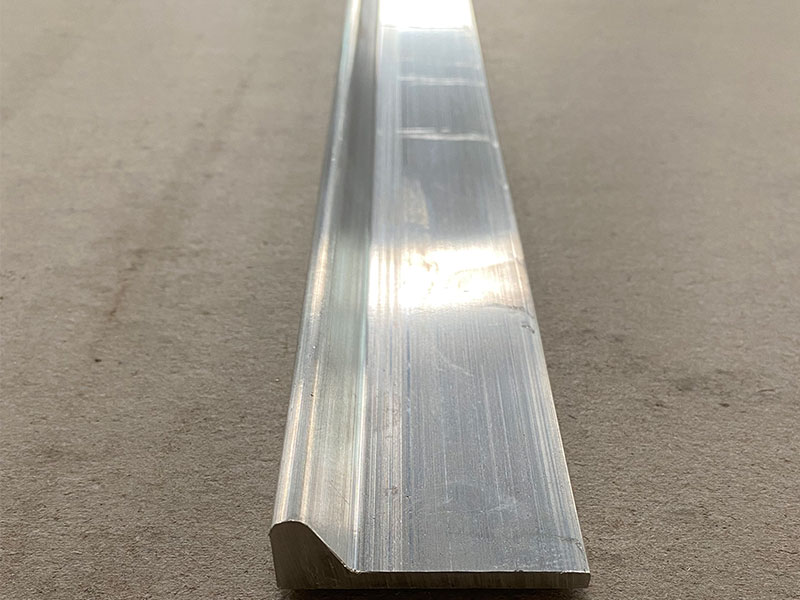
Marine aluminum I-beams
Marine Aluminum I-Beams feature the traditional “I” cross-sectional profile fabricated from marine-grade aluminum alloys like 5083, 5086, and 6061. These alloys are renowned for their outstanding corrosion resistance, especially in saltwater and marine atmospheres, making them ideal for offshore and naval construction.
View Details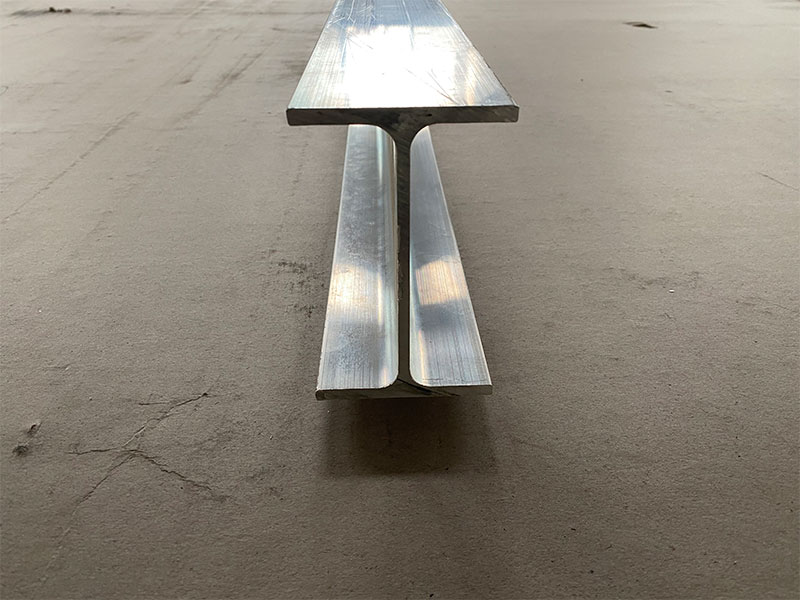
Marine aluminum Z-shaped sections
Marine Aluminum Z-shaped Sections are fabricated from premium marine-grade aluminum alloys such as 5083, 5052, and 6061. These alloys are well-regarded for their superior corrosion resistance in seawater and marine atmospheres, along with good mechanical strength and excellent weldability.
View Details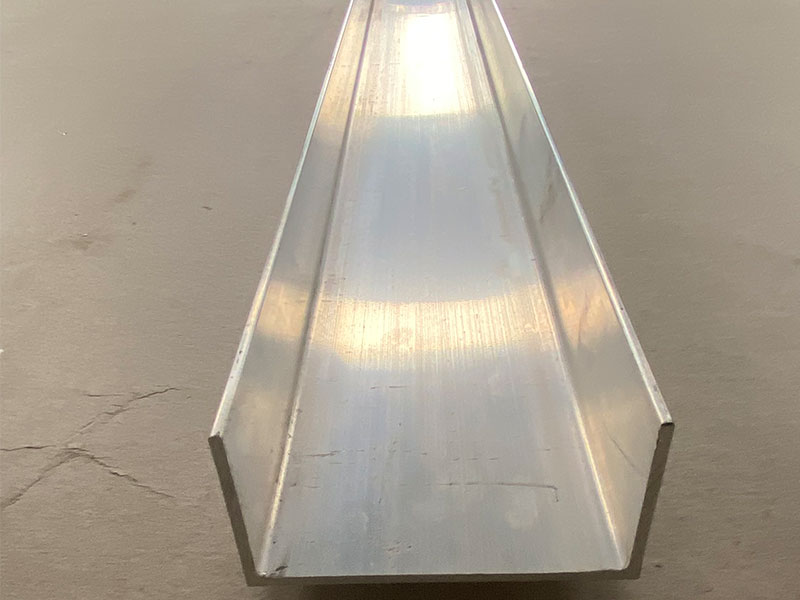
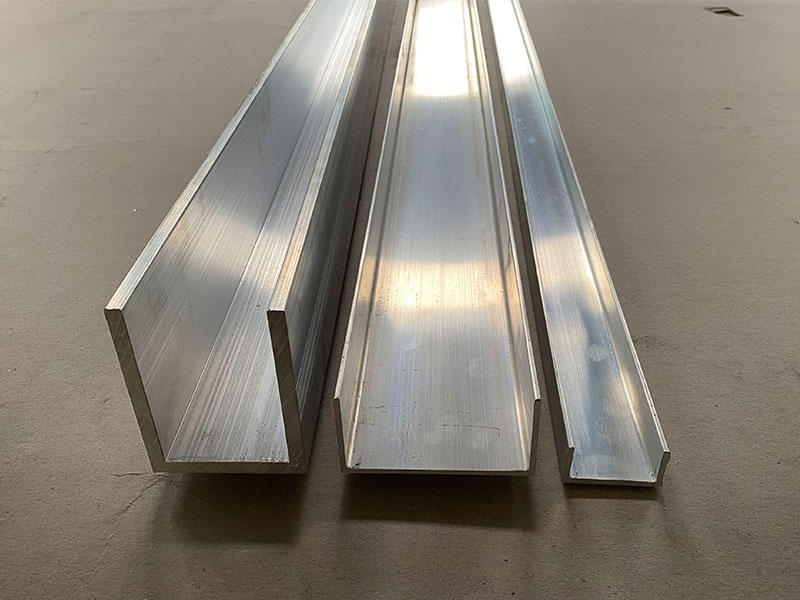
Marine aluminum channels
Marine Aluminum Channels are U-shaped aluminum profiles produced from alloys such as 5083, 5052, and 6061, known for their excellent marine corrosion resistance and superior mechanical strength.
View Details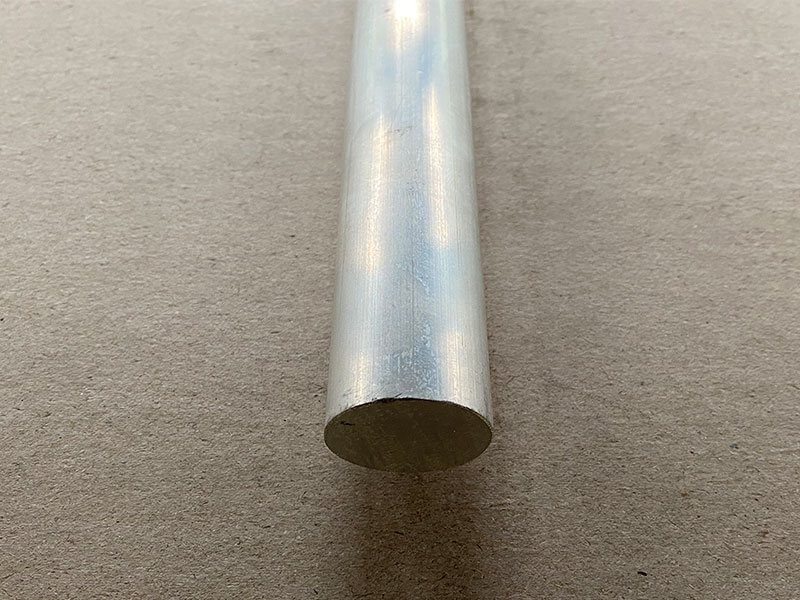
6061 marine aluminum round bar
6061 aluminum belongs to the 6xxx series alloys, alloyed primarily with magnesium and silicon. In the T6 temper, it undergoes solution heat treatment and artificial aging, resulting in enhanced mechanical properties while maintaining excellent corrosion resistance.
View DetailsRelated Blog
5083 Marine Aluminum Channels for Lightweight Marine Vessel Design
5083 Marine Aluminum Channels for Lightweight Marine Vessel Design: A Perfect Fusion of Strength, Durability, and Corrosion ResistanceIn the evolving world of marine vessel design, the quest for materials that offer unbeatable strength.
View Details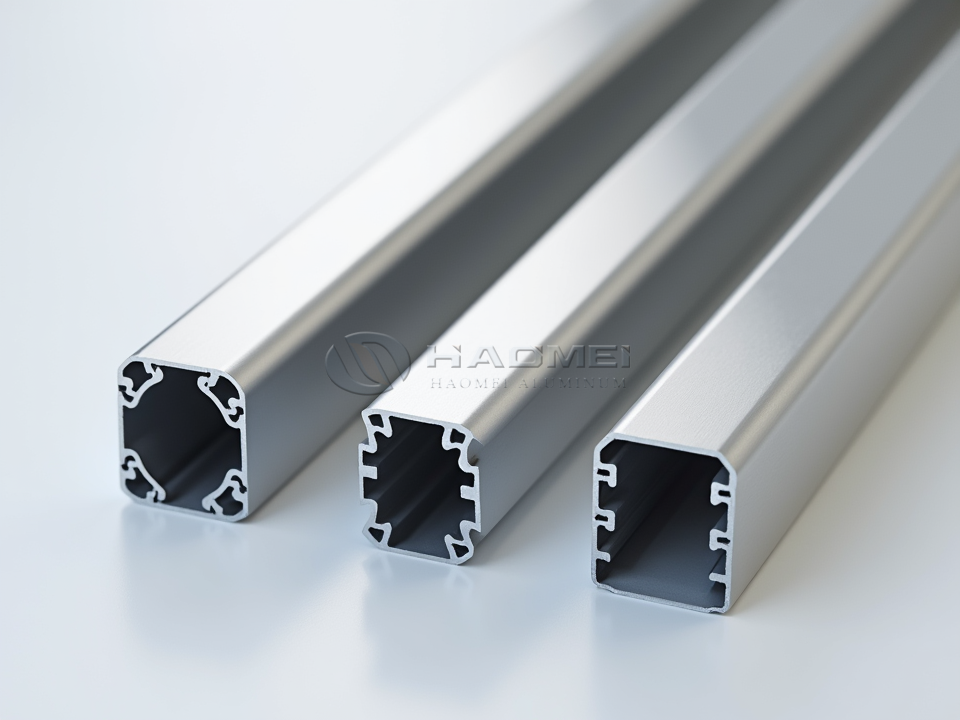
6061 Marine Aluminum I Beams for Offshore Platform Frame Design
Learn how 6061 marine aluminum I beams support offshore platform frames through weight reduction, connection planning, corrosion control, and fatigue-aware design.
View Details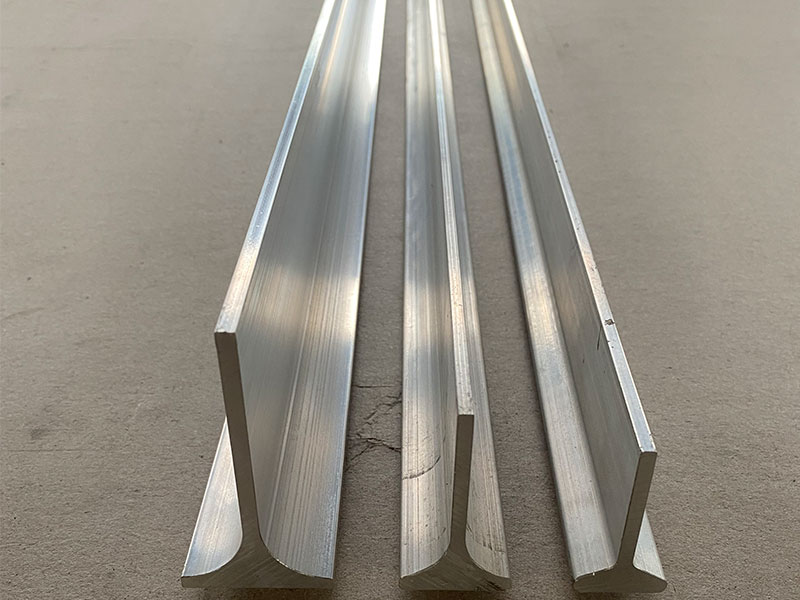
6061 Marine Aluminum Round Bar for Seawater Resistant Boat Parts
When it comes to constructing durable, lightweight, and seawater resistant boat parts, 6061 Marine Aluminum Round Bar stands out as a top choice in the marine industry.
View Details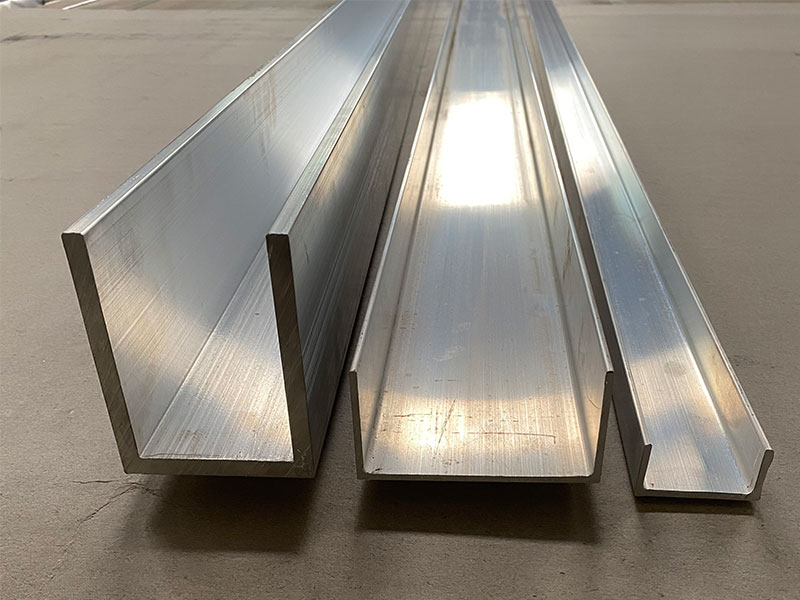
5083 Marine Aluminum Z Shaped Sections for Boat Deck Reinforcement
5083 marine aluminum Z shaped sections are purpose-built extrusions (or brake-formed profiles) used to stiffen and support boat decks where high corrosion resistance, reliable strength, and weight efficiency matter most.
View Details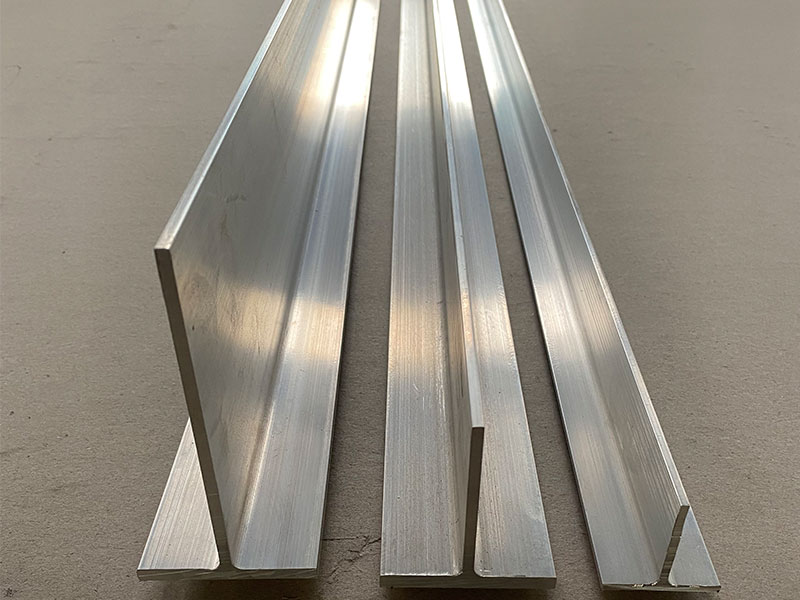
Marine Aluminum Flat Bar for Offshore Boat and Platform Reinforcement
High-performance marine aluminum flat bars engineered for offshore boat and platform reinforcement applications. Steel-like strength, corrosion resistance, and optimal composition for harsh marine environments.
View Details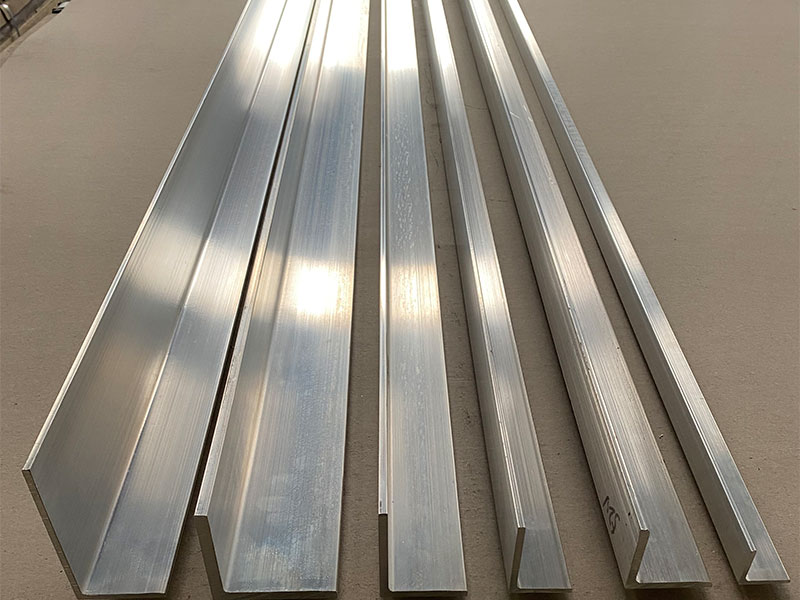
6061 Marine Aluminum I Beams for High Performance Marine Engineering
The 6061 marine aluminum I beams are a premier choice for engineers and designers in the marine industry. Renowned for their strength, corrosion resistance, and versatility, these aluminum I beams are ideal for various applications.
View Details
Leave a Message