
6061 Marine Aluminum Channels
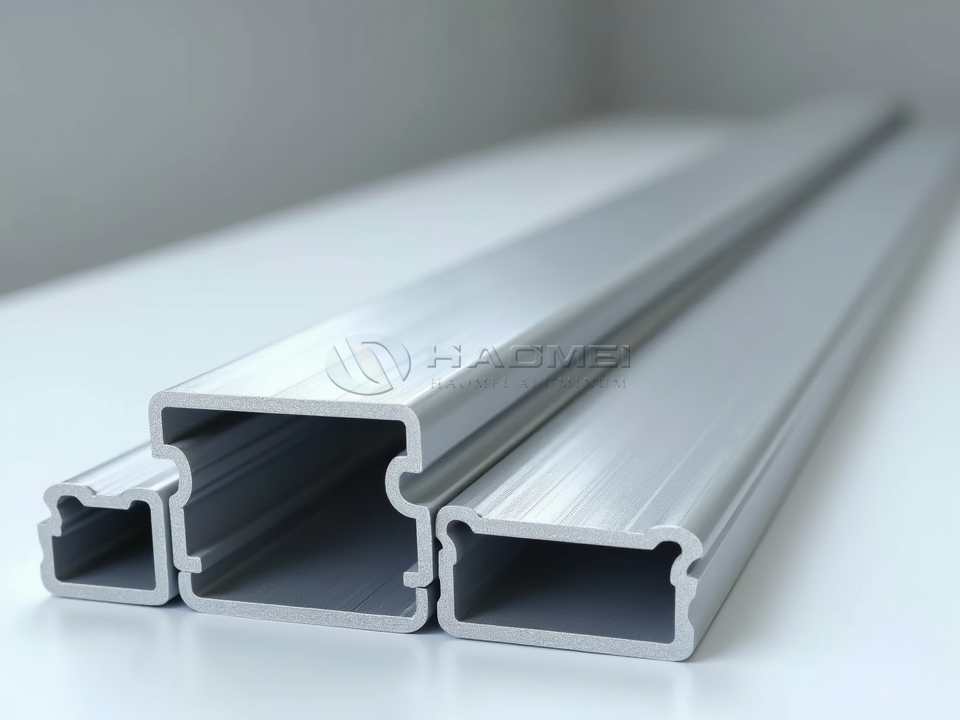
In a boatyard, every straight edge has a job. A channel may look simple, with two flanges and a web, but in marine construction it often becomes the hidden line that keeps a deck rigid, a hatch aligned, a dock frame steady, or a cabin structure from twisting under wave impact. 6061 Marine aluminum channels are valued because they combine workable strength, predictable machining, good weldability, and practical corrosion resistance in one familiar shape.
Unlike decorative trim, a 6061 channel is usually selected for load paths. It carries bending force, resists local deformation, and gives builders a clean surface for bolting, riveting, welding, or mounting accessories. For customers comparing Marine aluminum channels, 6061 is often the grade chosen when the design needs more strength than softer extrusion alloys while still remaining easy to fabricate.
Why 6061 Works Well in Marine Channel Sections
6061 is an aluminum-magnesium-silicon alloy. Its strength comes from controlled heat treatment, while its marine value comes from its balanced behavior in real service. It is not the most corrosion-resistant marine alloy in every seawater condition, but it performs very well when properly designed, drained, coated, anodized, or isolated from incompatible metals.
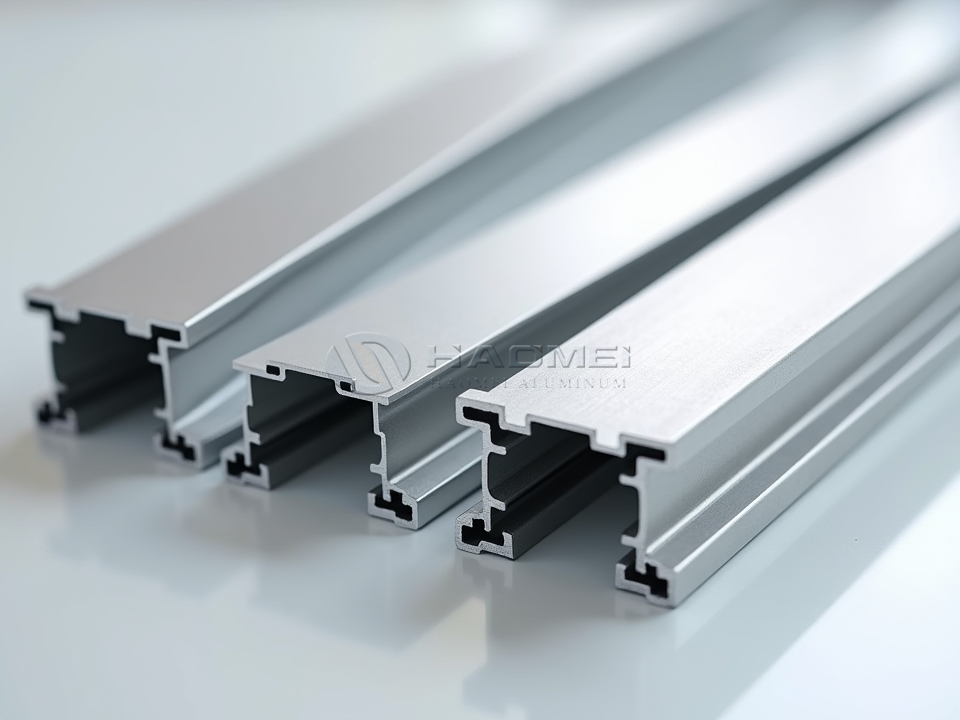
The channel shape makes 6061 even more useful. The vertical web provides stiffness, while the flanges create mounting surfaces and improve resistance to bending. Compared with a flat bar of the same weight, a channel can place more metal away from the neutral axis, giving better rigidity for frames, guides, tracks, bracing, and edge supports.
Common marine uses include deck framing, small craft structural members, hatch coamings, dock components, seat support rails, rub rail backing, transom brackets, ladder frames, equipment mounts, and interior bulkhead reinforcements. In many assemblies, channels are paired with plates, angles, or Marine Grade Aluminum Extrusions to create modular structures that are light but firm.
Typical Product Parameters
6061 Marine aluminum channels can be supplied as standard U channels, architectural channels, structural channels, or custom extruded profiles. Dimensions depend on tooling and project drawings, but buyers usually compare these practical parameters before ordering.
| Parameter | Typical Range or Value | Customer Note |
|---|---|---|
| Alloy | 6061 | Al-Mg-Si heat-treatable alloy |
| Common tempers | T5, T6, T6511, O | T6 is most common for strength |
| Shape | U channel, C channel, custom channel | Equal or unequal flanges available |
| Outer width | About 10 mm to 300 mm | Larger sizes may need custom extrusion |
| Wall thickness | About 1.5 mm to 20 mm | Thicker walls improve stiffness and weld margin |
| Standard length | 3 m, 5.8 m, 6 m, or custom cut | Export lengths often match container loading |
| Density | 2.70 g/cm³ | About one-third the density of steel |
| Elastic modulus | About 69 GPa | Important for deflection calculation |
| Surface finish | Mill finish, anodized, powder coated, brushed | Finish depends on corrosion and appearance needs |
| Processing | Cutting, drilling, CNC machining, bending with limits, welding | Bend radius should match temper and thickness |
For marine buyers, wall thickness should not be chosen by appearance alone. A thin channel may look adequate at rest but can vibrate, dent, or fatigue faster under repeated wave loading. A slightly heavier section often saves cost later by reducing supports, fasteners, and maintenance.
Temper Selection: T6 Is Strong, O Is Formable
Temper is the condition that tells how the alloy was heat treated or mechanically processed. In 6061 channels, temper can be as important as the alloy name.
6061-T6 is solution heat treated and artificially aged. It offers high strength, good dimensional stability, and reliable machining performance. It is widely used for marine frames, support rails, dock structures, and bolted assemblies.
6061-T5 is cooled from an elevated forming process and artificially aged. It is common in extrusion production and gives useful strength, though usually lower than T6. It can be suitable for moderate-duty profiles where shape and surface finish are priorities.
6061-T6511 is stress relieved by stretching after heat treatment. This condition is helpful when channels require closer straightness, better machining stability, or reduced internal stress after cutting.
6061-O is annealed and soft. It is chosen when forming is needed before final strengthening. For a channel that must be bent or shaped heavily, O temper may reduce cracking risk, but it will not provide T6-level strength unless a suitable heat treatment route is applied afterward.
Welding changes the temper near the weld. In the heat-affected zone, 6061-T6 loses some strength, so designers often allow larger sections, gussets, or post-weld treatment when high loads are present. This is normal behavior and should be planned rather than discovered during service.
Mechanical and Physical Properties
Values vary with standard, section thickness, production method, and test direction. The table shows common reference values for 6061-T6 extruded channels.
| Property | Typical Value |
|---|---|
| Ultimate tensile strength | About 260-310 MPa |
| Yield strength | About 240-275 MPa |
| Elongation | About 8-12% |
| Brinell hardness | About 95 HB |
| Shear strength | About 205 MPa |
| Fatigue strength | About 95 MPa |
| Thermal conductivity | About 167 W/m·K |
| Electrical conductivity | About 40% IACS |
| Melting range | About 582-652°C |
| Coefficient of thermal expansion | About 23.6 µm/m·K |
These numbers explain why 6061 channels are popular in boats and docks. The alloy is stiff enough for structural use, light enough for fuel efficiency and easier installation, and conductive enough to dissipate heat around some equipment mounts. It also machines cleanly, which helps when precise holes, slots, countersinks, or end cuts are required.
Chemical Composition of 6061 Aluminum
The chemistry of 6061 is controlled to create a balance between strength, corrosion behavior, and extrudability. Magnesium and silicon form Mg2Si, the main strengthening phase after heat treatment. Chromium helps control grain structure and improves toughness characteristics.
| Element | Composition Range, % |
|---|---|
| Silicon, Si | 0.40-0.80 |
| Iron, Fe | 0.70 max |
| Copper, Cu | 0.15-0.40 |
| Manganese, Mn | 0.15 max |
| Magnesium, Mg | 0.80-1.20 |
| Chromium, Cr | 0.04-0.35 |
| Zinc, Zn | 0.25 max |
| Titanium, Ti | 0.15 max |
| Other elements, each | 0.05 max |
| Other elements, total | 0.15 max |
| Aluminum, Al | Balance |
The copper content improves strength but means 6061 should be protected carefully in aggressive saltwater exposure, especially when in contact with stainless steel, carbon steel, brass, or copper alloys. Use insulating washers, sealants, coatings, or proper galvanic design to extend service life.
Standards and Acceptance Conditions
6061 Marine aluminum channels are commonly produced and inspected according to international aluminum extrusion and marine-related requirements. Typical references include ASTM B221 for aluminum and aluminum-alloy extruded bars, rods, wire, profiles, and tubes; ASTM B308/B308M for structural aluminum alloy 6061-T6 standard shapes; EN 755 for extruded rod, bar, tube, and profiles; EN 573 for chemical composition; EN 515 for temper designations; and ISO 6362 for wrought aluminum extruded products.
For marine projects, classification society rules may also apply depending on the vessel type and inspection scope. ABS, DNV, BV, LR, CCS, or other marine approval requirements should be confirmed before production if the channels are used in certified structural areas.
Purchase conditions often include alloy and temper certificate, chemical composition report, mechanical test report, dimensional tolerance inspection, straightness inspection, surface quality check, and packaging suitable for sea transport. For anodized or coated channels, film thickness, color tolerance, adhesion, and salt spray expectations should be agreed in advance.
Fabrication Notes from the Workshop Floor
6061 channels cut cleanly with carbide tools and can be drilled or milled without unusual difficulty. Sharp tools, proper clamping, and chip evacuation help maintain accurate holes and clean edges. When bolting channels into marine assemblies, elongated holes may be used where thermal expansion or hull movement is expected.
Welding is commonly performed with 4043 or 5356 filler, depending on strength, color match after anodizing, and service requirements. 5356 is often preferred where higher weld strength and marine exposure are concerns, while 4043 offers good fluidity and lower cracking tendency. The final choice should match the design code and finish requirements.
Surface protection should match the environment. Mill finish is acceptable for many indoor or freshwater uses, but anodizing, powder coating, marine paint systems, or passivation-style cleaning can greatly improve appearance and durability in coastal service. Drainage is also essential. A channel that traps saltwater behaves very differently from one that sheds water quickly.
How to Choose the Right 6061 Marine Aluminum Channel
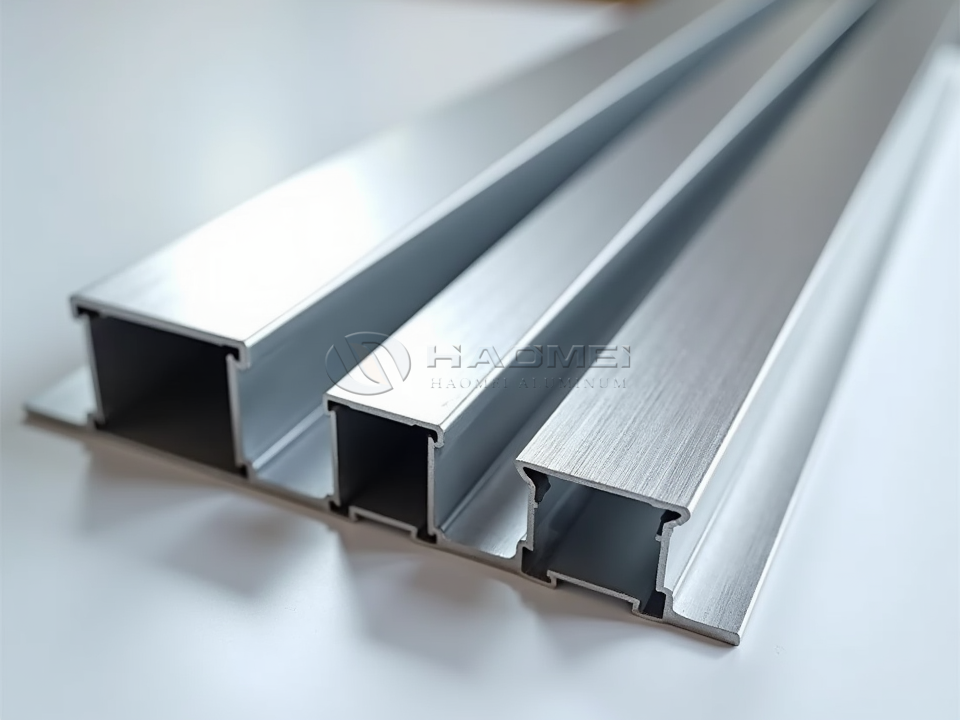
A good selection starts with load, span, fastening method, and exposure. If the channel supports decking, deflection may control the design more than strength. If it holds equipment, hole placement and local bearing stress matter. If it runs along a dock edge, impact resistance and coating thickness may be more important than a small weight saving.
Customers should provide drawings when possible, including outside width, inside width, flange height, wall thickness, length, radius requirements, temper, surface finish, tolerance, and end-use environment. If drawings are not available, samples or application photos can help engineers recommend a practical profile.
6061 Marine aluminum channels are not just stock shapes. They are structural lines that help a marine product stay straight, light, and serviceable. When alloy, temper, surface finish, and fastening design work together, this simple U-shaped profile becomes one of the most dependable parts in modern aluminum boat and dock construction.

Related Products
Marine aluminum I-beams
Marine Aluminum I-Beams feature the traditional “I” cross-sectional profile fabricated from marine-grade aluminum alloys like 5083, 5086, and 6061. These alloys are renowned for their outstanding corrosion resistance, especially in saltwater and marine atmospheres, making them ideal for offshore and naval construction.
View Details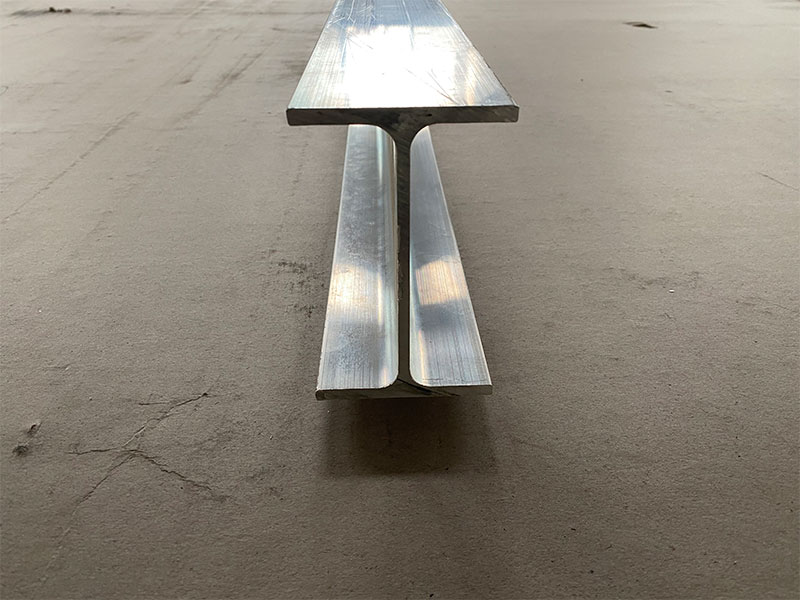
Marine aluminum Z-shaped sections
Marine Aluminum Z-shaped Sections are fabricated from premium marine-grade aluminum alloys such as 5083, 5052, and 6061. These alloys are well-regarded for their superior corrosion resistance in seawater and marine atmospheres, along with good mechanical strength and excellent weldability.
View Details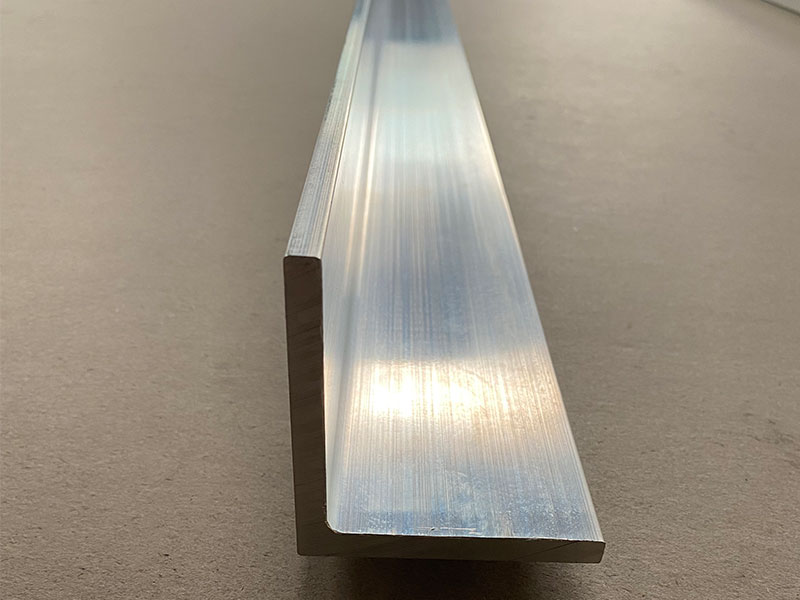
Marine aluminum angles
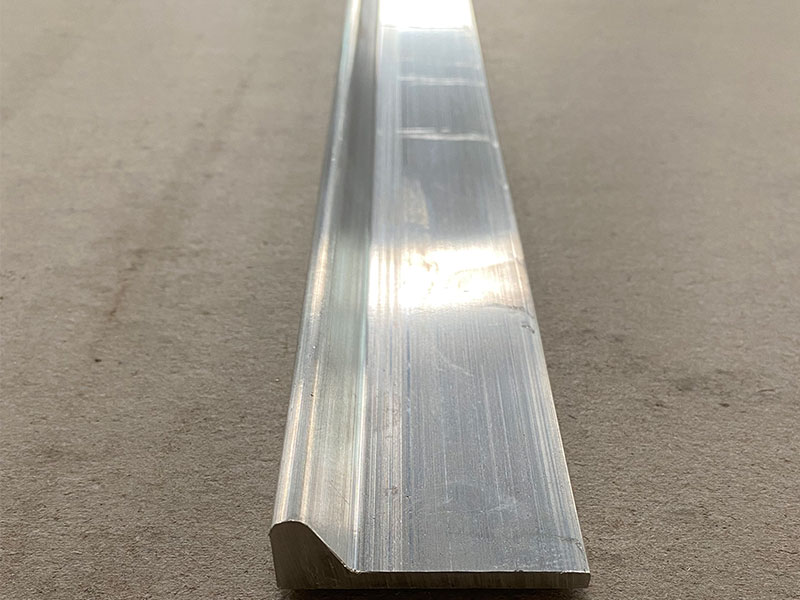
Marine Aluminum Angles are L-shaped cross-sectional aluminum profiles produced from marine-grade aluminum alloys such as 5083, 5052, and 6061.
View Details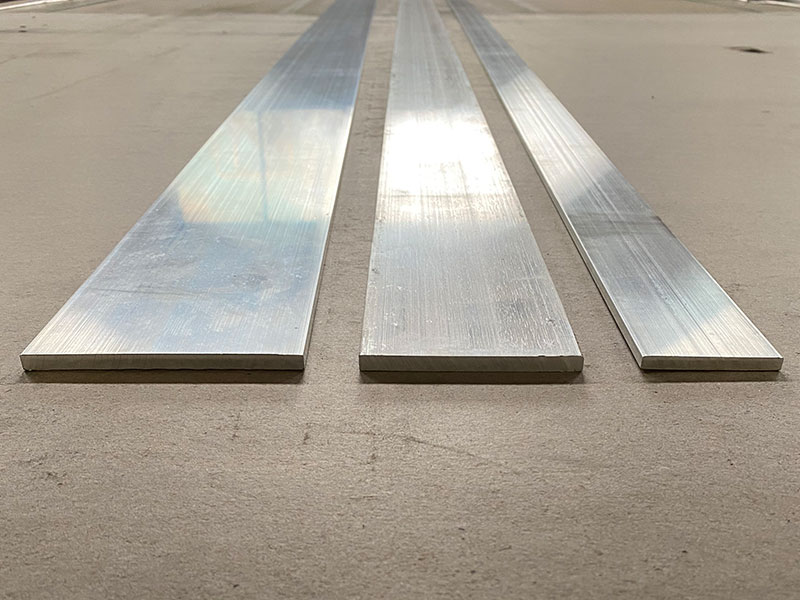
6061 T6 marine aluminum flat bar
6061 aluminum is classified as a heat-treatable 6xxx series alloy, alloyed primarily with magnesium and silicon. The T6 temper designation indicates that the flat bar has been solution heat-treated and artificially aged to achieve optimum strength and hardness.
View Details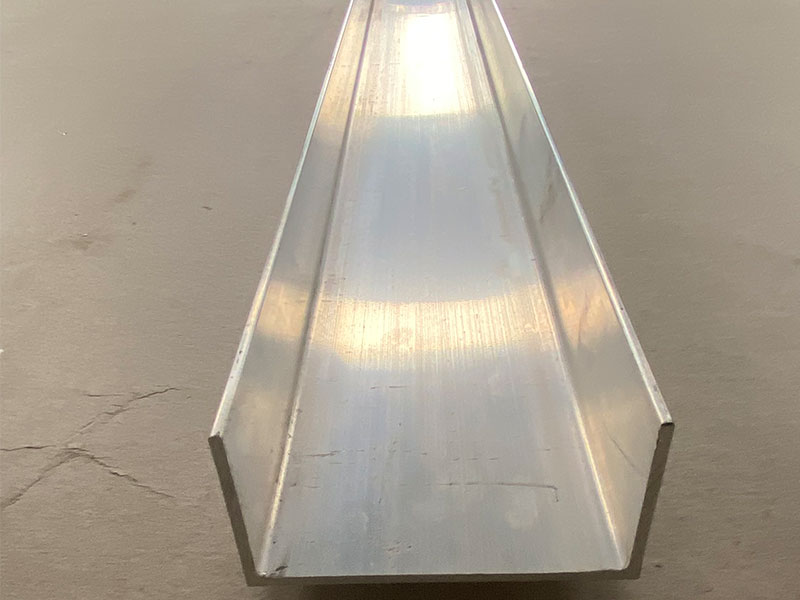
Marine aluminum channels
Marine Aluminum Channels are U-shaped aluminum profiles produced from alloys such as 5083, 5052, and 6061, known for their excellent marine corrosion resistance and superior mechanical strength.
View Details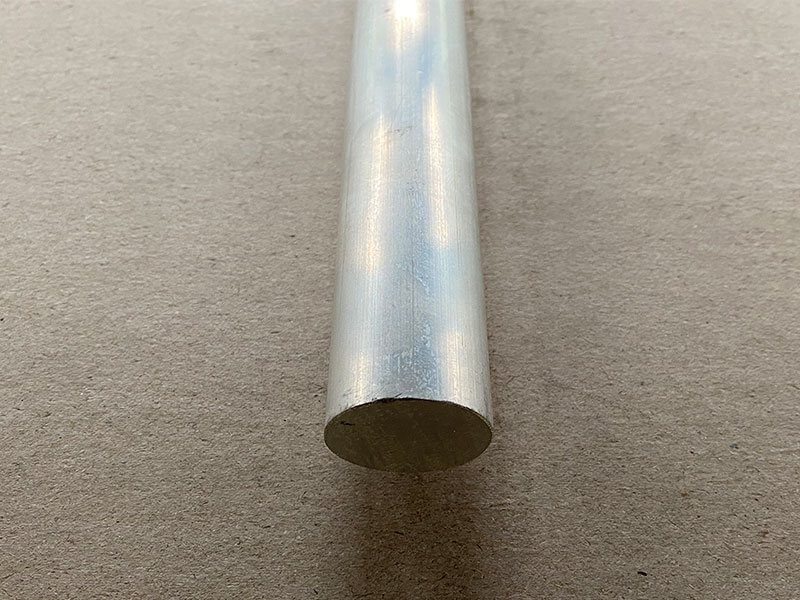
6061 marine aluminum round bar
6061 aluminum belongs to the 6xxx series alloys, alloyed primarily with magnesium and silicon. In the T6 temper, it undergoes solution heat treatment and artificial aging, resulting in enhanced mechanical properties while maintaining excellent corrosion resistance.
View DetailsRelated Blog
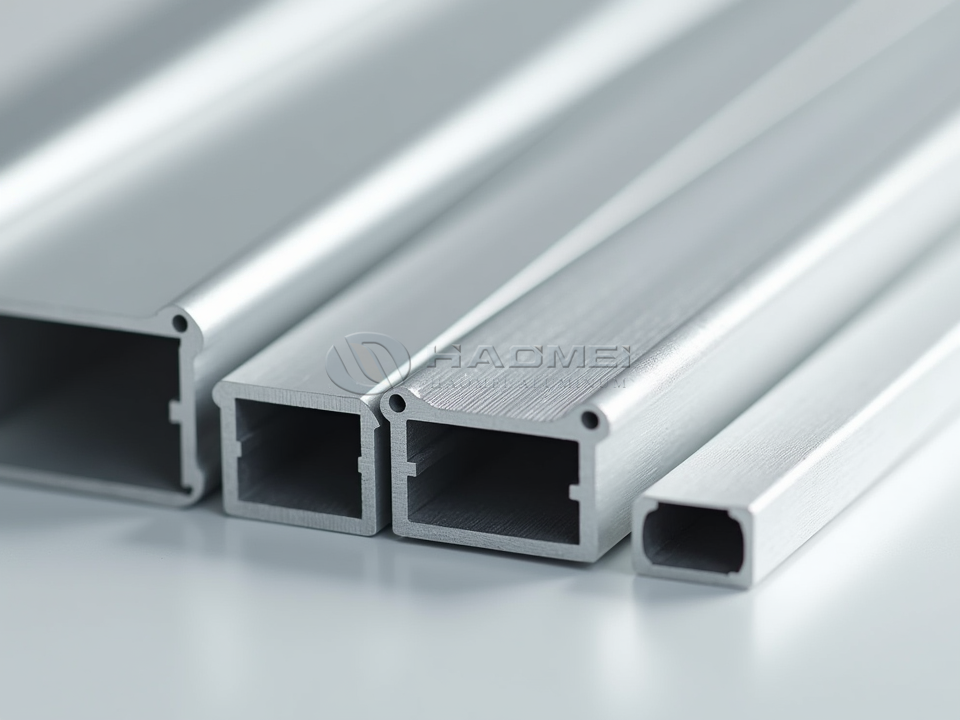
5086 Marine Aluminum I Beams for Custom Coastal Marine Construction
Explore 5086 marine aluminum I beams for coastal structures, including alloy chemistry, tempers, standards, fabrication guidance, and corrosion performance.
View Details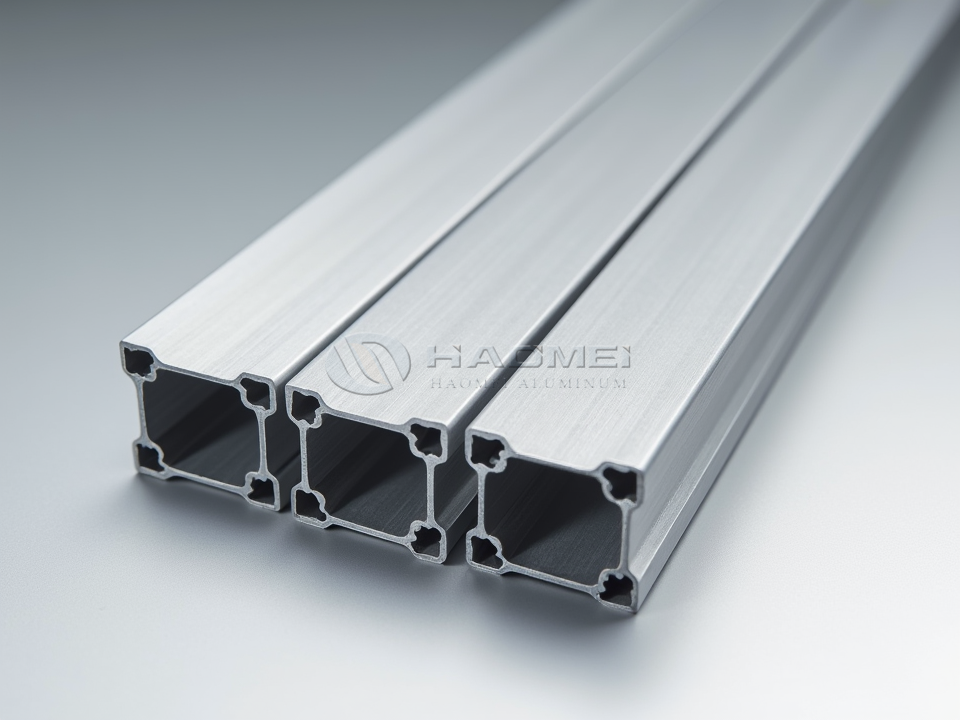
5052 Marine Aluminum Channels
5052 marine aluminum channels offer strong corrosion resistance, clean fabrication, weldability, and stable performance for boats, docks, and coastal structures.
View Details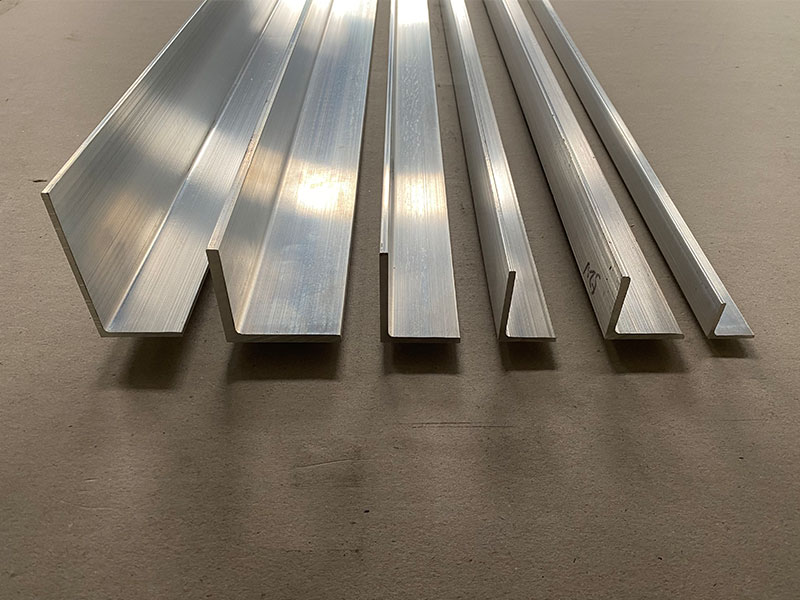
5086 Marine Aluminum I Beams for Custom Marine Vessel Design
Aluminum 5086 is a high-strength, corrosion-resistant alloy strategically engineered for marine applications. Its benefits, such as excellent real-world longevity and ease of customization, make it a favored choice for shipbuilding or repair processes.
View Details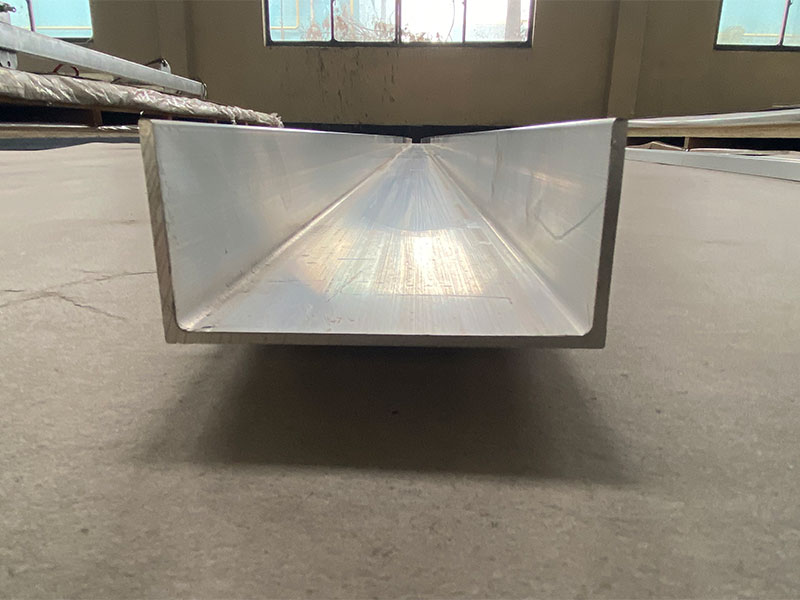
5083 Marine Aluminum Angles for Heavy Duty Offshore Boat Hulls
In the demanding world of offshore marine engineering, selecting the right materials for constructing boat hulls is critical.
View Details
5083 Marine Aluminum Z Shaped Sections for Durable Marine Deck Design
5083 marine aluminum Z-shaped sections are characterized by their high-strength properties, exceptional corrosion resistance, and light-weight nature, making them ideal for a range of marine applications, particularly in deck design.
View Details
5083 Marine Aluminum Z Shaped Sections for Custom Marine Boat Parts
When it comes to constructing durable, lightweight, and corrosion-resistant components for marine vessels, material selection is crucial. 5083 Marine Aluminum Z Shaped Sections offer an optimal combination of strength, formability.
View Details
Leave a Message