
Marine Aluminum Round Tubes
Marine aluminum round tubes are often chosen for their clean appearance, low weight, and easy handling. Yet on a working boat, a tube is much more than a polished rail or a convenient support. It is a load path, a corrosion boundary, a vibration member, and sometimes the first component to reveal whether a fabrication job was planned for real saltwater service.
A useful way to select round tubing is to picture its daily life rather than viewing it only as a line in a material specification. Will it carry a leaning angler's weight? Support a hardtop that shakes in chop? Form a radar arch exposed to spray? Carry wiring inside a T-top leg? The answers determine the right alloy, temper, diameter, wall thickness, finish, and joining method.
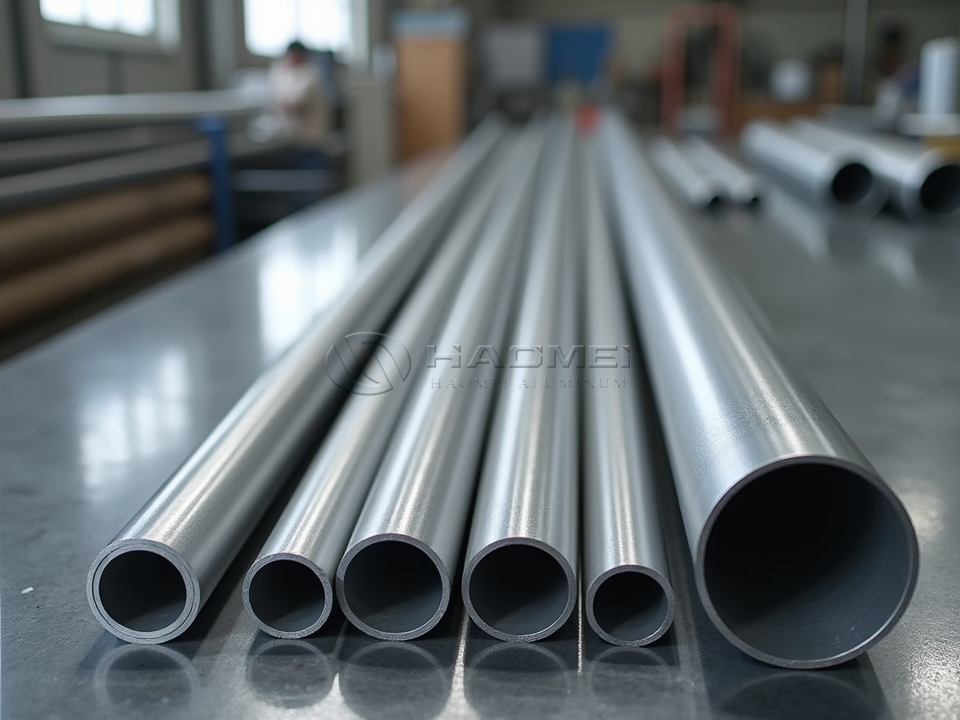
Why the Round Shape Works So Well Afloat
A round tube spreads force evenly around its circumference. Unlike a flat bar, it has no sharp corners that concentrate stress, and unlike a solid rod, it delivers excellent stiffness without unnecessary weight. This balance is why round marine tubing is common in handrails, boarding rails, bimini frames, wake towers, canopy supports, rod holders, ladders, and console grab bars.
The curved profile also helps water shed from the surface. That does not make the tube immune to corrosion, but it reduces the damp debris traps that can develop around square corners, lap joints, and poorly sealed crevices. For exposed structures, smooth round tubing is also easier to wash, inspect, polish, and protect.
For customers comparing forms, Marine Grade Aluminum Tubing should be selected by the job it performs, not simply by what is available in a familiar diameter. A lightweight windshield frame and a heavily loaded roof support may both look similar, but their strength and fatigue demands are very different.
Alloy Choice Starts with the Fabrication Plan
In marine fabrication, 6061 and 6063 are frequent choices for round tubes. They are not interchangeable merely because both are aluminum alloys.
6061-T6 is widely used where strength matters. It is a practical material for structural rails, frames, towers, supports, brackets, and fabricated assemblies. It machines well and can provide a robust result when the design includes proper bends, gussets, mounting plates, and drainage. However, welding 6061-T6 reduces strength in the heat-affected zone. A rail may still be entirely suitable after welding, but the fabricator must account for that local reduction instead of assuming the original T6 strength continues through every welded joint.
6063-T5 or 6063-T6 is often preferred when appearance, extrusion quality, smooth bending, and anodized finish are priorities. It is popular for decorative rails, trim-oriented structures, and applications where a refined surface matters. Its strength is generally lower than 6061, so it is best used where the loading is understood and the design does not depend on maximum structural capacity.
5083, 5086, and 5052 are recognized for strong corrosion resistance in marine environments. These alloys are more common in sheet, plate, and certain tube or pipe applications, especially where welding and prolonged exposure to seawater are major considerations. Product form availability can vary, so the desired alloy should be confirmed alongside dimensions, temper, and manufacturing method.
Diameter and Wall Thickness Tell the Real Story
Buyers sometimes focus on outside diameter because it is visible and simple to measure. Wall thickness deserves equal attention. A large tube with a very thin wall may feel rigid over a short span but can dent, buckle near fittings, or fatigue at a highly loaded base. A slightly smaller tube with a heavier wall can be the better choice for a compact but demanding installation.
For handrails, a comfortable grip size is important, but the mounting layout is usually more important than increasing tube diameter alone. Closely spaced, well-designed stanchions reduce leverage on both the rail and the deck attachment. For hardtop legs or tower members, span length, side loading, wind force, equipment weight, and vibration all affect the wall requirement.
Ask for clear dimensional information: outside diameter, inside diameter, wall thickness tolerance, straightness, length tolerance, and whether the tube is seamless or extruded. If a fitting must slide over the tube, or an internal wire chase must pass a connector, a small dimensional mismatch can stop installation before the boat ever reaches the water.
Corrosion Is Usually a System Problem
Aluminum naturally develops an oxide layer, but marine corrosion often begins where that protection is compromised by design details. Stainless fasteners, copper-containing materials, wet foam, salt deposits, trapped water, and dissimilar-metal contact can all create trouble.
A bright tube mounted with bare stainless hardware can suffer galvanic corrosion if moisture and salt bridge the two metals. Use nonconductive isolation washers, sleeves, sealants, or purpose-designed insulating materials where appropriate. Seal penetrations in a way that blocks water entry without creating a permanently wet cavity. Drainage holes should be placed thoughtfully, especially at the base of rails and vertical supports.
Powder coating, paint, polishing, and anodizing can improve appearance and add protection, but no finish compensates for poor isolation or neglected washing. Anodized 6063 tubing is attractive for visible installations, while bare or polished 6061 may suit fabricated structures. In either case, freshwater rinsing after salt exposure is one of the simplest maintenance habits with the greatest value.
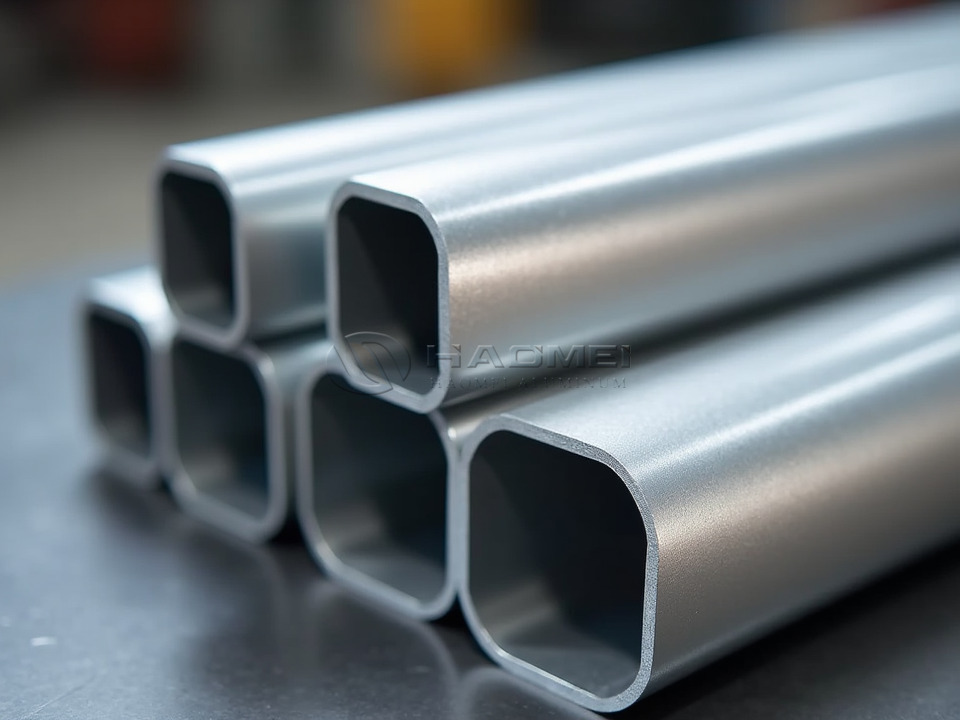
Bends, Welds, and Fittings Need Room to Work
A round tube can look seamless in a finished boat structure, but the quality of the bends and connections decides how it will age. Tight bends may flatten the tube, thin the outside wall, or leave ripples that weaken appearance and performance. Use a bend radius compatible with the tube diameter, wall, alloy, and temper. When appearance is critical, test bends on sample material before committing to a production run.
Welded joints should be clean, correctly prepared, and positioned where water will not sit against the weld toe. After welding, remove residue, clean the surface, and inspect for incomplete fusion, porosity, undercut, or distortion. Where possible, use sleeves, gussets, or internal reinforcement at high-load intersections rather than relying on a neat-looking weld alone.
Mechanical fittings are useful for modular rails and removable structures, but they must fit the actual tube dimensions. Avoid forcing a nominal-size fitting onto tubing with an incompatible inside or outside diameter. Fasteners should be selected for marine exposure and isolated from aluminum as needed.
Buying Tubes for the Finished Installation
The best purchase order describes the final use rather than merely requesting "aluminum pipe." In marine work, pipe and tube can follow different sizing conventions. Pipe is commonly designated by nominal pipe size and schedule, while tube is specified by actual outside diameter and wall thickness. Confusing the two can produce components that do not fit clamps, elbows, bases, or fabricated brackets.
For a project needing bent rails, welded supports, and precise fittings, specify the alloy and temper, actual dimensions, length, finish, surface condition, and intended fabrication process. State whether the tubing will be polished, anodized, powder coated, bent, welded, or exposed directly to salt spray. Those details help prevent a material choice that looks correct on paper but performs poorly in service.
When the project calls for a round profile, Marine aluminum round tubes provide a versatile foundation for structures that must remain light, strong, comfortable to handle, and visually clean. The best result comes from matching the tube to the loads, connections, and maintenance conditions it will face after installation.
A Tube That Stays Trustworthy
A well-selected marine tube should not demand attention every week. It should feel solid under a hand, remain straight under normal use, resist staining around fittings, and continue to look intentional after seasons of sun, spray, vibration, and washdowns.
That outcome is rarely determined by alloy alone. It comes from a sound combination of material grade, wall thickness, carefully planned joints, corrosion isolation, drainage, finish, and realistic fabrication practices. Treat round aluminum tubing as part of a complete marine system, and it can deliver long service with far less weight and maintenance than many alternative materials.

Related Products
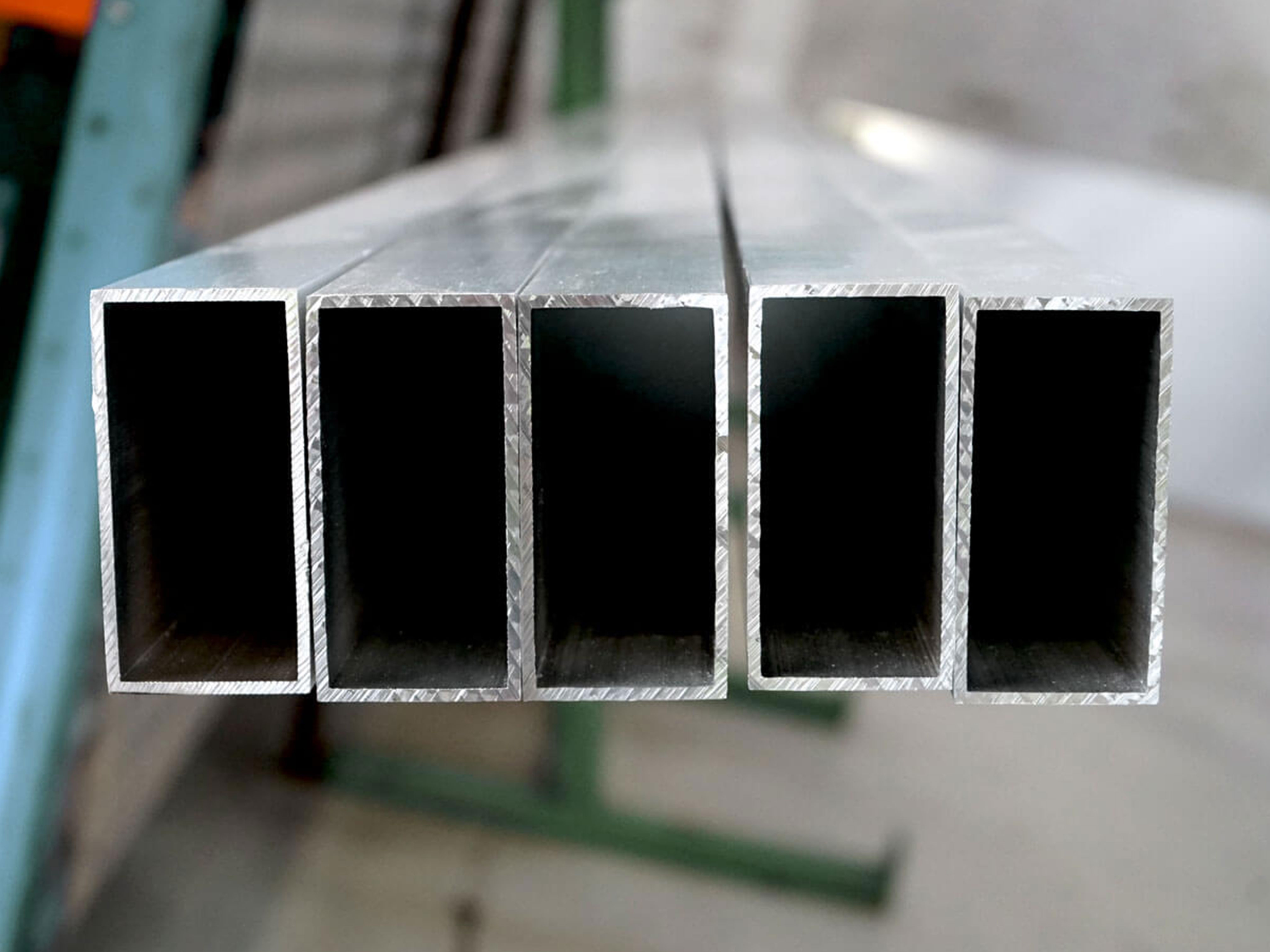
Marine aluminum rectangular tubes
Marine Grade Aluminum Rectangular Tubes are made from high-performance alloys such as 5083, 5052, 6061, and 6082. These alloys are renowned for their ability to resist corrosive seawater and marine atmospheres while providing excellent mechanical strength and toughness.
View Details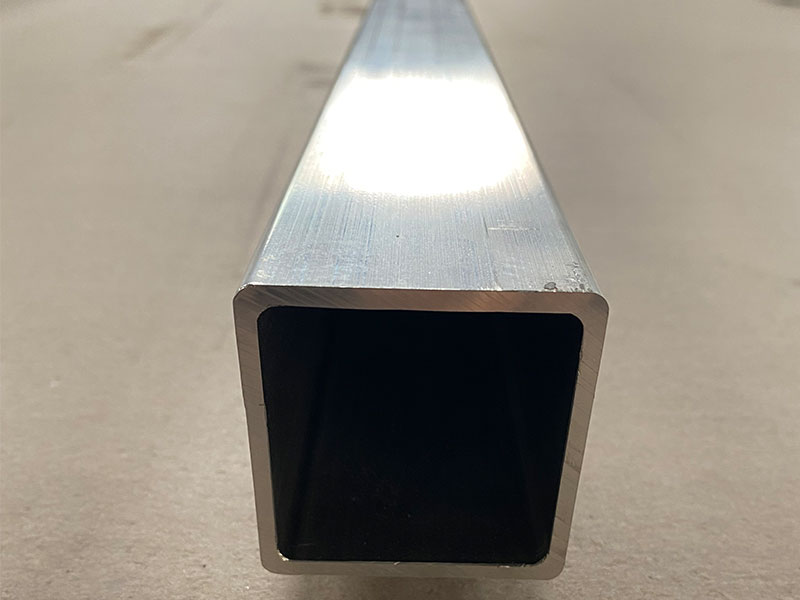
Marine aluminum square tubes
Marine Grade Aluminum Square Tubes are typically constructed from marine-grade alloys such as 5083, 5052, 6061, and 6082—well-known for their ability to withstand the aggressive effects of saltwater and marine atmospheres.
View Details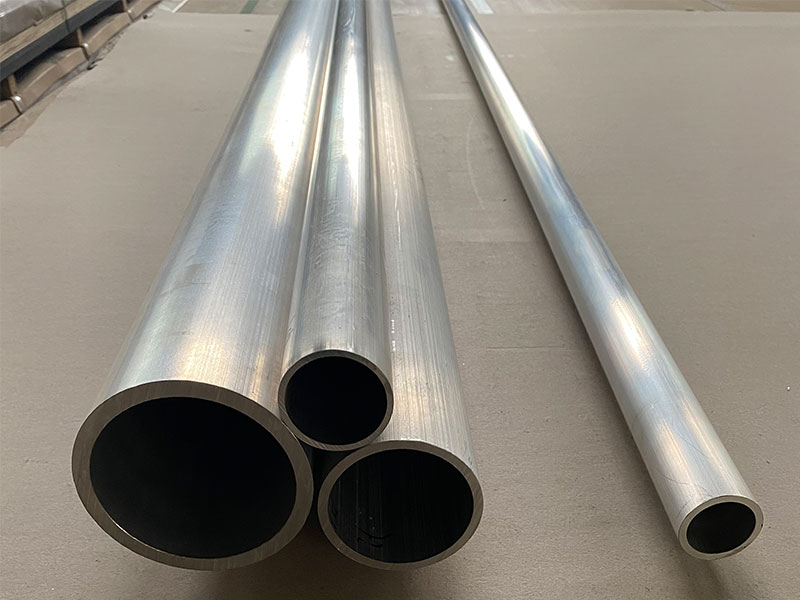
Marine aluminum round tubes
Marine Grade Aluminum Round Tubes are manufactured from premium marine alloys such as 5083, 5052, 6061, and 6082, all selected for their proven resistance to seawater corrosion and marine atmosphere degradation.
View Details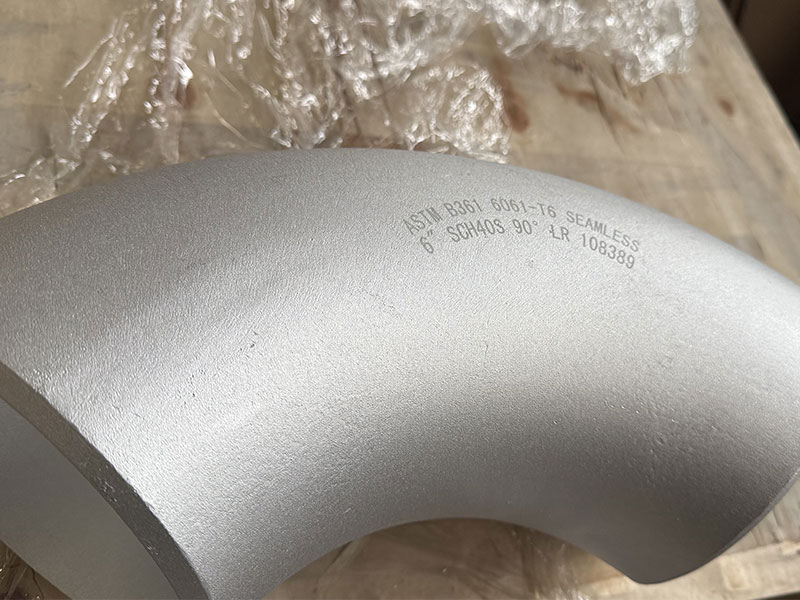
6061-T6 90-Degree Marine Aluminum Pipe Elbow
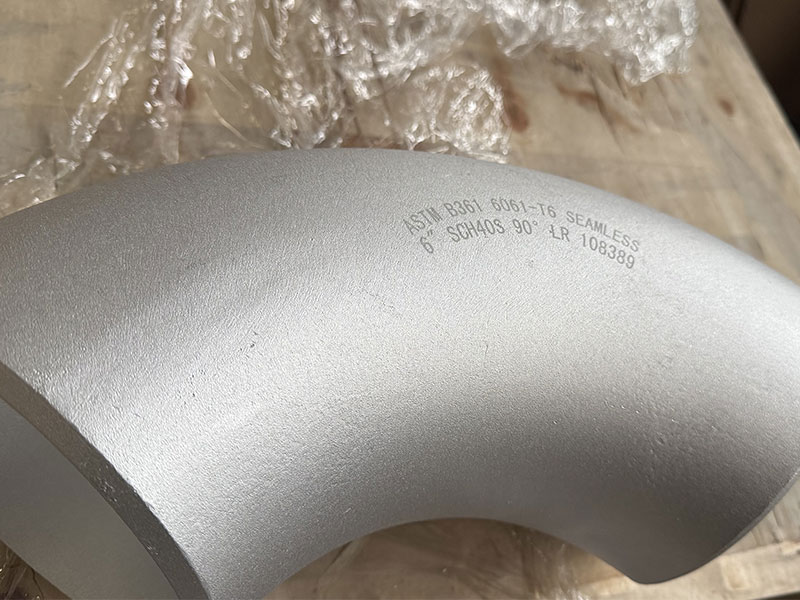
Manufactured from premium 6061-T6 marine-grade aluminum alloy, this elbow fitting is engineered to provide reliable and efficient pipe direction changes within shipbuilding, offshore platforms, and marine infrastructure systems.
View Details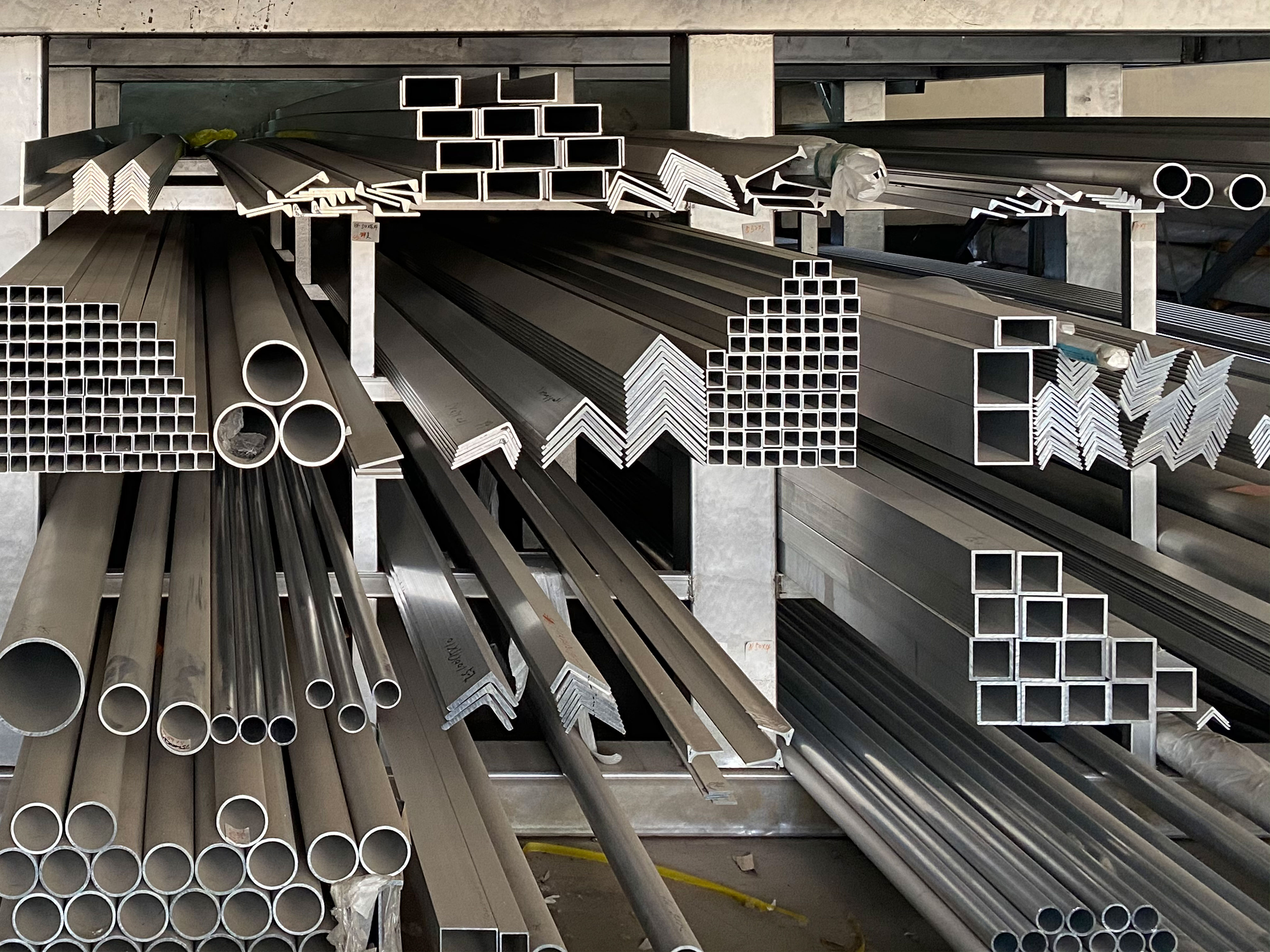
Custom marine aluminum profile tubes
Custom Marine Grade Aluminum Profile Tubes are manufactured from premium marine aluminum alloys such as 5083, 5052, 6061, and 6082.
View DetailsRelated Blog
Aluminum Pipe Elbow for Shipboard Refrigeration Lines
In the world of marine refrigeration systems, maintaining integrity, durability, and corrosion resistance is critical to ensure onboard equipment functions on long sea voyages.
View Details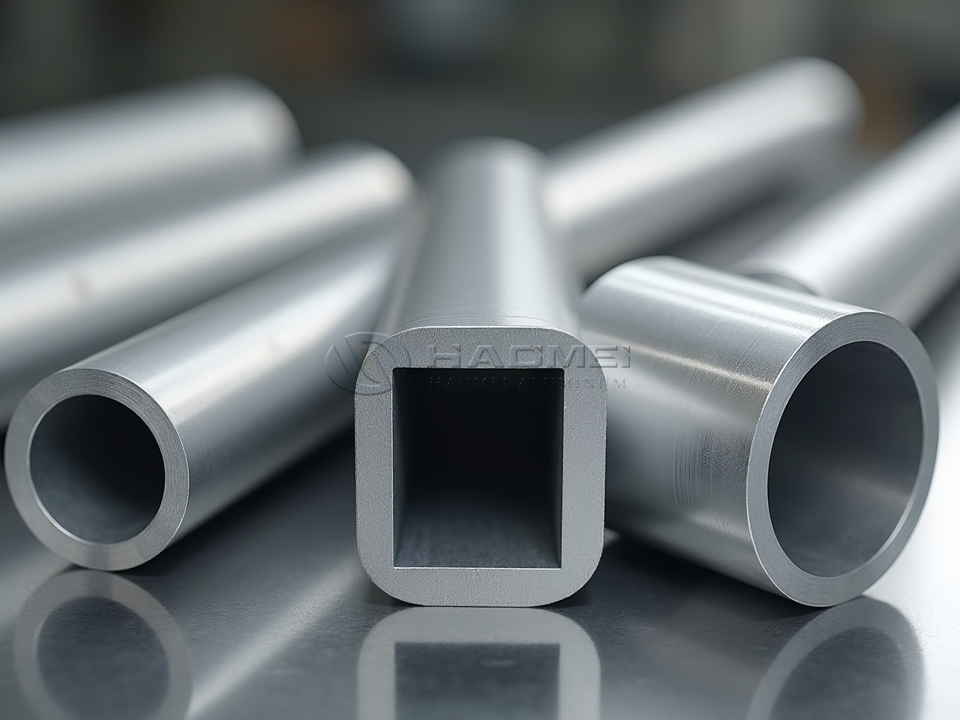
Marine Aluminum Elbow for Shipboard Fire Suppression and Safety Systems
How marine aluminum elbows protect ship fire lines through alloy choice, low weight, corrosion control, clean flow, and dependable fit at sea.
View Details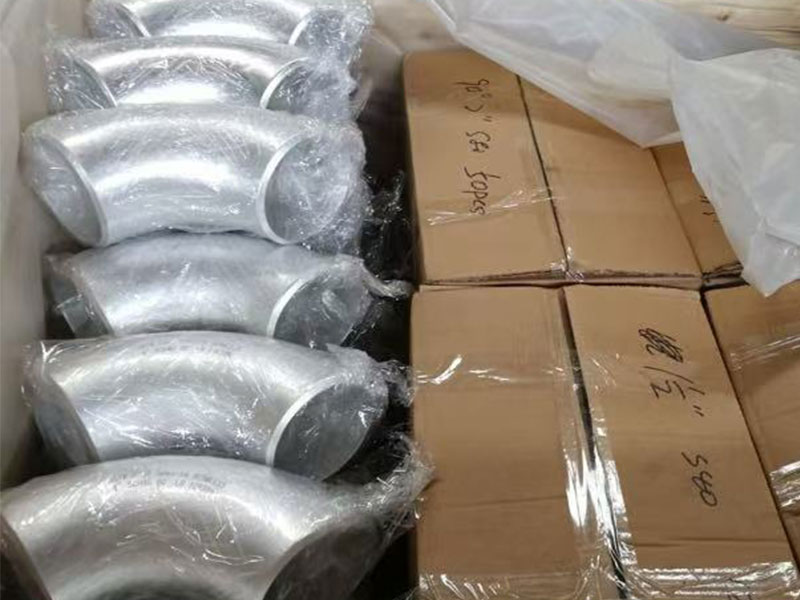
Marine Aluminum Tubes for Nautical Equipment Manufacturing
Marine aluminum tubes stand at the forefront of nautical equipment manufacturing due to their exceptional range of properties, which make them indispensable in the marine industry.
View Details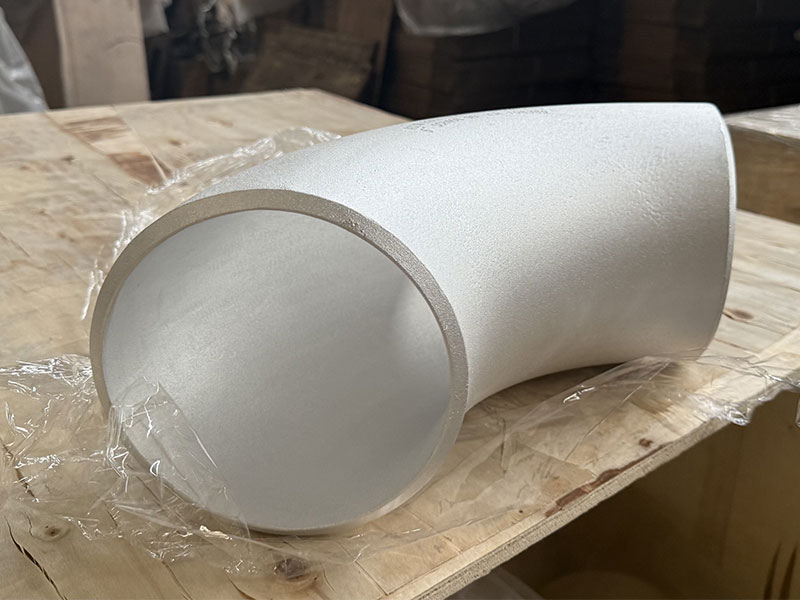
90 Degree Marine Aluminum Elbow for Exhaust Systems
The 90 Degree Marine Aluminum Elbow for Exhaust Systems is a precision-formed bend designed specifically for marine engine and generator exhaust lines.
View Details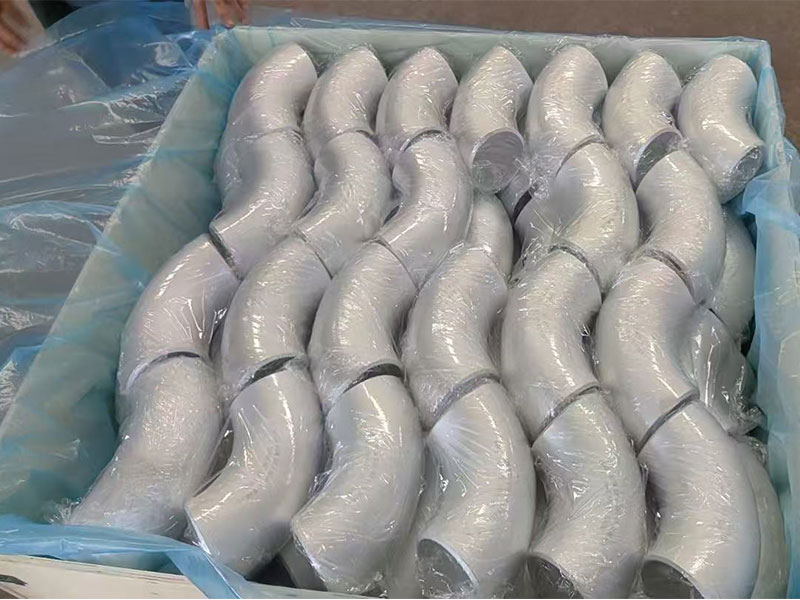
Marine Aluminum Pipe Elbow for Emergency Fire Suppression Lines
In the domain of marine safety systems, reliability and durability are paramount. Among the essential components in fire suppression systems onboard ships and offshore platforms is the Marine Aluminum Pipe Elbow used in emergency fire suppression lines.
View Details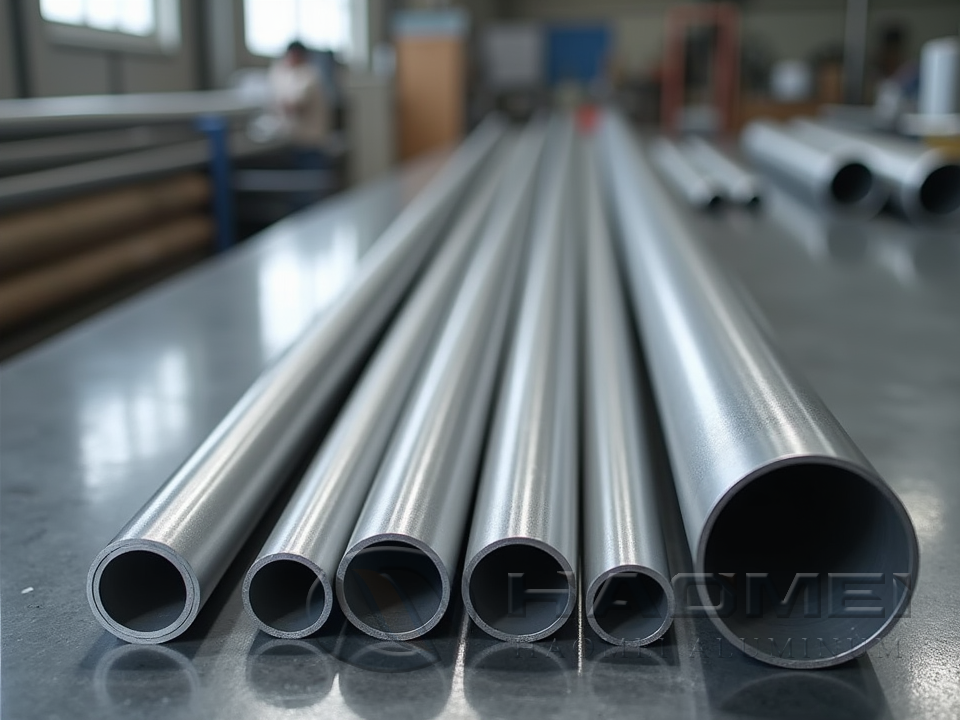
Aluminum Elbow for Marine Boiler Feedwater and Circulation Systems
Marine aluminum elbows for boiler feedwater and circulation lines, covering alloys, tempers, standards, service limits, welding, and corrosion control.
View Details
Leave a Message