
Marine Aluminum Tubing
Marine aluminum tubing is a lightweight structural material engineered for boats, docks, offshore platforms, access systems, and coastal equipment. It combines a high strength-to-weight ratio with dependable resistance to saltwater exposure, making it an effective alternative to heavier steel tubing in many fabricated structures. From a polished handrail to a load-bearing T-top frame, the correct alloy, temper, section shape, and finish directly influence service life.
Aluminum naturally forms a dense oxide layer that helps protect the base metal. In marine service, however, salt deposits, standing water, crevice conditions, and contact with dissimilar metals can still create corrosion risks. Proper material selection and fabrication practices are therefore as important as the tube dimensions themselves.
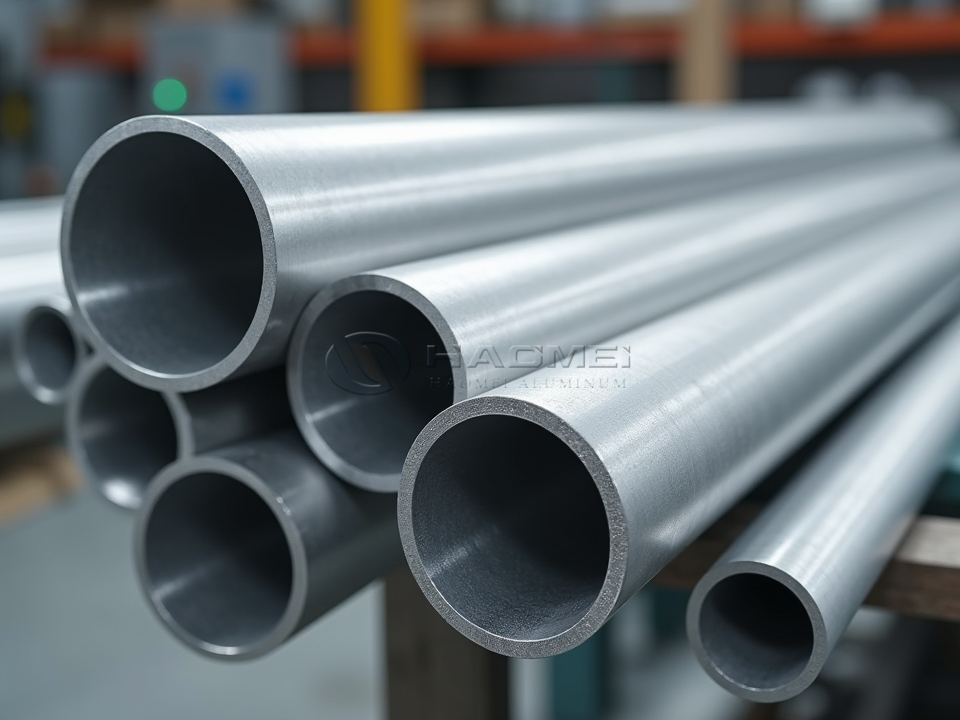
Why Marine Aluminum Tubing Performs Well at Sea
Compared with carbon steel, aluminum tubing offers a major weight reduction. Aluminum has a density of approximately 2.70 g/cm³, roughly one-third that of steel. This can reduce vessel weight, improve payload capacity, lower fuel consumption, and make installation easier for fabricators.
Its value is not limited to low mass. Marine aluminum tubing is readily cut, bent, drilled, machined, and welded using appropriate procedures. Extruded square, rectangular, and round sections allow designers to tailor stiffness and appearance to the structure. Round tube is widely used for rails, towers, pipe supports, and curved frames, while square or rectangular tube provides flat joining faces and efficient bending resistance for deck frames, cabin structures, and equipment racks.
Important performance advantages include:
- Low weight for easier handling and reduced top-side load
- Good corrosion resistance when alloy and finish match the environment
- Strong weldability in 5xxx-series alloys and suitable 6xxx-series tempers
- High thermal and electrical conductivity for specialized marine equipment
- Clean architectural appearance with mill finish, brushed, polished, or anodized surfaces
- High recyclability and long-term material value
Common Alloys and Their Marine Roles
The phrase marine aluminum tubing covers several alloy families rather than one universal material. The most suitable choice depends on whether the tube will be welded, heavily loaded, visible to passengers, continuously wet, or exposed to aggressive coastal conditions.
| Alloy and Temper | Typical Strength Level | Corrosion Behavior | Fabrication Notes | Typical Marine Use |
|---|---|---|---|---|
| 5052-H32 | Medium | Excellent in saltwater | Good forming and welding | Light frames, enclosures, brackets |
| 5083-H111/H116 | High | Excellent, especially in seawater | Excellent welding performance | Offshore structures, wet-area frames, pipework |
| 5086-H32/H116 | Medium to high | Excellent | Highly weldable | Workboats, utility structures, deck equipment |
| 6061-T6 | High | Good with suitable protection | Weldable; strength decreases in heat-affected zones | T-tops, rails, ladders, trailers, structural frames |
| 6063-T5/T6 | Medium | Good, especially when anodized | Excellent extrusion and finishing response | Architectural rails, trim, light-duty tubing |
| 6082-T6 | High | Good | Strong structural extrusion alloy | Heavy-duty frames, gangways, support members |
For highly saline and continuously wet conditions, 5083 and 5086 are often preferred because of their strong resistance to seawater corrosion and excellent welded performance. For fabricated frameworks where stiffness, clean extruded geometry, and mechanical strength are priorities, 6061-T6 and 6082-T6 are common selections. A detailed range of Marine Grade Aluminum Tubing can help match alloy and temper to the final service environment.
Chemical Composition and Material Behavior
Alloy chemistry determines corrosion response, weldability, strength, and extrusion characteristics. Magnesium is the principal strengthening element in 5xxx marine alloys. In 6xxx alloys, magnesium and silicon combine to form magnesium silicide, enabling heat treatment and higher mechanical strength.
| Alloy | Magnesium, % | Manganese, % | Silicon, % | Chromium, % | Primary Material Character |
|---|---|---|---|---|---|
| 5052 | 2.2-2.8 | 0.10 max | 0.25 max | 0.15-0.35 | Formable, corrosion-resistant sheet and tube alloy |
| 5083 | 4.0-4.9 | 0.40-1.0 | 0.40 max | 0.05-0.25 | High-magnesium alloy for severe marine exposure |
| 5086 | 3.5-4.5 | 0.20-0.7 | 0.40 max | 0.05-0.25 | Weldable seawater-resistant structural alloy |
| 6061 | 0.8-1.2 | 0.15 max | 0.4-0.8 | 0.04-0.35 | Heat-treatable structural extrusion alloy |
| 6063 | 0.45-0.9 | 0.10 max | 0.2-0.6 | 0.10 max | Smooth-finish alloy for precision extrusions |
| 6082 | 0.6-1.2 | 0.4-1.0 | 0.7-1.3 | 0.25 max | Strong structural alloy with good corrosion resistance |
Values are typical compositional ranges and should be confirmed against the applicable ASTM, EN, or customer specification before production.
Tube Shapes That Fit the Structure
Round tubing distributes stress evenly around its circumference and has no sharp corners, making it a practical choice for handrails, tower legs, canopy frames, fishing rod holders, and fluid conveyance systems. It is also easy to polish and visually suits exposed deck equipment. Fabricators can select Marine aluminum round tubes for welded frames, curved assemblies, and high-visibility boat accessories.
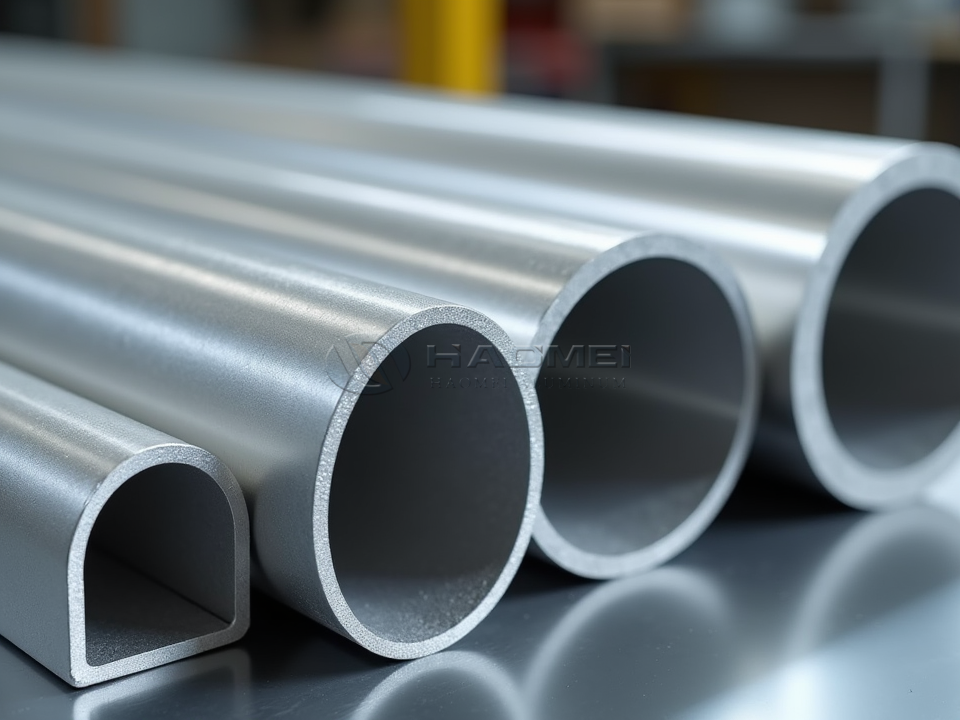
Square tubing provides broad flat faces for gussets, brackets, panel attachment, and bolted connections. It is frequently used in hardtop supports, solar-panel frames, dock accessories, and storage racks. Rectangular tubing offers increased stiffness in one direction, allowing efficient support beams, deck subframes, cabin reinforcement, and gangway members where bending loads are predictable.
| Tube Form | Structural Advantage | Common Applications |
|---|---|---|
| Round | Balanced load distribution and smooth appearance | Rails, towers, ladders, piping, outriggers |
| Square | Simple mounting surfaces and joint fit-up | Frames, racks, supports, dock accessories |
| Rectangular | Directional bending stiffness | Beams, deck frames, gangways, equipment bases |
| Custom profile | Geometry tailored to installation and weight goals | Trim systems, rail channels, specialized assemblies |
Dimensions, Tolerances, and Surface Options
Marine aluminum tubing may be supplied in standard or project-specific outside diameters, wall thicknesses, side dimensions, and cut lengths. A tube should not be selected by outside size alone. Wall thickness affects local dent resistance, welding heat input, bend performance, fastener pull-out capability, and structural capacity.
Common specification items include alloy, temper, shape, outside diameter or width and height, wall thickness, length tolerance, straightness, surface finish, protective film, and inspection requirements. Mill finish is suitable for many concealed structural applications. Brushed or polished finishes are popular for visible rails and passenger-facing equipment. Clear or colored anodizing can improve appearance and surface durability, especially for 6063 tubing used in architectural-style installations.
Marine Applications Across Vessel Types
Marine aluminum tubing serves both working and recreational vessels. On fishing boats, it forms T-tops, rocket launchers, leaning-post frames, rod-holder structures, and electronics mounts. On pontoon boats, it supports rails, canopy frameworks, ladders, gates, and furniture frames. Yacht builders use tubing for handrails, davit components, tender racks, radar arches, interior supports, and lightweight equipment enclosures.
Commercial applications are equally broad. Tubing is used in patrol boats, rescue craft, ferries, service vessels, marina gangways, floating dock frames, offshore walkways, safety barriers, and cable-support structures. In each case, lower weight can simplify lifting operations and reduce the structural burden on the vessel or platform.
Fabrication and Corrosion-Control Practices
A marine tube assembly performs best when designed as a complete system. Weld zones on heat-treatable alloys such as 6061-T6 lose part of their T6 strength near the weld. Designers should account for this reduction through section selection, joint design, reinforcement, or engineering assessment. For highly welded assemblies in seawater service, 5083 or 5086 may offer a more stable welded solution.
Avoid trapping saltwater inside capped tubes or unvented frames. Drain holes, sealed ends, and thoughtful orientation reduce crevice corrosion and freeze-related damage. Isolate aluminum from stainless steel, copper alloys, and carbon steel where moisture can create galvanic action. Nonconductive washers, isolation tapes, suitable sealants, and compatible fasteners help preserve the aluminum surface.
Routine fresh-water rinsing removes salt deposits from exposed tubing. Inspect fastener locations, welds, drain points, and areas beneath clamps or padding during maintenance. These simple measures help marine aluminum tubing retain its strength, finish, and professional appearance over many seasons.
Marine aluminum tubing delivers an efficient balance of durability, fabrication flexibility, and low weight. By selecting the right alloy, tube geometry, wall thickness, finish, and corrosion-control method, builders can create reliable structures for demanding saltwater environments.

Related Products
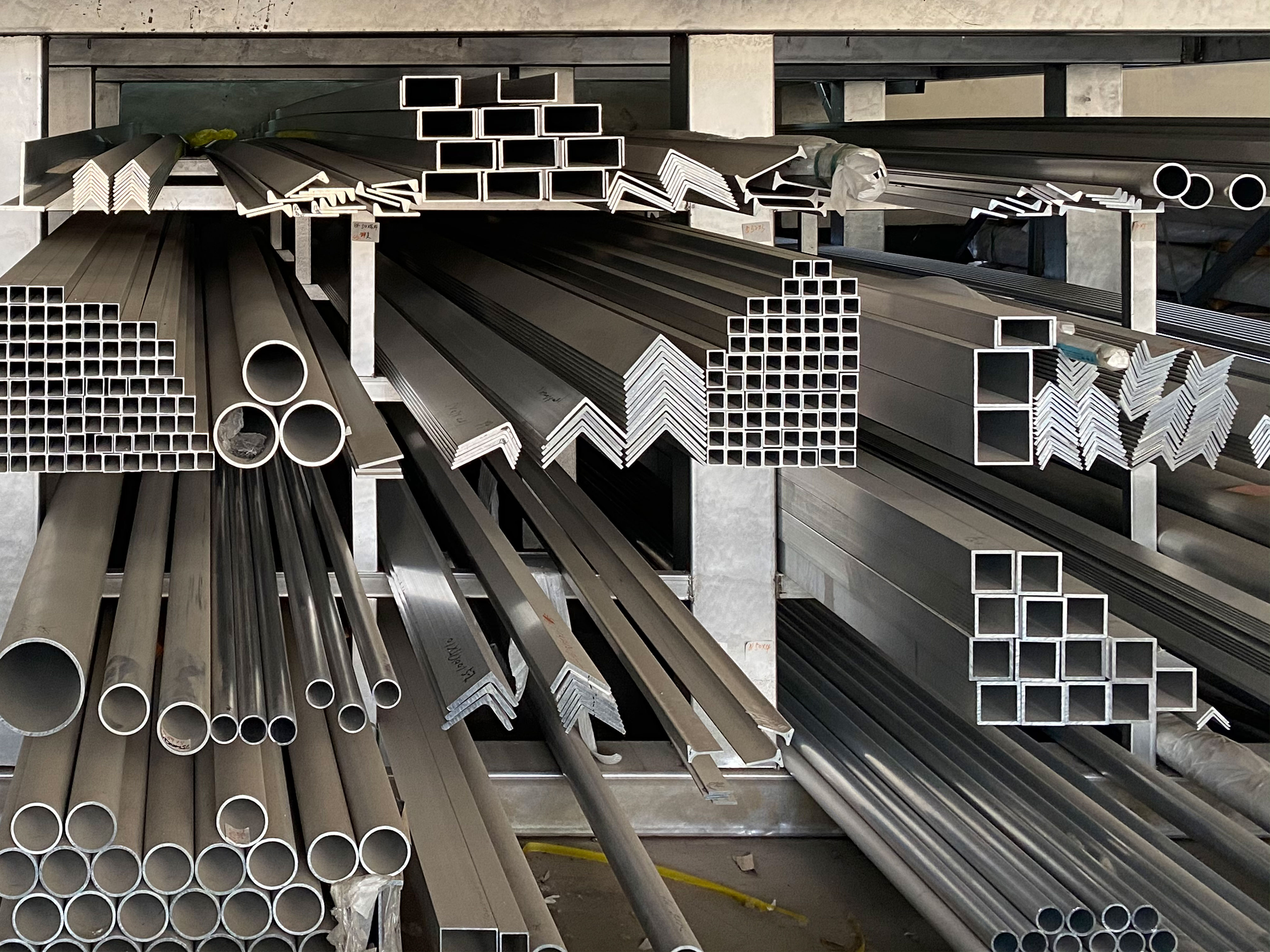
Custom marine aluminum profile tubes
Custom Marine Grade Aluminum Profile Tubes are manufactured from premium marine aluminum alloys such as 5083, 5052, 6061, and 6082.
View Details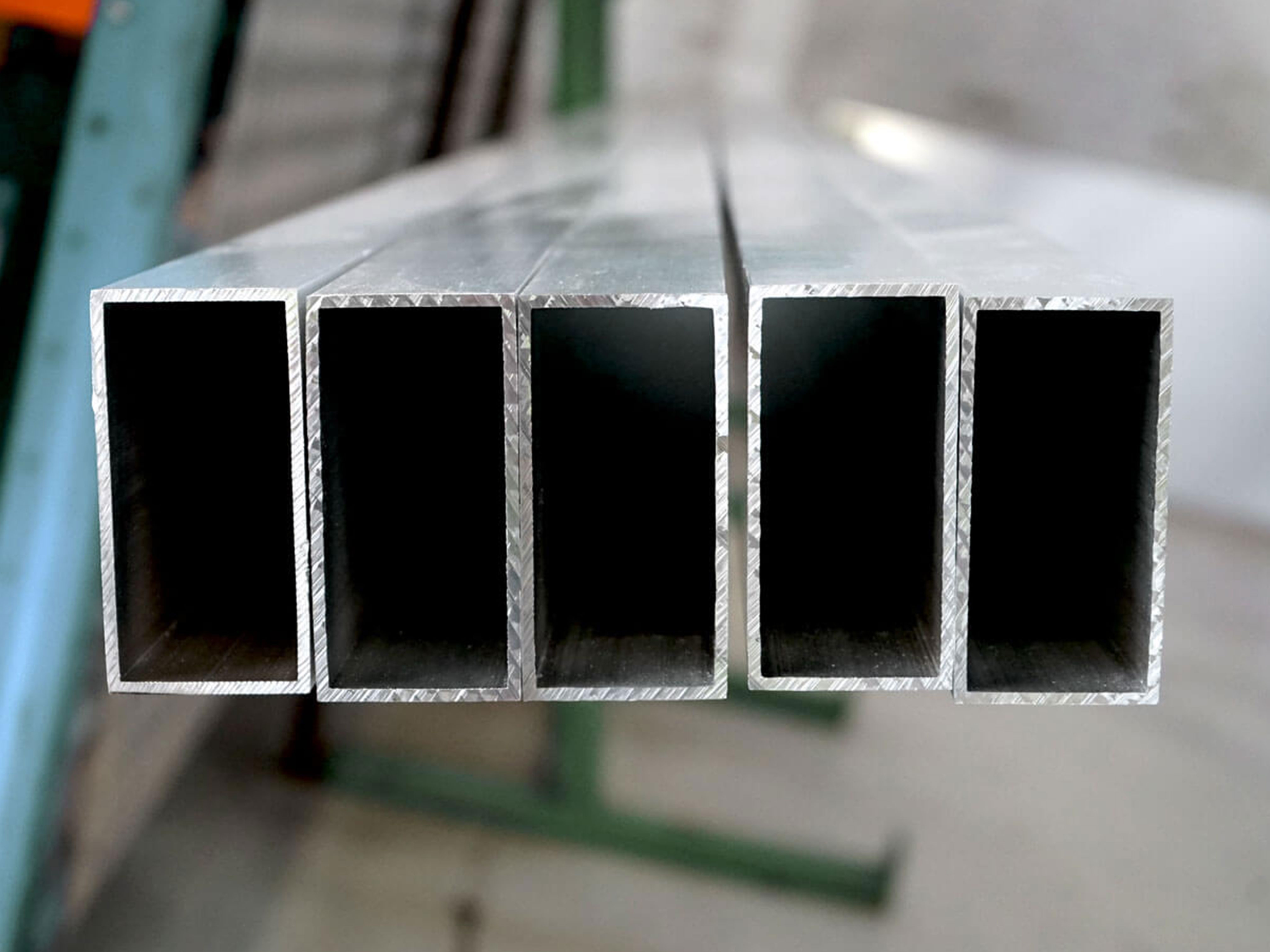
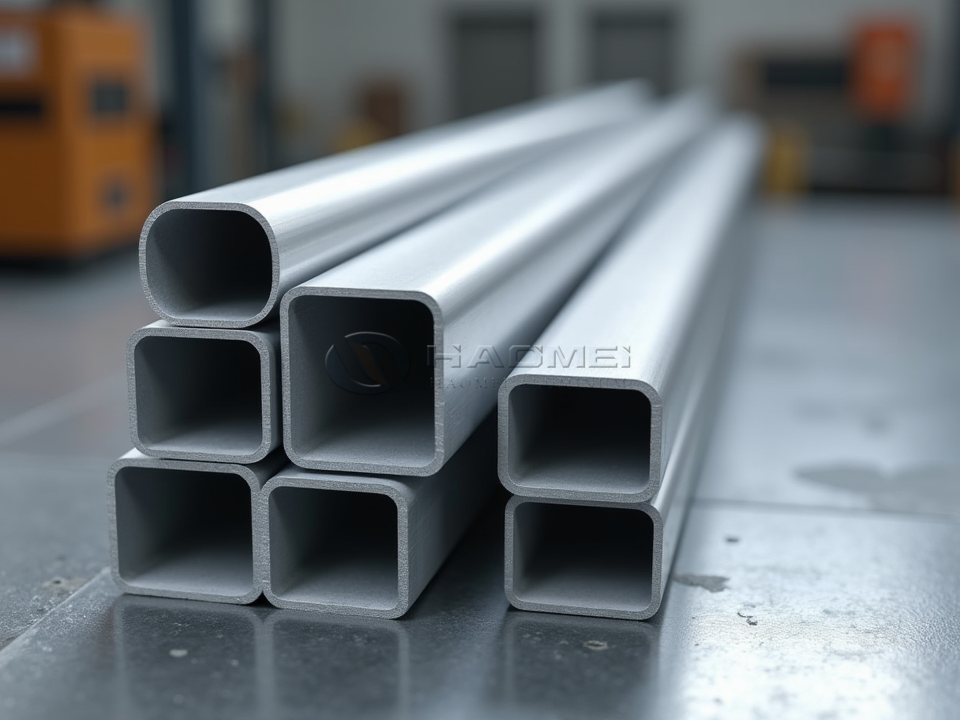
Marine aluminum rectangular tubes
Marine Grade Aluminum Rectangular Tubes are made from high-performance alloys such as 5083, 5052, 6061, and 6082. These alloys are renowned for their ability to resist corrosive seawater and marine atmospheres while providing excellent mechanical strength and toughness.
View Details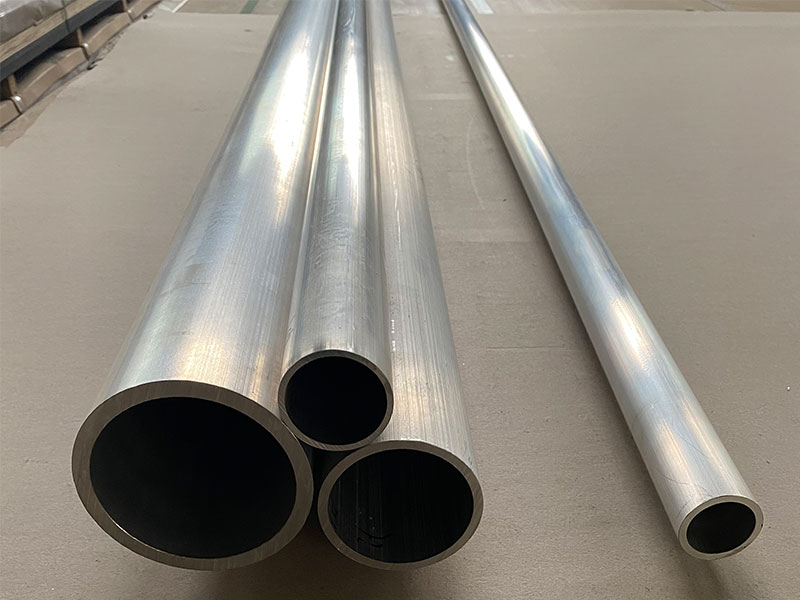
Marine aluminum round tubes
Marine Grade Aluminum Round Tubes are manufactured from premium marine alloys such as 5083, 5052, 6061, and 6082, all selected for their proven resistance to seawater corrosion and marine atmosphere degradation.
View Details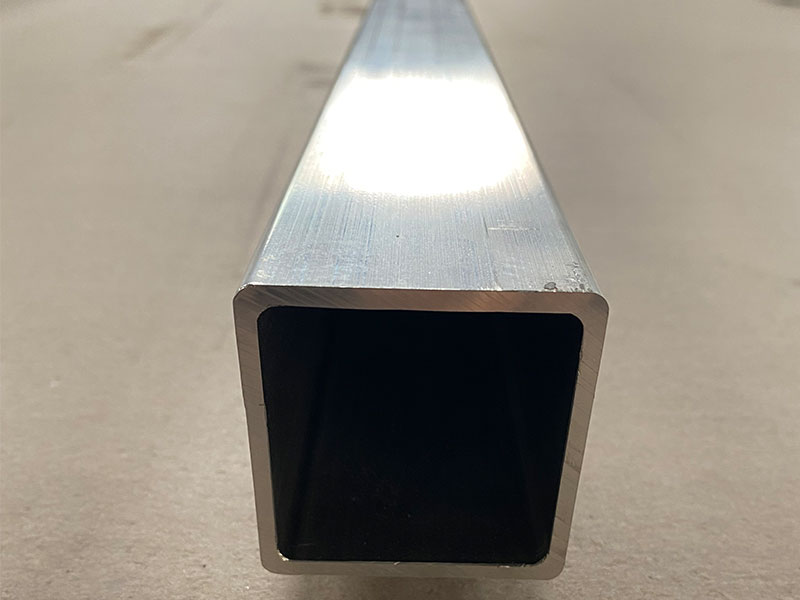
Marine aluminum square tubes
Marine Grade Aluminum Square Tubes are typically constructed from marine-grade alloys such as 5083, 5052, 6061, and 6082—well-known for their ability to withstand the aggressive effects of saltwater and marine atmospheres.
View Details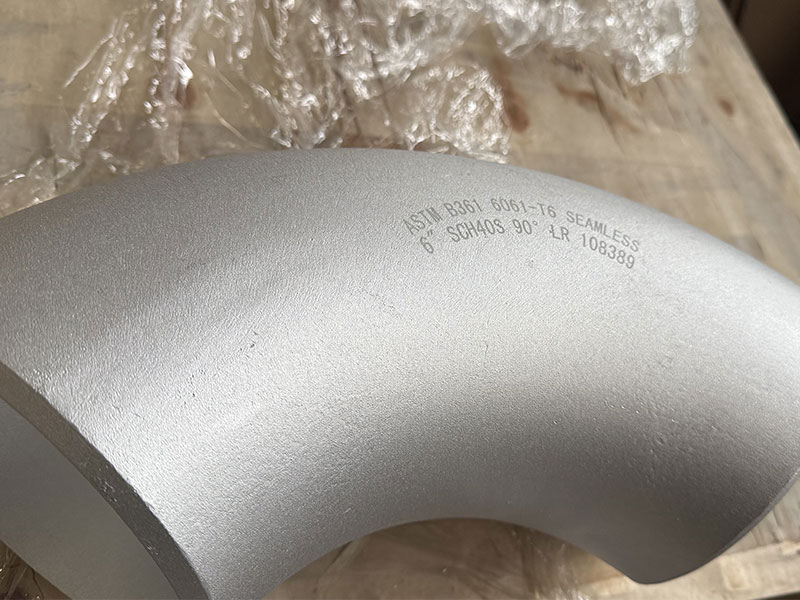
6061-T6 90-Degree Marine Aluminum Pipe Elbow
Manufactured from premium 6061-T6 marine-grade aluminum alloy, this elbow fitting is engineered to provide reliable and efficient pipe direction changes within shipbuilding, offshore platforms, and marine infrastructure systems.
View DetailsRelated Blog
Aluminum Elbow for Offshore Water Injection and Supply Systems
Learn how marine aluminum elbows support offshore water injection and supply lines with low weight, corrosion resistance, and reliable flow control.
View Details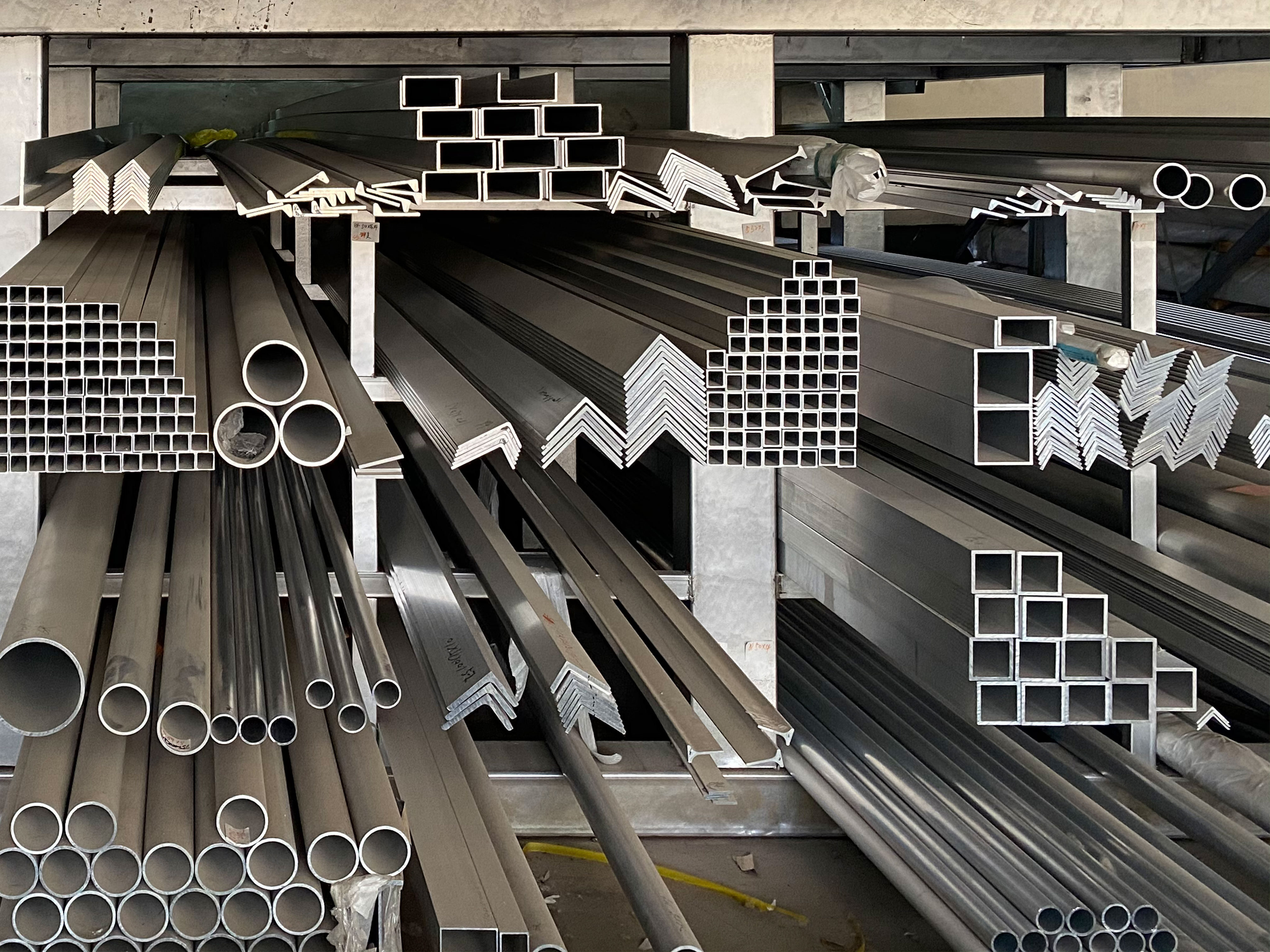
6061 Marine Aluminum Tubes for Marine Engineering Projects
Marine engineering demands materials that combine exceptional strength, corrosion resistance, and versatility for reliable performance in harsh seawater environments.
View Details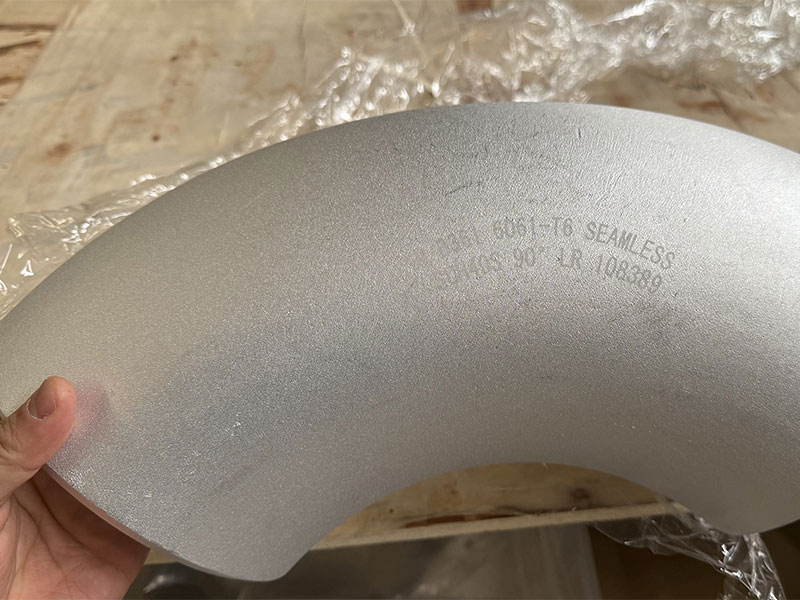
Marine Grade Aluminum Pipe Elbow for Ship Engines
Marine-grade aluminum pipe elbows are critical components in modern ship engine systems, connecting straight pipes while allowing directional changes in cooling water, exhaust gas, fuel, and compressed air lines.
View Details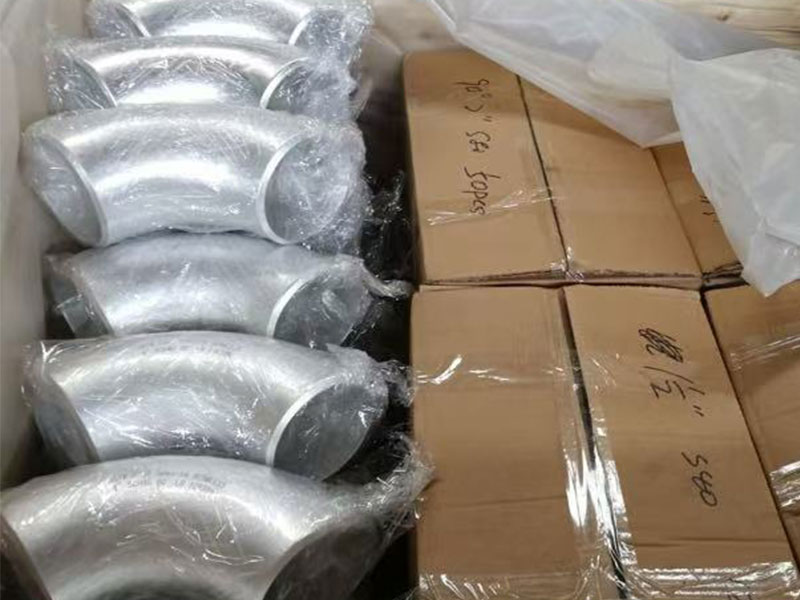
Aluminum Elbow for Marine Exhaust Systems
In marine engineering, ensuring durability, corrosion resistance, and optimal flow dynamics of exhaust components is crucial for the longevity and performance of onboard systems.
View Details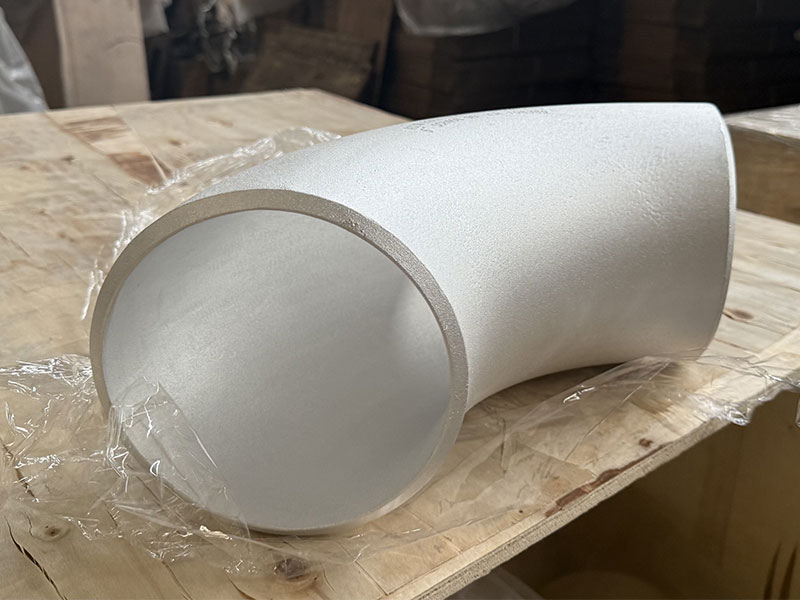
Aluminum Alloy Marine Pipe Elbow for Fuel Line Installations
Aluminum alloy marine pipe elbows are specialized fittings designed to change the direction of fuel lines on boats, ships, and offshore platforms while maintaining excellent corrosion resistance, strength, and flow performance.
View Details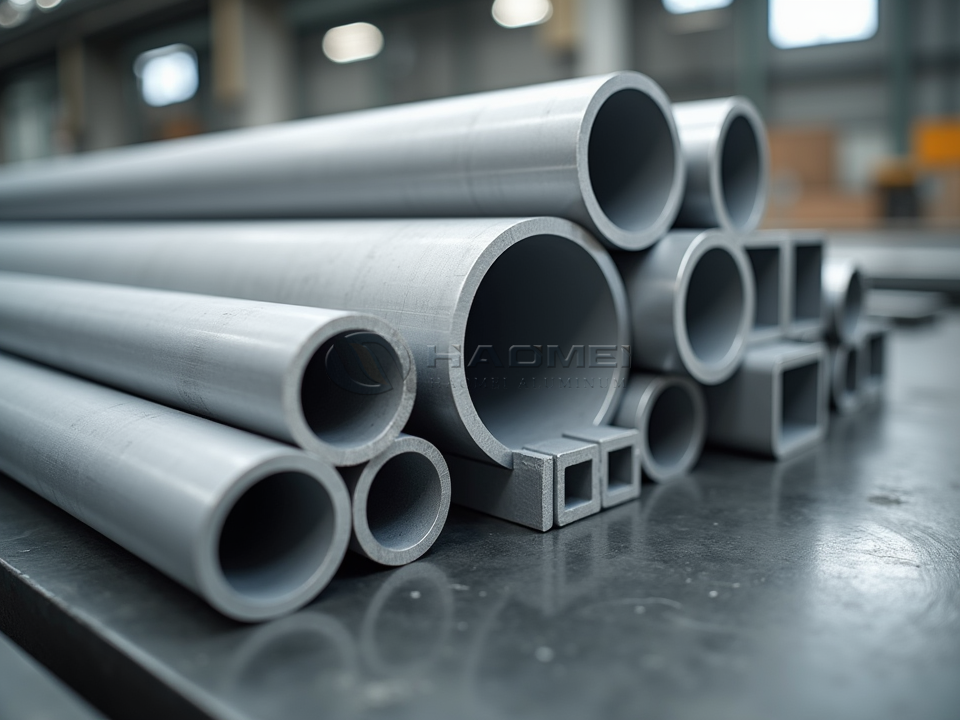
Aluminum Pipe Elbow for Fluid and Gas Pressure Systems on Ships
Marine aluminum pipe elbows deliver light, corrosion-resistant routing for shipboard fluid and gas pressure lines with weldable alloys and precise bends.
View Details
Leave a Message