
Marine Grade 5083 Aluminum Alloy Sheet Plate With Certificate
A vessel's metal structure does more than carry load. It must resist salt spray, humidity, vibration, impact, and years of cyclic stress without becoming a maintenance burden. Marine grade 5083 aluminum alloy sheet plate with certificate is designed for precisely this working environment. It is a non-heat-treatable aluminum-magnesium alloy widely selected for hulls, decks, bulkheads, superstructures, tanks, and offshore equipment.
The real value of 5083 is not simply its strength. Its practical advantage comes from the balance of high magnesium content, excellent resistance to seawater corrosion, reliable welded performance, and comparatively low weight. A material certificate turns these properties into verifiable procurement data, helping shipbuilders, fabricators, and inspectors confirm that the delivered plate meets the specified chemical composition, temper, mechanical properties, dimensions, and applicable marine standards.
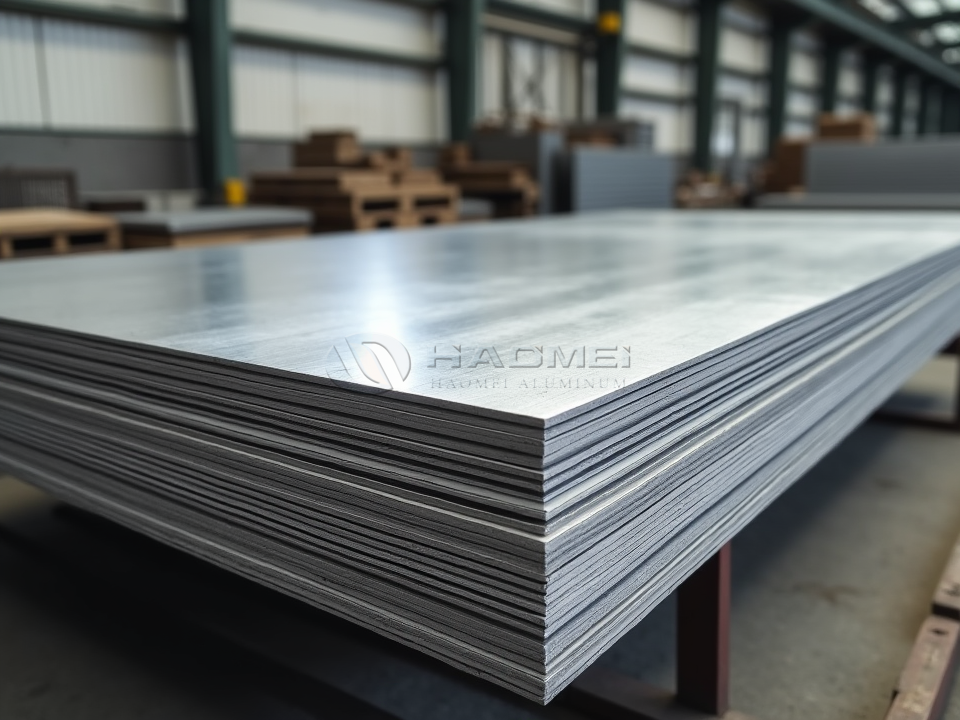
Why 5083 Performs in Saltwater Service
5083 belongs to the 5xxx aluminum alloy family, where magnesium is the principal alloying element. Magnesium strengthens the aluminum matrix while preserving excellent corrosion resistance in marine atmospheres and seawater exposure. Compared with ordinary industrial aluminum sheet, properly produced 5083 marine plate is better suited to long-term contact with chloride-rich environments.
Its density is approximately 2.66 g/cm³, far lower than steel. This weight reduction can support higher payload, reduced draft, faster handling, or improved fuel efficiency, depending on vessel design. At the same time, 5083 offers a favorable strength-to-weight ratio for welded structures. It is especially valuable where a large welded panel must remain durable without excessive structural mass.
In service, corrosion resistance depends on more than alloy name alone. Plate temper, surface quality, welding practice, drainage design, insulation from dissimilar metals, and coating selection all influence the final result. Certified H116 and H321 tempers are commonly specified for hull plating because they are intended for marine environments where exfoliation corrosion resistance is important.
For projects requiring material selection across multiple vessel areas, Marine Grade Aluminum Sheets provide a broader range of marine alloys, thicknesses, and surface conditions.
Chemical Composition of 5083 Aluminum Alloy
The chemistry of 5083 is controlled to produce strength and corrosion resistance while limiting impurity elements that can weaken marine performance. Typical limits are shown in the table.
| Element | Content, % by Weight |
|---|---|
| Silicon, Si | 0.40 max |
| Iron, Fe | 0.40 max |
| Copper, Cu | 0.10 max |
| Manganese, Mn | 0.40-1.00 |
| Magnesium, Mg | 4.00-4.90 |
| Chromium, Cr | 0.05-0.25 |
| Zinc, Zn | 0.25 max |
| Titanium, Ti | 0.15 max |
| Other elements, each | 0.05 max |
| Other elements, total | 0.15 max |
| Aluminum, Al | Balance |
Magnesium is the central strengthening element, while manganese and chromium help control grain structure and improve resistance to corrosion-related damage. Copper is held at a very low level because excessive copper can reduce corrosion resistance in seawater service.
Tempers That Match the Fabrication Task
Temper selection changes how 5083 behaves during forming, welding, and operation. The right temper should follow the structural purpose rather than be chosen only by strength value.
O temper is fully annealed and has the highest formability. It is suitable for curved panels, deep forming, complex marine components, and areas requiring extensive bending. Its lower strength makes it less common for primary high-load hull zones.
H111 temper is lightly strain hardened. It offers improved strength compared with O temper while retaining good workability. It can be used for general structural panels and fabricated marine parts.
H116 temper is strain hardened and stabilized for improved resistance to exfoliation corrosion. It is a common choice for hull plating, side shells, deck plating, and structures regularly exposed to seawater.
H321 temper is strain hardened and stabilized through a controlled thermal treatment. Like H116, it is frequently specified for welded marine construction. It combines stable mechanical properties with reliable resistance to exfoliation corrosion.
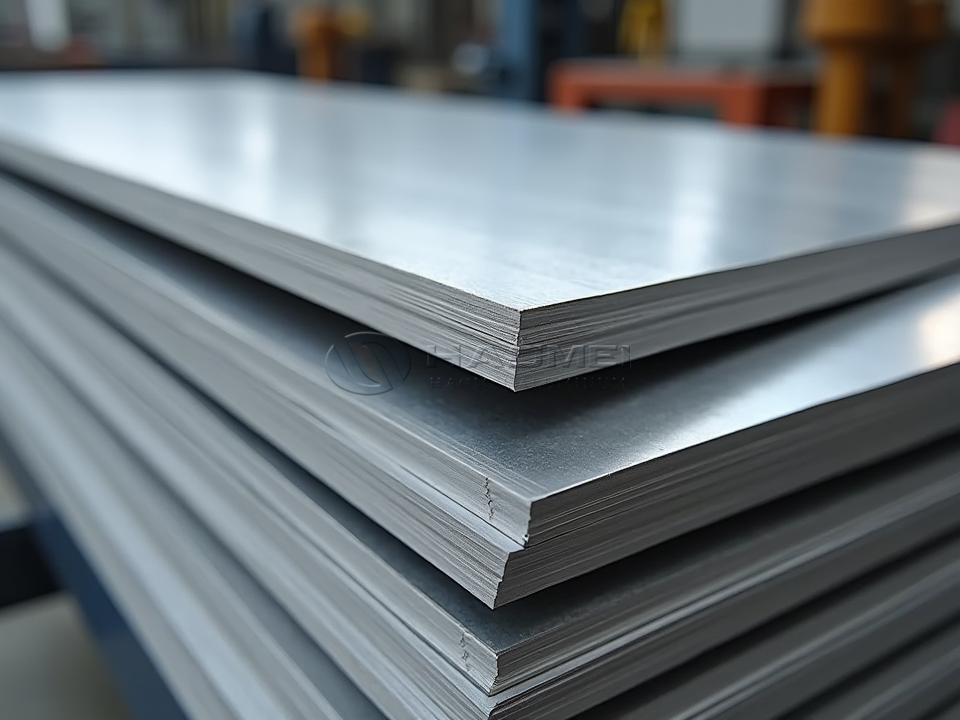
Typical mechanical values vary by thickness and governing standard. For 5083-H116 or 5083-H321 plate, tensile strength is often around 275-350 MPa, yield strength is commonly around 125-240 MPa, and elongation generally remains sufficient for marine fabrication. Material certificates should state the actual test results for the supplied batch instead of relying only on typical data.
Parameters Commonly Specified for Marine Plate
Marine grade 5083 sheet and plate are available in thin sheet gauges through heavy plate sizes for major vessel structures. Frequently requested thicknesses range from 1.5 mm to 200 mm, with customized dimensions available according to rolling capability and project requirements. Standard widths can include 1,000 mm, 1,250 mm, 1,500 mm, 2,000 mm, and wider formats for large hull panels. Lengths may be cut to standard or project-specific sizes.
Important ordering parameters include alloy designation, temper, thickness tolerance, width, length, surface finish, flatness requirement, grain direction, ultrasonic inspection requirement, protective film, and packaging method. For critical hull work, buyers may also request plates with improved flatness or controlled internal quality to support CNC cutting and welding accuracy.
Standards and Certificate Requirements
A certificate is the traceable identity card of the plate. It links the physical material to production and inspection records. For marine grade 5083 aluminum alloy sheet plate, a mill test certificate normally records heat number, batch number, alloy, temper, dimensions, chemical analysis, tensile test results, and inspection status.
Applicable standards may include ASTM B209 for aluminum and aluminum-alloy sheet and plate, EN 485 for tolerances and mechanical properties, EN 573 for chemical composition, and EN 10204 3.1 for inspection documentation. Marine projects may additionally require approval or inspection from classification societies such as DNV, ABS, Lloyd's Register, Bureau Veritas, CCS, or RINA, subject to contract requirements.
Certificate review should confirm that the plate description matches the purchase order exactly. A 5083-H116 plate is not interchangeable with a general 5083-O sheet when corrosion resistance, strength, and class approval are specified. Traceability markings on the plate or packaging should also correspond to the certificate information.
Marine Functions and Real-World Applications
5083 plate serves as the working skin and structural framework of many vessels. In high-speed passenger ferries and workboats, its low mass supports performance and payload. In fishing vessels, patrol boats, landing craft, yachts, and catamarans, it provides durable hull plating with good weldability. In commercial vessels, it is used for deckhouses, wheelhouses, accommodation structures, partitions, hatch covers, tanks, and equipment platforms.
It is also used beyond the hull. Cryogenic storage equipment benefits from the alloy's toughness at low temperatures. Offshore walkways, gangways, service platforms, pressure-related components, and coastal equipment can benefit from its corrosion resistance and fabrication flexibility.
Where a project specifically needs certified material for hull construction, Marine 5083 aluminum sheet can be selected in H116, H321, O, or other suitable tempers based on forming and structural requirements.
Fabrication Notes for Long Service Life
5083 is readily welded using suitable 5xxx-series filler metals, commonly 5183, 5356, or 5556, depending on joint design and service conditions. Welding reduces strength in the heat-affected zone, so structural calculations should use applicable welded-joint values rather than parent-metal figures alone. Clean surfaces, controlled heat input, correct filler selection, and post-weld inspection all support dependable marine joints.
Avoid prolonged exposure to elevated temperatures during fabrication or service, particularly above approximately 65°C, because high-magnesium 5xxx alloys may become more susceptible to sensitization and intergranular corrosion. Good drainage, isolation of stainless steel or copper-based fittings, and proper coating systems further protect the finished structure.
Marine grade 5083 aluminum alloy sheet plate with certificate is therefore a material choice built around evidence as much as performance. Its chemistry resists seawater, its tempers adapt to forming and structural loading, and its certification gives project teams confidence that the plate installed in a vessel is the plate that was specified.

Related Products
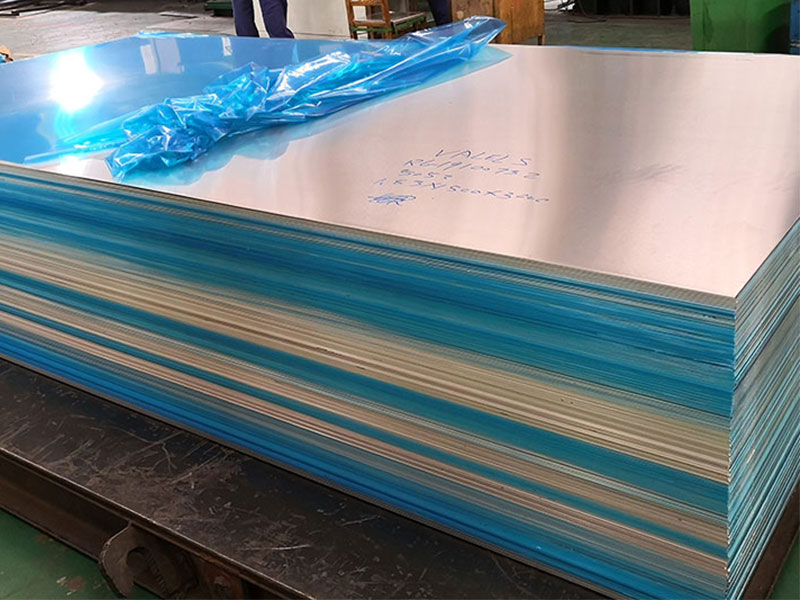
Marine 5059 aluminum sheet
5059 aluminum alloy is a strain-hardened material with a unique addition of magnesium and chromium, which provides outstanding resistance to localized corrosion like pitting and stress corrosion cracking.
View Details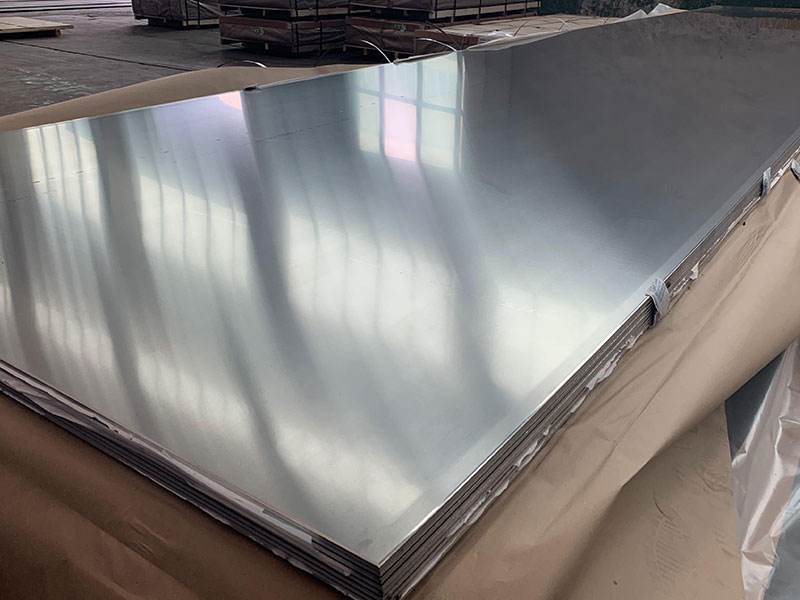
Marine 5086 aluminum sheet
This product article provides an in-depth and comprehensive understanding of Marine 5086 Aluminum Sheets, including their chemical composition, mechanical properties, corrosion resistance, fabrication capabilities, and typical marine applications.
View Details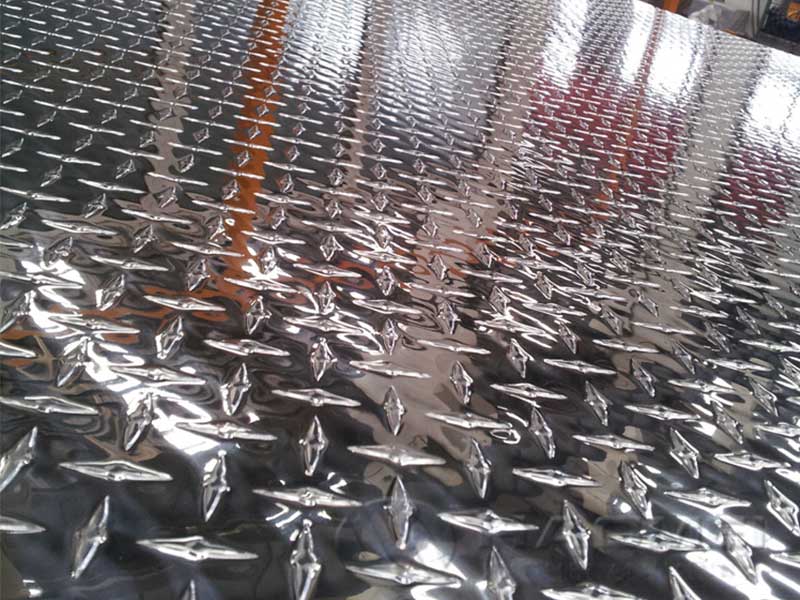
Marine Aluminum Tread Sheets
Marine Aluminum Tread Sheets are aluminum alloy plates featuring a raised surface pattern, commonly referred to as a tread design or diamond plate.
View Details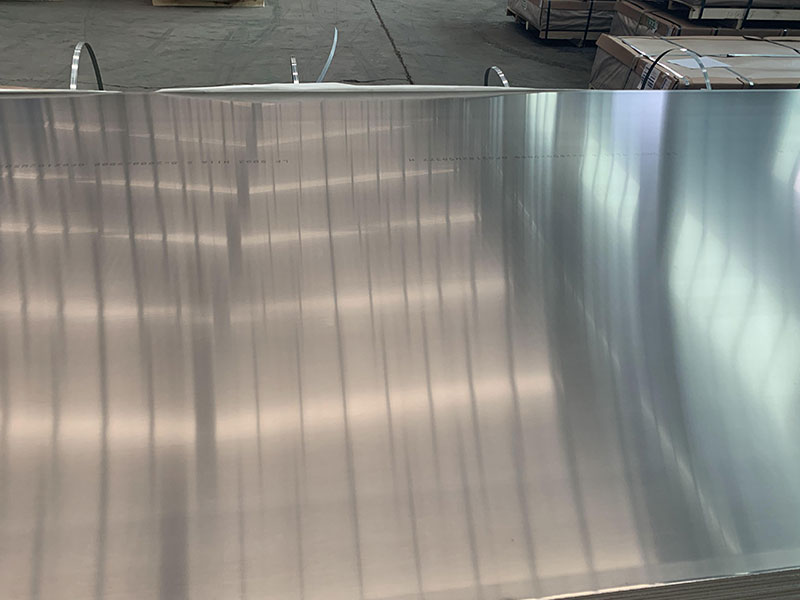
Marine 5383 aluminum sheet
5383 aluminum is a strain-hardened, non-heat-treatable alloy from the 5xxx series primarily alloyed with magnesium. It exhibits a unique balance of corrosion resistance and mechanical properties particularly suited for marine applications.
View Details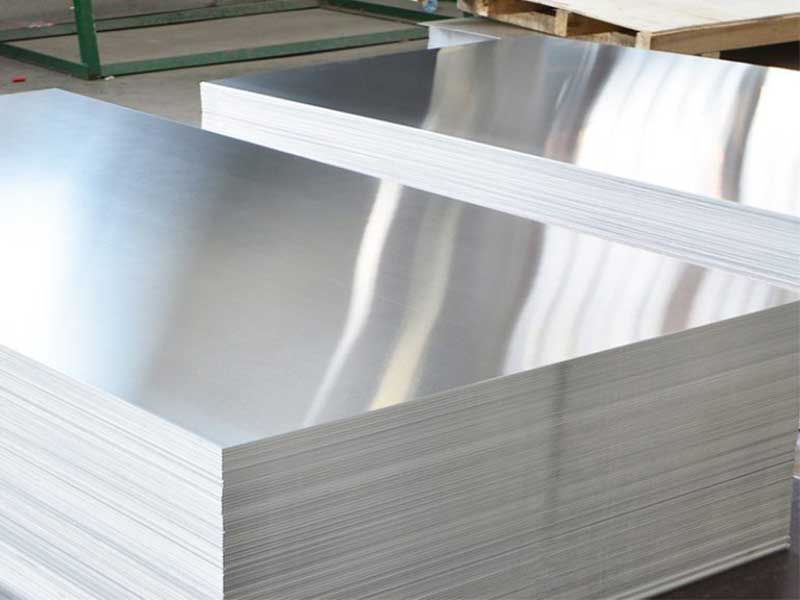
Marine anodized aluminum sheets
Marine Anodized Aluminum Sheets start with premium marine-grade aluminum alloys such as 5000 and 6000 series (typically 5083, 5052, and 6061).
View Details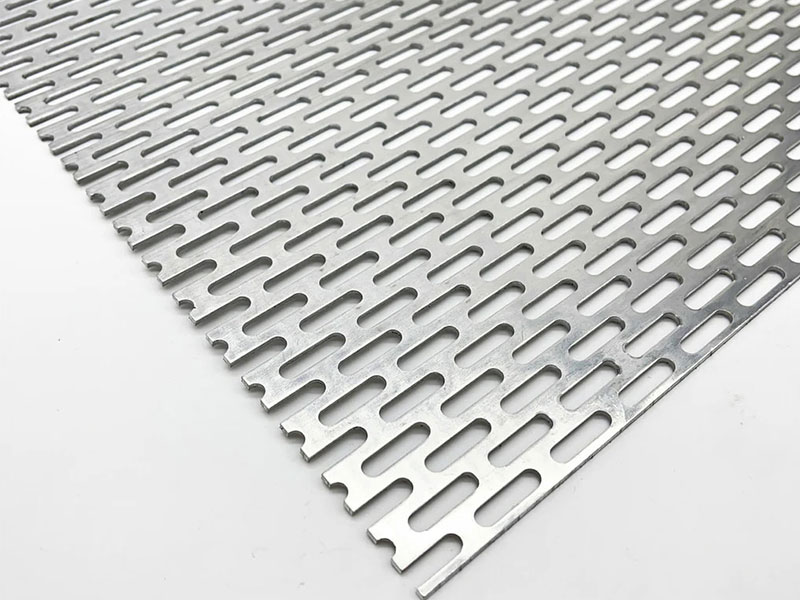
Marine perforated aluminum sheets
Marine Perforated Aluminum Sheets feature a series of uniform holes or shapes punched through the aluminum surface. These perforations can vary in size, pattern, and open area to tailor the sheets for specific applications.
View DetailsRelated Blog
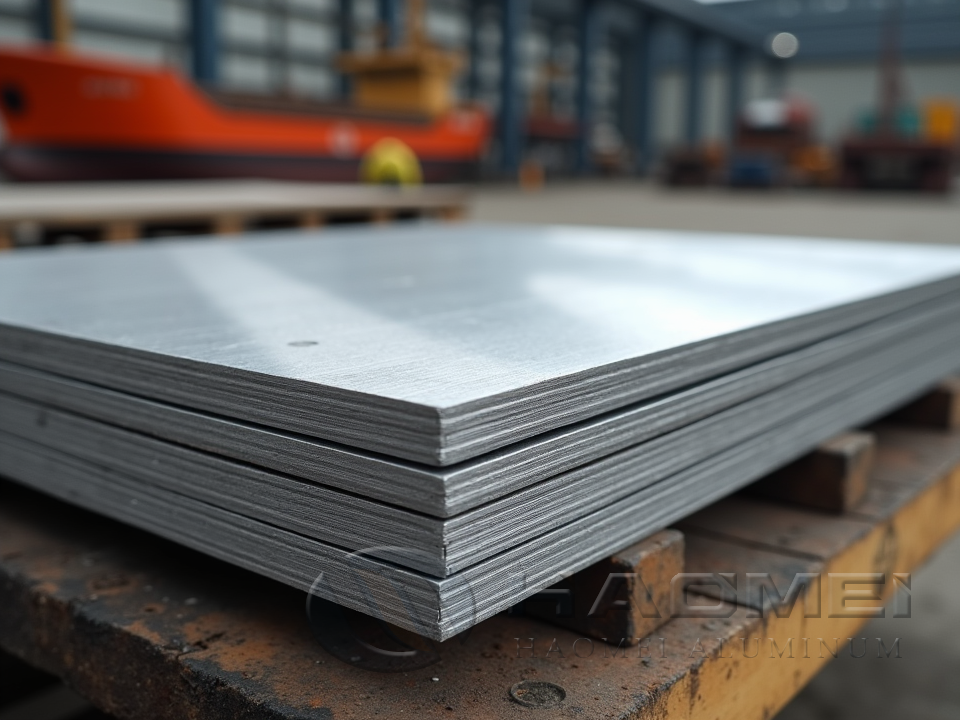
5086 Marine Heavy Duty Aluminum Plate
5086 marine heavy duty aluminum plate delivers seawater corrosion resistance, weldability, strength, and stable service for hulls and offshore structures.
View Details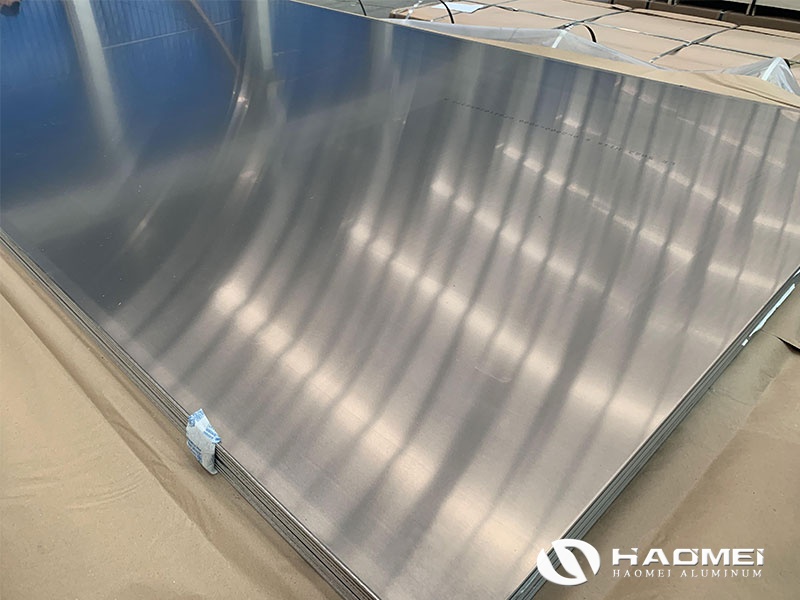
Marine Aluminum Tread Sheets
Marine aluminum tread sheets provide lightweight, corrosion-resistant, slip-resistant flooring for decks, walkways, platforms, and marine equipment.
View Details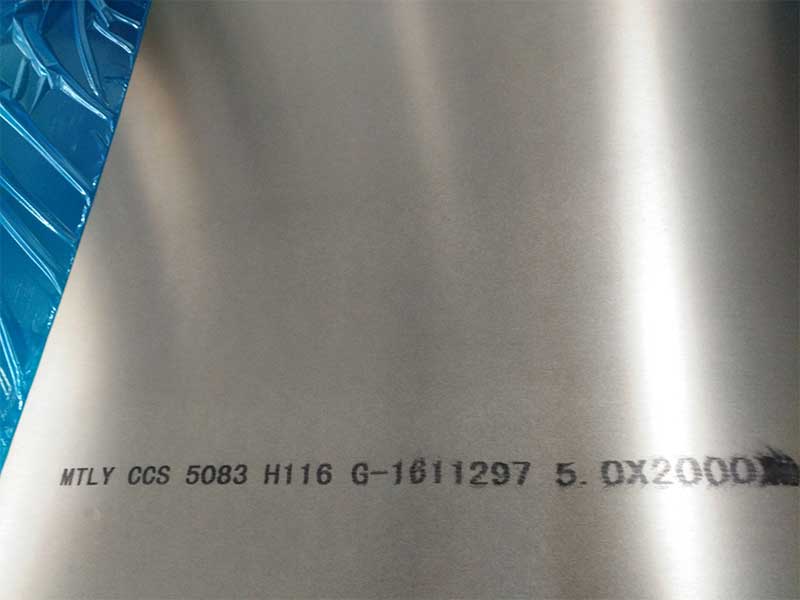
Aluminum sheet 5083 h116 with certificate of CCS for marine
High-performance Aluminum Sheet 5083 H116, certified by CCS for marine use. Explore its chemical properties, mechanical parameters, tempering conditions, and compliance standards making it ideal for marine environments.
View Details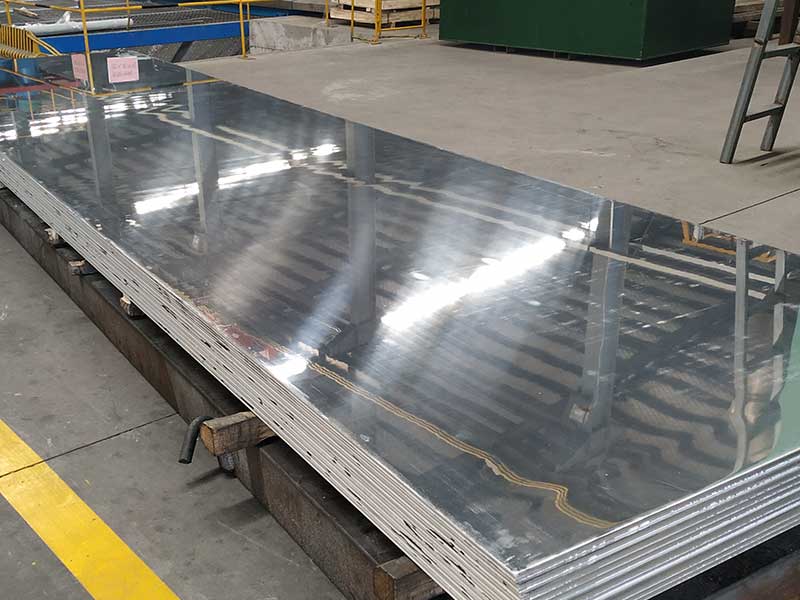
Aluminum Sheet 5083 5086 5754 for Fishing Boat
Aluminum sheets 5083, 5086, and 5754 are widely recognized alloys in the marine industry, known for their excellent corrosion resistance, mechanical strength, and durability.
View Details
5059 Marine Aluminum Sheet
Learn how 5059 marine aluminum sheet supports lighter hulls, welded structures, corrosion resistance, class-approved fabrication, and long service life.
View Details
Hot Rolled Alloys Boat Aluminium Sheet Coil Strip 5083
Learn how hot rolled 5083 aluminium sheet, coil, and strip perform in boat hulls, welding, forming, seawater corrosion, and practical buying checks.
View Details
Leave a Message