
6061 T6 Marine Aluminum Flat Bar for Offshore Platform Reinforcement
Offshore structures live in a harsh reality: salt spray, cyclic loading, vibration, UV exposure, and constant maintenance pressure. When reinforcement members must deliver reliable strength without adding unnecessary mass, 6061-T6 marine aluminum flat bar is a proven, engineering-friendly option. It combines high specific strength, excellent machinability, and good corrosion resistance (with appropriate marine-grade finishing) to support reinforcements, brackets, stiffeners, and secondary load paths across offshore platforms.
Why 6061-T6 Flat Bar Works for Offshore Reinforcement
6061 is an Al-Mg-Si heat-treatable alloy. In the T6 temper, it is solution heat-treated and artificially aged to achieve a strong, stable precipitation-hardened microstructure. For offshore reinforcement, the result is a material that:
- Reduces structural weight vs. steel, improving topside weight budgets and installation logistics
- Maintains dependable mechanical strength for brackets, frames, and stiffening elements
- Machines and drills cleanly, helping fabrication shops achieve tight tolerances and clean hole quality
- Welds well (with the right procedure), allowing integration into aluminum modules and assemblies
- Accepts marine protective systems such as anodizing and paint to control seawater exposure risks
Features at a Glance
| Feature | What It Means Offshore | Customer Value |
|---|---|---|
| High strength-to-weight ratio | Strong reinforcement without heavy mass | Easier handling, reduced crane time, lower installed weight |
| T6 temper stability | Predictable mechanical properties | Consistent performance across batches and projects |
| Good corrosion resistance (with finishing) | Resists atmospheric marine corrosion | Longer service intervals, better appearance retention |
| Excellent machinability | Precise slots, holes, edges, and fit-up | Faster fabrication, cleaner assembly |
| Versatile form factor | Flat bar integrates as stiffeners, straps, and frames | Simple design, easy retrofit and replacement |
Chemical Composition (Typical / Standard Limits)
6061 chemistry supports precipitation hardening (Mg + Si) while keeping good corrosion behavior and workability. Composition typically aligns with common standards (e.g., ASTM/EN equivalents depending on supply route).
| Element | Content (wt.%) |
|---|---|
| Silicon (Si) | 0.40 – 0.80 |
| Magnesium (Mg) | 0.80 – 1.20 |
| Copper (Cu) | 0.15 – 0.40 |
| Chromium (Cr) | 0.04 – 0.35 |
| Iron (Fe) | ≤ 0.70 |
| Manganese (Mn) | ≤ 0.15 |
| Zinc (Zn) | ≤ 0.25 |
| Titanium (Ti) | ≤ 0.15 |
| Aluminum (Al) | Balance |
Mechanical Properties (6061-T6, Typical)
For reinforcement members, designers care about yield strength (resistance to permanent deformation), ultimate strength (reserve capacity), and elongation (ductility for toughness and fabrication robustness).
| Property | Typical Value |
|---|---|
| Density | ~2.70 g/cm³ |
| Tensile Strength (UTS) | ~290–320 MPa |
| Yield Strength (0.2% offset) | ~240–280 MPa |
| Elongation (A50) | ~8–12% |
| Elastic Modulus | ~69 GPa |
| Brinell Hardness | ~95 HB |
Note: Values vary with thickness, processing route, and applicable standard. For design-critical projects, use certified mill test reports (MTRs) and project specifications.
Technical Specifications (Flat Bar Supply Range)
6061-T6 flat bar is commonly stocked for structural and marine fabrication, with flexibility in cut length and tolerance requirements.
| Parameter | Typical Offering |
|---|---|
| Product Form | Flat bar / rectangular bar |
| Temper | T6 |
| Thickness Range | ~3 mm to 100 mm (custom ranges available) |
| Width Range | ~10 mm to 300 mm (custom ranges available) |
| Standard Lengths | 3 m / 6 m / cut-to-length |
| Edge Condition | Mill edge or machined edge (optional) |
| Surface Finish | Mill finish; anodizing/painting prep available |
| Standards (Examples) | ASTM B221 / EN 755 (as specified) |
| Certification | MTR / EN 10204 3.1 (when required) |
Performance in Offshore Environments
1) Corrosion Behavior: Practical Marine Guidance
6061 offers good general corrosion resistance, particularly in atmospheric exposure. In offshore splash zones and crevices, corrosion risk increases for any aluminum, so engineering controls matter:
| Exposure / Risk | Recommended Practice | Purpose |
|---|---|---|
| Salt spray / marine atmosphere | Anodize or marine paint system | Slows oxidation and staining |
| Crevice areas (clamps, overlaps) | Seal joints, avoid water traps | Minimizes crevice corrosion |
| Contact with carbon steel | Use isolators (gaskets, coatings) | Reduces galvanic corrosion |
| Fasteners | Use compatible fasteners (e.g., 316, isolated) | Limits galvanic coupling |
| Splash zone | Robust coating + inspection plan | Extends service life |
Design note: If your platform includes mixed metals (steel primary + aluminum secondary), treat interfaces as a system-coatings, isolation pads, and drainage details often determine real-world durability more than alloy selection alone.
2) Fatigue and Vibration: Reinforcement Reality
Offshore structures see vibration from rotating equipment, wave loading, and operational impacts. 6061-T6 is widely used in moderate fatigue-demand components when details are properly designed (smooth transitions, avoid sharp corners, correct hole finishing). For critical cyclic load paths, engineers often prioritize:
- Larger radii at cutouts and transitions
- Avoiding notch-like geometries
- Controlled welding procedures and post-weld considerations (see below)
- Conservative stress ranges at bolted holes and connections
3) Weldability: Strong, But Mind the Heat
6061 is weldable using common filler wires (often ER4043 or ER5356, selected based on strength/corrosion and cracking sensitivity). However, T6 strength in the heat-affected zone (HAZ) drops after welding.
| Topic | What Happens | Design/Procurement Implication |
|---|---|---|
| HAZ softening | Local reduction from T6 strength | Size weldments appropriately; consider joint efficiency |
| Distortion | Lower stiffness vs. steel | Use fixtures, balanced welds |
| Post-weld properties | May not return to T6 without heat treatment | Consider bolt-up designs or specify post-weld heat treatment if feasible |
For many offshore reinforcement parts, a smart approach is to machine and drill the flat bar, then bolt or isolate at interfaces-reducing weld-induced variability while improving maintainability.
Typical Offshore Platform Use Cases
| Use Case | How Flat Bar Is Used | Why 6061-T6 Fits |
|---|---|---|
| Secondary reinforcement straps | Tension/compression straps, tie members | High strength with low mass |
| Equipment skid stiffeners | Edge stiffeners, cross-bracing | Clean machining, dimensional stability |
| Handrail and walkway support elements | Brackets, gussets, backing bars | Corrosion resistance + fabrication speed |
| Modular panel framing | Frames for housings, service enclosures | Easy drilling, fastening, and alignment |
| Cable tray & pipe support brackets | Standoff bars, mounting rails | Lightweight + maintainable bolted joints |
| Retrofit reinforcement | Cut-to-length stiffeners and doublers | Fast installation, lower hot-work scope |
Customer Benefits: What You Gain in Practice
Weight savings that translate to project savings
Lower mass can reduce transport, lifting, and installation burden-especially valuable for retrofits and topside expansions.Fabrication efficiency
6061-T6 flat bar machines quickly, forms clean hole edges, and supports consistent fit-up-reducing workshop rework.Maintainability offshore
Bolted flat bar reinforcement is easy to inspect and replace. When combined with isolation practices, it also reduces galvanic maintenance issues.Design flexibility
Flat bar geometry is simple but powerful: it becomes a strap, stiffener, splice, backing plate, or bracket with minimal processing.
Selection Notes (To Specify the Right Product)
| What to Specify | Recommended Detail |
|---|---|
| Temper | 6061-T6 (confirm for the final condition) |
| Dimensions | Thickness × width × length, with tolerances |
| Standard & certification | ASTM/EN + MTR / EN 10204 3.1 |
| Surface protection | Mill finish, anodize, primer/paint system, or prep |
| Fabrication | CNC machining, drilled patterns, edge radii |
| Marine interface details | Isolation pads, coated fasteners, sealants |
6061-T6 marine aluminum flat bar is a practical reinforcement material for offshore platforms where weight control, fabrication speed, and corrosion-managed durability matter. Its balanced mechanical performance, availability in flexible sizes, and compatibility with machining and bolted assembly make it especially effective for secondary reinforcement, stiffeners, brackets, frames, and retrofit strengthening-helping you build structures that are lighter, easier to maintain, and faster to fabricate.

Related Products
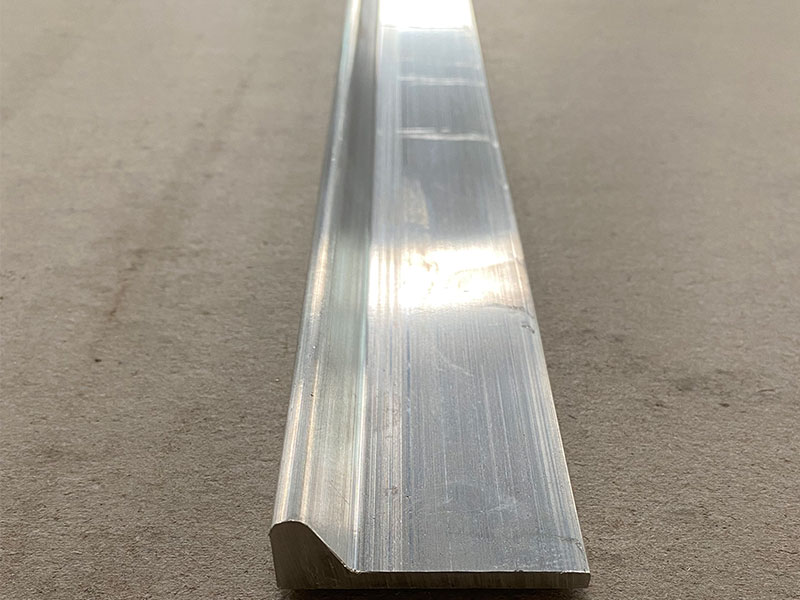
Marine aluminum I-beams
Marine Aluminum I-Beams feature the traditional “I” cross-sectional profile fabricated from marine-grade aluminum alloys like 5083, 5086, and 6061. These alloys are renowned for their outstanding corrosion resistance, especially in saltwater and marine atmospheres, making them ideal for offshore and naval construction.
View Details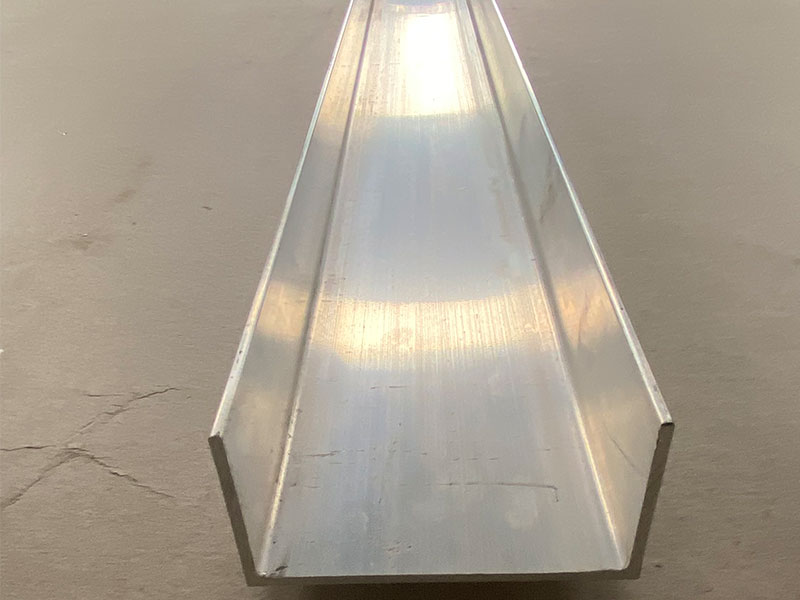
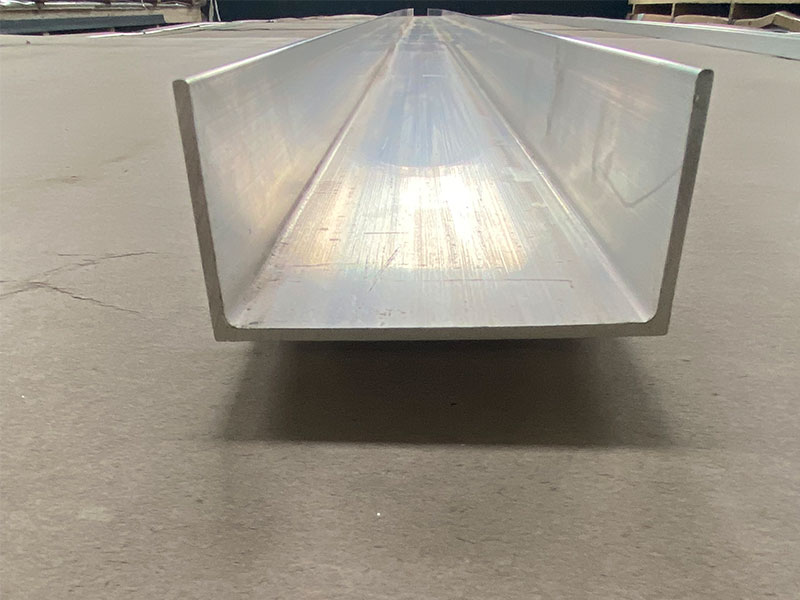
Marine aluminum channels
Marine Aluminum Channels are U-shaped aluminum profiles produced from alloys such as 5083, 5052, and 6061, known for their excellent marine corrosion resistance and superior mechanical strength.
View Details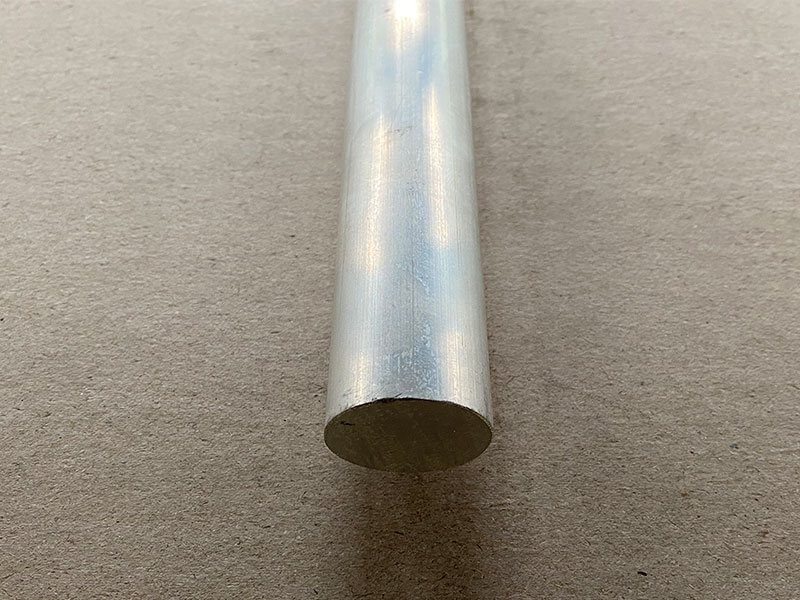
6061 marine aluminum round bar
6061 aluminum belongs to the 6xxx series alloys, alloyed primarily with magnesium and silicon. In the T6 temper, it undergoes solution heat treatment and artificial aging, resulting in enhanced mechanical properties while maintaining excellent corrosion resistance.
View Details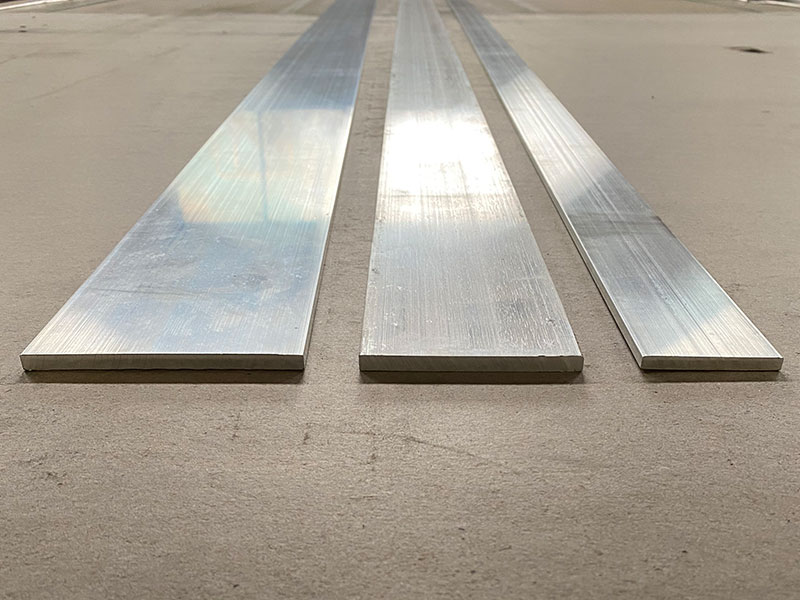
6061 T6 marine aluminum flat bar
6061 aluminum is classified as a heat-treatable 6xxx series alloy, alloyed primarily with magnesium and silicon. The T6 temper designation indicates that the flat bar has been solution heat-treated and artificially aged to achieve optimum strength and hardness.
View Details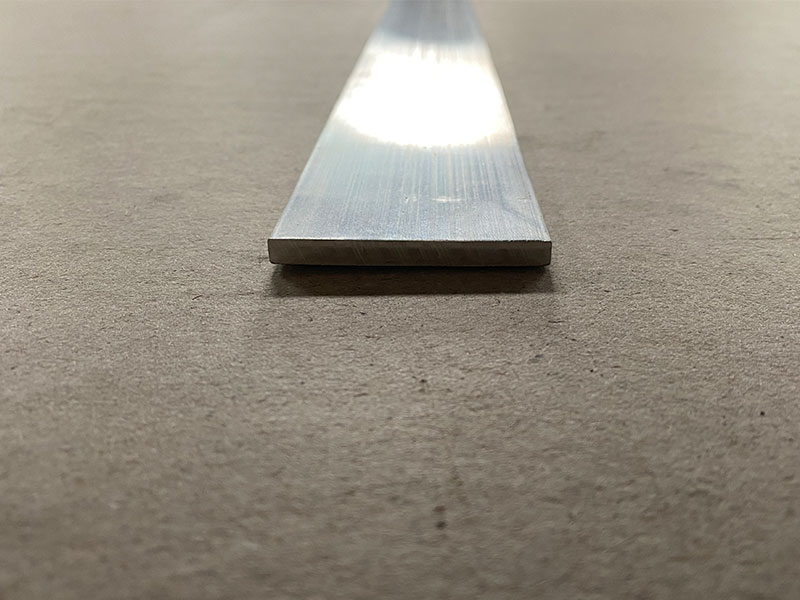
5083 marine aluminum flat bar
5083 aluminum flat bars belong to the 5xxx series of aluminum-magnesium alloys, known primarily for their superior resistance to seawater corrosion and salt spray.
View Details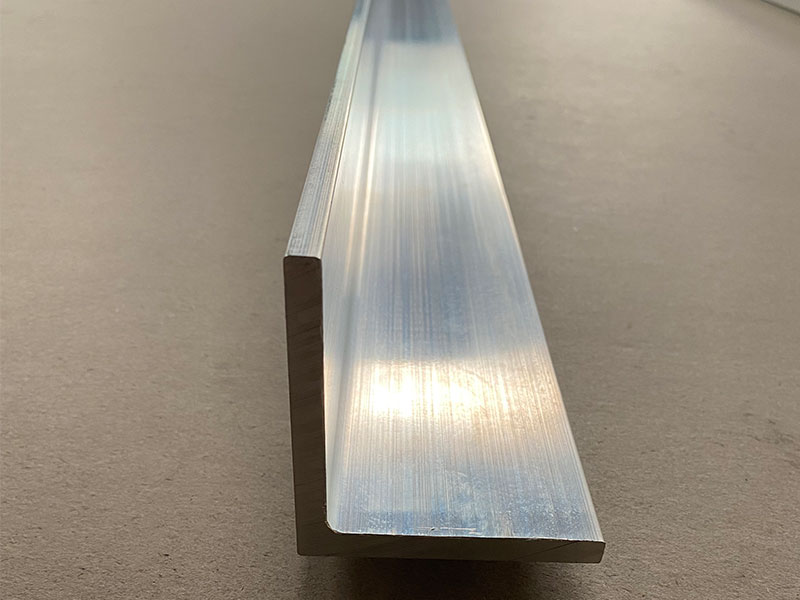
Marine aluminum angles
Marine Aluminum Angles are L-shaped cross-sectional aluminum profiles produced from marine-grade aluminum alloys such as 5083, 5052, and 6061.
View DetailsRelated Blog
6061 marine aluminum round bar
6061 marine aluminum round bar is a versatile, corrosion-resistant, medium-to-high strength aluminum product widely used in marine hardware, offshore components, and coastal industrial equipment.
View Details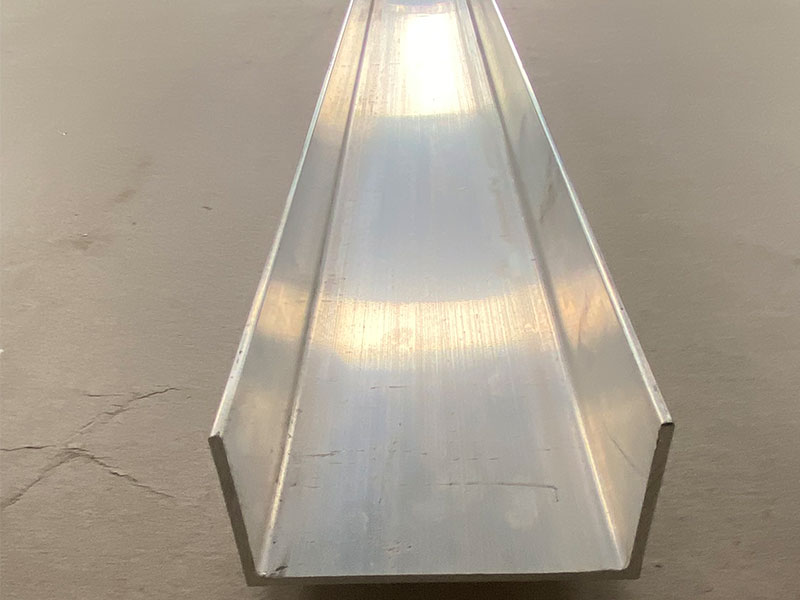
6061 Marine Aluminum Channels for Offshore Structural Support Beams
6061 marine aluminum channels are engineered for offshore structural support beams where strength, corrosion resistance, and fabrication speed must coexist. In marine and offshore environments, structural members face cyclic loading, salt spray.
View Details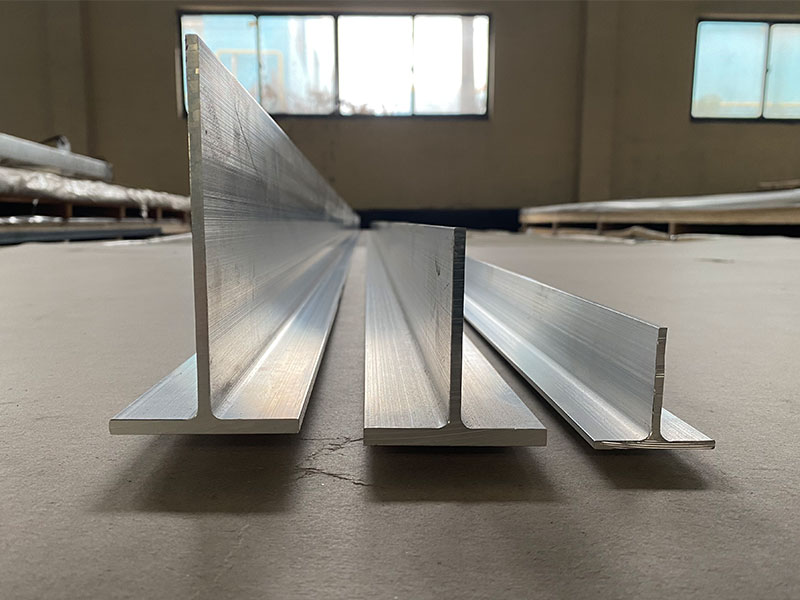
6061 T6 marine aluminum flat bar
6061 T6 marine aluminum flat bar is a widely used structural and fabrication material within the marine industry. Combining excellent strength, good corrosion resistance, weldability, and formability.
View Details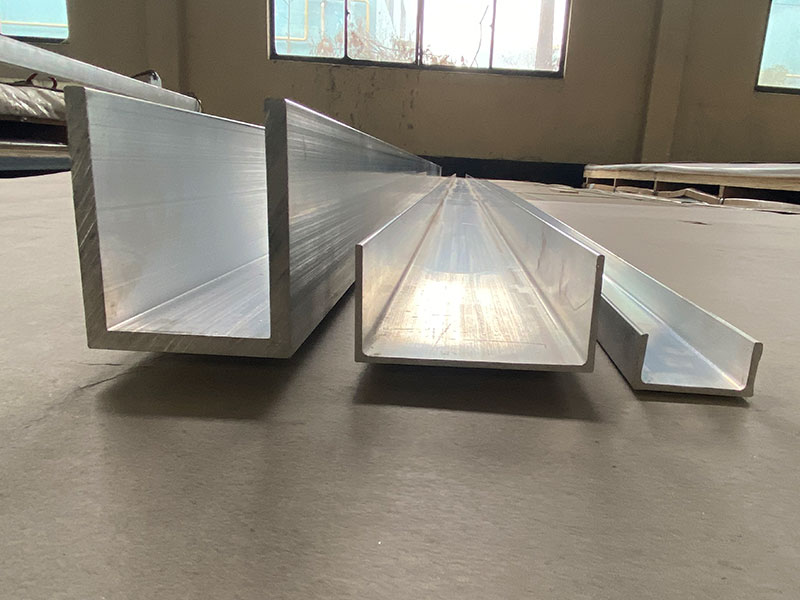
6061 Marine Aluminum I Beams for Marine Frame and Hull Customization
When it comes to marine applications, the selection of materials is critical. An imbalance can not only affect the aesthetics of a vessel but compromise its safety and functionality as well.
View Details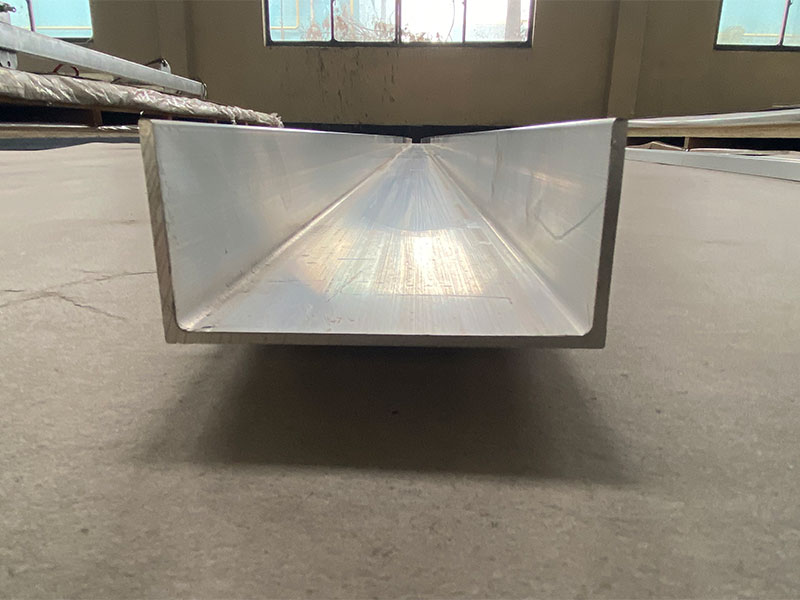
6061 T6 Marine Aluminum Flat Bar for Offshore Platform Reinforcement
Offshore structures live in a harsh reality: salt spray, cyclic loading, vibration, UV exposure, and constant maintenance pressure. When reinforcement members must deliver reliable strength without adding unnecessary mass.
View Details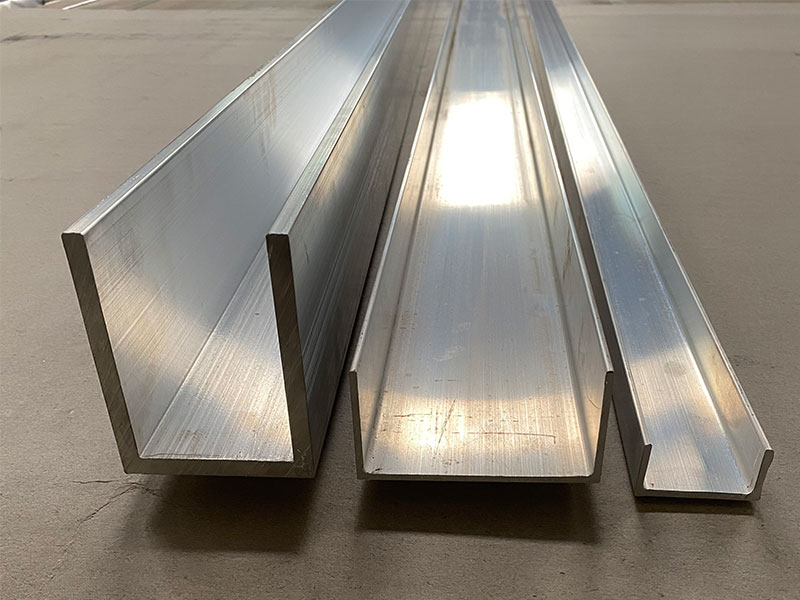
6061 Marine aluminum angles
6061 Marine Aluminum Angles are among the most popular and versatile aluminum alloy products used in marine and structural engineering applications. Renowned for their excellent strength, corrosion resistance, and machinability.
View Details
Leave a Message